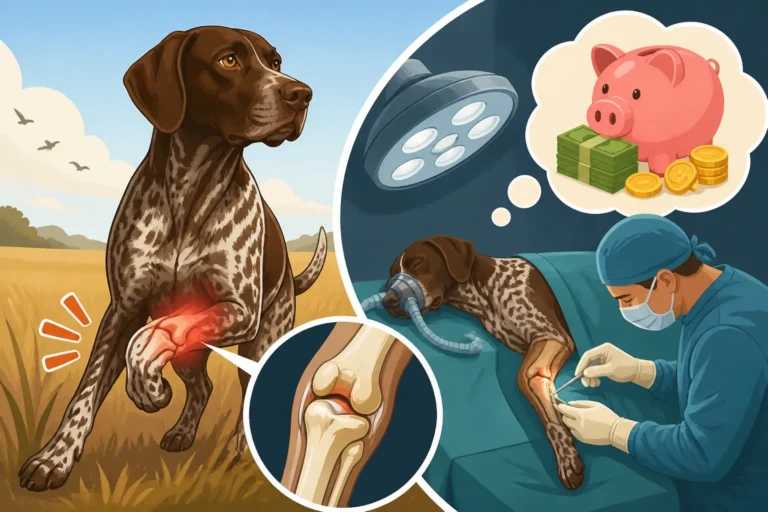
The Bill for Removing a Foxtail From a Shorthair
There are few things more unsettling for a German Shorthaired Pointer owner than suspecting your keen-nosed companion has picked up a foxtail. These seemingly innocuous plant awns are a menace, capable of migrating deep into your dog's body, causing excruciating pain and serious health issues. The financial toll of removing one can range from a quick, relatively inexpensive vet visit to a truly eye-watering bill for complex surgery. This guide will walk you through the various costs you might face when dealing with a foxtail embedded in your beloved GSP, from initial diagnosis to recovery.
Understanding the Foxtail Threat to Your German Shorthaired Pointer
For anyone who owns a German Shorthaired Pointer, especially those who spend time in the field, foxtails are a constant, insidious threat. These aren't just annoying burrs; they are biological nightmares designed by nature to travel in one direction – forward – embedding themselves deeper into flesh with every movement.
What Exactly is a Foxtail and Why is it so Dangerous?
Foxtails, also known as grass awns or grass seeds, are the barbed seed heads of certain types of grasses. They are shaped like tiny arrows, often with sharp points and microscopic barbs that prevent them from backing out once they've entered skin or orifices. Think of them like a fishhook, but covered in even more hooks. They are notoriously resilient, and their ability to migrate through tissue makes them uniquely problematic. They can enter through any opening – ears, nose, eyes, mouth – or burrow through skin, particularly between toes, under armpits, or in the groin.
Unlike a splinter that might eventually work its way out, a foxtail's design means it only travels deeper. Every stretch, every step, every shake of the head pushes it further into your GSP's body. This migration can lead to serious infections, abscesses, punctured organs, and even death if left untreated. The danger isn't just external; once inside, they carry bacteria with them, turning a minor irritation into a medical emergency. If you've ever seen a German Shorthaired Pointer come home from the field, you know they dive into thick cover with abandon, making them prime candidates for picking up these nasty hitchhikers. This is why checking a German Shorthaired Pointer over after a hunt is so crucial.
Common Entry Points and Signs Your Shorthair Has a Foxtail
German Shorthaired Pointers, with their boundless energy and short, sleek coats, are particularly susceptible to foxtails. Their deep chest and low-slung ears, combined with their propensity for running through tall grasses, create many opportunities for these seeds to latch on.
One of the most common places for foxtails to embed is between the toes or in the paw pads. Your GSP might start limping, excessively licking or chewing their paw, or you might notice swelling. If you ever feel a hard lump or see a small weeping wound between the toes, a foxtail is a prime suspect. Their ears are another frequent target. If your GSP is suddenly shaking their head violently, scratching at an ear, or holding one ear down, a foxtail might be lodged deep in the ear canal. This can be incredibly painful and often requires sedation to extract.
The nose is perhaps the most dramatic entry point. If a foxtail gets inhaled, your German Shorthaired Pointer might have sudden, violent sneezing fits, paw at their nose, or develop a bloody discharge from one nostril. Sometimes, they might even seem to cough or gag as the foxtail irritates their nasal passages. Eyes are also vulnerable; rubbing or squinting, excessive tearing, or redness can indicate a foxtail under the eyelid. Less common but equally serious are foxtails that enter the lungs, throat, or even the urethra, causing coughing, difficulty swallowing, or problems with urination. Always perform a thorough check, paying special attention to areas like ears, paws, armpits, and groin.
The Hidden Dangers of Untreated Foxtails
The real peril of foxtails lies in their migratory nature. What starts as a simple thorn can become a life-threatening internal crisis. An untreated foxtail in the paw can track up the leg, causing severe abscesses and lameness. One in the ear can perforate the eardrum, leading to deep ear infections, balance issues, and even neurological symptoms if it reaches the brain. A foxtail inhaled into the nose can travel down into the lungs, causing pneumonia, lung abscesses, or other serious respiratory complications. This can be similar to the grave concerns around grass seed migration into a Shorthair's chest.
The barbed structure means they rarely stay put. They can burrow into joints, cause chronic draining tracts, or even migrate to internal organs, leading to infections that are incredibly difficult to diagnose and treat. The longer a foxtail remains in the body, the greater the risk of deep-seated infection, systemic inflammation, and permanent tissue damage. The pain alone can be debilitating for your active German Shorthaired Pointer, transforming them from a vibrant hunting companion to a miserable, lethargic patient. Early detection and removal are paramount to preventing these devastating consequences.
Initial Assessment and Diagnostic Costs
When you suspect a foxtail, your immediate instinct is to get your German Shorthaired Pointer to the vet. This initial visit kicks off the diagnostic process, and the costs can begin to add up depending on how readily the culprit is found.
The Vet Visit: Consultation and Basic Examination
The first step is always a trip to your veterinarian. This initial consultation will include a thorough physical examination of your German Shorthaired Pointer. The vet will likely start by observing your dog's gait, listening to their lungs, checking their ears, eyes, and mouth, and carefully palpating their paws and any areas of concern. They'll be looking for specific signs of foxtail presence: swelling, redness, a small puncture wound, discharge, or localized pain.
During this examination, if the foxtail is superficially located—say, just barely embedded in a paw or visible in the outer ear canal—your vet might be able to remove it right away with forceps. This is the best-case scenario and typically the least expensive. However, even for a relatively simple removal, some sedation might be necessary if your GSP is in pain or uncooperative, adding a small fee. The basic consultation fee itself usually covers the vet's time, initial assessment, and any minor non-sedated removal. This is often the cheapest part of the whole ordeal, and you'll breathe a sigh of relief if it ends here.
Imaging: X-rays, Ultrasounds, and Endoscopy
Unfortunately, foxtails are not always easy to find. They are radiolucent, meaning they typically don't show up on standard X-rays unless they've picked up metallic particles or caused significant tissue reaction (like a large abscess). However, X-rays might still be performed to rule out other issues, such as a fracture if the lameness is severe, or to look for secondary problems like fluid accumulation in the chest if a foxtail is suspected in the lungs.
If the foxtail is in the nasal passages, ear canal, or deep in the throat, an endoscope or otoscope might be required. This involves inserting a tiny camera into the affected area to visually locate the foreign object. This is a specialized procedure often requiring sedation or general anesthesia, especially for a high-energy German Shorthaired Pointer. An ultrasound might be used to search for abscesses or foreign bodies in soft tissues, particularly in the abdomen or chest if migration is suspected. These advanced imaging techniques can significantly increase the cost, as they require specialized equipment and skilled interpretation. It's not uncommon for vets to need to perform multiple imaging tests to try and pinpoint the exact location of a migrating foxtail.
Bloodwork and Other Pre-Procedure Tests
Before any significant sedation or surgical procedure, your veterinarian will almost certainly recommend pre-anesthetic bloodwork. This is a critical step to ensure your German Shorthaired Pointer is healthy enough to undergo anesthesia. The blood panel typically checks organ function (kidneys, liver), blood cell counts (red and white blood cells), and clotting ability. This helps the vet identify any underlying conditions that could increase anesthetic risk, especially important for an active breed that might hide subtle health issues.
If there's suspicion of infection, a complete blood count (CBC) can indicate the presence and severity of inflammation or infection. This bloodwork adds to the overall bill but is a non-negotiable safety measure. In some cases, if a deep infection is present, a bacterial culture and sensitivity test might be performed on any draining fluid to identify the specific bacteria and determine the most effective antibiotic. These additional tests, while vital for successful treatment, will layer on further costs.
The Procedure: Removing a Foxtail
Once the foxtail is located, the next step is getting it out. This is where the biggest cost variations come into play, heavily dependent on how deeply and where the foxtail has embedded itself.
Sedation and Anesthesia: The Biggest Variable
Most foxtail removals, even seemingly minor ones, require some form of sedation or general anesthesia. Imagine your German Shorthaired Pointer, even if they're usually the best patient, experiencing pain and discomfort. They'll instinctively pull away, making precise and safe removal impossible. If the foxtail is deep in an ear canal, between sensitive paw pads, or certainly in the nasal cavity, the vet needs your dog to be completely still. What sedating a Shorthair for a foxtail costs will depend on your dog's size, age, and general health, as well as the duration and depth of anesthesia required.
For simple, superficial extractions, light sedation might suffice. For deeper, more invasive removals, general anesthesia will be necessary, which involves placing an intravenous catheter, administering anesthetic drugs, and monitoring vital signs throughout the procedure. The anesthetic itself, the monitoring equipment, and the dedicated veterinary technician overseeing your GSP's safety during the procedure all contribute to this significant part of the bill. It's a critical safety measure, especially for an athletic breed that can be sensitive to anesthetics.
Manual Extraction vs. Surgical Intervention
The ideal scenario for foxtail removal is manual extraction. If the vet can visually locate the foxtail—perhaps with the aid of an otoscope for an ear, or forceps for a paw—they will attempt to grasp and pull it out. This method is less invasive and generally less expensive, as it requires minimal surgical prep beyond sedation.
However, if the foxtail has migrated deeper, formed an abscess, or is in an inaccessible location, surgical intervention becomes necessary. This is where costs truly escalate. For example, a foxtail that has traveled up a leg and caused an abscess might require an incision to drain the infection and retrieve the seed. A foxtail in the lung or abdomen could necessitate complex chest or abdominal surgery. The length and complexity of the surgery, the need for specialized instruments, and the time spent in the operating room all factor into the final bill. The vet might need to perform exploratory surgery to even find the migrating foxtail, making the procedure even longer and more costly. The comparison to other emergencies, like the bill when a Shorthair torsions mid season, becomes apt here, as surgical intervention for foxtails can be just as involved.
Post-Extraction Care and Medication
After the foxtail is successfully removed, your German Shorthaired Pointer will need post-operative care, which includes medication and follow-up visits. Antibiotics are almost always prescribed, sometimes for several weeks, to combat any infection introduced by the foxtail. Pain medication will also be given to keep your GSP comfortable during recovery. Anti-inflammatory drugs might be used to reduce swelling.
If surgery was performed, your dog will likely have sutures or staples that need to be monitored and possibly removed at a follow-up appointment. They might also need an Elizabethan collar (cone) to prevent them from licking or chewing at the wound, which can lead to infection or reopening the incision. Follow-up visits are crucial to ensure the wound is healing properly, the infection is clearing, and there are no signs of residual foxtail material or complications. Each of these medications and follow-up appointments adds to the overall expense, stretching the "bill for removing a foxtail" beyond just the day of the procedure.
Factors Influencing the Total Bill
The cost of foxtail removal can be highly variable, making it difficult to give an exact figure. Several factors play a significant role in determining your final bill.
Location, Clinic Type, and Emergency Services
Just like with human healthcare, veterinary costs can fluctuate dramatically based on your geographic location. Vets in urban areas or regions with a higher cost of living generally have higher overheads, which translates to higher service fees. A simple extraction in a rural clinic might cost significantly less than the same procedure in a metropolitan area.
The type of clinic also matters. A routine removal at your family veterinarian's office will likely be less expensive than if your GSP needs to be seen at a specialized emergency veterinary hospital. Emergency clinics often have higher fees due to their 24/7 staffing, advanced equipment, and immediate availability. If your German Shorthaired Pointer presents with a severe, rapidly progressing issue like a foxtail in the lung, an emergency visit is often unavoidable, immediately increasing the cost. These situations illustrate why understanding the broader context of the vet bills a hunting Shorthair earns is important.
Severity, Location, and Duration of Foxtail Lodgment
The degree of embedment is probably the single biggest factor influencing the cost. A foxtail that has just entered the skin and is easily visible and accessible will be much cheaper to remove than one that has been migrating for days or weeks, causing extensive internal damage.
Consider these scenarios:
- Superficial Paw Foxtail: Minimal sedation, quick extraction. Lower cost.
- Deep Ear Canal Foxtail: Requires deeper sedation, specialized otoscope, careful extraction to avoid eardrum damage. Moderate cost.
- Nasal Foxtail: Requires general anesthesia, rhinoscopy, potentially multiple attempts. Higher cost.
- Migrated Chest or Abdominal Foxtail: Requires general anesthesia, advanced imaging (CT scan in some cases), complex exploratory surgery, potentially overnight hospitalization. Very high cost.
The longer a foxtail has been present, the more likely it is to have migrated, caused infection, or created an abscess, all of which complicate removal and drive up the price.
Potential Complications and Follow-Up Visits
Even after a successful removal, complications can arise, adding to your financial burden. These might include:
- Persistent Infection: If the entire foxtail wasn't removed, or if bacteria were introduced, a persistent infection might require additional rounds of antibiotics, further diagnostics, or even a second surgery.
- Abscess Recurrence: An abscess might reform if any part of the foxtail or infected tissue remains, requiring further drainage or surgical revision.
- Scar Tissue Formation: In severe cases, especially with extensive migration, significant scar tissue can form, potentially leading to chronic issues or requiring long-term management.
- Rehabilitation: If the foxtail caused severe lameness or nerve damage, your GSP might need physical therapy for a Shorthair after knee surgery, adding further costs.
Each follow-up visit, recheck, medication refill, or unexpected complication means another line item on your vet bill. This iterative nature of care, where one problem leads to another, can quickly turn a moderate expense into a substantial one.
Mitigating Costs: Prevention, Pet Insurance, and Financial Planning
Facing a potentially huge vet bill for a foxtail is stressful. While some costs are unavoidable, there are definitely ways to mitigate the financial impact, starting with prevention and smart financial planning.
Proactive Prevention: Checking Your Shorthair After Every Hunt
The absolute best way to save money on foxtail removal is to prevent them from becoming a problem in the first place. For German Shorthaired Pointers, who are born to plunge through fields and dense cover, this means meticulous care after every outdoor adventure.
- Full Body Scan: Immediately after coming home from a hunt or even a walk in tall grass, perform a full-body inspection. Pay extremely close attention to the common entry points:
- Paws: Spread the toes wide, looking between the pads for any red spots, swelling, or embedded seeds.
- Ears: Check inside the ear flaps and down into the canal as much as you can see.
- Nose: Look for any redness or foreign material just inside the nostrils.
- Eyes: Gently lift eyelids and check the corners.
- Coat: Run your hands thoroughly over your dog's entire body, feeling for any bumps or burrs. A short-coated GSP makes this a bit easier than a long-haired breed, but those foxtails can still hide.
- Protective Gear: Consider investing in boots for a Shorthair on rock and stubble, especially if you hunt in areas known for foxtails. While some GSPs resist them, they can provide a crucial barrier for sensitive paw pads.
- Grooming: While GSPs don't require extensive grooming, a quick brush down after being out can help dislodge loose foxtails before they have a chance to burrow.
- Environmental Control: Keep your own yard trimmed, especially around fence lines or areas where your dog rests. If you know certain fields are foxtail hotspots, try to avoid them.
These daily habits, while time-consuming, are your first and best line of defense against an expensive and painful foxtail incident.
The Role of Pet Insurance in Unexpected Vet Bills
Pet insurance can be a lifesaver when an unexpected emergency, like a migrating foxtail, strikes. It's designed to help cover the costs of accidents, illnesses, and sometimes even wellness care, depending on the plan you choose. Many plans, like those offered by Healthy Paws, are reimbursement-based, meaning you pay the vet directly and then submit a claim for repayment.
When considering pet insurance for your German Shorthaired Pointer, look for a policy that covers accidents and illnesses, as foxtail removal definitely falls under this category. Check the deductible, reimbursement percentage (e.g., 70%, 80%, or 90% of eligible costs), and annual limits. Remember that pet insurance typically won't cover pre-existing conditions, so it's best to enroll your GSP when they are young and healthy.
Having a policy that covers a Shorthair's hunting injuries can provide immense peace of mind. A major surgery for a deep-seated foxtail can easily run into thousands of dollars, a sum that many families would struggle to pay out-of-pocket. Monthly insurance premiums on a German Shorthaired Pointer might seem like another bill, but they can dramatically reduce your financial exposure during a crisis. It's an investment in your peace of mind and your dog's health.
Budgeting for the Unexpected: Building an Emergency Fund
Even with diligent prevention and good pet insurance, there will always be out-of-pocket expenses. Pet insurance usually has a deductible you must meet before coverage kicks in, and it might not cover 100% of the bill. This is where an emergency fund specifically for your pet comes into play.
Consider setting aside a certain amount each month into a dedicated savings account. This could be anywhere from $50 to $100, or whatever you can comfortably manage. Over time, this fund can grow into a substantial safety net for unexpected vet bills, whether it's for a foxtail, an injury like a torn cruciate, or any other sudden medical need.
You can also explore options like veterinary credit lines, often offered by clinics, or look into programs that help with veterinary costs. Some owners choose to self insure instead, saving money rather than paying premiums, but this requires significant discipline and the ability to cover large, sudden expenses entirely. Companies like Chewy and Ollie focus on nutrition and supplies, but ensuring you have quality preventative tools and a financial cushion for emergencies are just as important for your GSP's overall well-being. Having a financial plan in place means you can focus on your dog's recovery without the added stress of how you'll pay for it all.
A Comparative Look at Foxtail Removal Costs
To give you a clearer picture of the financial landscape, let's break down potential costs for different scenarios involving foxtail removal from a German Shorthaired Pointer. Keep in mind these are ranges and actual prices will vary based on your location, vet, and specific circumstances.
| Foxtail Location/Severity | Diagnostic Costs (Estimate) | Procedure Costs (Estimate) | Post-Op & Medication (Estimate) | Total Estimated Range |
|---|---|---|---|---|
| Superficial Paw Pad | $50 – $150 (Exam, minor sedation) | $100 – $300 (Manual extraction) | $50 – $150 (Antibiotics, pain meds) | $200 – $600 |
| Ear Canal (Deep) | $150 – $300 (Exam, sedation, otoscopy) | $300 – $700 (Endoscopic removal) | $100 – $250 (Antibiotics, ear drops, pain meds) | $550 – $1250 |
| Nasal Passage | $200 – $500 (Exam, anesthesia, rhinoscopy) | $600 – $1500 (Endoscopic removal, repeat attempts) | $150 – $350 (Antibiotics, anti-inflammatories) | $950 – $2350 |
| Migrated (Abscessed Paw/Leg) | $300 – $800 (Exam, X-rays, ultrasound, anesthesia, bloodwork) | $800 – $2500 (Surgical incision, debridement) | $250 – $600 (Longer course antibiotics, pain meds, bandage changes) | $1350 – $3900 |
| Migrated (Chest/Abdominal) | $800 – $2500+ (Exam, extensive imaging, specialist consults, anesthesia, bloodwork) | $2000 – $7000+ (Complex exploratory surgery, specialist surgeon, overnight stay) | $500 – $1500+ (Extensive post-op care, multiple medications, potential follow-up imaging) | $3300 – $11000+ |
As you can see, the difference between a simple, quick removal and a complex, migrated foxtail can be thousands of dollars. This table should highlight why prompt detection and treatment are not only crucial for your German Shorthaired Pointer's health but also for your wallet. A foxtail lodged in a Shorthair's paw might be a few hundred dollars, but grass seed migration into a Shorthair's chest can easily run into the thousands.
Living Foxtail-Free with Your German Shorthaired Pointer
The threat of foxtails is a real concern for any German Shorthaired Pointer owner, particularly those who embrace the breed's active, outdoor lifestyle. From their barbed structure to their insidious migratory abilities, these plant awns pose a significant health risk and can lead to unexpectedly high veterinary bills.
Understanding the potential costs, from basic examinations to complex surgical interventions and post-operative care, helps owners prepare for the financial realities. The price tag for removing a foxtail can swing wildly based on its location, how long it's been present, and the specialized diagnostics and procedures required.
Ultimately, prevention remains your most powerful tool. Thoroughly checking your German Shorthaired Pointer after every outing, especially inspecting ears, paws, and under the coat, is non-negotiable. Combining this vigilance with a robust pet insurance plan, such as those from Healthy Paws, and a dedicated emergency fund can alleviate much of the stress when an unfortunate incident does occur. Taking these proactive steps ensures that your beloved German Shorthaired Pointer can continue to enjoy the fields and cover they were bred for, safely and without breaking the bank.
Disclaimer
This article is for general informational purposes only and does not constitute professional advice. Laws, prices and regulations vary by location and change over time. Consult a qualified professional for guidance on your specific situation.