What a China Eye Is on a German Shorthaired Pointer
It can be quite startling and even a little confusing when you first hear a term like "China Eye" used in reference to a German Shorthaired Pointer, especially if you're thinking about adding one of these magnificent dogs to your family or you already have one with what seems to be unusually light eyes. This guide is here to unravel what a "China Eye" truly means for a German Shorthaired Pointer, diving into its origins, its appearance, and what it implies for these otherwise robust and loyal companions.
What is a "China Eye" on a German Shorthaired Pointer?
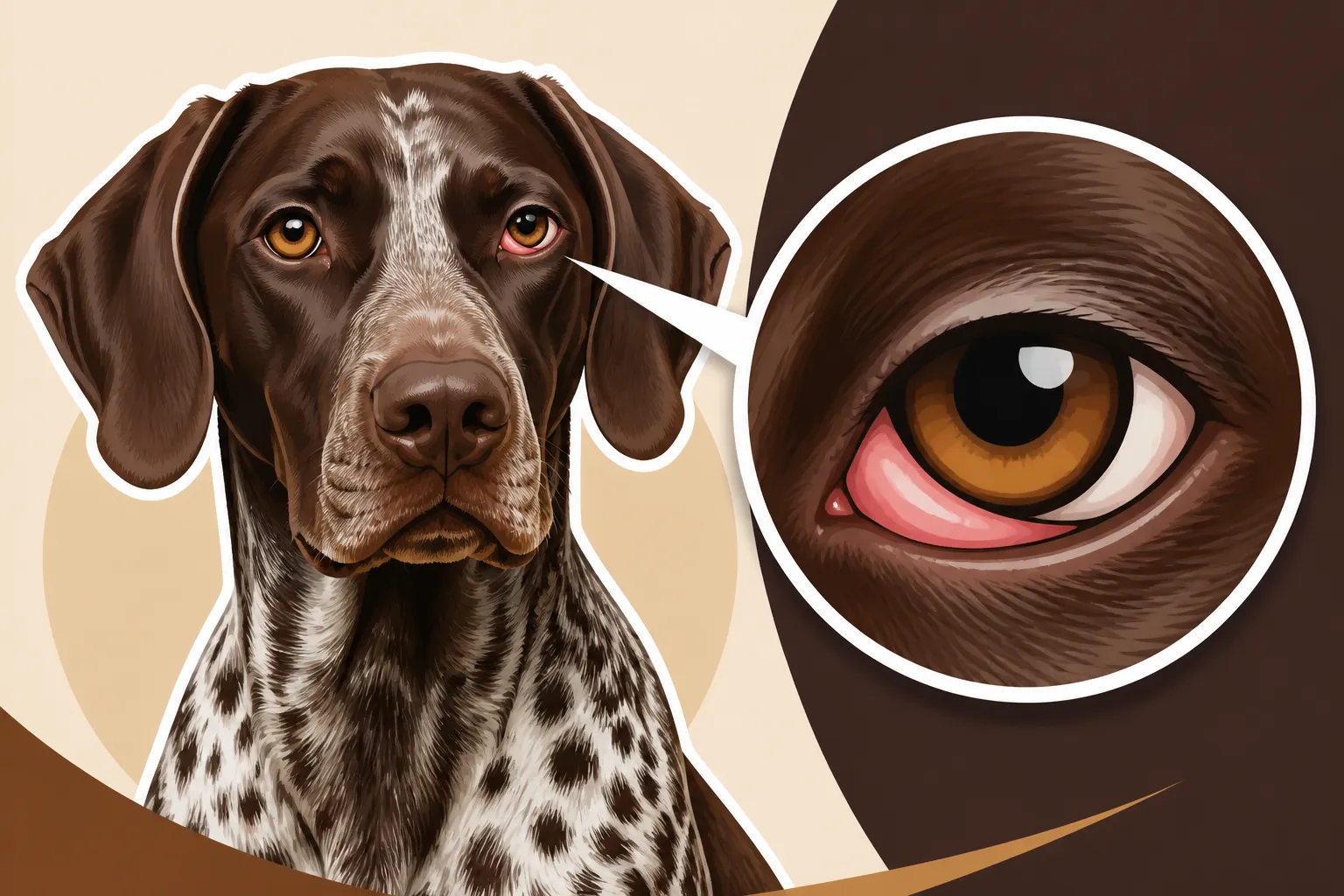
When folks in the dog world talk about a "China Eye," they're usually referring to an eye that is notably lighter in color than what is considered typical for the breed, often appearing a piercing pale yellow, glass-like blue, or even a very light grey. It can stand out quite dramatically against the rich liver or black coats that German Shorthaired Pointers (GSPs) are known for. It's not necessarily a sign of a health problem, but rather a characteristic that falls outside the preferred aesthetic of the breed standard.
Appearance and Characteristics
Imagine looking into your GSP's eyes and instead of seeing the deep, intelligent amber or brown you'd expect, you see eyes that almost seem to glow with a lighter, almost translucent quality. That's essentially what a "China Eye" looks like. It's not about the shape of the eye, or any physical deformity, but purely about the pigment, or lack thereof, in the iris. The color can range from a very pale gold, almost straw-like, to a striking pale blue or grey. In some cases, a GSP might have one normal-colored eye and one "China Eye," which is often referred to as heterochromia. While beautiful and unique to many, it's considered a deviation from the desired standard in purebred German Shorthaired Pointers. These lighter eyes can often make a dog's expression seem less warm or intense to those accustomed to the breed's typical dark eye.
Historical Context and Terminology
The term "China Eye" itself is rather old and has been used across various breeds, usually to describe a light-colored, often blue or glassy eye. It doesn't have a direct link to China as a country; rather, it’s an antiquated term that has stuck around in canine parlance, much like other quirky old dog terms. In the context of German Shorthaired Pointers, the breed was developed in Germany during the 19th century with a focus on creating a versatile hunting dog that could point, retrieve, and track both feather and fur. The German Kennels the Shorthair Was Built In are renowned for their meticulous breeding practices, and part of that involved adhering to specific physical characteristics that were believed to indicate working ability and soundness. The ideal eye color, typically a deep amber or brown, was selected to blend harmoniously with the liver or black coat and to give the dog a keen, intelligent, and serious expression. Any deviation from this, like a pale "China Eye," was considered undesirable in the breed's formative years and remains so in the show ring today.
Why "China Eye" is a Fault in the Breed Standard
The official breed standards for German Shorthaired Pointers, set by organizations like the American Kennel Club (AKC) and other international kennel clubs, are quite specific about desirable traits, and eye color is one of them. These standards are meant to preserve the original intent and functionality of the breed, as well as its distinctive appearance. A "China Eye" is typically listed as a serious fault, and in some cases, even a disqualification in the show ring.
Breed Standard Requirements
The German Shorthaired Pointer standard generally calls for eyes that are medium in size, almond-shaped, and dark in color. The preferred color is a rich brown or deep amber that harmonizes with the dog's coat. A dark eye is thought to convey a keen, intelligent, and friendly expression, which aligns with the GSP's alert and eager personality. When the eyes are too light, they can change this desired expression dramatically. Judges in conformation shows look for dogs that adhere as closely as possible to every aspect of the standard, from The Size and Build the Shorthair Standard Asks For to the smallest details of pigmentation. A "China Eye" stands out because it's such a visible departure from this ideal. The underlying principle is that a uniform, dark pigmentation generally indicates genetic soundness and consistency within the breed.
Disqualifications and Faults
In the show world, a "fault" is a characteristic that deviates from the breed standard, making the dog less ideal, but not necessarily preventing it from competing. A "disqualification," however, means the dog cannot be awarded points and cannot receive titles in conformation events. For German Shorthaired Pointers, light eyes, including a "China Eye," are almost universally considered a serious fault, if not an outright disqualification. This means a GSP with a "China Eye" would likely not place well in a conformation show, no matter how exemplary its other features might be. The rationale behind this isn't about health; it's purely about upholding the established aesthetic and breed type. The Eye and Nose Faults That Disqualify a Shorthair are carefully outlined to ensure that breeders strive for specific traits that define the GSP.
Consider the following table to understand how eye color is typically viewed in breed standards:
| Eye Color Description | Breed Standard Status (GSP) | Implications for Show/Breeding | Common Perception |
|---|---|---|---|
| Dark Brown/Deep Amber | Ideal | Highly desirable | Intelligent, classic GSP look |
| Medium Brown | Acceptable | Generally fine | Standard, warm expression |
| Pale Gold/Light Straw | Fault | Penalized, may not place | Deviates from ideal, can look stark |
| Pale Blue/Glassy White | Serious Fault/Disqualification | Highly penalized, not suitable for conformation | Unique, but non-standard appearance |
| One Dark, One Pale (Heterochromia) | Serious Fault/Disqualification | Highly penalized, not suitable for conformation | Striking, often seen as a specific fault |
It's important to differentiate between a "China Eye" and Whether Blue Eyes Appear in German Shorthaired Pointers more broadly. True blue eyes in a GSP, especially as an adult, are quite rare and almost always indicate a significant deviation from the standard, often related to certain coat patterns or genetic influences not typical of the breed.
Common Misconceptions
One common misconception is that a "China Eye" indicates poor health or impaired vision. This is generally not true. A dog with a "China Eye" typically has perfectly normal vision, just like any other GSP. The lightness of the iris usually doesn't affect the function of the eye. Another misunderstanding is that a dog with a "China Eye" is somehow "less purebred" or less capable as a hunting dog. Neither of these is accurate. The eye color is a genetic trait, and a GSP with a "China Eye" is still a purebred German Shorthaired Pointer and can be an excellent hunter and companion. The fault is strictly about aesthetics and adherence to a human-defined standard, not about the dog's inherent quality or health. It's often a point of debate among enthusiasts who prioritize working ability over strict adherence to show ring aesthetics.
Implications for a German Shorthaired Pointer with a China Eye
So, what does it truly mean if your GSP has a "China Eye"? For the vast majority of owners, it means very little beyond a unique appearance. For those interested in showing or breeding, the implications can be more significant. It's about understanding that a cosmetic trait doesn't define the dog's character or abilities.
Health and Temperament
As mentioned, a "China Eye" typically has no bearing on a German Shorthaired Pointer's health. Your GSP with light eyes is just as likely to be healthy as one with dark eyes. They won't have any specific eye problems related to the color itself, though all GSPs should have regular veterinary check-ups, including eye examinations, as part of their routine care. Similarly, temperament is entirely unrelated to eye color. The friendly, energetic, and intelligent personality that defines the GSP breed will be present regardless of eye shade. You'll still have that loyal, eager-to-please companion who wants to be with you every second of the day, whether you're out in the field or relaxing at home. The "Velcro" side of a German Shorthaired Pointer is a characteristic of the breed, not dependent on the color of their eyes.
Show Ring and Breeding Considerations
If your dream is to compete in conformation shows and earn championship titles, a GSP with a "China Eye" will face significant hurdles, if not outright disqualification. Judges are bound by the breed standard, and a deviation as obvious as eye color is difficult to overlook. This doesn't mean you can't participate in other dog sports like agility, obedience, or hunt tests, where working ability and performance are paramount. In these venues, eye color is irrelevant.
For breeding, responsible German Shorthaired Pointer breeders will carefully consider all aspects of the breed standard, including eye color. While a GSP with a "China Eye" might be an excellent working dog or a beloved pet, a breeder aiming to produce show-quality puppies or maintain specific breed aesthetics would generally avoid breeding a dog with such a pronounced fault. This is not to say that a dog with a "China Eye" is "unbreedable," but rather that an ethical breeder considers how to improve or maintain the overall quality of the line, which includes addressing faults. They'd also be looking at Von Willebrand Testing Before a German Shorthaired Pointer Is Bred and hip and elbow clearances, among many other health screenings, which are far more critical than eye color for the future health of the breed.
Pet Ownership Experience
For the average pet owner, a "China Eye" is simply a unique physical trait. It might even be something you find endearing and distinctive about your dog. It certainly won't impact their ability to fetch a ball, enjoy a long hike, or cuddle on the couch. Your German Shorthaired Pointer will still be the high-energy, affectionate, and intelligent companion you expect. Many owners find their GSPs with lighter eyes to be quite striking and often receive compliments on their unusual appearance. It's a talking point, if anything! The practical care for a GSP with a "China Eye" is exactly the same as for any other GSP. You'll still need to provide plenty of exercise, good nutrition (perhaps even specialized food from places like Chewy if your dog is particularly active), and consistent training to ensure they are a well-adjusted and happy member of your family.
Living with a GSP with a China Eye
Embracing a German Shorthaired Pointer with a "China Eye" is all about celebrating their individuality while understanding the breed's broader standards. It’s a chance to educate others and highlight that appearance isn't everything when it comes to the heart and soul of a dog.
Unique Appearance and Appeal
Many people are drawn to dogs with unique features, and a "China Eye" certainly qualifies. It gives a GSP a distinctive look that sets them apart from the typical presentation. Instead of seeing it as a fault, many owners and admirers consider it a beautiful quirk, adding character to an already handsome breed. Imagine a stunning liver roan GSP with bright, intelligent, light-colored eyes—it's memorable! This unique appeal often means that these dogs find loving homes just as easily, if not more so, with families who appreciate something a little different. When you're picking out accessories, like a new dog bed or toys from Chewy, you might even find yourself looking for colors that complement those striking eyes.
What to Expect from Breeders and Rescues
If you're looking for a German Shorthaired Pointer puppy and you encounter one with a "China Eye," a reputable breeder will be upfront about it being a fault according to the breed standard. They should explain what that means for showing, but also reassure you that it typically carries no health implications. You might even find that puppies with this trait are offered at a slightly different price point, purely due to the conformation "fault."
German Shorthaired Pointer rescues are wonderful organizations that often have GSPs of all descriptions, including those with "China Eyes." Rescues focus on finding loving homes for dogs in need, and a cosmetic trait like eye color is completely secondary to the dog's health, temperament, and suitability for a particular family. If you're open to a GSP with a distinctive look, a rescue could be a great place to find your next companion. They'll always prioritize finding the right match, so a dog's physical attributes become much less important than its personality and needs.
Practical Care and Considerations
Caring for a German Shorthaired Pointer with a "China Eye" is no different from caring for any other GSP. They require substantial daily exercise to channel their boundless energy, whether it's long runs, intense games of fetch, or structured training sessions. The Two Hours a Day a German Shorthaired Pointer Needs is a real commitment. They thrive on human companionship and are prone to separation anxiety if left alone too much. Their short, dense coats are relatively low maintenance but still benefit from regular grooming to minimize shedding and keep their skin healthy. Routine veterinary care, proper nutrition (including quality food, perhaps ordered from a convenient service like Chewy), and ongoing training are all essential. The unique eye color doesn't add any extra care requirements; it simply adds to their charm.
Disclaimer
This article is for general informational purposes only and does not constitute professional advice. Laws, prices and regulations vary by location and change over time. Consult a qualified professional for guidance on your specific situation.