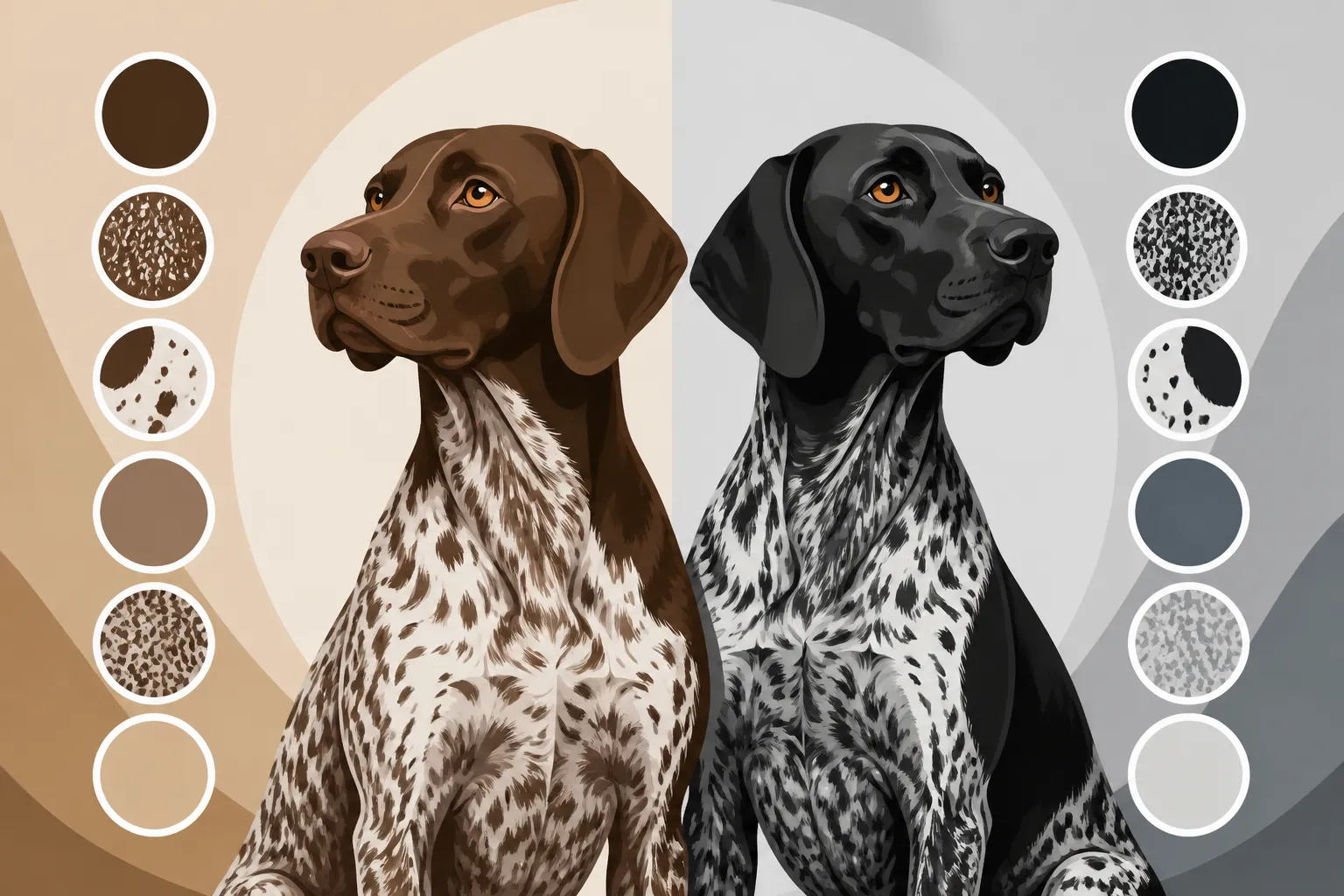
The Colors Two Liver Shorthairs Can Produce
It can be truly fascinating, and sometimes a little confusing, when you're looking at a litter of German Shorthaired Pointer puppies and trying to understand where their beautiful coats come from. Especially if both parent dogs are liver-colored, you might wonder if there's any chance of a black pup appearing, or what variations you can expect. This guide is here to demystify the genetics behind GSP coat colors, specifically when both sire and dam sport that classic liver hue, helping you understand the delightful possibilities and strict genetic boundaries.
Understanding German Shorthaired Pointer Coat Color Inheritance
When we talk about dog coat colors, it's a bit like a complex puzzle with several different pieces, or genes, that all have to fit together to reveal the final picture. For German Shorthaired Pointers, the primary colors you see are black and liver, often adorned with white markings. Understanding how these base colors are inherited is the first step to knowing what two liver parents can produce.
The Foundation: Eumelanin and Pheomelanin
At the very basic level, all dog coat colors are derived from two pigments: eumelanin and pheomelanin. Eumelanin is responsible for black and brown (liver) coloration, while pheomelanin produces red and yellow shades. German Shorthaired Pointers primarily express eumelanin in their coats, giving us our familiar black and liver dogs. The presence and modification of these pigments, controlled by various genes, dictate the ultimate color. For instance, while some breeds show a wide range of pheomelanin-based colors like rich reds or pale yellows, the GSP's genetic makeup tends to suppress these, funneling most of the color expression into the eumelanin spectrum.
The 'B' Locus: Defining Black and Liver
The most crucial gene for understanding why some GSPs are black and others are liver lies at what geneticists call the 'B' locus. This locus has two main alleles, or versions: 'B' for black and 'b' for liver. The 'B' allele is dominant, meaning that if a dog inherits even one 'B' from either parent, it will have a black base coat. The 'b' allele is recessive, so a dog must inherit two copies of 'b' (one from each parent) to express the liver color. This is why a dog can carry the liver gene without actually being liver.
Think of it like this:
- BB: The dog is genetically black and cannot pass on the liver gene.
- Bb: The dog is genetically black but carries the recessive liver gene. If bred to another dog carrying 'b', it can produce liver puppies.
- bb: The dog is genetically liver and can only pass on the liver gene to its offspring. This is the key genotype we're focusing on when both parents are liver.
Because the 'b' allele causes eumelanin pigment to appear brown instead of black, a 'bb' dog will have brown (liver) fur, a brown nose, and brown eye rims. This genetic distinction is critical for predicting litter outcomes. If you're looking into buying German Shorthaired Pointer Prices in the Upper Midwest, understanding the genetics of the parents can give you insight into what you're really paying for.
Patterns and Markings: Ticking, Roan, and Solid
Beyond the base color of liver or black, GSPs come with a variety of patterns and markings. These are controlled by separate genes. The most common patterns are solid, ticked, and roan, almost always with white markings.
- Solid: A solid liver GSP would be entirely liver with no white patches, which is a disqualifying fault in the show ring, but still genetically liver. These are quite rare but genetically possible.
- White Markings: Most GSPs have white markings, often on the chest, feet, and face. This is controlled by the 'S' locus.
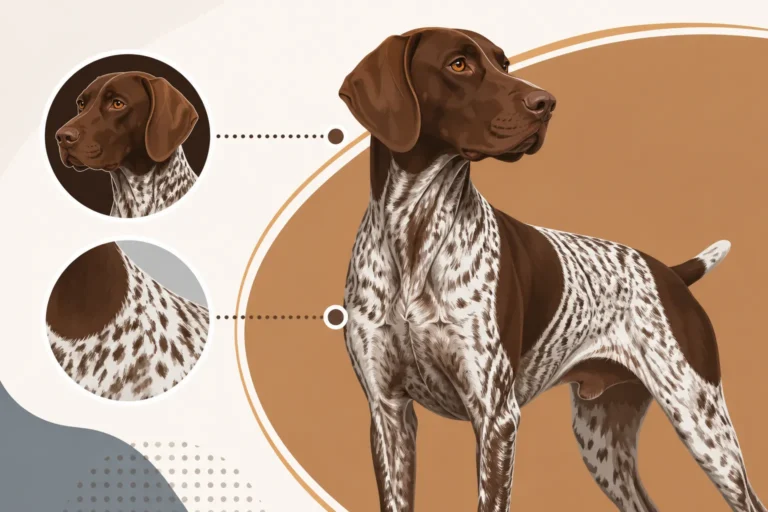
- Ticking: This refers to small, distinct spots of color on the white areas of the coat, giving a freckled appearance. A liver-ticked GSP will have liver spots on its white patches.
- Roan: Roan is a more extensive mixing of colored and white hairs throughout the white patches, giving a blended, salt-and-pepper or frosted appearance rather than distinct spots. A liver roan GSP will have this blended liver and white look.
These patterns are independent of whether the base color is black or liver, but their expression will always reflect the base color. A liver dog will have liver ticking or liver roan; a black dog will have black ticking or black roan. You can learn more about these patterns in The Difference Between Ticked and Roan on a Shorthair.
Predicting Puppy Colors from Two Liver Parents
Now, let's get to the heart of the matter: what happens when both German Shorthaired Pointer parents are liver? This is where understanding the 'B' locus genetics really pays off.
The Genetic Certainty: Why Only Liver is Possible
If both parents are liver, it means each parent has the genotype 'bb'. Remember, 'b' is the recessive allele for liver color. When two 'bb' dogs are bred, each parent can only pass on a 'b' allele to their offspring.
Therefore, every single puppy in the litter will inherit a 'b' from the sire and a 'b' from the dam, resulting in a 'bb' genotype for every pup. This genetic certainty means that all puppies born from two liver German Shorthaired Pointer parents will be liver.
There is no genetic mechanism for a black puppy to arise from two liver parents. For a puppy to be black, it would need at least one dominant 'B' allele. Since neither parent possesses a 'B' allele (they are both 'bb'), they cannot pass one on. This is a fundamental principle of Mendelian genetics. So, if you're a breeder with two liver GSPs, you can be absolutely confident that your entire litter will be liver, whether it's How Common a Solid Liver German Shorthaired Pointer Is or liver and white.
Expected Patterns and Shades
While the base color will always be liver, the specific patterns and shades within the liver spectrum can still vary among puppies from two liver parents.
- Liver and White: This is the most common pattern. Puppies will primarily be liver with varying degrees of white markings.
- Liver Roan: Some puppies may exhibit the liver roan pattern, where liver hairs are intermingled with white hairs on the white areas, creating a speckled or blended appearance.
- Liver Ticked: Others might have a more distinct liver ticked pattern, showing clear, smaller liver spots on their white areas.
- Solid Liver: While rare and often considered a fault in the show ring, it is genetically possible for a puppy to be solid liver without any white markings if the parents carry the genes for solid coloration. However, this is distinct from the liver base color, which will always be present.
The specific shade of liver can also vary slightly, from a lighter, almost milk-chocolate liver to a very dark, rich liver. These variations are often influenced by other modifying genes that adjust the intensity or dilution of the pigment, even though the base color remains liver. So, while you'll know the color will be liver, the exact presentation of that liver can still offer some delightful surprises within the litter.
Here’s a simplified look at the genetic outcome:
| Parent 1 Genotype | Parent 2 Genotype | Possible Offspring Genotypes | Phenotypes (Colors) |
|---|---|---|---|
| bb (Liver) | bb (Liver) | bb | 100% Liver |
This table clearly illustrates that there is no possibility for a 'B' allele to be introduced, thus no black offspring.
The Nuances of Liver: Shades and Markings
Within the spectrum of 'liver,' there’s more to appreciate than just one uniform shade. Just like human hair colors vary, so too can the liver coats of German Shorthaired Pointers. Understanding these nuances helps us appreciate the breed's diversity even within its genetic constraints.
From Light to Dark Liver: A Spectrum of Expression
While the 'bb' genotype dictates the liver color, other genes, known as polygenes or modifying genes, can subtly influence how deeply or lightly that liver pigment is expressed. This means you might see a range of liver shades, even within the same litter from two liver parents. Some puppies might have a lighter, more golden-brown liver, while others could have an incredibly rich, dark, almost chocolatey liver.
These modifiers don't change the fundamental genetic color from liver to black or vice-versa, but they do adjust its intensity. Environmental factors and diet can also play a minor role in coat quality and perceived shade, though genetics remain the primary determinant. For instance, a dog spending a lot of time in the sun might have its coat appear slightly lighter over time, similar to how human hair can lighten. Owners often care deeply about the appearance of their dogs, and resources like Chewy offer a vast array of grooming products that can help maintain coat health and vibrancy for any shade of liver.
Understanding Liver Roan vs. Liver Ticked
The distinction between roan and ticking can sometimes be confusing, especially in young puppies, but it's important for understanding the full coat picture. Both roan and ticking involve colored spots or hairs on the white areas of the coat, but their appearance differs significantly.
- Liver Ticked: Imagine a pristine white canvas with distinct, freckle-like dots of liver sprinkled across it. These spots are usually quite clear and separate. Liver ticking often becomes more apparent as a puppy grows, appearing faintly at birth and developing into more defined marks over the first few weeks or months. You can often see this distinct dot pattern on a dog's legs or muzzle.
- Liver Roan: Roan, on the other hand, is a much finer, more uniform blending of colored hairs into the white areas. Instead of distinct spots, it looks more like a frosted or marbled effect, where the liver and white hairs are so intermingled that the white areas appear grayish-liver from a distance. The liver pigment is dispersed throughout the white hair shaft itself. This pattern also develops over time, often intensifying with age. If you're observing a GSP puppy from liver parents, you might initially mistake faint roan for light ticking, but as they mature, the blended nature of roan becomes clearer. It's often debated whether The Difference Between Ticked and Roan on a Shorthair is truly just a matter of degree or distinct genetic pathways.
Both ticking and roan are genetic traits, and a GSP from liver parents will exhibit liver-colored ticking or roaning on their white patches. This means that whether your GSP is liver and white, liver ticked, or liver roan, the underlying genetic base color remains liver.
Practical Considerations for Breeders and Owners
Understanding the genetics of German Shorthaired Pointer coat colors, especially concerning liver parents, has significant practical implications for both breeders and prospective owners. This knowledge empowers responsible breeding decisions and helps set realistic expectations.
Genetic Testing for Color Assurance
While the 'bb' genotype for liver parents is straightforward, genetic testing can still offer valuable assurances, especially if there's any uncertainty about a dog's background or if you're dealing with a rescue whose parentage is unknown. DNA tests are readily available that can determine a dog's genetic makeup at the 'B' locus. A simple cheek swab sent to a reputable lab can confirm whether a dog is BB (black, not carrying liver), Bb (black, carrying liver), or bb (liver).
For breeders, this testing is invaluable. It removes all guesswork and helps them plan litters with predictable outcomes regarding base coat color. If you are aiming for an all-liver litter, ensuring both parents are genetically 'bb' is crucial. For pet owners, while not as critical for breeding, it can be an interesting insight into their dog's genetic heritage. Many online pet stores, including Chewy, now stock or recommend reputable at-home DNA testing kits that can reveal a host of genetic information, including coat color alleles. This can also be helpful in understanding other inherited traits or potential health predispositions, such as those related to Cone Degeneration and the Shorthair DNA Test for It.
Managing Expectations for Your Liver GSP Litter
Knowing that two liver parents will only produce liver puppies allows breeders to manage expectations from the outset. This predictability can be a relief, eliminating the surprise of an unexpected black puppy in a litter marketed as "all liver." It also means you can confidently assure potential puppy buyers that their new family member will indeed be liver, even if the exact shade or pattern (ticked vs. roan) might develop more fully over time.
For aspiring GSP owners, this knowledge informs your search. If you have your heart set on a solid black GSP, you know to look for breeders who are breeding at least one black parent. Conversely, if liver is your preferred color, a litter from two liver parents guarantees that all pups will be that beautiful rich brown. This foresight helps match expectations with reality, leading to happier placements for the puppies and satisfied owners. It's a bit like knowing The Colors Two Liver Shorthairs Can Produce means you'll consistently get what you anticipate.
Health and Temperament Beyond Color
While coat color genetics are fascinating, it's vital to remember that a dog's health, temperament, and working ability are far more important than its shade of liver. Responsible breeders prioritize health clearances, sound structure, and stable temperaments above all else. When choosing a GSP puppy, whether it's liver and white or solid liver, always inquire about the parents' health testing, such as hip and elbow evaluations documented in Hips and the CHIC Panel a German Shorthaired Pointer Needs or Elbow Scores on a German Shorthaired Pointer. Ask about their temperament, their experience in the field, and their history of producing healthy, well-adjusted offspring.
A puppy's genetic predisposition for health, like understanding The Bleeding Disorder in German Shorthaired Pointer Lines, or for specific behaviors, like whether A German Shorthaired Pointer That Self Hunts is more important for a long, happy life together. A beautiful liver coat is wonderful, but it pales in comparison to a healthy, happy companion who shares your life and adventures. Always prioritize these foundational aspects when selecting a puppy. Don't let the allure of a specific color overshadow the importance of comprehensive health clearances, which are often discussed in The Five Tests Behind a German Shorthaired Pointer CHIC Number.
In summary, when two liver German Shorthaired Pointers are bred, the genetic outcome for their puppies' base coat color is unequivocally liver. While the patterns of ticking or roan, and the shade of liver, can vary, you won't see black puppies in such a litter. This understanding empowers breeders to make informed decisions and helps owners appreciate the genetic predictability within this wonderful breed.
Disclaimer
This article is for general informational purposes only and does not constitute professional advice. Laws, prices and regulations vary by location and change over time. Consult a qualified professional for guidance on your specific situation.