Why the Early Shorthair Was Slow and Heavy
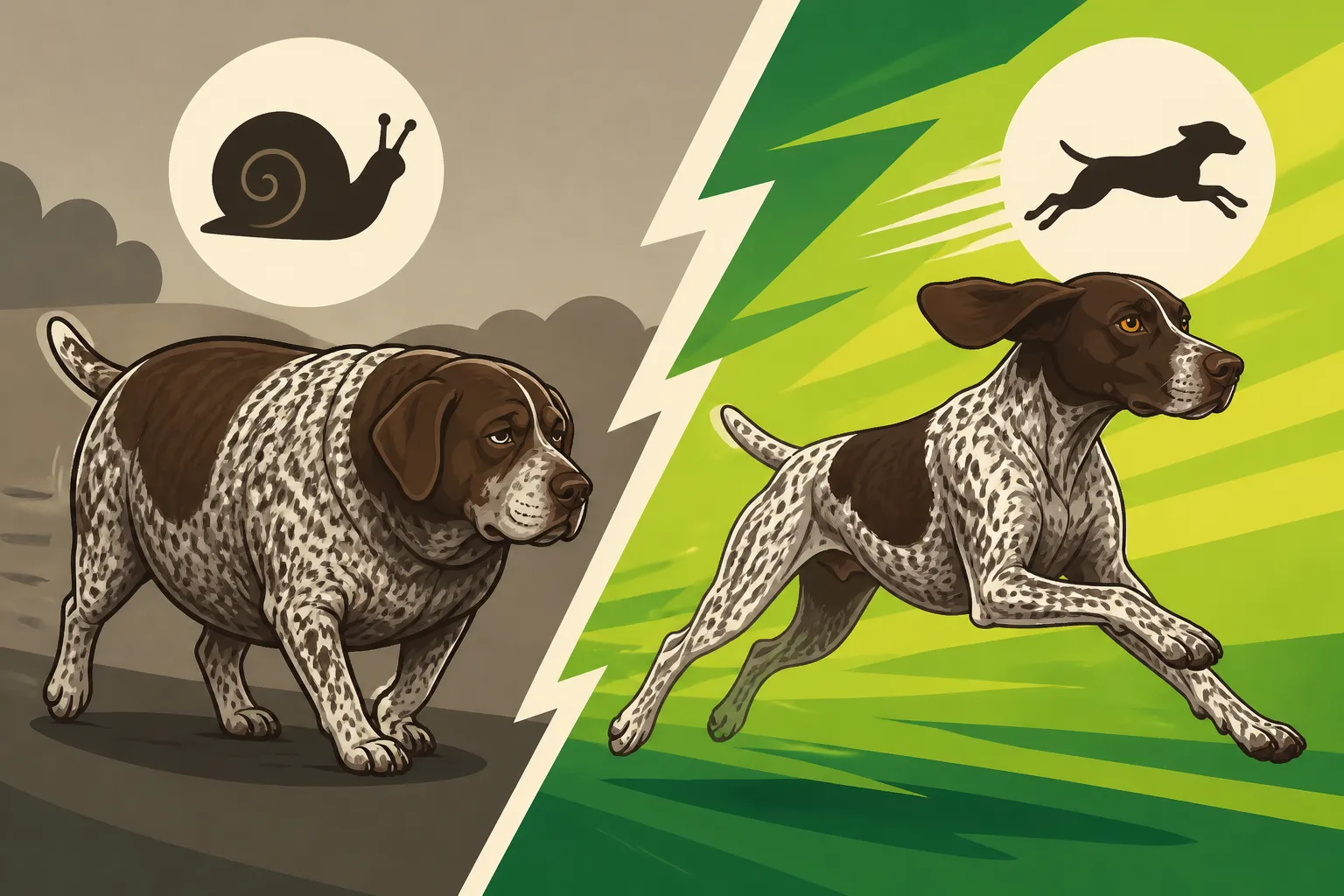
When we look at a German Shorthaired Pointer today, we often see a picture of lean athleticism, boundless energy, and incredible speed across the field. It’s hard to imagine that the very first iterations of this magnificent breed were actually described as quite slow and heavy, a far cry from the agile gun dogs we cherish. This journey will explore the fascinating historical context and breeding decisions that shaped the early Shorthair into a more substantial, deliberate dog before its eventual transformation into the swift, powerful companion many of us know and love.
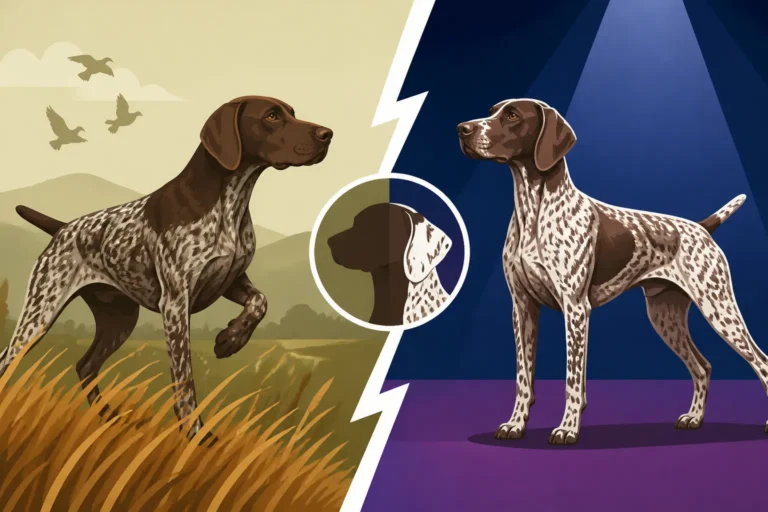
The Historical Hunting Demands of Germany
To truly understand why the early German Shorthaired Pointer was initially slower and heavier, we have to put ourselves in the shoes of a German hunter centuries ago. Their needs and their landscape were vastly different from what drove the development of, say, an English Pointer. It wasn't about covering vast, open plains at breakneck speed; it was about a multifaceted approach to game.
A True All-Purpose Dog for Diverse Terrain
Imagine the varied landscape of rural Germany – not just wide-open fields, but dense, dark forests, thick underbrush, marshy lowlands, and sometimes even mountainous terrain. A hunter in this environment couldn't afford to bring along a specialized dog for every single task. They needed one, reliable companion that could handle it all. This meant a dog had to have enough substance and power to push through formidable cover without getting bogged down or injured.
A lighter, more delicate dog might struggle to navigate thorny thickets or dense briar patches all day long. A heavier, more muscled dog, however, could break through these obstacles with greater ease and less risk of injury. This inherent requirement for robustness meant that breeders were prioritizing physical strength and endurance over pure speed. It was about consistent, reliable performance in challenging environments, not about winning a foot race. The ability to work tirelessly through mud, water, and tangled woods demanded a build that could withstand constant physical exertion in arduous conditions.
Tracking and Retrieving Capabilities
Beyond simply pointing game, the German hunting tradition placed significant emphasis on two other crucial aspects: tracking wounded game and retrieving all quarry, whether feathered or furred. This was often done after the shot, meaning the dog needed to be able to follow a scent trail for a good distance, sometimes through tough terrain, and then bring back animals that could be quite substantial in size, like hares or even small deer, not just pheasants.
A dog with a lighter frame might struggle to retrieve a hefty pheasant from a cold river or drag a wounded hare through dense brush back to the hunter. The early Shorthair's heavier build provided the necessary strength and power for these demanding tasks. Their substantial bone structure and strong musculature were assets for carrying weight and navigating difficult retrieval routes. This comprehensive utility, described so well when we discuss What Versatile Actually Means for a Shorthair, was a defining characteristic, and a heavier dog was simply better equipped to perform all these duties effectively. The ability to track a blood trail through thick forest for hours also necessitated a slower, more deliberate pace, favoring a dog with unwavering focus and stamina rather than explosive bursts of speed.
The Influence of Foundational Breeds
The creation of the German Shorthaired Pointer was not an overnight endeavor but a meticulous process spanning generations, where specific existing breeds were blended to achieve the desired traits. These foundational dogs brought with them their own inherent characteristics, which undeniably contributed to the early Shorthair's more substantial, slower profile.
The Legacy of the Old Spanish Pointer
A significant ancestor in the German Shorthaired Pointer's lineage is the Old Spanish Pointer. This breed, and similar heavy continental pointers, was instrumental in shaping the early German pointing dogs. They were renowned for their robust build, large heads, strong scenting ability, and a methodical, deliberate hunting style. These weren't dogs bred for lightning-fast runs across fields. Instead, they were powerful, persistent animals that would systematically work cover, lock onto scent with an intense point, and hold it until the hunter arrived.
The Spanish Pointer's physical attributes—heavy bone, deep chest, and strong, stocky legs—were passed down, creating a Shorthair prototype that shared this substantial conformation. When we delve into The Old Spanish Pointer in a Shorthair's Pedigree, it becomes clear that this ancestry laid the groundwork for a dog that was built for power and endurance over agility and speed. They were literally built like tanks compared to some of their more elegant English counterparts, designed to endure rather than sprint. This foundation meant that the initial generations of German Shorthaired Pointers inherited a body type perfectly suited for sustained, arduous work rather than quick dashes.
Incorporating Scent Hounds for Tracking Prowess
To further enhance the early German pointing dogs' already respectable tracking abilities, local scent hounds were likely integrated into the breeding programs. German hunters valued a dog that could not only point but also relentlessly follow a scent trail, especially for wounded game. Scent hounds, by their very nature, are bred for their incredible noses and stamina over long distances, often moving at a steady, ground-covering pace rather than a gallop.
Breeds like the German Bird Dog (the early name for the GSP) were developed in The German Kennels the Shorthair Was Built In, and the infusion of hound blood, as explored in Whether the Shorthair Descends From Scent Hounds, added to the overall density and deliberate movement of the evolving Shorthair. Hounds are typically heavy-boned, deep-chested, and built for relentless pursuit, often with a powerful, lumbering gait. This genetic contribution naturally made the early Shorthairs more substantial in build and inherently slower in movement than many modern pointing breeds. They were designed for nose-to-the-ground work that required focus and endurance, not blazing speed.
Prioritizing Stamina and Drive Over Speed
The core philosophy behind the early German Shorthaired Pointer's development was utility and thoroughness. Speed, while not entirely disregarded, was simply not the primary objective. The demands of the hunt dictated a different set of priorities, leading to a dog bred for sustained effort rather than short bursts of velocity.
Endurance for Long Hunting Days
German hunting expeditions were often full-day affairs, covering significant distances on foot. A dog that could maintain its intensity and work rate from dawn till dusk was far more valuable than one that might burn out after a few hours of fast running. This required exceptional stamina and a physical build that could support such prolonged exertion.
A heavier, more muscled dog is typically better equipped for endurance work. Their body mass and powerful musculature allow them to exert themselves consistently without quickly depleting their energy reserves. Think of a marathon runner versus a sprinter—each is athletic, but built for different types of performance. The early Shorthair was the marathon runner of the pointing dog world, capable of pushing through hours of demanding activity. This emphasis on tireless work meant that breeders intentionally selected for dogs that possessed a robust constitution, which naturally leaned towards a more substantial, and thus slower, physique. This incredible capacity for sustained work is a hallmark that still defines the breed today, even in its more athletic form.
Deliberate and Methodical Working Style
The German hunting style also favored a dog that worked systematically and thoroughly, ensuring no game was missed. Hunters often worked close to their dogs, relying on a meticulous search pattern rather than wide, fast casts. A dog that moved too quickly might easily overrun scent, miss subtle cues, or flush birds out of range in dense cover.
This methodical approach meant that a slower, more deliberate gait was not only acceptable but often preferred. It allowed the dog to process scent more effectively, thoroughly investigate every patch of cover, and maintain a close connection with its handler. The early Shorthair was bred to be steady, reliable, and exhaustive in its search, not a whirlwind of motion. This deep-seated working style contributed to their reputation for being "heavy" and "slow" by modern standards, as speed was simply not a trait at the top of the priority list for these dedicated, all-purpose hunting companions. Their calm demeanor and steady pace helped them excel in finding and holding game in challenging European landscapes, ensuring a successful hunt rather than a flashy one.
The Gradual Transformation to the Modern Athlete
While the early German Shorthaired Pointer was a marvel of versatility and endurance, hunting practices and aesthetic preferences began to evolve. This led to a conscious effort by breeders to refine the breed, introducing traits that would eventually lighten their build and increase their speed, leading to the sleek athletes we admire today.
Introducing Lighter English Bloodlines
As the centuries progressed and sporting interests broadened, there was a growing appreciation for dogs with more speed and grace in the field. German breeders, always pragmatic and keen to improve their working dogs, began to selectively introduce bloodlines from lighter, faster breeds. The English Pointer, known for its elegant build, incredible speed, and wide-ranging search, was a prime candidate for this infusion. The goal was to retain the Shorthair's famed versatility and biddability while adding a much-desired burst of athleticism.
This strategic cross-breeding, documented in discussions like Whether English Pointer Blood Went Into the Shorthair, gradually began to refine the Shorthair's conformation. The heavier bone and more substantial body mass slowly gave way to a leaner, more agile frame. This wasn't about discarding the foundational traits but rather enhancing them. The process of How Breeders Put Speed Into the Shorthair was a careful balance of introducing new genetics while preserving the core essence of the German Shorthaired Pointer. It’s a testament to the dedication of those early breeders that they could transform the breed so effectively without losing its soul.
Shifting Ideals and Breed Standards
Over decades, the ideal image of a German Shorthaired Pointer began to shift. What was once perfectly functional—a deliberate, heavy-bodied dog—started to be seen as needing improvement. Breed standards, which dictate the desired physical and temperamental traits of a breed, were slowly updated to reflect these changing preferences. Judges and breeders increasingly sought out dogs that displayed more athletic movement, a more refined build, and greater speed in the field.
This evolution in ideals wasn't just about speed; it was about creating a more aesthetically pleasing dog that could still perform all its versatile duties with precision and power. The size and build that The Size and Build the Shorthair Standard Asks For today reflects a balance of robust structure with athletic grace, a far cry from the descriptions of their truly "heavy" ancestors. This ongoing refinement ensured that the Shorthair remained relevant and highly prized in the ever-evolving world of gundog sports.
The Modern GSP: A Balance of Power and Grace
Today, the German Shorthaired Pointer is celebrated for its incredible blend of power, agility, and grace. It's a testament to generations of thoughtful breeding that the breed retains its renowned versatility while embodying a more athletic, faster physique. While some individuals within the breed might still carry a slightly more substantial build, the overwhelming majority are lean, muscled athletes.
Maintaining this lean, hard condition is crucial for modern Shorthairs, especially those working in the field. Proper nutrition, with high-quality performance foods available from retailers like Chewy, plays a vital role in fueling their energy demands and supporting their active lifestyles. It's also why we emphasize articles on Keeping a German Shorthaired Pointer Lean and Hard and Feeding a Dog That Burns What a Shorthair Burns. Their diet and exercise regimen directly impact their ability to perform. The modern GSP is no longer "slow and heavy"; they are finely tuned canine athletes, embodying the best of their robust heritage with the added refinement of speed and agility, ready for anything the field or family life throws their way.
Comparison: Early vs. Modern German Shorthaired Pointer
The transformation of the German Shorthaired Pointer from its early iterations to the modern athlete is quite striking when we look at the core traits.
| Feature | Early German Shorthaired Pointer (GSP) | Modern German Shorthaired Pointer (GSP) |
|---|---|---|
| Build | Heavier bone, more substantial body, robust | Leaner, more athletic, muscular, refined |
| Speed | Slower, deliberate, methodical working pace | Agile, fast, capable of covering ground quickly |
| Primary Focus | Endurance, tracking, strength for heavy cover/retrievals | Balanced speed, agility, and versatility |
| Ancestry | Heavily influenced by Old Spanish Pointers, scent hounds | Refined with infusions of lighter, faster bloodlines (e.g., English Pointer) |
| Gait | Powerful, ground-covering, less flashy | Effortless, balanced, high-drive, efficient |
| Terrain Suitability | Excellent for dense cover, water, heavy terrain | Excels in diverse terrain, open fields, and water with speed |
This table clearly illustrates the deliberate shift in breeding goals that led to the athletic German Shorthaired Pointer we know and love today.
Disclaimer
This article is for general informational purposes only and does not constitute professional advice. Laws, prices and regulations vary by location and change over time. Consult a qualified professional for guidance on your specific situation.