How the Shorthair Reached the United States
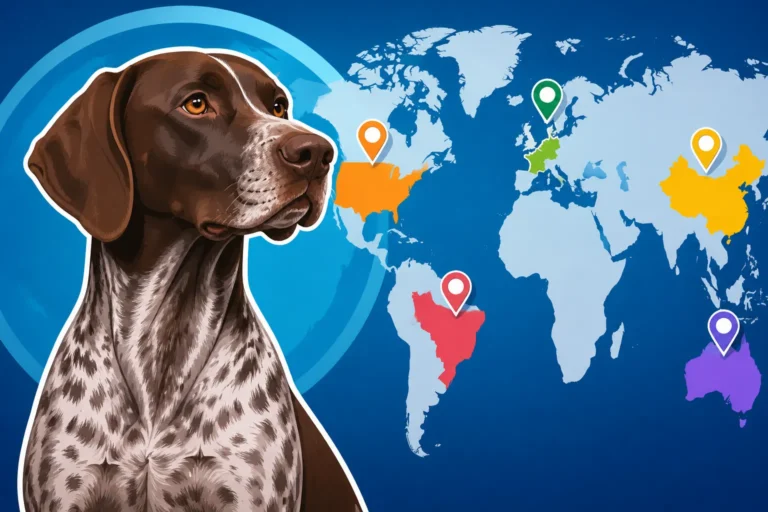
It's quite easy to just look at a German Shorthaired Pointer today and admire their boundless energy and sleek athleticism, but have you ever stopped to wonder how these incredible dogs, so intrinsically linked to the American hunting scene, actually made their way across the Atlantic? Many folks just assume they've "always been here," or perhaps came over with European immigrants, but the truth is a little more nuanced and deeply tied to the dedication of a few visionary individuals who saw the potential in this emerging German breed. Understanding their journey to the United States isn't just a historical curiosity; it helps us appreciate the breed's development and why they are the versatile companions we know and love today. This guide will take you through the fascinating story of how the German Shorthaired Pointer came to call America home, from its European origins to its enduring legacy in our fields and homes.
The German Roots of the Shorthair's Journey
Before we can talk about how the German Shorthaired Pointer landed on American soil, we have to understand where it truly began: in Germany. This wasn't a breed that sprang up overnight; it was meticulously developed over generations by German hunters who had a very specific vision for their ideal gun dog. They weren't just looking for a bird dog; they were looking for a true partner in the field, capable of doing everything.
The German Hunting Ethos
In Germany, the concept of a "versatile hunting dog" was not just a preference; it was a necessity. Hunters there often operated on smaller, more diverse tracts of land, and they couldn't afford to keep a different dog for every type of game or task. They needed one dog that could point upland birds, track furred game (like rabbits or even deer), retrieve from land and water, and even dispatch vermin. This ethos shaped the very foundation of the German Shorthaired Pointer. They wanted a dog that was hardy enough to work all day, intelligent enough to learn complex tasks, and biddable enough to be a pleasant companion at home. This multi-purpose requirement really set the stage for what the breed would become. You can imagine the frustration of a hunter with multiple dogs for multiple tasks, each requiring separate training and care, only to wish for one reliable, all-around partner. This pragmatic approach drove the initial breeding efforts.
Breeding for Versatility
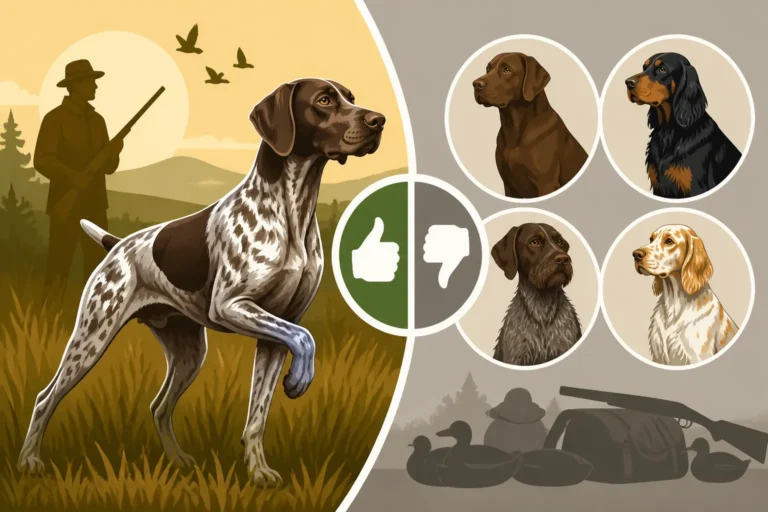
The development of the German Shorthaired Pointer involved combining various European breeds, meticulously selected for specific traits. Early pointers from Spain and France likely contributed their pointing instincts. Scent hounds, perhaps even some of the older German scent hounds, were brought in to enhance tracking abilities. And of course, the desire for a cooperative temperament meant selecting dogs that were intelligent and eager to please. This wasn't a casual cross-breeding project; it was a highly organized and deliberate program, driven by clubs and individuals who kept meticulous records. The goal was to create a dog that excelled in all aspects of hunting, from finding game to retrieving it, all while remaining calm and controllable. This commitment to versatility meant the Shorthair was truly built from the ground up to be an unparalleled working dog, not just a flashy show animal. It's why even today, their inherent drive for a wide range of activities is so pronounced. How the Shorthair Was Bred to Replace Four Specialist Dogs is a great read if you want to dive deeper into this fascinating history.
Early European Migrations and Influences
While the breed was perfected in Germany, it wasn't long before its reputation for versatility and efficiency began to spread beyond its borders. The exchange of dogs and hunting knowledge was a natural part of European culture, and the German Shorthaired Pointer, or "Deutsch Kurzhaar" as it was known, quickly found admirers in neighboring countries.
Export to Neighboring Countries
As the German Shorthaired Pointer solidified its characteristics, its fame slowly trickled into other European nations. Hunters in countries like Austria, Switzerland, and even parts of Scandinavia began to hear about this remarkable "all-purpose" gun dog. They saw the value in a single breed that could handle diverse hunting conditions and game, reducing the need for multiple specialized dogs. This organic spread wasn't always about formal exports and kennel clubs; sometimes it was simply a matter of a hunter returning from a trip abroad with a promising young pup, or a shared passion for improving hunting breeds leading to the exchange of breeding stock. These early adoptions in neighboring countries served as informal proving grounds, further cementing the Shorthair's reputation before its transcontinental journey. The demand for such a capable dog was growing.
The Role of Trade and Travel
The late 19th and early 20th centuries saw increasing global trade and travel. People were moving more freely, and with them, their goods, ideas, and beloved animals. It wasn't just hunters who recognized the breed's potential; diplomats, businessmen, and even military personnel serving abroad might have encountered these dogs and been impressed by their intelligence and athleticism. Returning home, they would often seek to acquire such a dog for themselves or introduce the breed to their local hunting communities. This informal network of international enthusiasts played a significant role in the initial dispersal of German Shorthaired Pointers, laying the groundwork for more organized importation efforts to places like the United States. Think about the bustling ports and railway hubs of that era – opportunities for animals to travel with their owners or be shipped to new homes were becoming more common, even for larger breeds.
The First American Arrivals
The German Shorthaired Pointer's journey across the Atlantic was not a sudden migration, but rather a gradual introduction spearheaded by individuals who recognized the breed's unique capabilities and believed it had a place in the American hunting landscape. It wasn't just about bringing a new dog; it was about introducing a new concept of hunting dog to a continent that often favored specialized breeds.
Pioneering Imports and Individuals
The exact date of the very first German Shorthaired Pointer's arrival in the United States is a bit hazy, but general consensus points to the late 19th and early 20th centuries. These initial imports were largely the work of private individuals – passionate hunters and dog fanciers who had either encountered the breed during their travels in Germany or had heard glowing reports of its versatility. One of the most often cited early figures is Dr. Charles R. Thornton, who brought some of the foundational stock to America around 1925. He wasn't just importing dogs; he was importing a vision of the ideal versatile gun dog that he believed would thrive in the varied terrains and hunting traditions of the United States. These pioneers often faced challenges, from the logistics of transatlantic travel for live animals to introducing a relatively unknown breed to a country already rich with established gun dog traditions like the English Pointer or Setter. Their dedication was paramount in getting the breed's paws on American soil.
Early American Breeders and Kennels
Once the initial imports had arrived, the next crucial step was establishing breeding programs in the United States. This required not just enthusiasm but also a deep understanding of the breed standard and the versatile hunting traits that made the German Shorthaired Pointer so special. Early American breeders meticulously selected their dogs, often relying on German pedigrees and guidance to ensure they were preserving the breed's working qualities. They faced the challenge of developing a strong genetic pool from a relatively small number of imported dogs, balancing the need for genetic diversity with maintaining the breed's inherent characteristics. These early kennels often served as hubs, not just for breeding but also for educating the American public about the German Shorthaired Pointer. They demonstrated the dogs' abilities in the field, showcasing their pointing, retrieving, and tracking skills to a curious and sometimes skeptical audience. This hands-on demonstration was vital in proving the breed's worth and gradually building its reputation among American hunters.
Establishing the Breed in the United States
Once the German Shorthaired Pointer had a foothold in America, the next phase involved formal recognition and the creation of infrastructure to support its growth and development within the national dog community. This meant working with established organizations and defining what an American German Shorthaired Pointer should be.
AKC Recognition and Standards
A significant milestone for any breed establishing itself in the United States is formal recognition by the American Kennel Club (AKC). The German Shorthaired Pointer was officially recognized by the AKC in 1930, a pivotal moment that cemented its place among the country's purebred dog breeds. This recognition meant that the breed now had a formal standard, outlining the ideal physical characteristics, temperament, and working abilities. Breeders could register their dogs, and the breed could participate in AKC-sanctioned events, including conformation shows and field trials. This was incredibly important for legitimizing the breed and providing a framework for its future development. Before this, you might have seen "shorthaired pointers" but without a unified standard, their characteristics could vary wildly. The AKC's involvement provided consistency and a clear direction for breeders. The 1930 AKC Entry of the German Shorthaired Pointer offers a more detailed look at this historic event.
Building a Breeder Network
With AKC recognition came the imperative to build a robust and responsible breeder network across the country. This wasn't just about making more puppies; it was about ensuring that the German Shorthaired Pointer retained its health, temperament, and working abilities. Regional breed clubs began to form, bringing together passionate owners and breeders to share knowledge, organize training events, and promote responsible breeding practices. These clubs were vital in educating new owners about the specific needs of the breed, from their intense exercise requirements to their biddable but intelligent nature. They also played a role in maintaining accurate pedigrees and promoting health testing to combat inherited conditions. Many breeders would travel far and wide, often meeting at national events or even coordinating shipments of quality dogs through pet transport services, which could be found on platforms like Chewy by connecting with reputable breeders who shipped supplies. This collaborative effort ensured the German Shorthaired Pointer had a strong foundation for sustained growth in the US.
The Shorthair's Rise in Popularity
From its initial reception as an interesting but somewhat niche breed, the German Shorthaired Pointer steadily grew in popularity, first within the hunting community and then, increasingly, as a beloved family companion. This rise was due to a combination of their exceptional working ability and their endearing personality.
Appeal to American Hunters
American hunters quickly discovered what their German counterparts already knew: the German Shorthaired Pointer was an incredibly effective and enjoyable hunting partner. Its versatility meant it could adapt to hunting diverse game like pheasant, quail, grouse, and even waterfowl, across varied landscapes from open plains to dense cover. The breed's tireless energy, keen nose, natural pointing ability, and enthusiastic retrieving made it a standout performer in the field. Unlike some more specialized breeds, the Shorthair could seamlessly transition from pointing upland birds to tracking a wounded deer or retrieving a duck from icy waters. This "one-dog-does-it-all" appeal resonated deeply with American hunters who appreciated efficiency and a strong work ethic. Word spread quickly through hunting camps and conservation clubs, cementing the Shorthair's reputation as a top-tier gun dog. The Age a German Shorthaired Pointer Slows in the Field is a useful guide for understanding their working lifespan.
Popularity Beyond the Field
While their hunting prowess was the initial draw, the German Shorthaired Pointer's charm wasn't limited to the fields and marshes. Owners soon realized that these intelligent, affectionate, and loyal dogs made wonderful family pets. Their desire to be with their people, often described as a "Velcro dog" tendency, translated into a strong bond with their human families. Yes, they require significant exercise and mental stimulation – something many new owners sometimes underestimate – but for active families, or those willing to put in the training, they are incredibly rewarding companions. Their striking good looks, alert expression, and friendly demeanor also contributed to their appeal. As more people sought active breeds that could integrate well into family life, the Shorthair fit the bill perfectly. They began appearing in more homes, not just hunting lodges, leading to an even broader recognition of the breed's many virtues. This dual appeal, as both a serious working dog and a devoted family member, was crucial to their enduring popularity. When people needed supplies for their energetic new companions, places like Chewy became go-to resources for everything from durable toys to high-quality performance food.
Enduring German Shorthaired Pointer Legacy in the US
Today, the German Shorthaired Pointer holds a firm place as one of America's most beloved and recognized dog breeds. Their journey from the meticulously planned kennels of Germany to the diverse landscapes of the United States is a testament to their exceptional qualities and the dedication of the people who championed them.
Continued Dedication to Versatility
The core principle of versatility, which defined the breed in its German homeland, continues to be a cornerstone of the German Shorthaired Pointer's identity in the US. Breeders and enthusiasts strive to maintain the breed's ability to excel in multiple disciplines. This isn't just about hunting; it extends to various dog sports and activities where their intelligence, athleticism, and eagerness to please shine. You'll see Shorthairs competing in obedience, agility, dock diving, tracking, and even search and rescue, alongside their traditional roles as gun dogs. This dedication to versatility ensures that the breed remains true to its heritage, producing dogs that are not only capable hunters but also adaptable and trainable companions for a wide array of owners. This commitment is often supported by national and regional breed clubs, who organize events and educational resources, often sharing supply recommendations from trusted retailers like Chewy.
The American Shorthair Today
Today's German Shorthaired Pointer in the United States is a vibrant and thriving breed. They are consistently ranked among the most popular dog breeds by the AKC, a testament to their enduring appeal. While many are still cherished hunting partners, a significant number also live as active family pets, companions for runners and hikers, and stars in various performance events. The breed's health and temperament are carefully monitored by dedicated breeders and organizations, often through health registries like the Orthopedic Foundation for Animals (OFA) and various genetic testing programs. The German Shorthaired Pointer's journey to the US is a success story, illustrating how a meticulously developed working breed, championed by passionate individuals, can find a thriving home and become an integral part of another nation's sporting and family life. From their energetic "zoomies" in the backyard to their unwavering focus in the field, the American Shorthair embodies the spirit of an active, intelligent, and devoted canine partner. The Age a German Shorthaired Pointer Is Called Senior provides insights into their later years, highlighting their long-lasting contributions.
The table below offers a snapshot of some key aspects comparing the early German development to its establishment in the US.
| Feature | German Development (Late 19th – Early 20th Century) | US Establishment (Early – Mid 20th Century) |
|---|---|---|
| Primary Goal | Create a versatile, all-purpose hunting dog (Deutsch Kurzhaar) | Introduce and establish a premier versatile gun dog in America |
| Key Traits Emphasized | Pointing, tracking, retrieving (land/water), biddability, hardiness | Same, adapted for American game and hunting conditions |
| Key Figures | Prince Albrecht, German breeders/clubs | Dr. Charles R. Thornton, pioneering American breeders |
| Formal Recognition | Established breeding programs/studbooks in Germany | AKC recognition in 1930 |
| Initial Numbers | Gradually increasing within Germany | Small initial imports, careful expansion of breeding stock |
| Challenges | Harmonizing diverse breed traits into one cohesive type | Transatlantic logistics, introducing a new breed, building genetic diversity |
| Cultural Context | Practical, efficient hunting in varied European terrain | Diverse hunting opportunities, growing interest in versatile breeds |
When you consider the meticulous care and planning that went into bringing this breed to the United States, it adds a new layer of appreciation for these wonderful dogs. Their history is woven into their very being, informing their incredible drive, their deep loyalty, and their endless capacity for adventure. And for every bit of food, every chew toy, or every piece of gear you might need for your own GSP, resources like Chewy are there to support that legacy.
Disclaimer
This article is for general informational purposes only and does not constitute professional advice. Laws, prices and regulations vary by location and change over time. Consult a qualified professional for guidance on your specific situation.