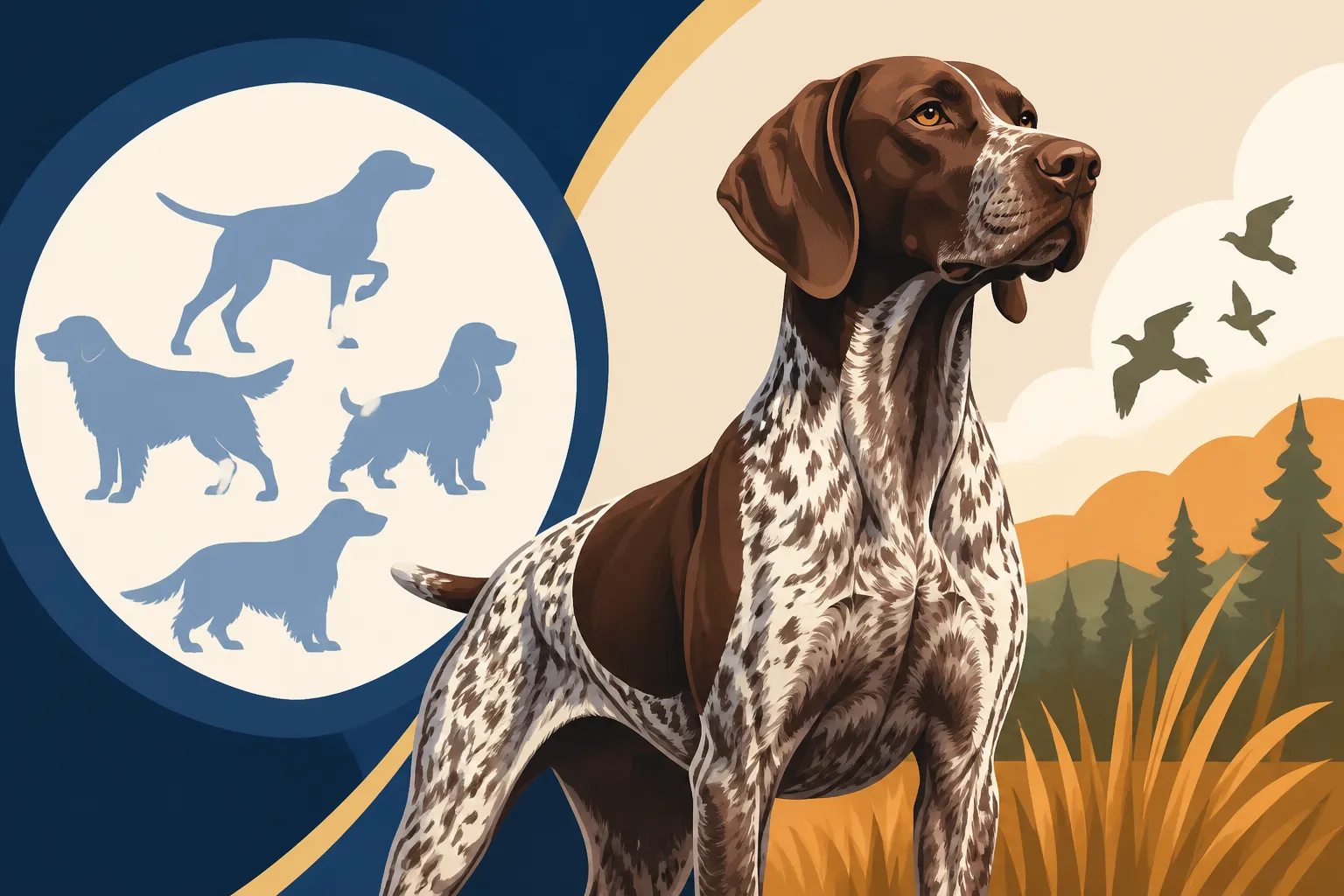
The Shorthair’s Move Into the AKC Sporting Group
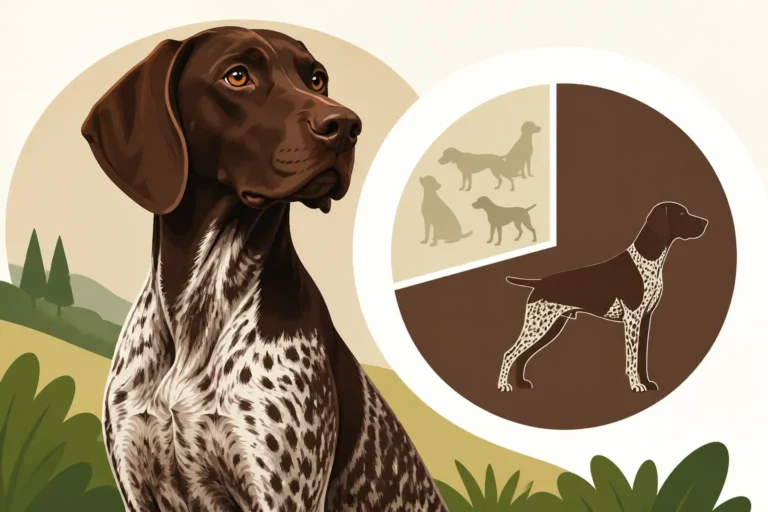
Many German Shorthaired Pointer owners adore their energetic, intelligent dogs, but might not fully appreciate the rich history behind how this versatile breed came to be recognized and celebrated in America's most prominent dog club. This guide dives deep into the journey of the German Shorthaired Pointer, tracing its path from its European origins to its proud and well-deserved placement within the American Kennel Club's Sporting Group.
The Formative Years: Crafting a Versatile Hunter in Germany
Long before the German Shorthaired Pointer graced American show rings or hunted alongside enthusiasts in the vast landscapes of the United States, its foundations were meticulously laid in Germany. This wasn't a breed that evolved by accident; it was a deliberate, passionate project born out of a desire for a truly all-encompassing hunting companion. German hunters faced diverse terrains and game, needing a dog that could excel in multiple roles, not just specialize in one.
A Purpose-Bred Machine: The German Vision
Imagine the dense forests, open fields, and numerous lakes and rivers of 19th-century Germany. Hunters in this era needed more than just a pointer; they needed a dog that could point upland birds, track deer and other small game, and even retrieve waterfowl from icy waters. This was a tall order, as many existing breeds were specialized. The vision was clear: create a single breed that could do it all, saving hunters the expense and effort of maintaining multiple dogs for different tasks. This ambition drove the initial breeding programs.
The driving force behind this early development wasn't just practical need; it was a deep appreciation for efficient, effective hunting. Early breeders sought to combine the best attributes of various existing hunting dogs into one superb package. They weren't just looking for pretty faces; they were seeking proven working ability, intelligence, and a tractable nature that would make the dog a joy to hunt with and live alongside. This focus on utility is critical to understanding the Shorthair's core identity, even today.
One of the key figures in the formalization of the breed was Prince Albrecht zu Solms-Braunfels, who in the late 1800s set the breed standard and encouraged selective breeding programs. His work was pivotal in steering the German Shorthaired Pointer towards its modern form, emphasizing both utility and a consistent type. He understood that for the breed to truly flourish, it needed a clear identity and a rigorous approach to breeding. His influence is still felt in the breed's dedication to its working roots, a testament to the early German vision. His efforts eventually led to the creation of detailed records, shaping the breed for generations. You can learn more about these foundational efforts in The German Kennels the Shorthair Was Built In.
Blending Bloodlines: Building the Shorthair's Traits
To achieve this ambitious goal of versatility, early German breeders embarked on a sophisticated genetic project. They looked to existing breeds known for specific talents and carefully combined them. The Old Spanish Pointer, with its strong pointing instinct, likely provided the foundation. However, these dogs often lacked the speed, drive, and retrieving prowess needed for the envisioned all-around hunter.
To inject these missing qualities, various breeds were introduced, including early German tracking hounds and possibly even English Pointers. The goal was to refine the pointing ability, add keen scenting for tracking, and develop a soft mouth for retrieving, both on land and in water. This complex blending process was far from simple; it required keen observation, careful selection, and a clear understanding of desired traits. It wasn't about simply mixing dogs, but about creating a cohesive, functional animal.
The result was a dog that truly lived up to the ideal of a "versatile" hunter. A well-bred German Shorthaired Pointer could hold a staunch point on a pheasant, follow a blood trail of a wounded deer for miles, and retrieve a duck from a frigid pond without hesitation. This all-in-one capability made them incredibly valuable to European hunters who often worked alone and needed a partner capable of adapting to any situation. This concept of versatility remains central to the breed's identity, defining it even more than its striking appearance. Discover more about this heritage in Prince Albrecht and the First Shorthair Stud Book and What Versatile Actually Means for a Shorthair.
From Old World to New: The Shorthair's American Arrival
The reputation of these versatile German hunting dogs eventually spread beyond European borders. American hunters and dog enthusiasts, always keen to discover breeds that could excel in their own diverse landscapes, soon heard tales of the German Shorthaired Pointer's exceptional abilities. The idea of a single dog capable of handling multiple game types resonated deeply with the spirit of American hunting.
Early Importations and Growing Interest
The first German Shorthaired Pointers began to arrive on American shores in the early 20th century. These weren't mass importations, but rather individual dogs brought over by dedicated hunters and sportsmen who had either encountered the breed in Europe or heard glowing reports of their prowess. These early pioneers saw the potential for the Shorthair to thrive in America's vast expanses, from the duck marshes of the Midwest to the upland fields of the Great Plains. They envisioned a dog that could handle the rugged conditions and diverse game animals found across the continent.
These initial imports served as the foundation stock for the American German Shorthaired Pointer population. Their offspring, even in those early days, quickly demonstrated the breed's innate intelligence, athleticism, and trainability. Word spread among hunting communities, often through local field trials and informal hunts, about this "new" German breed that seemed to effortlessly master various hunting tasks. For more details on this pivotal journey, you can read How the Shorthair Reached the United States.
The appeal wasn't just in their hunting ability, but also their tractable nature as companions. Unlike some more specialized gun dog breeds that might be high-strung or less amenable to family life, the Shorthair quickly proved to be a loyal, affectionate, and intelligent dog in the home. This dual capability as a relentless hunter and a beloved family member only amplified its appeal, drawing more interest from a broader range of dog owners.
Establishing a Foothold: The Need for Recognition
As the number of German Shorthaired Pointers in the United States grew, so did the desire among owners and breeders for formal recognition. The American Kennel Club (AKC) was, and remains, the preeminent registry for purebred dogs in the country. AKC recognition would not only legitimize the breed but also provide a framework for standardized breeding, health testing, and competitive events, from dog shows to field trials.
This quest for recognition was driven by a genuine belief that the German Shorthaired Pointer brought something unique to the American dog scene. While English Pointers, Setters, and various retrieving breeds were already well-established, the Shorthair offered a compelling combination of all these traits in one package. Its versatility meant a single dog could fulfill roles that previously required multiple specialist breeds. This made them particularly attractive to hunters who might not have the resources or desire to own several different gun dogs.
Achieving AKC recognition was not a simple task. It required dedicated individuals to gather pedigrees, prove consistent type, demonstrate reliable temperament, and establish a significant enough population to sustain the breed. It was a rigorous process that demanded commitment and a shared vision for the future of the German Shorthaired Pointer in America. This collective effort laid the groundwork for the breed's enduring success and popularity.
The Path to the Sporting Group: AKC Acceptance
The journey to American Kennel Club recognition is a significant milestone for any breed, signifying its official establishment and acceptance into the mainstream purebred dog world. For the German Shorthaired Pointer, this meant moving beyond informal circles and securing its place among the most esteemed hunting breeds.
Forming the Breed Club
A crucial step in gaining AKC recognition is the formation of a national breed club. This organization serves as the official voice for the breed, dedicated to preserving its unique characteristics, promoting responsible breeding practices, and organizing breed-specific events. For the German Shorthaired Pointer, this meant establishing the German Shorthaired Pointer Club of America (GSPCA). This club was instrumental in bringing together disparate breeders and owners under a common banner.
The GSPCA worked tirelessly to define and uphold the breed standard, ensuring that German Shorthaired Pointers bred in America retained the working qualities and physical attributes that made them so successful in Germany. They organized events, shared knowledge, and provided a platform for fanciers to collaborate. This collective effort was vital in demonstrating to the AKC that the breed had a dedicated following and a clear direction for its future.
Beyond just physical traits, the club also focused on the health and temperament of the breed, recognizing that a truly great dog is sound in both mind and body. They encouraged health screenings and responsible breeding choices, aspects that continue to be paramount for the GSPCA today. You can read more about their ongoing efforts to maintain breed standards and health in The Parent Club That Sets Shorthair Health Rules. This organizational backbone was essential for the Shorthair to move forward as a recognized breed.
Meeting AKC Requirements
The American Kennel Club has stringent requirements for breed recognition. It's not enough to simply have a few dogs; there must be a sufficient number of dogs from distinct bloodlines, a clearly defined breed standard, and an active national parent club to oversee the breed's welfare. The GSPCA diligently worked to meet these criteria, presenting detailed pedigrees, championing the breed's unique versatility, and proving its consistent type over several generations.
It was a process of demonstrating that the German Shorthaired Pointer was a distinct, stable breed with a clear purpose and a strong following. The AKC carefully evaluated the breed's history, its genetic makeup, and its proposed standard. Finally, after considerable effort and advocacy from dedicated fanciers, the German Shorthaired Pointer was officially admitted to the AKC Stud Book and recognized in the Sporting Group.
This significant event occurred in 1930. The formal recognition by the AKC was a monumental moment, opening doors for the breed to compete in AKC-sanctioned conformation shows, obedience trials, and field events. This not only boosted the breed's visibility but also provided new avenues for breeders to showcase their dogs and for owners to enjoy their companions in competitive settings. The year 1930 marked a turning point, solidifying the Shorthair's presence in American dog culture, a story detailed further in The 1930 AKC Entry of the German Shorthaired Pointer.
Defining the Sporting Dog: Why the GSP Fits Perfectly
When the German Shorthaired Pointer was recognized by the AKC, there was little debate about which group it would join. Its entire history, purpose, and inherent abilities pointed squarely to the Sporting Group, a category reserved for dogs bred to assist hunters in finding, flushing, and retrieving game.
The Hallmarks of the Sporting Group
The AKC Sporting Group is a diverse collection of breeds, but they all share a common thread: they are dogs developed to work cooperatively with humans in the pursuit of game birds. These dogs are characterized by a set of essential traits that make them indispensable partners in the field. First and foremost is their natural hunting instinct, encompassing keen scenting abilities, strong pointing or flushing drives, and a desire to retrieve.
Beyond instinct, sporting dogs are typically athletic, possessing the stamina and physical prowess to cover vast amounts of ground, often in challenging terrain, for hours on end. They need to be agile, fast, and strong enough to retrieve game of various sizes. Furthermore, trainability is a hallmark of this group. Sporting dogs must be intelligent and eager to please, capable of understanding and executing complex commands, often from a distance. Their temperament is generally amiable, making them good companions both in the field and at home.
Lastly, a good sporting dog possesses remarkable endurance and a deep, ingrained desire to work. They thrive on having a job and are happiest when engaged in activities that tap into their innate abilities. This combination of instinct, athleticism, and cooperative spirit makes the Sporting Group unique among the AKC classifications. Many owners rely on resources like Chewy for durable toys and training aids that cater to these high-drive dogs.
The Shorthair's Ideal Sporting Attributes
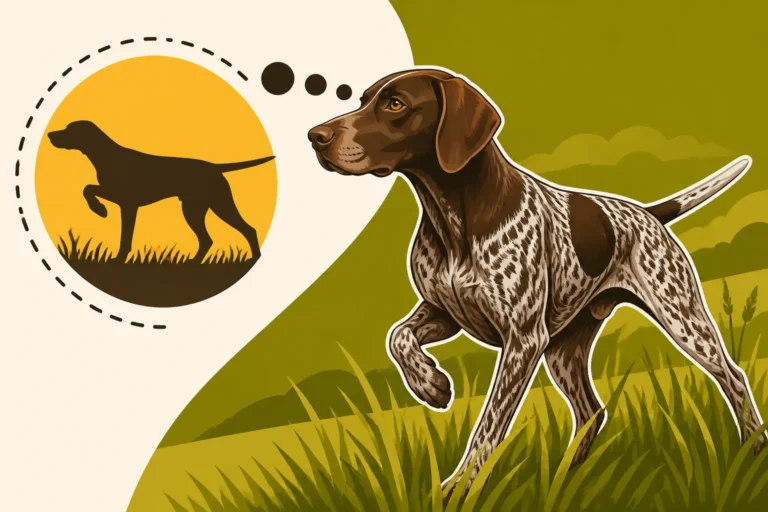
The German Shorthaired Pointer embodies every single one of these sporting dog characteristics, almost to perfection. Their name itself, "Pointer," speaks to their primary role in the field – locating game and holding a steady, unmoving point to indicate its presence to the hunter. This natural pointing instinct is profound in the breed, often appearing in puppies at a very young age.
But the GSP doesn't stop at pointing. Its German heritage emphasized versatility, meaning it was bred to be a true all-around gun dog. This translates into exceptional retrieving skills, both on land and in water, making them equally adept at fetching a downed pheasant or a duck. Their short, dense, water-resistant coat is perfectly suited for plunging into cold water, and their webbed feet provide excellent propulsion. They also possess an outstanding nose for tracking, capable of following a faint scent trail for considerable distances, which is invaluable for finding wounded game. This comprehensive skill set is precisely why they belong in the Sporting Group, as detailed in Pointing, Retrieving and Tracking in One Shorthair.
Physically, the German Shorthaired Pointer is built for endurance and agility. They are typically medium to large-sized dogs, with strong, muscular bodies and long, powerful legs designed for covering ground with an efficient, ground-eating stride. Their alert expression and intelligent eyes speak to their keen awareness and responsiveness. The AKC breed standard reflects these functional attributes, emphasizing a dog that is both powerful and graceful, perfectly balanced for its demanding work. You can explore the specific physical requirements in The Size and Build the Shorthair Standard Asks For. This blend of instinct, physical prowess, and trainability truly makes the German Shorthaired Pointer the quintessential sporting dog.
Life After Recognition: Evolution of the AKC German Shorthaired Pointer
AKC recognition brought the German Shorthaired Pointer into the spotlight, leading to increased popularity and influencing how the breed developed in the United States. While the core purpose remained, the new avenues for competition and public exposure undeniably shaped the breed's trajectory.
Standardizing Appearance and Performance
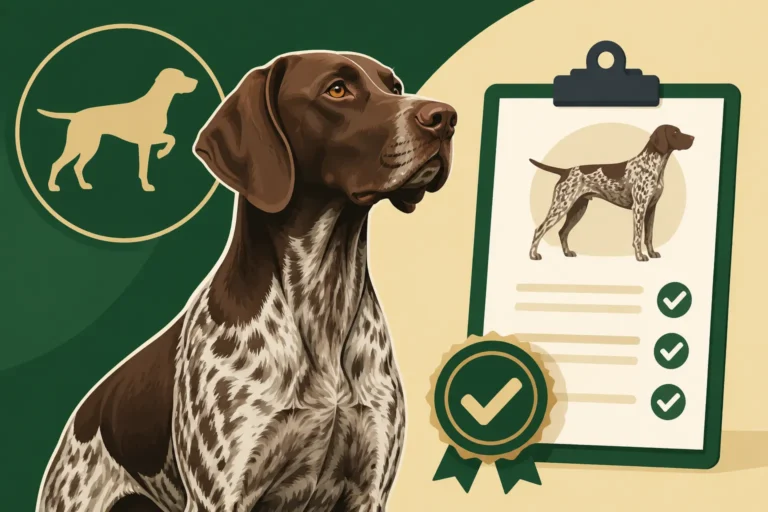
With AKC recognition came a clearly defined breed standard, a written description of the ideal German Shorthaired Pointer. This standard details everything from desired height and weight to ear set, coat color, and gait. Judges in conformation shows use this standard to evaluate dogs, rewarding those that most closely embody the ideal type. This had a significant impact on breeding, as breeders began to select dogs not just for hunting ability but also for their adherence to this aesthetic blueprint.
For example, the standard specifies a male GSP should be between 23 and 25 inches at the Withers, while females range from 21 to 23 inches. It also dictates a specific head and muzzle shape, and a particular gait. The Inches at the Withers a Shorthair Is Judged On and The Weight Range in the Shorthair Standard delve deeper into these specific measurements. Breeders, in an effort to produce competitive show dogs, focused on these phenotypic traits, striving for consistency and refinement in appearance.
However, it wasn't just about looks. The AKC also hosts a robust program of field events, including hunt tests and field trials, which allowed breeders to continue to prove their dogs' working ability. This meant that while some breeders might prioritize conformation, others remained steadfast in breeding for strong hunting instincts and performance in the field. The best breeders aimed to strike a balance, producing dogs that were both beautiful and capable, though this often proved to be a challenging endeavor.
The Emergence of Field and Show Lines
As with many versatile sporting breeds, AKC recognition eventually led to a subtle but discernible split within the German Shorthaired Pointer population: the emergence of "field lines" and "show lines." While both types are undeniably German Shorthaired Pointers, breeders often began to specialize, prioritizing different traits depending on their goals.
Field lines are bred primarily for intense hunting drive, exceptional athleticism, and superior performance in actual hunting conditions or field competitions. These dogs might be leaner, with slightly different musculature or less emphasis on the precise aesthetic nuances of the show ring, as long as they perform impeccably in the field. Their coats might be thicker for protection against briars, or their expression more intense, reflecting their unwavering focus on game. These are the dogs you'd often find out in the marsh, retrieved from a dog box bought from a retailer like Chewy, ready for a day of hard work.
Show lines, conversely, are bred with a stronger emphasis on conforming to the AKC breed standard's aesthetic requirements. While they are still expected to possess basic hunting instincts and sound temperament, the primary goal is often success in the conformation ring. This might mean a slightly heavier bone structure, a particular head shape, or a more refined overall appearance. It’s a fascinating divergence, and you can explore the nuances of this split further in The Split Between Field and Show Shorthairs. It's not to say one is "better" than the other, but simply that different breeders focused on different aspects of the same versatile breed.
Enduring Popularity and Owner Responsibilities
Despite the differences in breeding emphasis, the German Shorthaired Pointer has maintained its enduring popularity as both a hunting companion and a family pet. Their striking looks, boundless energy, and affectionate nature make them incredibly appealing to a wide range of owners. However, their placement in the Sporting Group is a constant reminder of their inherent needs.
Owning a German Shorthaired Pointer means committing to providing ample exercise and mental stimulation. These are not dogs content with a leisurely stroll around the block. They require substantial daily activity, often needing The Two Hours a Day a German Shorthaired Pointer Needs of vigorous exercise to truly thrive. Without it, they can become bored, destructive, and anxious. This is why many GSP owners become active in hunting, dog sports, or other high-energy activities like running or biking.
Understanding their heritage as a working sporting dog is paramount for any prospective owner. While they can adapt to various living situations, their fundamental needs for activity and a "job" remain. Providing them with outlets for their intelligence and energy is not just good for the dog; it's essential for a harmonious household. Their friendly demeanor makes them excellent family dogs, but their intense energy demands a commitment that every owner must be prepared to give.
GSP Traits vs. General Sporting Group Characteristics
To further illustrate why the German Shorthaired Pointer is such a quintessential member of the AKC Sporting Group, let's look at a quick comparison of its key traits against the general expectations for dogs within this group.
| Characteristic | General Sporting Group Expectation | German Shorthaired Pointer Embodiment |
|---|---|---|
| Primary Purpose | Assist hunters in locating, flushing, and retrieving game birds. | Bred as the ultimate versatile gun dog: points, tracks, retrieves. |
| Energy Level | High, requiring significant daily exercise and mental stimulation. | Extremely high; known for boundless energy and stamina. |
| Trainability | Intelligent, eager to please, responsive to training. | Highly intelligent, learns quickly, can be independent. |
| Hunting Instinct | Strong natural drive to point, flush, or retrieve game. | Innate, powerful pointing, tracking, and retrieving instincts. |
| Physical Build | Athletic, powerful, built for endurance and agility. | Muscular, lean, deep chest, long legs for ground-covering gait. |
| Temperament | Friendly, alert, biddable, good family companions. | Affectionate, loyal, alert, can be boisterous, "Velcro dog". |
| Coat/Maintenance | Varies, but often low-maintenance, suited for outdoor work. | Short, dense, water-resistant; minimal grooming needs. |
This table highlights how closely the German Shorthaired Pointer aligns with the very definition of a sporting dog. Its design, both physically and instinctively, is geared towards efficient and effective partnership in the field.
Disclaimer
This article is for general informational purposes only and does not constitute professional advice. Laws, prices and regulations vary by location and change over time. Consult a qualified professional for guidance on your specific situation.