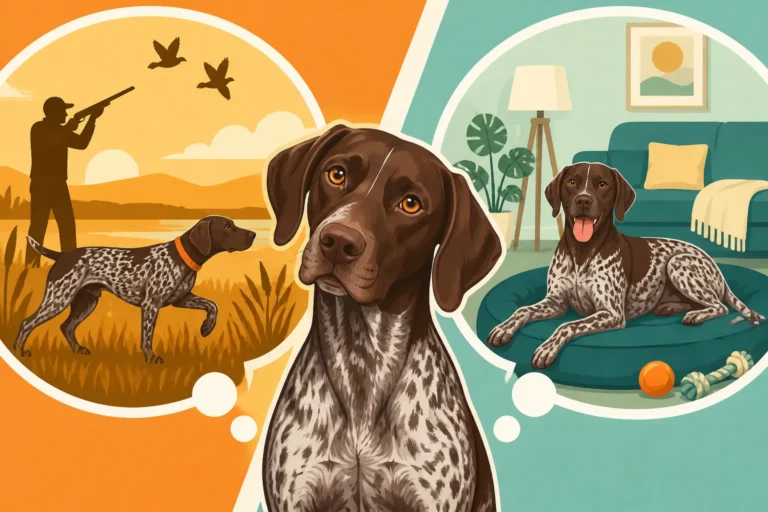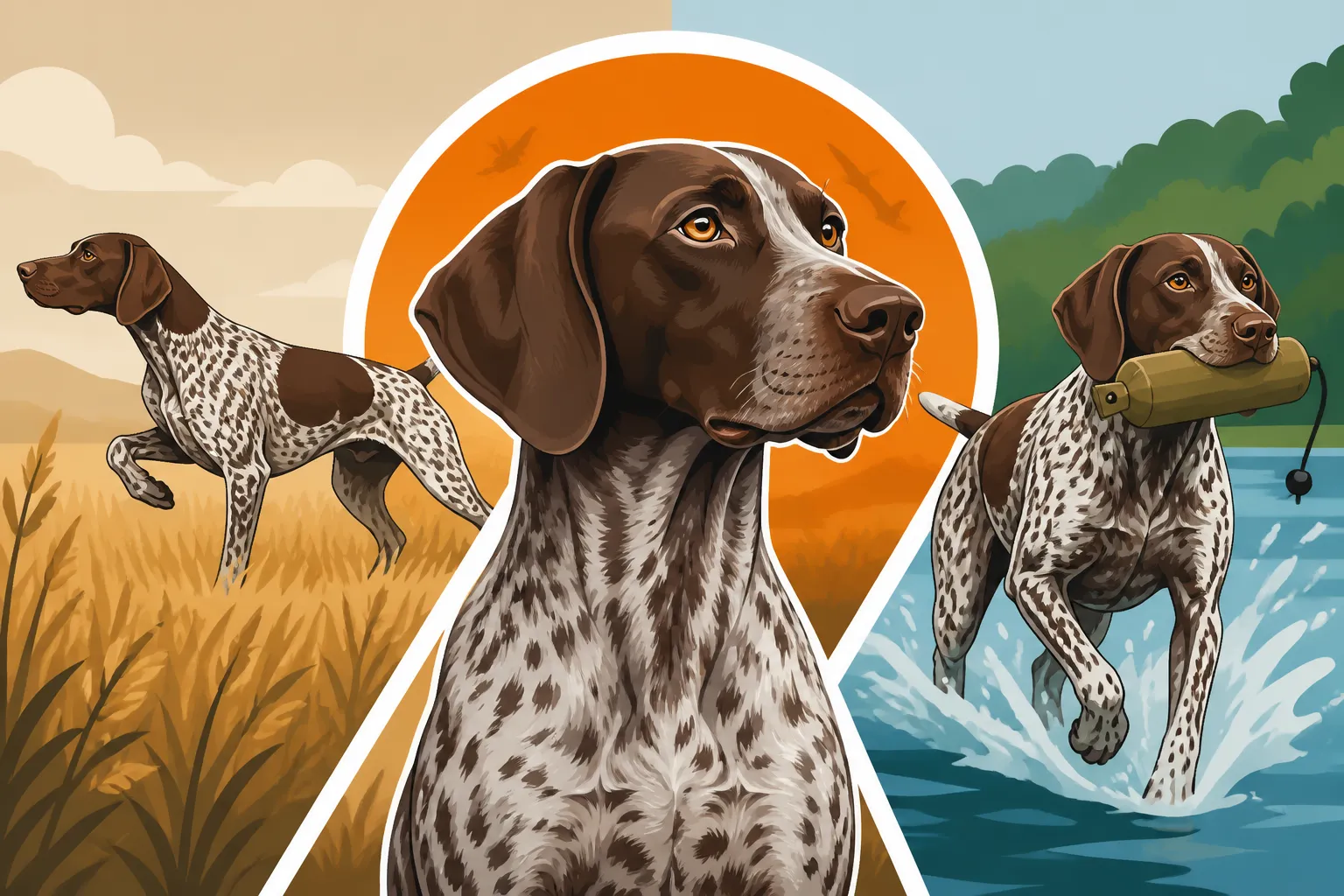
Pointing, Retrieving and Tracking in One Shorthair
One of the biggest frustrations for many bird hunters, or really any dog enthusiast looking for a working partner, is having to choose between multiple breeds to get all the traits they desire. You might want a dog that can point staunchly, but then you also need it to retrieve reliably from land and water, and wouldn't it be great if it could track that wounded bird that went down in heavy cover? This guide will dive deep into how the German Shorthaired Pointer earned its reputation as a true "do-it-all" versatile hunting dog, excelling in pointing, retrieving, and tracking, and what that means for both its life in the field and at home.
The German Shorthaired Pointer's Built-In Versatility
For centuries, hunters across Europe relied on a specialized array of dogs for different tasks. You had your pointers for finding game, your retrievers for bringing it back, and various hounds for tracking. But what if you could combine these essential skills into one efficient, intelligent, and eager partner? That's the ambition that drove the development of the German Shorthaired Pointer, creating a dog that truly embodies the term "versatile." This isn't just a marketing slogan; it's the very foundation of the breed, a testament to thoughtful breeding aimed at creating the ultimate all-purpose gun dog.
A Legacy of All-Around Hunting
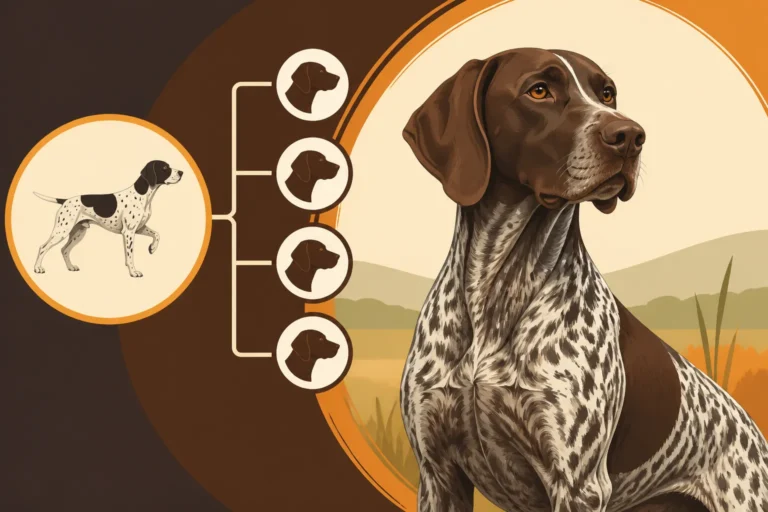
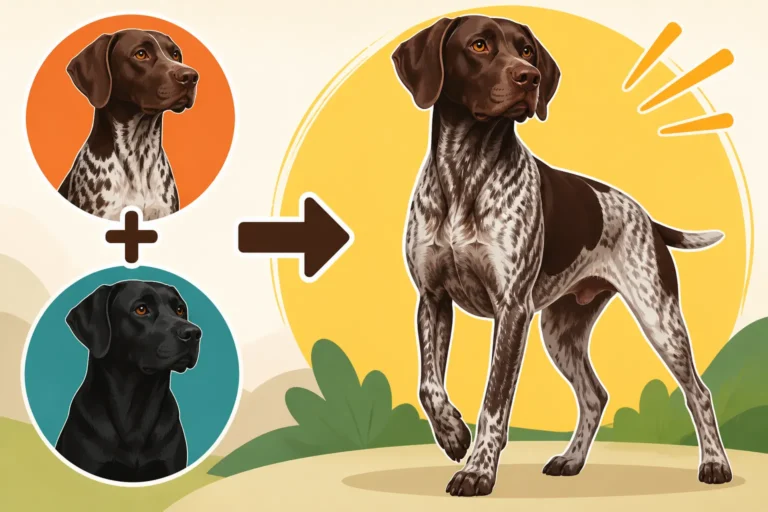
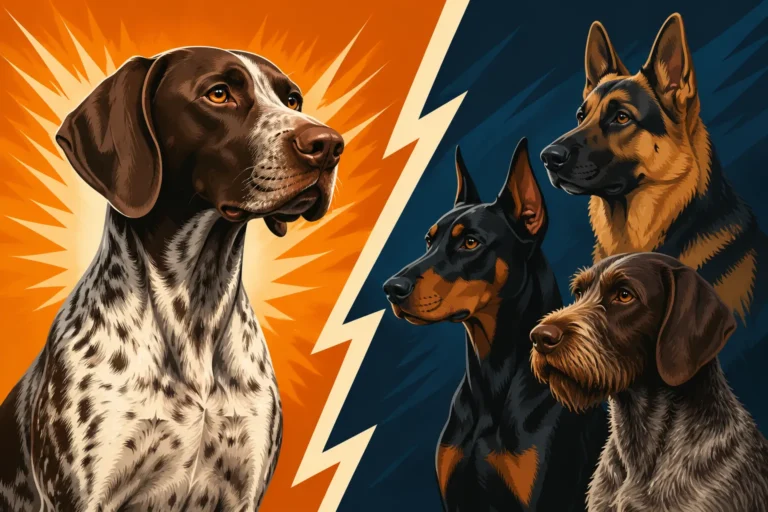
The German Shorthaired Pointer's history is deeply rooted in the practical needs of German hunters who wanted a single dog to perform a multitude of tasks both before and after the shot. They didn't want to bring a pack of specialized dogs to the field; they needed one reliable companion for everything. This meant a dog that could hunt various game birds, small game, and even big game, adapt to different terrains and weather conditions, and be a loyal family member when the hunting season was over. Why German Hunters Bred the Shorthair Instead of Four Dogs is a story that illustrates this perfectly, showcasing the dedication to creating a single, exceptional breed rather than relying on a collection of specialists. The result is a dog that comes pre-programmed, you might say, with a strong desire to find game, hold a point, fetch anything you ask, and follow a cold trail.
This focus on versatility shaped not just their instincts, but their physical attributes too. Their lean, muscular build allows for incredible endurance and speed, while their short, dense coat offers protection in various environments, even water. You'll notice their powerful hindquarters, built for driving through tall grasses and busting through brush, and their well-padded feet designed to withstand long days afield. It's a combination of form and function that directly supports their wide range of talents, making them suitable for the demands of diverse hunting scenarios.
More Than Just a Pointer: The All-Purpose Companion
While "Pointer" is in their name, it really only tells a fraction of the story. A German Shorthaired Pointer is a complete package. Imagine being out in the field: your dog points a covey of quail, holds steady as you walk in for the shot, retrieves the downed birds without damaging them, and then, later, perhaps after a long day, tracks a pheasant that ran off injured. This is the ideal scenario that GSP breeders strove for, and it's what makes owning one so rewarding. What Versatile Actually Means for a Shorthair isn't just a concept; it's a living, breathing reality with these dogs.
This comprehensive skill set also translates well into other dog sports and activities. Many GSPs excel in obedience, agility, dock diving, and even scent work competitions, showcasing their intelligence and eagerness to please. Their adaptability makes them wonderful candidates for search and rescue work, or even as therapy dogs, provided their significant energy needs are met. The inherent drive to work and interact with their human partners means they thrive when given a job to do, whatever that "job" might be. It’s truly a dog that thrives on engagement, both physically and mentally, making them ideal partners for active individuals or families who embrace the outdoors.
Unpacking the Pointing Instinct
The point is arguably the most iconic trait of any pointing breed, and the German Shorthaired Pointer exhibits it with a passion that is captivating to witness. It's not just a learned behavior; it's a deep-seated instinct, honed over generations, that allows them to "freeze" upon scenting game, signaling its location to their handler. This isn't a casual pause; it's an intense, almost statuesque pose that communicates everything you need to know about the bird's whereabouts.
The Intense, Standoffish Point
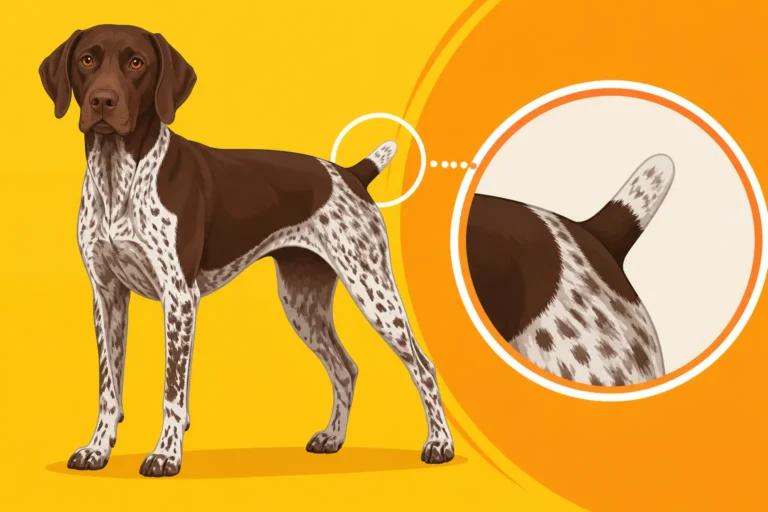
When a German Shorthaired Pointer hits a strong scent cone, it's like a switch flips. Their body goes rigid, often with one front leg lifted, tail stiff and high (or sometimes tucked slightly but still rigid), and their head pointed directly at the game. This isn't just for show; it's a functional adaptation. By freezing in place, they avoid flushing the bird prematurely, giving the hunter time to move into position. This "standoffish" quality means they hold their ground, even as the scent intensifies, resisting the urge to pounce. It's a moment of pure, focused anticipation, a beautiful demonstration of their inherited hunting prowess. The First Live Bird for a German Shorthaired Pointer is a moment many owners cherish, watching that instinct ignite for the very first time.
The intensity of their point can be breathtaking. You might see their nostrils quivering as they process the scent, their eyes locked, completely absorbed in the task. This natural ability is what makes them such effective bird dogs. While training refines it, the raw instinct is undeniable. Some puppies will even point butterflies or toys in the yard, giving you a sneak peek into their inherent talent. This is a dog that truly understands the unspoken language of the hunt.
Reading a Shorthair's Body Language on Point
Understanding your Shorthair's point is key to successful hunting. A subtle shift in their tail, the angle of their head, or the tension in their muscles can tell you a lot about the bird's exact location, whether it's running, or if it's about to flush. A high, stiff tail usually indicates a strong, confident point on a well-held bird. A slightly lowered or tucked tail, while still stiff, might mean the bird is further away or less securely held, prompting you to move a bit quicker.
It’s an intimate dance between dog and handler. When your Shorthair is locked on, you learn to read the slight tremors in their body, the way their ears might twitch, or how their hackles might just barely rise with excitement. This is where experience comes into play. Over time, you'll develop an intuitive understanding of your individual dog's signals, allowing for a seamless partnership in the field. This communication is what makes bird hunting with a GSP such a deeply rewarding experience, transforming it from a simple outing into a synchronized effort between two beings. Sometimes, you'll even see them "honor" another dog's point, standing rigidly behind their brace mate, a truly impressive display of teamwork Teaching a Shorthair to Back Another Dog's Point.
Natural Ability vs. Refinement in the Field
While the pointing instinct is undeniably strong in German Shorthaired Pointers, it benefits immensely from proper training and exposure. A young Shorthair might have a natural tendency to point, but without guidance, that point might be "creepy" (where they inch forward), or they might break too soon, flushing the bird out of range. The goal of training is to refine this raw instinct, teaching them to hold a staunch point until commanded otherwise.
This refinement often involves exercises like "whoa" training, teaching them to stop and stay put on command, regardless of distractions. Starting with planted birds and gradually moving to wild birds helps solidify this behavior. It’s about channeling their natural drive into a controlled, effective action. Think of it as shaping a diamond in the rough; the potential is there, but it needs a skilled hand to bring out its full brilliance. Even with the best genetics, consistent and patient training transforms a naturally pointing dog into a truly masterful one, a reliable asset every time you step into the field.
The Drive to Retrieve: Bringing Birds to Hand
After the shot, the work isn't over; it's time for the retrieve, and German Shorthaired Pointers are just as enthusiastic about bringing game back as they are about finding it. This isn't just about picking up a dead bird; it’s about a dedicated, often relentless drive to recover fallen game, whether it's on land or in challenging water. Their enthusiasm for this task is palpable, making them incredibly effective and joyful retrieving partners.
The Soft Mouth and Strong Desire
One of the most crucial aspects of a good retriever is a "soft mouth"—the ability to pick up and carry game without damaging it. German Shorthaired Pointers are typically bred with this trait in mind. They instinctively understand to apply just enough pressure to hold the bird securely, but not so much as to crush or mutilate it. This gentle handling ensures that the bird is brought back in good condition, whether for the table or simply as a testament to a successful hunt. This innate delicacy, combined with their fervent desire to please, makes them exceptional at their job.
Their strong desire to retrieve is a powerful motivator. Even if a bird falls in thick cover or far away, a well-trained GSP will diligently search until it's found. This persistence is a hallmark of the breed's retrieving instinct. They aren't easily deterred by obstacles or difficult terrain; their focus remains squarely on the task of bringing the prize back to their handler. Providing a variety of retrieving opportunities, from soft dummies to game birds, can help strengthen this natural drive, making them even more enthusiastic partners. Products from Chewy, like durable retrieve dummies, can be great for this type of training.
Water Work and the Webbed Foot Advantage
Many game birds, especially waterfowl, fall into lakes, rivers, or marshes. A truly versatile dog needs to be just as comfortable and effective in water as it is on land. German Shorthaired Pointers shine here, too. They possess slightly webbed feet, a subtle but significant anatomical advantage that helps them paddle efficiently through water. Combine this with their dense, short coat which dries relatively quickly, and a natural affinity for swimming, and you have a dog perfectly equipped for water retrieves.
Water Retrieves With a German Shorthaired Pointer can be an absolute joy to watch. They dive into the water with gusto, navigating currents and waves, their eyes fixed on the retrieve. Their endurance allows them to make multiple retrieves if needed, bringing back ducks or geese with the same gentle precision they would a pheasant on dry land. Introducing a Shorthair to water at a young age, in a positive and safe manner, helps build their confidence and solidify this important aspect of their versatile skill set. A good, buoyant retrieving dummy can be a great way to start in shallow water.
Delivering to Hand: The Importance of a Reliable Retrieve
Bringing the bird back is only half the job; delivering it directly to the handler's hand is the ultimate goal. This "delivery to hand" is a crucial part of a polished retrieve, preventing lost birds and making the process seamless. It demonstrates the dog's control, discipline, and understanding of the entire retrieving sequence. While many GSPs will naturally bring a bird close, teaching a consistent, polite delivery is a cornerstone of advanced retrieving training.
This often involves teaching the "hold" command, where the dog learns to hold an object gently in its mouth until given a release cue. Then, the "give" command, where they release the object directly into your palm. This isn't always easy, especially with an excited dog eager to drop the bird and get back to the hunt. But with patient and consistent work, a Shorthair can be taught to reliably deliver game every single time. Teaching a Shorthair to Deliver a Bird to Hand is a testament to the partnership and trust between dog and owner, transforming a good retriever into an exceptional one. This level of precision is what makes a German Shorthaired Pointer not just a good hunting dog, but a truly remarkable one.
Following the Scent: The Shorthair's Tracking Prowess
Beyond pointing and retrieving, the German Shorthaired Pointer possesses another vital skill that often goes unsung but is invaluable in the field: tracking. The ability to follow a scent trail, whether it's the faint path of a running pheasant or the blood trail of a wounded deer, distinguishes a truly versatile dog from its peers. This talent speaks to their incredible olfactory capabilities and their persistent nature.
Ground Scent and Air Scent Mastery
A German Shorthaired Pointer's nose is a finely tuned instrument, capable of distinguishing and following both ground scent and air scent with remarkable accuracy. Ground scent is the odor left directly on the terrain by the animal's feet, skin cells, and disturbed vegetation. Air scent, on the other hand, is carried on the wind, a broader cone of odor that helps the dog locate the general area of game. GSPs are adept at working both, often using a combination of the two to efficiently locate game.
When pointing, they primarily work with air scent, locking onto the cone of odor that emanates from the bird. But when tracking, especially a running bird or a wounded animal, they drop their noses to the ground, meticulously following the ground scent. Their methodical approach, combined with their keen sense of smell, allows them to unravel even the most complex and faint trails. This dual ability is a testament to their exceptional hunting instincts, making them reliable partners in many different hunting situations.
Tracking Wounded Game: A Critical Skill
One of the most ethical and important roles a German Shorthaired Pointer can play is tracking wounded game. No hunter wants to lose a bird or animal that has been hit. A GSP's ability to follow a blood trail, even a very sparse one, through dense cover can be the difference between a lost animal and a recovered one. This is where their persistence truly shines; they will often work a trail for considerable distances, overcoming obstacles and patiently deciphering faint scents.
Training for blood tracking usually begins with mock trails, using a small amount of animal blood or scent to lay a trail for the dog to follow. Gradually increasing the length, complexity, and age of the trail helps hone this skill. It's a slow, meticulous process that teaches the dog to trust its nose and the handler to trust the dog. Blood Tracking With a German Shorthaired Pointer isn't just a utilitarian skill; it's a demonstration of the breed's innate drive to complete the hunt, ensuring that no game is wasted and showing respect for the animals pursued.
Beyond Birds: Exploring Other Scent Work
While traditionally used for hunting birds and small game, a German Shorthaired Pointer's tracking abilities extend far beyond. Many GSPs excel in various forms of scent work, from competitive tracking events to detection work. Their high drive, intelligence, and incredible noses make them prime candidates for exploring these avenues. Whether it's finding lost articles in a field or even participating in simulated search and rescue scenarios, their natural talent for following a trail is invaluable.
These types of activities provide excellent mental stimulation, which is just as important as physical exercise for a smart, energetic breed like the GSP. Puzzle toys and interactive feeders available at stores like Chewy can engage their minds, but formal scent work taps into their deepest instincts, offering a profound sense of purpose. Engaging your Shorthair in diverse scent activities not only strengthens your bond but also keeps them mentally sharp and fulfilled, demonstrating just how truly versatile their "nose for the job" can be.
Training the Versatile Shorthair: From Puppy to Polished
Harnessing the immense versatility of a German Shorthaired Pointer requires dedication, consistency, and an understanding of their eager-to-please yet independent nature. They are intelligent dogs, quick to learn, but they also have a strong will and boundless energy. Proper training channels these powerful instincts into a cooperative partnership, creating a truly polished and effective hunting or family companion.
Early Exposure and Socialization
The journey to a well-rounded versatile GSP begins early, with critical exposure and socialization. From a young age, puppies need to experience a variety of sights, sounds, people, and environments. This helps them develop into confident, stable adults, less likely to be spooked by new situations in the field or in daily life. Exposure to different terrains, noises (like distant gunshots introduced very gradually), and even the smell of birds, without overwhelming them, lays a crucial foundation. Raising a Shorthair Puppy Toward Its First Season emphasizes the importance of these early months.
Early, positive introductions to retrieving games, short walks on different surfaces, and gentle handling all contribute to building a confident puppy. Socialization isn't just about meeting other dogs; it's about building resilience and adaptability. A well-socialized GSP is more likely to handle the unexpected challenges of a hunting trip or a busy family outing with calm and grace, proving that their versatility isn't just about instincts but about their temperament as well.
Building Foundational Skills for Each Discipline
Training for pointing, retrieving, and tracking often involves breaking down each skill into smaller, manageable steps. For pointing, this means developing a strong "whoa" command, teaching steadiness around birds, and ensuring they hold their point. For retrieving, it’s about fostering that innate desire, teaching a reliable retrieve to hand, and encouraging confidence in water. Tracking builds on their natural scenting ability, refining their focus on a specific trail.
A common mistake is trying to do too much too fast. German Shorthaired Pointers thrive on positive reinforcement and clear, consistent commands. Starting with basic obedience, like sit, stay, and come, forms the bedrock for all advanced training. Once those are solid, you can gradually introduce elements specific to each discipline, layering skills rather than expecting them to grasp everything at once. This methodical approach ensures the dog understands what is being asked of them, building confidence and competence in equal measure.
The Role of Professional Training and Continued Education
While many owners can successfully train their GSP in basic manners and even some field work, professional trainers specializing in versatile breeds can be invaluable. They offer expertise, facilities, and access to training birds that many individual owners might lack. A good professional trainer can diagnose issues, refine techniques, and accelerate a dog's learning curve, especially for complex tasks like steadying to wing and shot or advanced tracking. They can also provide insights into specific behavioral challenges, for instance, if your Shorthair is exhibiting signs of gun shyness or a flagging retrieve.
But training is never truly "finished." German Shorthaired Pointers are lifelong learners, and continued education, whether through advanced classes, participation in hunt tests like those offered by NAVHDA, or simply regular practice in the field, keeps them sharp and engaged. This commitment to ongoing development ensures that their versatile abilities remain honed, and the bond between dog and owner continues to grow stronger, yielding years of enjoyment and successful partnership.
Living with a Versatile Partner: Beyond the Field
Bringing a German Shorthaired Pointer into your life means welcoming an animal with a deep-seated history of work, incredible intelligence, and boundless energy. Their versatile instincts aren't something they can simply switch off when they come inside. Understanding how these traits manifest in a domestic setting is key to a happy home life for both you and your GSP. They're not just hunting companions; they are devoted, active family members.
Translating Instincts to Everyday Life
The pointing instinct, while refined for hunting, can show up in quirky ways around the house. You might find your GSP "pointing" at a squirrel out the window, a dust bunny in the corner, or even a toy that's fallen under the couch. It's a harmless, often endearing display of their ingrained nature. Their retrieving drive means they'll often bring you toys, slippers, or anything they can carry, seeking engagement and interaction. This can be great for games of fetch, but also means you need to be mindful of what's left within their reach—they are natural counter surfers and treasure collectors! Using durable toys and providing plenty of outlets for their retrieve drive, perhaps through play with Chewy's extensive selection of dog toys, is important.
Their tracking abilities, too, translate to daily life. They will use their nose to explore every corner of your yard, follow interesting scents on walks, and might even be prone to "hunting" for dropped food in the kitchen. This means a secure yard and diligent leash training are non-negotiable. They are driven by scent, and a captivating smell can easily override other commands if not properly managed. Embracing these natural behaviors in appropriate ways, rather than trying to suppress them entirely, will lead to a more harmonious household.
The Joy of a "Do-It-All" Family Member
Beyond their impressive field capabilities, German Shorthaired Pointers make incredibly loyal and affectionate family members. Their high energy and intelligence mean they thrive in active homes where they can be included in daily activities. They are often described as "Velcro dogs" because of their strong desire to be close to their people. This deep bond makes them wonderful companions for hiking, running, swimming, or simply being by your side while you work in the yard.
Their versatility extends to their capacity for love and companionship. They are generally good with children, though their boisterous nature means supervision is always wise, especially with very young kids. A German Shorthaired Pointer With Children and Cats is a topic that requires careful consideration and management. With proper introduction and training, they can even coexist with other pets. The joy of having a "do-it-all" dog is that they can join you on so many adventures, enriching your life with their enthusiasm, devotion, and boundless zest for living.
Balancing Instincts with Domestic Bliss
The biggest challenge with a German Shorthaired Pointer in a non-hunting home, or even in a hunting home during the off-season, is providing enough physical and mental stimulation to satisfy their inherent drives. An under-exercised or under-stimulated GSP can become destructive, anxious, or develop undesirable behaviors like excessive barking or digging. Remember, these are dogs bred for intense, sustained activity. What an Under Exercised Shorthair Does to a House is no joke; they will find a job to do if you don't give them one, and you likely won't like what they choose.
Regular, vigorous exercise is paramount—think long runs, bikejoring, extensive fetch sessions, or hiking. Mental stimulation, through training, puzzle toys, and scent games, is equally important. Puzzle Feeders and Scent Games for a Shorthair can be a lifesaver on rainy days. Creating a structured routine that incorporates both physical outlets and mental challenges will help your versatile GSP channel their instincts positively. By understanding and respecting their heritage as a truly all-purpose working dog, you can ensure a fulfilling and happy life for your German Shorthaired Pointer, both in the field and as a cherished member of your family.
Here is a table summarizing the versatile skills of the German Shorthaired Pointer:
| Skill | Description | Key Instincts/Traits Involved | Training Focus | Benefits in Field/Home |
|---|---|---|---|---|
| Pointing | Locating upland game birds and freezing rigidly to indicate their presence. | Strong prey drive, keen sense of smell, desire to "freeze." | "Whoa" command, steadiness to wing/shot, honoring another dog's point. | Locates game effectively for hunter; can "point" objects of interest at home. |
| Retrieving | Bringing downed game back to the hunter, from land or water. | Soft mouth, strong desire to please, natural affinity for water. | Reliable retrieve to hand, water confidence, searching for hidden objects. | Recovers game without damage; loves games of fetch, brings items to you. |
| Tracking | Following scent trails of wounded game or other objects. | Exceptional sense of smell, persistence, methodical work ethic. | Following mock blood trails, scent discrimination, long line work. | Recovers lost game; excels in scent work/detection sports, finds lost items. |
| Overall | Adaptability to various hunting situations and family life. | High intelligence, eagerness to please, athleticism, strong bond with owner. | Consistent obedience, diverse exposure, mental stimulation, regular exercise. | Ideal for active families and hunters; excels in many dog sports/activities. |
Disclaimer
This article is for general informational purposes only and does not constitute professional advice. Laws, prices and regulations vary by location and change over time. Consult a qualified professional for guidance on your specific situation.