What an Under Exercised Shorthair Does to a House
If you’ve ever come home to a shredded couch cushion, mysterious puddles on the floor, or a counter mysteriously cleared of your forgotten sandwich, you know the unique frustration of living with an under-exercised German Shorthaired Pointer. These dogs are built for relentless activity, and when their immense energy isn't channeled appropriately, they become furry, four-legged wrecking balls in your home. This guide will meticulously break down the specific behaviors an under-exercised Shorthair exhibits, why they do them, and how you can proactively prevent this chaos, transforming your home back into a sanctuary.
The Root of the Problem: Unmet Energy Needs
Let's be honest, living with a German Shorthaired Pointer is a commitment to activity. These aren't your couch potato companions; they are athletes bred for endurance, speed, and intelligence in the field. When their inherent needs aren't met, their frustrated energy has to go somewhere, and unfortunately, it usually goes right into your furniture, yard, or peace of mind.
The Shorthair's Design for Endurance
Think about the history of the German Shorthaired Pointer. They weren't developed to win beauty contests on a leash, but to hunt all day, across diverse terrains, in all weather. This means generations of selective breeding have ingrained an incredible drive for physical activity, keen intelligence, and an insatiable desire to work. They are meant to cover miles of ground, sniff out game, point steadfastly, and retrieve diligently. This isn't just a physical need; it's deeply psychological. Their minds need engagement just as much as their bodies need to run. Dismissing this fundamental aspect of their breed is like buying a high-performance sports car and only driving it to the grocery store once a week – it's simply not what it was made for, and it will eventually start acting up.
A Shorthair that is routinely under-exercised isn't being "naughty" or "stubborn"; it's a dog in distress, trying to self-soothe or find an outlet for its overflowing energy. Their bodies are coiled springs, and without appropriate release, that spring will unravel in ways you won't appreciate. Many new owners vastly underestimate The Two Hours a Day a German Shorthaired Pointer Needs to truly thrive, not just survive. It's not about a quick lap around the block; it's about sustained, engaging activity that stimulates both their powerful muscles and their sharp minds.
How Little Exercise Becomes "Not Enough"
It's easy to fall into the trap of thinking a long walk is enough. For many breeds, it absolutely is. For a German Shorthaired Pointer? It's often barely a warm-up. Imagine telling a marathon runner that their daily exercise will now consist of a brisk walk to the mailbox. They'd climb the walls! A Shorthair experiences a similar level of frustration. "Not enough" isn't a fixed measure; it varies by the individual dog, their age, and their overall fitness level. However, for most healthy GSPs, "not enough" means anything less than 60-90 minutes of vigorous, off-leash running or structured activity daily, often split into two sessions. This isn't just about covering distance; it's about intensity.
A short on-leash walk in the neighborhood, while good for sniffing and neighborhood updates, does little to truly burn off the kinetic energy stored in a Shorthair. They need to gallop, to leap, to chase, to explore at their own pace. Without this kind of intense, breed-appropriate exercise, their systems remain on high alert, seeking an opportunity to expend that energy. This pent-up drive quickly translates into problem behaviors around the house, as they look for creative (and often destructive) ways to entertain themselves and alleviate their boredom and anxiety.
Common Destructive Behaviors Born from Boredom
When a German Shorthaired Pointer isn't given proper outlets for its energy, the home becomes its personal playground, often to your dismay. These behaviors aren't born out of spite but out of an instinctive need to do something.
Chewing as a Coping Mechanism
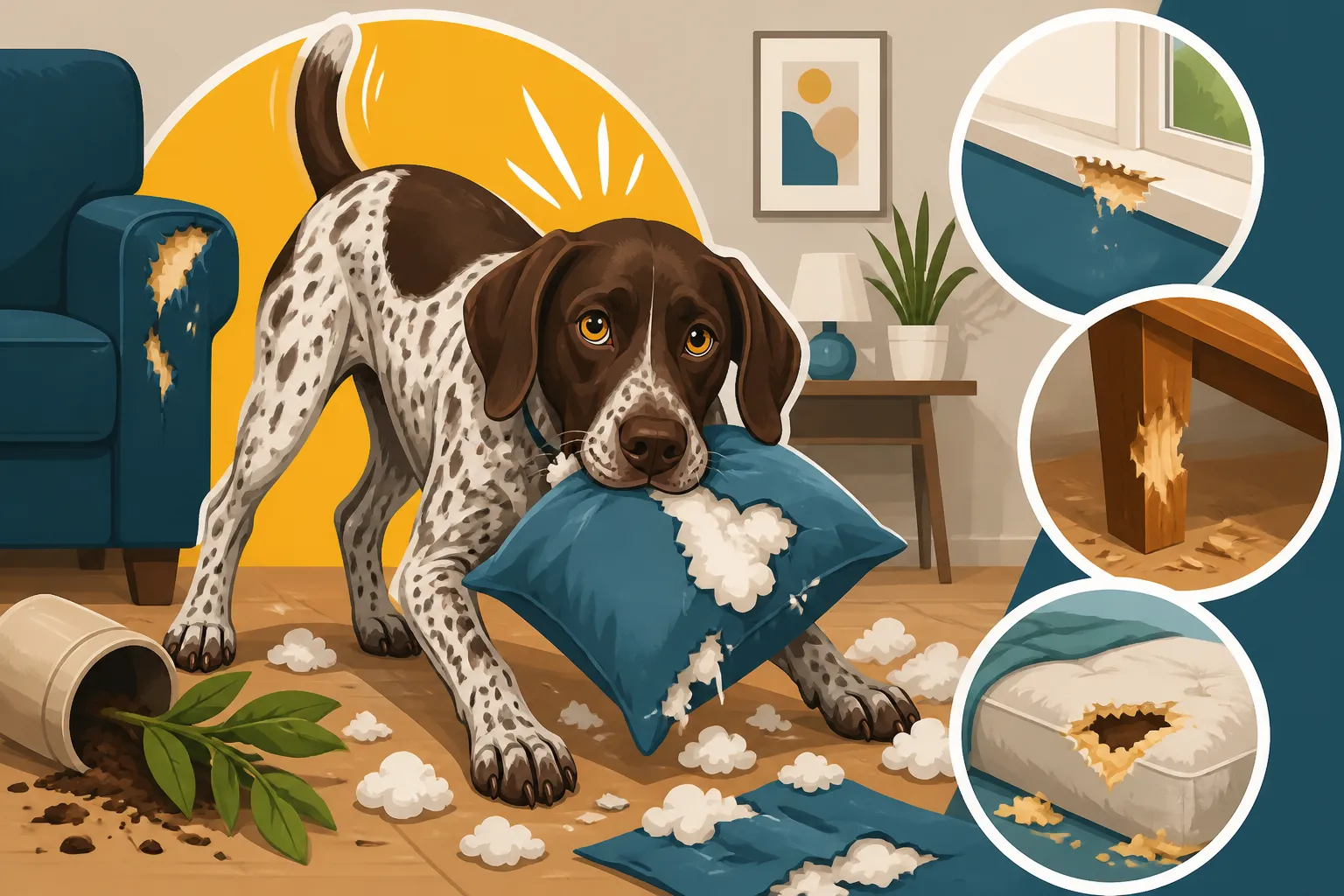
Chewing is a natural, self-soothing behavior for dogs. For an under-exercised Shorthair, it becomes an obsessive hobby. Imagine if you were stuck in a room all day with nothing to do – you'd probably fidget, pick at things, maybe even gnaw on a pen. Your Shorthair is doing much the same, but with your furniture. They'll chew on chair legs, table corners, baseboards, doorframes, and especially anything soft like couch cushions, pillows, or blankets. The act of chewing releases endorphins, which helps to calm their anxiety and relieve their boredom. It also fulfills a primal need to work their jaws.
A shredded dog bed is one thing, but a dining room chair gnawed down to splinters is quite another. This isn't just an inconvenience; it's a significant financial burden. They might target things that smell like you, like your shoes or remote controls, not out of malice, but because your scent offers a comforting, if inappropriate, distraction. Providing appropriate, challenging chew toys, especially when you can't actively supervise them, is crucial. Toys that dispense treats, like KONGs, can keep them occupied for a while, offering both mental and physical engagement.
Digging: From Yard to Carpet
Digging is another deeply ingrained instinct for many dogs, especially those from hunting lines. They might dig to create a cool spot to lie, to bury treasures, or simply to investigate interesting scents. In an under-exercised German Shorthaired Pointer, digging becomes an extreme sport, and the boundaries of the yard often extend indoors. You might find craters in your lawn where your prize-winning rose bushes once stood, or holes along your fence line that signal escape attempts.
Even more frustrating, some Shorthairs will take their digging compulsion indoors. They might "dig" frantically at carpets, especially in corners or by doorways, creating frayed, ruined patches. This indoor digging is almost always a sign of profound boredom or anxiety. They are trying to create a den, or perhaps unearth some imaginary prey. The sheer destruction from a determined Shorthair digging at your carpet can be astonishing, often necessitating costly repairs or replacements. It's a clear signal that they need more purposeful activities to occupy their powerful minds and bodies. If you're struggling with this, finding ways to burn off that energy is key. Consider longer, more intense runs, or structured play sessions.
Counter Surfing and Food Theft
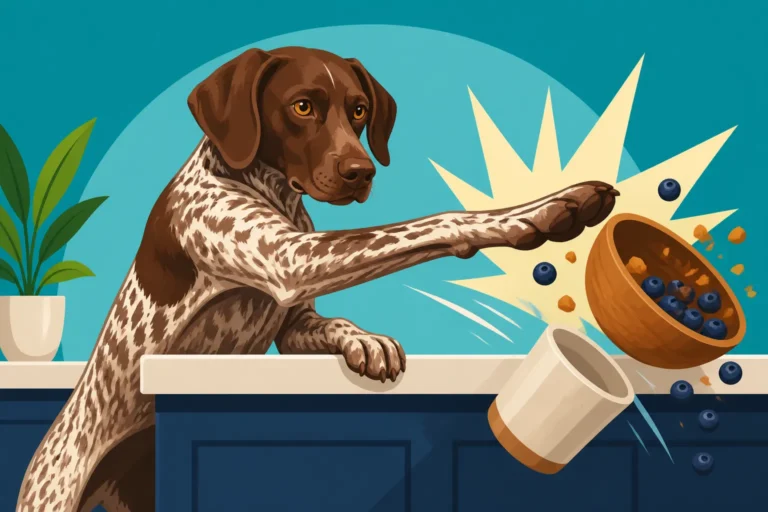
German Shorthaired Pointers have incredible noses and a boundless opportunistic spirit. When they're under-exercised, that intelligence and drive get funneled into finding novel ways to entertain themselves, and food is often the highest reward. Counter surfing isn't just mischievous; it's a perfectly logical behavior for a bored, energetic dog who just found an easy "win." They're tall, athletic, and surprisingly stealthy when motivated by the scent of a forgotten plate of cookies or a freshly buttered piece of toast. Counter Surfing and Stealing in a Shorthair Household is a common complaint, and it's not always about hunger; it's often about the thrill of the hunt and the reward of the conquest.
They'll learn quickly which counters are within reach, which chairs offer a convenient step-up, and which food items are left unattended. This can range from stolen snacks to entire meals, even items you wouldn't think they'd touch, like fruit or vegetables. Beyond the annoyance, this behavior poses significant health risks. Many human foods are toxic to dogs, and even safe foods can cause stomach upset. An under-exercised Shorthair, constantly on the prowl for stimulation, sees your kitchen as a treasure trove of potential entertainment and calories, making it a dangerous game of cat and mouse you're likely to lose without proper exercise and management.
The Vocalization and Anxiety Connection
A German Shorthaired Pointer's energy isn't just physical; it's mental and emotional. When these needs aren't met, the result can be a highly vocal and anxious dog, turning your peaceful home into a symphony of complaints and worry.
Excessive Barking and Whining
Imagine having a full day's worth of energy bottled up inside you, with no way to release it. You'd probably get pretty agitated, right? For a German Shorthaired Pointer, this often manifests as excessive barking and whining. They might bark at every leaf that blows by the window, every person walking down the street, or simply at the wall out of sheer frustration. This isn't usually territorial aggression; it's often a desperate plea for attention, stimulation, or relief from boredom. The sound is often incessant, high-pitched, and designed to get a reaction from you, or anyone within earshot.
Whining is another common vocalization. It can range from soft, mournful whimpers to loud, persistent cries, particularly when you're preparing to leave or when they are confined. This isn't just annoying; it can lead to tension with neighbors and severely impact your quality of life. An under-exercised GSP might even bark and whine at night, disrupting your sleep and leaving everyone in the house exhausted and stressed. The solution isn't to punish the barking, which only addresses the symptom, but to tackle the underlying cause: a surplus of unspent energy and a desperate need for engagement. You might find helpful advice in The Structure a German Shorthaired Pointer Needs Daily.
Separation Anxiety's Devastating Impact
One of the most heartbreaking consequences of an under-exercised German Shorthaired Pointer is the development or exacerbation of separation anxiety. These are highly social dogs who thrive on companionship and purposeful activity. When they're left alone for long stretches without adequate prior exercise, their boredom and pent-up energy can quickly spiral into full-blown panic. A Shorthair That Panics Alone in the House is a truly distressing situation for both dog and owner.
The destruction associated with separation anxiety goes far beyond simple chewing or digging. An anxious Shorthair might chew through doors and door frames, scratch at windows until the trim is ruined, or even attempt to dig through drywall. They may also suffer from extreme house-soiling, even if fully house-trained, or injure themselves trying to escape their crate or confine. The behavior is marked by its intensity and panic-driven nature, often occurring only when you are absent. It's not about being "mad" at you; it's about genuine fear and distress at being left alone, amplified by their unmet physical and mental needs. Addressing this requires a multi-pronged approach that includes significant exercise, confidence-building, and sometimes even professional guidance.
The House Training Regression
You’ve put in the work, braved the puppy accidents, and finally celebrated a fully house-trained German Shorthaired Pointer. Then, seemingly out of nowhere, the accidents start again. This regression is incredibly frustrating, especially when it feels like you're starting from scratch. For an under-exercised Shorthair, it’s often another symptom of their overall distress.
Accidents Indoors, Despite Training
It can be baffling and incredibly frustrating when a previously house-trained German Shorthaired Pointer starts having accidents indoors. This isn't typically a sign of them "forgetting" their training. Instead, for an under-exercised dog, it can be a combination of factors. Sometimes, they simply can't hold it long enough because their body is in a constant state of arousal and their metabolism is high from pent-up energy. They might be so focused on finding an outlet for their boredom that they forget to signal, or their signals go unnoticed.
Other times, it's a direct consequence of anxiety or stress. A Shorthair feeling overwhelmed by boredom or separation anxiety might void their bladder or bowels as a physical manifestation of their emotional state. This isn't a deliberate act of defiance, but an involuntary response to intense stress. The sheer volume of destruction and chaos caused by an under-exercised GSP can sometimes mask this underlying issue, making it seem like a training problem when it's truly an emotional and physiological one linked to insufficient stimulation.
Submissive or Excitement Urination
Beyond general indoor accidents, an under-exercised German Shorthaired Pointer might also exhibit submissive or excitement urination. Submissive urination often occurs when a dog feels intimidated or overwhelmed, perhaps during greetings with strangers or when being corrected. An anxious, under-stimulated dog is more likely to be on edge and prone to these reactions. Their nerves are frayed, and a simple interaction can trigger an involuntary release of urine.
Excitement urination, on the other hand, happens when a dog becomes overly aroused, typically during greetings with beloved family members after a period of absence, or when a highly anticipated event (like playtime) is about to occur. For a Shorthair starved of appropriate activity, even a slight increase in stimulation can send their emotional regulation spiraling, leading to a small puddle. Both types of urination are involuntary and are often exacerbated by a dog living in a constant state of high alert due to unmet energy needs. Managing these issues effectively requires not punishment, but rather a focus on building confidence, reducing overall stress, and, crucially, providing ample physical and mental exercise.
Managing the Chaos: Preventative Strategies
Living with an under-exercised German Shorthaired Pointer doesn't have to be a sentence to perpetual chaos. With proactive strategies and a deep understanding of their needs, you can turn things around. The key is prevention, not just reaction.
Structuring a Robust Exercise Routine
This is the absolute cornerstone of managing a Shorthair. There is no substitute for adequate, appropriate exercise. For most healthy adult GSPs, this means at least Ninety Minutes of Real Exercise for a Shorthair every single day. This isn't just about walks; it needs to be vigorous, off-leash activity where they can run, gallop, sprint, and explore. Think about what they were bred to do: cover vast amounts of ground. Can you take them to a dog park? A large, fenced field? Or perhaps you're a runner, and your Shorthair could be an excellent running partner (once they're fully grown and conditioned). The Age a Shorthair Can Start Distance Running is important to consider to protect their joints.
Consider activities like fetch with a ball launcher, flirt poles, or even controlled runs alongside a bike (once trained safely). Swimming is another fantastic low-impact, high-energy exercise that many Shorthairs adore and that truly burns off steam. The goal is to return home with a dog that is physically tired, but also mentally satisfied. A long hike in varied terrain is far more enriching than a repetitive jog on pavement. Varying the exercise routine also keeps things interesting for your intelligent companion and prevents boredom from creeping back in.
Mental Stimulation Beyond Physical Exertion
While physical exercise is paramount, neglecting a German Shorthaired Pointer's sharp mind is just as detrimental. These dogs are intelligent problem-solvers, and if you don't give them puzzles to solve, they'll invent their own, usually involving deconstructing your home. Incorporate daily mental stimulation into their routine. This can include training sessions, even for just 10-15 minutes, working on obedience commands, learning new tricks, or practicing their manners.
Puzzle toys are fantastic for keeping their brains engaged and can be especially useful for keeping them occupied when you can't actively supervise. Look for toys where they have to manipulate parts to get treats out. Snuffle mats and scent games, where they have to use their incredible noses to find hidden treats, are also excellent. Consider incorporating structured scent work, even if it's just hiding treats around the house for them to find. This kind of "brain game" taps into their natural hunting instincts and can be surprisingly tiring for them. Products readily available on Amazon, like complex treat dispensers or sniff puzzles, can be a lifesaver for busy owners looking to enrich their Shorthair's day.
Strategic Crating and Safe Spaces
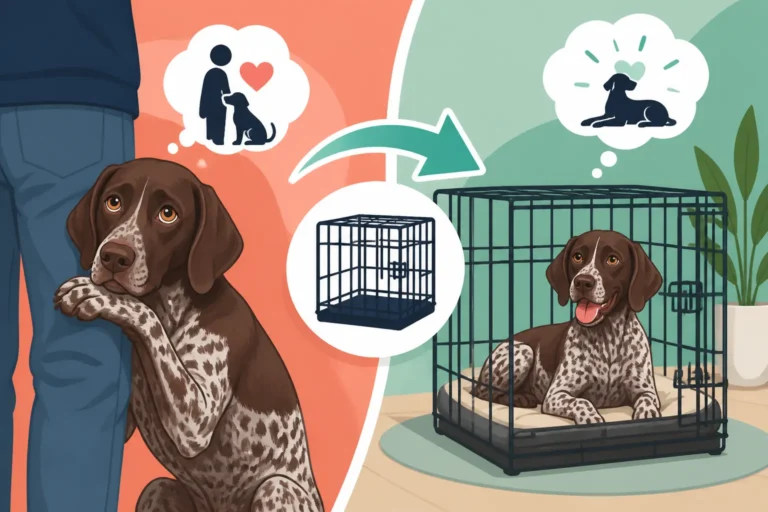
A crate, when introduced and used properly, can be an invaluable tool for managing an energetic German Shorthaired Pointer, especially when you can't supervise them. It provides a safe, secure den that prevents destructive behaviors and promotes good house-training habits. However, a crate is not a punishment or a place to simply stash an under-exercised dog for hours on end. If your Shorthair associates the crate with boredom and confinement, they will likely develop anxiety or destructive behaviors within the crate itself. Crating a Shorthair That Has Energy to Burn requires careful consideration.
The key is to make the crate a positive space. Feed them meals in the crate, give them high-value chew toys or KONGs stuffed with delicious fillings when they go in, and ensure they've had ample exercise before they're crated. The crate should be a place where they feel safe and comfortable, not imprisoned. For times when crating isn't an option or when they need more space, consider creating a designated "safe room" that is thoroughly puppy-proofed. This room should contain durable toys, water, and perhaps a comfortable bed, ensuring there's nothing they can destroy or injure themselves with. Using a reputable online training platform like BAXTER & Bella can provide guidance on effective crate training techniques.
When Professional Help is Needed
Despite your best efforts, sometimes the destructive behaviors of an under-exercised German Shorthaired Pointer can feel overwhelming. It's okay to admit you need help; in fact, it's a responsible choice.
Consulting a Certified Professional Dog Trainer
If you're finding yourself consistently battling destructive chewing, digging, excessive barking, or other challenging behaviors, it's a clear sign that you might need professional intervention. A certified professional dog trainer, particularly one experienced with high-energy sporting breeds, can be an invaluable resource. They can assess your Shorthair's specific situation, identify the underlying causes of the behavior (beyond just lack of exercise, though that's often a major factor), and help you develop a tailored behavior modification plan.
They can teach you effective training techniques, advise on appropriate exercise routines for your lifestyle, and help you understand your dog's body language and motivations. They can also assist with specific training challenges, such as reinforcing "leave it" cues, managing excitement, or improving impulse control. The investment in a good trainer can save you significant money in future property damage and veterinary bills, not to mention vastly improve the bond you share with your dog. Don't wait until the problem becomes insurmountable; early intervention is always more effective. What a Behaviorist Charges for an Anxious Shorthair might seem daunting, but it's an investment in your dog's well-being and your home's integrity.
Seeking Veterinary Advice for Extreme Cases
In some extreme cases, particularly with behaviors that seem driven by profound anxiety or distress (like severe separation anxiety, self-mutilation, or extreme panic), a visit to your veterinarian is crucial. They can rule out any underlying medical conditions that might be contributing to the behavior. Pain, hormonal imbalances, or other health issues can sometimes manifest as behavioral problems. Once physical health is cleared, your vet might recommend working with a veterinary behaviorist, a specialist who has advanced training in both veterinary medicine and animal behavior.
A veterinary behaviorist can prescribe medication to help manage severe anxiety or panic, which can be a critical component of a comprehensive behavior modification plan. Medication isn't a "cure-all" but can help your dog reach a state where they are calm enough to learn and respond to training. They work in conjunction with behavioral strategies, not in place of them. This holistic approach ensures that both the physiological and psychological aspects of your Shorthair's distress are addressed, offering the best chance for recovery and a happier, less destructive life for your dog and a more peaceful home for you.
The Long-Term Impact on the Household
Living with an under-exercised German Shorthaired Pointer isn't just about damaged furniture; it has far-reaching consequences that can impact every aspect of your life and your relationship with your beloved companion.
Strain on Family Relationships
When a dog is routinely destructive, noisy, and anxious, it creates an enormous amount of stress in the household. Family members might become frustrated, angry, or resentful, leading to arguments about how to manage the dog. The endless cycle of cleaning up messes, repairing damage, and trying to quiet a barking dog can erode the joy of pet ownership. Children might become afraid or cautious around a dog that is constantly jumping, nipping, or exhibiting other unruly behaviors.
This strain can also damage the bond between the owner and the dog. Instead of a cherished companion, the dog becomes a source of stress and disappointment. This often leads to feelings of guilt for the owner, who might feel they've failed their dog, or to a weakening of the emotional connection. In unfortunate cases, this can even lead to dogs being rehomed because the family simply can't cope with the demands. Recognizing the profound impact an under-exercised Shorthair can have on family harmony is the first step toward creating a more balanced and joyful household.
Financial Costs of Damage and Training
The financial toll of an under-exercised German Shorthaired Pointer can be staggering. Beyond the initial purchase price or adoption fee, the costs pile up quickly. Replacing chewed furniture, repairing damaged floors, repainting scratched doors, or even replacing entire sections of carpet can run into the hundreds or even thousands of dollars. These are often unexpected expenses that can significantly impact a family's budget.
Then there are the costs associated with trying to manage the behavior: expensive "indestructible" chew toys (which a determined Shorthair might still decimate), specialized cleaning products for accidents, and potentially higher veterinary bills if they ingest something harmful during a chewing spree. Furthermore, professional training, while invaluable, comes with its own price tag. Whether it's group classes, private sessions, or a veterinary behaviorist, these services are an investment. While insurance can help with some unexpected vet bills, it typically won't cover damage to your home. What a Shorthair Destroys in Its First Year can be a harsh reality check for new owners. Proactive exercise and training are not just good for your dog's well-being; they are also excellent for your wallet.
| Behavior Type | Common Manifestations | Underlying Cause (Often Exacerbated by Lack of Exercise) | Typical Impact on Home/Family | Preventative/Corrective Strategy |
|---|---|---|---|---|
| Destructive Chewing | Chewed furniture, shoes, remote controls, baseboards | Boredom, anxiety, self-soothing, instinctual drive | Ruined belongings, costly repairs, potential ingestion of harmful items | Provide durable chew toys (e.g., KONGs), ample exercise, supervision |
| Digging | Holes in yard, torn up carpet/flooring | Boredom, instinctual drive to bury/investigate, anxiety | Damaged landscaping, ruined floors, potential escape routes | Designated digging area, increased exercise, mental games |
| Counter Surfing/Theft | Stolen food from counters/tables | Opportunism, boredom, strong food drive | Lost food, potential ingestion of toxic items, unsanitary surfaces | Management (clear counters), "leave it" training, mental stimulation |
| Excessive Vocalization | Constant barking, whining, howling | Boredom, attention-seeking, anxiety, frustration | Disturbance to neighbors, strained family relationships, sleep disruption | Increased exercise, mental stimulation, desensitization training |
| House Training Accidents | Urinating/defecating indoors (after being trained) | Anxiety, stress, excitement, inability to hold (due to high arousal) | Messes to clean, lingering odors, hygiene concerns | Ample potty breaks, anxiety reduction, consistent routine, proper clean-up |
| Separation Anxiety | Chewing/scratching at exits, destructive urination/defecation when alone | Genuine panic, fear of abandonment, amplified by unmet needs | Severe structural damage, extreme messes, risk of self-injury | Gradual desensitization, counter-conditioning, exercise, vet/behaviorist |
Disclaimer
This article is for general informational purposes only and does not constitute professional advice. Laws, prices and regulations vary by location and change over time. Consult a qualified professional for guidance on your specific situation.