Teaching a Shorthair to Deliver a Bird to Hand
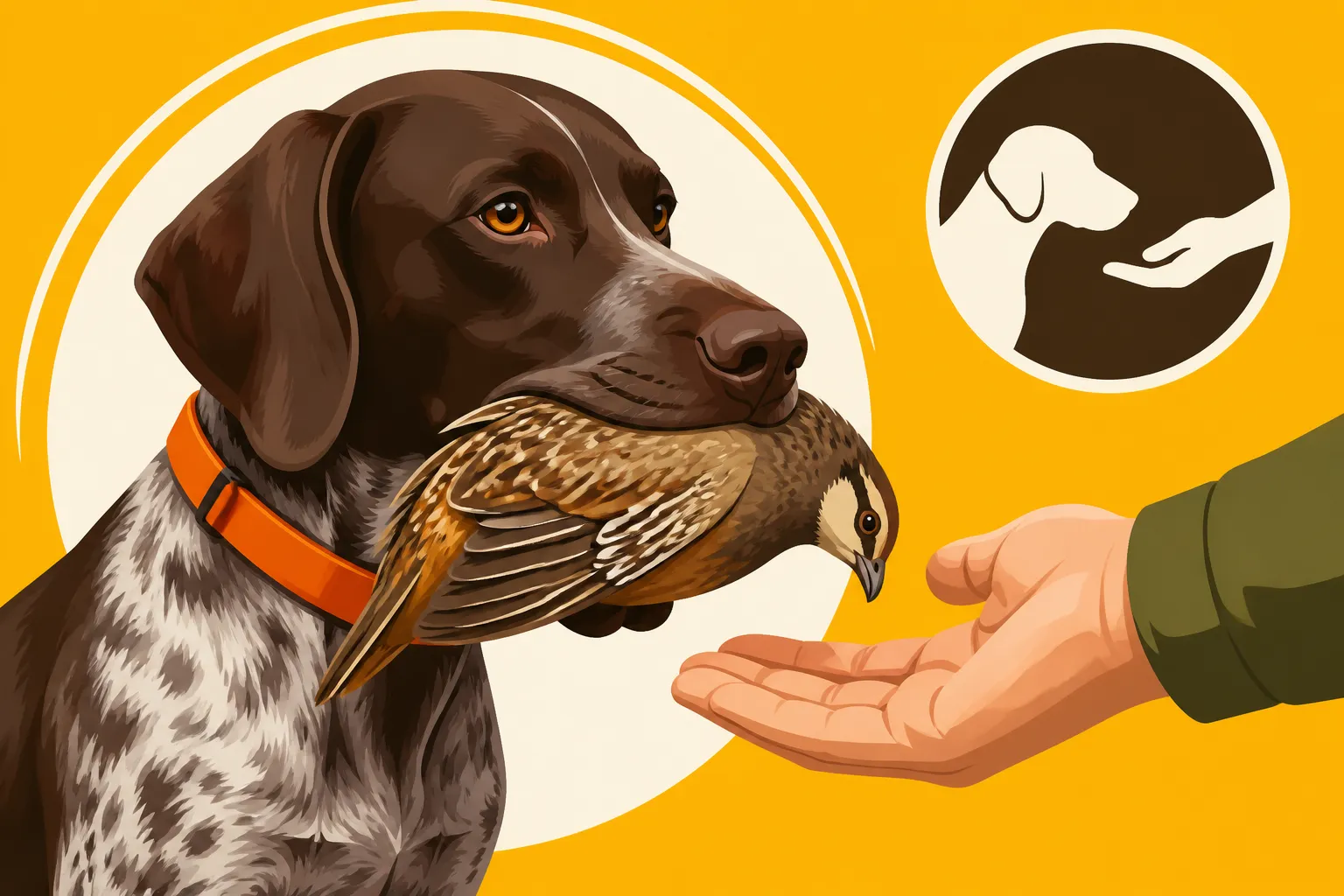
It's incredibly frustrating when your spirited German Shorthaired Pointer enthusiastically retrieves a bird, races back to you, and then, at the last moment, drops it a foot away, or worse, decides it's a new chew toy. We all want that seamless, proud delivery, but getting your Shorthair to consistently bring a bird directly to your hand and release it on command is a nuanced skill that takes dedication and understanding. This guide will walk you through the essential steps and methods to build that reliable, picture-perfect delivery, turning those nearly-there moments into triumphant successes.
Understanding the "Why" Behind Dropping or Reluctance
Before we dive into training methods, it's really helpful to understand why your German Shorthaired Pointer might not be delivering a bird perfectly to hand. It's rarely out of malice; usually, it stems from a mix of instinct, confusion, or a lack of clear expectations in earlier training. German Shorthaired Pointers are born with incredible drive, but "delivery to hand" isn't an innate behavior.
Natural Instincts vs. Trained Behaviors
Shorthairs are bred to find, point, and retrieve. That retrieving drive is powerful! They love to pick things up, and they absolutely love to bring them back. However, the final act of presenting the bird neatly to your open hand and releasing it gently is a human construct. In the wild, a dog might carry prey to a den or a safe spot, but not necessarily offer it to another creature's outstretched hand. So, when your Shorthair snatches a bird and gallops back, they've fulfilled a huge part of their natural inclination. The "give" or "deliver" command is an add-on, something we have to layer on top of that strong prey drive.
Think about it from their perspective: they've just performed an amazing feat, likely with a huge adrenaline rush. They've found the bird, picked it up, and brought it to their person. They might assume their job is done, or perhaps they're enjoying the "prize" of holding the bird, especially if it's a warm, fresh one. If they're unsure what to do next, dropping it near you might seem like a perfectly reasonable solution, or they might even offer a little game of keep-away, which can be a real headache in the field.
Lack of Foundation and Clear Expectations
Often, the issue isn't that your Shorthair can't deliver, but that they haven't been taught how or that it's an absolute requirement. Many owners inadvertently train their dogs to drop the bird short by always reaching for it, chasing after a dropped bird, or making a big fuss when the dog does drop it. If you've been doing this, don't worry, you're not alone! It's a very common habit, and it's something we can correct.
The most common reasons for a poor retrieve to hand include:
- Insufficient basic retrieve training: The dog retrieves but doesn't understand the "hold" concept.
- "Soft mouth" not established: The dog chews or mouths the bird, making a clean delivery impossible.
- Lack of command consistency: The "give" or "deliver" command isn't clear or reinforced.
- Handler error: Reaching for the bird too soon, creating an instinct for the dog to pull away or drop.
- Excitement/Adrenaline: In the heat of the moment, the dog's drive overpowers its training for that final, precise action.
Addressing these underlying factors is key to building a truly reliable retrieve-to-hand that will make your hunting trips far more efficient and enjoyable.
Building the Foundation: Hold and Retrieve
Before you can ask your German Shorthaired Pointer to deliver a bird to hand, they need to understand the concept of picking up an object, holding it, and bringing it back. This isn't about force; it's about clear, consistent communication and building positive associations.
Starting with "Hold" in Controlled Environments
The "hold" command is paramount. Without it, you're constantly chasing after dropped birds. This is usually taught first with non-live objects in a calm, distraction-free environment. Think about starting inside, where your Shorthair can focus entirely on you.
Grab a retrieving dummy or a bumper, something easy for your dog to hold. Many people start with a plastic bumper because it's light and easy to grasp. Sit on the floor with your dog. Gently open your dog's mouth and place the bumper in. Immediately say "Hold!" in a calm, firm voice, and gently close their mouth around it. Hold your hand under their jaw to support it. The moment they hold it for even a second without trying to spit it out, praise them lavishly and gently take the bumper, saying "Give!" or "Release!" Reward them with a treat. Repeat this many, many times, gradually increasing the duration they have to hold it before you say "Give!" The key here is to make it a positive experience. Avoid any harshness, as that can make the dog reluctant to pick things up or hold them tightly. Force Fetch Explained for a Shorthair Owner dives deeper into the methods for teaching this critical command, including more structured techniques if you find your Shorthair is struggling with the gentle approach.
You're teaching them that holding the object is good, and releasing it on your command is even better, because it leads to a reward. This early work is crucial for preventing issues like A Shorthair That Drops the Bird Short later on. It’s also where some of the foundational online training programs can be helpful, like those offered by BAXTER & Bella, which often emphasize positive reinforcement and building a strong bond before moving to more advanced concepts.
Progressing to Retrieve and Bring Back
Once your German Shorthaired Pointer understands "hold" with a dummy, you can start building the retrieve. Toss the dummy a short distance and say "Fetch!" or "Retrieve!" When they pick it up, encourage them to come back to you. Use your voice, call their name, and back up a few steps to encourage them to move towards you with the dummy.
The moment they are close, repeat the "Hold!" command if they show any signs of dropping it. As they approach, kneel down, hold out your hand, and give the "Deliver!" or "Give!" command. As soon as the dummy is gently placed in your hand, praise, reward, and then release them with a happy "Free!" or "Okay!" If they drop it before it reaches your hand, gently pick it up, put it back in their mouth, say "Hold!" and then "Deliver!" again, rewarding the correct action. Make sure you don't chase after the dropped dummy; that only teaches them that dropping it is part of the game. You want them to understand that the retrieve isn't complete until the object is in your hand. This is often where a long check cord, which you can find on Amazon, becomes invaluable. It allows you to control the distance and guide your dog back to you without them having the option to run off or drop the bird out of reach.
Refining the Delivery: The "To Hand" Moment
This is where the magic happens – the precise moment your German Shorthaired Pointer transitions from just bringing the bird back to placing it directly into your waiting hand. This requires consistency, clear commands, and sometimes, a little physical guidance.
The "Delivery Chute" and Gentle Guidance
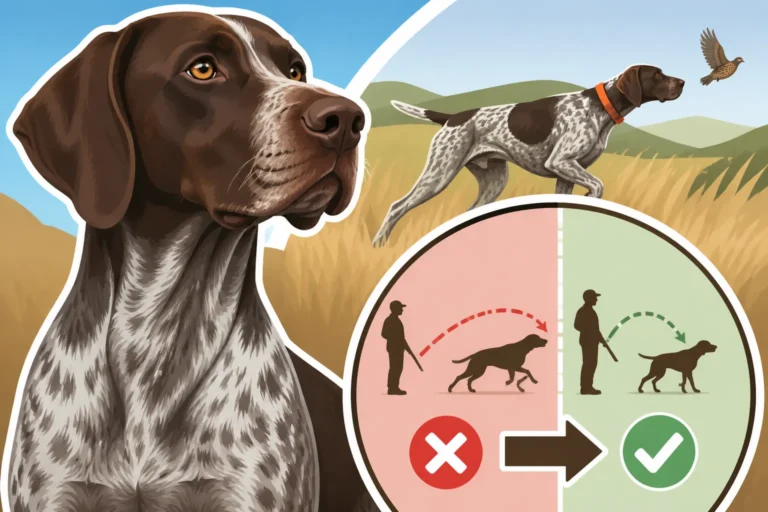
One effective technique is to create a "delivery chute" using your body. When your Shorthair is returning with a bird, position yourself so they have to come directly to you, ideally between your legs or close to your side. This prevents them from circling or dropping the bird out of reach. As they get close, kneel down, hold your hands cupped together to create a clear target, and give your "Deliver!" or "Give!" command.
If they hesitate or try to drop it short, gently guide their head forward until the bird is over your hands, then repeat the command and take the bird. Again, lavish praise and a small, high-value treat reinforce the desired action. Never snatch the bird from their mouth. Always wait for them to release it or gently take it as they deliver it, making it a cooperative effort. This is also where you might prevent A German Shorthaired Pointer That Mouths Birds Hard by ensuring they understand the gentle release is part of the deal. The goal is a soft, willing release, not a forceful tug-of-war.
Introducing Different Objects and Environments
Once your German Shorthaired Pointer is consistently delivering dummies to hand in a calm environment, it's time to generalize this skill.
- Vary the objects: Start using different types of dummies – canvas, plastic, soft, hard – and then eventually frozen birds or bird wings. This helps them understand that the "deliver to hand" command applies regardless of what they are holding. A Wing on a String for a Shorthair Puppy can be a fantastic way to introduce realistic bird texture and scent early on, even before live birds.
- Vary the environment: Move your training sessions outdoors, in areas with increasing distractions. Start in your backyard, then a quiet field, gradually working up to areas with more sights, sounds, and scents. This is especially important for hunting dogs, as the field environment is full of exciting stimuli that can override training.
- Introduce water: If your Shorthair will be retrieving waterfowl, practice delivery to hand from the water. Water adds another layer of challenge and excitement. Start with short, easy water retrieves and gradually increase the difficulty. Water Retrieves With a German Shorthaired Pointer offers more specific tips for this. Remember to always make it a positive experience; a reluctant retrieve in water can become a major obstacle.
A common pitfall is rushing this stage. Take your time, reinforce each step, and ensure your Shorthair is confident before moving to more challenging scenarios. This methodical approach builds a solid foundation for a reliable retriever.
Advanced Training and Troubleshooting
Even with the best foundation, German Shorthaired Pointers can present unique challenges. Sometimes, a little more structure or a different approach is needed to solidify the "deliver to hand."
The Role of Force Fetch
While the term "force fetch" can sound intimidating, it's a systematic training method designed to teach a dog to pick up, hold, and deliver any object on command, reliably and consistently, regardless of distractions. It's not about being harsh; it's about making the expectation crystal clear. Many serious bird dog trainers consider force fetch essential for a truly finished retriever. It uses pressure-release techniques to ensure the dog understands that picking up the object and bringing it to hand is the easiest way to alleviate pressure and earn praise.
If your Shorthair consistently drops birds short, plays keep-away, or has a hard mouth, force fetch may be the most effective way to address these issues. It breaks down the retrieve into tiny, manageable steps, building confidence and compliance at each stage. It often starts with ear or toe pressure to teach the dog that opening its mouth and taking the object stops the pressure, then progresses to holding and delivering. This process requires patience and precise timing. For a full breakdown, refer to Force Fetch Explained for a Shorthair Owner. It’s a commitment, but the results for a reliable field dog are often unparalleled.
Addressing Specific Delivery Issues
- Dropping the bird short: This is perhaps the most common issue. Go back to basics. Use a check cord (available on Amazon) to physically guide your Shorthair all the way to your hand. As they approach, maintain light tension on the cord and use your "Deliver!" command. Don't release the tension or take the bird until it's in your hand. If they drop it, immediately guide them back to pick it up and try again. Reward only for the full delivery.
- Hard mouthing or chewing: This can be a serious problem, as it damages the bird. This issue needs to be addressed early, ideally during "hold" training with dummies. If your Shorthair starts to chew, a quick, firm "No!" or a verbal correction, followed by immediately placing the dummy back in their mouth and commanding "Hold!" (with gentle support if needed), can help. The goal is to make the gentle hold the most comfortable and rewarding option. Force fetch methods often incorporate anti-chew techniques. If it's severe, consult a professional trainer. A German Shorthaired Pointer That Mouths Birds Hard offers more details on managing this behavior.
- Reluctance to pick up: This is rare in a well-bred Shorthair but can happen if previous experiences were negative. Make retrieving a fun game again with enthusiastic praise and high-value rewards. Start with soft, easily graspable objects. Avoid any pressure until the dog is happily picking up objects again.
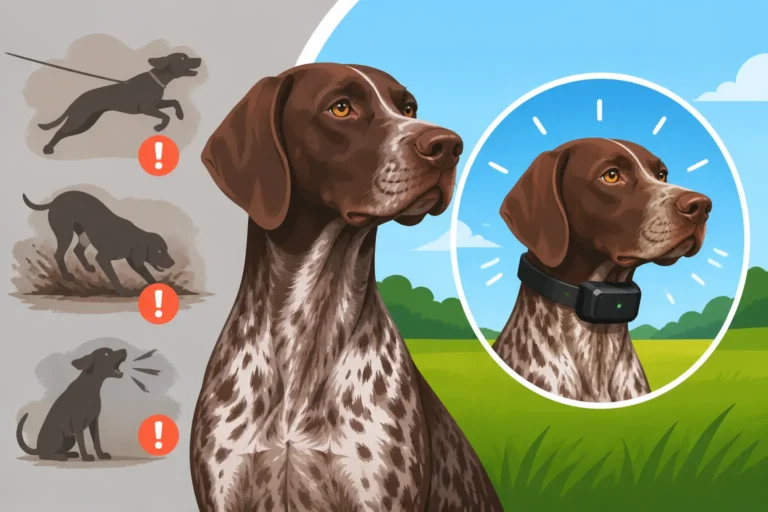
- Breaking point or running off with the bird: This indicates a lack of control and understanding of the "Whoa" command. Work on steadying your Shorthair before the retrieve, making sure they wait for your command before moving. A long check cord is vital here. If they grab the bird and run, immediately use your recall command. If they don't respond, a properly introduced e-collar can be a valuable tool for reinforcement in these high-distraction scenarios, but only after extensive foundational training. Learn more about its appropriate use in When an E-Collar Belongs on a German Shorthaired Pointer.
Consistency is Your Best Friend
Training a German Shorthaired Pointer requires unwavering consistency. Every retrieve, whether it's a toy in the living room or a bumper in the park, should reinforce the same expectation: bring it all the way to hand. If you sometimes let them drop it, and other times demand a full delivery, you'll confuse your dog and slow down progress. This consistency applies to all aspects of their lives, not just retrieving; The Structure a German Shorthaired Pointer Needs Daily is vital for a well-behaved companion.
Training Progression for Deliver to Hand
| Stage | Activity | Key Skill Focus | Common Tools | Success Metric |
|---|---|---|---|---|
| 1. Indoor Hold | Place dummy in mouth, "Hold," gentle jaw support, "Give." | Gentle Hold, Command | Soft retrieving dummy (e.g., canvas or plastic) | Holds for 5-10 seconds on command, releases gently. |
| 2. Short Retrieve | Toss dummy short distance, "Fetch," recall, "Hold," "Deliver," "Give." | Retrieve, Hold on return | Dummy, treats, enthusiastic praise, check cord | Consistently retrieves and brings dummy back to vicinity. |
| 3. Close Delivery | Dog returns to you, kneel, hands cupped, "Deliver." | Precise Delivery to Hand | Dummy, treats, check cord | Places dummy directly into hands ~80% of the time. |
| 4. Distraction Prep | Practice Stages 2 & 3 in new, slightly distracting areas. | Generalization | Dummy, varied training locations, check cord | Maintains delivery in new, calm outdoor settings. |
| 5. Bird Introduction | Introduce frozen bird/wing for retrieves, then live bird. | Handling real birds | Frozen birds, bird wings, live birds, launcher | Retrieves and delivers real birds without mouthing. |
| 6. Field Work | Practice in hunting scenarios, increase distractions and distances. | Reliability under pressure | Live birds, hunting gear, e-collar (if used) | Consistently delivers to hand in high-excitement field situations. |
Remember that every German Shorthaired Pointer learns at their own pace, and setbacks are a normal part of the process. Stay patient, stay positive, and always end on a successful note. The reward of seeing your Shorthair proudly deliver a bird right into your hand is worth every ounce of effort. This precise delivery is not only rewarding for you but ensures the bird is handled respectfully and efficiently, a hallmark of a truly great bird dog.
Disclaimer
This article is for general informational purposes only and does not constitute professional advice. Laws, prices and regulations vary by location and change over time. Consult a qualified professional for guidance on your specific situation.