Water Retrieves With a German Shorthaired Pointer
One of the most rewarding aspects of owning a German Shorthaired Pointer, especially for those who cherish their breed's heritage, is watching them enthusiastically plunge into water, driven by an innate desire to retrieve. However, getting your GSP to confidently and effectively perform water retrieves can present its own set of challenges, from initial shyness to managing over-excitement or even overcoming specific training hurdles. This guide will walk you through building that vital water confidence and refining those retrieving skills, ensuring both you and your Shorthair enjoy every splash.
Understanding Your Shorthair's Natural Inclination for Water
German Shorthaired Pointers were specifically bred to be versatile hunting dogs, and that versatility absolutely extends to water work. They weren't meant to be just land dogs; their lineage demands they perform equally well whether the quarry is in a field or falls into a pond. Understanding this inherent design helps us tap into their natural potential and build upon it.
The GSP's Built-In Design for Water Work
When you look at a German Shorthaired Pointer, you might not immediately think "water dog" like you would with a Labrador, but the subtle clues are there. Their short, dense coat, while not as thick as a retriever's, is surprisingly water-resistant, helping them shed water quickly and dry faster, which is crucial when working in varied temperatures. Their strong, muscular build and powerful hindquarters are perfectly adapted for propulsion in water, allowing them to swim with purpose and strength. They also possess webbed feet, a clear indicator of their aquatic capabilities, giving them extra paddle power and stability.
Beyond the physical attributes, there's a deep-seated instinct. These dogs were bred for tasks that often involve water, from retrieving downed waterfowl to tracking game through marshy terrain. This history means that, for many Shorthairs, the desire to enter water and bring something back is almost hardwired. It’s not just a physical capability; it’s a mental predisposition, an echo of generations of working dogs that found success and satisfaction in the water. For a true versatile hunter, Whether a Shorthair Retrieves Waterfowl Well is often a matter of good breeding and appropriate training.
Recognizing and Nurturing Early Water Drive
For some German Shorthaired Pointer puppies, the first encounter with water is an instant love affair. They splash and play without a second thought. For others, it might be a more hesitant dance. The key is to recognize and gently nurture any early signs of water drive without forcing the issue. Start with shallow, warm water, perhaps a kiddie pool in the backyard on a hot day, or a very calm, clean pond's edge where they can still touch the bottom. Toss a favorite floating toy just a foot or two into the water, encouraging them to wade in rather than immediately swim. Praise and positive reinforcement are your best friends here.
Observe your puppy's reactions. Are they curious? Do they tentatively dip their paws? Or do they back away with their tail tucked? Any positive engagement, no matter how small, is a win. If they show apprehension, don't push them. Instead, make the water a fun, non-threatening place. You might even wade in yourself, making it a shared, enjoyable experience. The goal is to build a positive association with water, associating it with play and success, rather than fear or anxiety. This early foundation is critical, as a negative first experience can be incredibly difficult to undo. Many handlers find that a gentle approach, allowing the dog to explore at its own pace, yields the best results.
Essential Gear for Safe and Effective Water Retrieves
Just like any other specialized training, water retrieves require the right tools to ensure both the dog's safety and the effectiveness of the training. You wouldn't go hunting without your gun and vest, and you shouldn't approach water work without appropriate gear for your GSP.
The Right Equipment for Training and Hunting
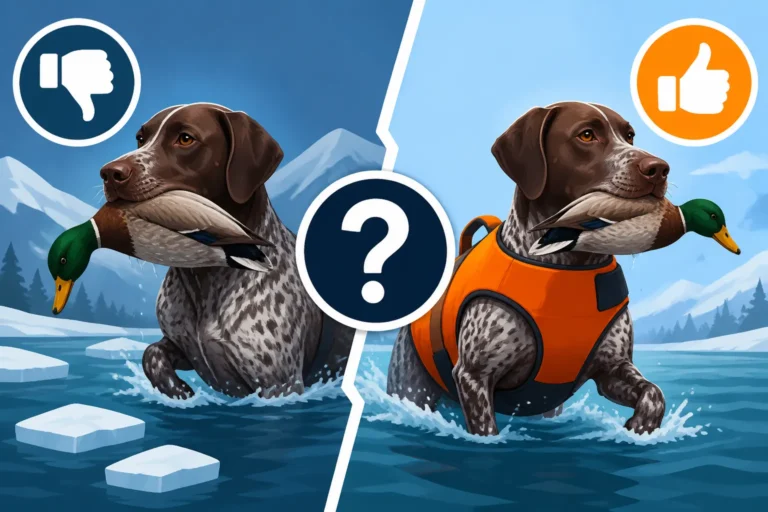
A well-fitting life vest is paramount, especially when introducing your German Shorthaired Pointer to deeper water or when working in currents. Even strong swimmers can get tired, cold, or disoriented, and a vest provides buoyancy and a handle for easy retrieval. Look for vests with bright colors for visibility and a sturdy handle on the back. Companies like Ruffwear make excellent options that are durable and visible. You can often find a good selection on platforms like Amazon.
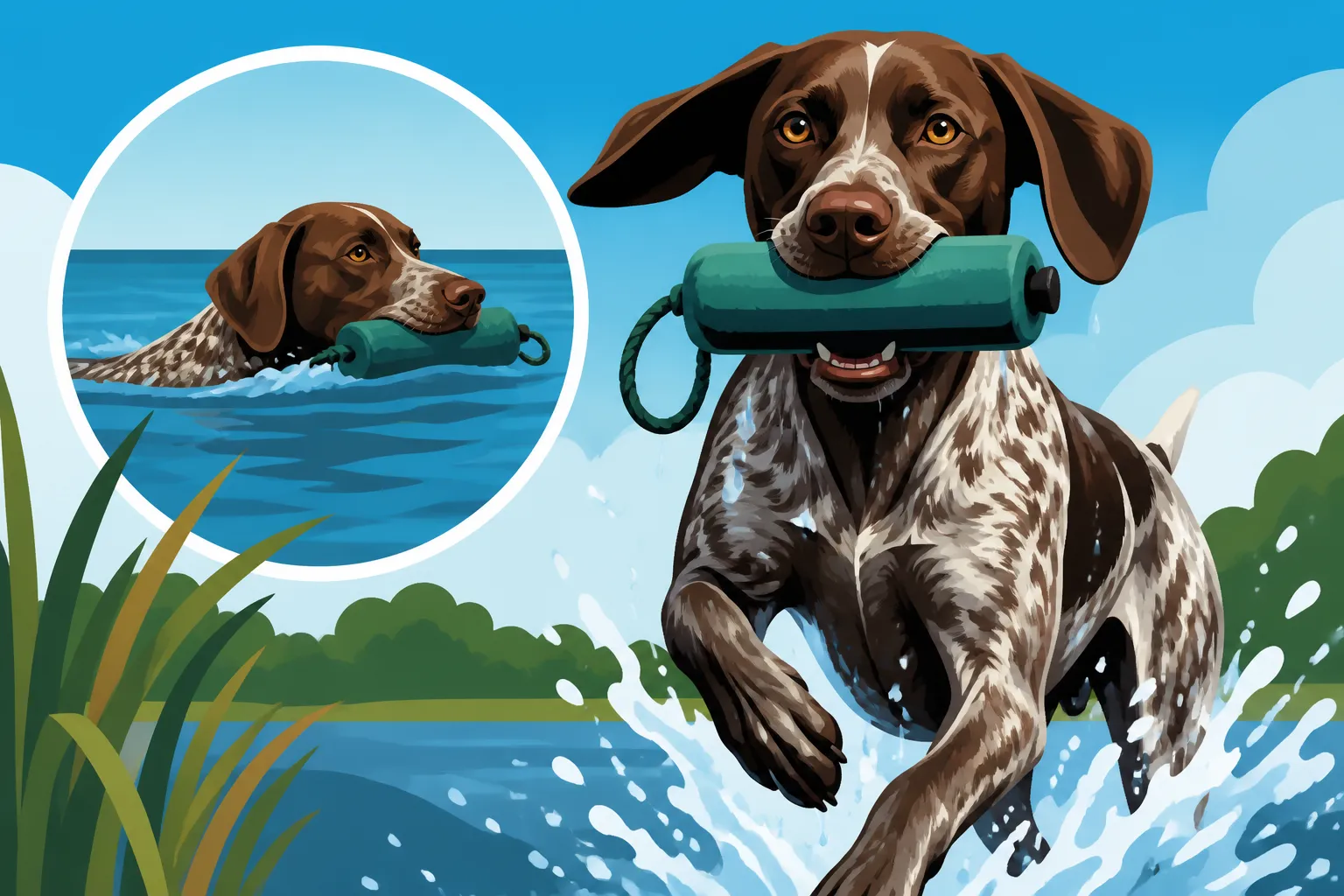
Beyond the vest, consider appropriate retrieving dummies. Floating dummies are a must, as they are easily seen and gripped by your dog. Brands like Dokken's Dead Fowl Trainers or standard canvas bumpers work well. For colder conditions, consider a neoprene vest for your Shorthair to help retain body heat. This is especially important if you are starting to introduce Introducing a Shorthair to Cold Water Safely. A long lead or check cord can also be invaluable in the early stages, allowing you to guide your dog into the water and keep them safe without having to physically carry them. Finally, a good whistle can aid in communication, especially once your dog is further out in the water and beyond the reach of verbal commands.
Safety Considerations Beyond the Gear Itself
While gear is important, it's only one part of the safety equation. Always choose calm, safe water locations for training. Avoid strong currents, murky water where hazards might be hidden, or areas known for dangerous wildlife. Blue-green algae, which can be toxic, is a major concern, so always check water conditions before letting your dog swim. Blue Green Algae and a Swimming Shorthair can be a serious health risk, so err on the side of caution.
Temperature is another critical factor. The Water Temperature a Shorthair Should Not Enter without proper acclimation and protection is something every owner should know. Shorthairs have thin coats and can get cold quickly. If the water is chilly, limit swim times and ensure your dog has a warm place to dry off afterward. Always have fresh water available for your dog to drink, as they might inadvertently swallow pond or lake water, which can lead to upset stomachs or worse. Keep an eye out for signs of fatigue or shivering. Never force a dog into water; it can create a lifelong aversion and is incredibly dangerous if they panic.
Introducing Your German Shorthaired Pointer to Water
The first few experiences with water are formative. Done right, they build confidence and enthusiasm; done wrong, they can instill fear and reluctance. Patience, positivity, and a step-by-step approach are key.
Making the First Experiences Positive and Gradual
When you first introduce your GSP to water, think "fun and low-pressure." Start in a shallow, calm area where your dog can easily walk in and out, like a gentle slope at the edge of a clean pond or a very calm lake shore. Avoid deep water or strong waves initially. Bring their favorite floating toy or a highly prized treat. Your goal is to make the experience feel like an extension of playtime, not a challenge. If your dog is a bit nervous, try walking into the shallow water yourself, perhaps tossing a toy just a few feet away, encouraging them to follow you. Make it a game.
Some dogs might be hesitant, even with your encouragement. This is where patience truly shines. Don't drag them in, and definitely don't throw them in. That's a surefire way to create a water-averse dog. Instead, celebrate every small step: a paw dipped, a tentative wade, a splash. Use an excited, happy tone of voice and reward liberally. The idea is to associate water with good things, positive attention, and fun retrieves. Think about using a highly motivating toy that they really want, something they'll be willing to brave the water for, even if only for a moment. This gradual exposure, reinforcing bravery and curiosity, is far more effective than forcing the issue. Remember, you want your GSP to willingly enter the water, which is covered in more detail in Teaching a Shorthair to Enter Water Willingly.
Overcoming Hesitation and Building Confidence
If your German Shorthaired Pointer is particularly hesitant, you might need to get creative. Sometimes, the issue isn't the water itself, but the lack of footing, or the feel of the unknown. Try introducing them to a very shallow, clear stream where they can see the bottom. This can make the experience less intimidating. You can also try bringing another water-loving, confident dog along, allowing your GSP to learn by example. Peer pressure, in a good way, can be very effective!
Another technique is to make the water simply part of a routine walk, without any pressure to retrieve. Just let them sniff around the edges, maybe splash their paws without any expectations. For a very shy dog, you might need to spend several sessions just at the water's edge before they even consider entering. Slowly, gradually, increase the depth, always ensuring they can touch the bottom or easily get out. Building confidence is about small victories stacked one upon another. If they take even one step into the water, praise them like they just won Westminster. For more severe reluctance, a professional trainer specializing in water work might offer tailored advice, often utilizing methods that build drive away from the water first, then carefully transfer that drive to the aquatic environment.
Developing Advanced Water Retrieve Skills
Once your German Shorthaired Pointer is comfortable in the water and enjoys basic retrieves, it's time to refine those skills and make them a truly proficient water worker. This involves increasing complexity and building focus.
Progressing from Simple to Complex Retrieves
Starting with simple, straight-line retrieves in calm water is fundamental. Once your GSP is consistently bringing back a bumper tossed a short distance, you can begin to increase the challenge. Introduce retrieves with varying distances, gradually throwing the dummy further out. Next, incorporate angles – throwing the bumper to the left or right, requiring your dog to turn and hunt for it rather than just swimming straight. This helps them learn to use their eyes and nose effectively in the water.
You can also introduce multiple retrieves, tossing a second bumper after the first has been delivered, or even throwing two at once (though this can be quite advanced and challenging). Use different types of floating dummies to accustom them to various shapes and textures. Over time, move to different water bodies: a larger lake, a pond with some cover, or even a slow-moving river. Each new environment presents unique challenges, like current, scent dispersal, and shoreline terrain. Remember to always praise and reward successful retrieves, reinforcing the desired behavior. The journey to Handling a Shorthair Off a Boat or in rougher conditions starts with these layered steps.
Handling Distractions and Maintaining Focus
Just like on land, water retrieves in real-world scenarios are rarely free of distractions. Other dogs, wildlife, changing weather conditions, or even just boat traffic can pull your Shorthair's focus away from the task. It's crucial to build their ability to concentrate. Start by introducing minor, controlled distractions in a training environment. This could be another person walking nearby, or the sound of distant voices. Gradually increase the level of distraction as your dog improves.
One effective method is to use a "hold" command before releasing them for the retrieve. This teaches patience and anticipation, ensuring they're focused on you and the task at hand, rather than just bolting. The BAXTER & Bella online training program often emphasizes building strong foundational obedience commands that translate well to real-world scenarios, including focus exercises. If your dog gets distracted, bring them back, reset, and repeat the command, perhaps starting with a lower level of distraction until they succeed. Consistency and clear communication are paramount. Remember, you're teaching them to ignore everything else and concentrate on the retrieve, regardless of what's happening around them.
Common Challenges and Troubleshooting in Water Work
Even with the best intentions and training, you might encounter bumps in the road when it comes to water retrieves. German Shorthaired Pointers, while often natural, can still develop quirks or hesitations.
Addressing Reluctance and Refusal
Sometimes, a GSP that once loved water might suddenly become reluctant, or a naturally shy dog might refuse to enter. First, rule out any physical discomfort. Is there a cut on their paw? Are their ears bothering them (Shorthairs are prone to Ear Infections in a Shorthair That Swims)? A visit to the vet can help rule out underlying issues. If it's behavioral, retrace your steps to where they were comfortable. Did you push too hard? Was there a negative experience they might associate with the water?
Go back to basics: shallow, warm water, high-value rewards, and a calm, encouraging attitude. You might need to make water entirely about play for a while, removing all pressure to retrieve. Simply allow them to wade and splash. Sometimes, a change of location or a different type of toy can reignite interest. For a dog that genuinely A German Shorthaired Pointer That Will Not Swim, it might require a very slow, almost desensitization-like approach, coupled with incredibly high rewards for even the smallest interaction with the water. Never punish reluctance; it will only worsen the issue. Instead, seek to understand the root cause and build positive associations from the ground up.
Managing Enthusiasm and Over-Excitement
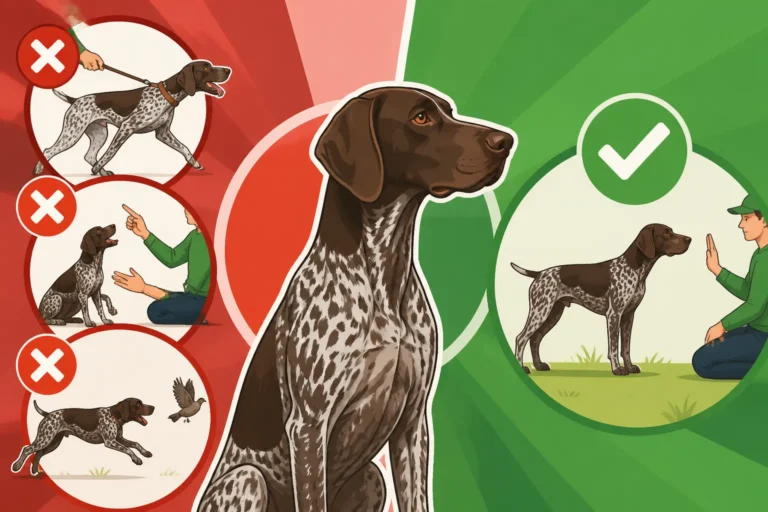
On the flip side, some German Shorthaired Pointers are too enthusiastic. They might break on the retrieve, splash excessively, or refuse to deliver the bird to hand, preferring to play keep-away. This is common with high-drive breeds. For breaking, go back to practicing the "whoa" or "stay" command on land, extending the duration, and then gradually introducing it at the water's edge with minor distractions. A check cord attached to a long lead can help enforce the "stay" until you give the release command.
If your Shorthair is playing keep-away or mouthing the dummy too hard, work on the "fetch" and "give" commands on land, teaching a soft mouth and a clean delivery to hand. Make the reward for giving the dummy to you greater than the reward for playing with it. This might involve a special treat only given for a perfect retrieve and delivery. Practicing a structured "force fetch" method with a professional trainer can also instill a consistent, reliable retrieve and delivery, regardless of the dog's enthusiasm. While force fetch might sound intense, it's a systematic way to teach the dog how to hold and when to release the retrieve, ultimately building a stronger bond and clear communication.
Maintaining a German Shorthaired Pointer's Water Skills
Water retrieving isn't a "one and done" skill. Like any other trained behavior, it requires ongoing practice and exposure to different scenarios to keep your German Shorthaired Pointer sharp and confident.
Off-Season Practice and Conditioning
During the off-season, when hunting opportunities are limited, it's easy for your GSP's water skills to dull. Make an effort to find safe, accessible water for regular practice sessions. These don't have to be full-blown hunting simulations; even short sessions of retrieving bumpers in a local pond or lake can keep their skills fresh. Vary the locations to expose them to different water conditions and environments. This helps prevent them from becoming "location-specific" in their training, where they only perform well in one familiar spot.
Maintaining physical conditioning is also crucial. Strong swimming muscles and endurance are essential for effective water work. Regular walks, runs, and even dedicated swimming sessions can keep your Shorthair in top shape. Remember that water work, especially in colder temperatures, can be physically demanding. Keep an eye on their energy levels and body condition. Supplements or dietary adjustments may be necessary to support their activity levels, especially if they are a hard-working dog. You want your GSP to stay physically capable of making those long, strong retrieves when the season opens again.
Preparing for Different Water Environments
The calm, clear pond where you train in summer might be very different from the choppy, cold marsh you hunt in during fall. It's important to expose your German Shorthaired Pointer to a variety of water environments as they progress. Introduce them to water with more cover, like reeds or lily pads, which will require them to use their nose and navigate through obstacles. Practice retrieves in varying depths and even with minor currents if safely possible.
Consider the role of temperature and weather. Whether a Shorthair Needs a Vest to Retrieve in Cold Water is a question that depends entirely on the conditions. For colder weather, a neoprene vest is almost a necessity to prevent hypothermia. Practice getting them accustomed to wearing it well before hunting season. Also, think about cleaning and care after water work. Drying a Shorthair's Ears After Every Swim and Rinsing a German Shorthaired Pointer After Pond Water are important steps to prevent ear infections and skin irritations. Being prepared for diverse conditions ensures your German Shorthaired Pointer remains a versatile and reliable partner, no matter where the birds fall.
Disclaimer
This article is for general informational purposes only and does not constitute professional advice. Laws, prices and regulations vary by location and change over time. Consult a qualified professional for guidance on your specific situation.