A German Shorthaired Pointer That Will Not Swim
It can be incredibly disheartening when you bring home a German Shorthaired Pointer, a breed famous for its versatile hunting abilities and love for water, only to find your specific dog wants absolutely nothing to do with a lake, pond, or even a simple kiddie pool. You might feel like you've done something wrong, or that your GSP is somehow "broken" because it doesn't instinctively plunge into the water like you've seen countless others do. This guide is here to tell you that you're not alone in this struggle, and more importantly, it offers a compassionate, step-by-step approach to help your GSP overcome its reluctance and hopefully, discover the joy of swimming.
Understanding Why Your German Shorthaired Pointer Might Avoid Water
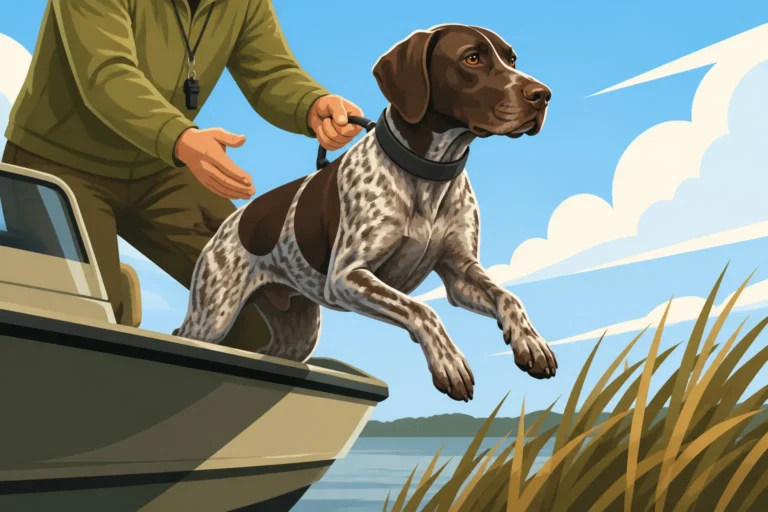
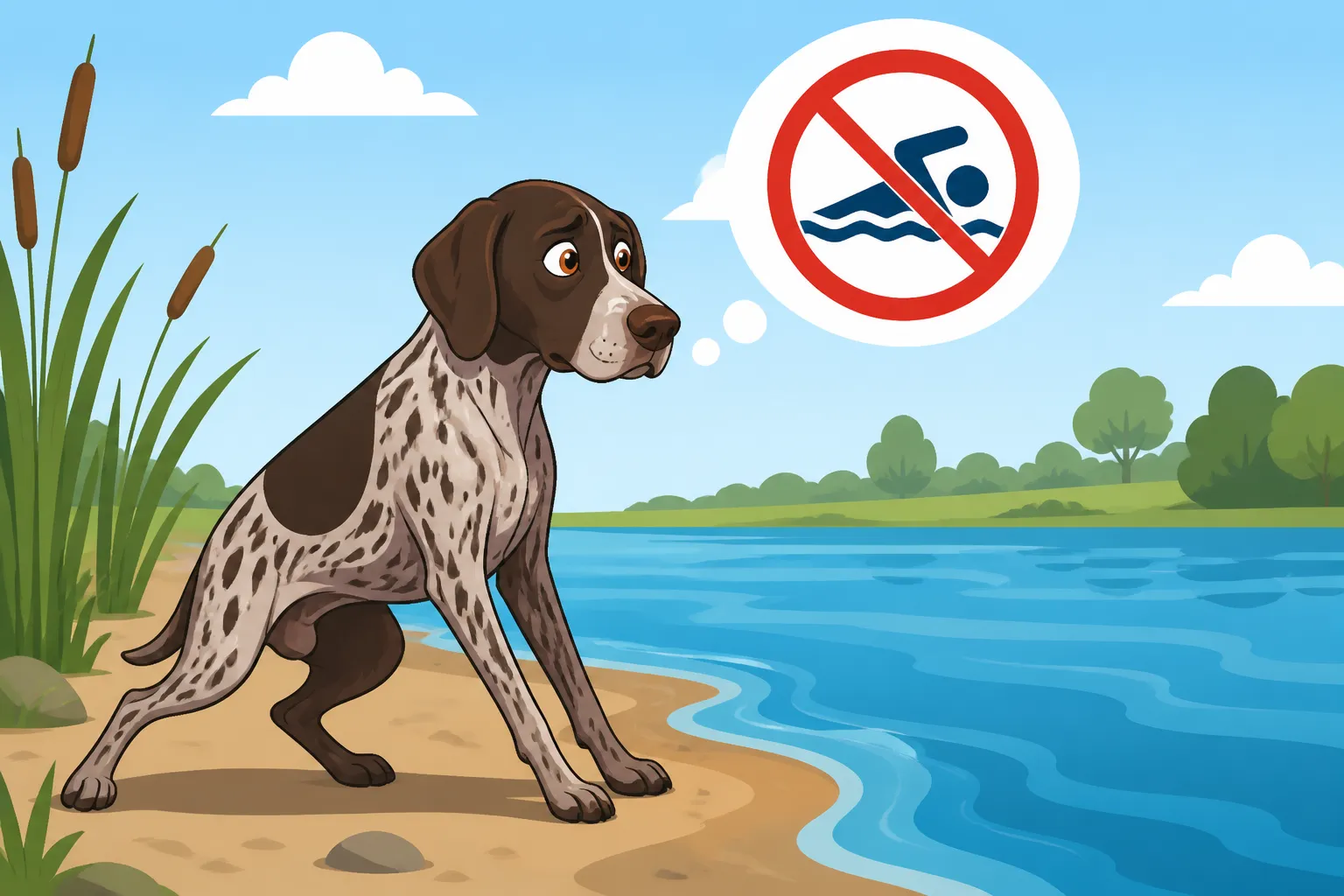
When we think of German Shorthaired Pointers, images of them crashing through cattails to retrieve a duck, or effortlessly swimming across a marsh, often come to mind. They're bred for it, right? So, why would your athletic, energetic GSP stand at the water's edge, barking nervously or digging its heels in? It’s rarely about a fundamental dislike, but rather a combination of factors that can turn a natural inclination into an unexpected aversion.
Early Experiences and Socialization
Just like people, a dog's early experiences profoundly shape their future reactions. If your German Shorthaired Pointer had a negative first encounter with water, it can leave a lasting impression. Imagine a young, inexperienced puppy, perhaps too small, being accidentally pushed into a deep end, or slipping on a slick boat ramp and getting a mouthful of water. Such incidents, no matter how unintentional, can be truly terrifying for a dog. It’s not just about physical safety; the shock, the cold, the feeling of losing control can create a deep-seated fear.
Beyond direct negative experiences, a simple lack of exposure can also be a culprit. Many GSPs are raised in environments where access to large bodies of water isn't readily available, or their previous owners simply didn't prioritize water introduction. If a puppy grows up without ever being gently introduced to water, it's not going to suddenly know what to do when confronted with a vast, unfamiliar expanse. The sights, sounds, and sensations of water—the ripples, the depth, the unique smell—can all be overwhelming if they haven't been gradually introduced and paired with positive associations. It's like asking someone who's never seen an ocean to suddenly jump in and swim the English Channel. Our dogs need a patient and understanding guide.
Genetics and Individual Personality
While the German Shorthaired Pointer breed, as a whole, possesses a strong natural affinity for water, we have to remember that every dog is an individual. Just because the breed standard suggests a love for water doesn't mean it's a guaranteed trait in every single pup. Think about people: some of us are naturally adventurous and love to dive into anything new, while others are more cautious and prefer to observe from a distance before wading in. Dogs are no different.
Some GSPs simply have a more reserved or anxious personality. They might be wary of new situations, unfamiliar textures, or anything that feels unstable or unpredictable. Water, especially if it's deep or moving, can feel exactly that way. A particularly sensitive dog might perceive the lack of solid ground under its paws as inherently threatening. They might even be predisposed to certain anxieties that manifest in a fear of water. It's not a flaw, but a part of their unique temperament. We need to respect that and work within their comfort zone, rather than trying to force them into a mold that doesn't fit their individual makeup.
Environmental Factors and Water Types
The type of water and the surrounding environment can play a huge role in your GSP's willingness to take a dip. Not all water is created equal in a dog's eyes. Cold water, especially on a chilly day or early in the season, can be a real shock to a shorthaired dog with minimal undercoat. Imagine stepping into an icy pool yourself – it's invigorating for some, but a definite deterrent for others! Murky water, where the bottom isn't visible, can also be quite unsettling. Dogs rely heavily on their senses, and not being able to see what's beneath them can trigger an instinctual fear of the unknown. Is there something lurking down there? Is the bottom stable? These are legitimate concerns for a cautious dog.
Strong currents in a river or powerful waves at a lakefront can also be incredibly intimidating and even dangerous for a dog not accustomed to them. The sheer force of the water can make them feel out of control, leading to panic. Furthermore, the environment around the water matters too. Steep, slippery banks, sharp rocks, or thick, thorny vegetation can make entering and exiting the water an unpleasant or even painful experience. Your dog might have learned to associate the approach to the water with discomfort, creating a barrier before they even get wet. Always consider the practical realities of the body of water you're introducing them to.
Gentle Methods to Introduce Your Shorthair to Water
Okay, so you've identified some potential reasons your GSP might be acting like a cat around water. Now comes the exciting part: actually helping them overcome that apprehension! The key here is patience, positivity, and never, ever forcing the issue. We're aiming for discovery, not compulsion.
Making it a Positive Experience
The absolute cornerstone of successful water introduction is to make every single step a wildly positive, low-pressure experience. Forget about grand lakes and rushing rivers for now. Start small, think a shallow kiddie pool in your backyard on a warm, sunny day. Fill it with just enough water to cover your dog's paws, maybe an inch or two. Toss in some of their favorite floating toys, or even some tasty, waterproof treats. Let them explore it at their own pace. Don't push them in, don't even coax them too much initially. Just let the pool be there, a part of their regular play area.
When they do take a step in, even just a paw, make it a huge celebration! Use happy, encouraging words, offer high-value treats, and give enthusiastic pets. The goal is to create an association: "Water equals amazing things from my favorite human!" You can also sit by the edge of the pool yourself, dangling your feet in, making it look like the most relaxing, enjoyable activity in the world. Sometimes, your presence and calm demeanor are the biggest reassurance a wary dog needs. Remember, a single negative experience can set you back, so always err on the side of making it overwhelmingly joyful.
Using a Lead and Wading
Once your GSP is comfortable with the kiddie pool, or at least tolerates getting their feet wet, you can move to a larger, natural body of water with a very gradual, shallow entry. Think a calm lake with a gently sloping, sandy beach. This is where a long lead can be incredibly helpful. Not to pull them in, but to give you control and provide a sense of security for your dog.
Walk alongside them, with you wading in first. Go only as deep as you're comfortable with, and certainly no deeper than your dog's chest at first. Let them lead the way, or simply walk beside them, keeping the leash loose. Talk to them in a calm, reassuring voice. If they hesitate, stop. Don't pull. Just stand there, letting them observe. Maybe splash a little yourself, playfully. Toss a favorite floating toy just a few feet into the water, where they can still comfortably walk to retrieve it. When they do take those first hesitant steps into deeper water, praise them lavishly. This isn't about teaching them to swim yet; it's about building comfort and confidence with the sensation of water supporting their body. It's a fundamental step in teaching a German Shorthaired Pointer That Will Not Swim to enjoy the experience.
Incorporating Play and Other Dogs
Dogs are social creatures, and sometimes, peer pressure is the most effective training tool! If you have a friend with a water-loving German Shorthaired Pointer or another dog that enjoys swimming, consider inviting them along. Watching another dog joyfully splashing and retrieving in the water can be incredibly encouraging for a hesitant GSP. They see that it's safe, fun, and nothing to be afraid of. Just make sure the other dog isn't overly boisterous or pushy, which could inadvertently scare your dog more. A calm, confident swimming companion is ideal.
You can also engage in fun retrieving games near the water's edge. Start by tossing their favorite float toy onto the sand right next to the water, then gradually move it closer, so they have to step one paw in, then two, then wade a little deeper to grab it. Make it a game, not a chore. The sheer fun of the retrieve, coupled with the reward of the toy, can often override initial anxieties. For many GSPs, their prey drive is a powerful motivator. If they really want that bumper, they might just forget their reservations about the water for a moment. This kind of active engagement, rather than passive observation, can switch their mindset from "scary unknown" to "fun challenge." This is a great way to Teach a Shorthair to Enter Water Willingly.
Advanced Techniques and When to Seek Professional Help
Even with the most patient and positive approach, some German Shorthaired Pointers need a little extra help to truly embrace the water. Sometimes, it's about building their physical confidence, and other times, it's about addressing deeper anxieties with expert guidance.
The Role of a Life Vest
One of the best tools you can invest in for a reluctant swimmer is a high-quality dog life vest. Think of it as training wheels for the water. A life vest provides buoyancy, keeping your dog's body naturally afloat and allowing them to focus purely on the paddling motion rather than struggling to stay above water. This can be a game-changer for a dog that's nervous about sinking or feels clumsy in the water. Many dogs are strong paddlers with their front legs but forget to use their powerful hind legs, causing their rear end to sink. A vest helps correct this posture, allowing them to swim more efficiently and with less effort.
When choosing a vest, look for one with a good handle on the back—this allows you to easily guide your dog, lift them if they need a break, or help them out of the water. Ensure it fits snugly but comfortably, without restricting movement. Introduce the vest on dry land first, letting them wear it for short periods with lots of praise and treats so they associate it with positive feelings. Once they're comfortable wearing it, then introduce them to the shallow water with the vest on. You'll often see a remarkable shift in confidence almost immediately. Many excellent options are available, and a quick search on Amazon will reveal a wide range of sizes and styles designed specifically for canine safety in the water. It can also help if you are wondering Whether a Shorthair Needs a Vest to Retrieve in Cold Water, providing that extra layer of comfort and safety.
Professional Guidance and Training
If you've tried everything and your German Shorthaired Pointer still refuses to enter the water, or if their fear seems profound and debilitating, it might be time to call in the professionals. A qualified dog trainer, especially one who specializes in gun dog training or water work, can offer invaluable expertise. They have experience with a wide range of canine personalities and can often pinpoint the exact source of your dog's apprehension and tailor a specific plan. They might use specialized equipment, work with distraction techniques, or simply offer a fresh perspective that you, as the owner, might overlook.
Sometimes, a professional can also identify underlying issues you might not be aware of. Is there a subtle physical discomfort that makes swimming painful? Or perhaps a deeper behavioral anxiety that needs a more structured approach. Organizations like BAXTER & Bella sometimes offer online resources or courses that focus on building confidence and foundational skills, which can then be applied to water work, even if they don't have an in-person water program. They might not offer direct water training, but their comprehensive online puppy program often lays the groundwork for a confident, well-adjusted dog that is more open to new experiences like swimming. Never hesitate to seek expert help; it's an investment in your dog's well-being and your shared enjoyment of activities.
Building Confidence Beyond the Water's Edge
It’s easy to focus solely on the water when your GSP won't swim, but sometimes, the solution lies in building overall confidence and reducing general anxiety. A dog that is confident in other areas of its life is often more willing to try new things, even something as potentially scary as swimming. Engage your German Shorthaired Pointer in activities that build their self-assurance and strengthen your bond.
This could mean regular obedience training, where mastering commands gives them a sense of accomplishment. Or perhaps engaging in scent work or Puzzle Feeders and Scent Games for a Shorthair, which tap into their natural instincts and provide mental stimulation. Agility training, even just simple backyard courses, can boost their physical coordination and trust in their own body. Consistent, positive reinforcement in all aspects of training, coupled with a predictable routine, helps create a secure and self-assured dog. A GSP that trusts you implicitly and feels generally secure in its environment is much more likely to follow your lead when it comes to trying something new and potentially intimidating like water. Remember, The Structure a German Shorthaired Pointer Needs Daily often extends beyond just physical exercise to mental enrichment and confidence-building activities.
Common Pitfalls to Avoid When Encouraging Swimming
When you're eager for your German Shorthaired Pointer to become a water dog, it's easy to fall into traps that can actually set back your progress. Understanding what not to do is just as important as knowing what to do.
Never Force or Throw Them In
This is perhaps the most critical rule: never, ever throw your German Shorthaired Pointer into the water or force them to swim. While it might seem like a quick way to show them "it's not so bad," it almost guarantees a deeply traumatic experience that can instill a lifelong fear of water. Instead of learning to swim, they learn that water is a terrifying place where their human, whom they trust, will betray them. This can severely damage your bond and make future attempts at water introduction exponentially harder, if not impossible.
A dog needs to feel in control and have the option to retreat. Being thrown into water, especially deep water, strips them of that control. They might panic, gulp water, and thrash, creating a terrifying memory. This isn't just about swimming; it can affect their trust in you in other training scenarios. The goal is to nurture a positive association, not to shock them into submission. Patience and gentle encouragement, no matter how slow the progress, will always yield better long-term results than any coercive tactics.
Overlooking Physical Discomfort
Sometimes, a German Shorthaired Pointer's reluctance to enter water isn't psychological; it's physical. It's easy to assume they're just being stubborn or fearful, but there might be an underlying issue. Consider the temperature of the water. Even for a hardy GSP, very cold water can be genuinely uncomfortable or even dangerous, leading to a negative association. If they have sensitive skin, or an undiagnosed skin condition, certain chemicals in pools or stagnant water in ponds could cause irritation.
More seriously, they might have joint pain or discomfort. A dog with early signs of Hip Dysplasia in a Hard Running German Shorthaired Pointer or other orthopedic issues might find the effort of swimming or even just wading into water painful. They might be associating the water with that discomfort. Similarly, if they have an ear infection, getting water in their ears can be excruciating. This is why it's so important to rule out any medical reasons for their aversion with your veterinarian. A simple ear infection, like A Shorthair's Ear Infection That Returns Every Duck Season, can make any water activity a nightmare. Always observe your dog for any signs of pain or lameness when they approach or interact with water.
Impatience and Rushing the Process
We live in a world that often values instant gratification, but dog training, especially when overcoming fears, requires the exact opposite. Impatience is a common pitfall that can derail all your efforts. You might feel frustrated if your German Shorthaired Pointer isn't making progress as quickly as you'd hoped, or if they seem to regress after a good session. But rushing the process, pushing them too far too fast, or getting visibly annoyed, will only backfire. Dogs are incredibly perceptive and will pick up on your stress and frustration, associating it with the water itself.
Each step in water introduction should be small, manageable, and successful. If your dog is only comfortable wading up to their knees, celebrate that! Don't immediately try to get them to swim across the pond. End each session on a high note, even if it means only a tiny bit of progress was made. It might take weeks, months, or even a full season of consistent, gentle exposure to build their confidence. Focus on building a solid foundation of positive experiences, rather than hitting an arbitrary swimming milestone. Remember that this is about fostering a lifelong love for water, not forcing a one-time dip.
Here's a quick look at common reasons for water reluctance and how to address them:
| Reason for Reluctance | Common Signs | Recommended Approach | Things to Avoid |
|---|---|---|---|
| Negative Past Experience | Shaking, retreating, panting at sight of water | Start with shallow, warm water. Use high-value treats and toys. Build trust slowly. | Forcing, scolding, pushing them into deep water. |
| Lack of Exposure | Hesitation, sniffing suspiciously, unsure how to move | Gradual introduction, kiddie pool, calm lake with gentle entry. Positive play. | Making it a serious training session; high pressure. |
| Individual Personality | Cautious, anxious, sensitive to new things | Extreme patience, go at their pace. Use a life vest for confidence. | Comparing them to other dogs; rushing them. |
| Environmental Factors | Refusal at specific locations (e.g., cold river, deep lake) | Change location to warm, clear, shallow water with easy entry/exit. | Ignoring their discomfort with the environment. |
| Physical Discomfort | Whimpering, limping, reluctance to move; getting ears wet | Vet check to rule out pain/infection. Address comfort (e.g., warmer water). | Assuming it's behavioral without vet clearance. |
Ultimately, helping your German Shorthaired Pointer learn to love water is a journey of patience and understanding. Celebrate every small victory, reinforce their courage with abundant praise, and always prioritize their comfort and trust. Soon enough, you might find yourself with that true water dog you always envisioned!
Disclaimer
This article is for general informational purposes only and does not constitute professional advice. Laws, prices and regulations vary by location and change over time. Consult a qualified professional for guidance on your specific situation.