The Shorthair That Will Not Let You Out of Sight
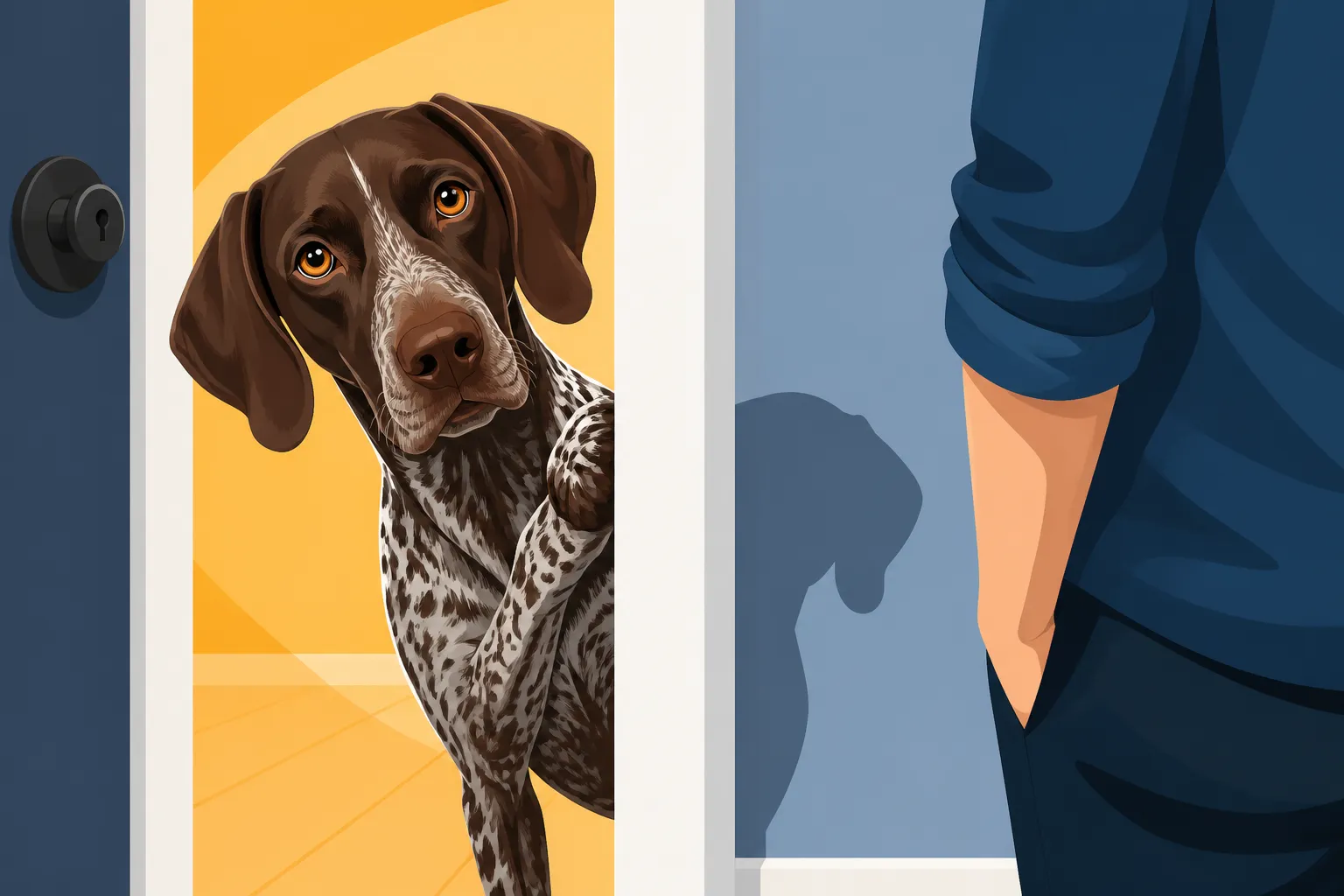
It’s a familiar scene for many German Shorthaired Pointer owners: you get up to grab a glass of water, and there they are, right on your heels. You move from the living room to the kitchen, and your shadow follows. While it’s sweet to have such a devoted companion, when your German Shorthaired Pointer truly cannot let you out of sight, it can become a real source of stress for both of you. This comprehensive guide will delve into why your Shorthair might be so clingy and provide actionable strategies to help them build confidence and independence, fostering a healthier balance in your home.
Understanding Why Your German Shorthaired Pointer Is So Clingy
German Shorthaired Pointers are renowned for their incredible bond with their people. They’re called "Velcro dogs" for a reason! But understanding the root cause of this intense attachment is the first step toward addressing it, distinguishing between a strong bond and a genuine problem like separation anxiety.
The Breed's "Velcro" Nature and History
Let's start by acknowledging that GSPs were literally bred to be at your side. These aren't independent hounds that range for miles, checking in only occasionally. Their original purpose in Germany was to be versatile hunting dogs, working closely with their human partners to point game, retrieve fallen birds, and even track wounded animals. This required intense focus on the handler, a keen awareness of their movements, and a deep desire to please. They needed to be biddable and responsive, and that translates directly into a strong inclination to be near their human companions at all times.
This historical role imprinted a profound need for companionship and interaction into the breed's very being. It's why they thrive on being part of the family, often preferring to be in the same room, or even on the same couch, as their people. This isn't just about love; it's about their genetic predisposition to be a partner. So, if your Shorthair follows you from room to room, often settling within arm's reach, that's often just a strong expression of their innate desire to connect and be part of your "pack." It's endearing, and it’s a big part of their charm. Many owners even embrace The Velcro Side of a German Shorthaired Pointer, finding comfort in their constant presence.
Beyond Breed: Identifying True Separation Anxiety vs. High Attachment
While the "Velcro" trait is part of the breed, there's a crucial difference between a highly attached dog and one suffering from true separation anxiety. A dog with high attachment simply prefers to be with you, but can settle down when you leave. They might sigh dramatically or look wistful, but they won't typically destroy the house or injure themselves trying to get to you.
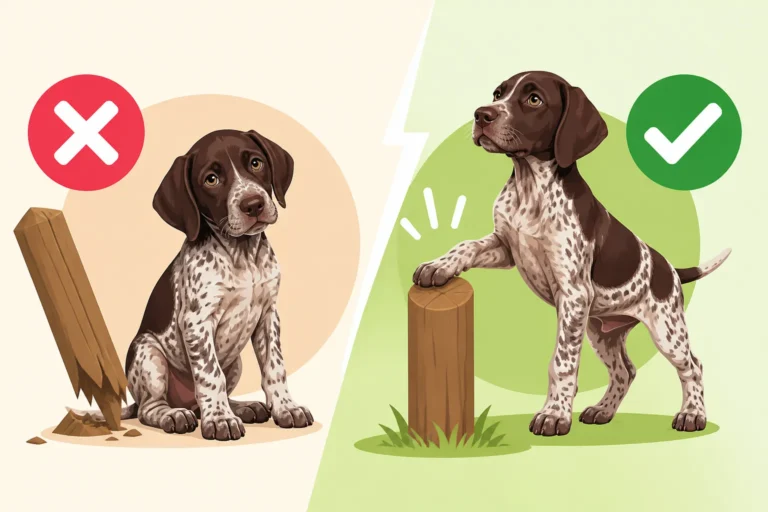
Separation anxiety, on the other hand, is a panic disorder. It's a genuine fear response to being alone. When a GSP with separation anxiety realizes you're leaving, or are gone, their world collapses. The behaviors they exhibit are not about being naughty or spiteful; they are expressions of intense distress and panic. This can manifest in various destructive ways that can be both heartbreaking and incredibly frustrating for owners. It's important to understand the signs to differentiate a normal, albeit clingy, German Shorthaired Pointer from one in genuine distress.
| Symptom | High Attachment (Normal GSP) | Separation Anxiety (Distressed GSP) |
|---|---|---|
| Vocalization | A few whines or barks upon departure, settles quickly. | Incessant barking, howling, whining for extended periods. |
| Destruction | Mild chewing on appropriate toys, no damage to property. | Destructive chewing (doors, windows, furniture), often near exits. |
| Elimination | Holds bladder/bowels, waits for walk. | Urination/defecation indoors, even if house-trained, only when alone. |
| Escape Attempts | No attempts to get out. | Chewing/scratching at doors/windows, trying to dig out of crate. |
| Pacing/Restlessness | Settles down quickly after you leave. | Constant pacing, circling, inability to settle. |
| Greeting | Happy to see you, wags tail. | Over-the-top, frantic greeting, sometimes ignores you initially due to stress. |
| Self-Harm | None. | Licking paws raw, scratching themselves, broken nails from escape attempts. |
If your German Shorthaired Pointer is exhibiting behaviors from the "Separation Anxiety" column, it's not just a clingy phase; it's a serious issue that needs a structured approach. You might find more insights into specific distress signals in Reading a German Shorthaired Pointer's Stress Signals.
Environmental Factors and Reinforcement
Sometimes, even a naturally bonded German Shorthaired Pointer can develop heightened clinginess or even anxiety due to environmental factors or inadvertent human reinforcement. Think about a sudden change in routine, like a new work schedule where your Shorthair is left alone for much longer than they're used to. Or perhaps a traumatic event, like a loud thunderstorm when they were home alone, could trigger a fear of being by themselves.
We, as owners, can also inadvertently contribute to the problem. If we make a huge fuss every time we leave or return, it can elevate the significance of our departures and arrivals, turning them into high-stakes events for our dogs. Similarly, constantly rewarding attention-seeking behavior by immediately petting or talking to our dog every time they nudge us can teach them that being constantly attached gets them what they want. It’s a delicate balance: we want to be loving and responsive, but also teach them that being alone is okay and not something to panic about. An under-exercised Shorthair, for example, might also channel their pent-up energy into destructive behaviors when left alone, as discussed in What an Under Exercised Shorthair Does to a House.
Strategies for Building Independence in Your Shorthair
Helping your German Shorthaired Pointer become more independent and confident when alone is a gradual process that requires patience, consistency, and a clear plan. It’s about gently shifting their perception of being alone from a source of panic to a peaceful, normal part of their day.
Establishing Healthy Boundaries and Routines
One of the most foundational steps is to create clear boundaries and a predictable routine. Dogs thrive on routine; it provides a sense of security and helps them understand what to expect. This means consistent feeding times, walks, training sessions, and, yes, alone time. If your schedule is erratic, your Shorthair might constantly feel uncertain, leading to increased clinginess. A good routine helps establish The Structure a German Shorthaired Pointer Needs Daily.
Beyond routine, start implementing small boundaries while you are home. This doesn't mean ignoring your dog, but rather teaching them that they don't always need to be touching you. For example, practice having your Shorthair settle on their bed in the living room while you're in the kitchen, or ask them to stay on one side of a baby gate while you're on the other. Start with very short durations and reward them for calmly staying in their designated spot. This is about building their tolerance for physical distance from you in a low-stress environment. Make sure they have comfortable bedding and maybe a long-lasting chew or puzzle toy from Amazon to keep them occupied during these mini "alone" sessions.
Gradual Desensitization to Departures
The core of treating separation issues is gradual desensitization. This means slowly increasing the amount of time your GSP is alone, starting with periods so short they don't even register as stressful.
- Practice Departure Cues: Think about all the things you do before you leave – grab keys, put on shoes, pick up your bag. These become powerful triggers for your dog's anxiety. Start performing these actions randomly throughout the day, without actually leaving. Grab your keys, walk to the door, put them back, and sit down. Put on your coat, take it off, go read a book. The goal is to strip these actions of their predictive power, so they no longer signal impending abandonment.
- Short, Non-Eventful Departures: Once your Shorthair is calm with the cues, start leaving for extremely short periods. Step outside for 30 seconds, then come back in calmly. No big greetings, no excited talk. Act like you just went to the bathroom. The idea is to make your departures and arrivals as uneventful as possible. This helps your dog understand that you always come back, and it's not a big deal. You can gradually increase this time – one minute, five minutes, ten minutes – always ensuring you return before your dog becomes anxious. If they start to show signs of stress, you've gone too long, and need to reduce the duration for the next session.
- Provide a Distraction: Before you leave, give your Shorthair something highly engaging to do. A Kong filled with frozen peanut butter, a bully stick, or a challenging puzzle feeder can work wonders. The goal is for them to associate your departure with a positive, distracting activity. They should ideally still be happily engaged when you return.
This process can take weeks or months. Consistency is key, and never rush it. Remember, you're reprogramming a deep-seated fear.
Enrichment and Mental Stimulation When Alone
An under-stimulated German Shorthaired Pointer, even one without severe separation anxiety, can become destructive or vocal out of sheer boredom and pent-up energy. These dogs are intelligent and require a significant amount of physical exercise and mental engagement. Providing appropriate enrichment when you leave can make a huge difference.
- Interactive Toys: Invest in good quality puzzle feeders or durable chew toys that will last. Toys that dispense treats as your dog plays with them can keep their mind busy for a good while. Look for options on Amazon that are highly rated for strong chewers.
- Scent Games: Hide treats around the house before you leave for them to "hunt." This taps into their natural scenting abilities and provides mental exercise. Puzzle Feeders and Scent Games for a Shorthair offers more ideas for engaging their sharp minds.
- Structured Exercise: Make sure your German Shorthaired Pointer gets plenty of physical exercise before you leave them alone. A good, long walk, a retrieve session, or some vigorous playtime can help them burn off excess energy, making them more likely to rest calmly while you're gone. Remember, Ninety Minutes of Real Exercise for a Shorthair is often a minimum for these energetic dogs.
Practical Tools and Resources to Help Your Shorthair Cope
Beyond behavioral adjustments, there are several practical tools and resources that can aid your German Shorthaired Pointer in overcoming clinginess and separation issues.
Crating and Safe Spaces
For many German Shorthaired Pointers, a crate can become a den, a safe and comfortable space where they feel secure. This isn't about punishment; it's about providing a consistent, predictable environment. If introduced properly, a crate can reduce anxiety by limiting their ability to pace, destroy, or get into trouble.
When using a crate for a clingy Shorthair or one with separation anxiety, ensure it's a positive experience. Feed meals in the crate, offer high-value treats, and never use it for punishment. Make it comfortable with soft bedding. Some dogs prefer a covered crate as it mimics a den and reduces visual stimuli that might trigger anxiety. However, for dogs with severe separation anxiety, a crate can sometimes exacerbate their panic, leading to injury if they try to escape. If your Shorthair is showing extreme distress in the crate, trying to chew through the wires or hurt themselves, it might not be the right solution, or you may need professional guidance. You can explore more about this in Crating a Shorthair That Has Energy to Burn or Whether Crate Time Helps a Clingy Shorthair.
Calming Aids and Supplements
Sometimes, especially during the initial stages of training, calming aids can take the edge off your German Shorthaired Pointer's anxiety, making them more receptive to learning.
- Pheromone Diffusers/Collars: Products that release dog-appeasing pheromones can help create a sense of calm and security. These are odorless to humans but can have a noticeable effect on some dogs.
- Supplements: Over-the-counter supplements containing ingredients like L-Theanine, melatonin, or calming herbs are available. Always consult your veterinarian before starting any supplement regimen to ensure it's appropriate for your individual dog and won't interfere with any existing medications. Many of these can be found on Amazon.
- Thundershirts/Anxiety Wraps: These apply gentle, constant pressure, similar to swaddling a baby, which can have a calming effect on some dogs. They can be particularly useful for dogs that also suffer from noise phobias.
These aids are not a magic bullet and should always be used in conjunction with a comprehensive training plan, not as a standalone solution.
Professional Help and Training Programs
If your German Shorthaired Pointer's clinginess escalates to severe separation anxiety, causing significant destruction or self-harm, it's time to bring in professional help. A certified professional dog trainer specializing in separation anxiety or a veterinary behaviorist can provide tailored strategies and support. They can accurately assess the severity of the anxiety and develop a safe and effective treatment plan.
Many trainers offer virtual consultations, which can be incredibly helpful for separation anxiety cases, as the trainer can observe your dog's behavior in their home environment without the added stress of a stranger being present. Look for reputable online training platforms, such as BAXTER & Bella, which often offer programs and resources for addressing common behavioral challenges like being left alone. They can guide you through the desensitization process, help you manage triggers, and provide invaluable feedback as you work with your German Shorthaired Pointer. They might even help you understand A Shorthair That Panics Alone in the House more deeply.
Remember, addressing severe separation anxiety can be a long and challenging journey, but with professional guidance and your unwavering commitment, your German Shorthaired Pointer can learn to cope and even thrive when you're not constantly in their sight. This journey is about improving their quality of life, reducing their stress, and ultimately, yours too.
Disclaimer
This article is for general informational purposes only and does not constitute professional advice. Laws, prices and regulations vary by location and change over time. Consult a qualified professional for guidance on your specific situation.