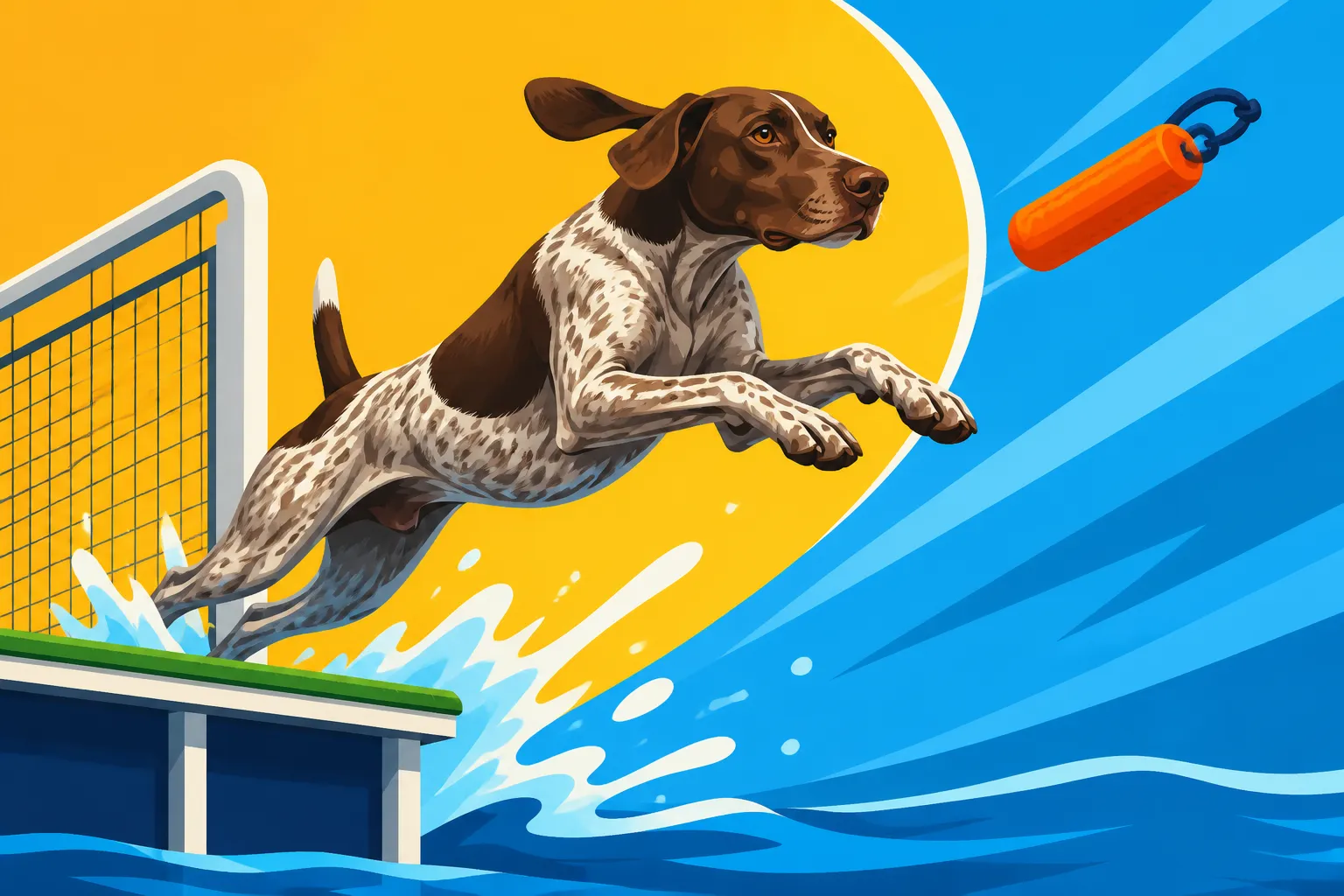
Running a Shorthair in a Dock Diving Event
It's an amazing thing to watch your German Shorthaired Pointer bound into water, full of gusto and drive, but turning that natural enthusiasm into a competitive sport like dock diving can feel like a huge leap. Many of us see our high-flying, water-loving Shorthairs and think, "Could they do that?" The answer is often a resounding yes, but it takes more than just a love for water; it requires specific training, confidence building, and understanding the sport itself. This guide will walk you through everything you need to know to get your Shorthair splashing and soaring in the exciting world of dock diving, from foundational skills to navigating your first event.
Understanding Dock Diving as a Sport for Your German Shorthaired Pointer
German Shorthaired Pointers are, by their very nature, built for action and often have a deep love for water. This combination makes them surprisingly well-suited for dock diving, an exhilarating canine sport that taps into their prey drive and athleticism. However, just because your Shorthair loves to swim doesn't mean they're ready to leap off a dock like a pro.
The Natural Affinity for Water and Drive to Retrieve
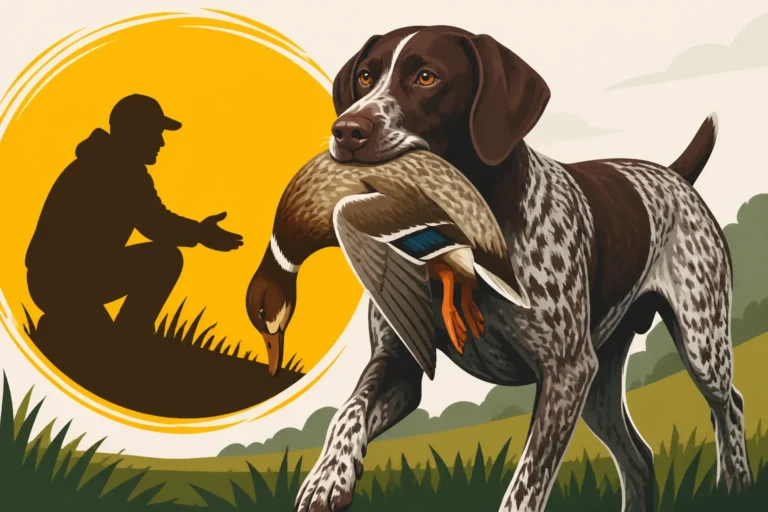
One of the greatest assets a German Shorthaired Pointer brings to dock diving is its inherent love for water and strong retrieve drive. These dogs were bred for versatility, often expected to retrieve fallen game from both land and water. This background means many Shorthairs take to water like, well, ducks to water! You'll often find them happily plunging into lakes, ponds, or even puddles. This natural inclination to jump in and grab something, whether it's a bumper or a rogue stick, is the perfect starting point for dock diving. It means you're not fighting against a fear of water, which can be a huge hurdle for some breeds. For many Shorthair owners, teaching them to love water isn't the challenge; it's channeling that enthusiasm. If you've spent any time working on Water Retrieves With a German Shorthaired Pointer, you're already halfway there.
How Dock Diving Differs from Casual Swimming
While your Shorthair might be a phenomenal swimmer, dock diving introduces several new elements that transform casual splashing into a structured sport. Firstly, there's the height. Dogs jump from a raised dock into a pool, which can be intimidating for some at first. Secondly, it's about distance and style. Competitions aren't just about getting in the water; they're about how far your dog jumps or how high it retrieves a toy. This requires specific training to encourage a powerful leap rather than a hesitant hop. Finally, the environment itself is different – a large pool with cheering crowds, other dogs, and a new structure can be a lot for a dog used to quiet pond retrieves. It's an organized activity that demands focus and control, even amidst excitement.
Basic Rules and Disciplines of Dock Diving
Dock diving isn't just one sport; it encompasses several disciplines, each testing a different aspect of your dog's athletic ability. The most common is Big Air, where dogs jump for distance. A handler throws a toy, and the dog leaps off the dock to retrieve it, with the distance measured from where the dog's nose breaks the surface of the water. Then there's Extreme Vertical, where the toy is suspended high above the water, and the dog jumps to snatch it, testing their vertical leap. Finally, Speed Retrieve measures how quickly a dog can run down the dock, jump in, and retrieve a toy at the far end of the pool. Understanding these different disciplines can help you identify where your Shorthair's natural talents might shine brightest. Each discipline has its own set of rules regarding toy throws, dog entry, and measurement, so it's worth familiarizing yourself with the specifics of the organization running the event.
Preparing Your Shorthair for Its First Dock Diving Competition
Getting ready for dock diving involves more than just showing up at the pool. It's about slowly building your Shorthair's confidence, refining their retrieve skills, and making sure they're comfortable with the unique demands of the sport. Just like any new endeavor, patience and positive reinforcement are your best friends here.
Building Confidence and Basic Water Skills
Before your Shorthair ever steps onto a dock, they need to be completely at ease in the water. This means making sure they're not just swimming, but genuinely enjoying it. Start with shallow entries and positive play in calm water. Use a favorite floating toy to encourage them to go a little deeper each time. For some dogs, the initial plunge can be daunting, so gently encouraging them to ease in or walking in with them can help. If your Shorthair is one of those dogs that needs a bit more encouragement, focus on Teaching a Shorthair to Enter Water Willingly by making it a fun, low-pressure activity. Many dogs that enjoy water still aren't strong swimmers; consider a canine life vest, especially if you're working in deeper water or with a younger dog. You can find excellent options for protective gear on platforms like Amazon, ensuring your pup is safe and comfortable while building their aquatic confidence.
Introducing the Dock and the Jump
Once your Shorthair is a confident swimmer, it's time to introduce the dock itself. Many facilities offer "splash and dash" or practice days where you can rent time on the dock. Begin by simply walking your dog onto the dock, letting them explore and get comfortable with the surface and height. Don't rush the jump. Start by throwing a toy off the end of the dock from a short distance – not necessarily expecting a jump, but just getting them used to the idea that toys go off the dock. Gradually move closer to the edge, encouraging them to run and retrieve the toy. Some dogs naturally launch themselves, while others need a bit more coaxing. Use high-value toys and enthusiastic praise to make every interaction positive. Remember, the goal is for them to associate the dock with fun and retrieve.
Essential Gear for Dock Diving Success
Just like any sport, dock diving has its specific gear that can make a difference in your Shorthair's performance and safety. A good, buoyant retrieve toy is crucial – something that floats well, is easy for your dog to see in the water, and something they love to chase. Many handlers use specialized dock diving bumpers or soft, flexible toys that won't injure their dog's mouth. A long lead, ideally 15-30 feet, can be incredibly helpful for managing your dog on the dock and encouraging controlled retrieves, especially if they are prone to bolting or need some guidance. A comfortable harness is also key, as it provides a secure way to hold your dog at the starting line without putting pressure on their neck. And don't forget towels! Lots and lots of towels for drying off between jumps. You can often find durable, high-visibility training bumpers and leads perfectly suited for dock diving on sites like Amazon.
Training Techniques to Maximize Your Shorthair's Dock Diving Potential
With a confident water dog and the right gear, it's time to refine your Shorthair's technique. Dock diving is as much about precise timing and motivation as it is about raw athleticism.
Mastering the "Go" and Retrieve
The core of a great dock diving performance lies in the powerful, enthusiastic retrieve. Your Shorthair needs to understand that when you say "Go!" or throw the toy, it's their cue to explode off the dock. Practice this "release" command on dry land first, building up their excitement with the toy, holding them back, and then releasing them with the command. When transitioning to the dock, use the same high-energy release. For some Shorthairs, their retrieve drive is so strong they'll naturally launch, but for others, you might need to perfect your throw timing. The goal is to throw the toy just as they launch, so they're chasing it in the air. This synchronicity can significantly add to their distance. Remember, consistency in your commands and throws is vital for building their understanding and confidence. If your Shorthair is having trouble focusing or understanding commands in a high-excitement environment, resources like BAXTER & Bella, which emphasize positive reinforcement and foundational training, might offer useful insights for honing that "Go" command even when distractions are high.
Enhancing Jump Distance and Form
To truly maximize distance, you'll want to encourage a powerful, flat jump rather than a high, arcing one. This often comes down to the "running start" on the dock. Teach your Shorthair to run the full length of the dock before launching. Many handlers will hold their dog at the back of the dock, build excitement, and then release them to run and jump. The toy placement is also key; throwing it slightly out and away can encourage them to stretch further in the air. For vertical disciplines, the technique shifts slightly. You'll want to encourage a higher jump, which often involves placing the toy higher and slightly closer to the dock. Observing other experienced teams and perhaps even getting some coaching from a seasoned dock diving trainer can provide invaluable tips tailored to your dog's specific style. Conditioning a Shorthair Before Opening Day can also play a huge role here, as strong hindquarters and core muscles are essential for powerful jumps.
Overcoming Common Challenges
Even the most enthusiastic Shorthair can hit a snag. One common issue is a dog that stops at the end of the dock and hesitates, or even jumps off to the side rather than straight out. This usually stems from a lack of confidence in the jump itself or a fear of the height. Revert to basics: make it fun, use high-value rewards, and gradually increase the challenge. Sometimes, simply making the launch less intimidating by having someone in the water to encourage them can help. Another challenge can be the "short retrieve" where a dog jumps, retrieves, but then turns back immediately without swimming further. This might mean the dog isn't as confident swimming or simply isn't motivated by the toy once it's in the water. Try switching toys, making the retrieve a game of fetch in the water, or even having someone swim out with them. Patience, consistency, and a playful attitude will go a long way in working through these hurdles. If you find your dog is struggling with nerves or focus in a new environment, BAXTER & Bella’s online resources can provide guidance on positive reinforcement strategies to build confidence.
What to Expect at a Dock Diving Event
Your first dock diving event can be an exciting, albeit slightly overwhelming, experience. Knowing what to expect can help you and your Shorthair stay calm and focused, allowing you to both enjoy the day to the fullest.
The Vibe and Logistics of Competition Day
Dock diving events are generally very high-energy and fun, full of enthusiastic dogs and supportive owners. You'll hear lots of barking, splashing, and cheering! Logistics usually involve checking in, getting your dog's number, and then waiting for your flight or wave to be called. Each dog gets a specific number of jumps per "wave" (usually 2-3). There will be a warm-up area, often a small pool or a designated swimming area, where your Shorthair can stretch their legs and get a quick swim before their turn. It's important to keep your dog hydrated and well-rested. Pay close attention to announcements for your jump time, as events move quickly. Remember to bring plenty of water, a shade canopy if allowed, and a comfortable spot for your Shorthair to relax between jumps.
Supporting Your Shorthair (and Yourself!)
Your enthusiasm is contagious! The more excited and positive you are, the more your Shorthair will feed off that energy. Cheer them on, praise their efforts, and make every jump feel like a win, regardless of the distance. Bring their favorite toy, extra special treats, and be ready to celebrate their bravery. For yourself, remember to stay hydrated, wear comfortable clothes, and don't be afraid to ask seasoned competitors for advice – most dock diving communities are incredibly welcoming. It's easy to get caught up in the competitive aspect, but for your Shorthair, it should always be a fun game. Focus on the bond you share and the joy of working together. This is a journey you're taking with your dog, and every splash is a step forward. You might even want to check out The Vet Schedule a Working Shorthair Should Keep to ensure your dog is in peak condition for these kinds of athletic endeavors.
Celebrating the Experience, Regardless of Score
Whether your German Shorthaired Pointer clears the entire pool or just makes a little splash off the edge, the most important thing is that you both had a positive experience. Not every dog will be a record-breaker, and that's perfectly okay. Dock diving is a fantastic way to bond with your Shorthair, provide them with excellent physical and mental exercise, and be part of a vibrant dog sport community. Celebrate every jump, every retrieve, and every moment of joy your Shorthair shows. Take pictures, enjoy the atmosphere, and learn from each outing. Even if your Shorthair has A German Shorthaired Pointer That Has Stopped Wanting to Run in other contexts, the high-energy, focused fun of dock diving might just rekindle their competitive spark. Remember, it's about the adventure, the shared effort, and watching your incredible dog do what they love best: being an active, happy German Shorthaired Pointer.
Disclaimer
This article is for general informational purposes only and does not constitute professional advice. Laws, prices and regulations vary by location and change over time. Consult a qualified professional for guidance on your specific situation.