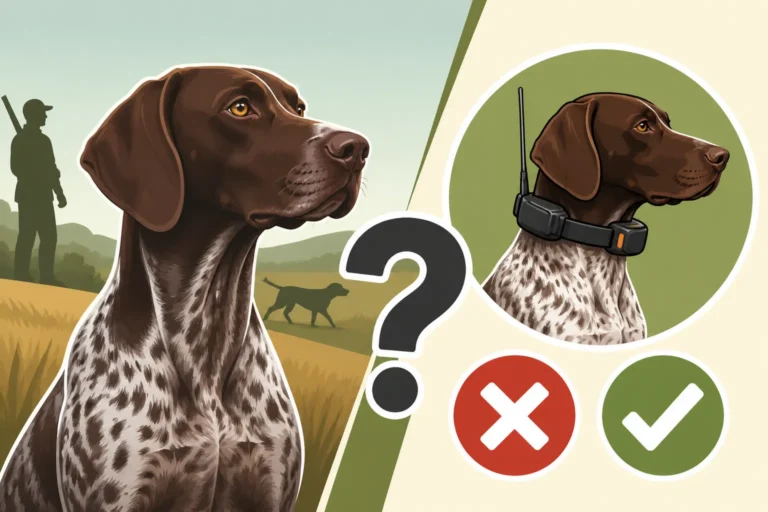
Whether a Shorthair Can Earn a Canine Good Citizen Title
Many German Shorthaired Pointer owners love their dogs' boundless energy and intelligence, but they often wonder if such a vibrant, high-drive breed can ever truly master the calm, polite manners required for formal obedience titles. It’s a common frustration, feeling like your GSP is too boisterous for structured environments. This guide is here to tell you that not only can your German Shorthaired Pointer earn a Canine Good Citizen (CGC) title, but the journey to achieve it can actually deepen your bond and enhance their well-being, proving that these incredible dogs are more than just field machines.
Understanding the Canine Good Citizen Title for a GSP
The Canine Good Citizen program, often seen as the gold standard for dog manners, is a wonderful goal for any dog owner, especially those with breeds like the German Shorthaired Pointer. It demonstrates that your GSP can be a well-behaved member of the community, reliable and polite in various situations. But what does it really involve, and why should you invest the time and effort into it?
What the CGC Test Actually Entails
The CGC test isn't about fancy tricks or intense competition obedience. It's about demonstrating good manners and a solid temperament in everyday situations. There are ten specific items your German Shorthaired Pointer will be evaluated on, and while they might sound simple on paper, executing them flawlessly with a high-energy GSP can be a true testament to your training and bond.
Imagine trying to keep your GSP's nose off the ground and their focus entirely on you as you walk through a busy park. That's the kind of challenge many of these tests present. The ten items are:
- Accepting a Friendly Stranger: Your GSP should allow a friendly stranger to approach and speak to you, and then pet them briefly. This means no jumping, excessive barking, or shyness. For a GSP who loves all people with overwhelming enthusiasm, this often translates to teaching them to greet politely without knocking anyone over.
- Sitting Politely for Petting: Similar to the above, your dog needs to remain in a sit or stand position while a stranger pets them, showing good manners. Again, the challenge here for many GSPs is managing their sheer joy.
- Appearance and Grooming: The evaluator will approach your GSP and inspect their coat, ears, and feet, simulating a vet or groomer visit. Your dog should be calm and cooperative. This is generally easier for GSPs due to their short coats and active nature making them accustomed to being handled.
- Out for a Walk (Walking on a Loose Leash): This is a big one. Your GSP must walk on a loose leash, without pulling, alongside you. They should be able to turn, stop, and go without dragging you. Given a GSP's powerful drive and desire to explore every scent, mastering Loose Leash Walking a German Shorthaired Pointer is an accomplishment in itself and absolutely crucial for this part of the test.
- Walking Through a Crowd: Your GSP needs to calmly navigate through a small group of people, again on a loose leash, demonstrating they can be polite in a public setting without jumping or weaving between legs. Distractions are everywhere here, from rustling coats to dropped keys.
- Sit & Down on Command/Staying in Place: Your GSP should be able to perform a sit and a down on command and then hold a "stay" for a short period while you walk away about 20 feet. For a GSP, the mental discipline of holding still when their body yearns to move can be quite demanding.
- Coming When Called: A reliable recall is essential for any dog, but especially for a GSP. You'll walk 10 feet away, call your dog, and they should promptly and happily come to you. This is non-negotiable for a hunting breed that can disappear in a flash after a scent.
- Reaction to Another Dog: Your GSP must politely ignore another dog passing by at a short distance. No barking, lunging, or intense staring. This tests their ability to remain focused on you despite a major distraction.
- Reaction to Distraction: The evaluator will create a common, mild distraction (like dropping a clipboard or a sudden loud noise). Your GSP should not panic, bark excessively, or try to bolt. They should acknowledge it but quickly recover.
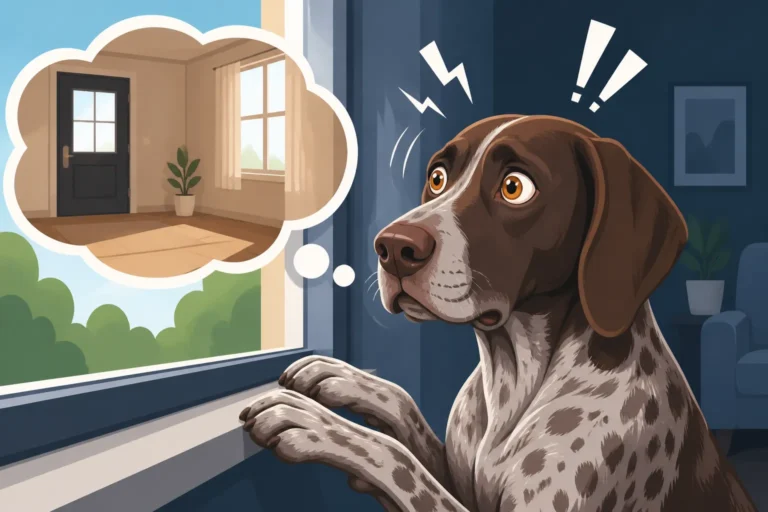
- Supervised Separation: You'll leave your GSP with the evaluator for three minutes, out of sight. Your dog should remain calm, without excessive whining, barking, or pacing. This tests their confidence and ability to be separated from their primary handler, something many "Velcro" GSPs find surprisingly difficult.
Each item needs to be performed with a positive attitude, showing that your dog is enjoying the experience and isn't stressed or forced.
Why a CGC Title is Worth the Effort for a High-Drive Breed
You might be thinking, "My GSP is a bird dog! Why do I need a CGC?" And it's a fair question. Many GSP owners focus entirely on field work, and rightly so, as these dogs were literally bred for it. But a Canine Good Citizen title offers immense benefits that extend far beyond the hunting field, creating a more harmonious home life and a better public perception of your amazing breed.
Firstly, achieving a CGC title means your GSP has excellent house manners. No more counter-surfing every time you turn your back, no more jumping on guests, no more dragging you down the street on walks. It means a dog that is a joy to live with, integrating seamlessly into your family life. This strong foundation of obedience will actually improve their ability to learn and perform in the field, as they'll be more attentive and responsive to your commands.
Secondly, a CGC title can open doors. Some housing communities, rental agreements, or even insurance companies offer benefits or preferences for dogs with a CGC. It serves as a tangible demonstration of your dog's good behavior, potentially easing restrictions that might otherwise apply to high-energy breeds. It also helps to combat negative stereotypes sometimes associated with active dogs, showing the public that German Shorthaired Pointers are not just wild and untrainable.
Most importantly, the process of working towards a CGC title profoundly strengthens the bond between you and your GSP. The consistent training, problem-solving, and shared successes build trust and mutual respect. It taps into their innate desire to work and please, providing them with valuable mental stimulation that's just as important as their physical exercise. Imagine the pride you'll feel when your GSP, who once dragged you everywhere, calmly walks through a crowded farmers' market, accepting gentle pats from strangers with quiet dignity. That's the real reward.
Training Strategies to Prepare Your GSP for CGC
Training a German Shorthaired Pointer for their Canine Good Citizen title requires patience, consistency, and a deep understanding of their unique personality. They are intelligent, eager, and full of boundless energy, all of which need to be channeled effectively.
Building a Rock-Solid Foundation of Basic Obedience
Before you can tackle the specific items of the CGC test, your GSP needs a strong grasp of fundamental obedience commands. These are the building blocks, and without them, you'll be constantly struggling.
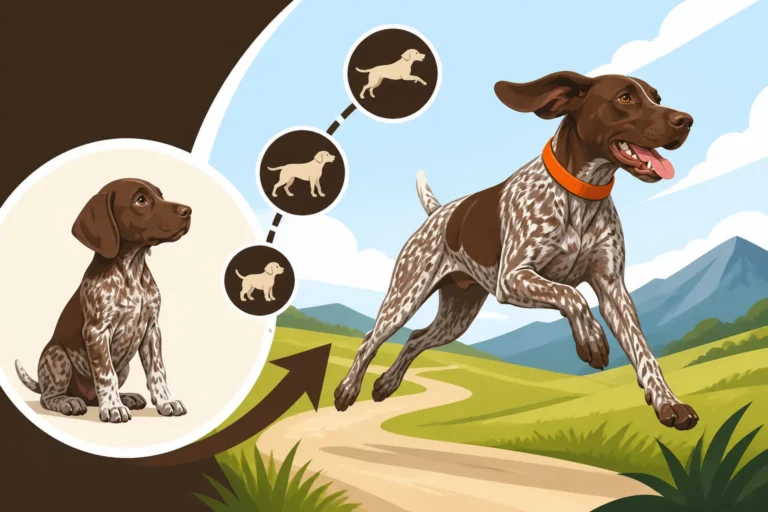
Think of it like this: your GSP is a powerhouse engine, and basic obedience is the steering wheel, brakes, and accelerator. Without them, that engine just runs wild. Commands like "sit," "stay," "down," "come," and "heel" aren't just parlor tricks; they're vital tools for communication and control. Start early, even with a young puppy. Puppy classes can be invaluable for laying this groundwork and for crucial early socialization. Puppy Classes Before a Shorthair Starts Field Work is a fantastic resource for understanding this stage.
Consistency is paramount. Every family member needs to use the same commands and expectations. If "sit" means one thing to you and another to your spouse, your GSP will quickly get confused. Positive reinforcement is the name of the game. GSPs respond wonderfully to praise, treats, and toys. They love to work and please, so make training fun and rewarding. Keep sessions short, upbeat, and end on a positive note. Their intelligence means they learn quickly, but their drive can make them easily bored if lessons drag on.
One common frustration for GSP owners is when their otherwise well-trained dog suddenly seems to forget everything they learned, especially during adolescence. The Adolescent Shorthair That Stops Listening is a real phenomenon. This is where patience and going back to basics in distracting environments becomes vital. Don't assume they're being stubborn; they're likely testing boundaries or genuinely overwhelmed by their environment.
Tackling Specific CGC Challenges with a German Shorthaired Pointer
While the basics are a foundation, some CGC test items present particular hurdles for the GSP temperament. Let's look at how to approach them strategically.
- Politely Accepting a Friendly Stranger: Your GSP probably loves people. The challenge isn't usually shyness, but rather over-excitement. They want to jump, lick, and enthusiastically greet with their whole body. To counter this, teach a "four on the floor" rule from day one. Every greeting should start with a "sit." Practice with friends and family, instructing them to only pet your GSP when all four paws are on the ground and to immediately withdraw attention if they jump up. Rewards for calm greetings are essential.
- Walking Through a Crowd: This test item directly relates to Loose Leash Walking a German Shorthaired Pointer. Start in quiet areas, then gradually increase distractions. A park bench, a quiet street, then a slightly busier area. Teach your GSP that your side is the most interesting place to be, offering high-value treats frequently for maintaining position and focus. Don't be afraid to take a step back if they get overwhelmed; success in training means building confidence slowly.
- Reaction to Another Dog: This is where a GSP's prey drive and sometimes intense playfulness can kick in. The goal is polite indifference, not intense engagement. Practice "look at me" commands in the presence of other dogs at a distance. Reward heavily for eye contact with you. If your GSP fixates, increase the distance. "Leave it" is an incredibly powerful command here. Don't let them practice inappropriate greetings or lunging. Socialization is key, but controlled socialization, where they learn to coexist calmly, not just play wildly.
- Supervised Separation: Many GSPs are true "Velcro dogs," rarely wanting to be out of their owner's sight. This can make the supervised separation test particularly challenging. Work on building their independence gradually. Start with short periods in their crate or a designated safe space while you're in another room. Gradually increase the time and distance. Ensure they have a comfortable bed and a long-lasting chew or puzzle toy to keep them occupied. Building a Shorthair's Tolerance for Being Alone explores this in more detail. It’s about teaching them that being alone isn't scary, and you always come back.
- Ignoring Distractions: For a GSP with their incredible nose and keen eyesight, the world is a symphony of distractions. The key here is to make you more rewarding than any squirrel or distant bird scent. Use high-value treats, exciting toys, and enthusiastic praise. Practice in increasingly distracting environments, but always set your dog up for success. If they're failing repeatedly, the environment is too distracting. Start closer to home, then gradually introduce new sights, sounds, and smells. This requires a lot of repetition and patience on your part.
Utilizing Resources and Support for Training
You don't have to go it alone! There are fantastic resources available to help you and your GSP on your CGC journey.
Local obedience classes, often taught by experienced trainers, provide a structured environment and invaluable feedback. They also offer controlled exposure to other dogs and people, which is perfect for practicing the CGC test items. If you prefer to learn at your own pace or need a more flexible schedule, online courses like those offered by BAXTER & Bella can be incredibly helpful. They provide step-by-step guidance and often have communities where you can ask questions and share successes.
Don't underestimate the power of good equipment. A well-fitting, comfortable collar or harness is essential for Loose Leash Walking a German Shorthaired Pointer. A longer lead (15-30 feet, available on Amazon) can be great for practicing recall in a safe, open area before you trust them off-leash. High-value treats, such as small pieces of cooked chicken or cheese, will keep your GSP motivated, especially when facing tough distractions. A GPS tracking collar is also a good idea for any GSP, but especially when working on recall in open spaces, giving you peace of mind.
Remember, every German Shorthaired Pointer is an individual. What works for one might need tweaking for another. Don't be afraid to consult with a professional trainer if you're hitting a wall. They can provide personalized advice and help you troubleshoot specific behaviors.
The GSP Temperament: Advantages and Hurdles in CGC Training
Understanding the inherent traits of your German Shorthaired Pointer is crucial for successful CGC training. Their breed characteristics are a double-edged sword: powerful advantages when channeled correctly, but significant hurdles if not addressed thoughtfully.
The GSP's Drive and Intelligence: A Double-Edged Sword
German Shorthaired Pointers are renowned for their incredible intelligence and relentless drive. These traits are precisely what make them such exceptional hunting partners, but they also define their approach to obedience training.
On the one hand, their eagerness to please and high intelligence mean GSPs are generally quick learners. They pick up new commands with remarkable speed, often surprising owners with how quickly they grasp concepts. They thrive on having a "job" to do, and training sessions, when structured well, fulfill this intrinsic need for purpose. They genuinely love to work alongside their human, making them highly motivated partners in any endeavor, including CGC. Their inherent athleticism and desire for physical activity mean they are often resilient and enjoy the active nature of training. The Shorthair That Will Not Let You Out of Sight is a testament to their desire to be involved in everything you do, which can translate into strong attentiveness in training.
However, these very same traits can pose significant challenges. That boundless energy means they need a lot of physical exercise before a training session, or they'll be too antsy to focus. An under-exercised GSP is a restless GSP, more prone to wiggling, breaking commands, and being distracted. Imagine trying to get a toddler to sit still after they've had a gallon of soda – that's often a GSP who hasn't had their morning run. The Two Hours a Day a German Shorthaired Pointer Needs is not an exaggeration.
Their keen senses, especially their incredible nose, mean they are highly susceptible to environmental distractions. A passing bird, a faint rabbit scent, or even a leaf blowing in the wind can instantly capture their attention, pulling them away from your carefully constructed training scenario. Their enthusiasm, while endearing, can manifest as jumping, barking, and general exuberance that needs careful management in a test setting where calm manners are required. Moreover, GSPs are clever; if training isn't engaging or consistent, they can quickly become bored and decide there are more interesting things to do, leading to what some might perceive as stubbornness.
Overcoming Exuberance and Distraction
Successfully preparing your GSP for the CGC means having a solid plan to manage their natural exuberance and minimize distractions.
The single most important strategy for managing exuberance is exercise. A tired GSP is a good GSP. Before any significant training session, especially one focused on calm behavior, ensure your GSP has had ample physical activity. A good long run, a vigorous game of fetch, or even some Ninety Minutes of Real Exercise for a Shorthair in the morning can make a world of difference in their ability to concentrate during an afternoon training session. Water work can also be incredibly effective for tiring them out mentally and physically. Using Water Work to Wear a Shorthair Out can be a fantastic alternative to running, especially on hot days.
Next, gradually introduce distractions. Don't expect your GSP to ignore a flock of pigeons in a busy park on their first try. Start training in a quiet, familiar environment like your living room or backyard. Once they're reliably performing commands there, move to slightly more distracting areas: a quiet street, then a park during off-peak hours, and finally, busier places. Each step should be incremental, setting your dog up for success. If they struggle, go back to an easier environment where they can succeed, then slowly build up again.
Impulse control exercises are your best friend. "Leave it" is essential for teaching them to ignore tempting items or other dogs. "Wait" at the door, for food, or before getting out of the car helps build patience. Incorporate Puzzle Feeders and Scent Games for a Shorthair into their routine; these provide mental stimulation that can be just as tiring as physical exercise and help improve focus.
Lastly, be mindful of how your GSP handles pressure. While generally resilient, some can become A Shorthair That Shuts Down Under Pressure if training is too harsh or overwhelming. Always keep training positive, rewarding desired behaviors enthusiastically. Pay close attention to Reading a German Shorthaired Pointer's Stress Signals – lip licking, yawning, excessive sniffing, or turning away can all indicate they're feeling overwhelmed and need a break or a simpler task. The goal is to build a confident, polite companion, not a robot.
Taking the Test: What to Expect and How to Succeed
The big day for your German Shorthaired Pointer's Canine Good Citizen test can feel nerve-wracking, but with proper preparation and a realistic mindset, you and your GSP can approach it with confidence.
Finding a Certified Evaluator and Preparing for Test Day
The first step is to find a certified Canine Good Citizen evaluator. The American Kennel Club (AKC) website has a directory that can help you locate evaluators in your area. Many local dog clubs, training facilities, or even veterinary offices host CGC tests periodically, so keep an eye out for those opportunities. Attending a test as an observer before you try it can be incredibly helpful to see the setup and flow.
Once you know when and where the test will be, you can simulate the test environment in your practice sessions. For example, if the test is outdoors in a park, practice in similar outdoor, slightly distracting locations. If it's indoors in a training hall, try to find a similar space. Familiarity can go a long way in helping your GSP feel comfortable and perform their best.
Don't forget your own mental preparation. It's easy to get anxious on test day, and your GSP will pick up on your stress. Try to stay calm and positive. Remember, it's just a series of exercises, and you've both worked hard. Keep the atmosphere light and fun. Bring high-value treats, your GSP's favorite toy, and plenty of water. A tired but not exhausted GSP is generally a well-behaved GSP, so a good walk or playtime before the test can help burn off some of that excess energy without leaving them too drained. Think of it as reinforcing The Structure a German Shorthaired Pointer Needs Daily even on test day.
Common Pitfalls for GSPs and How to Avoid Them
Even with diligent training, GSPs can encounter specific challenges during the CGC test due to their breed characteristics. Knowing these ahead of time can help you prepare more effectively.
- Over-excitement during greetings: As discussed, GSPs love people. Their exuberant greetings often involve jumping or licking. Ensure you've proofed the "sit-stay-for-petting" in multiple environments with various people. Have a plan for managing their enthusiasm, like stepping on the leash near the collar to prevent jumping or using a firm "off" command.
- Sniffing and pulling on leash: That powerful nose is a gift and a curse. In the "out for a walk" and "walking through a crowd" sections, deep sniffing or sudden pulls towards an interesting scent can cost you points. Practice intense focus exercises where your GSP learns to ignore ground scents. Rapid changes of direction, surprise "sits," and rewarding consistent eye contact during walks can help.
- Breaking stays: The "sit-stay/down-stay" with distance can be tough. The GSP's desire to be with you (the "Velcro dog" aspect) combined with their natural restlessness makes staying put challenging. Build up duration and distance very slowly. Practice with distractions. If your GSP repeatedly breaks, you've moved too fast. Always return them to the exact spot they left.
- Reaction to other dogs: Even if your GSP is generally friendly, that intense focus or playful urge when another dog passes can be a distraction. Use the "look at me" and "leave it" commands rigorously. Position yourself to block their view if necessary, and reward them handsomely for even a momentary glance at you instead of the other dog.
- Supervised Separation Anxiety: For the true "Velcro" GSP, three minutes out of sight can feel like an eternity. If your GSP is prone to separation anxiety, this item will be your biggest hurdle. Consistent practice of building independence, as outlined in Building a Shorthair's Tolerance for Being Alone, is vital. Make sure they are truly comfortable being left alone in different rooms and even different homes before test day.
The key to success is not perfection, but demonstrating that your GSP is a polite, manageable, and trustworthy companion. The evaluator isn't looking for a robot; they're looking for a dog that is safe and considerate in public settings. Celebrate the small victories in training, and remember that the journey itself is often more rewarding than the title.
CGC Test Items and GSP-Specific Challenges/Tips
Here's a quick overview of the CGC test items, specific challenges a German Shorthaired Pointer might face, and practical tips to help them succeed.
| CGC Test Item | Common GSP Challenge | Training Tip |
|---|---|---|
| 1. Accepting a Friendly Stranger | Over-exuberant greetings, jumping, licking. | Teach "sit" for greetings; practice with friends, asking them to only pet when all four paws are on the floor. Reward calm. |
| 2. Sitting Politely for Petting | Breaking sit/stand to jump or lean into the petter. | Ensure a solid "stay" command. Start with brief pets, gradually increasing duration. Use high-value treats for holding position. |
| 3. Appearance and Grooming | Wriggling, impatience, trying to lick or mouth. | Make handling pleasant from puppyhood. Practice touching ears, paws, and tail regularly, pairing it with treats and praise. |
| 4. Out for a Walk (Loose Leash) | Pulling towards scents, lunging at distractions, weaving. | Master Loose Leash Walking a German Shorthaired Pointer in various environments. Use a front-clip harness or head halter if needed. Reward frequently for walking calmly by your side. |
| 5. Walking Through a Crowd | Sniffing the ground, trying to greet people, weaving, pulling. | Build on loose leash walking. Practice in increasingly busy areas. Use "heel" and "look at me" commands frequently, rewarding focus on you. |
| 6. Sit & Down on Command/Stay | Breaking stay due to high energy, wanting to be with owner, easily distracted. | Build duration and distance for "stay" slowly. Practice with increasing distractions. Proof the command in many different locations. Remember The Adolescent Shorthair That Stops Listening might occur during this stage, so be patient. |
| 7. Coming When Called | Ignoring call due to high prey drive (scent/sight of wildlife), self-hunting instinct. | Practice recall frequently in distraction-free areas, then gradually add distractions. Use a long line for safety. Make coming to you the most rewarding thing ever. |
| 8. Reaction to Another Dog | Lunging, barking, intense staring, wanting to play/chase. | Practice "look at me" and "leave it" in presence of other dogs at increasing distances. Reward heavily for calm indifference. Controlled socialization in puppyhood is key. |
| 9. Reaction to Distraction | Startling, barking, trying to flee, overly curious about the distraction. | Expose to various novel sights and sounds in a controlled way. Reward calm acceptance. Practice playing games near mild distractions. |
| 10. Supervised Separation | Whining, barking, pacing, trying to escape, distress when owner is out of sight. | Work on Building a Shorthair's Tolerance for Being Alone through crate training and gradually increasing separation times. Ensure comfort items and mental stimulation during separation. |
The journey to earning a Canine Good Citizen title with your German Shorthaired Pointer is more than just passing a test; it's a commitment to thoughtful training and a deeper understanding of your dog's unique needs. It requires acknowledging their incredible energy and intelligence, and then channeling it into desired behaviors. With consistency, patience, and a positive approach, your GSP absolutely can achieve this wonderful milestone, becoming an even more cherished and well-rounded member of your family and community. So, embrace the challenge, enjoy the process, and get ready to celebrate your well-mannered hunting companion!
Disclaimer
This article is for general informational purposes only and does not constitute professional advice. Laws, prices and regulations vary by location and change over time. Consult a qualified professional for guidance on your specific situation.