Reading a German Shorthaired Pointer’s Stress Signals
You love your German Shorthaired Pointer, truly, but sometimes their boundless energy and intense focus can flip into behaviors that leave you scratching your head, wondering if they're acting out or if something deeper is bothering them. It's frustrating when your usually biddable companion suddenly starts to ignore commands, pace endlessly, or even snap, and you just can't pinpoint why. This guide is here to help you decipher those subtle (and not-so-subtle) cues, so you can understand what your GSP is trying to tell you when they're feeling overwhelmed, anxious, or just plain stressed.
The Unique Sensitivities of a German Shorthaired Pointer
German Shorthaired Pointers are incredible dogs, aren't they? They're often described as "Velcro dogs" for a reason – they thrive on companionship and being involved in everything you do. But beneath that eager-to-please, high-energy exterior lies a sensitive soul. They are bred to be intelligent, focused, and incredibly athletic, which means they are also highly attuned to their environment and the emotions of their people. This sensitivity, combined with their intense drive, can sometimes make them more susceptible to stress than other breeds.
Think about it: a dog bred to cover miles of open country, scenting and pointing birds, then retrieving them with a soft mouth, needs a keen mind and a strong bond with its handler. When that bond is strained, or their environment isn't meeting their intrinsic needs, those finely tuned instincts can turn against them, leading to internal conflict and stress. It’s not just about physical exercise, though The Two Hours a Day a German Shorthaired Pointer Needs is a huge part of it; it's also about mental stimulation and a predictable routine. Without these, a GSP's world can feel chaotic, even if your home seems perfectly calm to you. They're constantly processing, constantly alert, and that can be exhausting.
Recognizing the Early, Subtle Stress Signals
When your GSP is starting to feel stressed, they won't typically throw a full-blown tantrum right away. Instead, they'll offer a series of subtle signals, almost like a whisper before they start shouting. Learning to recognize these quiet communications is key to intervening early and preventing the stress from escalating into more problematic behaviors. It's like learning a new language, one of tail wags, ear positions, and tiny muscle movements around the eyes.
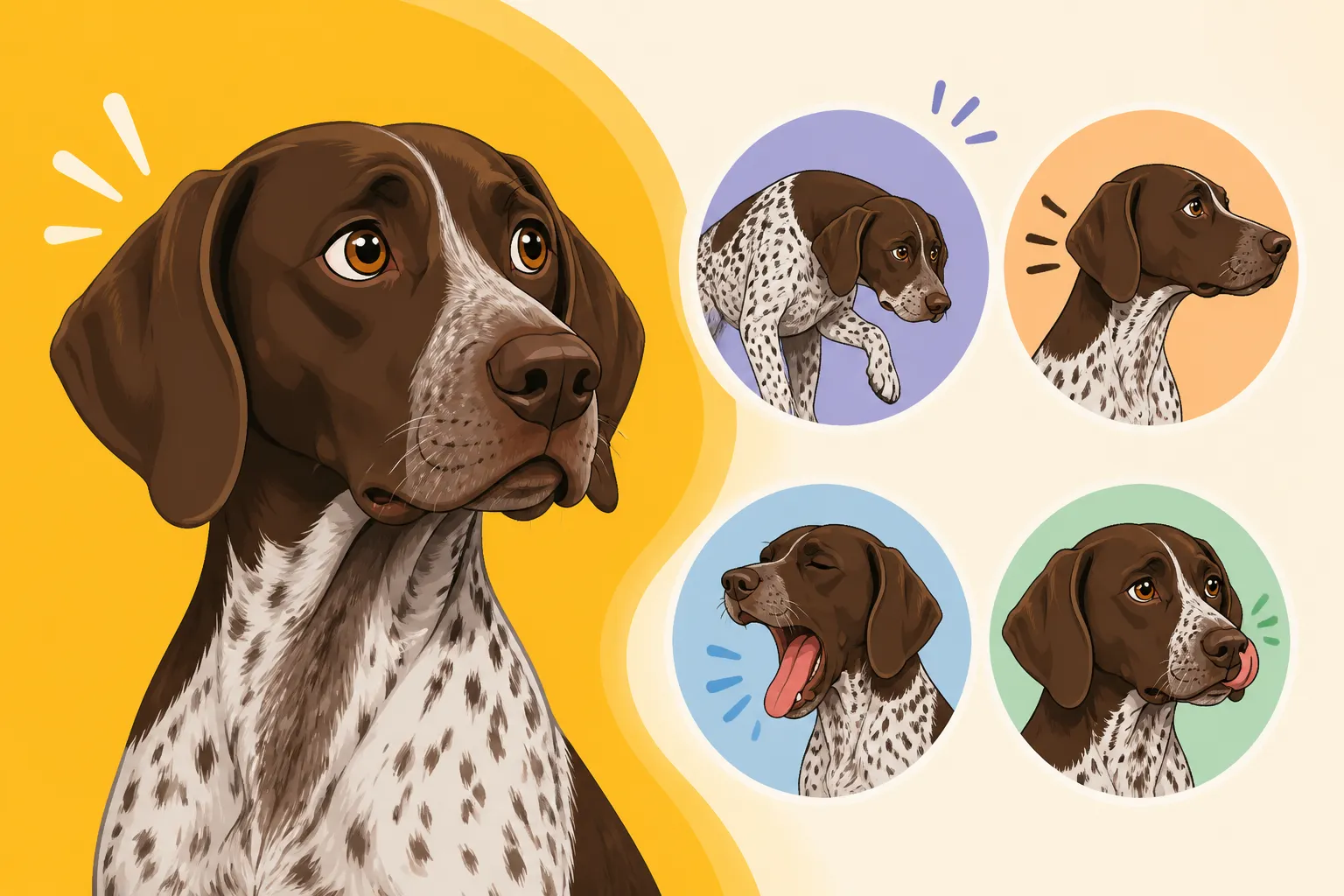
One of the first places to look is their mouth. A GSP under mild stress might start to lick their lips repeatedly, even when there's no food around. This isn't about hunger; it's a calming signal, an attempt to self-soothe or communicate unease. You might also notice a slight yawning, again, not because they're tired, but as another effort to release tension. Another common sign is what we call "whale eye" – when you can see the whites of their eyes, often on the inner or outer corners, as they avert their gaze. Their body might also become a bit stiff, or they might freeze momentarily, holding their breath slightly. These are all subtle indicators that your dog is feeling a little uncomfortable or unsure about a situation. They're trying to communicate, "Hey, I'm not totally okay with this."
Displacement Behaviors: When Stress Looks Like Something Else
Sometimes, stress doesn't look like stress at all; it looks like your dog is just suddenly interested in something else. These are called displacement behaviors, and they're fascinating to observe once you know what to look for. Your GSP might suddenly start scratching themselves intensely, even when they're not itchy, or give a vigorous shake, as if to "shake off" the tension. They might meticulously groom a paw, or start sniffing the ground with unusual intensity, even if there's nothing there.
Imagine you're at the dog park, and another dog is approaching, and your GSP, who is usually the life of the party, suddenly gets a major itch behind their ear. They scratch it with their back leg, almost frantically, for a few seconds. That might not be an actual itch; it could be a displacement behavior, indicating they're feeling a bit anxious about the approaching dog or the interaction to come. Or perhaps you've asked them to do something they find difficult, like holding a "stay" for an extended period, and they start to lick their lips or sniff the ground intently. They're not being disobedient; they're showing you they're under pressure. Being able to correctly identify these allows you to ease the pressure, perhaps by calling them to you or redirecting their attention.
Subtle Body Language and Vocalizations
Beyond the mouth and displacement, pay close attention to your GSP's entire body. Their ears might be pulled back slightly, pressed flat against their head, or perhaps swivel around rapidly as if trying to pinpoint a threat. Their tail, which is usually a lively barometer of their mood, might be held low and stiff, or tucked between their legs. A low, slow wag that feels "off" can also be a sign of unease, rather than happiness.
Vocalizations can also be key. A soft whine that doesn't seem to have a clear cause, especially when they're usually quiet, can be a sign of stress. Some GSPs might even let out a little "huff" or a sigh, which, again, isn't always about boredom, but can indicate a feeling of being resigned or stressed. If they start to pant rapidly without having exerted themselves, particularly indoors, that's another red flag. It’s their way of trying to cool down a body that's heating up from internal anxiety, not just physical activity. The Shorthair That Whines in the Truck for example, is often exhibiting stress rather than just impatience.
Understanding Escalated Stress Responses
When those subtle signals are missed or ignored, a GSP's stress can escalate. This is when behaviors become more obvious, sometimes even problematic or destructive. It's crucial to understand that these aren't "bad" behaviors in the sense of defiance; they are your dog's way of coping with overwhelming feelings. They're essentially shouting because their whispers went unheard.
An escalated stress response can manifest in a variety of ways. Some GSPs might become hyper-vigilant, constantly scanning their surroundings, barking at every sound, or even exhibiting barrier frustration if they feel trapped. Others might try to escape the stressful situation, which can lead to destructive chewing on crates, doors, or furniture. What an Under Exercised Shorthair Does to a House often points directly back to pent-up energy and stress. Still others might shut down completely, becoming withdrawn, refusing food, or avoiding interaction. This "shutdown" can be particularly concerning and is often seen in dogs who feel utterly helpless in their situation.
Destructive Behavior and Self-Mutilation
A common way GSPs express severe stress or anxiety is through destructive behaviors. This isn't just puppy chewing; it's often more frantic and targeted. You might find your usually well-behaved dog has shredded their bed, gnawed at door frames, or dug massive holes in your yard. A German Shorthaired Pointer That Digs the Yard Out can be a classic sign of extreme boredom, pent-up energy, or anxiety. This isn't out of spite; it's often an attempt to relieve tension, burn off excess energy, or feel some sense of control over their environment.
In more severe cases, some GSPs might resort to self-mutilation. This can involve excessive licking, chewing, or even biting at their paws, legs, or flank, to the point of causing skin irritation, hair loss, or open sores. These are often stress-induced compulsive behaviors, where the act of licking or chewing releases endorphins, providing a temporary sense of relief. If you notice your GSP constantly licking a particular spot, even when there's no visible injury, it's a strong indicator of underlying stress or anxiety. A vet check is always wise to rule out physical causes, but always consider the behavioral aspect if physical causes are ruled out.
Aggression and Avoidance
While GSPs are generally friendly, a stressed dog can also become reactive or even aggressive. This isn't aggression for aggression's sake, but rather an extreme coping mechanism when they feel threatened, cornered, or overwhelmed. This might look like growling, snapping, or lunging at people or other dogs, particularly if they feel their space is being invaded or they can't escape a perceived threat. Remember, these are dogs who like to be involved, but when they are under extreme pressure, they might feel they have no other choice but to create distance.
On the flip side, some stressed GSPs might exhibit extreme avoidance. They might hide under furniture, refuse to come out of their crate, or actively try to remove themselves from any social interaction. A Shorthair That Shuts Down Under Pressure is a prime example of this type of stress response. This isn't a sign of aloofness; it's a sign that they are so overwhelmed they've decided the best course of action is to simply disappear from the situation. For a breed that thrives on interaction, this kind of withdrawal is a profound indicator of distress and needs to be addressed with patience and professional guidance.
Table of Common Stress Signals
Here's a quick reference table to help you categorize and understand your GSP's stress signals:
| Category | Subtle/Early Signals | Escalated/Severe Signals | Interpretation |
|---|---|---|---|
| Oral/Facial | Lip licking, yawning (not tired), nose licking, tight mouth, "whale eye" | Excessive panting (no exertion), drooling, persistent chewing of objects/paws | Discomfort, mild anxiety, attempting to self-soothe |
| Body Language | Stiff posture, low/stiff tail, ears back, shaking off (not wet), sudden itching | Tucked tail, lowered body, trembling, hiding, freezing, pacing, refusal to move | Moderate to severe anxiety, fear, shutdown |
| Vocalizations | Soft whining, sighing, huffing, growling (low intensity) | Persistent barking, growling (high intensity), snapping, howling (separation) | Building frustration, fear, warning, distress |
| Behavioral | Displacement activities (sudden sniffing, grooming), attention seeking | Destructive chewing, digging, resource guarding, house soiling, aggression | Overwhelmed, panic, loss of control, coping |
Practical Steps to Mitigate Stress in Your GSP
Understanding these signals is only half the battle; the next step is taking action to help your GSP feel more secure and calm. Since GSPs are so sensitive and intelligent, a multi-faceted approach that addresses their physical, mental, and emotional needs is usually the most effective. Remember, your goal isn't to punish these behaviors, but to alleviate the underlying stress causing them.
One of the most foundational ways to reduce stress in a GSP is through consistent routine and appropriate exercise. These dogs are working dogs at heart, and they thrive on predictability and having a job to do. A daily schedule that includes vigorous physical activity, such as running, swimming, or retrieving, followed by mental stimulation, like training sessions or puzzle toys, can make a world of difference. The Structure a German Shorthaired Pointer Needs Daily is not just about house training; it’s about providing mental and physical anchors that stabilize their world. Without enough appropriate outlets, that energy can turn inward, manifesting as anxiety or destructive tendencies like Counter Surfing and Stealing in a Shorthair Household.
Environmental Enrichment and Safe Spaces
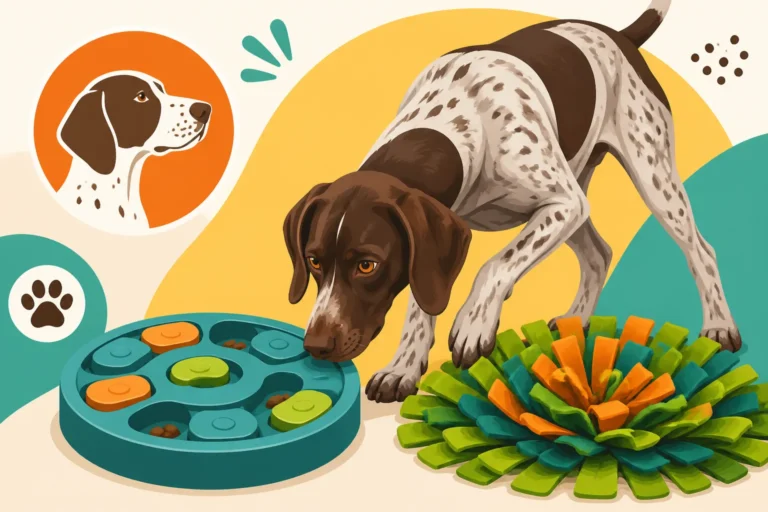
Creating an enriching environment is crucial for a GSP's mental well-being. This means providing plenty of opportunities for them to use their natural instincts in constructive ways. Scent games, where they have to hunt for hidden treats, can be incredibly satisfying and mentally tiring. Puzzle feeders, which make them work for their meals, can also slow down eating and provide engagement. You can find a wide variety of these on platforms like Amazon, from simple snuffle mats to complex treat-dispensing toys. These types of activities provide a healthy outlet for their intelligence and energy, reducing boredom-induced stress.
It’s also essential to provide your GSP with a designated "safe space" where they can retreat when they feel overwhelmed. This might be a crate, a cozy bed in a quiet corner, or even a specific room that's off-limits to children or other pets when your GSP needs alone time. Teach them that this space is their sanctuary, a place where they won't be bothered. This sense of having control over their own space can significantly reduce stress, especially in busy households or when guests visit. For puppies, programs like BAXTER & Bella can help establish positive associations with their crate and quiet time from an early age, building a foundation for coping with future stressors.
Training for Confidence and Connection
Consistent, positive reinforcement training is not just about obedience; it's about building confidence in your GSP and strengthening your bond with them. A dog that understands what's expected of them and trusts their handler feels more secure. Focus on positive training methods that reward desired behaviors, rather than punishing unwanted ones. Punitive methods can actually increase stress and damage your relationship. For a sensitive breed like the GSP, it's particularly important to avoid methods that might cause them to A Shorthair That Shuts Down Under Pressure or become fearful.
Basic obedience commands, advanced tricks, or even participating in dog sports like agility or scent work can provide valuable mental exercise and a sense of purpose. Always aim for short, engaging training sessions that end on a positive note. Remember, a GSP's brain is always whirring, and giving it a constructive task to focus on can be incredibly stress-reducing. Programs that emphasize positive training and clear communication, like some online modules available from BAXTER & Bella, can be immensely helpful in guiding you through this process effectively.
Addressing Specific Stressors and Seeking Professional Help
If you've identified specific triggers for your GSP's stress, such as loud noises, being left alone, or new environments, work on desensitizing and counter-conditioning them to these situations gradually. For example, if your GSP struggles with separation anxiety and A Shorthair That Panics Alone in the House, slowly build up the time they are left alone, starting with just a few minutes. Make sure their "alone time" is associated with positive things, like a favorite long-lasting chew toy or a puzzle feeder. Building a Shorthair's Tolerance for Being Alone takes time and patience.
For persistent or severe stress behaviors, especially those involving self-mutilation or aggression, don't hesitate to seek professional help. A certified professional dog trainer, a veterinary behaviorist, or a canine behavior consultant can help you develop a tailored plan to address your GSP's specific needs. They can assess the situation, rule out any underlying medical conditions, and provide guidance on behavior modification techniques, environmental adjustments, and, if necessary, medication to help manage anxiety. Sometimes, the stress signals you're seeing could be related to developmental phases, like The Adolescent Shorthair That Stops Listening, where professional guidance can be invaluable. Getting help early can prevent minor issues from escalating into major problems, ensuring your German Shorthaired Pointer can live a happy, confident, and stress-free life by your side.
Disclaimer
This article is for general informational purposes only and does not constitute professional advice. Laws, prices and regulations vary by location and change over time. Consult a qualified professional for guidance on your specific situation.