The Age a Shorthair Is Ready for the Natural Ability Test
Bringing home a spirited German Shorthaired Pointer puppy is an exciting journey, and for many, the dream of seeing them work in the field is a powerful motivator. You’re eager to tap into those incredible instincts, but the question of when to start them on official tests, like the Natural Ability (NA) test, can feel like a big hurdle. It’s easy to get caught up in the timelines, worrying if you're too early, too late, or if you're doing everything right. This guide will walk you through the ideal age window for the NAVHDA Natural Ability Test, what it evaluates, and how you can best prepare your Shorthair without pushing them too hard.
Understanding the NAVHDA Natural Ability Test for German Shorthaired Pointers
The North American Versatile Hunting Dog Association (NAVHDA) Natural Ability Test is designed to evaluate the inherent hunting instincts of young versatile hunting dogs, including our beloved German Shorthaired Pointers. It's not about how polished your dog's retrieve is or how steady they are to wing and shot; it's about seeing if they have the raw talent and desire that can later be molded into a fantastic hunting companion. Many first-time owners feel a lot of pressure, imagining their pup needs to be a finished product, but that's truly not the case for the NA test. It's truly a test of potential.
What the Natural Ability Test Seeks to Evaluate
The NA test looks at six core areas, often referred to as "components." Think of them as the building blocks of a great versatile hunting dog. The judges aren't looking for perfection, but rather the spark and the potential. They want to see that natural inclination without excessive training interfering.
First, there's Nose. Does your Shorthair use its nose effectively to find birds, or is it just crashing through cover haphazardly? A good nose is paramount for a bird dog. Then comes Search, which assesses how diligently and intelligently your dog covers the field. Are they actively seeking game, or are they just running around aimlessly? A GSP should naturally quarter and try to find birds.
Pointing is, of course, a hallmark of the breed. The judges want to see if your pup naturally locks up on scent, holding that statuesque pose that tells you birds are near. This isn't a "whoa" command; it's an instinctual freeze. After that, they evaluate Tracking — the dog's ability to follow a scent trail on the ground, often for a bird that has been downed or is attempting to escape.
Finally, two critical components wrap it up: Desire to Work and Cooperation. Desire measures how enthusiastic and persistent your dog is, how much they want to find and work birds. Cooperation looks at how willing your dog is to work with you, even if they haven't had much formal training. It's about that innate bond and willingness to be a team. You can find a deeper dive into how these elements are scored in What the Natural Ability Test Scores on a Shorthair.
Why Early Exposure to Natural Ability Concepts Matters
Even though the NA test assesses natural ability, that doesn't mean you should keep your puppy in a bubble until test day. Quite the opposite! Gentle, positive exposure to the concepts they'll encounter can significantly build their confidence and reinforce those natural instincts. This isn't formal training, but rather supervised playtime and exploration.
Think about it this way: a child might have natural artistic talent, but if they never see crayons or paper, how will they know? For a Shorthair puppy, this means introducing them to birds in a positive way. Letting them investigate a clipped-wing pigeon in a controlled environment can spark their prey drive and pointing instinct without any pressure. Simply letting them explore different types of cover – tall grass, light woods – can encourage their natural search pattern. Introducing them to water on a warm day, making it a fun experience, builds their comfort and eagerness for water work later. This foundation of positive experiences sets the stage for them to shine when their natural abilities are formally evaluated. Starting with things like Wing on a String for a Shorthair Puppy can be a fantastic way to gently introduce them to birds.
Identifying the Optimal Age for the Natural Ability Test
One of the most common questions I hear from German Shorthaired Pointer owners is, "When exactly should I test my dog?" It's a valid concern, because timing truly can impact your dog's performance and the overall experience. While there's a set window, understanding the 'why' behind it, and also recognizing your individual dog's readiness, is crucial.
The Official Age Window and Its Rationale
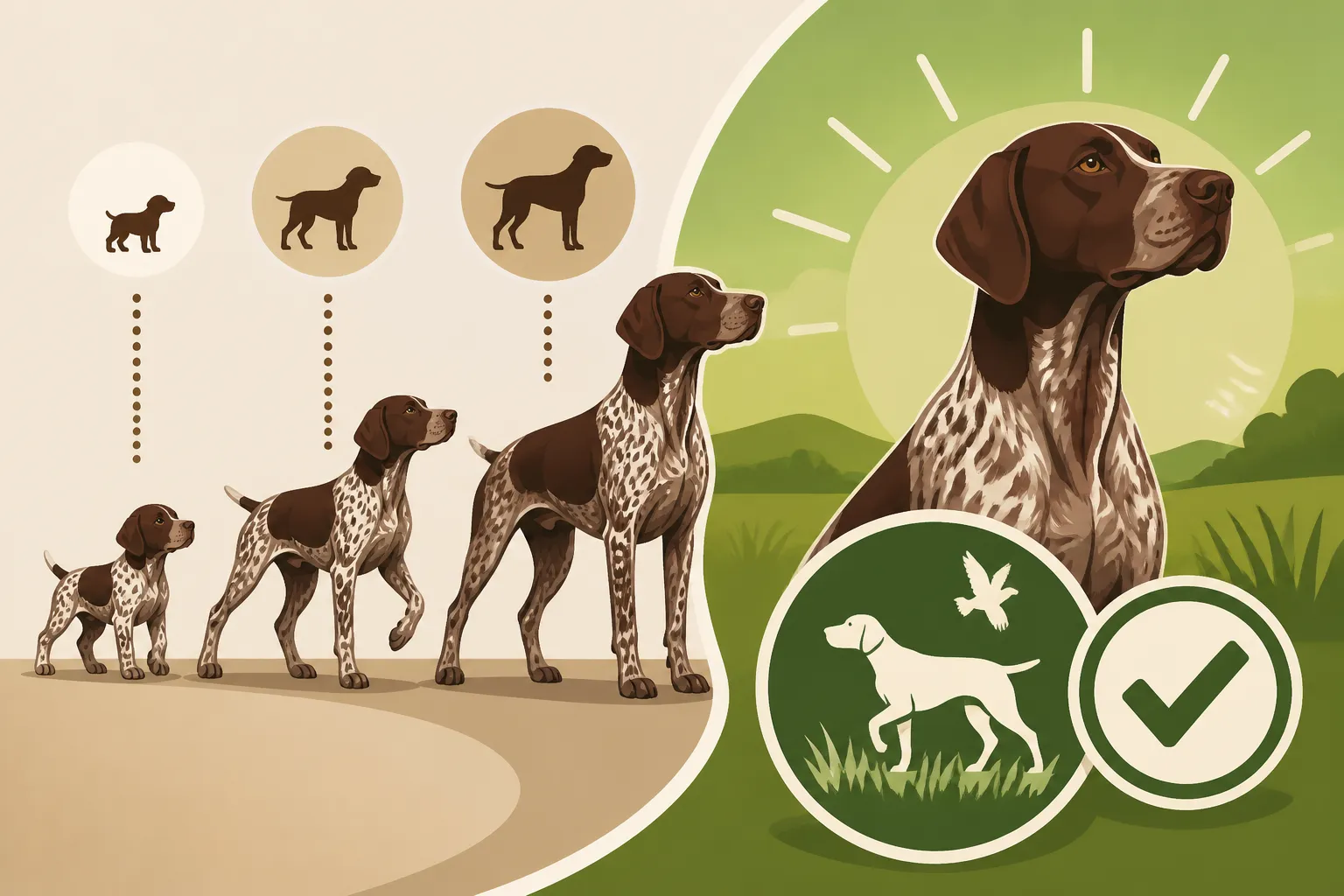
NAVHDA is very clear about the age requirement for the Natural Ability Test: puppies must be between six and sixteen months old on the day of the test. This window isn't arbitrary; it's carefully chosen to capture the dog at a stage when their natural instincts are typically strong and unclouded by extensive formal training.
At six months, many Shorthair puppies are starting to truly come into their own. Their bodies are developing, they have more stamina, and their curious, confident nature often pushes them to explore and engage with their environment. Their bird drive is usually kicking in, and you'll likely see those first natural points. Testing a puppy much younger than six months often means they're not physically or mentally mature enough to truly show their full potential across all six components.
On the other end, the sixteen-month cutoff aims to prevent dogs from being tested after they've undergone significant formal training. The NA test is, after all, about natural ability. A dog that's been force-fetched, steadied to shot, and extensively handled might perform well, but it might not be a pure reflection of their innate talents. The idea is to see the raw material, not the finished product. Many argue that a dog tested closer to the six to ten month range often presents a truer picture of their instincts because they haven't had as much time to be influenced by complex training regimens. However, there's a strong argument for testing closer to the 12-16 month mark for a dog that might be a bit more reserved, allowing them more time to mature and build confidence.
Let's look at some of the considerations for testing within this window:
| Age Range for NA Test | Potential Advantages | Potential Disadvantages |
|---|---|---|
| 6-10 Months Old | Purer expression of natural instincts; less influence from formal training. Dog is typically full of raw enthusiasm. | May lack physical stamina for the full test; can be easily distracted; some pups are still very puppy-brained. |
| 11-16 Months Old | More physical maturity and stamina; greater focus and confidence; often more "put together" mentally. | May have picked up some "bad habits" or become too reliant on handler; risk of over-training impacting natural display. |
Beyond Age: Signs Your Shorthair is Truly Ready
While the age window is non-negotiable, it's equally important to gauge your individual Shorthair's readiness. Every dog is different, even within the same litter. Some German Shorthaired Pointers mature faster, both physically and mentally, while others need a bit more time. Don't feel pressured to test early if your dog isn't showing the right signs.
Here’s what to look for that goes beyond the calendar age:
- Confidence and Curiosity: Does your pup confidently explore new environments? Are they curious about new sights, sounds, and smells? A hesitant, shy, or easily overwhelmed dog might struggle to perform well under test conditions, which include new places, new people (judges), and new birds.
- Birdiness: This is perhaps the most critical sign. Is your Shorthair showing a strong interest in birds? Do they get excited by the scent of a pigeon? Do they naturally point or show intense focus when they locate a bird? If your dog seems indifferent to birds, they might not be ready.
- Desire to Engage: Does your dog show a strong desire to work with you and engage with the environment? This isn't about perfect obedience, but a general eagerness to participate and explore. A dog that would rather sniff the same patch of grass for twenty minutes might not be displaying the "desire to work" needed.
- Resilience: Test day can be a little overwhelming. Dogs need to be able to bounce back from minor distractions or frustrations. A pup that shuts down completely if something doesn't go their way might need more time to build mental toughness.
Remember, you're looking for a foundation of instinct, not a perfectly behaved hunting machine. If you're seeing these signs, your Shorthair is likely on the right track, regardless of whether they're 8 months or 14 months old. The goal is a positive experience that sets them up for future success.
Preparing Your German Shorthaired Pointer for the NA Test
So, you've got your energetic German Shorthaired Pointer puppy, and you're thinking about the Natural Ability Test. The key here is preparation, not formal training in the traditional sense. The NAVHDA NA test is designed to evaluate inherent instincts, so your job is to gently foster those instincts, build confidence, and ensure your pup has positive experiences without introducing too much pressure or unwanted commands.
Gentle Introduction to Core Elements
The best way to prepare your Shorthair is through a series of positive, low-pressure exposures to the elements they'll encounter during the test. Think of it as enriching their world in a way that aligns with their natural abilities.
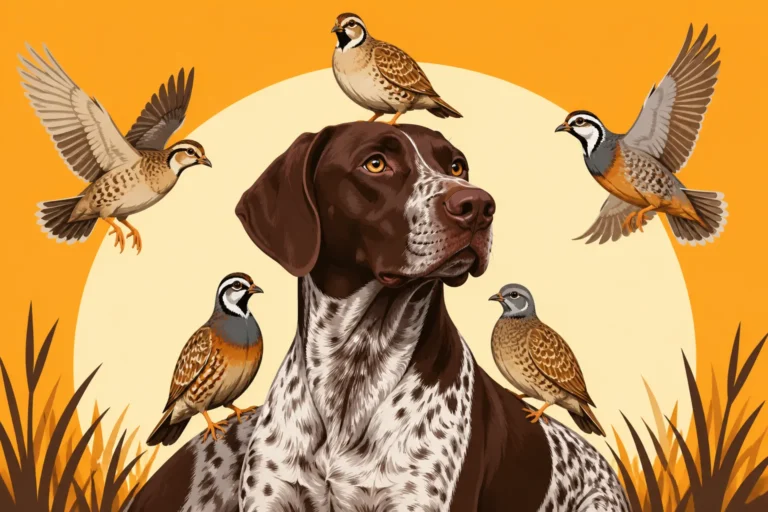
Start with birds. You don't need wild pheasants right away. Clipped-wing pigeons or quail in a controlled field, allowing your pup to find them and point naturally, is ideal. Let them chase a bit, get excited, and engage with the bird. This builds their prey drive and pointing instinct. Remember that The First Live Bird for a German Shorthaired Pointer should always be a positive, low-pressure encounter.
Next, water. If your Shorthair has never been introduced to water, test day is not the time for a first swim. Find a shallow, calm body of water on a warm day and make it a fun experience. Throw a favorite toy just barely into the water, then gradually further out. You want them to associate water with enjoyment, not a scary or forced event. Many Shorthairs take to water like ducks, but some need encouragement.
Varied cover is also important. Let your pup run through tall grass, light woods, and open fields. This helps them learn to use their nose in different environments and develop their natural search pattern. Don't guide them too much; let them explore and figure it out on their own.
While the NA test isn't about obedience, some foundational skills are helpful for management. A reliable recall is always a must, as is a basic "whoa" command, even if it's just a momentary pause. We talk more about this in The Age a Shorthair Puppy Starts Whoa. These aren't to be used as corrections on test day, but rather as tools for keeping your dog safe and manageable during preparation. Resources like BAXTER & Bella offer online puppy programs that focus on positive, foundational training methods that can complement this kind of gentle exposure, helping you build a strong relationship with your pup without stifling their natural instincts.
Avoiding Common Pitfalls Before the Test
This is where many enthusiastic new owners stumble. The desire to have a "perfect" dog can lead to over-training, which can actually hinder a good NA score.
The biggest pitfall is introducing too much pressure too soon. Remember, you're testing natural ability. If you force your dog to hold a point for too long, or constantly correct their retrieves, they might become hesitant, lose confidence, or simply shut down. The test environment can already be a little stressful for a young dog, and adding previous negative experiences to that can be detrimental.
Another common mistake is improper gun introduction. A Shorthair needs to be acclimated to gunshots gradually and positively. If done incorrectly, you risk creating a gun-shy dog, which is a serious setback for any hunting dog. Always introduce gun sounds from a distance, paired with a positive experience like feeding or play, and gradually decrease the distance. Never fire a gun near a dog that isn't focused on something else positive. Building a Shorthair's Gun Tolerance From a Distance offers excellent advice on this. The NA test involves a blank pistol, and if your dog is gun-shy, it will impact their desire and cooperation scores significantly.
Finally, avoid making test components into formal commands. For example, don't teach your dog to "point." Let them point naturally. If you've spent months commanding them to stay on point, their performance might look more like obedience than instinct, which the judges can discern. The idea is to let them be a German Shorthaired Pointer.
Practical Steps and Resources for Owners
So, you've got a birdy, confident pup and you're ready to take the plunge. Here are some practical steps to get you ready:
- Find Your Local NAVHDA Chapter: This is probably the most important step. NAVHDA chapters are invaluable resources. They host training days, offer mentorship, and organize tests. Attending training days allows your dog to experience a simulated test environment, meet other dogs, and get comfortable with the sights and sounds without the pressure of an official test. Many chapters have experienced handlers who can offer gentle guidance. You can find information about NAVHDA Dues for a Shorthair Owner and What Entering a Shorthair in a NAVHDA Test Costs through your local chapter.
- Gather Basic Gear: You'll need a good quality check cord and a whistle. A check cord, easily found on platforms like Amazon, allows you to maintain control during training exposures without stifling your dog's movement or natural search. A whistle can be used for recall and to encourage them to range, should that become part of your long-term training goals. Don't forget plenty of water and a bowl for test day!
- Practice Gentle Exposure: Continue those positive bird and water introductions. Get your dog comfortable with car rides to new places and spending time in unfamiliar fields. The more positive experiences they have in varied environments, the more confident they'll be on test day.
- Consider a Mentor: Many NAVHDA chapters have experienced members willing to mentor new handlers. A mentor can offer personalized advice, help you read your dog's body language, and guide you on when your Shorthair is truly ready. They often have access to birds and training grounds.
Remember, the journey is just as important as the destination. Enjoy watching your GSP's natural abilities unfold.
What to Expect on Test Day and Beyond
The day of the Natural Ability Test can bring a mix of excitement and nerves. It's a significant milestone in your Shorthair's development, but it's important to approach it with the right mindset – for both you and your dog.
The Test Day Experience
When you arrive at a NAVHDA Natural Ability Test, you'll typically check in, receive your brace number, and attend a brief handler's meeting. Judges will explain the procedures, and you'll likely see a variety of young versatile hunting dogs, from German Shorthaired Pointers to Wirehairs and Vizslas. The atmosphere is generally supportive and educational, not intensely competitive.
Each brace usually consists of two dogs, though they are tested individually. You and your Shorthair will head out to the field with the judges. The test typically begins with the field search, where judges observe your dog's nose, search pattern, and desire as they independently work for birds. Your role is primarily to release your dog, stay quiet, and let them do their thing. The judges are looking for natural hunting drive, not how well your dog heeds your commands in the field.
After the field work, there's a gun introduction (a blank pistol shot from a distance to observe their reaction, not a shot at a bird) and typically a water portion where your dog is encouraged to enter water and retrieve. Again, the emphasis is on natural inclination and desire. Throughout the day, judges are assessing those six components we discussed earlier. Your task is to provide minimal interference, letting your dog showcase their innate talents.
Interpreting Your Shorthair's Score
Once all dogs have completed their tests, the judges will deliberate and announce the results. The NA test isn't a pass/fail scenario in the traditional sense. Instead, dogs receive a score based on their performance in each of the six components (Nose, Search, Pointing, Tracking, Desire to Work, Cooperation), which then culminates in an overall "Prize" ranking.
- Prize I (Maximum Score): This indicates an excellent demonstration of natural abilities. These dogs show strong instincts across the board.
- Prize II (Good Score): Dogs earning a Prize II show good natural abilities, perhaps excelling in some areas and needing a bit more development in others.
- Prize III (Satisfactory Score): A Prize III means the dog showed satisfactory natural abilities, demonstrating enough potential to continue training, but perhaps with some weaknesses in certain areas.
- No Prize (Not Sufficient): This means the dog did not demonstrate sufficient natural abilities in enough areas to earn a prize. This isn't a condemnation of the dog, but rather an indication that perhaps more exposure or a different approach to fostering those instincts is needed, or that they simply aren't suited for versatile hunting dog work.
Regardless of the prize level, the judges will provide feedback on each component, which is incredibly valuable. This feedback can help guide your future training and development, highlighting areas where your Shorthair excels and where they might need a bit more focus. It’s also important to remember that a "No Prize" isn't a failure, it just means you have more information to help you understand your dog better. Don't be discouraged! Many wonderful hunting dogs didn't score a Prize I in NA. It’s a starting point, not the end of the line. For more detailed information, look up What NA, UPT and UT Mean on a Shorthair Pedigree.
Continuing Your Shorthair's Development
The Natural Ability Test is just the beginning of your journey with your German Shorthaired Pointer. Whether your dog earned a Prize I or a No Prize, the experience provides crucial insights into their natural talents.
If your Shorthair showed strong natural ability, you can now build upon that foundation with more formal training. This might include developing a more consistent retrieve, steadying them to wing and shot, and teaching advanced handling skills. This is where you might start looking into Preparing a Shorthair for the Utility Preparatory Test if you plan to continue through the NAVHDA testing system. You'll continue to work on building a solid relationship and ensuring they have plenty of opportunities to exercise their minds and bodies.
Even if your dog didn't perform as you hoped, the NA test provides valuable information. It might mean focusing more on building confidence, introducing birds in even more positive and controlled ways, or simply giving your dog more time to mature. Not every German Shorthaired Pointer is destined to be a high-powered hunting machine, and that's perfectly okay. Many thrive as active family companions who still enjoy exploring the outdoors with their humans.
The most important thing is to continue providing your German Shorthaired Pointer with consistent exercise, mental stimulation, and a clear daily structure. The Structure a German Shorthaired Pointer Needs Daily is vital for this high-energy breed, regardless of their performance in a test. Regular veterinary check-ups are also crucial to ensure your hunting companion stays in top form; consider reviewing The Vet Schedule a Working Shorthair Should Keep for guidance. The bond you build through these shared experiences, whether training for tests or simply enjoying hikes, is truly what matters most.
Disclaimer
This article is for general informational purposes only and does not constitute professional advice. Laws, prices and regulations vary by location and change over time. Consult a qualified professional for guidance on your specific situation.