What Entering a Shorthair in a NAVHDA Test Costs
Navigating the world of versatile dog organizations can feel like stepping into a financial maze, especially when you're excited to see your German Shorthaired Pointer shine in the field but aren't entirely sure what the investment truly looks like. Many aspiring owners and seasoned veterans alike fret over the costs associated with entering their beloved shorthairs into tests like those offered by NAVHDA. This guide is here to break down the expenses you can realistically expect when preparing and submitting your GSP for a NAVHDA test, helping you budget wisely and focus on the joy of the journey with your four-legged hunting partner.
Understanding NAVHDA Test Fees The Basics
When you first consider entering a German Shorthaired Pointer into a NAVHDA test, the most obvious costs are the official fees. These aren't just a simple flat rate; they're usually a combination of membership requirements, the specific test level you're aiming for, and sometimes even local chapter surcharges. It's easy to overlook some of these foundational elements, but understanding them is the first step toward a realistic budget.
Membership Requirements and Annual Dues
Before your German Shorthaired Pointer can even sniff a test bird under the NAVHDA banner, you, as the handler and owner, generally need to be a member of the organization. This isn't just a formality; it's what grants you access to their testing system, their rules, and the network of dedicated individuals who make these events possible. Think of it as your pass into the club.
These memberships typically come with an annual fee, which can vary slightly depending on whether you opt for an individual membership or a family membership if you have other household members participating. This isn't a one-and-done payment; it's an ongoing commitment that supports the organization's mission to foster and improve versatile hunting dogs. When planning your yearly dog expenses, remember to factor in these recurring dues alongside things like food and vet visits. More details on this specific expense can be found in our article on NAVHDA Dues for a Shorthair Owner.
Test Entry Fees by Level
Once you're a member, you'll encounter the core of the testing costs: the entry fees for each specific test level. NAVHDA offers a progression of tests designed to evaluate a German Shorthaired Pointer's natural abilities and trained skills, and each level comes with its own price tag. The Natural Ability (NA) test, often the first step for young German Shorthaired Pointers, typically has a lower entry fee compared to the more advanced Utility Preparatory Test (UPT) and Utility Test (UT).
The cost generally scales with the complexity and duration of the test. Higher-level tests require more judges, more birds, and more intricate setups, which naturally translates to a higher fee. If your goal is to achieve titles like Versatile Champion (VC) or participate in the Invitational, prepare for entry fees that reflect the prestige and rigor of these ultimate challenges. It's crucial to consult the official NAVHDA website or your local chapter's test premium (the detailed announcement of an upcoming test) for the most current figures, as these can shift over time.
Chapter Specific Surcharges and Expenses
While NAVHDA sets the base entry fees, many local chapters, which are the boots on the ground organizing these events, will add their own surcharges. These aren't hidden fees meant to surprise you; they're essential contributions that help cover the chapter's operational costs for that specific test. Running a successful field test is a significant undertaking, and these funds go directly towards making it happen.
These surcharges can cover a multitude of expenses, such as the purchase of live birds (like pigeons, quail, or chukar), rental fees for the expansive fields needed for testing, travel and lodging expenses for judges, and even incidentals like ribbons, score sheets, and water for the dogs. Because these costs vary greatly depending on the chapter's location, the availability of land, and the price of birds in their region, what you pay in Nebraska might be different from what you pay in New York. Always check with the organizing chapter for a precise breakdown of the total cost for the test you plan to enter.
Beyond the Entry Fee The Hidden Costs of NAVHDA Tests
It's easy to focus solely on the listed test entry fees, but savvy German Shorthaired Pointer owners know that these are just the tip of the iceberg. The true cost of participating in NAVHDA tests extends far beyond the paper you sign and the check you write for the entry itself. Overlooking these "hidden" expenses can quickly derail your budget and add unexpected stress to your journey.
Travel and Accommodation Expenses
Unless you're incredibly lucky and a NAVHDA test is being held in your own backyard, you're almost certainly going to incur travel expenses. These can quickly add up, especially if you're attending a test a few hours or even a full day's drive away. Factor in the cost of fuel for your vehicle, which can fluctuate. If the test is a multi-day event or far from home, you'll need to consider accommodation.
Camping can be a cost-effective option for many handlers, offering a camaraderie unique to the hunting dog community, but you still have gear investments for that. Hotels or motels, especially those that are dog-friendly, will add significantly to your budget. Don't forget the cost of your own meals and any special dietary needs for your German Shorthaired Pointer while on the road. A little planning here, like carpooling with another handler or packing your own food, can make a big difference.
Training and Conditioning Expenses
The test day is merely the culmination of months, if not years, of dedicated training and conditioning. This preparation phase is where a significant portion of your investment goes. For many German Shorthaired Pointer owners, this means purchasing birds, whether live pigeons for pointing work or pheasants for more advanced retrieving. The cost of live birds, especially if you're training frequently, can be substantial. For owners who are new to training or want to refine their dog's skills, hiring a professional trainer is an excellent option, but it comes with its own fees. You can learn more about these specific costs in our article, What a Pro Trainer Charges to Start a Shorthair on Birds.
Beyond formal training, keeping your German Shorthaired Pointer in peak physical condition for the demands of the field requires consistent effort. This might involve long runs, conditioning exercises, and specific equipment. It's an ongoing investment in your dog's athletic performance, ensuring they can handle the physical challenges of a test day without injury or exhaustion. The better conditioned and trained your shorthair is, the higher their chances of success, potentially saving you the cost of re-entering tests due to unpreparedness.
Gear and Equipment Investments
Participating in NAVHDA tests and training for them requires a certain amount of specialized gear. While you might already have some basic items, you'll likely find yourself investing in purpose-built equipment. An electronic collar, for instance, is a critical training tool for many handlers, allowing for long-range communication and reinforcement in the field. There's a wide range of options, and a quality, reliable e-collar designed for a running German Shorthaired Pointer is a smart investment. We delve deeper into this topic in E-Collars Built for a Running German Shorthaired Pointer.
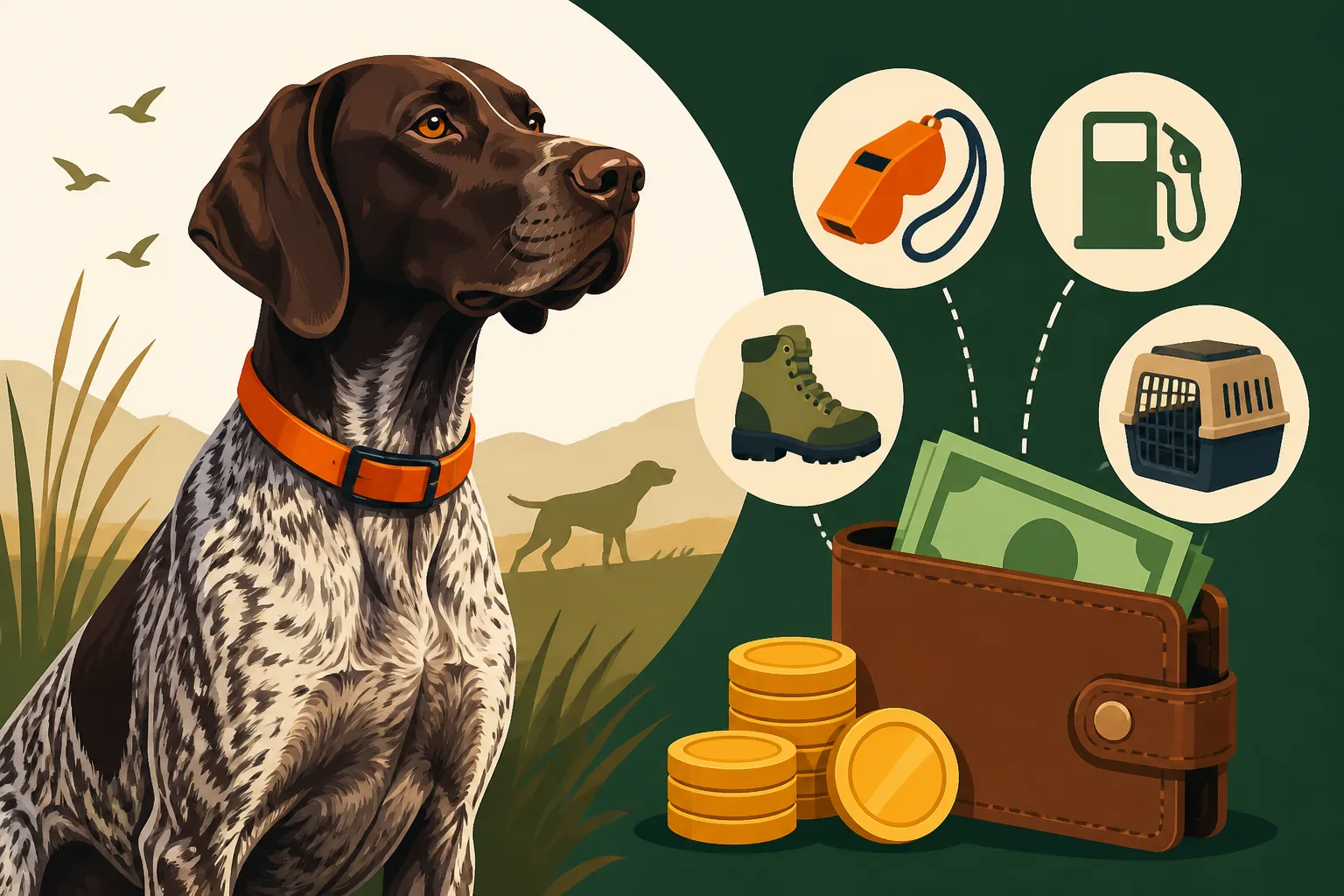
Other essential items include a good GPS tracking collar, vital for knowing your dog's whereabouts in vast testing fields, sturdy crates or dog boxes for safe travel and containment, and protective vests or boots, especially if your shorthair will be working in dense cover or harsh terrain. The initial outlay for these items can seem high, but they are crucial for your dog's safety, your peace of mind, and overall success in the field. You can find more specific advice on appropriate gear in our post on Vests and Boots for a Hunting German Shorthaired Pointer.
Health and Veterinary Costs Related to Testing
A German Shorthaired Pointer that competes in NAVHDA tests is essentially an athlete, and like any athlete, they require specific health considerations. Ignoring these aspects can not only compromise their performance and well-being but also lead to unexpected veterinary bills that dwarf the initial test entry fees. Proactive health management is an investment, not an expense, when you have a working dog.
Pre-Test Health Clearances and Vaccinations
Before you even consider attending a NAVHDA test, ensuring your German Shorthaired Pointer is in prime health and up-to-date on all necessary vaccinations is paramount. Many test-giving organizations, including NAVHDA, require proof of current rabies vaccinations, and it's wise to ensure your dog is also protected against distemper, parvovirus, adenovirus, and leptospirosis, especially given the exposure to other dogs and varied environments. It's also a good idea to discuss any region-specific concerns with your vet, such as Lyme disease or Ehrlichia, and ensure appropriate preventative measures are in place.
Furthermore, a general health check-up with your veterinarian prior to any strenuous activity like a field test can catch underlying issues before they become serious problems. This includes checking for any lameness, listening to their heart and lungs, and ensuring they are at a healthy weight and body condition for the demands ahead. A healthy dog not only performs better but also significantly reduces the risk of injury or illness on test day, potentially saving you the heartache and cost of an emergency vet visit. For a broader overview of required health checks, you may want to consult The Vet Schedule a Working Shorthair Should Keep.
Injury Prevention and Emergency Preparedness
The nature of field work, with its running through heavy cover, jumping obstacles, and encountering varied terrain, inevitably carries a risk of injury. German Shorthaired Pointers are tough, but even the most robust dog can suffer cuts, scrapes, pad injuries, or even more serious sprains or tears. Being prepared for these eventualities is a crucial part of budgeting for NAVHDA participation. This means having a comprehensive first aid kit specifically for dogs, knowing basic canine first aid, and identifying the nearest veterinary emergency clinic to the test site.
Consider pet insurance as a vital safety net. Companies like Healthy Paws offer coverage that can significantly alleviate the financial burden of unexpected accidents or illnesses that can arise from field activities. While not every policy covers every type of incident, having a plan in place for unforeseen veterinary emergencies, such as a torn cruciate or an ingested foxtail, can be a game-changer. Our article, Whether a Policy Covers a Shorthair's Hunting Injuries, offers more insight into this. When you are looking at Emergency Fees for a Shorthair Cut Open in the Field, you’ll quickly realize how valuable that peace of mind can be.
Nutritional Support for a Working Dog
The caloric demands of a German Shorthaired Pointer preparing for and competing in a NAVHDA test are far greater than those of a couch potato pet. Your dog needs a high-quality diet specifically formulated for active, working dogs to sustain their energy levels, support muscle recovery, and maintain a healthy coat and immune system. This often means investing in premium kibble with higher protein and fat content. Brands available through retailers like Chewy often provide performance-oriented formulas that cater to these specific needs.
Beyond the base diet, many handlers choose to incorporate supplements to support joint health, especially given the impact on a GSP's joints from constant running and jumping. Glucosamine, chondroitin, and omega-3 fatty acids are common additions. Electrolytes can also be crucial for hydration during intense training sessions or on hot test days. Services like Ollie, which provide fresh, custom-portioned meals, can also be considered for optimal nutrition, though these often represent a higher price point. Remember, investing in good nutrition is an investment in your dog's performance and long-term health, helping to prevent issues down the line. We delve into this in more detail in The Monthly Food Bill for a Hard Working Shorthair and Joint Supplements for a Hunting German Shorthaired Pointer.
Maximizing Your Investment and Budgeting for Success
Now that we’ve laid out the various costs associated with NAVHDA testing, let’s talk about how to make the most of your investment and approach your budget strategically. It’s not just about spending money; it’s about spending it wisely to achieve your goals with your German Shorthaired Pointer and ensure a positive experience for both of you. Thoughtful planning can save you headaches and cash in the long run.
Strategic Test Entry and Progression
One of the biggest financial mistakes handlers make is rushing their German Shorthaired Pointer into a test before the dog is truly ready. This often leads to needing to re-enter the test, effectively doubling or tripling the entry fee and the associated travel costs. Take your time. Ensure your shorthair has a solid foundation in the core skills required for the Natural Ability test, such as searching, pointing, and retrieving, before even considering signing up. For the Utility Preparatory and Utility Tests, make sure advanced concepts like steadying to wing and shot, retrieve to hand, and honoring another dog's point are rock-solid.
Attend local training days and practice sessions offered by your NAVHDA chapter. These are invaluable opportunities to gauge your dog's readiness in a simulated test environment without the pressure or cost of an official entry. Observe other dogs, talk to experienced handlers, and get honest feedback on your GSP's performance. Entering a test confidently, knowing your dog is prepared, is the best way to secure a passing score on the first attempt and maximize the value of your entry fee. Understanding when to apply that foundational training like Building Whoa on a Shorthair With a Check Cord is key.
Cost-Saving Strategies for Training
Training a German Shorthaired Pointer for NAVHDA can be expensive, especially when it comes to live birds. However, there are smart ways to reduce these costs without compromising the quality of your dog's education. One excellent strategy is to pool resources with other handlers. Buying birds in bulk with a training group can often lead to discounts, and sharing the cost of field rentals or even a professional trainer for a group session can significantly reduce individual expenses. Starting with less expensive birds like pigeons for initial pointing work, as detailed in The First Live Bird for a German Shorthaired Pointer, can also be a good approach.
DIY training setups can also save money. Instead of paying for a preserve every time, explore public lands where training might be permitted, or work with sympathetic landowners. Investing in your own bird launchers or remote release systems can also be a long-term saving, allowing you to train on your own schedule without needing to pay for a preserve's equipment or staff. Smart use of dummy retrieves and scent articles can also reinforce skills without the constant need for live birds.
Utilizing Resources and Community Support
Your local NAVHDA chapter is an incredible resource, not just for tests, but for ongoing support and camaraderie that can help manage costs. These chapters often organize regular training days where members can bring their dogs, utilize chapter-owned equipment, and benefit from the collective knowledge and experience of seasoned handlers—often for a minimal fee, if any. This community aspect is one of the most valuable, often overlooked, benefits of NAVHDA membership.
Don't be afraid to ask for advice. Experienced members are usually eager to help newcomers, sharing tips on everything from where to find affordable training birds to the best dog-friendly accommodations near upcoming test sites. Carpooling to tests, sharing hotel rooms, or even splitting the cost of bulk purchases for training supplies can make the financial commitment much more manageable. The collective wisdom and shared resources of the NAVHDA community can be your best allies in navigating the costs of testing your German Shorthaired Pointer. Another piece of gear that can be invaluable, which might be a shared resource or a smart purchase, is a robust What a GPS Tracking Collar Costs a Shorthair Owner.
Here's a table summarizing general cost categories:
| Cost Category | Description | Typical Frequency | Impact on Budget |
|---|---|---|---|
| NAVHDA Membership Dues | Required annual fee for the owner/handler | Annually | Moderate |
| Test Entry Fees | Per-dog fee for Natural Ability, UPT, Utility, etc. | Per test | Moderate to High |
| Chapter Surcharges | Local chapter fees for birds, field rental, judges' expenses | Per test | Moderate |
| Travel (Fuel) | Gas for driving to test locations and training grounds | Ongoing | Moderate to High |
| Accommodation | Hotels, camping fees for multi-day or distant tests | Per distant test | Moderate to High |
| Training Birds | Purchase of pigeons, quail, chukar for practice | Ongoing (as needed) | Moderate to High |
| Professional Training | Hiring a trainer for specific skills or overall conditioning | Per session/program | High |
| E-Collar/GPS Collar | Essential communication and tracking tools for field work | One-time (initially) | Moderate |
| Dog Boxes/Crates | Safe transport and containment | One-time (initially) | Moderate |
| Protective Gear | Vests, boots, first aid kits for dog's safety | One-time & replenish | Low to Moderate |
| Vet Check-ups/Vaccinations | Pre-test health assessment, required immunizations | Annually/As needed | Low to Moderate |
| Specialized Nutrition/Supplements | High-performance food, joint supplements, electrolytes | Monthly/Ongoing | Moderate |
Disclaimer
This article is for general informational purposes only and does not constitute professional advice. Laws, prices and regulations vary by location and change over time. Consult a qualified professional for guidance on your specific situation.