Emergency Fees for a Shorthair Cut Open in the Field
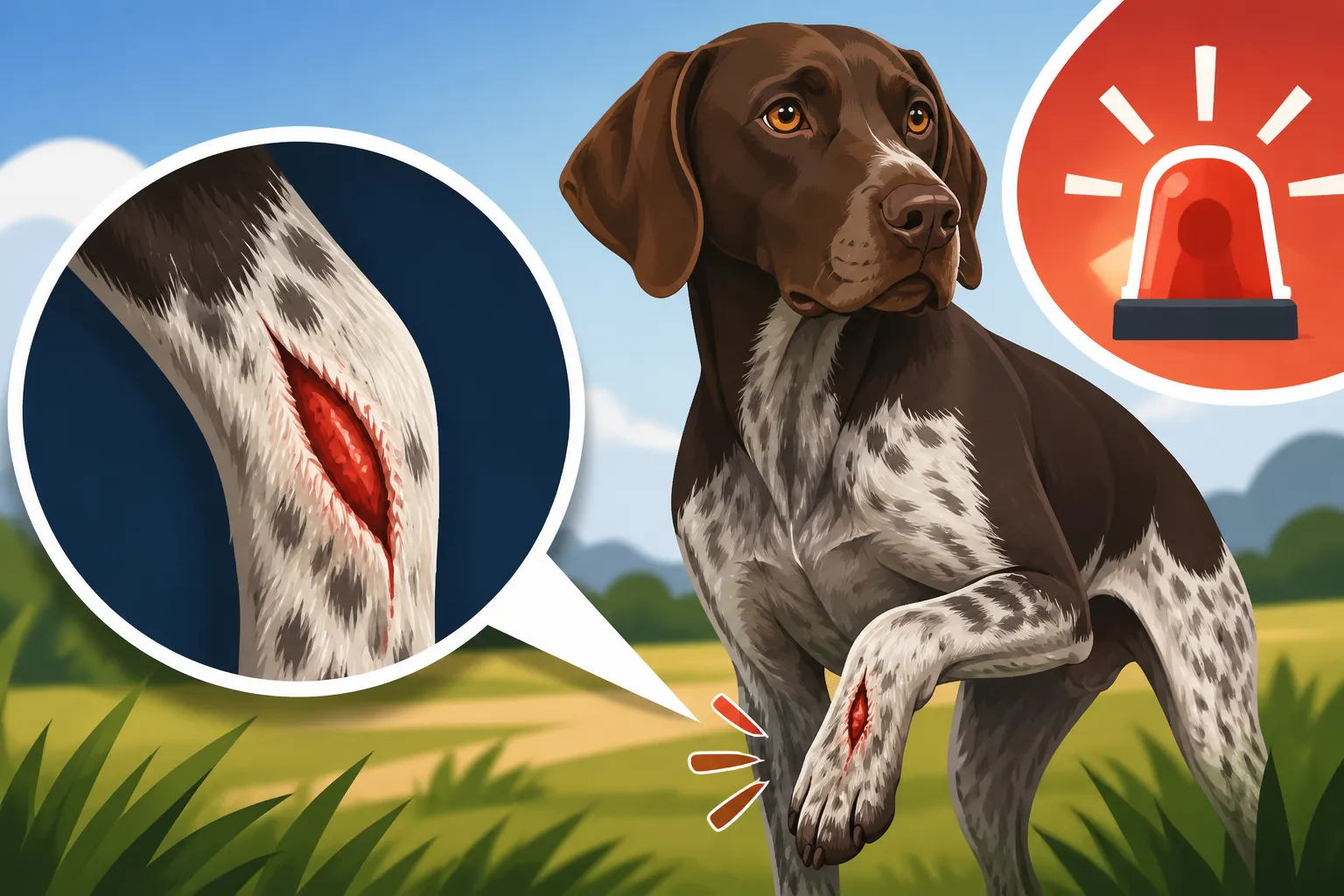
Finding your energetic German Shorthaired Pointer suddenly injured in the field, maybe tangled in barbed wire or sliced by something unseen in heavy cover, is a truly heart-stopping moment. The immediate fear for their well-being is often quickly followed by a wave of anxiety about what kind of veterinary care they’ll need and, let's be honest, what that unexpected bill might look like. This guide will walk you through the realities of emergency veterinary fees when your beloved hunting companion gets cut open in the field, offering insights into what to expect and how to prepare.
The Immediate Aftermath: Assessing and Stabilizing Your Injured Shorthair
It’s a nightmare scenario: you’re out in prime hunting territory, your GSP is working a scent like a champion, and suddenly there’s a yelp, or you notice them limping, blood staining their beautiful short coat. Your mind races, and panic can easily set in. But taking a deep breath and acting quickly and calmly is crucial for your dog's sake.
Initial Field Assessment and Urgent First Aid
The first thing to do is get to your dog safely and assess the situation. Is the wound bleeding profusely? Is it a deep gash, or more of a surface scrape? German Shorthaired Pointers are incredibly tough, and their drive to hunt can sometimes mask pain, so even if they try to keep going, an injury needs immediate attention. Look for the source of the blood. Their short coats make wounds relatively easy to spot, but also offer less protection from thorns, sharp sticks, or barbed wire.
If you find a deep cut, your immediate goal is to control the bleeding. Apply direct pressure to the wound with anything clean you have on hand—a spare bandana, a clean sock, even a piece of your shirt. If you have a basic first aid kit with you (which every hunting GSP owner absolutely should!), use sterile gauze. Don't try to clean the wound extensively in the field; you could do more harm than good. The priority is stopping blood loss and preventing further contamination on the way to the vet. For more severe cuts that require closure, a vet might even opt for Stapling a German Shorthaired Pointer's Field Wound in a pinch if they can't get to a full surgical suite immediately.
Securing and Transporting Your Injured Companion
Once bleeding is somewhat controlled, the next critical step is getting your GSP to veterinary care as quickly and safely as possible. This means securing them to prevent them from moving around too much, which could exacerbate the injury. A sturdy leash and careful handling are paramount. If the wound is on a leg or paw, try to minimize weight bearing. Sometimes, a makeshift sling can help if you have a blanket or jacket available.
Call ahead to your veterinary clinic or an emergency animal hospital if it's after hours. Let them know you're on your way, what happened, and what kind of injury you suspect. This allows them to prepare for your arrival, ensuring staff are ready and a treatment room is available. Remember, time can be of the essence with deep lacerations, especially if they are bleeding heavily or involve vital structures. Navigating rough terrain with an injured dog can be challenging, but doing so calmly and deliberately will help both you and your stressed GSP. Many a hunting companion has come home with Barbed Wire Cuts on a Running Shorthair, reminding us of the hazards they face.
The Veterinary Visit: From Triage to Surgical Repair
Upon arrival at the vet, you’ll likely feel a mix of relief and renewed anxiety. The emergency staff are trained to act swiftly, and their priority will be to stabilize your GSP and assess the full extent of the damage. This process involves several stages, each with its own associated costs.
Emergency Triage, Examination, and Initial Diagnostics
The first thing that happens is triage. The veterinary team will quickly check your GSP's vital signs—heart rate, breathing, gum color, and temperature—and assess their pain level. They’ll get a clearer picture of the wound, often shaving the area to get a good look at the edges and depth. This initial examination is crucial for determining the urgency and the best course of action.
Depending on the nature of the cut, diagnostics might be needed immediately. For example, if there’s a suspicion that a foreign object (like a stick or a piece of wire) is embedded deep within the tissue, or if there’s concern about bone involvement, X-rays will be necessary. In some cases, an ultrasound might be used to check for internal bleeding or damage to organs, especially if the wound is on the torso. Bloodwork is also common to assess for shock, infection, or underlying health issues that could complicate anesthesia or recovery. These diagnostic tools are invaluable but, of course, add to the overall bill. Understanding The Price of Imaging a Shorthair's Abdomen or other areas gives you a clearer picture of potential costs.
Thorough Wound Cleaning and Debridement
This is often where the real work begins. A cut, especially one sustained in a field environment, is almost certainly contaminated with dirt, debris, and bacteria. The wound needs to be meticulously cleaned to prevent infection, which can severely complicate healing and lead to much higher costs down the line.
Often, this cleaning process, known as debridement, will require sedation or even full anesthesia, particularly if the wound is deep, extensive, or located in a sensitive area. The vet will remove any foreign material, trim away damaged or dead tissue (which might not be visible to the naked eye), and thoroughly flush the wound. This step is critical for promoting healthy tissue growth and ensuring the wound can heal properly. Without proper debridement, even a seemingly simple cut can become a raging infection, leading to abscesses, prolonged healing, and the need for more aggressive treatments. This initial cleaning and preparation are foundational to a successful recovery.
Surgical Repair and Post-Operative Care
Once the wound is clean and debrided, the veterinary surgeon will proceed with surgical repair. This involves carefully closing the layers of tissue, including muscle, fascia, and skin, to restore anatomical integrity and promote healing. Deep lacerations might require multiple layers of sutures, and specialized techniques may be used depending on the location and depth of the wound. The goal is to close the wound securely, minimize tension on the stitches, and create an environment where the body can heal itself effectively.
After surgery, your GSP will need post-operative care. This often includes pain management, antibiotics to prevent infection, and sometimes anti-inflammatory medications. Depending on the severity of the injury and the extent of the surgery, an overnight stay or even several days of hospitalization might be necessary for monitoring, especially if there were complications or extensive tissue damage. Just like The Overnight Bill After a Shorthair's Bloat Surgery can add up, any extended stay for monitoring or intensive care will contribute significantly to the total cost. Your vet will provide detailed instructions for at-home care, including wound cleaning, medication administration, and activity restrictions, which are crucial for a smooth recovery and preventing costly setbacks.
The Financial Reality of Field Emergencies
Let’s talk about the elephant in the room: the cost. Emergency veterinary care, especially for surgical repairs, can be a significant financial burden. It’s a sad truth that while our love for our dogs is boundless, our wallets often are not. Understanding what drives these costs can help you manage expectations and plan.
Factors Influencing Emergency Veterinary Fees
The total bill for a field injury can vary widely based on several factors:
- Severity of the Wound: A superficial cut requiring a few stitches will obviously cost less than a deep laceration that involves muscle damage, nerve damage, or penetrates a body cavity.
- Location of the Wound: Wounds near joints, eyes, or sensitive areas can be more complex to repair and may require specialist attention.
- Diagnostics Needed: Simple cases might just need a visual exam, while others require X-rays, ultrasound, or blood tests.
- Anesthesia and Sedation: Anesthesia adds significant cost due to the medications used, the monitoring equipment, and the time of the veterinary staff dedicated to overseeing the process.
- Hospitalization: Overnight stays for observation, pain management, or continuous care will include charges for monitoring, fluids, and nursing care.
- Medications: Post-operative antibiotics, pain relievers, and anti-inflammatories are essential for recovery.
- Geographic Location: Veterinary costs can vary significantly between urban and rural areas, and even from one practice to another within the same region.
- Complications: Infections, dehiscence (wound opening up), or other complications during recovery will necessitate additional vet visits and treatments, dramatically increasing the overall expense.
The Role of Pet Insurance and Financial Planning
This is where planning ahead truly makes a difference. Pet insurance can be an absolute lifesaver when an unexpected emergency like a field injury strikes. Policies from providers like Healthy Paws can cover a significant portion of emergency veterinary bills, including diagnostics, surgery, and post-operative care, after you meet your deductible. It transforms a potentially crippling financial blow into a manageable expense. Many GSP owners swear by it, especially with active dogs prone to adventure and occasional mishaps. Whether a Policy Covers a Shorthair's Hunting Injuries is a key question to ask when selecting a plan.
If pet insurance isn't an option, or if you have a high deductible, other financial strategies can help. Many veterinary clinics offer payment plans, or you might look into third-party financing options like CareCredit. It's also wise to have an emergency fund specifically for your dog's health needs. Even setting aside a small amount each month can build up a cushion for those unforeseen events.
| Service/Category | Typical Components Included | Cost Impact (Relative) |
|---|---|---|
| Emergency Exam | Initial assessment, triage, vital signs check, basic wound evaluation | Low to Moderate |
| Diagnostics | X-rays (for foreign bodies/fractures), bloodwork (infection/shock), ultrasound (internal damage) | Moderate to High |
| Sedation/Anesthesia | Pre-anesthetic bloodwork, medications, monitoring (ECG, blood pressure, oxygen saturation), dedicated staff time | Moderate to High |
| Wound Debridement | Shaving, cleaning, removal of foreign material, trimming dead tissue | Moderate |
| Surgical Repair | Sutures, surgical supplies, surgeon's time, multi-layer closure of deep wounds | High |
| Medications | Antibiotics, pain relief, anti-inflammatories for at-home care | Low to Moderate |
| Hospitalization | Overnight stay fees, IV fluids, nursing care, rechecks, bandage changes | Moderate to High |
| Follow-up Care | Recheck appointments, suture removal, bandage changes, potential re-sedation for difficult bandage changes | Low to Moderate |
Note: This table provides a general overview. Actual costs vary widely based on the specific injury, vet clinic, and geographic location.
Preparing for the Unthinkable: Proactive Measures
While you can’t prevent every accident, you can significantly reduce the risk and mitigate the financial impact of a field injury.
Preventative Gear and Conditioning
Investing in good quality protective gear for your GSP is not an extravagance; it's a preventative measure. Boots can protect their pads from sharp rocks, stubble, and ice. Boots for a Shorthair on Rock and Stubble are a must for many hunting enthusiasts. Neoprene vests offer protection from thorns and brush, especially in dense cover, and provide warmth during cold water retrieves. Knowing What a Neoprene Vest Costs for a Shorthair might seem like an upfront expense, but it pales in comparison to an emergency vet bill.
Proper physical conditioning is also key. A fit GSP with strong muscles and toughened pads is less likely to suffer injuries than an out-of-shape dog. Gradually Toughening a Shorthair's Pads Over the Summer through regular walks on varied terrain can build resilience. Regular check-ups with your vet can also help identify any pre-existing conditions that might make your GSP more susceptible to injury.
Emergency Preparedness and Supplies
Every GSP owner, especially those who hunt, should have a well-stocked doggie first-aid kit, both in their vehicle and at home. This kit should include:
- Sterile gauze pads and rolls: For direct pressure and bandaging.
- Vet wrap: A self-adhering bandage that provides light compression.
- Antiseptic wipes or solution: Like chlorhexidine, to clean superficial wounds (after heavy bleeding is controlled and not for deep puncture wounds).
- Tweezers: For removing splinters or ticks.
- Medical tape: To secure bandages.
- Blunt-tipped scissors: To cut hair away from a wound or remove bandages.
- Pain relief (as prescribed by your vet): Never give human pain medication without veterinary guidance.
- Styptic powder: For minor nail bleeds, though less useful for deep cuts.
Knowing basic canine first aid, such as how to apply a pressure bandage or recognize signs of shock, can buy precious time. Also, keep your vet's emergency number, and the number of the nearest 24-hour animal hospital, programmed into your phone. After every hunt, a thorough Checking a German Shorthaired Pointer Over After a Hunt can catch minor issues before they become major problems.
Nutrition and Overall Well-being
A well-fed, healthy German Shorthaired Pointer has a stronger immune system and better healing capabilities. Quality nutrition provides the building blocks for tissue repair and supports overall vitality, which is essential for recovery from any injury or illness. Brands like Ollie, focusing on fresh, human-grade ingredients, can contribute to your GSP's robust health, ensuring they have the best possible foundation for both performance in the field and recovery if an injury occurs. Similarly, high-quality kibble from a retailer like Chewy can provide the sustained energy and nutrients a hard-working GSP needs.
While we can't wrap our dogs in cotton wool, we can be diligent in our care, proactive in our preparations, and realistic about the potential costs involved in owning such an active and driven breed. The joy and companionship they bring are immeasurable, but being prepared for emergencies ensures we can provide them with the best care possible when they need us most.
Disclaimer
This article is for general informational purposes only and does not constitute professional advice. Laws, prices and regulations vary by location and change over time. Consult a qualified professional for guidance on your specific situation.