Boots for a Shorthair on Rock and Stubble
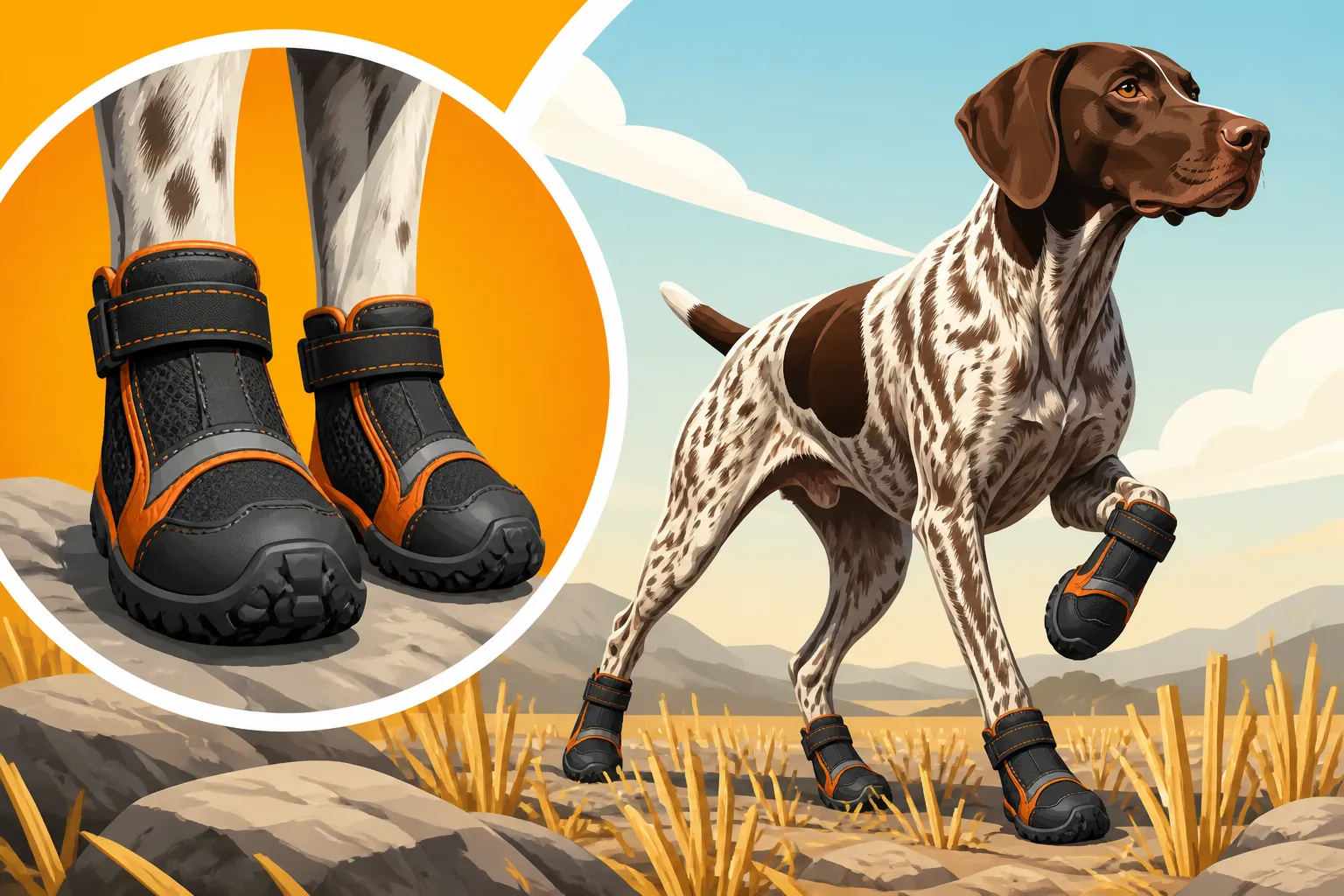
If you've spent any time at all out in the field with your German Shorthaired Pointer, you know that their drive is relentless. They'll push through thick brush, navigate rocky terrain, and bound across fields of sharp stubble without a second thought, often to the detriment of their sensitive paw pads. This relentless pursuit, while admirable, often leaves them with cuts, scrapes, and abrasions that can derail a hunt or lead to painful infections. This guide is all about equipping your intrepid companion with the right paw protection: boots specifically designed to shield those hardworking feet from the harsh realities of rock and stubble.
Why Boots Are Even Necessary for Your Hunting Shorthair
It’s easy to think a dog’s paws are naturally tough enough for anything, especially a hardy breed like a German Shorthaired Pointer. And while they are certainly robust, the demands of a full hunting season, particularly across varied and unforgiving terrain, can push them past their natural limits. Ignoring this reality often leads to painful injuries and an early end to your dog's season.
The Relentless Reality of Rocky, Stubble Fields
Imagine walking barefoot across a field recently harvested, where jagged cornstalks or wheat stubble stand like tiny, sharp knives waiting to pierce your skin. Now picture navigating that same field for hours, at a full run, driven by instinct. That's what your German Shorthaired Pointer is doing. Their pads, while thick, are still skin, and they are not impervious to repeated trauma from sharp edges. Rocks, especially those with rough, abrasive surfaces, act like sandpaper, slowly grinding down the protective outer layers of the paw pad. A single misstep on a sharp rock can result in a deep gash, while constant friction can lead to painful cracking and blistering. It’s a cumulative effect, often unnoticed until the damage is significant. Many owners have seen their otherwise stoic Shorthair start limping, only to find a deep, nasty cut right in the center of a pad. Cut Pads on a German Shorthaired Pointer After a Long Day are more than just an inconvenience; they are a sign of real discomfort and potential infection.
The frustration is real when your dog, full of boundless energy just moments before, suddenly pulls up lame. You've driven hours to get to a prime hunting spot, only for a preventable paw injury to send you home. It's not just the immediate pain for your dog; it's the frustration of lost hunting opportunities and the worry about recovery.
Beyond Just Cuts: Bruises, Punctures, and Awns
While cuts are the most visible and common injuries, paw pads are also susceptible to other, equally debilitating problems. Bruises can occur from repeated impact on hard, uneven surfaces, leading to tenderness and reluctance to put weight on the paw. Punctures from thorns, sharp twigs, or even barbed wire fragments hiding in tall grass are a nightmare, often becoming infected deep within the paw tissue. And then there are the insidious awns and foxtails. These barbed plant seeds, common in many hunting environments, are designed to burrow forward, not backward. They can work their way between your dog's toes, into the pads themselves, or even migrate up the leg, causing severe inflammation, abscesses, and even systemic infections. Foxtails and Grass Awns in a Hunting Shorthair are a constant threat, and boots offer a crucial barrier against these persistent invaders.
A dog may not even show immediate signs of discomfort from an embedded awn. You might notice a subtle lameness days later, or persistent licking of a paw, leading to an expensive vet visit and sometimes a difficult search for the migrating foreign body. Boots can literally save your dog from weeks of pain and you from significant veterinary bills.
Recognizing When Your Shorthair Needs Foot Protection
It's not always obvious when to reach for the boots. For some dogs, it's an absolute necessity every time they step foot in certain terrain. For others, it might be more seasonal or situation-dependent. Generally, if you're hunting in areas known for sharp stubble fields, gravel roads, rocky hillsides, or dense thorny undergrowth, boots are a wise precaution. If your Shorthair frequently comes home with scraped, raw, or bleeding pads, it's not a question of if they need boots, but which boots they need. Watch for signs like excessive licking of paws after a hunt, limping, reluctance to bear weight, or even subtle changes in gait or speed in the field. Sometimes, it's about prevention. If you know you're heading out for a multi-day hunt over abrasive ground, putting boots on from day one can save your dog's feet from cumulative damage, ensuring they stay sound throughout the trip. Think of it as essential gear, just like your own hunting boots.
Types of Boots and Materials for the Trail
Just like human hiking boots, dog boots come in a bewildering array of designs and materials. Choosing the right ones for your German Shorthaired Pointer means understanding the unique challenges of their work and matching the boot's features to those demands. You want protection, durability, and a fit that won't impede their natural gait.
Materials Matter: Durability versus Flexibility
The material composition of a dog boot is critical, balancing robust protection with comfort and flexibility.
- Cordura/Nylon Blends: Many popular hunting dog boots utilize heavy-duty Cordura or similar nylon weaves. These offer excellent abrasion resistance against stubble and provide a good balance of durability and breathability. They're typically lightweight and dry relatively quickly. However, while good against stubble, they might not offer the same puncture resistance as more rigid materials when navigating truly sharp rocks or thorns. Brands like those found on Chewy often have a wide selection of these all-purpose fabric boots, which are a great starting point for many Shorthairs.
- Leather/Synthetic Leather: Some boots incorporate leather or synthetic leather for their toughness and moldability. Leather, in particular, can be very durable but may require more break-in time and can become heavy when wet. Synthetic options aim to mimic leather's properties without the water absorption or extensive break-in period.
- Rubber/Silicone: For extreme conditions, such as ice, deep snow, or highly abrasive environments, boots with reinforced rubber soles or even fully rubberized construction offer superior traction and waterproofing. However, these can be less breathable and might cause paws to sweat more, potentially leading to skin irritation if not managed properly. They often have less flexibility, which can impact a Shorthair's natural stride.
- Neoprene: While often used for the shaft or cuff of a boot for its flexibility and warmth, neoprene isn't typically the primary material for the sole due to its lack of abrasion resistance. However, it can provide excellent comfort and a snug fit.
The key is to consider the primary threat. If it's mostly abrasive stubble and rough dirt roads, a durable Cordura blend might suffice. If you're tackling jagged shale, you'll need something with a more rigid, puncture-resistant sole.
Design Features for Secure Fit and Drainage
A boot is useless if it falls off or causes more problems than it solves. Secure fit and thoughtful design features are paramount for active hunting dogs.
- Fastening Systems: Most dog boots rely on hook-and-loop (Velcro) straps, sometimes multiple, to secure them around the pastern. Look for boots with wide, strong straps that wrap at least twice around the leg for maximum security. Some designs also include elastic cuffs or drawstring closures at the top to prevent debris from entering. A well-designed fastening system is crucial to prevent the boot from twisting or slipping, which can cause chafing or even lead to falls. Fitting Boots on a German Shorthaired Pointer correctly is vital.
- Grip and Tread: Just like human shoes, the sole's tread matters. Boots designed for hunting will often feature aggressive, non-slip tread patterns for traction on varied surfaces, from wet grass to slick rocks. A good grip prevents slipping and provides stability, especially important for a fast-moving Shorthair.
- Breathability and Drainage: While you want protection, you also want to avoid moisture buildup inside the boot, which can lead to skin issues. Some boots incorporate mesh panels or breathable fabrics in the upper section, while others have drainage holes in the sole for water to escape if your Shorthair is working in wet conditions. Even if not specifically designed for drainage, quick-drying materials are a huge plus.
- Reflective Accents: For early morning or late evening hunts, reflective elements on the boots can enhance your dog's visibility, a small but significant safety feature.
Exploring Different Brands and Their Specialties
Several reputable brands specialize in dog boots, each with their own strengths.
- Ruffwear: This brand is incredibly popular and for good reason. Their Grip Trex boots, for example, are known for their rugged Vibram soles (like many human hiking boots) and secure hook-and-loop closures. They offer excellent traction and durability for serious outdoor activity and can be found on platforms like Amazon. Their design focuses on breathability and a natural paw shape.
- Muttluks: Offering a range of boots from winter-specific to all-season, Muttluks often feature flexible leather soles and fleece lining for comfort. While perhaps not as aggressively treaded as some other brands, they are known for staying on well and providing good general protection.
- Pawz Dog Boots: These are more like disposable, balloon-like rubber boots. While they offer fantastic waterproofing and can be great for quick protection in mud or snow, they are generally not durable enough for extensive use over sharp rock and stubble. They lack the cushioning and robust protection needed for sustained hunting. However, they can be useful as an emergency boot or for protecting a bandaged paw.
- Neo-Paws: These Canadian-made boots are known for their highly adjustable straps and durable construction, often featuring a blend of flexible neoprene and sturdy sole materials. They aim for a snug, ergonomic fit to prevent twisting.
When researching, check reviews specifically from owners of active hunting dogs or similar breeds. What works for a leisurely walk in the park might not hold up to the rigors your Shorthair puts them through. Remember to consider your specific needs: extreme cold, heat, sharp terrain, or a mix of all three.
Sizing and Fit: Getting It Right the First Time
This is arguably the most crucial step in ensuring dog boots are effective and comfortable. An ill-fitting boot can chafe, twist, come off, or even interfere with your German Shorthaired Pointer's natural movement, causing more harm than good. Don't rush this part; precision is key.
Measuring Your Shorthair's Paws Accurately
You might think you know your dog's paw size, but actual measurement is non-negotiable. Here’s how to do it correctly:
- Place the Paw on Paper: Have your Shorthair stand naturally, putting full weight on one paw, on a piece of paper. This ensures the paw is splayed as it would be during movement, giving you the widest measurement. If your dog is prone to pulling their paw up, you might need a helper to distract them or gently hold them still.
- Mark the Widest Points: Using a pen or pencil, mark the widest points of the paw, from side to side. Don't include the nails in this measurement if they are long, as they will typically fit within the boot and aren't part of the weight-bearing pad.
- Measure the Length (Optional but Recommended): Some brands also ask for length. Mark from the back of the largest pad to the tip of the longest claw.
- Repeat for All Paws: It’s critical to measure all four paws. It’s surprisingly common for a dog’s front paws to be slightly larger or wider than their back paws. You might need to buy two different sizes of boots to get the perfect fit for all four feet, though many brands sell boots in pairs, so you'd buy two sets if the front and back differ. Always consult the specific brand's sizing chart, as there isn't a universal standard. A size medium in one brand might be a large in another.
A common mistake is measuring too loosely or not with the dog's full weight, resulting in boots that are too small and pinch, or too large and spin. When in doubt, it can sometimes be better to size up slightly if your dog is between sizes, as you can often use boot liners or wrap the paw slightly to take up extra space, whereas a boot that's too small will simply be painful and unusable.
Common Fit Challenges and How to Troubleshoot
Even with careful measuring, you might encounter issues.
- Twisting and Slipping: This is perhaps the most frequent complaint. It usually indicates the boot is too large or the straps aren't fastened tightly enough. If the boot is too wide, it will rotate around the paw. If the straps aren't secure, the boot will slip down. Try adding a sock or boot liner to take up slack. Ensure the straps are pulled snugly – not so tight that they cut off circulation, but firm enough to prevent movement.
- Chafing and Rubbing: If the boot is too small, or if there's a seam rubbing in an awkward spot, it can cause blisters and sores. This is especially true on the dewclaws if they haven't been removed and the boot doesn't accommodate them properly. Boot liners can help create a softer barrier. If chafing persists, the boot might simply be the wrong shape for your dog's paw and a different brand or style may be necessary. Some dogs also have extra "fur" between their toes that can get pulled uncomfortably if not trimmed, a good practice for any active Shorthair. Trimming the Hair Between a Shorthair's Pads can prevent irritation.
- Shorthair Kicking Them Off: Sometimes, it's a behavioral issue (we'll cover that more below), but often it’s a fit problem. If the boot is uncomfortable, too tight, too loose, or constantly filling with debris, your Shorthair will try to remove it. A properly fitted boot should be comfortable enough that your dog quickly forgets it's there.
The Importance of a Secure, Yet Comfortable, Fastening
The fastening system is the anchor of the boot. It needs to hold the boot in place without becoming a tourniquet.
- Multiple Straps: Boots with two or more hook-and-loop straps often offer superior security compared to those with just one. This allows for more even pressure distribution and better retention.
- Ankle vs. Pastern Straps: Ensure the straps sit comfortably around the pastern (the ankle area) and not too high on the leg where they might restrict movement, or too low where they'd be easily stepped on. The material of the strap itself should be wide enough not to dig in.
- Checking Circulation: After fastening, always perform a circulation check. Slip two fingers comfortably under the strap. If you can't, it's too tight. If you can easily fit more than two, it might be too loose. Monitor your dog's paws after the first few minutes of wearing the boots – check for swelling, discoloration, or any signs of discomfort.
- Break-In Period: Just like your own hiking boots, dog boots often need a break-in period. Don't expect perfection on the first wear. Short sessions around the house and yard help the boots conform to the paw and allow your dog to get used to the sensation.
Introducing Boots to Your Shorthair: A Pawsitive Experience
Getting a German Shorthaired Pointer, a breed known for its sensitivity and intelligence, to accept wearing boots can sometimes be a challenge. It requires patience, positive reinforcement, and a gradual approach. Rushing the process will almost certainly lead to frustration for both of you. Whether a Shorthair Tolerates Boots really comes down to how you introduce them.
Starting Slow: Positive Reinforcement is Key
The first time your Shorthair encounters a boot, they might look at it like it’s an alien invader. Don't force it.
- Initial Introduction: Let your dog sniff and investigate the boots. Praise them gently for any interaction.
- Association with Treats: Hold a boot, offer a high-value treat. Repeat. The goal is for them to associate the boot with something positive.
- One Boot at a Time: Don't try all four boots at once. Start with just one front paw. Gently slip the boot on, fasten it loosely, and immediately offer a treat and praise. Let them wear it for just a minute or two, distracting them with play or another treat, then take it off. Keep it short and sweet.
- Building Up Duration: Gradually increase the time they wear that single boot, always pairing it with positive experiences. Once comfortable with one front boot, introduce the other front boot, then move to the back paws. Front paws tend to be easier as they are often less sensitive and more accustomed to being handled.
Remember, a German Shorthaired Pointer is a smart dog; they will quickly understand that boots predict treats and fun activities if introduced correctly. If you get frustrated, they will sense it and associate the boots with that negative emotion.
Gradual Wear and Short Training Sessions
Once your Shorthair tolerates wearing the boots for a few minutes, it’s time to move to movement.
- Indoor Walks: Start with short walks indoors. They'll likely do the "boot dance" – high-stepping, shaking their paws, or trying to remove them. Ignore the antics as long as they aren't actively damaging the boot or themselves. If they stop the dance and take a few normal steps, praise and reward.
- Yard Time: Move to the yard for short bursts of activity. This helps them get used to the feel of the boots on different surfaces. Play a quick game of fetch, but keep it brief.
- Short Field Trips: Before a full hunting day, take them on short trips to the kind of terrain where they'll eventually wear the boots. Start with 10-15 minutes, then gradually build up the duration. This is also a great opportunity to check the fit and ensure no rubbing or twisting is occurring under actual working conditions.
- Distraction is Your Friend: The best way to get a Shorthair to forget they're wearing boots is to engage their prey drive. Once they're focused on birds or the hunt, they often forget about the boots entirely. This is why gradual introduction is crucial, so the boots are a non-issue by the time the real work begins.
Troubleshooting Resistance and Discomfort
Sometimes, despite your best efforts, your Shorthair might still be resistant.
- Assess for Discomfort: First, rule out actual pain or discomfort. Are the boots pinching? Are they too tight around the pastern or dewclaw? Is there a seam rubbing? If the resistance is persistent, take the boots off and check their paws thoroughly for any redness or irritation.
- Reset and Go Slower: If it's pure behavioral resistance, go back to basics. Shorter sessions, more treats, less pressure. Sometimes, taking a break for a day or two and restarting can help.
- Positive Association with Activities: Only put the boots on right before a highly anticipated activity, like going for a walk, a car ride to the field, or feeding time. They'll start to associate the boots with "fun" rather than "annoying."
- Consider Boot Liners/Socks: For sensitive dogs, or those prone to chafing, thin boot liners or dog socks can provide an extra layer of comfort and help fill out slightly oversized boots. Brands like those found on Amazon often carry these accessories.
- Professional Guidance: If all else fails and your Shorthair absolutely refuses to tolerate boots, consider consulting a professional dog trainer or behaviorist. They might offer specific techniques tailored to your dog's personality.
Maintenance and When to Replace Your Shorthair's Boots
Dog boots, especially those used by a German Shorthaired Pointer in rough terrain, are wear items. Proper care will extend their life, but knowing when they've reached the end of their usefulness is important for your dog's safety and comfort.
Cleaning and Caring for Your Shorthair's Boots
After every hunt, or at least regularly during the season, give those boots some love.
- Remove Debris: Shake out any dirt, sand, seeds, or small rocks that might have found their way inside the boots. Pay special attention to the hook-and-loop fasteners, as dirt and burrs can reduce their effectiveness. A small brush can help dislodge stubborn debris.
- Wash as Needed: Most fabric boots can be hand-washed with mild soap and water. For heavily soiled boots, follow the manufacturer's instructions; some might be machine washable on a gentle cycle. Air dry them thoroughly. Never put them in a dryer, as high heat can damage materials and adhesives. Make sure they are completely dry before storing to prevent mildew and odors.
- Check Straps and Stitching: Inspect the hook-and-loop fasteners for wear. If they're no longer gripping firmly, the boots won't stay on. Check all seams and stitching for signs of fraying or coming undone. Reinforce minor issues with needle and thread if you're handy, or consider if it's time for a replacement.
- Condition Leather: If your boots have leather components, a leather conditioner can help prevent cracking and maintain flexibility, especially after they've been wet and dried multiple times.
Regular cleaning not only prolongs the life of the boots but also ensures they aren't harboring irritants or potential sources of infection that could transfer to your dog's paws.
Recognizing Wear and Tear: When to Invest in New Boots
It's easy to keep using boots that are "almost" good enough, but failing to replace worn-out boots can put your Shorthair at risk.
- Sole Wear: The most obvious sign of wear is the sole. If the tread is significantly worn down, your dog will lose traction, increasing their risk of slips and falls. If you see holes or significant thinning in the sole, it’s definitely time for new boots. Worn soles also offer less protection from punctures.
- Holes or Tears in Fabric: Any holes or tears in the fabric upper compromise the boot's protective capabilities. Stubble can poke through, and debris can easily enter. A small hole can quickly become a large tear under the stress of a running dog.
- Failing Fasteners: If the hook-and-loop straps no longer hold securely, or if the elastic has stretched out, the boots will consistently slip or come off. A boot that won't stay on is worse than no boot at all, as it can trip your dog.
- Persistent Chafing: If a particular pair of boots consistently causes chafing, even after adjustments and liners, it might be due to the boot losing its shape or having internal wear that creates an abrasive spot. At this point, it’s kinder to replace them.
Keep a close eye on your boots throughout the season. Just as you replace your hunting gear when it's no longer performing, the same goes for your dog's paw protection. A small investment in new boots is far less costly than a veterinary bill for an infected paw.
Field Repairs and Emergency Boot Kits
Sometimes, a boot might fail mid-hunt, or you might realize you need protection when you didn't anticipate it.
- Duct Tape/Vet Wrap: A roll of heavy-duty duct tape or cohesive vet wrap is an absolute lifesaver for field repairs. A ripped sole can often be temporarily patched to get through the rest of the day. A boot that's slipping can be secured with a few wraps of tape around the top. This is also vital if your dog sustains a paw injury and needs protection until you can get home.
- Spare Boots: If you're undertaking a multi-day hunt or frequently hunt in demanding conditions, bringing a spare pair of boots (or at least a couple of spare single boots for the most prone paws) is a smart move. You never know when one might be lost or become unusable.
- Paw Balm/Wax: While not a "repair," having a good paw balm or wax on hand can provide an extra layer of protection, especially if a boot is lost or damaged. It helps keep pads pliable and less prone to cracking, and can create a temporary barrier against some irritants. Products like Musher's Secret or similar paw waxes (often found on Chewy or Amazon) are excellent for this. Pad Toughener Products for a Hunting Shorthair can also be a part of your emergency kit for ongoing paw health.
- First Aid for Paws: Beyond boots, your field first aid kit should always include antiseptic wipes, gauze, and vet wrap for immediate treatment of any paw injury. Even with boots, accidents can happen, and quick action is crucial. Checking a German Shorthaired Pointer Over After a Hunt should always include a thorough paw inspection.
Being prepared for both boot failure and paw injury ensures that your German Shorthaired Pointer stays comfortable and safe, maximizing their time in the field.
Alternatives and Complementary Care for Paw Health
While boots are a fantastic solution for protecting your German Shorthaired Pointer's paws from rock and stubble, they aren't the only piece of the puzzle. A holistic approach to paw health, combining preventative measures, environmental awareness, and good general care, will keep your Shorthair's feet in top working condition.
Pad Tougheners and Balms as a First Line of Defense
Even if your Shorthair wears boots regularly, or if you hunt in conditions that don't always warrant full boot coverage, maintaining healthy, resilient paw pads is crucial.
- Pad Tougheners: These topical solutions, often containing ingredients like tannic acid or iodine, aim to harden and thicken the outer layer of the paw pads. They work best when applied regularly in the weeks leading up to hunting season. Think of it as building a stronger foundation for their feet. They won't make pads impervious to sharp objects, but they can significantly reduce susceptibility to abrasions and minor cuts. Toughening a Shorthair's Pads Over the Summer is a dedicated seasonal routine that can pay dividends.
- Paw Balms and Waxes: Products like Musher's Secret or other natural paw waxes create a protective barrier on the pads. They can help prevent ice ball buildup between toes in cold weather, protect against hot pavement in summer, and offer a light shield against abrasive surfaces. More importantly, they keep the pads moisturized and supple, preventing cracking and dryness which can lead to painful fissures. Apply them before and after hunts, massaging them into the pads. They are readily available from retailers like Chewy.
- Moisturizers for Cracks: If your Shorthair's pads are already dry or cracked, look for specific paw moisturizers or healing balms that contain ingredients like lanolin, vitamin E, or shea butter. Regular application can help heal existing damage and restore elasticity to the pads.
These products serve as an excellent complement to boots, or as a standalone solution for less extreme conditions. They help ensure that even when boots aren't on, your dog's paws are as prepared as they can be.
Environmental Management: Choosing Your Terrain Wisely
Sometimes, the best protection is simply avoiding the most hazardous conditions when possible.
- Scouting Locations: If you have the flexibility, scout new hunting locations beforehand. Knowing if a field is newly harvested with razor-sharp stubble or riddled with loose, abrasive rock can help you decide whether to boot up your Shorthair immediately or choose an alternative area.
- Time of Day/Season: The ground can be harsher at different times. Early morning dew might soften some stubble, while midday sun can heat up rocks, making them more uncomfortable. Similarly, frozen ground in late season can be incredibly hard and sharp, requiring extra caution.
- Rotating Areas: If you hunt the same areas frequently, consider rotating your spots to give certain areas (and your dog's paws) a break from the most brutal conditions.
- Controlling Exposure: While a Shorthair’s drive is immense, sometimes you need to be the smart one. Don't push your dog to hunt relentlessly over ground you know is causing micro-trauma to their feet. A short break, a change of field, or even calling it a day can save their paws for future hunts. It's about balancing their drive with their long-term health and soundness.
Regular Foot Health Checks and Vet Consults
No matter how diligent you are with boots and balms, regular inspection of your German Shorthaired Pointer's paws is non-negotiable.
- Post-Hunt Inspection: After every hunt, especially those on rough terrain, make a thorough paw check part of your routine. Spread the toes, look between the pads, and examine the entire surface of each pad for cuts, punctures, redness, swelling, or embedded foreign objects. Checking a German Shorthaired Pointer Over After a Hunt isn't complete without this step. Pay attention to the dewclaws, which can easily snag or tear.
- Nail Trimming: Keep your Shorthair’s nails trimmed short. Overly long nails can splay the toes, make running uncomfortable, and increase the risk of injury. They can also interfere with the fit of boots.
- Moisture Management: Ensure your dog's paws are dry between the toes after swimming or wet hunts. Excessive moisture can lead to yeast or bacterial infections, causing itching, redness, and discomfort. Use a clean towel to dry thoroughly, and consider an antifungal powder if your dog is prone to interdigital dermatitis.
- Veterinary Care: If you find any deep cuts, persistent limping, swelling, or signs of infection (pus, foul odor), don't hesitate to consult your veterinarian. Early intervention can prevent minor issues from becoming major problems. Sometimes, a foreign body like a deeply embedded foxtail requires veterinary removal. Maintaining The Vet Schedule a Working Shorthair Should Keep ensures these checks are done by a professional, catching potential problems early.
By combining the physical protection of boots with proactive paw care and diligent checks, you can ensure your German Shorthaired Pointer’s feet are ready for any adventure the field throws at them, keeping them happy, healthy, and hunting for many seasons to come.
Disclaimer
This article is for general informational purposes only and does not constitute professional advice. Laws, prices and regulations vary by location and change over time. Consult a qualified professional for guidance on your specific situation.