Managing Scaling Skin on a German Shorthaired Pointer
It's incredibly frustrating when you notice your beloved German Shorthaired Pointer, usually so sleek and vibrant, starting to develop flaky, scaling skin. It’s not just unsightly; it can be incredibly uncomfortable for them, leading to itching, irritation, and sometimes even a dull coat. This guide is here to walk you through understanding why your Shorthair might be experiencing this, how to pinpoint the cause, and practical, empathetic steps you can take to manage and soothe their skin.
Understanding Scaling Skin in German Shorthaired Pointers
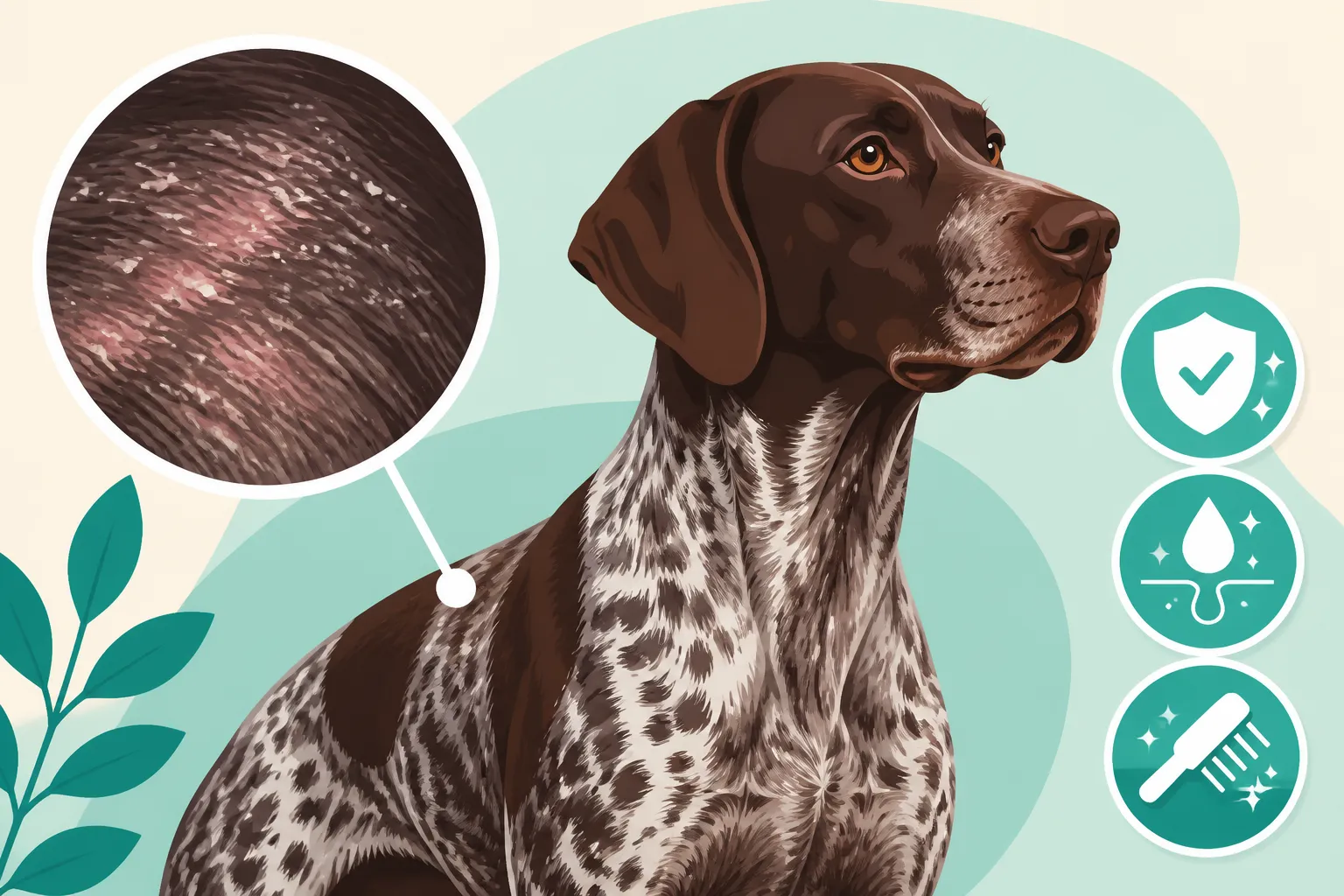
Seeing your Shorthair's skin flake off can be alarming, and it's a common concern for many GSP owners. This isn't just dry skin; scaling in dogs, also known as seborrhea, can range from mild dandruff-like flakes to thick, greasy scales that can become quite bothersome. It often comes with other symptoms like redness, itching, a strong odor, and even hair loss. It's a sign that something is off with your dog's skin barrier, which is their first line of defense against the outside world.
What Does "Scaling Skin" Actually Mean for Your Dog?
When we talk about scaling skin in German Shorthaired Pointers, we're referring to an abnormal shedding of the outermost layer of the skin. Think of it like a human with severe dandruff or eczema. Instead of skin cells regenerating and shedding smoothly, they build up and come off in visible flakes, sometimes dry and powdery, other times greasy and waxy. This can happen anywhere on the body but is often noticeable along the back, flanks, and around the ears. It's not just a cosmetic issue; this compromised skin barrier can lead to secondary infections if left unaddressed, as bacteria and yeast find it easier to penetrate. It can leave your dog feeling constantly itchy and irritated, impacting their quality of life.
Common Causes of Scaling Skin in Our Energetic Companions
Scaling skin isn't usually a disease in itself but rather a symptom of an underlying issue. For German Shorthaired Pointers, with their active lifestyles and specific genetic predispositions, several factors can contribute. Environmental allergies, often to pollen, dust mites, or molds, can manifest as itchy, flaky skin, especially on the belly, paws, and ears. Food allergies, while less common, can also cause skin issues. Beyond allergies, parasites like mites (think sarcoptic or demodectic mange) can cause severe scaling and irritation. Fungal or bacterial infections, often secondary to another problem, can also lead to scaling. Lastly, and perhaps most importantly for GSPs, certain genetic conditions can predispose them to scaling, such as ichthyosis or, more notably, canine sebaceous adenitis, which can manifest as significant scaling and hair loss. This is often the case when you see Lupoid Dermatosis and a Shorthair's Scaling Skin.
Identifying the Underlying Cause of Your Shorthair's Skin Issues
When you first notice scaling skin on your German Shorthaired Pointer, your immediate impulse might be to try some over-the-counter remedies. And while some gentle approaches can offer temporary relief, it's absolutely crucial to get a veterinary diagnosis. Self-diagnosing can delay proper treatment for a serious condition and lead to prolonged discomfort for your dog. A vet can differentiate between various causes, some of which require very specific medications or management strategies. Don't waste time guessing; a professional eye is invaluable here.
The Importance of a Thorough Veterinary Examination
A trip to the vet is the first, most important step. Your veterinarian will conduct a comprehensive physical exam, looking closely at your Shorthair's skin, coat, and overall health. They'll ask you a lot of questions about when the scaling started, if it's seasonal, what you feed your dog, if there are other symptoms like itching or hair loss, and if you've noticed any changes in their energy levels or behavior. They'll also want to know about your dog's environment – do they spend a lot of time outside? Are there other pets? This thorough history helps them narrow down the possibilities. For example, if it started after a change in diet, that's a big clue. If it's worse in spring, allergies might be at play. Sometimes, they might even want to check for The Bleeding Disorder in German Shorthaired Pointer Lines as part of a broader health check, although it's generally unrelated to skin scaling.
Diagnostic Processes to Pinpoint the Problem
Once your vet has a good history and has observed your dog, they'll likely recommend some diagnostic tests. These might include skin scrapes to look for mites, fungal cultures to check for ringworm, or cytology (examining cells under a microscope) to identify bacterial or yeast infections. In cases where genetic conditions or autoimmune diseases are suspected, a skin biopsy might be necessary. This is especially true for conditions like sebaceous adenitis, where a biopsy can definitively diagnose the issue. For example, knowing How Lupoid Dermatosis Is Diagnosed in a Shorthair involves precise histopathology. If allergies are suspected, your vet might suggest an elimination diet trial for food allergies or discuss environmental allergy testing, though often environmental allergies are managed symptomatically first. Each test provides a piece of the puzzle, helping your vet formulate the most effective treatment plan tailored to your GSP's specific needs.
Nutritional Approaches to Support Skin Health
The old adage "you are what you eat" holds true for our canine companions, especially when it comes to skin health. A dog's diet plays a monumental role in the quality of their coat and skin. If your German Shorthaired Pointer is struggling with scaling skin, looking at their food bowl is often a critical part of the solution. Just like we need certain nutrients for healthy skin, so do our dogs, and a deficiency or an unsuitable diet can quickly show up as skin problems.
The Essential Role of Diet and Omega Fatty Acids
For a GSP with scaling skin, ensuring their diet is rich in high-quality protein, essential fatty acids, and vitamins is paramount. Omega-3 and Omega-6 fatty acids, in particular, are absolute superstars for skin and coat health. They help to reduce inflammation, strengthen the skin barrier, and promote healthy cell turnover, which can significantly lessen scaling. You can find these beneficial fats in ingredients like fish oil, flaxseed oil, and certain specialized dog foods. Many owners look to supplements to boost these levels, which can often be found on platforms like Amazon or Chewy. Ensuring your dog's regular diet is balanced and doesn't contain ingredients they are sensitive to is the first step, and then supplementing with these crucial fatty acids can often provide a noticeable improvement.
Exploring Specialized Diets and Supplements
If standard dietary adjustments aren't enough, your vet might recommend a specialized diet. These could be novel protein diets or hydrolyzed protein diets designed to identify and eliminate food allergens, which can sometimes manifest as skin scaling. Brands like Ollie, known for their fresh, human-grade ingredients, might be a good option to explore, as some dogs thrive on simpler, less processed foods, reducing inflammatory responses that contribute to skin issues. Additionally, specific supplements can be incredibly helpful. Fish Oil for a German Shorthaired Pointer's Skin is a common recommendation, often in liquid form that you can add directly to their food. Probiotics can also play a role, as gut health is intricately linked to skin health. Addressing Whether a Shorthair Needs a Probiotic is a good discussion to have with your vet, as a healthy gut microbiome can positively impact the immune system and reduce inflammatory skin responses. Always introduce new supplements or foods gradually and under veterinary guidance.
Topical Treatments and Grooming for Comfort
While addressing the internal causes of scaling skin through diet and veterinary care is vital, topical treatments and consistent grooming provide immediate relief and support the healing process from the outside. Imagine having itchy, flaky skin yourself; a good moisturizer or medicated wash can make all the difference in comfort. For our active German Shorthaired Pointers, this external care is just as important.
The Magic of Medicated Shampoos and Conditioners
Medicated shampoos are often a cornerstone of treating scaling skin. These aren't your everyday dog shampoos; they contain active ingredients like salicylic acid, selenium sulfide, or benzoyl peroxide, which help to exfoliate dead skin cells, reduce oiliness, and combat yeast or bacterial overgrowth. Your vet will recommend the right type based on the specific diagnosis. For instance, if yeast is a major component, an antifungal shampoo will be prescribed. When using these, it's crucial to follow the instructions carefully regarding contact time – you can't just lather and rinse quickly. Often, the shampoo needs to sit on the skin for 5-10 minutes to be effective. Following up with a soothing, moisturizing conditioner is also important to prevent further dryness and maintain the skin barrier. You can find many of these specialized products easily online from retailers like Chewy or Amazon. Learning Shampoo for a German Shorthaired Pointer With Bad Skin will involve understanding specific ingredients.
Moisturizers, Sprays, and Regular Grooming Practices
Beyond medicated baths, topical moisturizers and sprays can provide ongoing relief between washes. Products containing oatmeal, ceramides, or essential fatty acids can help hydrate the skin and restore its natural barrier. These can be particularly useful for those dry, flaky patches. Regular, gentle grooming, even for a short-coated breed like the Shorthair, is also key. A soft brush or grooming mitt can help remove loose scales and stimulate blood flow to the skin without causing irritation. While Shorthairs don't need frequent baths, understanding How Rarely a Shorthair Actually Needs a Bath is important – over-bathing with the wrong products can worsen skin issues. For GSPs prone to conditions like sebaceous adenitis, frequent medicated baths and moisturizing treatments are a lifelong commitment. Discussing Whether Medicated Baths Help a Shorthair's Scaling with your vet will help you understand the long-term protocol.
Environmental Management and Prevention
Sometimes, the culprit behind your German Shorthaired Pointer's scaling skin isn't just internal or genetic; it's hiding in their environment. Our Shorthairs spend a lot of time exploring, rolling around, and simply existing in their surroundings, and these surroundings can introduce irritants or allergens that directly impact their skin health. Taking proactive steps to manage their environment can make a huge difference in preventing or reducing skin flare-ups.
Controlling Humidity Levels for Skin Comfort
Just like human skin, canine skin can suffer when the air is too dry, especially in colder months when indoor heating is running constantly. Low humidity can exacerbate dryness, leading to more flaking and itching for your GSP. Investing in a humidifier for the rooms your dog spends the most time in can be a surprisingly effective, yet simple, way to add moisture to the air and directly benefit their skin. Aim for a comfortable humidity level that isn't too damp, usually around 40-50%. This can help prevent the skin from drying out and becoming more prone to scaling. It's a small change that can lead to big improvements in comfort for dogs with chronic dry skin issues.
Minimizing Exposure to Environmental Allergens and Irritants
Environmental allergens are a huge trigger for skin problems in many dogs, and German Shorthaired Pointers are no exception. Pollen, dust mites, and molds can cause an allergic reaction that manifests as itchy, red, and scaling skin. Reducing your Shorthair's exposure is crucial. This might mean:
- Frequent cleaning: Regularly vacuuming (especially with a HEPA filter), washing bedding, and dusting can reduce dust mites and dander.
- Outdoor management: If pollen is an issue, wiping down your dog's paws and coat with a damp cloth after outdoor excursions can help remove allergens before they track them inside. Consider shorter walks during peak pollen times.
- Air purification: An air purifier with a HEPA filter can help remove airborne allergens in your home.
- Safe cleaning products: Be mindful of the cleaning products you use in your home. Harsh chemicals can be irritating to sensitive skin.
Understanding Environmental Allergies in a Shorthair That Works Cover is key, as these dogs are naturally exposed to a lot of potential irritants. Your vet might also discuss regular bathing with a soothing shampoo to rinse off environmental allergens from their coat and skin.
Selecting Hypoallergenic Bedding and Toys
The materials your German Shorthaired Pointer sleeps on and plays with are in constant contact with their skin, making them potential sources of irritation. Opt for bedding made from natural, breathable, and easily washable materials. Cotton or bamboo fabrics are generally good choices, and some pet beds specifically advertise as being hypoallergenic. Regularly washing all bedding in a gentle, unscented detergent is paramount to remove accumulated allergens like dust mites, pollen, and skin cells. Similarly, examine your dog's toys. Some plastics or rubber materials can cause contact dermatitis in sensitive dogs. Choosing toys made from natural rubber or durable, non-toxic fabrics can also contribute to reducing skin irritation. Think of it as creating a "safe zone" for their sensitive skin.
Long-Term Management and Lifestyle Adjustments
Managing scaling skin on a German Shorthaired Pointer isn't usually a one-and-done fix. For many GSPs, especially those with genetic predispositions or chronic allergies, it becomes an ongoing journey. The key is consistent, proactive care and a willingness to adapt your approach as your dog's needs change over time. It’s about more than just treating symptoms; it’s about integrating skin health into their overall lifestyle.
Establishing a Consistent Skin Care Routine
Consistency is paramount when dealing with chronic skin conditions. This means sticking to the feeding plan, supplement regimen, and bathing schedule recommended by your vet. If your Shorthair needs medicated baths twice a week, make it a non-negotiable part of your routine. If a special diet is prescribed, avoid "cheats" that could undo progress. Regular check-ins with your vet are also important to monitor progress and adjust treatments as needed. For dogs with conditions like sebaceous adenitis, which often appears around The Age Lupoid Dermatosis Appears in a Shorthair, this routine starts early and continues throughout their life. Many owners find it helpful to keep a log of their dog's skin condition, treatments, and any flare-ups to share with their vet, helping them track what works and what doesn't.
Monitoring for Flare-Ups and Early Intervention
Even with the best management plan, flare-ups can happen. German Shorthaired Pointers are incredibly active, and sometimes environmental factors or stress can trigger a skin reaction. Learning to recognize the early signs of a flare-up – increased scratching, redness, more prominent scaling, or a change in skin odor – is critical for early intervention. The sooner you address a burgeoning problem, the easier it is to get back under control and prevent it from becoming severe or leading to secondary infections. This might mean an extra medicated bath, a temporary increase in supplements, or a quick call to your vet. Being vigilant and responsive is key to keeping your GSP comfortable and happy. Managing a German Shorthaired Pointer's Lifelong Skin Disease is a marathon, not a sprint, and requires dedication and attentiveness to your dog's individual needs.
Recognizing When to Re-evaluate the Treatment Plan
Despite your best efforts, sometimes a treatment plan just isn't working as effectively as it once did, or your dog's condition might change. This isn't a failure on your part, but simply a signal that it's time to re-evaluate with your veterinarian. Dog's bodies and environments change, and so too might the best approach to their skin health. Perhaps a new allergy has developed, or the underlying condition has progressed. Don't hesitate to schedule an appointment if you notice:
- The scaling is worsening despite adherence to the plan.
- New symptoms appear (e.g., hair loss, open sores, severe itching).
- Your dog seems to be in more discomfort.
- You're simply not seeing the improvement you'd expect.
Your vet might suggest different medications, advanced diagnostics, or a referral to a veterinary dermatologist. It's a team effort, and open communication with your vet ensures your German Shorthaired Pointer receives the best possible care for their sensitive skin.
Here's a quick overview of common scaling skin causes and potential solutions:
| Cause of Scaling Skin | Common Characteristics | Potential Solutions | Brands/Products Often Used |
|---|---|---|---|
| Allergies (Environmental/Food) | Itching, redness, paw licking, ear infections | Antihistamines, steroids, allergy shots, elimination diet, Omega-3 supplements | Zyrtec (vet-prescribed), Hypoallergenic diets (e.g., specific brands on Chewy, Ollie), Fish oil (Amazon) |
| Bacterial/Yeast Infections | Greasy scales, odor, redness, pustules | Medicated shampoos (antiseptic/antifungal), Oral antibiotics/antifungals | Miconazole/Chlorhexidine shampoos (Chewy, vet-specific), Oral antifungals (vet-prescribed) |
| Parasites (Mites) | Intense itching, hair loss, crusting, localized scaling | Antiparasitic medications (topical or oral) | NexGard, Bravecto, Revolution (vet-prescribed) |
| Sebaceous Adenitis | Symmetrical hair loss, dry/flaky skin, dull coat, scaling, thick sebum on hairs | Special shampoos, conditioners, oils (e.g., mineral oil), cyclosporine | Special shampoos (vet-specific), Fatty acid supplements (Amazon, Chewy), Humidifiers |
| Dry Skin (Environmental) | General flakiness, mild itching, dull coat | Humidifiers, moisturizing shampoos/conditioners, fatty acid supplements | Oatmeal shampoos (Chewy), Fish oil (Amazon), Room humidifiers |
Disclaimer
This article is for general informational purposes only and does not constitute professional advice. Laws, prices and regulations vary by location and change over time. Consult a qualified professional for guidance on your specific situation.