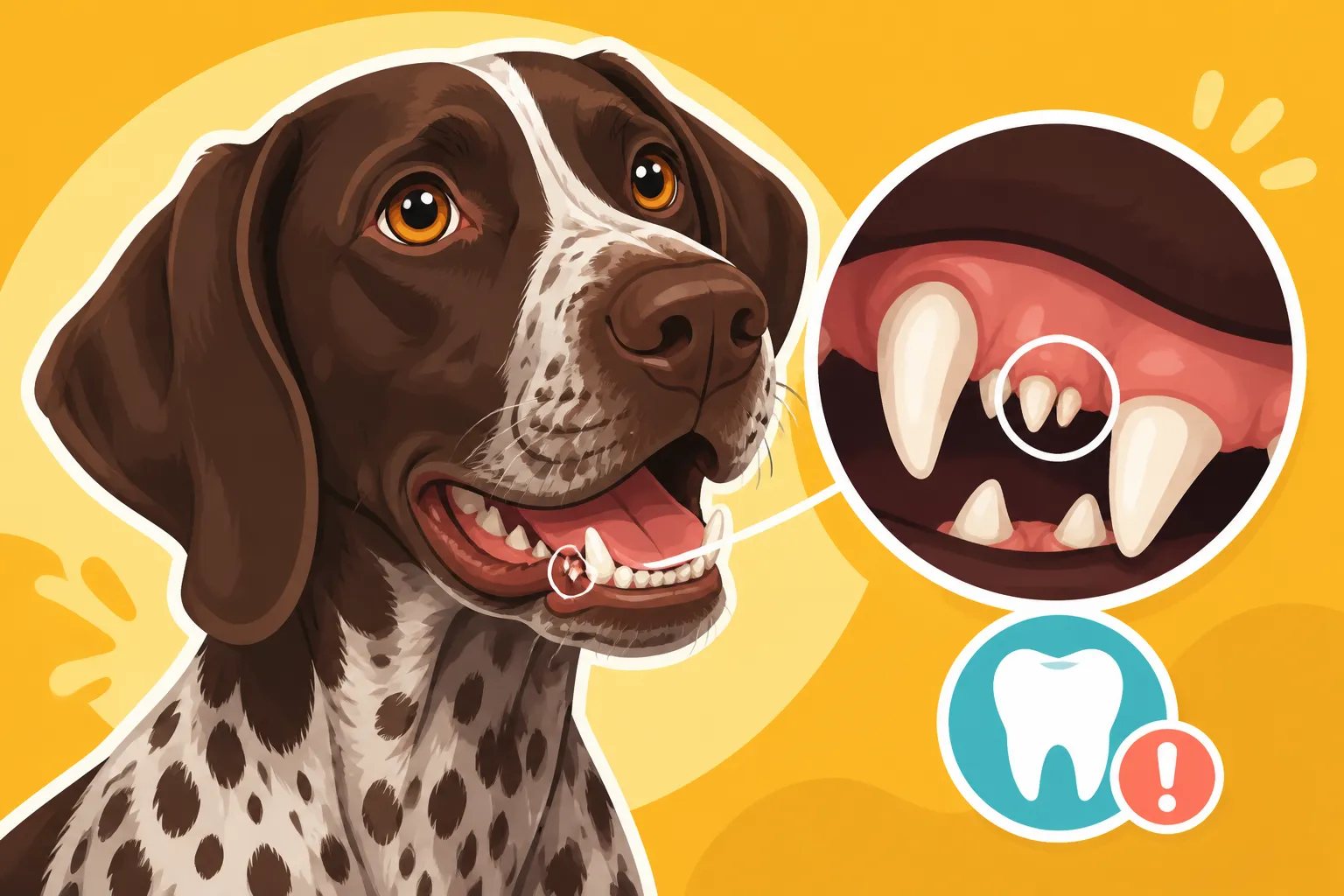
Retained Baby Teeth in a Shorthair Puppy
It's incredibly frustrating when you notice something isn't quite right with your German Shorthaired Pointer puppy, especially when it comes to their mouth. You expect those little shark teeth to eventually make way for strong adult teeth, but sometimes, those stubborn baby teeth just refuse to let go. This guide is here to help you understand what's happening when your Shorthair puppy has retained baby teeth, why it's a concern, and what you can do about it to ensure their oral health is top-notch.
Understanding Retained Deciduous Teeth in German Shorthaired Pointers
You bring home that bouncing bundle of GSP joy, and you’re probably focused on house training, introducing them to the family, and starting some basic commands. What often goes unnoticed, until perhaps a routine vet visit or a particularly keen eye during playtime, are their baby teeth. Just like human children, puppies develop a full set of deciduous, or "baby," teeth that are eventually meant to fall out to make room for permanent adult teeth. For most puppies, this process happens smoothly, typically starting around 12-16 weeks of age and finishing by 6-7 months. However, in some cases, those baby teeth just hang on for dear life, refusing to budge. This is what we call retained deciduous teeth, and it's a fairly common issue, especially in certain breeds, including our beloved German Shorthaired Pointers.
When a puppy's baby tooth doesn't fall out as it should, the adult tooth that's meant to replace it often erupts right next to it. Think of it like a double-decker bus in a single parking spot – it just doesn't quite fit, and it can cause all sorts of problems. For a breed known for its robust health and active lifestyle, like the German Shorthaired Pointer, having dental issues from a young age can be particularly challenging. It affects everything from how they chew to their overall comfort, and left unaddressed, can lead to more serious health complications down the road.
What Are Deciduous Teeth and Why Do They Matter?
Deciduous teeth are essentially a puppy's temporary dental set, perfectly designed for their early weeks and months of life. They're sharp, small, and come in quickly, allowing puppies to transition from nursing to solid food. A GSP puppy, with their boundless energy and curiosity, uses these teeth to explore their world, chew on toys, and even gently nip their littermates during play. There are typically 28 deciduous teeth: 6 incisors, 2 canines, and 6 premolars on both the upper and lower jaws. These teeth are crucial for proper jaw development and for holding space for the incoming adult teeth.
The roots of these baby teeth are designed to resorb, or dissolve, as the permanent teeth push up from underneath. This resorption process weakens the baby tooth, causing it to loosen and eventually fall out. It’s a natural and generally painless process. However, if that resorption doesn't happen correctly, or if the adult tooth doesn't erupt in the exact right spot to push the baby tooth out, you end up with a problem. These little teeth aren't just a minor inconvenience; they play a critical role in guiding the eruption of the permanent teeth into their proper positions. When they don't fall out, they disrupt this natural alignment, which can have significant long-term consequences for your German Shorthaired Pointer's bite and comfort.
The Genetic Predisposition in Certain Breeds
While retained baby teeth can occur in any breed, some breeds are certainly more prone to it than others. Small and toy breeds are notoriously susceptible due to their often crowded mouths and sometimes disproportionate jaw sizes. However, even medium to large breeds like German Shorthaired Pointers can experience this issue. It's not as common as in a tiny Chihuahua, but it's prevalent enough that GSP owners and breeders should be aware and vigilant. Some experts believe there might be a genetic component to the improper resorption of roots or the positioning of adult tooth buds.
In a breed like the GSP, where a strong, healthy bite is important not just for eating but potentially for retrieving game, any dental misalignment can be a significant concern. Breeders who prioritize overall health will often screen for and address such issues, but it's still something to keep an eye on yourself. While you might be focusing on their joint health or The Five Tests Behind a German Shorthaired Pointer CHIC Number, dental health during puppyhood is equally vital for their lifelong well-being. Keeping tabs on your puppy's dental development is just another piece of the puzzle in raising a healthy, happy GSP.
Identifying Retained Baby Teeth in Your GSP Puppy
It's easy to overlook a retained baby tooth. Your German Shorthaired Pointer puppy is growing at an incredible rate, likely consuming a diet like a high-quality puppy food from brands found on Chewy to support their rapid development, and their mouth is a flurry of activity as teeth come and go. Many owners first notice an issue when they see two teeth growing in the same spot, or when their vet points it out during a routine examination. However, knowing what to look for can help you catch it early, potentially preventing more significant problems down the line. Regular, gentle checks of your puppy's mouth are an excellent habit to start early. It not only familiarizes them with mouth handling, which is crucial for future vet visits and cleanings, but also allows you to monitor their dental progress.
The typical timeline for a GSP puppy's tooth eruption and shedding is generally consistent with other breeds. Incisors usually fall out first, followed by premolars, and then the canines, which have the longest roots and are often the most stubborn to let go. By the time your puppy is around 6 to 7 months old, they should have all their permanent adult teeth. If you see any baby teeth still present past this age, especially alongside an erupting adult tooth, it’s a clear sign of retention. Don't assume it will "just fall out eventually." While sometimes they do, waiting too long can lead to irreversible damage.
Visual Cues and What to Look For
The most obvious sign of a retained baby tooth is seeing two teeth occupying the same space, or very close to each other. This is most commonly seen with the canine teeth, which are those long, pointed teeth that give your GSP that distinctive "canine" smile. You might notice the adult canine tooth growing either in front of, behind, or sometimes right next to the baby canine, without the baby tooth showing any signs of loosening.
Other areas to check include:
- Incisors: These are the small teeth at the very front of the mouth. Retained incisors might cause crowding, making it harder for your puppy to pick up food or even causing gingivitis due to trapped food.
- Premolars: These are the teeth behind the canines. While less common, retained premolars can also lead to crowding or misalignment.
- Crowding and Misalignment: Even if you don't see an obvious "double tooth," look for adult teeth that seem to be growing in at an odd angle or are severely crowded. This can be an indirect sign that a baby tooth is preventing proper eruption.
- Gingivitis or Red Gums: When two teeth are too close together, food and debris can easily get trapped, leading to inflammation of the gums. You might notice redness, swelling, or even bleeding around the affected area.
Take a good look inside your puppy's mouth, perhaps after they've enjoyed a chew from Amazon or finished their dinner. Lift their lips and gently open their mouth to get a clear view. Compare the left and right sides of their mouth – sometimes, the issue is asymmetrical.
Puppy Behaviors That Might Indicate a Problem
Beyond visual cues, your German Shorthaired Pointer puppy might exhibit certain behaviors that hint at dental discomfort or issues. Remember, GSPs are generally stoic dogs, especially when it comes to minor discomfort, so you might need to be extra observant.
Keep an eye out for these behavioral changes:
- Reluctance to Chew or Play: If your usually enthusiastic chewer suddenly seems hesitant to gnaw on their favorite toys or if they drop food more often, it could be a sign of mouth pain.
- Excessive Drooling: While puppies drool, a sudden increase or persistent drooling could indicate irritation or pain in their mouth.
- Pawing at the Face or Mouth: If your puppy is constantly rubbing their face against furniture, pawing at their mouth, or rubbing their muzzle on the ground, they might be trying to alleviate discomfort.
- Changes in Eating Habits: Perhaps they're eating slower, dropping kibble, or even favoring one side of their mouth. Some puppies might even start avoiding harder kibble, preferring softer foods, which could indicate pain when chewing. This is particularly noticeable if you're tracking their intake of a high-energy diet to support The Growth Year of a German Shorthaired Pointer Puppy.
- Bad Breath: While puppy breath isn't always minty fresh, unusually foul breath can be a sign of infection or decaying food trapped between crowded teeth.
- Swelling Around the Jaw or Face: In more severe cases, an infection stemming from trapped food or an abscess could cause noticeable swelling. This is a red flag and requires immediate veterinary attention.
| Age (Approx.) | Type of Teeth | Eruption | Shedding | Potential Issues |
|---|---|---|---|---|
| 2-4 Weeks | Deciduous | Incisors, Canines | N/A | Early assessment |
| 3-6 Weeks | Deciduous | Premolars | N/A | Full set present |
| 12-16 Weeks | Adult | Incisors, Canines | Deciduous Incisors, Canines | Beginning of shedding |
| 4-5 Months | Adult | Premolars | Deciduous Premolars | More shedding |
| 5-7 Months | Adult | Molars (no deciduous) | Deciduous Canines (last to go) | Full adult set expected |
| 7+ Months | Adult | N/A | All deciduous should be gone | Retained teeth become problematic |
This table provides a general timeline. Every puppy is unique, but if you're past 7 months and still seeing baby teeth alongside adult teeth, it's definitely time to consult your veterinarian.
The Risks and Complications of Untreated Retained Teeth
It might be tempting to hope that a stubborn baby tooth will eventually just fall out on its own, especially if your GSP puppy doesn't seem overtly bothered. However, leaving retained deciduous teeth untreated in a German Shorthaired Pointer can lead to a host of significant and often painful complications. These aren't just cosmetic issues; they directly impact your dog's oral health, their ability to eat comfortably, and can even affect their overall well-being. A healthy mouth is foundational to a healthy dog, particularly an active breed like the GSP that relies on a strong bite for work and play. Ignoring these teeth now can set the stage for much more extensive and expensive veterinary care down the line.
The primary problem revolves around crowding and improper tooth alignment. When an adult tooth tries to emerge but finds its predecessor still in place, it often erupts in an abnormal position. This misalignment is more than just an aesthetic flaw; it creates an environment ripe for dental disease and discomfort.
Periodontal Disease and Oral Infections
One of the most common and concerning complications of retained baby teeth is the accelerated development of periodontal disease. When you have two teeth crowded into the space meant for one, it creates very narrow crevices and tight pockets between the teeth and gums. These tight spaces are extremely difficult, if not impossible, for regular chewing action or even brushing to clean effectively.
What happens then? Food particles, plaque, and bacteria get trapped in these areas. This accumulation quickly leads to gingivitis, which is inflammation of the gums. If left unchecked, gingivitis progresses to full-blown periodontal disease, characterized by deeper pockets, bone loss around the teeth, and chronic infection. Your GSP's normally healthy gums can become red, swollen, and prone to bleeding. This chronic inflammation and infection are not just painful; they can lead to bad breath (halitosis), tooth decay, and ultimately, premature tooth loss. The bacteria from these oral infections can also enter the bloodstream, potentially affecting vital organs like the heart, kidneys, and liver, which is a serious concern for any dog, let alone a German Shorthaired Pointer known for its athletic demands. This is why addressing issues like this early can prevent future problems, including more serious Dental Disease in a Middle Aged German Shorthaired Pointer.
Malocclusion and Jaw Development Issues
Beyond periodontal disease, retained baby teeth can cause significant issues with malocclusion, which is an improper bite. When adult teeth erupt at abnormal angles or in crowded positions, the upper and lower jaws may not align correctly when your dog closes its mouth. For a German Shorthaired Pointer, a breed valued for its ability to retrieve and hold game, a correct bite is paramount.
Common malocclusions resulting from retained teeth include:
- Base Narrow Canines: This is when the adult lower canine teeth erupt too far inward, pointing directly towards the roof of the mouth. If a baby canine is retained and the adult tooth pushes through behind it, it often ends up in this painful position. These base narrow canines can dig into the palate (the roof of the mouth), causing chronic pain, irritation, and even ulcerations or holes (oronasal fistulas). Imagine constantly having a sharp object digging into your mouth – it's incredibly uncomfortable and can make eating and playing a misery.
- Crowding of Incisors: Retained incisors often lead to adult incisors being pushed too close together or twisted. This not only traps food but can also cause uneven wear on the teeth.
- Anterior Crossbite: This occurs when some of the lower incisors are in front of the upper incisors, but the canine and premolar teeth meet correctly.
- Posterior Crossbite: This is less common but involves the premolars or molars on one side of the mouth aligning incorrectly.
These malocclusions can cause chronic pain, difficulty chewing, excessive wear on certain teeth, and even affect the development of the jaw itself if not corrected early in The Growth Year of a German Shorthaired Pointer Puppy. Your puppy might try to compensate, but this can lead to further issues with jaw joints or muscle strain.
Treatment Options and When to Seek Veterinary Help
Discovering your German Shorthaired Pointer puppy has retained baby teeth can feel a bit overwhelming, but the good news is that this is a very treatable condition. The most crucial step is to seek veterinary attention promptly. The earlier these issues are addressed, the better the prognosis for your puppy’s long-term oral health and comfort. Don't wait, hoping they'll fall out, especially if your GSP is past 6-7 months of age and adult teeth are already present alongside the baby ones. A quick trip to your vet for an examination is the first, most important action you can take. Your vet can accurately assess the situation and recommend the best course of action.
During the examination, your veterinarian will carefully inspect your puppy's mouth, noting which deciduous teeth are retained, where the adult teeth are erupting, and whether any malocclusion or gum inflammation is already present. They might gently try to wiggle the baby teeth to see if they are loose, but generally, manual removal at home is not recommended due to the risk of breaking the tooth or leaving roots behind.
Surgical Extraction of Retained Teeth
The most common and effective treatment for retained deciduous teeth is surgical extraction. This procedure is typically performed under general anesthesia, ensuring your puppy is comfortable and pain-free throughout. Anesthesia allows the veterinarian to thoroughly examine the entire mouth, take dental X-rays if necessary to check for any un-erupted adult teeth or remaining root fragments, and perform the extractions safely and effectively.
Here’s a general overview of the process:
- Pre-surgical Assessment: Before anesthesia, your vet will perform a physical exam and likely recommend pre-anesthetic bloodwork. This ensures your GSP is healthy enough for anesthesia and helps to tailor the anesthetic protocol.
- Anesthesia: Your puppy will be placed under general anesthesia, monitored closely by veterinary staff.
- Extraction: The veterinarian will carefully extract the retained baby teeth. Unlike a simple wiggle-and-pull, these extractions can be complex. The roots of baby teeth are often quite long and delicate, requiring a precise technique to ensure the entire tooth and root are removed without damaging the developing adult tooth or surrounding bone. Sometimes, a small incision in the gum is needed to access and remove the root.
- Post-extraction Care: After the extraction, your puppy will recover from anesthesia. Pain medication and sometimes antibiotics will be prescribed to manage discomfort and prevent infection. You'll likely be given specific instructions for post-operative care, which might include feeding soft food for a few days and limiting strenuous activity. Your vet may also recommend continuing with appropriate Chews Safe for a Teething German Shorthaired Pointer once fully healed, to support jaw strength and dental hygiene.
While the thought of surgery for your puppy can be daunting, it's a routine procedure that, when done correctly, can prevent years of pain and more serious dental problems. It’s a proactive step in ensuring your German Shorthaired Pointer has a healthy mouth for life.
Post-Operative Care and Monitoring
After your GSP puppy returns home from surgery, diligent post-operative care is vital for a smooth recovery and to prevent complications. Your vet will provide detailed instructions, but here are some common elements:
- Pain Management: Administer prescribed pain medication exactly as directed. Your puppy might be a little groggy or uncomfortable for the first day or two, but pain relief will help them recover more quickly.
- Soft Food Diet: For several days after surgery, your vet will likely recommend feeding a soft or moistened diet. This prevents irritation to the extraction sites and helps keep them clean. You can soften their regular kibble with warm water or switch to a high-quality canned puppy food. Brands like Ollie, known for fresh, human-grade ingredients, could be a good temporary option if your vet approves and your puppy finds it palatable. Just make sure to transition them slowly back to their regular food once cleared.
- Activity Restriction: Limit vigorous play, hard chewing, and excessive running for about a week to allow the extraction sites to heal properly. No intense tug-of-war or roughhousing during this time.
- Monitoring the Mouth: Gently check your puppy’s mouth daily for any signs of swelling, redness, discharge, or foul odor. These could indicate an infection. Don't probe the extraction sites directly.
- Follow-up Appointments: Your vet may schedule a follow-up appointment to check on the healing process and ensure the adult teeth are erupting correctly. This is part of maintaining The Vet Schedule a Working Shorthair Should Keep for a healthy puppy.
In some cases, if malocclusion is severe, especially with base narrow canines, further orthodontic treatment might be considered later, but this is less common and usually only discussed after the primary extractions. Early intervention drastically reduces the need for such complex treatments.
Preventing Future Dental Issues
While some cases of retained baby teeth might have a genetic component, there are definitely steps you can take as a German Shorthaired Pointer owner to minimize the risks and promote excellent dental health from puppyhood onward. Proactive care is always better than reactive treatment, especially when it comes to preventing painful and costly dental issues. Establishing a good dental hygiene routine early on will not only help prevent problems related to retained teeth but also combat Dental Disease in a Middle Aged German Shorthaired Pointer as they age.
Think of your GSP’s mouth as a critical tool, essential for their work, play, and overall enjoyment of life. Investing time and effort into their dental health now will pay dividends for their entire lifespan.
Regular Oral Examinations at Home
Making routine oral examinations a part of your puppy’s weekly (or even daily!) routine is a game-changer. It familiarizes your GSP with having their mouth handled, which makes vet visits and professional cleanings much less stressful. More importantly, it allows you to catch any potential issues, like persistent baby teeth or developing gum disease, early on.
Here’s how to do a quick home check:
- Start Young: Begin when your puppy is very young, even before their adult teeth start coming in. Make it a positive experience with praise and treats.
- Gentle Approach: Gently lift their lips to inspect their gums and teeth. Look for any redness, swelling, or tartar buildup. Open their mouth to see the back teeth if they tolerate it.
- Count and Observe: Check for missing teeth, extra teeth, or any adult teeth pushing through next to a baby tooth. Pay close attention to the canines, as these are frequently retained. Look at how their jaws meet and if any teeth are digging into the gums or palate.
- Check for Odor: A strong, unpleasant odor could signal infection or significant plaque buildup.
If you notice anything unusual, such as a persistent baby tooth or signs of gum inflammation, don't hesitate to contact your veterinarian. They can offer guidance or schedule an examination.
Providing Appropriate Chews and Toys
Chewing is a natural and vital activity for German Shorthaired Pointers, especially during puppyhood when they are teething. Providing appropriate chews and toys can actually help encourage the natural shedding of baby teeth and promote strong adult tooth eruption. The mechanical action of chewing helps loosen baby teeth and stimulates the gums. However, it’s crucial to choose the right kind of chew.
- Avoid Overly Hard Items: While it might seem counterintuitive, extremely hard chews (like antlers, real bones, or very hard nylon toys) can actually cause more harm than good. They can fracture adult teeth, which is a painful and expensive problem. If you can’t make an indentation with your thumbnail, it’s likely too hard for your dog’s teeth.
- Opt for Durable, Flexible Chews: Look for chews that have some give, but are still firm enough to provide good resistance. Rubber toys, dental chews specifically designed for puppies, or even some types of rawhide (monitor closely to avoid choking hazards) can be good options. Check brands like Kong, Nylabone (for flexible puppy chews), or even natural dental chews you might find on Chewy or Amazon. Always supervise your puppy with new chews to ensure they are safe and appropriately sized.
- Size Matters: Ensure the chew toy is large enough that your GSP puppy cannot swallow it whole, but not so large they can't get their mouth around it properly. As your GSP grows, you'll need to upgrade the size and durability of their chews to match their powerful jaws.
The goal is to provide safe, satisfying chewing outlets that support dental health, not jeopardize it.
The Role of Diet in Dental Health
While a balanced, high-quality diet is fundamental for your GSP's overall health, its impact on dental health, particularly in preventing retained teeth, is more indirect. The texture of kibble, for example, is sometimes touted as "cleaning" teeth, but the reality is that most kibble provides minimal abrasive action against plaque. However, a diet that encourages strong, healthy bone and tooth development in the first place is certainly beneficial.
- Quality Puppy Food: Ensure your GSP puppy is on a high-quality puppy formula. Brands like Purina Pro Plan, Royal Canin, or even fresh food options like Ollie, offer carefully balanced nutrition that supports proper growth, including healthy bone and tooth development. Puppy Food That Suits a Growing German Shorthaired Pointer will have the correct balance of nutrients for their rapid development.
- Appropriate Chewing During Meals: If your puppy is a gulper, they might not be getting much benefit from the kibble's texture. Consider puzzle feeders or slow-feeder bowls to encourage more deliberate chewing.
- Dental-Specific Diets: For adult dogs, there are prescription dental diets designed with specific kibble shapes and coatings to help reduce plaque and tartar. These are usually not necessary for puppies, but can be a consideration later in life if dental issues become a recurring problem.
- Supplements (with Vet Guidance): Some owners consider supplements for joint or coat health, but for dental issues, a direct approach with brushing and professional cleaning is usually more effective. Always consult your vet before adding any supplements to your puppy's diet. Calcium Levels in a Shorthair Puppy's Diet are carefully balanced in commercial puppy foods, and excessive supplementation can actually be harmful.
Ultimately, while diet supports overall health, the most impactful preventative measures against retained baby teeth and future dental disease are regular home examinations, appropriate chewing, and consistent veterinary care. If you're wondering Whether a Shorthair Puppy Can Eat Adult Food Early, remember that puppy food is formulated specifically for their intense growth phase and dental development, so it's best to stick with it until they're ready to transition.
Disclaimer
This article is for general informational purposes only and does not constitute professional advice. Laws, prices and regulations vary by location and change over time. Consult a qualified professional for guidance on your specific situation.