Whether a Shorthair Cracks Teeth on Bones
One of the most heart-stopping moments for any German Shorthaired Pointer owner is hearing that sickening crunch when your dog is enthusiastically gnawing on something, only for you to realize it wasn't a toy, but something far too hard. We want our energetic Shorthairs to have safe outlets for their powerful chewing instincts, but it's incredibly easy to accidentally offer something that can cause serious, painful dental damage. This guide is here to help you navigate the tricky world of canine chewing, focusing specifically on whether bones are safe for your German Shorthaired Pointer and what to do if you suspect a problem.
The Allure of Bones for a German Shorthaired Pointer and the Hidden Risks
There's something incredibly primal about watching a dog happily working on a bone, isn't there? It looks so natural, so fulfilling for them. For our German Shorthaired Pointers, with their incredible drive and need for mental and physical engagement, a good chew can seem like the perfect solution to keep them occupied and content. But as much as we love to see them enjoy themselves, it's crucial to understand that not all chews are created equal, and some can pose significant, even emergency, risks to their pearly whites.
Why Shorthairs Love to Chew It's More Than Just Boredom!
German Shorthaired Pointers are, by their very nature, highly intelligent and incredibly active dogs. They were bred to work, to think, and to use their mouths for retrieving. This means they have an innate need for mental and physical stimulation, and chewing is a significant part of that. It's not just about boredom, although a GSP left under-exercised will absolutely find inappropriate things to chew! Chewing is a natural stress reliever, a way to explore the world, and for puppies, a crucial part of the teething process. Providing appropriate outlets for this instinct is key to a happy home.
When your Shorthair is working a chew, they're engaging muscles in their jaw, cleaning their teeth (to a degree, depending on the chew), and releasing endorphins. It’s a full-body experience for them. Think about it: a bird dog uses its mouth and nose constantly in the field. They retrieve, they carry, they use their powerful jaws. This powerful mouth is a tool, and like any tool, it needs to be maintained and used wisely. Denying a GSP a proper chewing outlet can lead to destructive behaviors, from shredding furniture to getting into things they shouldn't, like What a German Shorthaired Pointer Steals Off Counters.
Understanding the Dental Anatomy of Your GSP
Before we dive into specific chew types, let's briefly consider your German Shorthaired Pointer's mouth. They possess a powerful scissor bite, with strong canines for grasping and tearing, and robust molars designed for crushing. This dental setup is fantastic for holding onto game birds or breaking down tough pieces of meat. However, it also means they can exert immense pressure. Their teeth are not indestructible. Just like human teeth, they are composed of enamel, dentin, and a pulp cavity with nerves and blood vessels.
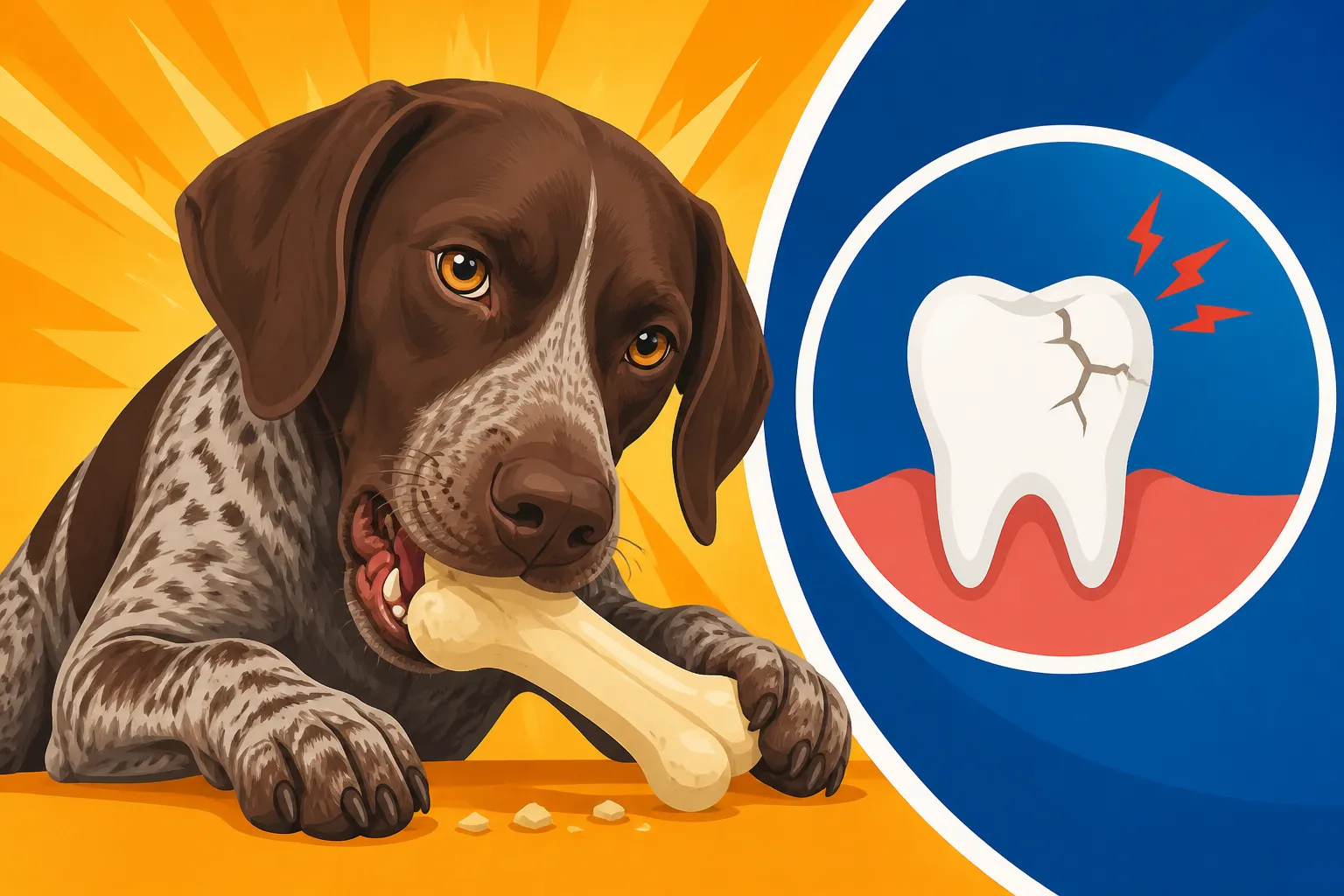
When a tooth encounters something harder than itself, the enamel can chip, crack, or even fracture all the way into the pulp. This is incredibly painful for your dog and leaves the tooth vulnerable to infection. Imagine cracking your own molar on a rogue olive pit – the sharp pain, the sensitivity, the lingering ache. Your GSP experiences similar discomfort. A healthy mouth is vital for their overall well-being, especially for a working dog that needs to be able to comfortably retrieve. It impacts their ability to eat properly, their temperament, and can even lead to more serious systemic health issues if infections spread.
The Hard Truth: Bones That Can Damage Your Shorthair's Teeth
Alright, let's get straight to the point about bones. While your German Shorthaired Pointer's ancestors might have crunched on wild game bones, the domestic dog's diet and lifestyle are very different, and the risks associated with certain types of bones are significant. It's a common misconception that all bones are good for dogs, and unfortunately, many owners learn this the hard way when faced with an expensive and painful dental emergency.
The Danger Zone: Weight-Bearing Bones and Antlers
When we talk about bones that crack teeth, we're primarily looking at density. Any bone that is denser and harder than your dog's tooth enamel is a potential hazard. This includes most weight-bearing bones from large animals – think beef femurs, knuckles, and marrow bones. These bones are incredibly hard. When your powerful GSP clamps down with their strong jaws, it's often the tooth that gives way, not the bone. The same goes for antlers, which have become popular chews. While natural, antlers are exceptionally hard and cause a heartbreaking number of slab fractures and other dental traumas in dogs every year.
Here's a quick comparison of safe vs. unsafe chew options:
| Chew Type | Description | Dental Risk | Gut Risk | Recommendation |
|---|---|---|---|---|
| Hard Bones | Beef femurs, knuckles, marrow bones, deer antlers | HIGH | Moderate | AVOID. Too hard, causes fractures. |
| Cooked Bones | Any cooked bone (chicken, pork, beef) | HIGH | HIGH | AVOID. Brittle, splinters easily, causes impaction. |
| Raw Recreational Bones | Large raw bones like beef ribs, lamb necks (size appropriate) | Moderate | Low if supervised | Feed with extreme caution and supervision. Choose appropriately sized, non-weight-bearing bones. |
| Edible Raw Bones | Chicken necks, wings, pork ribs (smaller, softer, fully consumable bones) | Low | Low if appropriate | Can be good, but check Whether Bones Suit a German Shorthaired Pointer. Consult vet for raw feeding. |
| Synthetic Hard Nylon Chews | Very durable plastic chews (e.g., Nylabone Power Chew) | Moderate | Low | Use caution. Some are too hard and can cause fractures. Look for some flexibility. |
| Rubber Chews | Kongs, GoughNuts, durable rubber toys | LOW | LOW | Excellent for mental stimulation and safe chewing. |
| Dental Chews | Formulated chews designed to reduce plaque (e.g., Greenies, Purina DentaLife) | LOW | LOW | Good for daily dental hygiene, but not a substitute for brushing. |
| Bully Sticks/Horns/Hooves | Dried animal parts (bully sticks are digestible, horns/hooves are not) | Moderate | Moderate | Bully sticks are generally safe and digestible. Horns/hooves can be too hard and cause fractures. |
The problem with these "danger zone" chews is that they provide very little give. Your German Shorthaired Pointer will apply immense force, attempting to grind them down, and eventually, a tooth will suffer. Fractures can range from a small chip that exposes sensitive dentin to a complete slab fracture where a portion of the tooth breaks off, often exposing the pulp chamber. This is not only agonizing but also an open invitation for bacteria to enter the tooth, leading to abscesses and systemic infections.
Identifying Signs of a Cracked Tooth in Your Energetic GSP
Our German Shorthaired Pointers are stoic. They're driven, and they often try to push through discomfort, especially if it means they might miss out on playtime or a hunt. This means a cracked tooth might not be immediately obvious. You might not see them limping or crying out in pain. Instead, you'll need to be vigilant for subtle changes in behavior or oral habits.
Look for signs like a sudden decrease in appetite, especially if they're usually food motivated. They might eat more slowly, favoring one side of their mouth, or drop food frequently. You might notice they're reluctant to chew on their favorite toys or shy away if you try to examine their mouth. Some dogs might become head shy or show signs of facial swelling. Bad breath, beyond their usual "dog breath," can also be a red flag, indicating infection. In some cases, a GSP might start pawing at their mouth or rubbing their face against furniture. If you ever notice blood on their chews or in their water bowl, that's an immediate cause for concern.
Even if you don't see an obvious crack, a dull or discolored tooth (often appearing pink, purple, or gray) can indicate a problem where the pulp has died due to trauma. This is a dead tooth, and it's a ticking time bomb for infection. If you suspect anything, don't delay. A prompt vet visit is crucial. Early intervention can often save the tooth or prevent more severe complications. Dental problems are rarely something that "just get better" on their own; they almost always worsen without professional care. This is an important part of The Vet Schedule a Working Shorthair Should Keep.
Safer Alternatives for Your German Shorthaired Pointer's Chewing Instinct
The good news is that you don't have to deny your German Shorthaired Pointer the joy of chewing entirely! There are plenty of fantastic, safe options available that can satisfy their instinct without putting their precious teeth at risk. The key is to choose chews that are appropriately hard – hard enough to provide resistance and clean teeth, but soft enough to give a little when pressed.
Dental Chews and Appropriate Toys to Keep Teeth Clean
When selecting chews, a good rule of thumb is this: if you can't indent it with your thumbnail, or if it would hurt to hit your kneecap with it, it's probably too hard for your dog's teeth. Instead, opt for durable rubber toys, like those from Kong or GoughNuts. These are fantastic for GSPs because they're nearly indestructible, can be stuffed with treats to increase mental stimulation, and have enough "give" to be safe for teeth. They also bounce erratically, adding an element of play.
Many reputable brands offer dedicated dental chews designed to help scrape away plaque and tartar. Brands like Greenies or Purina DentaLife are widely available and can be a good addition to your dog's daily routine. They are formulated to be digestible and often have specific shapes and textures to maximize contact with the tooth surface. You can often find a wide selection of these on sites like Chewy or Amazon. However, remember that these are supplements to dental care, not replacements for brushing or professional cleanings. For puppies who are still teething, softer rubber toys and specific puppy-safe chews (look for options listed in Chews Safe for a Teething German Shorthaired Pointer) are ideal to soothe their gums without risking damage to developing adult teeth.
Another excellent option for many GSPs are bully sticks. These are digestible, odor-free (mostly!), and provide a good, long-lasting chew. They soften as the dog chews, reducing the risk of fracture. Always supervise your dog with any chew, especially as it gets smaller, to prevent choking hazards.
When to Consult Your Vet About Chewing Habits and Dental Health
Your veterinarian is your best partner in maintaining your German Shorthaired Pointer's dental health. Don't hesitate to reach out to them if you have any questions about appropriate chews or suspect a dental problem. If you notice any of the signs of a cracked tooth we discussed earlier – difficulty eating, pawing at the mouth, bad breath, or visible changes to a tooth – schedule an appointment right away.
During routine check-ups, your vet will perform a basic oral examination, but often, the extent of dental disease or damage is hidden below the gum line and requires a more thorough assessment under anesthesia. If your vet recommends a dental cleaning or further investigation, it's wise to follow their advice. Ignoring dental problems can lead to significant pain for your dog, costly emergency procedures down the line, and even systemic health issues. Remember, a healthy mouth contributes to a healthy, happy, and long-lived GSP. Sometimes, the conversation might even involve reviewing past incidents, such as when your dog might have bitten down too hard on a particularly tough piece of kibble, contributing to issues like Dental Disease in a Middle Aged German Shorthaired Pointer.
Proactive Dental Care Beyond Chewing Choices
While choosing safe chews is a huge step in the right direction, it's just one piece of the puzzle when it comes to keeping your German Shorthaired Pointer's mouth healthy. A comprehensive approach to dental care will involve a combination of at-home maintenance, regular veterinary check-ups, and thoughtful dietary choices. Preventing problems is always easier and less expensive than treating them once they’ve become severe.
The Importance of Regular Brushing and Professional Cleanings
Honestly, the gold standard for canine dental health, just like human health, is regular brushing. Getting your German Shorthaired Pointer accustomed to having their teeth brushed daily, or at least several times a week, can make a monumental difference in preventing plaque and tartar buildup. You'll need a dog-specific toothbrush and toothpaste – never use human toothpaste, as it contains ingredients toxic to dogs. Start slowly, make it a positive experience with lots of praise and treats, and focus on the outside surfaces of the teeth first. Your GSP might even see it as another routine they need to participate in, much like Daily Tooth Care for a Shorthair That Carries Birds.
Even with diligent brushing, most dogs will eventually need professional dental cleanings under anesthesia. This allows your veterinarian to perform a thorough cleaning above and below the gum line, identify any hidden issues like periodontal disease, assess tooth root health with dental X-rays, and address any painful or infected teeth. The frequency of these cleanings will depend on your individual dog's genetics, diet, and home care routine, but it's a crucial component of their overall health plan. Don't let fear of anesthesia prevent necessary dental care; modern veterinary practices utilize safe protocols and monitoring to minimize risks.
Dietary Considerations for Strong Teeth and Gums
What you feed your German Shorthaired Pointer also plays a role in their dental health. While kibble alone isn't typically effective at cleaning teeth, a high-quality, balanced diet provides the essential nutrients for strong teeth and healthy gums. Some specialized dental diets are available that feature larger kibble sizes or unique textures designed to create a "scrubbing" action as your dog chews. You might find these on specialized pet food retailers, sometimes even from brands you might buy from places like Ollie or Chewy.
Consider incorporating some fresh food elements into your GSP's diet, always checking with your vet first. Things like raw carrots or apple slices (without seeds) can provide a safe, crunchy texture that helps gently clean teeth, and they're packed with healthy nutrients. However, avoid anything that is too hard, like raw bones of inappropriate size or dense raw bones that can still cause fractures. The general goal is a diet that supports overall health, including strong bones and teeth, without introducing additional risks. Think about their energetic needs as well; a GSP that is eating well and getting adequate calories and nutrients will have a better chance at fighting off infections, should they arise.
Disclaimer
This article is for general informational purposes only and does not constitute professional advice. Laws, prices and regulations vary by location and change over time. Consult a qualified professional for guidance on your specific situation.