Checking a German Shorthaired Pointer for Burrs and Seeds
There's nothing quite like watching your German Shorthaired Pointer bound through tall grass, nose to the ground, fully engaged in their element. But that beautiful picture can quickly turn into a frustrating, even dangerous, situation when they emerge covered in burrs, thorns, and those sneaky, sinister grass seeds. It's a universal struggle for GSP owners, and it's not just about spending hours picking them out; these seemingly innocent bits of nature can cause real pain, infection, and expensive vet visits. This guide is all about equipping you with the knowledge and routine to keep your tireless hunting companion safe from these pervasive plant invaders.
Why German Shorthaired Pointers Are Prone to Burrs and Seeds
German Shorthaired Pointers, with their boundless energy and short, sleek coats, are incredibly well-suited for covering ground in various terrains. However, these very traits that make them exceptional field dogs also make them magnets for burrs and seeds. It's a frustrating paradox for us owners!
The GSP's Coat and Activity Level
Unlike longer-haired breeds that might collect burrs on their outer coat, a GSP's short, dense fur allows many types of seeds and burrs to work their way right down to the skin. Once there, they can become deeply embedded, causing irritation, inflammation, and even infection. Think about how many times your Shorthair has plunged headfirst into a thorny thicket or barreled through a field of dry grasses—each pass is an opportunity for nature's hitchhikers to latch on. Their high drive means they rarely slow down to avoid these obstacles, often ignoring discomfort until it's too late. It’s part of their charm, but also a constant battle for their well-being.
Moreover, their active lifestyle means they are consistently exposed to environments rife with these botanical perils. A GSP isn't content with a walk on the pavement; they crave the wild, the dense cover, and the marshy edges where these plants thrive. This constant exposure, combined with their short coat that offers less surface area for 'pre-collection' before reaching the skin, makes them especially vulnerable. We want them to do what they love, but we also carry the responsibility of protecting them from the very environments they adore.
Common Culprits in the Field
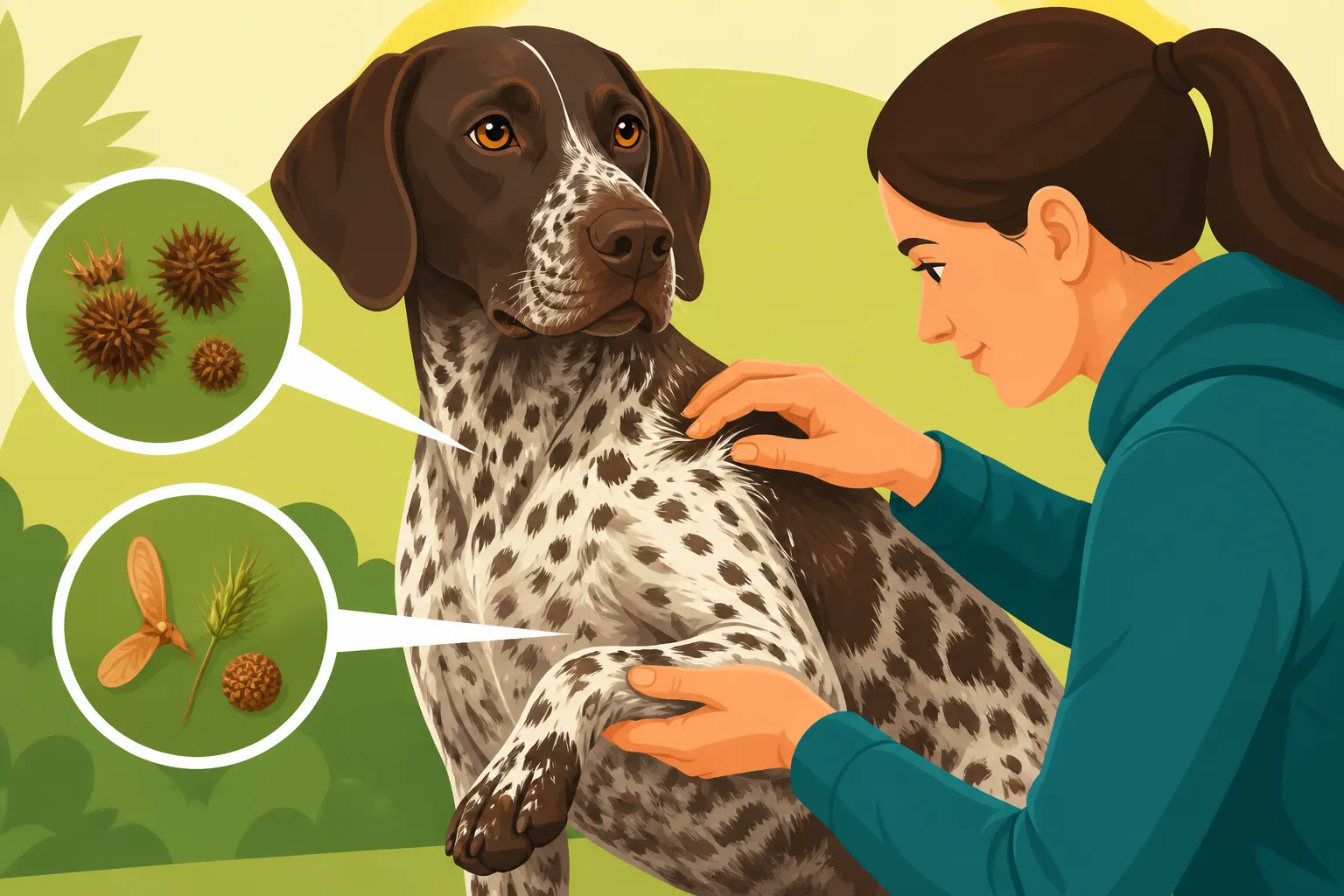
The world is full of plants designed to travel, and many of them seem specifically engineered to torment a GSP. You've got your obvious burdock burrs, which are big, sticky, and tend to clump. These are usually easy to spot but can mat surprisingly quickly in the fine fur of a GSP's armpits or groin. Then there are those tiny, annoying stickers from plants like cockleburs or stick-tights, which are smaller but incredibly sharp and cling like nobody's business. They can feel like tiny needles if you get one stuck in your finger, so imagine how it feels embedded in sensitive skin.
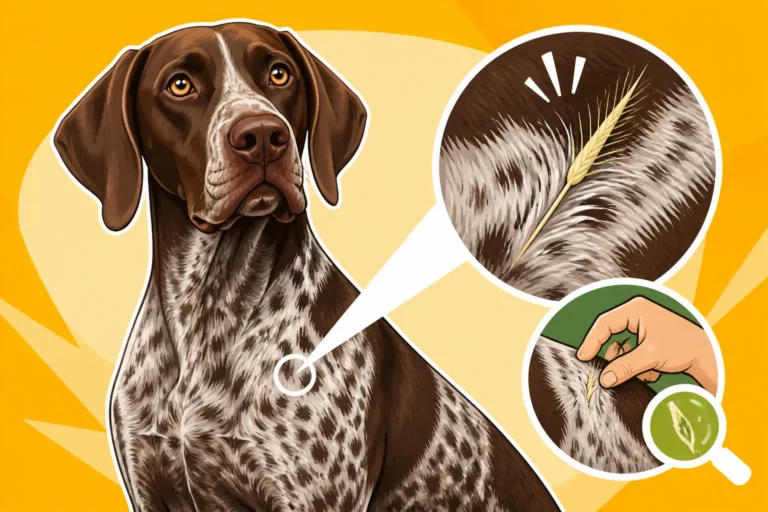
But the real silent assassins are the grass seeds, particularly the notorious foxtails or grass awns. These aren't just prickly; they have barbed, arrow-like shapes that allow them to only move forward. Once they get stuck in fur, they can burrow into the skin, into ears, up nostrils, or even migrate deeper into the body. Other common troublemakers include wild oats, cheatgrass, and various types of brome, all of which produce similar menacing seeds. Knowing what these look like in the field can help you avoid certain areas, but it's often an unavoidable part of hunting or exercising a GSP in natural settings. Foxtails and Grass Awns in a Hunting Shorthair are a particular nemesis that every GSP owner needs to understand.
The Hidden Dangers of Plant Material
It’s easy to dismiss a few burrs as a minor annoyance, but for a GSP, these plant invaders pose significant health risks. Beyond superficial skin irritation, they can lead to abscesses, serious infections, and even internal damage if they migrate. A grass awn, for instance, might enter through a paw pad, then travel up a leg, causing painful swelling and lameness. I've heard stories, and experienced some personally, of these seeds migrating into lungs, causing persistent coughing, or even into the spinal canal.
Ears are another prime target. Those floppy GSP ears, while adorable, can funnel seeds directly into the ear canal, leading to excruciating infections and even eardrum rupture if not caught quickly. Similarly, seeds can get lodged in eyes, causing corneal ulcers, or be inhaled up the nose, leading to violent sneezing, discharge, and the potential for serious respiratory issues. What starts as a simple burr can become an emergency vet visit, sometimes requiring surgery to locate and remove the migrating foreign body. This is why vigilance is paramount. You might read more about these incidents under Grass Seed Migration Into a Shorthair's Chest.
The Critical Post-Hunt Inspection Routine for Your Shorthair
After a long, exhilarating day in the field, all your German Shorthaired Pointer wants to do is collapse on their favorite bed. But before they get that well-deserved rest, a thorough head-to-tail inspection is absolutely non-negotiable. This routine might seem tedious, especially when you're tired too, but it's your frontline defense against the hidden dangers of burrs and seeds.
A Head-to-Tail Approach to Inspection
Start at their nose and work your way back to their tail, systematically checking every inch of their body. The key here is consistency and thoroughness. Begin by examining their muzzle and around their eyes. Look for any redness, squinting, or discharge that might indicate a seed has irritated or penetrated the eye. Gently lift their lips and check their gums and between their teeth, as seeds can sometimes lodge there, causing discomfort or even infection. Don't forget their nostrils; sometimes a persistent sniffle or sneeze after a hunt is a big clue that something has gone up there.
Move to their ears next. Lift those lovely, floppy ears and peer deep into the canal. Use a flashlight if you have one. Look for any debris, redness, or discharge. Gently feel the base of their ears for any swelling or heat, which could indicate a brewing infection from an embedded seed. Then, slowly run your hands over their entire head, neck, and shoulders, feeling for any bumps, mats, or prickly sensations. Many burrs will be felt before they are seen, especially in a GSP's short coat. You can get a good overview of what to look for after a day out in Checking a German Shorthaired Pointer Over After a Hunt.
Focusing on High-Risk Areas
While a full body check is important, some areas on a GSP are particularly vulnerable and deserve extra scrutiny. Their paws, for instance, are constantly in contact with the ground and are prime targets. Spread their toes wide and check carefully between each pad for any seeds, burrs, or small cuts. A Foxtail Lodged in a Shorthair's Paw is a common and painful injury. Also, check the dewclaws (if present) and the area just above the paw where the leg meets the foot. These spots can trap seeds easily.
Next, focus on their armpits, groin, and belly. The skin here is thinner and more sensitive, and the natural folds of their body create perfect pockets for burrs to accumulate and dig in. Run your hands slowly and deliberately through these areas, feeling for anything out of place. The tail, too, especially the underside, can collect stubborn bits. Finally, don't forget to look under the collar. It might seem obvious, but burrs can get trapped and cause irritation without you even realizing it until it's too late. It is a good practice to briefly remove their collar for this part of the inspection, ensuring nothing is hiding beneath it.
Tools to Aid Your Search
Having the right tools on hand can make this post-hunt routine much easier and more effective. A good quality fine-toothed comb or a flea comb can be invaluable for working through a GSP's short coat to catch smaller seeds and burrs that might otherwise be missed. A pair of blunt-tipped tweezers or small pliers can help grip stubborn burrs firmly without pinching your dog's skin. I always keep a pair in my field bag.
A bright flashlight is also essential, especially for peering into ears, between toes, and checking the eyes. For those really fine seeds, sometimes a magnifying glass can even be helpful. Keep a small bowl of warm water and a clean cloth nearby for gently wiping away any debris or to soothe irritated skin after removal. And for the really deep, stubborn ones, a good pair of trauma shears (the kind EMTs use) can be a lifesaver for cutting away matted hair around the burr, rather than trying to pull it straight out, which can be painful. Remember, the goal is always gentle, thorough removal, not causing more stress or injury to your dog. For managing issues in these areas, consider Trimming the Hair Between a Shorthair's Pads.
| Plant Material Type | Common Hiding Spots on a GSP | Potential Dangers | Recommended Removal Method |
|---|---|---|---|
| Burdock Burrs | Armpits, groin, tail, chest | Skin irritation, matting, minor cuts | Pliers/tweezers, blunt-tipped comb |
| Cockleburs | Ears, paws (between pads), belly, coat | Skin irritation, superficial puncture wounds | Blunt-tipped tweezers, gentle brushing |
| Foxtails/Grass Awns | Ears (deep in canal), nostrils, eyes, between toes, migrating under skin | Abscesses, deep infections, organ migration, serious discomfort | Veterinary removal if embedded, manual for surface |
| Thorns/Stickers | Paws, legs, belly, muzzle | Puncture wounds, infection, lameness | Tweezers, careful visual inspection |
Dealing with Embedded Burrs and Seeds: What to Do and What to Avoid
Finding an embedded burr or seed can be a moment of panic for any owner. Your GSP is probably already uncomfortable, and you don't want to make it worse. The key is to stay calm, assess the situation, and act judiciously. Some items you can handle at home with care, but others absolutely warrant professional attention.
Gentle Removal Techniques for Surface Burrs
For those burrs that are mostly clinging to the surface of the coat or are just barely pricking the skin, a gentle approach is best. If it's a large burr that's matted into the hair, try to carefully separate the surrounding fur first. You can use your fingers or a wide-toothed comb to gently tease the hair away from the burr. Sometimes, a little bit of dog-safe detangling spray or even a tiny dab of vegetable oil can help lubricate the hair and make the burr slide out more easily. I often use a pair of blunt-nosed pliers or strong tweezers to grip the burr at its base and pull it out with a firm but steady motion, ensuring I'm pulling in the direction of hair growth to minimize discomfort.
After removing the burr, always check the area for any small pieces left behind, as even tiny fragments can cause continued irritation. You might see a small red mark or a tiny puncture. Clean the area with a mild antiseptic wash designed for dogs, or simply warm water and gentle soap, to prevent infection. Keep an eye on the spot for the next day or two to ensure no swelling or redness develops. Grass Awns in a Shorthair's Coat and How to Find Them is a good resource for identifying these smaller, tougher culprits.
When a Seed Goes Deeper: Recognizing the Signs
This is where things get serious. If you suspect a grass seed or similar barbed plant material has actually embedded itself into the skin or, worse, entered a body cavity like the ear canal or nostril, home removal is generally not advised. Attempting to dig out an embedded seed yourself can push it deeper, cause more pain, increase the risk of infection, and make it much harder for a vet to locate. The barbs on these seeds are designed to migrate, and pulling against them can be excruciating and ineffective.
Signs that a seed has gone deeper include sudden, intense licking or chewing at a particular spot, head shaking, pawing at an ear, persistent sneezing, or limping. You might notice swelling, a small draining wound, or extreme tenderness to the touch. If your GSP is showing any of these symptoms, especially after time spent in tall grass, it's time to call the vet. Don't delay; the faster a migrating seed is dealt with, the better the prognosis and the less invasive the procedure. A Foxtail Lodged in a Shorthair's Paw is a prime example of a situation that often requires professional intervention.
Cleaning and Soothing the Affected Area
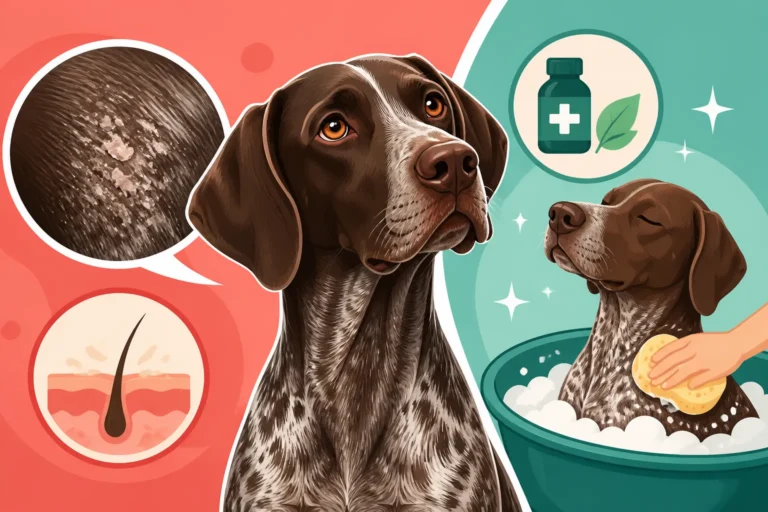
Once a burr or seed has been successfully removed, whether by you or your vet, proper aftercare is crucial to prevent secondary infections and soothe your dog's skin. For minor irritations, gently clean the area with a dilute antiseptic solution or just plain warm water. I like to keep a good quality veterinary-approved antiseptic spray or wipe on hand for these moments, available from places like Chewy or Amazon. These products are formulated to be safe for dogs and can help reduce bacterial load.
If the area is particularly red or inflamed, a cold compress can provide some immediate relief. You can also apply a thin layer of a veterinary-prescribed or approved topical ointment to help reduce inflammation and promote healing, ensuring it's safe for dogs if they lick it. Avoid using human products unless directed by your vet. Over the next few days, routinely check the spot for any signs of worsening infection such as increased redness, swelling, pus, or a foul odor. If these symptoms appear, or if your dog continues to lick or chew excessively at the site, another trip to the vet is in order.
Preventative Measures: Gear and Grooming to Protect Your Shorthair
Prevention is always better than cure, especially when it comes to the endless battle against burrs and seeds. While you can't completely eliminate the risk for an active German Shorthaired Pointer, there are several effective strategies you can employ to minimize their exposure and make clean-up much easier.
Protective Gear for Field Work
Investing in appropriate protective gear can make a huge difference, particularly for GSPs that spend a lot of time in heavy cover. Dog vests, often made of durable neoprene or cordura, can shield your dog's chest and belly from thorny plants and sharp seeds. These vests not only help prevent burrs from adhering to their main body but also offer protection against cuts and scrapes from brush. When selecting a vest, ensure it fits snugly but doesn't restrict movement, allowing your Shorthair to run and point comfortably. You can find a good selection of these on sites like Amazon or Chewy, often marketed as hunting or protective vests.
Another critical piece of gear is paw protection. Dog boots, while they might take some getting used to for your dog, can be incredibly effective at preventing seeds, burrs, and thorns from lodging between their paw pads. Look for boots that are durable, waterproof, and have a good grip. Introduce them slowly at home before expecting your GSP to wear them for a full hunt. Many experienced GSP owners swear by them, especially when working in environments known for abrasive ground cover or persistent foxtails. For more on this, check out Boots for a Shorthair on Rock and Stubble.
Strategic Grooming Habits
Beyond gear, a few consistent grooming habits can significantly reduce the burr burden. While GSPs have a short coat, maintaining it is still important. Regular brushing, even daily during high-risk seasons, can help remove loose hair and catch surface-level debris before it has a chance to burrow. A rubber curry brush or a shedding blade can work wonders.
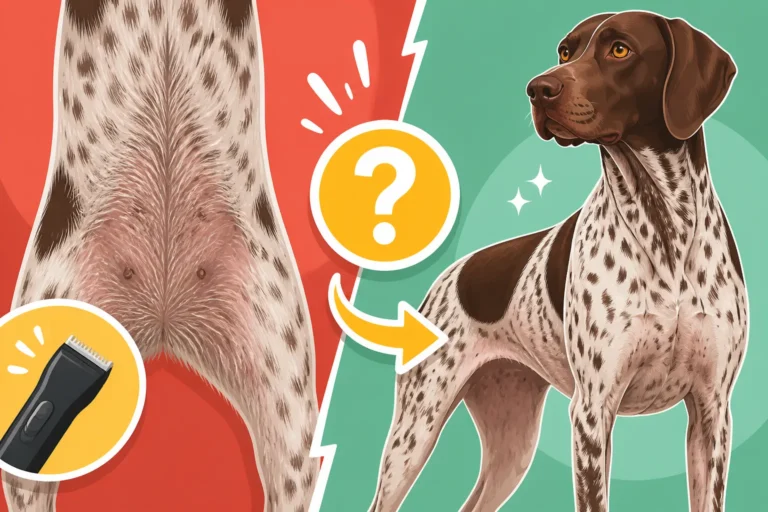
Perhaps the most important grooming trick is strategically trimming the hair in those high-risk zones. This isn't about giving your GSP a full-body shave, but rather neatly trimming the hair between their paw pads, in their armpits, and around their groin. Shorter hair in these areas means fewer places for seeds and burrs to cling to and less material for them to mat into. Use blunt-nosed scissors or a small electric trimmer with care, always going slowly and with good light. If you're not comfortable doing it yourself, a professional groomer can often handle these "sanitary trims" for field dogs. Trimming the Hair Between a Shorthair's Pads specifically addresses this.
Managing Your Hunting Environment
While we can't always choose our hunting grounds, being mindful of the vegetation can help. If you have control over an area where your GSP exercises, consider clearing out known patches of particularly troublesome plants like burdock or foxtails. Even just mowing tall, dry grass before a training session can drastically reduce the number of seeds your dog picks up.
After a hunt, take a moment to decontaminate your gear, too. Burrs and seeds can cling to your clothes, backpacks, and even your vehicle's floor mats, only to be transferred back to your dog later. A quick shake-out and brush-down of your own items can help prevent reintroduction. Finally, ensuring your dog is well-hydrated before and after field work can also indirectly help maintain healthy skin, which is more resilient against minor irritations. While a diet won't prevent burrs, good nutrition, perhaps with a quality kibble from Chewy or a fresh food option like Ollie, supports overall skin and coat health, which might improve recovery.
When to Seek Veterinary Help for Plant Material
As diligent as you might be with inspections and preventative measures, there will inevitably be times when a burr or seed poses a threat beyond your ability to manage at home. Knowing when to escalate to professional veterinary care is crucial for your German Shorthaired Pointer's health and well-being. Delaying can lead to much more serious, and costly, problems.
Signs of Serious Infection or Migration
If you've removed a burr or seed, but the area continues to swell, become increasingly painful, or develop pus or a foul odor, it's a clear sign of infection that warrants immediate veterinary attention. These could indicate a deep-seated infection or that a piece of the plant material was left behind, acting as a foreign body. Another serious indicator is if you can't locate the source of your dog's discomfort, but they are clearly distressed. For example, a dog repeatedly shaking their head, pawing at an ear, or tilting their head persistently might have a seed deep in their ear canal that you can't see.
Similarly, if your GSP develops a persistent cough, especially if it seems to worsen after exercise or eating, or if they have any unexplained nasal discharge, particularly from only one nostril, it could signal that a grass awn has been inhaled and is migrating within their respiratory system. These are not symptoms to ignore. This kind of migration is extremely dangerous and can lead to serious conditions like pneumothorax (collapsed lung) or internal abscesses. Such cases often require advanced imaging and surgical intervention. You might even find yourself looking up Chest Surgery Prices When a Shorthair Inhales an Awn.
Persistent Lameness or Discomfort
A common and often tricky scenario is when a GSP develops an unexplained lameness after time in the field. Sometimes, it's just a sore muscle, but it can also be a sign of an embedded seed in a paw or leg. If your dog is consistently favoring a limb, refusing to put weight on it, or seems painful when you touch a specific area of their leg or paw, and you can't find an obvious surface injury, a deeper investigation is needed. Seeds can penetrate the thin skin between toes or pads and travel surprisingly far up the leg, causing pain and infection along their migratory path.
You might notice a small, seemingly innocent bump or a tiny draining tract on the leg, which doesn't look like much, but it could be the entry point of a migrating seed. This "shifting lameness" can be particularly frustrating to diagnose because the exact point of pain might change as the seed moves. Never assume it's "just a bruise" if the lameness persists for more than a day or worsens. Your vet will have the tools and expertise to pinpoint the problem.
The Importance of Timely Professional Care
When it comes to embedded or migrating plant material, time is truly of the essence. The longer a seed or burr is allowed to remain in your dog's body, the greater the risk of serious infection, abscess formation, and the more complicated and expensive its removal becomes. A simple seed in the ear, if caught early, might be removed in a quick, non-sedated procedure at the vet's office. The same seed, if left for days or weeks, could lead to a ruptured eardrum, a deep-seated infection requiring sedation, specialized instruments, and weeks of medication.
Don't hesitate to call your veterinarian if you have any doubt about a plant-related injury. Explain the situation clearly, detailing when and where your dog was last in the field and what symptoms you're observing. Your vet is familiar with these common hunting dog injuries and will guide you on the best course of action. They have the experience and equipment to safely locate and remove these foreign bodies, preventing much greater suffering for your beloved German Shorthaired Pointer. Maintaining The Vet Schedule a Working Shorthair Should Keep is also part of proactive health management that can help catch these issues early.
Disclaimer
This article is for general informational purposes only and does not constitute professional advice. Laws, prices and regulations vary by location and change over time. Consult a qualified professional for guidance on your specific situation.