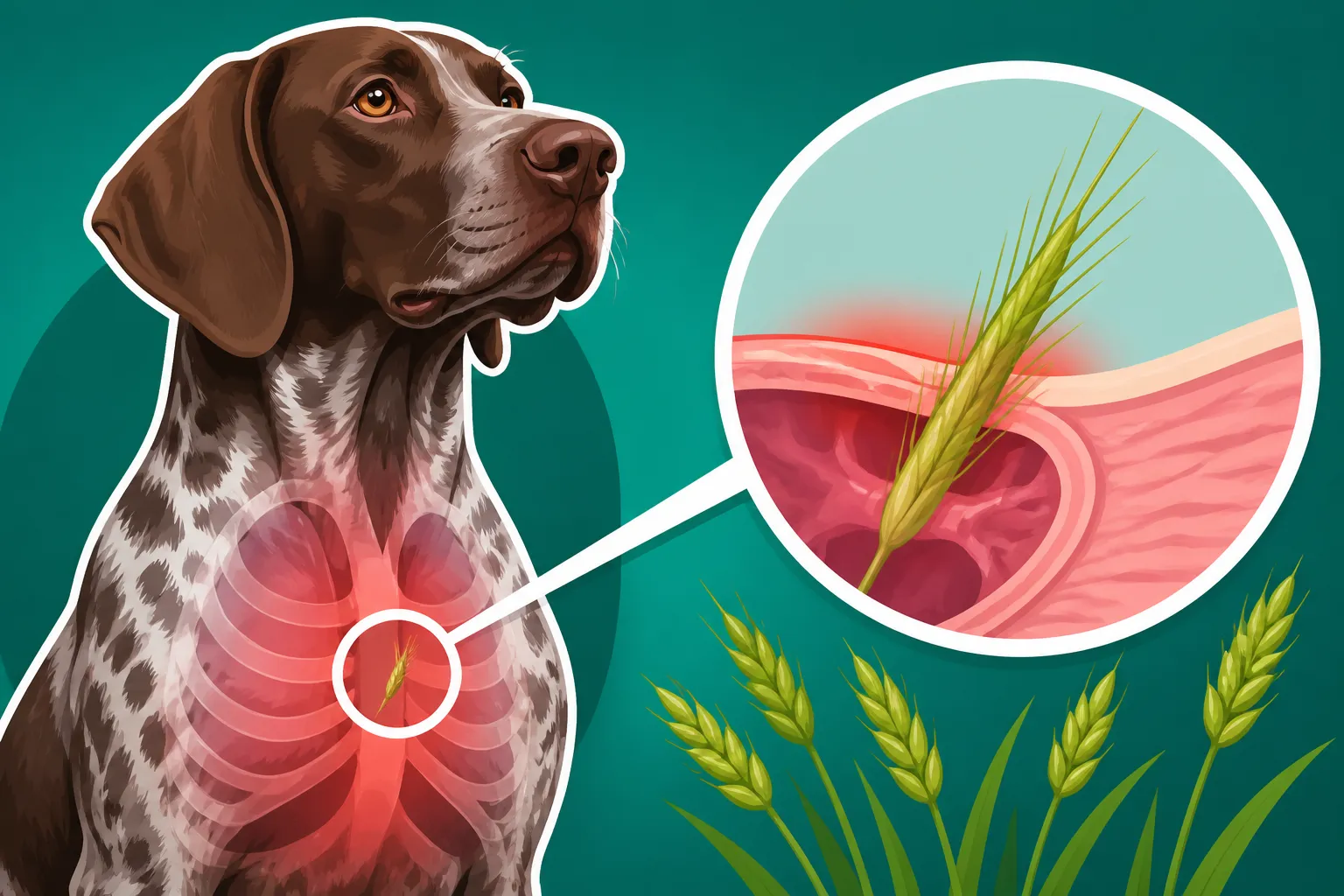
Grass Seed Migration Into a Shorthair’s Chest
It’s a truly sickening feeling for any German Shorthaired Pointer owner: seeing your active, field-loving companion suddenly cough, struggle, or show unexplained pain, knowing full well that an insidious little enemy from the very environment they thrive in might be the culprit. Grass seed migration into a shorthair's chest isn't just a concern; it's a terrifying reality that can lead to severe health crises and demand extensive veterinary intervention. This guide aims to shed light on this stealthy threat, helping you understand how it happens, what to look for, and how to protect your beloved GSP from these deceptively dangerous botanical invaders.
The Sneaky Threat of Grass Awns for Active Shorthairs
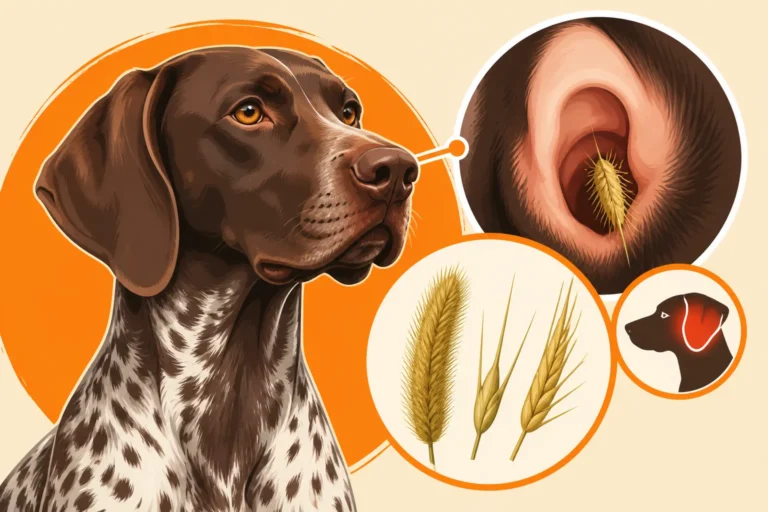
Grass awns, often colloquially called "foxtails" in many regions of the United States (though true foxtail grass is just one type), are a nightmare for dog owners, particularly those with active, outdoor breeds like German Shorthaired Pointers. These seemingly innocuous plant parts are designed by nature to disperse and embed themselves, which means they are incredibly effective at doing the same in your dog's fur, paws, and even internal tissues.
What are Grass Awns and Why are They So Dangerous?
Picture a tiny, barbed spear. That's essentially what a grass awn is. These seed heads feature microscopic, backward-facing barbs that allow them to attach to fur and skin with remarkable tenacity. Once embedded, these barbs act like one-way ratchets, preventing the awn from backing out. Instead, with every movement your dog makes, every muscle contraction, every shift in skin, the awn is pushed further and further into the body. It’s a relentless, painful progression that can lead to serious internal damage.
The danger isn't just about their ability to penetrate; it's about what they carry with them. Grass awns are not sterile. As they migrate, they drag bacteria from the environment deep into your dog's tissues, often resulting in severe infections, abscesses, and inflammation. Because they are organic foreign bodies, the body's immune system will attempt to wall them off or fight them, often creating granulomas or sterile abscesses that are incredibly difficult to resolve without surgical removal of the offending awn.
Why German Shorthaired Pointers are Particularly Vulnerable
German Shorthaired Pointers, with their boundless energy and innate drive to explore every inch of cover, are prime targets for grass awn infiltration. Their short, dense coats, while easy to groom compared to long-haired breeds, don't always provide sufficient barrier protection against these tiny invaders. When they are running through tall fields, dense underbrush, or dry creek beds – the very places they love to hunt – these awns cling on.
Think about a typical day afield for a GSP: head down, sniffing every scent trail, ears low, paws pounding the ground, constantly moving through vegetation. This lifestyle means constant exposure. Awns can easily lodge between their toes, in their ears, up their nostrils, in their armpits, groin, or even burrow directly through the skin. For a dog that spends hours intensely focused on scent work, the likelihood of picking up these problematic seeds is incredibly high. For more on how to manage common injuries from their active lifestyle, consider our guide on Field Injuries a Hunting German Shorthaired Pointer Comes Home With.
Understanding How Grass Seeds Migrate Internally
The journey a grass seed can take once it latches onto your German Shorthaired Pointer is truly astounding and deeply concerning. These tiny plant parts are not content to stay on the surface; their design facilitates relentless forward movement, making them a significant internal threat.
The Entry Points: Where Awns Get In
Grass awns are opportunists, finding their way into a GSP's body through several common, and often unsuspecting, routes:
- Paws: This is perhaps the most common entry point. Awns get stuck between toes, especially in the webbing, and then burrow into the soft tissue of the paw pads. Dogs will often lick or chew at the area, inadvertently pushing the awn deeper.
- Ears: The canal of a floppy-eared breed like a GSP offers a perfect funnel for awns. Once inside, they can cause intense irritation, head shaking, scratching, and if left untreated, rupture the eardrum or migrate further into the internal structures of the head.
- Nose: While your GSP is scenting diligently, a grass awn can easily be inhaled. The sudden, violent sneezing and reverse sneezing that follows is a clear indicator. If it lodges, it can cause chronic discharge or even migrate into the sinuses or down the respiratory tract.
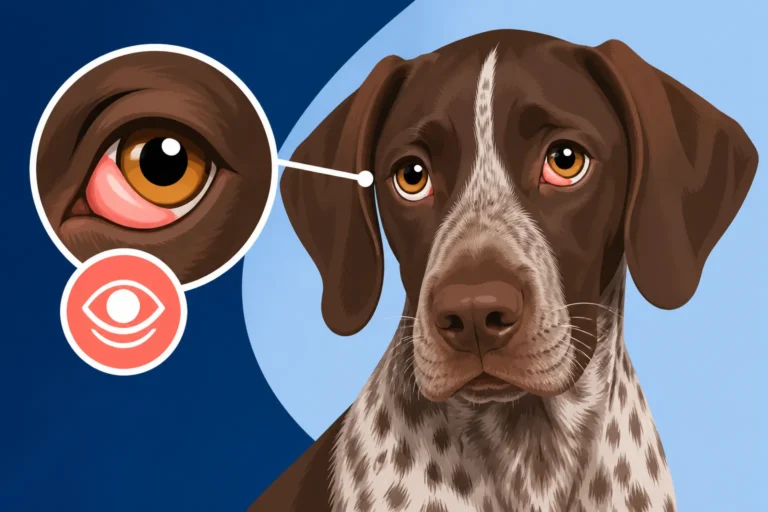
- Eyes: Awns can get under eyelids, causing severe irritation, corneal ulcers, and discharge. Left untreated, they can cause permanent eye damage.
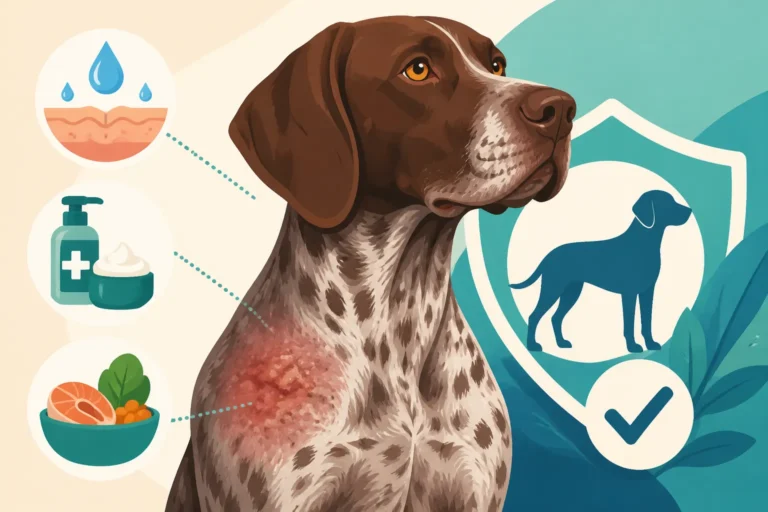
- Skin: Anywhere on the body, especially in thinner skin areas like the armpits, groin, or flanks, an awn can directly penetrate the skin. A small red bump or a draining tract might be the first sign.
- Mouth/Throat: While less common for direct chest migration, a GSP might ingest an awn while grooming or chewing on grass, leading to potential issues in the throat or digestive tract.
The Perilous Journey to the Chest
Once a grass awn enters the body, its migration can be remarkably unpredictable and terrifyingly efficient. For chest migration, the most common pathways are usually through inhalation or direct penetration.
If an awn is inhaled, it travels down the trachea and into the bronchi and lungs. The lung tissue and the pleura (the lining around the lungs) are delicate, and the sharp, barbed awn can easily puncture them. This can lead to pneumothorax (collapsed lung) or pyothorax (pus in the chest cavity), which are life-threatening conditions. In some cases, the awn might puncture the esophagus or even the diaphragm, allowing it to migrate from the abdominal cavity into the chest.
Alternatively, an awn can enter through the skin, typically in the neck, shoulder, or flank region, and then, aided by muscle movement and the one-way barbs, relentlessly push its way inward. It’s not uncommon for an awn to travel several inches or even feet through fascial planes and muscle tissues before reaching the chest cavity. This journey creates a "track" that can become infected and inflamed along its entire length.
Recognizing the Subtle Signs of Internal Migration
This is where it gets really tricky for us GSP owners, because the signs of internal grass awn migration can be incredibly vague and mimic many other conditions. It's often not an obvious injury like a cut pad; it's a slow, insidious decline or a persistent, low-grade issue.
Common signs to watch for include:
- Persistent coughing or gagging: Especially if it’s unproductive, like something is stuck. This could be a sign of irritation in the respiratory tract or the awn actually in the lungs.
- Increased respiratory effort: Your dog might seem to be breathing harder, faster, or with more obvious effort, even at rest.
- Lethargy and decreased appetite: A general malaise, reluctance to play or hunt, and a disinterest in food are always red flags.
- Fever: An elevated body temperature, indicating a systemic infection.
- Pain: Your dog might show discomfort when touched around the chest or abdomen, or simply be generally sensitive.
- Unexplained limping or lameness: If the awn has entered through a paw or leg and is migrating towards the chest, it can cause pain and inflammation in the limb.
- Abscess or draining tract: A swelling or a small hole on the skin that continuously oozes pus, particularly if it's not healing despite treatment. This can be a sign of an awn trying to exit or causing an infection along its migratory path.
- Sudden onset of neurological signs: In rare, severe cases, if migration impacts spinal nerves or the brain, this can occur.
The key is to consider your GSP's recent activities. Has your active pointer been running through dry, tall grass or heavy cover recently? If so, any of these subtle signs should immediately make you think of grass awns. Prompt veterinary attention is crucial, as early intervention can make a significant difference in outcome and cost. Our post on Checking a German Shorthaired Pointer Over After a Hunt offers a good routine that can help you spot these issues early.
| Symptom Category | Early/Localized Awn Symptoms | Systemic/Chest Migration Symptoms |
|---|---|---|
| General Behavior | Licking/chewing at specific area, head shaking, limping | Lethargy, decreased appetite, reluctance to move, hiding |
| Respiratory | Occasional sneeze, reverse sneeze (if in nose) | Persistent coughing/gagging, increased breathing effort, wheezing |
| Pain/Discomfort | Sensitivity at entry point (paw, ear, skin), reluctant to put weight on a limb | Vocalization of pain, guarding chest, hunched posture |
| Physical Signs | Localized swelling, redness, small draining hole, discharge (ear, eye, nose) | Fever, general weakness, weight loss, sometimes a deep, persistent draining tract (often near ribs) |
The Complex Road to Diagnosing Chest Migration
Diagnosing a grass seed migration into the chest is rarely straightforward. These tiny plant fragments are adept at hiding, and their movement can make them incredibly challenging to locate, even for experienced veterinarians. It's a journey that requires patience, persistent investigation, and often a multi-modal approach to pinpoint the problem.
Initial Vet Visit and Physical Examination
When you bring your German Shorthaired Pointer to the vet with suspected grass awn migration, the initial visit will involve a thorough physical examination. Your vet will meticulously check your dog's paws, ears, eyes, and skin for any obvious entry points or draining tracts. They’ll listen to your dog’s heart and lungs, palpate the chest and abdomen, and check for signs of pain or inflammation.
It’s absolutely vital to provide your veterinarian with a detailed history. Mentioning recent outdoor activities, particularly any time spent in areas with tall, dry grasses, is incredibly important. Even if you don't recall seeing an awn, the context of their activity can guide the diagnostic process. Your vet will likely also run baseline bloodwork, including a complete blood count (CBC) and a chemistry panel, to check for signs of infection, inflammation, or organ damage, and to assess your dog's overall health before considering more invasive procedures.
Advanced Imaging and Endoscopy
Once the initial exam suggests internal migration, especially into the chest, advanced diagnostics become necessary. Standard X-rays, unfortunately, are often inconclusive. Grass awns are organic matter and do not show up well on traditional radiographs, unless they are causing significant secondary effects like fluid accumulation (pyothorax), lung consolidation, or visible air pockets.
More sophisticated imaging techniques are usually required:
- Ultrasound: This non-invasive method can sometimes detect fluid pockets or abscesses in the chest cavity, and in skilled hands, might even visualize a larger awn or the inflammatory track it creates.
- CT (Computed Tomography) Scans: This is often the gold standard. A CT scan provides detailed cross-sectional images, which can be invaluable for identifying the exact location of the awn, the extent of the migration, and any associated tissue damage, abscesses, or fluid collections. It creates a 3D map that guides surgical planning.
- Fluoroscopy: This is a real-time X-ray, sometimes used to watch the movement of contrast material or to guide a needle, though it's less common for initial awn detection.
- Bronchoscopy/Thoracoscopy: These are minimally invasive endoscopic procedures. A small camera (bronchoscope) can be inserted into the airways to visually inspect the bronchial tree for awns or inflammatory lesions. A thoracoscopy involves small incisions to insert a camera and instruments directly into the chest cavity, allowing the vet to examine the lungs and pleura directly. These procedures require general anesthesia, and it’s important to consider Anesthesia Risk in a Lean German Shorthaired Pointer before proceeding.
Why Diagnosis Can Be So Frustratingly Difficult
The difficulty in diagnosing grass seed migration into the chest is multifold. First, as mentioned, the awns themselves are radiolucent (don't show on X-rays), and they're often very small. Second, they can be highly mobile, changing position over time, which means what one image shows one day might not be where the awn is found the next. Third, the body's reaction to the awn can wall it off, creating a sterile abscess that may not produce systemic signs of infection until it becomes quite large.
Moreover, the symptoms are often non-specific. A cough could be allergies, kennel cough, or heartworm disease. Lethargy could be many things. This makes it crucial for owners to insist on thorough investigation if they suspect an awn, especially if their GSP has been active in high-risk environments. This is a situation where having comprehensive pet insurance like Healthy Paws can significantly alleviate the financial burden of these extensive diagnostic procedures, which can quickly add up.
Treatment Approaches and Long-Term Outlook
Once a grass awn has been confirmed to be in your German Shorthaired Pointer's chest, the focus shifts to removing it and addressing any resulting damage or infection. This is typically a serious undertaking, requiring skilled veterinary care and a dedicated recovery period.
Surgical Removal: The Most Common Solution
For grass awns lodged in the chest, surgical removal is almost always the necessary course of action. This is not a minor procedure; it's a major thoracic surgery known as a thoracotomy, where the chest cavity is surgically opened. The surgeon will meticulously explore the lungs, pleura, and surrounding tissues to locate and extract the foreign body. Sometimes, a part of a lung lobe might need to be removed if it's too damaged or abscessed.
In some specialized veterinary hospitals, video-assisted thoracoscopic surgery (VATS) may be an option. This minimally invasive technique uses a small camera and instruments inserted through tiny incisions, offering potentially faster recovery times and less pain than a full thoracotomy. However, not all cases are suitable for VATS, especially if the awn is deeply embedded or has caused extensive tissue damage. The challenges in surgery include finding the elusive awn, which can be tiny and hidden within inflamed tissue, and ensuring all fragments are removed to prevent recurrence. The financial aspect of these procedures can be daunting, and having pet insurance from providers like Healthy Paws can make a critical difference in accessing this advanced care without delay. For a deeper dive into the costs, you might find our article on Chest Surgery Prices When a Shorthair Inhales an Awn useful.
Managing Complications and Post-Operative Care
Post-operative care is as crucial as the surgery itself. Your GSP will likely need several days of hospitalization for monitoring, pain management, and intravenous antibiotics. Complications are a real concern and can include:
- Pneumonia: Despite best efforts, infection can linger or develop.
- Pyothorax: Pus collecting in the chest cavity, often requiring drainage tubes.
- Pneumothorax: Air leaking into the chest, potentially causing a collapsed lung.
- Continued inflammation or pain: Even after removal, the body takes time to heal.
- Repeat migration: If even a tiny fragment of the awn is left behind, it can continue to cause problems.
Your vet will likely send your dog home with a regimen of oral antibiotics and pain medication. Rest will be paramount, which can be a significant challenge for an energetic German Shorthaired Pointer! Strict leash walks and preventing jumping or strenuous activity will be necessary for several weeks. Follow-up appointments and potentially additional imaging will be scheduled to monitor recovery and ensure no further complications arise. Some dogs might benefit from physical therapy, similar to rehabilitation seen after injuries like a Physical Therapy for a Shorthair After Knee Surgery, to regain full lung capacity and stamina. Furthermore, if your GSP has an underlying condition like The Bleeding Disorder in German Shorthaired Pointer Lines, surgical risks can be higher, requiring careful pre-operative planning.
Crucial Prevention Strategies for German Shorthaired Pointers
The best treatment for grass awn migration is prevention. While it’s impossible to eliminate all risk for such an active breed, you can significantly reduce their exposure:
- Daily Checks: After every outing, especially in fields or tall grass, meticulously check your GSP. Pay close attention to paws (between toes!), ears, armpits, groin, and around the eyes and nose. Use a fine-toothed comb on their short coat. This is part of the routine you’d find in Checking a German Shorthaired Pointer Over After a Hunt.
- Avoidance: Whenever possible, avoid areas with dense, dry, or seeding grasses, particularly during late spring, summer, and fall. Keep your lawn mowed short.
- Protective Gear: Consider dog boots for paw protection, especially if hunting in rocky or abrasive terrain where awns are prevalent. However, ensure your dog is comfortable in them before a long outing.
- Grooming: Keep the hair between your GSP’s paw pads trimmed short to reduce the surface area for awns to cling to.
- Awareness: Be vigilant. If you see your GSP suddenly shaking their head, constantly licking a paw, or exhibiting a sudden, unexplained cough after being outdoors, contact your vet immediately. Early detection of surface awns is key to preventing internal migration.
While the costs associated with diagnosing and treating grass seed migration can be substantial – we're talking thousands of dollars for imaging, surgery, and post-operative care – providers like Healthy Paws offer robust coverage that can ease the financial burden. This allows you to focus on your GSP's recovery rather than worrying about the bill. Understanding The Vet Bills a Hunting German Shorthaired Pointer Earns can help you budget for these possibilities.
Disclaimer
The information provided in this article is for educational and informational purposes only and does not constitute veterinary advice. Always consult with a qualified veterinarian for any health concerns or before making any decisions related to your pet's health or treatment.