The Vet Bills a Hunting German Shorthaired Pointer Earns
It’s a truly exhilarating experience, watching your German Shorthaired Pointer glide through the field, nose to the ground, absolutely living their best life. They’re athletes, driven by instinct and boundless energy, and they thrive on that kind of intense activity. But here’s the thing we often don’t want to think about: all that hard work and intense play, especially in rugged terrain, comes with a real risk of injury and illness. The vet bills for a hunting German Shorthaired Pointer can quickly add up, turning a fantastic day afield into a stressful financial hit. This comprehensive guide is here to walk you through the most common veterinary expenses you'll likely face with your active Shorthair, helping you understand what to expect and how to prepare for the inevitable bumps, bruises, and sometimes, much more serious emergencies.
The Inevitable Reality of Field Injuries
When your German Shorthaired Pointer is doing what they were born to do – pushing through heavy cover, crashing through thickets, and navigating varied terrain – minor injuries aren't just possible, they're practically guaranteed. It’s part of the package deal with these incredible hunting companions.
Cuts, Scrapes, and Punctures from Cover
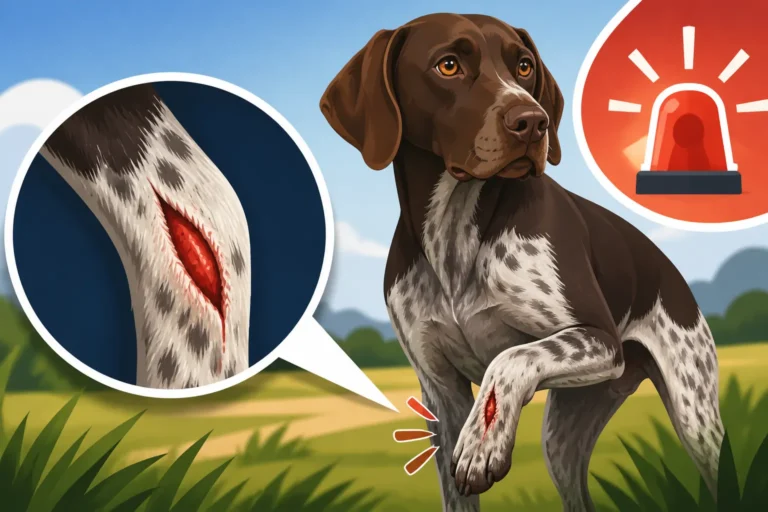
Imagine your Shorthair tearing through a field where unseen barbed wire lurks, or perhaps navigating a dense briar patch that would stop a lesser dog in its tracks. These scenarios, while commonplace, are prime opportunities for skin lacerations, deep scrapes, and puncture wounds.
Sometimes, these are superficial scrapes that you can clean and treat at home with a bit of antiseptic and a watchful eye. But let's be real, a GSP's short coat offers minimal protection, and they're often too focused on the hunt to notice a minor injury until later. What looks like a small cut can be surprisingly deep, requiring veterinary attention. A vet visit for a cut might involve cleaning and flushing the wound, checking for foreign debris, and often, a few stitches to close it properly. Antibiotics are frequently prescribed to ward off infection, especially with puncture wounds that can trap bacteria deep within the tissue. You could be looking at a bill anywhere from $150 to $500 for a straightforward wound repair, depending on its severity, location, and whether sedation is needed. If it’s a tricky spot, like near a joint or an eye, the complexity and cost only increase.
Torn Pads and Nail Injuries
A German Shorthaired Pointer’s paws are their primary tools in the field, taking a constant beating from abrasive surfaces, sharp rocks, and frozen ground. It’s no wonder that torn pads and nail injuries are incredibly common. A deep tear on a paw pad can be excruciating, making it difficult for your dog to walk, let alone hunt. These injuries bleed a lot, often requiring immediate attention.
Treatment for a torn pad usually involves thorough cleaning, pain medication, antibiotics, and often a protective bandage or even a special boot to allow the pad to heal without further irritation. Healing can take weeks, during which your dog will need restricted activity – a challenge for any GSP owner! Broken nails, especially if they break high up into the quick, are also painful and can get infected. The vet might need to sedate your dog to trim the broken nail properly, cauterize the quick to stop bleeding, and then send you home with antibiotics and pain relief. These seemingly simple injuries can quickly rack up costs between $100 and $400 for a single incident, particularly if sedation or multiple follow-up visits are required. After every outing, it’s critical to take the time for Checking a German Shorthaired Pointer Over After a Hunt, paying close attention to their hardworking paws.
Musculoskeletal Woes on a Hard-Running Dog
German Shorthaired Pointers are built for speed and endurance, but all that power and agility put immense stress on their joints, ligaments, and tendons. These aren't just weekend warriors; they are elite canine athletes, and like any athlete, they are prone to significant orthopedic challenges.
Sprains, Strains, and Cruciate Ligament Tears
The sudden stops, explosive bursts of speed, and rapid changes in direction that make a GSP so effective in the field also put their knees, ankles, and other joints at high risk for sprains and strains. A simple misstep in uneven terrain can lead to a pulled muscle or a painful ligament stretch. You’ll notice your dog limping, favoring a leg, or showing signs of pain. Diagnosis might involve a physical exam, sometimes X-rays to rule out fractures, and then usually conservative management with rest, anti-inflammatory medications, and perhaps cold or warm compresses. These milder injuries might cost a few hundred dollars for diagnostics and medication.
However, the big one, the one that can truly blindside you financially, is a torn cruciate ligament. This is often the anterior cruciate ligament (ACL) in humans, and it’s a common and devastating injury for active dogs. A sudden twist or landing awkwardly can cause it to snap, leading to immediate lameness. Diagnosing a cruciate tear typically involves physical examination and often X-rays. The heartbreaking reality is that a full tear almost always requires surgery to stabilize the knee. Common surgical procedures like TPLO (Tibial Plateau Leveling Osteotomy) or TTA (Tibial Tuberosity Advancement) can cost anywhere from $3,000 to $7,000 per knee, sometimes even more in specialized veterinary hospitals. This doesn't even include the extensive post-operative care, pain management, and physical rehabilitation needed for a full recovery. If you’ve ever had to deal with Torn Cruciates in a Field Bred German Shorthaired Pointer, you know the financial and emotional toll it takes.
Shoulder and Toe Injuries
Beyond the major joints, the intricate structures of a GSP's shoulders and toes are also vulnerable. A dog crashing through heavy cover, launching itself over obstacles, or simply bracing against a strong retrieve can easily strain a shoulder muscle or even dislocate a toe. Shoulder injuries, while less common than knee issues, can be debilitating. They might manifest as a subtle lameness that worsens with activity. Diagnosis often requires careful palpation, sometimes X-rays, and in complex cases, even MRI or CT scans to pinpoint the exact issue. Treatment ranges from strict rest and anti-inflammatory drugs to more involved physical therapy or, rarely, surgery.
Toe injuries are much more frequent. Imagine the impact on those delicate bones and ligaments when a 60-pound dog is running at full speed and suddenly jams a toe. Sprains, fractures, or dislocations of the digits can occur. These injuries typically involve splinting, bandaging, rest, and pain management. While individual toe injuries might seem minor, they can be surprisingly expensive to diagnose and treat, especially if multiple toes are affected or if the injury causes ongoing discomfort. A veterinarian visit for a suspected toe injury, including examination, X-rays, and treatment, can easily fall in the $200-$600 range. Repeated issues or slow-healing fractures will push that number higher.
The Hidden Dangers of the Wild
The great outdoors, while providing the perfect playground for your GSP, also harbors a myriad of unseen hazards. These aren't just cuts and sprains; these are silent threats that can lead to emergency vet visits and significant bills.
Foxtails, Grass Awns, and Other Plant Foreign Bodies
This is a nightmare scenario for any hunting dog owner. Foxtails and grass awns, those barbed, bristly seed heads from certain grasses, are insidious. Their unique shape allows them to burrow forward, but not backward, meaning they can penetrate skin, get inhaled, or lodge in body orifices, and then continue to migrate deep within your dog's tissues.
Common places they embed themselves are between the paw pads, in the ears, up the nose, or even under the eyelids. Symptoms can range from persistent licking of a paw, head shaking, pawing at an ear, or sudden, violent sneezing. If left untreated, a foxtail can cause severe infection, abscesses, or even migrate into vital organs like the lungs or brain, leading to life-threatening complications. Removing a foxtail often requires sedation, sometimes general anesthesia, to probe and extract the foreign body. If it's deep in the ear canal or nasal passages, an endoscope might be needed. Surgical exploration may be necessary if it has migrated significantly. A routine removal from a paw might be $200-$500, but if it requires specialized imaging or internal surgery, the bill can easily climb to $1,000-$3,000 or more. This is why vigilance after every hunt is paramount, and understanding Foxtails and Grass Awns in a Hunting Shorthair is crucial. Prompt attention to any suspicious licking or head shaking can save you significant money and your dog a lot of pain. We even see these little devils migrate from the nose into the lungs, demanding extensive and costly surgery, as detailed in Grass Awns in a German Shorthaired Pointer's Nose.
Snake Bites and Insect Stings
Depending on where you hunt, snake bites are a very real and terrifying possibility. Rattlesnakes, copperheads, and cottonmouths are particularly dangerous, and their venom can cause severe tissue damage, swelling, pain, and even systemic shock. Your GSP, with its fearless pursuit of game, is unfortunately highly susceptible to these encounters.
A snake bite is always an emergency. Treatment is aggressive and time-sensitive, often involving antivenin (which is incredibly expensive, sometimes thousands of dollars per vial), IV fluids, pain medication, antibiotics, and extensive hospitalization. Depending on the size of your dog, the type of snake, and the amount of venom injected, a snake bite can lead to vet bills ranging from $1,000 to over $10,000. Some areas offer rattlesnake vaccines, which can lessen the severity of a bite but do not eliminate the need for veterinary care. It's a tough decision whether to get Whether a Shorthair Needs a Rattlesnake Vaccine, but it's one many hunting dog owners grapple with. Beyond snakes, severe allergic reactions to insect stings (bees, wasps, spiders) can also send your Shorthair to the emergency vet. Anaphylactic shock requires immediate intervention with antihistamines, steroids, and sometimes epinephrine. These emergency visits can still run into hundreds of dollars.
Urgent Care and Acute Illnesses
Some of the most frightening and expensive vet bills come from conditions that strike suddenly and require immediate, life-saving intervention. German Shorthaired Pointers, due to their deep chests and high energy levels, are unfortunately predisposed to a couple of these critical emergencies.
Gastric Dilatation-Volvulus (Bloat)
If you own a GSP, you must be aware of bloat, or Gastric Dilatation-Volvulus (GDV). This is a terrifying condition where the stomach fills with gas and twists on itself, cutting off blood supply and quickly becoming fatal if not treated. GSPs, with their deep, narrow chests, are one of the breeds at highest risk, especially after intense exercise, stress, or eating a large meal quickly.
Signs include unproductive retching (trying to vomit but nothing comes up), a distended abdomen, restlessness, and signs of pain. This is an absolute emergency – minutes matter. Your dog needs to get to an emergency veterinary clinic immediately. Treatment involves stabilizing the dog, decompressing the stomach (often with a tube), and then emergency surgery to untwist the stomach and tack it to the abdominal wall (gastropexy) to prevent future episodes. The surgery is complex and expensive, typically costing between $3,000 and $7,000, not including post-operative complications or extended hospital stays. This is why knowing The Bloat Risk a Shorthair Carries Into Every Season and recognizing The Unproductive Retching That Means a Shorthair Is Bloating are literally life-saving skills. Many owners opt for a prophylactic gastropexy during spay/neuter surgery to prevent this devastating condition in the future, which is a conversation worth having with your vet if you haven't already considered Whether a German Shorthaired Pointer Should Be Tacked at Neuter.
Heat Exhaustion and Water Intoxication
Your GSP has a motor that just doesn't quit. They want to please, and they will push themselves to their limits, even in unfavorable conditions. This drive, combined with their relatively thin coat and high metabolic rate, makes them susceptible to heat exhaustion or even full-blown heat stroke if exercised too hard in warm weather.
Symptoms include excessive panting, weakness, stumbling, vomiting, and bright red gums. This is a medical emergency. Cooling measures (cool water, fans, ice packs on arteries) are crucial, but veterinary care is essential to monitor for organ damage, administer IV fluids, and provide supportive care. Costs can range from several hundred dollars for mild cases to several thousands for severe heat stroke requiring extended hospitalization and aggressive treatment for kidney failure or other complications. Similarly, water intoxication is a risk, particularly for retrieving dogs who spend hours in the water, ingesting large amounts of it. Too much water dilutes electrolytes, leading to brain swelling. This is also an emergency, requiring IV fluids and careful monitoring. Preventing Heat Exhaustion in an Early Season Shorthair and Water Intoxication in a Retrieving German Shorthaired Pointer is always better than treating them, but when an emergency strikes, the bills can be substantial.
Chronic Conditions and Ongoing Management
While acute injuries grab immediate attention (and funds!), German Shorthaired Pointers can also develop chronic conditions that require ongoing veterinary care, adding up to significant long-term expenses.
Ear Infections from Water Exposure
German Shorthaired Pointers often have floppy ears, and if your dog loves to swim – which many GSPs absolutely do – those ears become a perfect, warm, moist environment for bacteria and yeast to flourish. Recurring ear infections are incredibly common and can be a source of constant frustration for both you and your dog.
The cycle often starts with scratching, head shaking, and a noticeable odor from the ear. A vet visit will involve an otoscopic examination, taking a swab to identify the type of infection (bacterial, yeast, or both), and then prescribing appropriate ear drops, cleaners, and sometimes oral antibiotics or anti-inflammatories. If left untreated, chronic infections can lead to severe pain, hearing loss, and even surgical intervention in extreme cases. Each ear infection vet visit, including examination and medication, might cost $100-$300. But if your dog gets three or four infections a year, year after year, those costs quickly multiply. Preventative measures, like diligently drying your GSP's ears after every swim as mentioned in Ear Infections in a Shorthair That Swims, are vital, but sometimes even the best efforts aren't enough.
Inherited Skin Conditions and Allergies
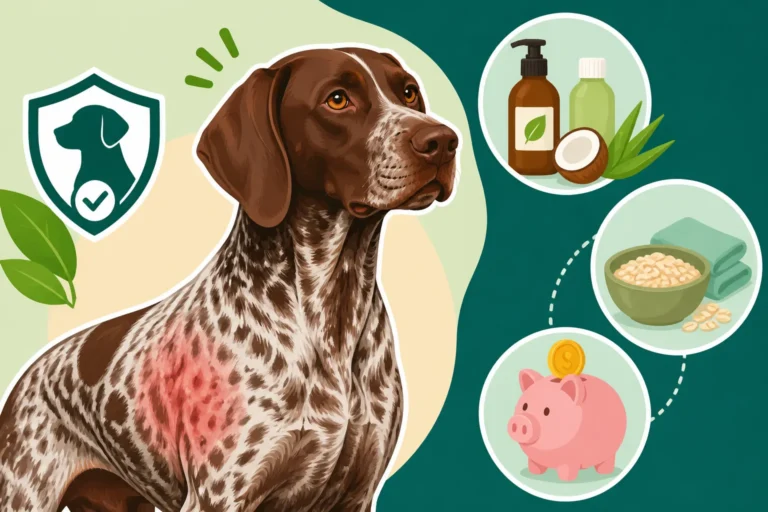
Despite their short, sleek coats, German Shorthaired Pointers are unfortunately prone to certain skin issues, both inherited and environmental. One significant inherited condition is Lupoid Dermatosis, a serious autoimmune skin disease that typically appears early in life.
Lupoid Dermatosis often presents as severe scaling, hair loss, and crusting, primarily along the back and head. Diagnosing it requires a skin biopsy, which involves anesthesia and laboratory analysis, usually costing $500-$1,000. Sadly, there's no cure for Lupoid Dermatosis, only management. This means a lifetime of expensive medications like cyclosporine, steroids, special shampoos, medicated baths, and sometimes dietary changes. The ongoing monthly cost for managing this condition can easily be several hundred dollars, becoming a substantial financial burden over your dog's lifetime. Learning about Lupoid Dermatosis and a Shorthair's Scaling Skin and preparing for these costs is essential if you have an affected dog.
Beyond inherited conditions, environmental allergies (atopy) are also prevalent in GSPs. Dust mites, pollen, and molds can cause intense itching, leading to skin infections, hot spots, and general discomfort. Diagnosing environmental allergies can involve skin testing or blood tests, each costing a few hundred dollars. Management often includes antihistamines, prescription medications like Apoquel or Cytopoint (which can be $50-$150 per month), medicated shampoos, and sometimes immunotherapy injections. Food allergies can also manifest as skin issues, requiring expensive prescription diets or lengthy elimination trials. These ongoing treatments mean frequent vet visits for flare-ups and prescriptions, quickly adding up to hundreds, if not thousands, of dollars annually.
The Financial Shield: Pet Insurance and Preparedness
Given the potential for high vet bills, especially for an active hunting dog like a German Shorthaired Pointer, being financially prepared is not just smart—it's essential. You want to focus on your dog's recovery, not on how you're going to pay for it.
Understanding Pet Insurance for Hunting Dogs
Pet insurance can be a real lifeline for owners of active dogs. It works much like human health insurance, helping to cover the costs of unexpected accidents and illnesses. For a hunting GSP, this can be incredibly valuable, given their predisposition to field injuries, bloat, and other emergencies. Most policies operate on a reimbursement model: you pay the vet upfront, then submit your claim to the insurance company, and they reimburse you a percentage of the covered costs after your deductible.
When choosing a policy, it’s crucial to look for one that covers accidents and illnesses, as this will protect you against the high costs of things like cruciate surgery, snake bites, or bloat. Some plans offer wellness add-ons, but for hunting dogs, accident and illness coverage is usually the priority. Deductibles typically range from $250 to $1,000, and reimbursement rates usually fall between 70% and 90%. It's important to understand waiting periods—the time frame after you purchase a policy before certain conditions are covered. For example, orthopedic conditions often have longer waiting periods. Some insurers, like Healthy Paws, are popular choices and known for comprehensive coverage, though it's always wise to compare plans from several providers. The golden rule with pet insurance is to get it when your dog is young and healthy, before any pre-existing conditions develop. Many policies will consider an injury or illness that occurred before coverage began as pre-existing, and thus, won't cover it. This can be a game-changer when considering Insuring a Shorthair That Injures Itself Hunting.
Building an Emergency Fund and Budgeting for Care
While pet insurance offers a significant safety net, it’s not for everyone, and even with insurance, you'll still have deductibles and co-pays. That's why building a dedicated emergency fund for your dog's healthcare is an excellent strategy. Think of it as "self-insuring." Setting aside a fixed amount each month into a separate savings account means you'll have funds readily available when an unexpected vet bill arises.
How much should you save? A good rule of thumb is to aim for at least $3,000 to $5,000, which can cover a good portion of a major emergency like bloat surgery or a complex injury. Once you hit that amount, you can continue to add to it, or adjust your monthly contributions. If a major bill comes in, having that cushion means you don't have to make difficult financial decisions during an already stressful time. For those without an emergency fund or insurance, options like CareCredit can provide a credit line specifically for veterinary expenses, often with deferred interest options if paid within a certain timeframe. Many online retailers, such as Chewy, and fresh food providers like Ollie, offer subscription services for food and supplies which can help you budget for regular expenses, freeing up funds for potential emergencies. Regardless of your approach, being proactive about your GSP's potential healthcare costs will provide peace of mind and ensure your incredible hunting companion receives the best possible care throughout their active life.
| Injury/Condition | Typical Treatment | Estimated Cost Range (USD) |
|---|---|---|
| Minor Laceration (Stitches/Antibiotics) | Cleaning, stitching, antibiotics, pain medication | $150 – $500 |
| Torn Paw Pad | Cleaning, bandaging, pain meds, antibiotics, protective boot | $100 – $400 |
| Broken Nail (into quick) | Sedation, trimming, cauterizing, pain meds, antibiotics | $100 – $350 |
| Sprain/Strain | Exam, X-rays (optional), rest, anti-inflammatories | $200 – $600 |
| Cruciate Ligament Tear (Surgery) | Exam, X-rays, TPLO/TTA surgery, post-op meds, rehab | $3,000 – $7,000+ |
| Foxtail Removal (simple) | Sedation, removal, antibiotics, anti-inflammatories | $200 – $500 |
| Foxtail Removal (complex/migrated) | Sedation, endoscopy/surgery, imaging, hospitalization, meds | $1,000 – $3,000+ |
| Snake Bite | Emergency stabilization, antivenin, IV fluids, pain meds, hospitalization | $1,000 – $10,000+ |
| Bloat (GDV) Surgery | Emergency stabilization, stomach decompression, surgery (gastropexy), hospitalization | $3,000 – $7,000+ |
| Heat Exhaustion (mild to severe) | Cooling measures, IV fluids, blood work, hospitalization, supportive care | $300 – $3,000+ |
| Ear Infection (recurring) | Exam, ear swab/culture, ear drops, oral meds, cleaning products | $100 – $300 per episode |
| Lupoid Dermatosis (diagnosis & initial meds) | Biopsy (anesthesia), lab analysis, initial course of specialized medication | $500 – $1,500+ |
| Lupoid Dermatosis (monthly management) | Cyclosporine/steroids, medicated shampoo, specialized diet | $200 – $500+ per month |
| Environmental Allergies (diagnosis & initial meds) | Allergy testing (blood/skin), initial medications/injections | $300 – $800+ |
| Environmental Allergies (monthly management) | Apoquel/Cytopoint, antihistamines, special diet, medicated shampoos | $50 – $250+ per month |
Disclaimer
The information provided in this article is for general informational purposes only and does not constitute veterinary advice. Always consult with a qualified veterinarian for any health concerns or before making any decisions about your pet's medical care. Costs are estimates and can vary significantly based on location, veterinary clinic, severity of condition, and individual pet's needs.