The Bloat Risk a Shorthair Carries Into Every Season
It’s a fear that quietly gnaws at the edges of every German Shorthaired Pointer owner’s mind: bloat. This isn't just an upset tummy; it's a terrifying, rapidly progressing condition that can turn a vibrant, healthy dog into a critical emergency in mere hours. For a breed as active and deep-chested as our beloved Shorthairs, understanding this silent killer, recognizing its subtle signs, and knowing exactly what to do can quite literally be the difference between life and death. This comprehensive guide will arm you with the knowledge you need to protect your GSP from bloat, every season.
Understanding Gastric Dilatation-Volvulus: The Silent Killer
Bloat, medically known as Gastric Dilatation-Volvulus (GDV), is one of the most acute and life-threatening conditions a German Shorthaired Pointer can face. It happens shockingly fast and can strike even the healthiest of dogs without much warning. The sheer speed with which a dog can go from playful to perilous is what makes it so terrifying for owners, and why every second counts when it's suspected.
What is Bloat, Really?
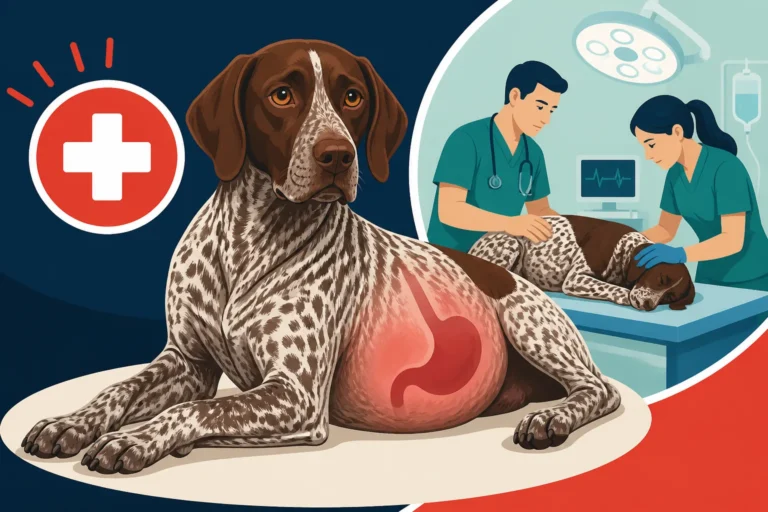
At its core, bloat begins with Gastric Dilatation, which means the stomach rapidly fills with gas, fluid, or food, causing it to distend like a balloon. Imagine your Shorthair's stomach swelling massively inside their abdomen. This intense pressure puts stress on various organs, reduces blood flow, and can be incredibly painful. It’s not just uncomfortable; it's a cascade of events that starts to impact the heart, lungs, and other vital systems, making breathing difficult and potentially leading to shock.
For a deep-chested breed like the German Shorthaired Pointer, that large, cavernous chest cavity offers more room for the stomach to expand and, unfortunately, to move freely. This anatomical predisposition is why GSPs are so much more vulnerable compared to breeds with shallower chests. The gas buildup can be caused by gulping air while eating or drinking, especially after exercise, or from fermentation of food in the stomach. Whatever the cause, the stomach quickly becomes an engorged, painful mass.
The Twist: When Dilatation Becomes Volvulus
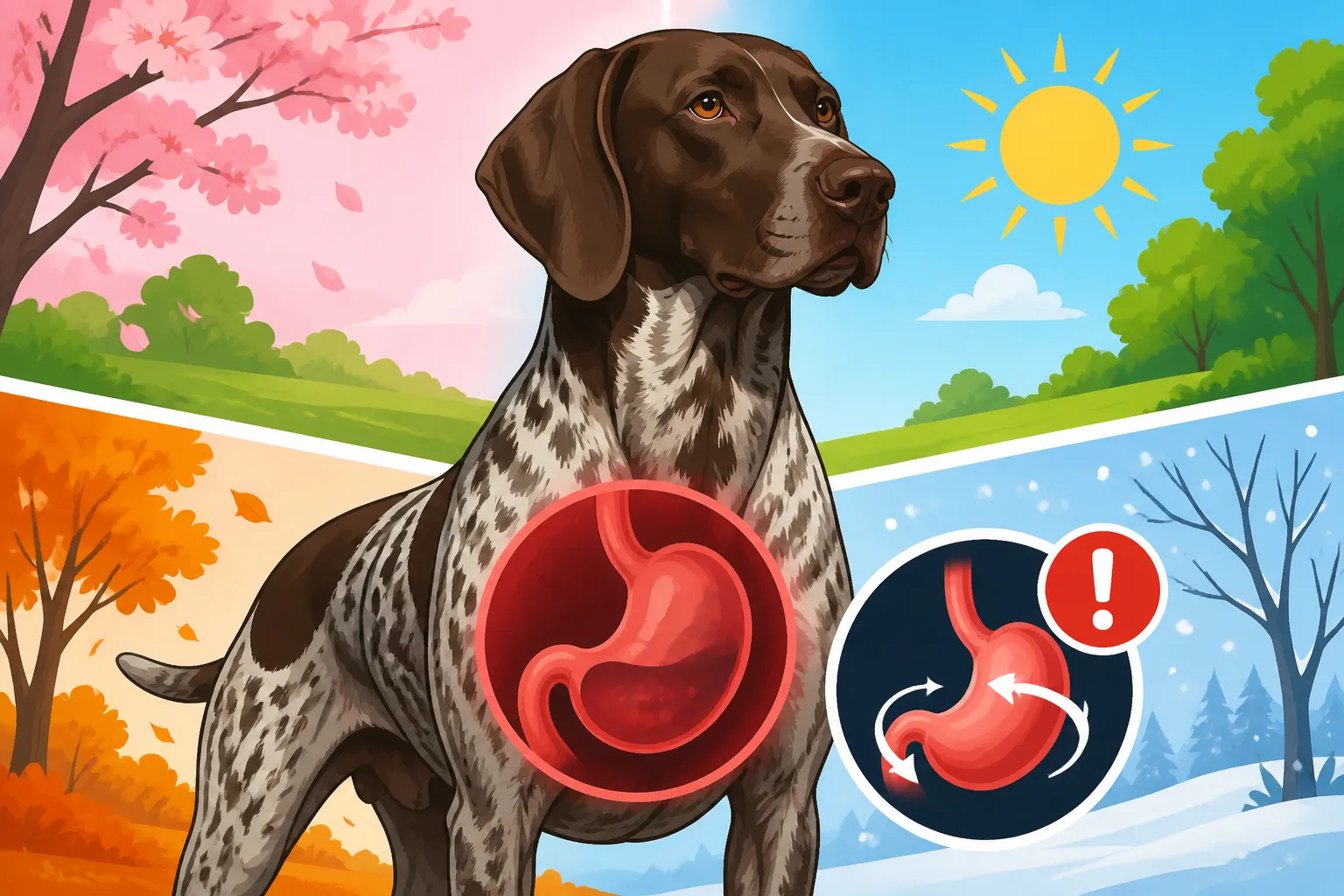
The truly life-threatening part of bloat is when the dilated stomach twists on its axis – this is the "Volvulus" part of GDV. When the stomach twists, it effectively seals off both the entrance (from the esophagus) and the exit (to the small intestine). This traps the gas and fluid inside, accelerating the distension, and critically, it also cuts off the blood supply to the stomach wall. The spleen, which is attached to the stomach, often twists along with it, further complicating the situation.
This twisting action causes the stomach tissue to start dying rapidly, releasing toxins into the bloodstream. It can also press on major blood vessels returning to the heart, leading to a precipitous drop in blood pressure and organ failure. Without immediate surgical intervention, a dog with GDV will likely die within hours. It’s a truly horrific scenario that highlights why recognizing the very first signs is paramount for every GSP owner.
Why German Shorthaired Pointers Are So Susceptible
German Shorthaired Pointers, like many large, active, deep-chested breeds, are unfortunately genetically predisposed to GDV. Their characteristic athletic build, with a chest that is much deeper than it is wide, creates an internal anatomical space where the stomach has more room to rotate once it starts to distend. This isn't a flaw in the breed, but rather an inherent structural feature that contributes to their impressive lung capacity and stamina, yet also carries this increased risk.
Beyond their build, the high-energy nature of GSPs also plays a role. They often eat and drink rapidly, especially after strenuous activity like a long run or a day in the field, which can lead to gulping excessive air. The stress and excitement associated with hunting or competitive events can also be contributing factors, making Why Bloat Follows a Shorthair's Hard Day Afield a critical read for any owner who works their dog. Understanding this unique combination of genetics and lifestyle factors is crucial for implementing effective preventative measures.
Recognizing the Early Warning Signs of Bloat
Spotting bloat early can be challenging because the initial symptoms can be subtle and easily mistaken for general discomfort or indigestion. However, with a German Shorthaired Pointer, it's always better to be overly cautious. Knowing precisely what to look for, and differentiating it from other less severe issues, is a skill that could save your dog's life. Don't wait for all the signs to appear; even one or two warrant immediate action.
The Unproductive Retching: More Than Just a Upset Stomach
One of the most classic and alarming signs of bloat is unproductive retching, also described as dry heaving. Your Shorthair will act like they are trying to vomit, with their body convulsing and neck extending, but nothing or very little will come up – perhaps just some foamy saliva. This is because the twisted stomach has blocked the exit, preventing any contents from being expelled.
This isn't like when your dog eats grass and throws up bile; this is a sustained, distressed effort with no relief. You might see them pacing, looking anxious, or repeatedly trying to stretch out their neck. It's heartbreaking to witness because they are clearly in distress and cannot find comfort. Any GSP showing repeated, unproductive retching needs immediate veterinary attention.
Distended Abdomen and Discomfort
As the stomach fills with gas, the abdomen will become visibly distended and feel taut or drum-like to the touch. This distension might not be immediately obvious, especially in dogs with thicker coats or at the very beginning of the episode, but it will rapidly become pronounced. Look specifically at the left side of their abdomen, just behind the rib cage; this area often bulges first.
Your dog will likely show signs of extreme discomfort or pain. They might stand with their legs splayed, refuse to lie down, or pace restlessly. When you gently try to touch their belly, they might snap, whimper, or recoil sharply, indicating significant tenderness. If you’re ever trying to differentiate, remember that Telling a Shorthair's Bloat From a Belly Full of Water is about more than just a full stomach; it's about the rigidity and pain associated with the gas. This isn't just a full belly after a good meal; it's an agonizing, hard distension.
Behavioral Changes: Agitation to Lethargy
The early stages of bloat often manifest as significant changes in behavior. Your typically energetic German Shorthaired Pointer might become restless, agitated, and unable to settle. They might pace constantly, attempt to stretch, or keep looking at their flank. They may whine or groan, indicating pain, or try to hide, which is unusual for such a social breed.
As the condition progresses and the dog goes into shock, these behaviors will shift dramatically towards extreme lethargy, weakness, and collapse. Their gums might become pale, their breathing shallow and rapid, and their heart rate elevated. They may struggle to stand, becoming completely unresponsive. This rapid progression from agitation to severe weakness is a critical indicator that time is running out. If you see these signs, do not hesitate; your dog is in a life-threatening crisis.
Immediate Actions When You Suspect Bloat
When bloat strikes, there's no time for hesitation or second-guessing. Every minute truly counts, and your swift, decisive action is the single most important factor in your German Shorthaired Pointer's survival. This is not a condition you can "wait and see" with; it requires immediate emergency veterinary care.
Time is of the Essence: The Race to the Vet
Once you suspect bloat, the absolute first thing you must do is get your German Shorthaired Pointer to an emergency veterinary clinic. Call ahead while you're on your way to let them know you're coming and why. This allows the veterinary team to prepare for your arrival, ensuring they can immediately assess and begin treatment, saving precious minutes. Don't waste time trying to diagnose it yourself or hoping it will pass.
Explain your concerns clearly: "My GSP is showing signs of bloat – unproductive retching, a distended abdomen, and extreme discomfort." The emergency clinic staff will understand the urgency. Drive carefully but quickly. Keep your dog as calm and comfortable as possible, but prioritize getting them there. Remember, Emergency Care for a Bloating German Shorthaired Pointer is highly specialized and requires a full veterinary team.
What NOT to Do: Common Missteps
In a panic, it's easy to want to try anything to help your dog, but certain actions can actually worsen the situation. Do not try to relieve the gas yourself with home remedies or by forcing your dog to vomit. This can be incredibly dangerous and potentially cause more damage to the already compromised stomach or lead to aspiration pneumonia if they inhale vomit. Similarly, don't offer food or water.
Trying to give them antacids or other medications without veterinary guidance is also ill-advised. These might mask symptoms or interfere with diagnostic procedures. Your focus should solely be on getting your dog to a professional. Resist the urge to Google extensively once you’ve identified the symptoms; that time is better spent getting to the clinic and alerting them to your arrival.
Communicating with Your Emergency Vet
When you call the clinic, be clear and concise. State your dog's breed (German Shorthaired Pointer), their age, and the specific symptoms you're observing (unproductive retching, distended abdomen, pain, restlessness, or lethargy). Mention how long these symptoms have been occurring, even if it feels like just a short time.
Once you arrive, provide a brief but comprehensive history. Did they just eat or drink? Were they exercising? This information can be vital for the vet to understand the progression and potential triggers. The veterinary team will typically move very quickly once a GSP with suspected bloat arrives, as they understand the critical nature of the condition. They'll appreciate you getting straight to the point and providing the most relevant details efficiently.
Veterinary Intervention: Diagnosis and Treatment
Once your German Shorthaired Pointer arrives at the emergency clinic with suspected bloat, the veterinary team will move with incredible speed and precision. Their immediate goal is to confirm the diagnosis and stabilize your dog before initiating definitive treatment, which almost always involves surgery.
Confirming GDV: X-rays and Physical Exams
Upon arrival, the vet will perform a rapid physical exam, assessing your GSP's overall condition, vital signs, and palpating their abdomen for distension and tenderness. They'll also check mucous membrane color and capillary refill time, which are indicators of shock. However, the definitive diagnosis of GDV is usually confirmed with an X-ray (radiograph) of the abdomen.
The X-ray will clearly show if the stomach is dilated with gas and, crucially, if it has twisted into the characteristic "double bubble" or "Popeye arm" appearance, indicating volvulus. This imaging is quick and essential. If GDV is confirmed, the vet will often try to stabilize your dog first by inserting an intravenous catheter to administer fluids for shock, and sometimes pass a tube down the esophagus into the stomach to relieve some of the gas pressure. This decompression, if successful, can buy critical time before surgery.
The Surgical Procedure: Tackling the Twist
For a confirmed case of GDV, surgery is the only treatment. This procedure, known as a gastrectomy and gastropexy, is complex and requires a skilled surgical team. The surgeon will first carefully de-rotate the stomach back to its normal anatomical position. Then, they will assess the stomach wall for any damaged or necrotic (dead) tissue. If large sections of the stomach wall have died due to lack of blood flow, these portions may need to be removed, a procedure called a partial gastrectomy, which significantly increases the risk and recovery time.
After the stomach is repositioned and any damaged tissue is addressed, a gastropexy is performed. This involves tacking the stomach wall to the inside of the abdominal wall. This permanent attachment prevents the stomach from twisting again in the future, although it does not prevent future dilatation (gas buildup). This preventative measure is absolutely vital for reducing the chance of recurrence. Remember, the cost associated with this emergency is substantial, and The Bill When a Shorthair Torsions Mid Season can be a harsh reality, often ranging from several thousands of dollars.
Post-Operative Care and Recovery
The journey doesn't end after surgery; post-operative care for a German Shorthaired Pointer recovering from GDV is intensive and critical for a successful outcome. Your dog will remain hospitalized for several days, receiving intravenous fluids, pain medication, antibiotics, and close monitoring for complications such as arrhythmias, peritonitis, or further stomach issues. The first 24-72 hours post-surgery are the most critical.
When your GSP comes home, you'll need to follow strict instructions regarding feeding, activity restriction, and medication. This often includes small, frequent meals of easily digestible food, a quiet environment, and limiting strenuous exercise for several weeks. Their incision site will need to be monitored for signs of infection. It’s a demanding period, but with dedicated care, many German Shorthaired Pointers make a full recovery and go on to live long, healthy lives, underscoring why early intervention and excellent post-op care are so crucial to The Twelve to Fourteen Years a German Shorthaired Pointer Gets.
Proactive Prevention Strategies for German Shorthaired Pointers
While the thought of bloat is terrifying, the good news is that there are many proactive steps you can take to significantly reduce your German Shorthaired Pointer's risk. Prevention truly is the best medicine when it comes to GDV, and implementing these strategies can offer immense peace of mind.
Dietary Management: Food Choices and Feeding Habits
How and what your German Shorthaired Pointer eats can have a major impact on their bloat risk. Instead of one large meal, break their daily food ration into two or three smaller meals throughout the day. This reduces the amount of food and gas that can accumulate in the stomach at any one time. Feeding too quickly can also lead to air gulping, so consider using slow-feeder bowls or puzzle feeders. These products are specifically designed to make dogs eat at a more measured pace, preventing them from inhaling their food.
There's some debate about elevated food bowls; historically, they were recommended to prevent bloat, but more recent studies suggest they might actually increase the risk in some breeds. It’s best to discuss this with your vet, but many experts now recommend feeding on the floor unless there's a specific orthopedic reason for elevation. As for food type, some studies suggest that diets with fat listed among the first four ingredients, or those with small particle sizes, might be associated with a higher risk, but the evidence isn't conclusive. Stick to high-quality, reputable kibbles formulated for active, large breeds.
Managing Exercise Around Meals
This is a non-negotiable rule for GSPs: never allow strenuous exercise immediately before or after meals. An active German Shorthaired Pointer will be eager to run, but that post-meal romp can be incredibly dangerous. A full stomach bouncing around during high-impact activity significantly increases the chance of it twisting. The same goes for large amounts of water consumed after intense exercise.
Aim for at least one hour of rest before feeding and at least two hours after feeding before engaging in any vigorous activity. This gives the stomach time to digest and empty. A gentle leash walk for a potty break is fine, but no running, jumping, or intense play. This crucial resting period is also important for their overall digestion and well-being, as detailed in The Rest a Shorthair Needs Between Eating and Running.
The Gastropexy Decision: Elective Surgery to Prevent Future Episodes
For German Shorthaired Pointers, given their high risk, prophylactic gastropexy (often called "tacking the stomach") is a highly recommended preventative measure. This is an elective surgery where the stomach is surgically attached to the abdominal wall before a bloat episode occurs. This prevents the stomach from twisting, though it won't prevent it from dilating with gas.
Many owners choose to have this procedure done at the same time as spaying or neutering, reducing the need for multiple anesthetic events. Discussing Whether a German Shorthaired Pointer Should Be Tacked at Neuter with your veterinarian is crucial. While it is still surgery with associated risks, it is a much less invasive and less costly procedure than emergency GDV surgery, and it offers immense peace of mind. It's truly a decision that can save your dog's life down the line, and most vets strongly advocate for it in high-risk breeds.
Lifestyle Adjustments to Minimize Risk
Beyond diet and exercise management, several other daily lifestyle adjustments can contribute to reducing your German Shorthaired Pointer's susceptibility to bloat. These are often subtle changes but can collectively make a significant difference in their overall health and well-being.
Stress Reduction and Environmental Factors
Stress and anxiety can play a role in digestive upset, and some research suggests a potential link to bloat. German Shorthaired Pointers are sensitive, intelligent dogs who thrive on routine and stability. A consistent daily schedule for feeding, exercise, and rest can help reduce anxiety. Avoid sudden changes to their diet or routine, as this can upset their digestive system.
If your GSP experiences significant stress, such as during travel, kenneling, or separation anxiety, talk to your vet about strategies to manage it. This might include calming supplements, pheromone diffusers, or behavioral training. A calm, well-adjusted dog is often a healthier dog, and minimizing sources of stress can have positive ripple effects on their digestive health and overall resilience.
Hydration and Water Intake
Proper hydration is essential, but how your German Shorthaired Pointer drinks water can be a factor in bloat. Just like with food, gulping large quantities of water, especially after vigorous exercise, can lead to swallowing excessive air. Instead of letting them drink a huge amount all at once, offer smaller, more frequent water breaks during and after activity.
Always ensure fresh water is available throughout the day, but supervise intake if your GSP tends to drink excessively at once. If they come in from a hot run and are panting heavily, let them calm down a bit before offering water in controlled amounts. This helps prevent them from taking in too much air with their water, which could contribute to gastric distension.
Monitoring Your Shorthair: Daily Habits
One of the most powerful tools you have against bloat is your own observational skill. German Shorthaired Pointers are creatures of habit, and you know your dog best. Pay attention to their normal eating and drinking patterns, their usual demeanor, and how their abdomen typically looks. Even subtle changes can be early indicators of a problem.
Develop a routine of checking them over, especially after meals or exercise. Feel their belly – is it soft or tense? Are they behaving normally? Are they stretching unusually? If something feels "off" or different from their normal behavior, trust your gut. Early detection through consistent, vigilant monitoring is often the key to a positive outcome in a bloat emergency. Staying observant and knowing The Vet Schedule a Working Shorthair Should Keep can help you catch subtle health changes before they become emergencies.
Financial Preparedness: The Cost of Bloat Emergency
Let's talk about the uncomfortable truth: a bloat emergency is not just emotionally devastating; it's also incredibly expensive. Being financially prepared for such a crisis is a realistic and responsible part of German Shorthaired Pointer ownership. Without a plan, the financial burden can add another layer of immense stress during an already traumatic time.
Emergency Vet Bills: A Harsh Reality
The cost of emergency GDV surgery can be staggering. We're talking thousands of dollars, easily ranging from $3,000 to $8,000 or even more, depending on the severity, location, and whether complications arise. This estimate includes the surgery itself, pre-operative diagnostics like X-rays and blood work, anesthesia, intensive post-operative care, medications, and potentially blood transfusions or additional procedures if stomach tissue necrosis is severe.
Many emergency veterinary clinics operate on a "payment upfront" or "payment plan" basis, requiring a significant deposit before surgery can begin. This often puts owners in an incredibly difficult position, having to make life-or-death decisions under immense financial pressure. Knowing that The Vet Bills a Hunting German Shorthaired Pointer Earns can be substantial should underscore the importance of being prepared for the unexpected.
Pet Insurance: A Lifeline for Unexpected Crises
This is where pet insurance can be an absolute lifesaver. A good pet insurance policy can cover a significant portion of these emergency costs, allowing you to focus on your dog's health rather than the looming bill. Providers like Healthy Paws are known for comprehensive coverage that can include accidents, illnesses, and emergency surgeries like those for GDV. Having a policy in place means you can make decisions based on what's best for your GSP, not your wallet.
While pet insurance does involve monthly premiums, the peace of mind it offers in a crisis like bloat is invaluable. It’s important to research policies carefully, understanding deductibles, reimbursement percentages, and any waiting periods. Enrolling your GSP when they are young and healthy is ideal to avoid pre-existing condition exclusions. Pet insurance doesn't just cover bloat; it can help with everything from broken bones to unexpected illnesses, making it a wise investment for active breeds.
Budgeting for Preventative Care
Even with pet insurance, there are still costs associated with preventative measures, especially if you opt for an elective gastropexy. The cost of a prophylactic gastropexy can range from $400 to $1,000 if performed during a spay or neuter, or higher if done as a standalone procedure. While this is a significant expense, it's considerably less than the cost of an emergency GDV surgery.
Budgeting for these preventative costs, alongside routine vet visits, vaccinations, and quality food, is part of responsible German Shorthaired Pointer ownership. Setting aside a dedicated "pet emergency fund" can also provide a buffer for deductibles or unexpected costs not covered by insurance. Planning for these financial realities upfront ensures that when bloat or any other health crisis occurs, you're ready to provide your beloved GSP with the best possible care without undue financial strain.
Bloat Symptoms and Emergency Actions Table
Here's a quick reference table to summarize the key symptoms of bloat and the critical actions you need to take.
| Symptom Category | Specific Signs to Look For (GSP) | Urgency Level | Immediate Action Required |
|---|---|---|---|
| Abdominal Changes | Distended, hard, or "drum-like" abdomen (especially left side) | CRITICAL | IMMEDIATE VET VISIT. Call ahead. |
| Pain or tenderness when touched | CRITICAL | IMMEDIATE VET VISIT. Call ahead. | |
| Retching/Vomiting | Repeated, unproductive retching (dry heaving) | CRITICAL | IMMEDIATE VET VISIT. Do NOT induce vomiting. |
| Foamy saliva, but no actual vomit | CRITICAL | IMMEDIATE VET VISIT. | |
| Behavioral | Restlessness, pacing, inability to get comfortable | HIGH | Monitor closely; prepare for vet. |
| Whining, groaning, looking at flank | HIGH | Monitor closely; prepare for vet. | |
| Anxiety, hiding (unusual for GSP) | HIGH | Monitor closely; prepare for vet. | |
| General Health | Weakness, lethargy, collapse | EXTREME | IMMEDIATE VET VISIT. This is an advanced sign of shock. |
| Pale gums, rapid/shallow breathing, elevated heart rate | EXTREME | IMMEDIATE VET VISIT. Dog is in shock. | |
| Drooling excessively | MODERATE | Can be associated with discomfort, observe for other signs. |
Disclaimer
The information provided in this article is for educational purposes only and is not intended to be a substitute for professional veterinary advice, diagnosis, or treatment. Always seek the immediate advice of your veterinarian with any questions regarding a medical condition or before undertaking any new health regimen for your German Shorthaired Pointer. If you suspect your dog is experiencing bloat, seek emergency veterinary care immediately.