Emergency Care for a Bloating German Shorthaired Pointer
Few things are more terrifying for a German Shorthaired Pointer owner than seeing their vibrant, energetic companion suddenly distressed, stomach distended, and retching without producing anything. This agonizing scenario is often the harbinger of Gastric Dilatation-Volvulus (GDV), commonly known as bloat, a life-threatening emergency that requires immediate and decisive action. This guide will walk you through understanding what bloat is, how to recognize its critical signs, the urgent steps you must take, and what to expect during emergency veterinary care to give your beloved GSP the best chance of survival.
Understanding Gastric Dilatation-Volvulus in GSPs
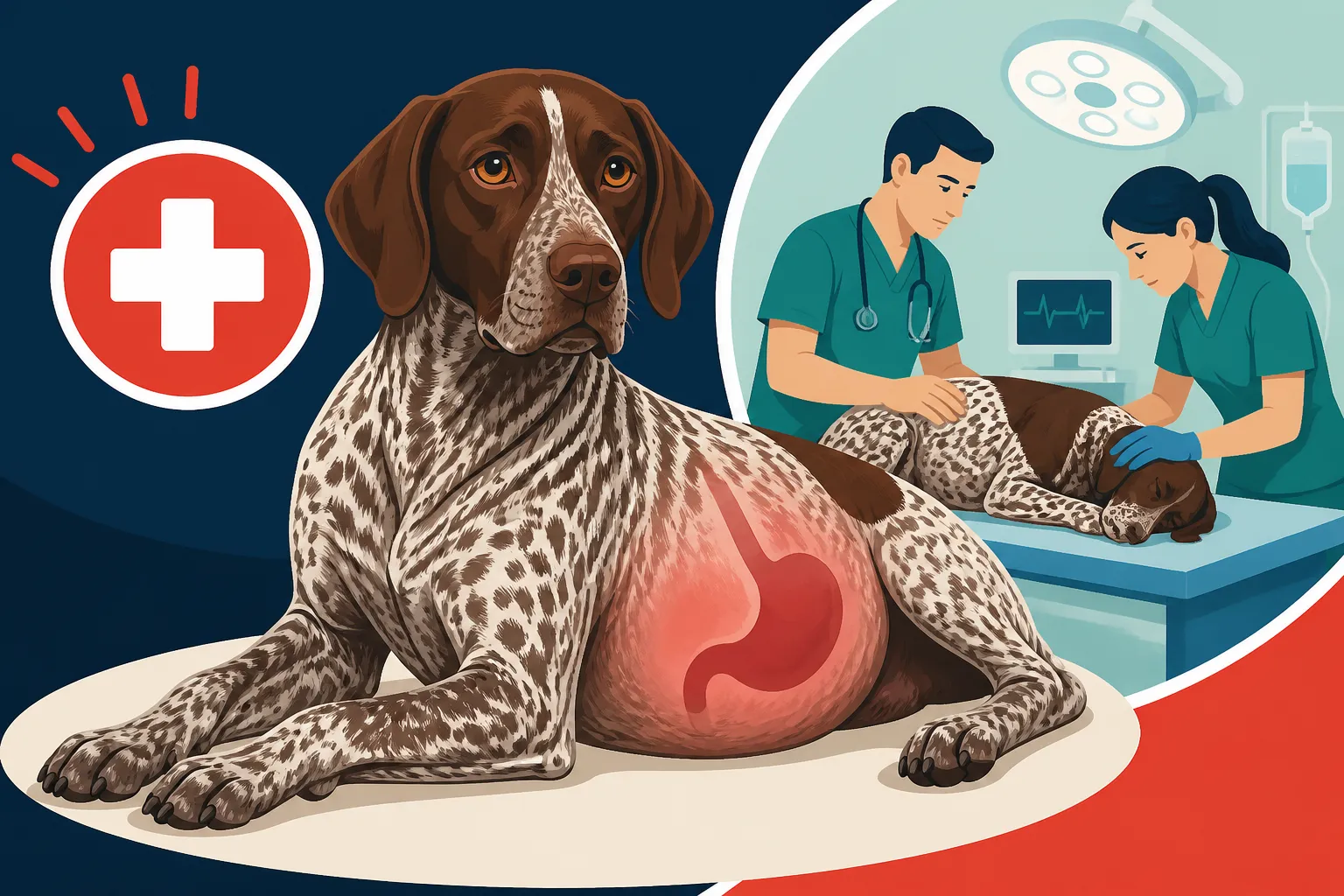
Gastric Dilatation-Volvulus, or GDV, isn't just a stomachache; it's a medical catastrophe where your dog's stomach fills with gas, food, or fluid (dilatation) and then twists on its axis (volvulus). This twisting cuts off blood supply to the stomach and often the spleen, leading to rapid tissue death, shock, and ultimately, death if not addressed promptly. It's a race against the clock, and every minute counts.
Why German Shorthaired Pointers Are at High Risk
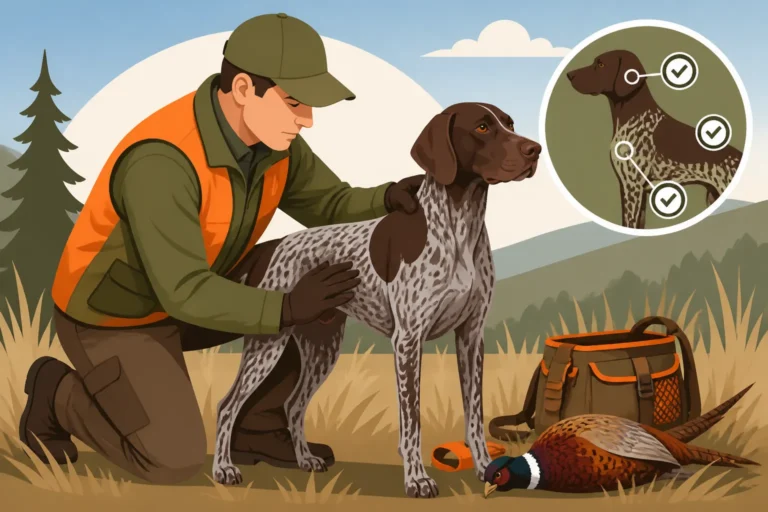
German Shorthaired Pointers, with their athletic build and deep chests, are unfortunately among the breeds disproportionately affected by GDV. This isn't just bad luck; there are anatomical and physiological factors that increase their susceptibility. Their deep, narrow chest cavity provides more room for the stomach to distend and twist, unlike a broad, barrel-chested dog where the stomach is more constrained. Combine this with their high energy levels and sometimes enthusiastic eating habits, and you have a recipe for risk.
Beyond their conformation, the intense activity typical of a GSP can play a role. A dog that just had a large meal and then runs, jumps, or rolls vigorously creates an environment ripe for the stomach to shift and torsion. Genetics also contribute, with certain lines showing a higher incidence, suggesting a hereditary component. This is why it’s so crucial for GSP owners to be hyper-aware of the condition, especially considering The Bloat Risk a Shorthair Carries Into Every Season of hunting and training.
Recognizing the Alarming Signs of Bloat
Spotting bloat early is absolutely critical. It can progress incredibly fast, from mild discomfort to life-threatening shock in mere minutes to a few hours. The most classic sign is the "unproductive retch" – your GSP will try to vomit, heaving and gagging, but nothing or very little comes up. This happens because the twisted stomach entrance is blocked. You might notice your dog's abdomen becoming visibly distended and hard, particularly on the left side, though it can affect the whole belly. This isn't just a full tummy; it's often taut and drum-like when gently tapped.
Beyond the physical changes, your GSP's behavior will scream distress. They'll be restless, pacing, unable to lie comfortably, and might whine or groan. They may look at their side, as if trying to understand the sudden, intense pain. As shock sets in, their gums might become pale or even bluish, their breathing can become shallow and rapid, and they might become weak, stagger, or even collapse. If you’re ever trying to decipher Telling a Shorthair's Bloat From a Belly Full of Water, remember that true bloat involves severe pain and a rapidly worsening condition, far beyond just drinking too much. Do not hesitate if you observe these signs.
Immediate Actions When Bloat Strikes
The moment you suspect bloat, your immediate response is paramount. There is no time for "wait and see," home remedies, or calling friends for advice. This is a veterinary emergency that demands swift, decisive action. Your dog's life literally depends on how quickly you get professional help.
The Critical First Steps at Home
When you see signs like the tell-tale unproductive retching, a distended belly, or extreme discomfort, the very first step is to call your veterinarian immediately. If it’s after hours, call your nearest emergency veterinary clinic. Do not waste time trying to make your dog burp, giving antacids, or attempting any other home remedy you might read online. These actions are not only ineffective but consume precious minutes that could be spent stabilizing your dog at a veterinary hospital.
Have the phone numbers for your regular vet and at least one 24-hour emergency clinic programmed into your phone or clearly posted somewhere visible. When you call, clearly state your dog’s breed and symptoms, emphasizing "I suspect bloat, and I am on my way now." This allows the emergency team to prepare for your arrival, ensuring that they can start treatment the second you walk through the door. Knowing The Unproductive Retching That Means a Shorthair Is Bloating can save vital time.
Transporting Your GSP to Emergency Care
Once you’ve made the call, focus on getting your GSP to the clinic as safely and quickly as possible. Keep your dog as calm and comfortable as you can, but understand they will likely be in considerable pain and distress. If possible, have someone else drive so you can attend to your dog in the backseat, providing quiet reassurance. Avoid any jostling or rough handling, as any movement can exacerbate the twisting or discomfort.
Place a blanket or towel in the car to provide a soft surface. Even if your GSP normally loves car rides, this will be different. Drive carefully but with urgency. Do not make unnecessary stops. Your emergency vet team will be waiting, and their ability to jump into action immediately upon your arrival is crucial for a positive outcome. This is when pet insurance providers like Healthy Paws can truly be a lifesaver, as the last thing you want to worry about in this critical moment is the cost of emergency transport and immediate care.
What to Expect at the Veterinary Emergency Room
When you arrive at the emergency clinic, prepare for a fast-paced environment. The veterinary team will quickly assess your GSP, confirming the diagnosis and initiating life-saving measures. This process can be overwhelming, but understanding the steps can help you stay informed and make difficult decisions.
Diagnosis and Stabilization
The moment you arrive, your GSP will be rushed into the treatment area. The veterinary team will immediately begin assessing their vital signs: heart rate, respiration, and gum color. They'll likely insert an intravenous (IV) catheter to administer fluids and medications for shock, which is a common and dangerous complication of bloat. Pain management will also be a priority.
To definitively diagnose GDV, the vet will usually perform X-rays of the abdomen. These images will clearly show if the stomach is distended with gas and if it has twisted into the characteristic "double bubble" appearance. In some cases, the veterinary team might attempt to decompress the stomach by passing a tube down the esophagus or, if that’s not possible, by carefully inserting a large-bore needle (a trochar) through the abdominal wall into the stomach to release gas. This decompression provides temporary relief and helps stabilize your dog for surgery. Understanding Catching Bloat in a German Shorthaired Pointer After a Hunt helps you get to this critical stage faster.
The Surgical Intervention
Once your GSP is stabilized, surgery is the only definitive treatment for GDV. The procedure involves carefully derotating the stomach to its normal position, inspecting it and the spleen for damage, and then performing a gastropexy. A gastropexy is a surgical procedure where the stomach is permanently tacked or sutured to the abdominal wall. This crucial step doesn't prevent the stomach from dilating (filling with gas), but it does prevent it from twisting again in the future, significantly reducing the risk of recurrence.
While gastropexy dramatically lowers the chance of future volvulus, it doesn't eliminate all risks. There can still be complications such as cardiac arrhythmias, peritonitis (infection of the abdominal lining), or damage to other organs. The surgeon will discuss all risks and the prognosis with you before proceeding. The decision to perform a prophylactic gastropexy, especially for breeds at high risk like GSPs, is often considered during other abdominal surgeries, like spaying or neutering. You might want to consider Whether a German Shorthaired Pointer Should Be Tacked at Neuter as a preventative measure.
| Symptom Category | Suspected Bloat (GDV) | Less Serious Abdominal Issue (e.g., Upset Stomach) |
|---|---|---|
| Abdominal Appearance | Rapidly distended, hard, taut abdomen, drum-like sound when tapped. | May be mildly distended, soft to touch, no rapid change. |
| Retching/Vomiting | Persistent, unproductive retching/gagging; nothing or very little comes up. | Actual vomiting of food/bile, may eventually stop. |
| Pain Level | Severe, visible pain; restlessness, whining, looking at side. | Mild to moderate discomfort, may lie down to rest. |
| Energy/Behavior | Pacing, inability to settle, weakness, collapse. | Lethargy, disinterest in food, but generally responsive. |
| Gums/Breathing | Pale, white, or bluish gums; rapid, shallow breathing, increased heart rate. | Normal or slightly paler gums; normal breathing. |
| Progression | Rapidly worsens over minutes to hours. | May improve or worsen slowly over hours to a day. |
Post-Operative Care and Long-Term Prevention
Surviving the surgery is a huge hurdle, but the journey isn't over. Your GSP will need intensive post-operative care and a careful plan for long-term prevention to minimize future risks. The veterinary team will guide you through every step, ensuring your companion has the best possible recovery.
Recovery and Monitoring After Surgery
After surgery, your GSP will remain hospitalized for several days, typically under close supervision. The veterinary team will monitor for complications such as cardiac arrhythmias, which are common following GDV, as well as infection, pain, and kidney function. They'll continue IV fluids, administer antibiotics, and manage pain with appropriate medications. You’ll probably be able to visit, but expect your GSP to be groggy and possibly have drains or IV lines.
Once home, a strict recovery protocol will be in place. This includes restricted activity, often for several weeks, to allow the incision and internal sutures to heal. You'll need to monitor the incision site for any signs of swelling, redness, or discharge. Dietary adjustments will also be necessary; your GSP will likely transition back to food slowly, with small, frequent meals of easily digestible food. Be prepared for a significant veterinary bill, as emergency surgery and post-op care can be costly. This is where having pet insurance from providers like Healthy Paws can significantly alleviate the financial burden, covering a substantial portion of The Vet Bills a Hunting German Shorthaired Pointer Earns in such critical situations.
Preventing Future Bloat Episodes
Even with a gastropexy, which significantly reduces the risk of recurrence, maintaining preventive measures is essential. The general consensus among veterinarians and GSP owners is to feed smaller, more frequent meals rather than one large meal a day. For instance, two to three smaller meals spread throughout the day are often recommended. Slow-feed bowls or puzzle feeders can also help prevent your GSP from gulping down food too quickly, which can introduce excess air into the stomach.
Crucially, avoid strenuous exercise or excitement for at least an hour before and two hours after meals. This is paramount for a high-energy breed like a GSP. Activities such as running, jumping, or intense play should be separated from feeding times. You might also reconsider raised food bowls, as some studies suggest they might increase risk, although this remains a topic of debate. Ensure your GSP has constant access to fresh water, but discourage guzzling large amounts immediately after meals or strenuous activity. This knowledge aligns with the principles discussed in The Rest a Shorthair Needs Between Eating and Running. Diligently implementing these practices can significantly reduce the chances of your GSP ever facing this terrifying ordeal again.
Disclaimer
This article is intended for informational purposes only and does not constitute veterinary advice. In a medical emergency, always consult with a qualified veterinarian immediately. Do not attempt to diagnose or treat bloat or any other serious condition at home.