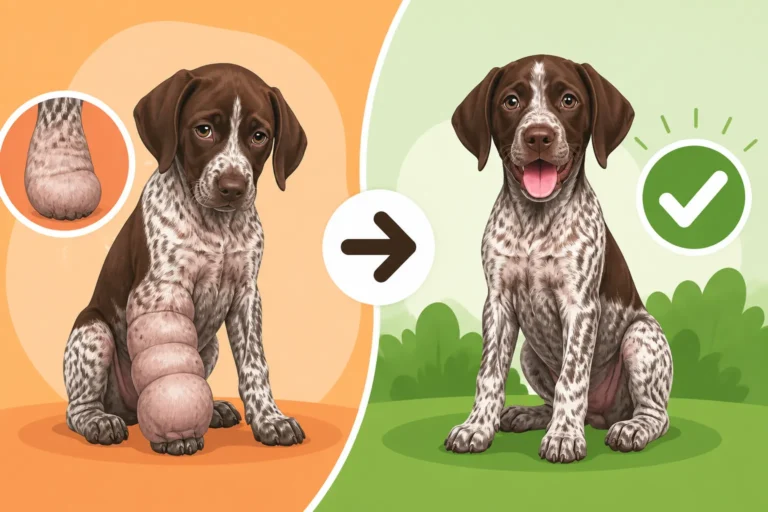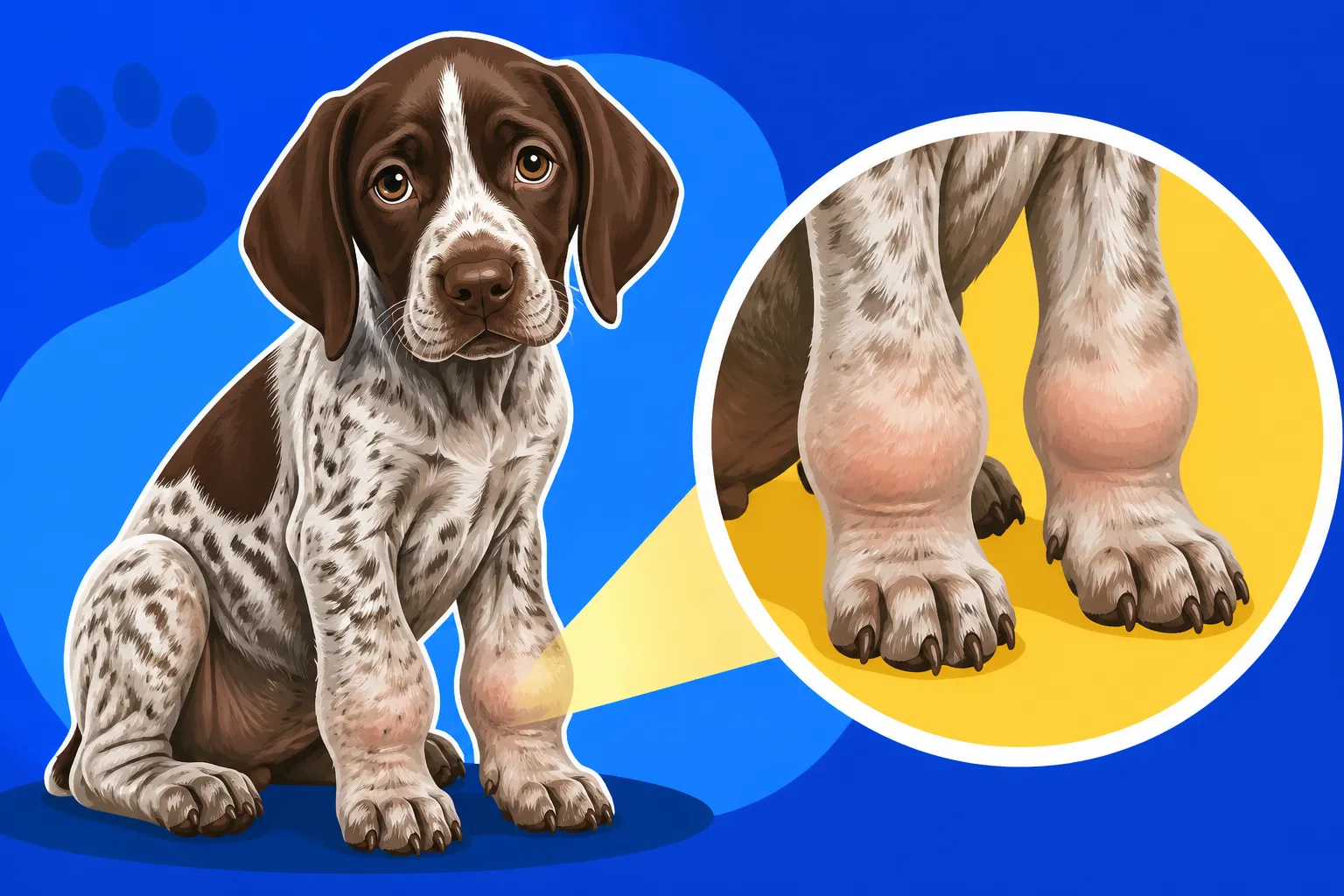
Puffy Legs on a German Shorthaired Pointer Puppy
Finding your energetic German Shorthaired Pointer puppy with swollen, puffy legs can send a jolt of worry through any owner. It's an unsettling sight that immediately makes you wonder if something serious is happening or if it's just a minor bump from their playful antics. This comprehensive guide is here to walk you through the common reasons why a GSP puppy might develop puffy legs, what red flags to look for, and when it’s time to call the vet for peace of mind and proper care.
What Does "Puffy Legs" in a German Shorthaired Pointer Puppy Actually Mean?
When we talk about "puffy legs" in a German Shorthaired Pointer puppy, we're usually referring to noticeable swelling, often around the joints or uniformly along the limb. This isn't just a bit of puppy fat; it's a visible enlargement that can feel soft and doughy to the touch, or sometimes firm and warm. It might affect one leg or multiple, and the appearance can range from a subtle increase in size to a strikingly swollen limb that makes you double-take.
As GSPs are naturally lean, muscular dogs even as puppies, any significant swelling is particularly noticeable. Their short, sleek coats don't hide much, meaning that even minor inflammation can be quite apparent. This makes it easier for discerning owners to spot issues early on, but also amplifies the concern when something looks amiss. A German Shorthaired Pointer puppy, with their boundless energy and eager exploration, is constantly putting their developing bodies to the test. They're clumsy, they're boisterous, and they're not always aware of their own limits, which can sometimes lead to unexpected bumps and bruises. However, some causes of swelling go beyond simple puppy antics and require closer attention. It's crucial not to dismiss persistent or worsening swelling, as it could indicate a range of issues from mild irritations to more serious health concerns requiring immediate intervention.
Distinguishing Normal Puppy Fat from Concerning Swelling
It’s easy for new puppy owners to sometimes confuse healthy puppy chubbiness or transient minor swelling with something more serious, especially if you haven't raised a GSP before. A healthy GSP puppy, while lean, will have some soft tissue and developing muscle. You should be able to feel their ribs easily, but they shouldn't be protruding sharply. Their joints should look well-defined and proportionate to their overall build.
True swelling, on the other hand, often presents as a change in symmetry or texture. If you notice one leg looks significantly larger than the other, or if an area feels warm to the touch, painful when gently palpated, or seems to cause your puppy discomfort or lameness, these are clear indicators that it's more than just normal puppy anatomy. Swelling can also be accompanied by other signs such as redness, hair loss over the affected area, or even visible puncture marks. Always compare the affected leg to the opposing one if only one is swollen; this helps establish a baseline for what "normal" looks like for your particular puppy. If you're unsure, a quick consult with your vet is always the best course of action. They can offer a professional opinion and alleviate any unnecessary worry, or guide you toward further investigation if needed.
Unpacking the Common Reasons Behind Your GSP Puppy's Swollen Legs
The causes of puffy legs in a German Shorthaired Pointer puppy can vary widely, from entirely benign incidents to more serious underlying health conditions. Understanding the potential culprits can help you assess the situation and know when to seek professional help. It's often a process of elimination, but some signs can point you in the right direction.
Everyday Injuries and Environmental Irritants
Puppies are, by nature, little bundles of clumsy energy. They run, jump, tumble, and explore without much thought for personal safety. It's incredibly common for them to experience minor bumps, sprains, or strains from overexertion during play or a misstep during a zoomie session. A twisted ankle or a minor muscle pull can certainly lead to localized swelling. Sometimes, a hard knock against furniture or even a rough play session with another dog can result in a contusion or bruise that manifests as swelling.
Beyond the bumps and bruises, environmental irritants are also frequent offenders. An insect bite or bee sting can cause a localized allergic reaction, leading to swelling, redness, and itchiness. Think about your yard and the environment your puppy explores. Are there thorny bushes? Do they play in tall grass where ticks or other biting insects might lurk? Even a foreign body, like a tenacious foxtail or a splinter, can embed itself in a paw or leg and cause significant inflammation and swelling as the body tries to expel it. These are often accompanied by pain, reluctance to bear weight, or excessive licking of the affected area.
Allergic Reactions and Skin Issues
While acute injuries are often quite obvious, sometimes swelling is a symptom of a broader allergic response or a skin condition. As mentioned, insect bites are common, but some puppies might have a more generalized allergic reaction to something in their environment, such as certain plants, chemicals, or even food. This kind of swelling can sometimes be more diffuse, affecting multiple limbs or even the face, and might be accompanied by hives, excessive itching, or respiratory distress in severe cases.
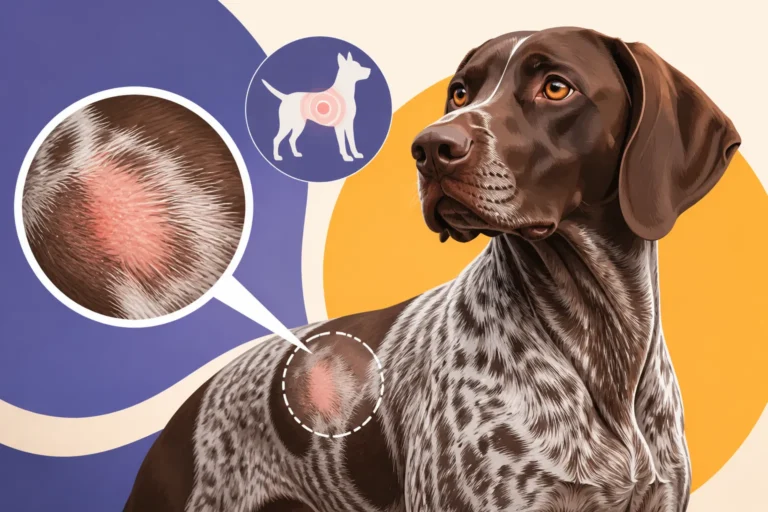
Skin infections, known as cellulitis, can also lead to puffy, red, and painful legs. These infections often start from a small cut or scrape that bacteria enter, or sometimes from an underlying skin irritation that has been scratched open. GSPs have short coats, but skin issues can still hide beneath the surface. If you see scaling, redness, or feel heat, it's worth investigating. In some cases, a severe reaction might even lead to a "hot spot" where the skin becomes raw and infected, further exacerbating swelling and discomfort. Keeping an eye on your puppy's general skin health and seeking prompt veterinary attention for any persistent skin irritation can prevent these from escalating.
Primary Lymphedema: A Genetic Predisposition in GSPs
This is a specific, more serious cause of swelling that German Shorthaired Pointers can be genetically predisposed to. Primary Lymphedema in a German Shorthaired Pointer Litter is a condition where the lymphatic system, which is responsible for draining fluid from tissues, doesn't develop correctly or function efficiently. This leads to a build-up of lymphatic fluid, most commonly in the legs, causing them to appear chronically swollen and puffy. Unlike a temporary injury, lymphedema swelling is usually persistent and often affects multiple limbs, sometimes even all four.
The condition can manifest in puppies, sometimes even in newborn pups, and can worsen over time. It’s not necessarily painful in its early stages, but the persistent swelling can lead to secondary issues like skin infections due to impaired circulation and tissue health. If you observe consistent, unexplained swelling in your GSP puppy's legs, especially if it's bilateral (affecting both corresponding legs) and doesn't resolve with typical anti-inflammatory treatments, lymphedema should be a strong consideration. Responsible breeders work to screen for such genetic conditions, but it's important for owners to be aware. Early diagnosis and management are key to ensuring the best quality of life for an affected pup, though there is no cure. You might find it helpful to read about Swollen Legs on a Newborn German Shorthaired Pointer for more context on early onset.
Other Less Common but Serious Conditions
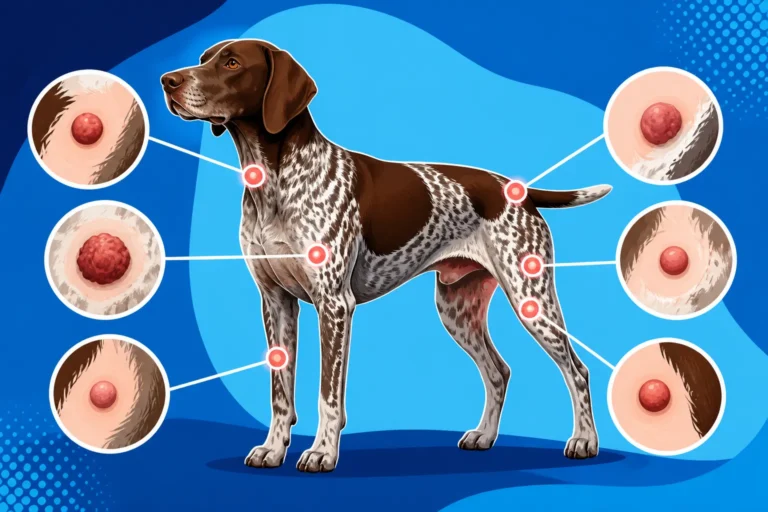
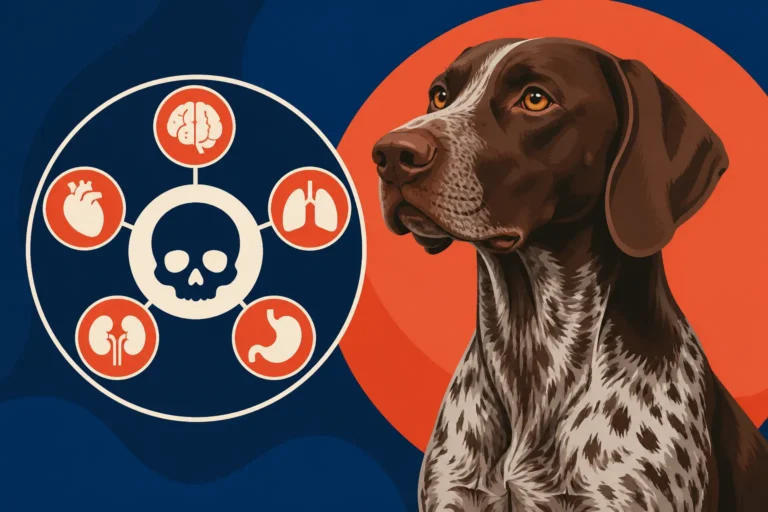
While less frequent in puppies, it's important to be aware that swollen legs can sometimes indicate more serious systemic health issues. Heart conditions, for instance, can lead to fluid retention and swelling, particularly in the hind limbs, though this is rare in very young puppies without other significant symptoms. Kidney disease can also cause generalized edema. In very rare cases, certain types of tumors, though not common in puppies, could cause localized swelling if they impinge on vessels or tissues.
Autoimmune diseases are another consideration, as the body's immune system might mistakenly attack its own tissues, leading to inflammation and swelling. Certain blood clotting disorders can also present with unusual bruising and swelling. While these are not the first things to jump to, if your puppy has other concerning symptoms like lethargy, loss of appetite, difficulty breathing, or if the swelling is rapidly progressing or accompanied by a fever, then your vet will need to investigate these possibilities. Prompt and thorough veterinary examination is critical when faced with such severe signs.
When to Worry: Red Flags and Urgent Veterinary Care for Puffy Legs
It’s natural to feel a pang of anxiety when you see your German Shorthaired Pointer puppy with puffy legs. The key is knowing when that anxiety should prompt an immediate call to the vet versus when you can monitor the situation at home. Not all swelling is an emergency, but recognizing the red flags can make all the difference for your puppy's well-being.
Signs That Demand Immediate Veterinary Attention
Some symptoms accompanying puffy legs are urgent and mean you should contact your veterinarian right away, ideally heading to an emergency veterinary clinic if your regular vet is closed. These include:
- Sudden, severe swelling: If a leg rapidly swells to a large size, especially if there's no obvious injury.
- Intense pain: Your puppy cries out, can't bear weight, or actively guards the leg, refusing to let you touch it. A The Shifting Lameness in a Six Month Shorthair might be related to severe pain or injury.
- Fever: Your puppy feels unusually warm, is lethargic, or has a rectal temperature over 102.5°F (39.2°C).
- Difficulty breathing or other allergic reactions: Hives, facial swelling, pale gums, or labored breathing accompanying the leg swelling can indicate a severe systemic allergic reaction or anaphylaxis, which is life-threatening.
- Open wounds or active bleeding: Any swelling associated with a deep cut, puncture wound, or significant bleeding needs immediate attention to prevent infection and address potential structural damage.
- Lethargy, loss of appetite, or vomiting: These general signs of illness combined with swollen legs can indicate a serious underlying condition that needs urgent investigation.
If you observe any of these signs, don't wait. Call your vet or local emergency animal hospital immediately. They can advise you on the best course of action and prepare for your arrival. Remember, early intervention can often lead to better outcomes, especially with rapidly progressing or severe conditions. Having pet insurance like Healthy Paws can provide immense relief during these unexpected emergencies, allowing you to focus on your pup's health without added financial stress.
When You Can Monitor, But Still Need to Schedule a Vet Visit
For less severe situations, you might have a bit more time, but a vet visit is still warranted within a day or two. These scenarios include:
- Mild to moderate swelling without severe pain: Your puppy is still bearing some weight, but the leg is visibly larger. They might show some discomfort but aren't yelping.
- Persistent swelling: The swelling doesn't improve or starts to worsen gradually over 12-24 hours.
- Mild lameness: Your puppy is limping, but can still move around and get comfortable.
- Suspected insect bite or minor localized irritation: If you see a small bite mark or an area of irritation that's red and a bit swollen, but your puppy is otherwise acting normal.
- Chronic, unexplained puffiness: If you notice persistent, mild puffiness that doesn't seem to bother your puppy but also doesn't go away, particularly if it affects multiple legs. This could point towards conditions like lymphedema, which requires a proper diagnosis.
Even in these less urgent cases, a professional opinion is crucial. Your vet can perform a thorough examination, identify the underlying cause, and recommend appropriate treatment to prevent the condition from escalating. It's always better to be safe than sorry when it comes to your puppy's health. Planning for these routine and unexpected vet visits is part of responsible pet ownership, and having a good pet insurance policy can certainly help manage the financial aspect, as we'll discuss later regarding The First Year Bills on a German Shorthaired Pointer.
Navigating Diagnosis and Treatment for Swollen German Shorthaired Pointer Puppy Legs
When your GSP puppy's legs are puffy, getting to the bottom of it requires a systematic approach from your veterinarian. They'll combine your observations with their medical expertise to pinpoint the cause and set your pup on the path to recovery.
The Veterinary Examination and Initial Diagnostic Steps
Upon arrival at the clinic, your vet will start with a comprehensive physical examination. This is much more than just looking at the swollen leg. They'll assess your puppy's overall health, checking vital signs, listening to their heart and lungs, and palpating their abdomen. Then, they'll focus on the affected limb(s). They'll gently feel the swollen area, checking for heat, pain, firmness, and any obvious wounds or abnormalities. They'll also check joint range of motion and observe your puppy's gait if they are willing to walk. Your detailed history about when the swelling started, what your puppy was doing beforehand, and any other symptoms you've noticed will be invaluable to them.
Depending on their initial findings, your vet might recommend further diagnostic tests. X-rays are a common first step, especially if a fracture, sprain, or foreign body is suspected. These images can reveal bone injuries, joint effusions (fluid within the joint), or the presence of an object that shouldn't be there. If an infection is suspected, they might perform a fine needle aspirate (FNA) of the swollen area to collect cells or fluid for microscopic examination or culture. Blood tests can also be helpful, providing insights into inflammation markers, infection, or the function of organs like kidneys and heart if a systemic issue is on the table. For conditions like lymphedema, a detailed examination and exclusion of other causes, sometimes combined with specialized imaging or referral to a specialist, might be necessary. This systematic approach ensures no stone is left unturned in understanding your puppy's condition. For a deeper dive into specific diagnostic methods for hereditary conditions, consider reading How Vets Diagnose Lymphedema in a German Shorthaired Pointer.
Treatment Approaches and Long-Term Management
Once a diagnosis is made, treatment will be tailored to the specific cause. For minor injuries like sprains, rest, cold compresses, and sometimes anti-inflammatory medications are often sufficient. Your vet might prescribe NSAIDs (non-steroidal anti-inflammatory drugs) specifically formulated for dogs to reduce pain and swelling. If an infection is present, a course of antibiotics will be necessary, potentially alongside wound care if there's an open lesion. Foreign bodies usually require surgical removal.
For allergic reactions, antihistamines are typically prescribed, and in more severe cases, corticosteroids might be used. Identifying and avoiding the allergen is also crucial for preventing recurrence. If the issue is lymphedema, the approach shifts to long-term management since there’s no cure. This can involve massage therapy to manually drain fluid, compression bandages, exercise to promote lymphatic flow, diligent skin care to prevent secondary infections, and sometimes diuretics. It's a condition that requires dedication, and you may find yourself checking Whether Lymphedema in a Shorthair Puppy Improves as you manage your puppy's health. Regardless of the diagnosis, understanding the financial implications of these treatments is important, and Insuring a Shorthair That Injures Itself Hunting is a great resource for preparing for unexpected vet bills. Pet insurance providers like Healthy Paws can often cover a significant portion of these costs, making advanced diagnostics and long-term care more accessible.
In all cases, follow your vet's instructions carefully regarding medication dosage, activity restriction, and follow-up appointments. They are your best resource for ensuring your German Shorthaired Pointer puppy makes a full recovery and maintains optimal health. Proactive care, including a regular The Vet Schedule a Working Shorthair Should Keep, helps catch issues early.
Disclaimer
The information provided in this article is for general informational purposes only and is not a substitute for professional veterinary advice, diagnosis, or treatment. Always seek the advice of your veterinarian or other qualified animal health provider with any questions you may have regarding a medical condition.