Insuring a Shorthair That Injures Itself Hunting
The sheer joy of watching your German Shorthaired Pointer work a field, nose to the ground, tail flagging, is an unparalleled experience for any hunter. But with that exhilarating pursuit comes a gnawing worry: what if they get hurt? Field injuries are a heartbreaking reality, often leading to unexpected and exorbitant veterinary bills that can strain even the most prepared budget. This comprehensive guide will walk you through everything you need to know about insuring your hunting Shorthair, ensuring you're financially ready for those inevitable bumps and scrapes, or worse.
Understanding the Unique Risks for Hunting German Shorthaired Pointers
Let's be honest, our German Shorthaired Pointers aren't content to be couch potatoes. They are lean, athletic machines bred for intense work in diverse, often unforgiving terrain. This incredible drive, while defining their spirit, also exposes them to a host of specific risks that pet owners of less active breeds might never consider. Knowing these vulnerabilities is the first step in understanding why robust insurance is so crucial.
Common Hunting Injuries in German Shorthaired Pointers
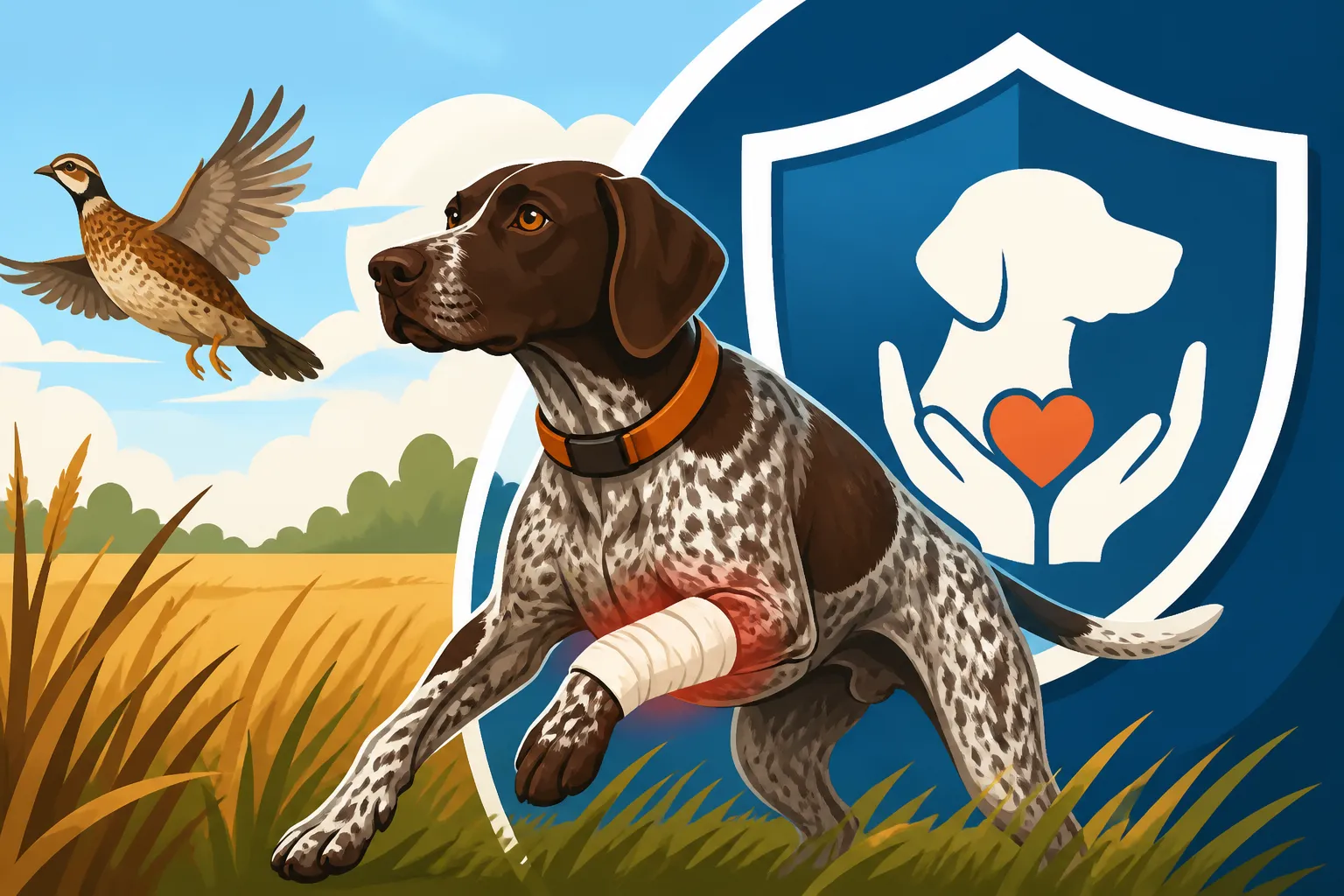
The field is a minefield of potential hazards for a dog running full tilt. We're talking about everything from hidden barbed wire fences to slippery creek beds and dense, thorny cover. One wrong step, one missed obstacle, and suddenly your diligent hunter is limping or worse.
Think about the sheer force and speed involved when a Shorthair is quartering a field, then slamming into a sudden point. That kind of motion puts immense strain on their joints, muscles, and soft tissues. Common culprits include torn ligaments, especially the cranial cruciate ligament (CCL), which can lead to a costly surgery and extensive recovery. You can read more about Torn Cruciates in a Field Bred German Shorthaired Pointer here. Beyond that, deep lacerations from sharp sticks or rocks, puncture wounds from encounters with wildlife, or even fractures from falls are unfortunately common. I've seen dogs come back from a seemingly innocuous walk with a significant injury because they hit a patch of ice or a hidden hole at full speed. These aren't just minor scrapes; they often require immediate veterinary attention, sometimes surgical intervention, and certainly pain management and antibiotics.
Breed-Specific Vulnerabilities Beyond Acute Trauma
While acute injuries are always a concern, German Shorthaired Pointers also carry some breed-specific predispositions that can be exacerbated by their active lifestyle. One of the most terrifying, and unfortunately common, issues is bloat, or gastric dilation-volvulus (GDV). This life-threatening condition, where the stomach fills with gas and twists, can strike without warning, especially after strenuous exercise, eating, or drinking. The risk of bloat is a constant shadow over any active Shorthair owner. We have an entire piece dedicated to The Bloat Risk a Shorthair Carries Into Every Season. Emergency surgery for bloat is incredibly expensive, often running into many thousands of dollars, and even then, survival isn't guaranteed.
Beyond bloat, their short, dense coat, while great for shedding burrs, offers less protection against thorns, biting insects, or extreme weather conditions. This can lead to persistent skin irritations, allergic reactions, or infections. Their deep chests also make them more susceptible to certain heart conditions, and while not directly a hunting injury, the strain of a hard hunting season can certainly stress an underlying issue. A thorough health screening with a reputable breeder should always be your starting point, but even the healthiest lines aren't immune to every potential issue.
The Unpredictability of the Field Environment
No matter how well you train your dog or how familiar you are with your hunting grounds, the field itself is an unpredictable beast. A field that was clear last week might have new hazards this week – a fallen tree, a freshly dug gopher hole, or even an unexpected encounter with another animal. I once had a friend whose GSP, normally rock-solid, got into a tangle with a porcupine in what was usually an open, safe field. The quills required an emergency vet visit and sedation for removal, a bill that quickly climbed into the hundreds.
Weather conditions also play a huge role. Early season hunts can bring intense heat, leading to heat exhaustion, while late season hunts can expose them to freezing temperatures, ice, and unseen dangers lurking beneath a dusting of snow. Even something as simple as contaminated water from a pond or creek can lead to severe gastrointestinal issues requiring urgent care. You do your best to prepare, to check your dog over after every outing as discussed in Checking a German Shorthaired Pointer Over After a Hunt, but there are always unknowns. This unpredictability underscores why a financial safety net for veterinary emergencies isn't a luxury, it's a necessity.
The Real Cost of a Field Injury
It's easy to dismiss the idea of pet insurance as an unnecessary expense until you're staring down a vet bill with wide, disbelieving eyes. The reality is, emergency veterinary care for an active hunting dog is not only common but also incredibly expensive. The days of a simple, cheap vet visit are, for the most part, behind us. Modern veterinary medicine offers incredible diagnostics and treatments, but they come at a price.
Emergency Vet Visits and Diagnostics
When your Shorthair comes limping out of the cover, or worse, can't put weight on a leg, your first instinct is panic. Then, you're rushing them to the nearest emergency veterinary clinic, often in the middle of nowhere. Just walking through the door of an emergency vet can incur a hefty emergency examination fee before any actual treatment even begins. From there, the diagnostic process often involves X-rays to check for fractures, ultrasounds to look for internal injuries, bloodwork to assess overall health and organ function, and sometimes even more advanced imaging like MRI or CT scans for complex soft tissue or neurological issues.
Each of these diagnostic tools comes with its own significant cost. For instance, a basic set of X-rays could easily run a few hundred dollars, and an emergency abdominal ultrasound might be even more. If your dog is in severe pain, they'll need immediate pain relief, which is another cost. The bill quickly snowballs, and you haven't even gotten a diagnosis or a treatment plan yet. This initial diagnostic phase can easily be hundreds to over a thousand dollars, depending on the injury's complexity and the clinic's location.
Surgery, Rehabilitation, and Ongoing Care
Let's talk about the big one: surgery. Many field injuries, especially those involving torn ligaments, fractures, or deep penetrating wounds, require surgical intervention. A common cruciate ligament repair, for example, can range from $3,000 to $7,000 or more, especially if it's done by an orthopedic specialist. If your Shorthair suffers from bloat, as detailed in Emergency Care for a Bloating German Shorthaired Pointer, that emergency surgery can easily hit the $5,000 to $10,000 mark. These aren't just one-off payments; they often involve pre-operative bloodwork, anesthesia, the surgery itself, post-operative medications, and often several days of hospitalization.
But the costs don't stop there. After surgery, a hunting dog like a GSP needs extensive rehabilitation to regain strength and mobility. This can include physical therapy, hydrotherapy, laser therapy, and regular follow-up appointments with your veterinarian. Each rehab session can be $50 to $100 or more, and they often continue for weeks or even months. Then there's the ongoing medication for pain or inflammation, special diets, joint supplements, and potentially even behavioral management if the injury has impacted their confidence. The total cost for a serious field injury can easily reach five figures, as outlined in articles like What a Shorthair's Knee Surgery Runs After a Field Injury. It's a staggering amount that can catch anyone off guard.
The Emotional and Financial Toll
Beyond the purely monetary figures, there's the emotional weight of dealing with a seriously injured dog. Watching your active, driven companion suffer is incredibly difficult. You want to give them the best care possible, but the financial strain can add an immense layer of stress. Many owners find themselves in the gut-wrenching position of having to choose between their dog's well-being and their financial stability. Do you max out credit cards? Dip into savings meant for other emergencies?
This is where pet insurance truly shines, acting as a crucial buffer between you, your beloved German Shorthaired Pointer, and the daunting financial impact of an injury. Knowing that a significant portion of those astronomical bills will be reimbursed allows you to focus solely on your dog's recovery, making decisions based on medical necessity rather than solely on cost. It provides peace of mind, which, for a dedicated GSP owner, is truly invaluable.
Navigating Pet Insurance: What's Covered and What Isn't
Pet insurance can feel like a maze of jargon and fine print. It's not as straightforward as car insurance, and understanding the different types of plans and what they actually cover is paramount to making an informed decision for your hunting German Shorthaired Pointer. Don't assume all policies are created equal, especially when your dog's activities carry higher risks.
Accident-Only vs. Accident & Illness Plans
The first major distinction you'll encounter is between "accident-only" and "accident & illness" plans. As the names suggest, accident-only policies typically cover injuries resulting from accidents – think lacerations, broken bones, ingestion of foreign objects, or injuries sustained while hunting. They are generally less expensive than comprehensive plans because they don't cover illnesses like infections, allergies, or chronic conditions such as hypothyroidism.
For a hunting German Shorthaired Pointer, an accident-only plan might seem appealing due to its lower premium, especially if you're primarily concerned with field injuries. However, consider the broader picture. Many health issues, even those not directly traumatic, can impact an active dog. A sudden illness can just as easily lead to expensive vet visits and treatments, sometimes putting a halt to their working season. For instance, if your Shorthair develops an ear infection after swimming, an accident-only policy wouldn't cover it. If your dog comes down with something like Lyme disease after being exposed to ticks in the field, this is an illness, not an accident. Many GSPs also face a risk of conditions like thyroid failure in a middle-aged dog. An accident & illness plan provides a much wider safety net, covering both unexpected injuries and unforeseen illnesses, offering far more comprehensive protection for a dog with such an active and varied lifestyle.
Understanding Deductibles, Reimbursement Rates, and Annual Limits
These are the three pillars of how pet insurance plans typically operate and directly impact your out-of-pocket costs.
- Deductible: This is the amount you pay first before your insurance company starts reimbursing you. It's usually an annual amount. For example, if you have a $500 deductible and your dog has a $2,000 vet bill, you'll pay the first $500, and then your insurance will cover a percentage of the remaining $1,500. Lower deductibles usually mean higher monthly premiums, and vice-versa.
- Reimbursement Rate: This is the percentage of the covered veterinary costs that your insurance company will pay back to you after you've met your deductible. Common rates are 70%, 80%, or 90%. If your reimbursement rate is 80% and you have a $1,500 bill (after deductible), the insurance company will pay $1,200 (80% of $1,500), and you'll be responsible for the remaining $300. Naturally, a higher reimbursement rate means a higher premium.
- Annual Limit: This is the maximum amount of money your insurance company will pay out in covered expenses during a policy year. Limits can range from a few thousand dollars to unlimited. While lower limits mean lower premiums, a serious injury requiring surgery and rehabilitation could easily exceed a $5,000 or $10,000 annual limit. Given the potential costs of surgeries like cruciate repair or bloat, aiming for a higher or unlimited annual limit is often a wise decision for a hunting GSP. Providers like Healthy Paws often offer unlimited annual coverage options, which can be invaluable for catastrophic incidents.
Exclusions to Be Aware Of
This is where many policyholders get frustrated, so it's critical to understand what pet insurance typically doesn't cover.
- Pre-existing Conditions: This is the most common exclusion. Any illness or injury your German Shorthaired Pointer had before the policy started (or during the waiting period) will not be covered. This is why it's always best to insure your GSP as a puppy, before any issues arise.
- Routine/Wellness Care: Most standard accident & illness plans do not cover routine exams, vaccinations, flea/tick prevention, or spaying/neutering. Some companies offer optional wellness add-ons for an additional premium, but these are separate from the core policy. Remember, standard preventative care like getting The Vaccines a Hunting Shorthair Needs Beyond the Core or annual check-ups are your responsibility outside of typical insurance.
- Breeding and Whelping Costs: If you plan to breed your Shorthair, costs associated with pregnancy, birth, or related complications are generally excluded.
- Elective Procedures: Cosmetic procedures or tail docking (unless medically necessary) are not covered.
- Specific Exclusions: Some policies might have specific breed exclusions or limitations for conditions common in GSPs, though this is less common with major providers. Always double-check. Also, note that certain procedures, such as prophylactic gastropexy to prevent bloat, may or may not be covered depending on the insurer and if it's considered an elective procedure rather than an emergency.
Carefully reading the sample policy document before committing is absolutely essential to avoid unpleasant surprises down the line.
Choosing the Right Policy for Your Hunting Companion
Selecting the best pet insurance for your German Shorthaired Pointer isn't just about finding the cheapest option; it's about finding the policy that provides the most robust coverage for their high-energy, hunting lifestyle. This involves careful comparison and understanding what truly matters for your specific dog.
Comparing Providers and Their Offerings
The pet insurance market has grown considerably, with several reputable providers offering various plans. Each company has its own strengths, customer service reputation, and policy structures. Some popular providers include Healthy Paws, Embrace, Figo, Pets Best, and Trupanion. It's worth getting quotes from at least three different companies to compare.
When comparing, look beyond just the monthly premium. Consider the following:
- Customer Service and Claims Process: Is it easy to submit claims? What are their typical reimbursement times? Read online reviews about their customer service experience. You don't want to be fighting with an insurance company when your dog is recovering from a major injury.
- Flexibility in Deductibles/Reimbursement: Do they offer a range of options for deductibles and reimbursement rates, allowing you to customize a plan that fits your budget and risk tolerance?
- Annual vs. Per-Incident Limits: Does the policy have an annual limit, or a per-incident limit? An annual limit is generally preferred for active dogs, as multiple smaller incidents or a single catastrophic one can quickly exceed a per-incident limit.
- Underlying Network: While most pet insurance allows you to see any licensed vet, some may have preferred networks or offer direct payment options to certain clinics, which can simplify the claims process.
- Additional Perks: Some providers offer benefits like lost pet recovery, behavioral therapy coverage, or even discounts through partnerships, like through retailers such as Chewy.
Factors to Consider: Age, Breed, and Activity Level
Your German Shorthaired Pointer's unique profile significantly influences policy recommendations and pricing.
- Age: The younger your GSP is when insured, the better. Premiums are lower for puppies, and you avoid the vast majority of pre-existing condition exclusions. As your dog ages, premiums rise, and more conditions might become "pre-existing." For instance, if your dog is already showing signs of hip issues, as discussed in The Age OFA Will Certify a Shorthair's Hips or Hip Dysplasia in a Hard Running German Shorthaired Pointer, before you get coverage, those specific conditions will likely be excluded.
- Breed: German Shorthaired Pointers are generally a healthy breed, but they do have known predispositions to certain conditions like bloat, hip/elbow dysplasia, and some cancers. Some insurance companies may factor breed-specific risks into their pricing, although this is more pronounced in breeds with a very high incidence of hereditary diseases. However, their active nature often places them in a higher risk category for accidental injuries.
- Activity Level (Hunting Specifics): This is a critical point for hunting dog owners. Most standard pet insurance policies cover injuries sustained during normal activities. However, some niche or specialized policies might have clauses related to working dogs, field trials, or specific high-risk activities. Always confirm that hunting injuries are explicitly covered under the "accidents" portion of the policy. Most major providers do cover these, but it's not a question you want to leave unanswered until after an incident. If you're running your dog in competitive events, also verify if those are covered.
Reading the Fine Print: Waiting Periods and Specific Clauses
Before you sign on the dotted line, delve into the policy's fine print. Two areas deserve particular attention:
- Waiting Periods: All pet insurance policies have waiting periods – a specific amount of time you must wait after purchasing the policy before certain coverages kick in. These vary by company and by type of coverage.
- Accident Waiting Period: Typically 2-14 days. This means if your GSP gets injured in the field within this timeframe, it won't be covered.
- Illness Waiting Period: Often 14-30 days.
- Orthopedic Waiting Period: Some policies have longer waiting periods (e.g., 6 months to a year) for orthopedic conditions like hip or elbow dysplasia, or cruciate ligament tears. This is a huge consideration for active breeds prone to joint issues. Some insurers may waive or shorten this period if your vet performs a specific orthopedic exam or attests to the dog's soundness during the waiting period. Understand these thoroughly, as an injury during a waiting period will be considered pre-existing and won't be covered.
- Specific Clauses and Riders: Look for any clauses that might impact your hunting dog specifically. Are there exclusions for injuries sustained during competitive events, if you participate? What about international travel if you hunt across borders? Some policies might offer optional riders for things like behavioral therapy or alternative treatments (acupuncture, chiropractic) that could be beneficial during rehabilitation. If you regularly use specialized supplements to keep your dog sound, such as discussed in Joint Supplements for a Hunting German Shorthaired Pointer, check if any of these could be covered if prescribed by a vet.
Making a Claim: The Process When an Injury Strikes
The true test of any insurance policy comes when you actually need to use it. Knowing the claims process beforehand can significantly reduce stress during an already difficult time, ensuring you get reimbursed efficiently for your German Shorthaired Pointer's vet bills.
Documenting the Injury and Vet Visits
When an injury occurs, clear and thorough documentation is your best friend. This starts the moment you suspect an issue and continues through every vet visit and treatment.
- Initial Observation: Note the date, time, and circumstances of the injury. Where did it happen? What was your GSP doing? Any witnesses? This helps establish that it was an accident.
- Veterinary Records: This is paramount. Ensure your veterinarian provides detailed itemized invoices for every visit, diagnostic test, procedure, medication, and treatment. These invoices should clearly list:
- Diagnosis (e.g., "cranial cruciate ligament tear," "deep laceration, left hind leg")
- Treatment provided (e.g., "CCL repair surgery," "wound cleaning and suturing")
- Cost of each service and medication.
- Your dog's name, your name, and the date of service.
- Medical History: Your insurance company will likely request your dog's full medical history from your vet to check for pre-existing conditions. Ensure your vet sends this promptly. It's a good practice to keep copies of all your GSP's veterinary records yourself, perhaps in a folder or digitally, so you have them readily available. This includes routine check-ups and previous health issues, as these form the baseline for what's considered "pre-existing."
Submitting Your Claim: Online vs. Paperwork
Most modern pet insurance companies, including brands like Healthy Paws, have streamlined their claims process, making it relatively easy to submit.
- Online Portal/App: The most common and often quickest method is through an online portal or mobile app. You'll typically log in, start a new claim, fill out a form detailing the incident, and then upload photos of your itemized vet invoices and any relevant medical notes. Some apps even allow you to snap pictures of the documents directly. This digital approach means faster processing and less chance of lost paperwork.
- Email or Fax: Some companies still offer the option to email or fax your claim forms and documents.
- Mail: As a last resort, you can typically mail in physical claim forms and copies of your invoices. This is the slowest method and carries a higher risk of documents getting lost.
When submitting, always double-check that you've included all necessary information and documents. A missing invoice or an incomplete form can delay your reimbursement. Many companies require claims to be submitted within a certain timeframe (e.g., 90 days from the date of service), so don't delay!
Understanding Reimbursement Timelines
Once your claim is submitted, the waiting game begins. The reimbursement timeline can vary widely between insurance companies and even depending on the complexity of the claim.
- Initial Processing: The insurance company will first review your claim to ensure all documentation is present and to check for pre-existing conditions. This can take anywhere from a few days to a couple of weeks.
- Adjudication: Once processed, an adjuster will review the claim against your policy terms, determining what is covered and at what reimbursement rate. They may contact your vet for clarification if needed.
- Payment: If approved, reimbursement is typically issued via direct deposit to your bank account or by check. Direct deposit is usually much faster. Many companies boast average reimbursement times of 10-14 days, but complex claims, especially those involving multiple visits or surgeries, might take longer.
It's important to remember that pet insurance is almost always a reimbursement model. You pay the vet upfront, and then the insurance company pays you back. So, you need to have the funds available to cover the initial vet bill. This is where retailers like Chewy might offer some flexibility, either through pet healthcare financing options or by sometimes partnering with insurance providers for seamless payment experiences, though you would need to check their current offerings. If your dog needs expensive care, ensure you have a credit card or emergency fund to cover the upfront costs.
Prevention and Preparation: Beyond Insurance
While pet insurance is a critical financial safety net, it's only one piece of the puzzle. Proactive prevention, thorough preparation, and vigilant care are equally important in keeping your hunting German Shorthaired Pointer sound and healthy in the field. After all, avoiding an injury is always better than treating one.
Pre-Season Conditioning and Gear
A GSP in peak physical condition is less prone to injury. Just like any athlete, they need to be conditioned for the demands of hunting season.
- Physical Conditioning: Don't let your dog go from couch potato to full-throttle hunter overnight. Start a gradual conditioning program weeks, if not months, before opening day. This includes regular runs, swims (a great low-impact exercise), and other activities to build endurance, muscle, and joint strength. Overweight dogs and those with poor muscle tone are significantly more susceptible to injury. You can learn more about Conditioning a Shorthair Before Opening Day or Roading a German Shorthaired Pointer for Fitness. Remember, a strong core and resilient joints are your dog's best defense against sprains and tears.
- Pad Toughening: A GSP's paw pads take a beating on rough terrain. Gradually toughen their pads by walking them on various surfaces like gravel, stubble, and pavement throughout the off-season. Products designed to toughen pads can also be beneficial, as can maintaining good foot hygiene. We talk extensively about Conditioning a Shorthair's Pads Before Opening Day.
- Protective Gear: Don't underestimate the value of good gear.
- Vests: A blaze orange vest not only increases visibility for safety but can also provide a layer of protection against briars and sharp sticks, particularly for the chest and belly.
- Boots: While some dogs tolerate them better than others, boots can be lifesavers on extremely rocky, icy, or thorny terrain. They protect against cuts, punctures, and frostbite. If you plan to use boots, introduce them gradually during training sessions so your dog is comfortable wearing them. Learn more about Boots for a Shorthair on Rock and Stubble.
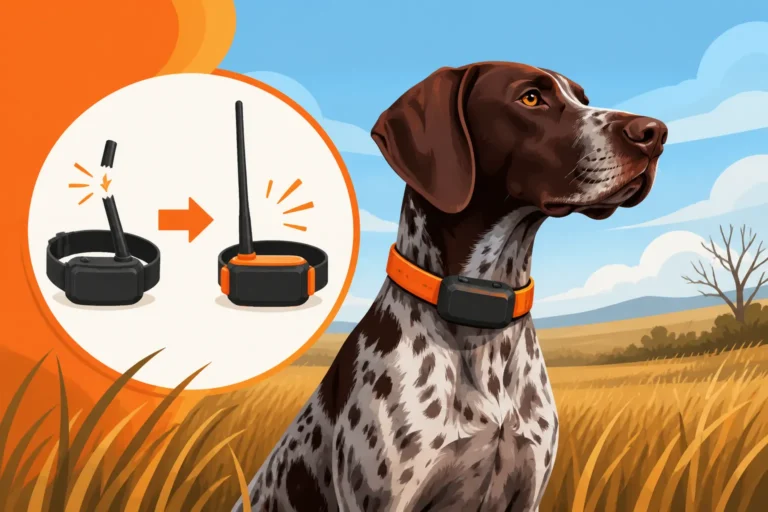
- GPS Collars: These are invaluable for keeping track of your wide-ranging Shorthair and can help you quickly locate them if they become injured or lost.
Field First Aid and Emergency Protocols
Knowing basic first aid and having a plan in place for emergencies can make a huge difference in the outcome of a field injury.
- First Aid Kit: Always carry a well-stocked dog-specific first aid kit. Essential items include:
- Gauze pads and rolls, Vet wrap, adhesive tape for bandaging.
- Antiseptic wipes or spray (like Betadine solution).
- Sterile saline solution for flushing wounds or eyes.
- Tweezers for removing thorns or ticks.
- Scissors for cutting fur around wounds or tape.
- A muzzle (even the gentlest dog can bite when in pain).
- Pain relief prescribed by your vet (never give human painkillers without vet guidance).
- A contact list for your regular vet, local emergency vet clinics, and poison control.
- Emergency Plan: Before you head out, know the location of the nearest emergency veterinary clinic to your hunting grounds. Save their number in your phone. Map out the quickest route. If hunting with others, designate roles in case of an emergency. Who drives? Who stays with the dog? Who calls the vet? Having this plan eliminates frantic decision-making in a crisis. This preparation is a crucial part of responsible GSP ownership.
Routine Vet Care and Proactive Health Management
Regular veterinary check-ups are not just for sick dogs; they are fundamental to preventative care and catching potential issues before they become emergencies.
- Annual Exams: Your veterinarian can spot subtle changes that you might miss, such as new lumps (important to monitor, as discussed in Lumps Worth Removing on a German Shorthaired Pointer), dental issues, or early signs of joint pain. They can also ensure your dog is up to date on all necessary vaccinations and parasite prevention.
- Appropriate Vaccinations: Beyond core vaccines, discuss with your vet which additional vaccines are relevant for your hunting Shorthair, such as leptospirosis, Lyme disease, and rattlesnake vaccine (if applicable to your area).
- Weight and Nutrition: Maintaining an ideal body weight is crucial for joint health and overall stamina. Feed a high-quality, balanced diet appropriate for their activity level. Brands like Ollie offer fresh food options, which some owners find beneficial for overall health and coat condition, though proper nutrition is possible with quality kibble too. Your vet can advise on the best nutritional plan.
- Supplements: Discuss with your vet whether joint supplements, fish oil, or other dietary additions might benefit your GSP, especially as they age or if they have a demanding hunting schedule.
- Behavioral Health: A well-adjusted, confident dog is less likely to panic or make poor decisions in stressful field situations. Address any anxiety or fear issues proactively with positive reinforcement training and, if necessary, professional help.
By combining robust pet insurance with diligent preventative care, you're giving your German Shorthaired Pointer the best possible chance for a long, healthy, and safe hunting career.
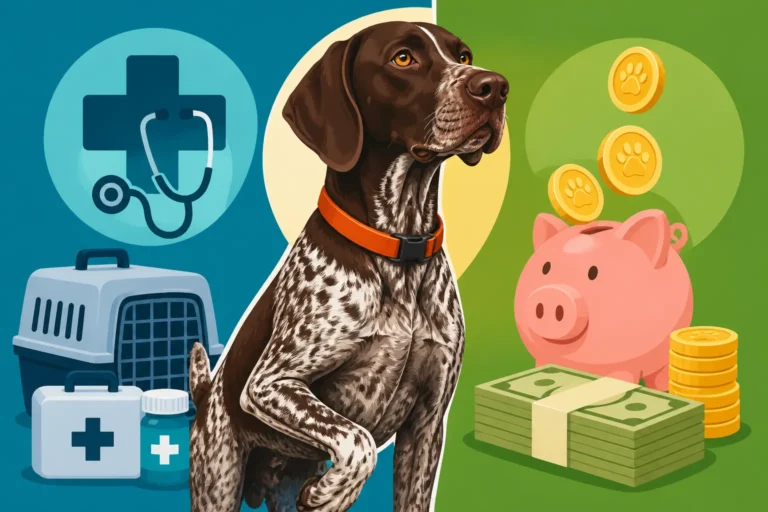
Considering Self-Insurance vs. Traditional Plans
When it comes to covering potential vet bills for your German Shorthaired Pointer, you might wonder if simply saving money yourself is a viable alternative to paying monthly insurance premiums. This is often referred to as "self-insurance." While it can work for some, it comes with its own set of risks and considerations, especially for an active hunting dog prone to high-cost injuries.
Setting Up an Emergency Fund
The core of self-insurance is creating a dedicated savings account specifically for your pet's veterinary emergencies. This fund acts as your own personal insurance policy.
- How to Set It Up: You'd typically decide on an amount to save each month – perhaps what you would have paid in insurance premiums – and consistently deposit it into a separate, easily accessible savings account.
- Target Amount: The challenge is knowing how much is "enough." Given that a single major surgery for a GSP could cost $5,000 to $10,000, you'd ideally want to have at least that much, if not more, accumulated before feeling truly secure. For multiple incidents, or a catastrophic illness, the fund would need to be substantially larger. The goal is to accumulate enough to cover the kind of bills that The Vet Bills a Hunting German Shorthaired Pointer Earns can rack up.
- Discipline is Key: This approach requires immense financial discipline. You can't dip into this fund for other expenses, and you need to be consistent with your contributions, even when other financial pressures arise.
Pros and Cons of Each Approach
Let's break down the advantages and disadvantages of self-insurance versus traditional pet insurance:
Traditional Pet Insurance (Pros):
- Immediate Catastrophic Coverage: This is the biggest advantage. As soon as your waiting periods are over, you have coverage for major, unforeseen expenses. You don't need to have thousands of dollars saved up already.
- Predictable Monthly Cost: You know exactly what you'll pay each month in premiums.
- Professional Expertise: The insurance company handles the complexities of claims processing and assessing covered treatments.
- No Depletion Risk: Your coverage renews annually (or policy period), so even after a large claim, you're still protected for future incidents up to your annual limit.
- Mental Peace of Mind: Knowing you're covered for a worst-case scenario can significantly reduce stress.
Traditional Pet Insurance (Cons):
- Monthly Premiums: You pay every month, and if your dog never has a major issue, you might feel like you "lost" money.
- Deductibles and Co-pays: You still pay a portion of the bill.
- Exclusions and Waiting Periods: Pre-existing conditions and waiting periods can be frustrating.
- Potential for Premium Increases: Premiums can increase as your dog ages or if they make multiple claims.
Self-Insurance (Pros):
- No Premiums or Deductibles (to an insurer): You control all the money.
- Flexibility: You decide what to spend your money on, without needing approval from an insurance company.
- Potential for Savings: If your dog remains remarkably healthy throughout its life, you could potentially save a significant amount of money over paying premiums.
Self-Insurance (Cons):
- High Upfront Capital Needed: You need a substantial fund before an emergency strikes. Few people have $5,000-$10,000 liquid cash sitting around specifically for vet bills, especially for a puppy.
- Risk of Depletion: A single major event can wipe out your fund, leaving you vulnerable to future issues.
- Lack of Discipline: It's easy to rationalize dipping into the fund for other expenses, or to stop contributing when times are tight.
- Emotional Stress: The pressure of making financial decisions during a crisis is immense.
- Inflation of Vet Costs: Vet costs continue to rise, so your saved amount might not keep pace with future treatment expenses.
When Self-Insurance Might Make Sense
Self-insurance is generally most viable for individuals who:
- Have significant, easily accessible savings: They can comfortably fund a $10,000+ emergency without batting an eye.
- Are highly disciplined savers: They can consistently contribute to a dedicated fund without fail.
- Have a very low-risk pet: Perhaps an older, less active dog with known pre-existing conditions that wouldn't be covered by insurance anyway, making insurance less cost-effective.
- Are willing to accept the full financial risk: They understand that if a catastrophic injury or illness occurs early on, before enough funds have accumulated, they will bear the entire financial burden.
For a young, active hunting German Shorthaired Pointer, the risk of high-cost accidental injuries is simply too great for most owners to comfortably self-insure. A sudden cruciate tear or bloat can easily exceed what most people could realistically save in a year or two. While you can certainly start an emergency fund alongside an insurance policy, relying solely on self-insurance for a hard-working GSP often exposes owners to an unacceptable level of financial vulnerability.
Disclaimer
The information provided in this article is for general informational purposes only and does not constitute veterinary, financial, or legal advice. Always consult with a qualified veterinarian for any health concerns regarding your German Shorthaired Pointer and a financial advisor or insurance professional for specific policy recommendations. Pet insurance policies vary significantly, and it is your responsibility to thoroughly review any policy documents before making a purchase.