The Age OFA Will Certify a Shorthair’s Hips
It's a tough pill to swallow when you realize your incredibly active German Shorthaired Pointer, the picture of boundless energy, might face a future with joint issues. As GSP owners, we pour our hearts into these dogs, and ensuring their long-term health, especially for their hardworking hips, is paramount. This guide is going to walk you through everything you need to know about hip certification through the Orthopedic Foundation for Animals (OFA) for your beloved Shorthair, particularly focusing on when that crucial final evaluation can happen.
Understanding OFA Hip Certification for German Shorthaired Pointers
Bringing home a German Shorthaired Pointer means signing up for a life of adventure, whether that's chasing pheasants across wide-open fields or simply enjoying long, strenuous hikes. Their athleticism is legendary, but it also means their joints, especially their hips, take a considerable amount of impact over their lifetime. Protecting those hips through responsible breeding and proper care is one of the most significant things we can do as owners.
Why Hip Health is Crucial for a GSP
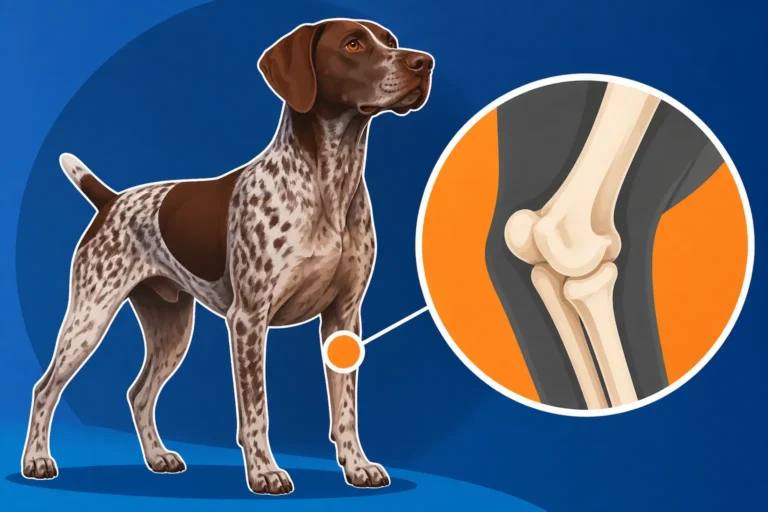
German Shorthaired Pointers are built for endurance and explosive movement. They run, jump, pivot, and swim with an intensity that few other breeds can match. This incredible drive, while one of their most endearing qualities, also places significant demands on their skeletal system. Hip dysplasia, a condition where the hip joint doesn't form properly, can severely impact their ability to perform and enjoy life. Imagine your "hard running German Shorthaired Pointer" being sidelined by pain; it's a heartbreaking thought that drives many responsible owners and breeders to prioritize hip health. Without sound hips, their working life can be cut short, and their later years can be filled with discomfort and the onset of debilitating arthritis. We're talking about a breed whose very essence is tied to movement, so compromised hips aren't just an inconvenience; they're a threat to their identity and quality of life.
The Official Age for OFA Final Certification
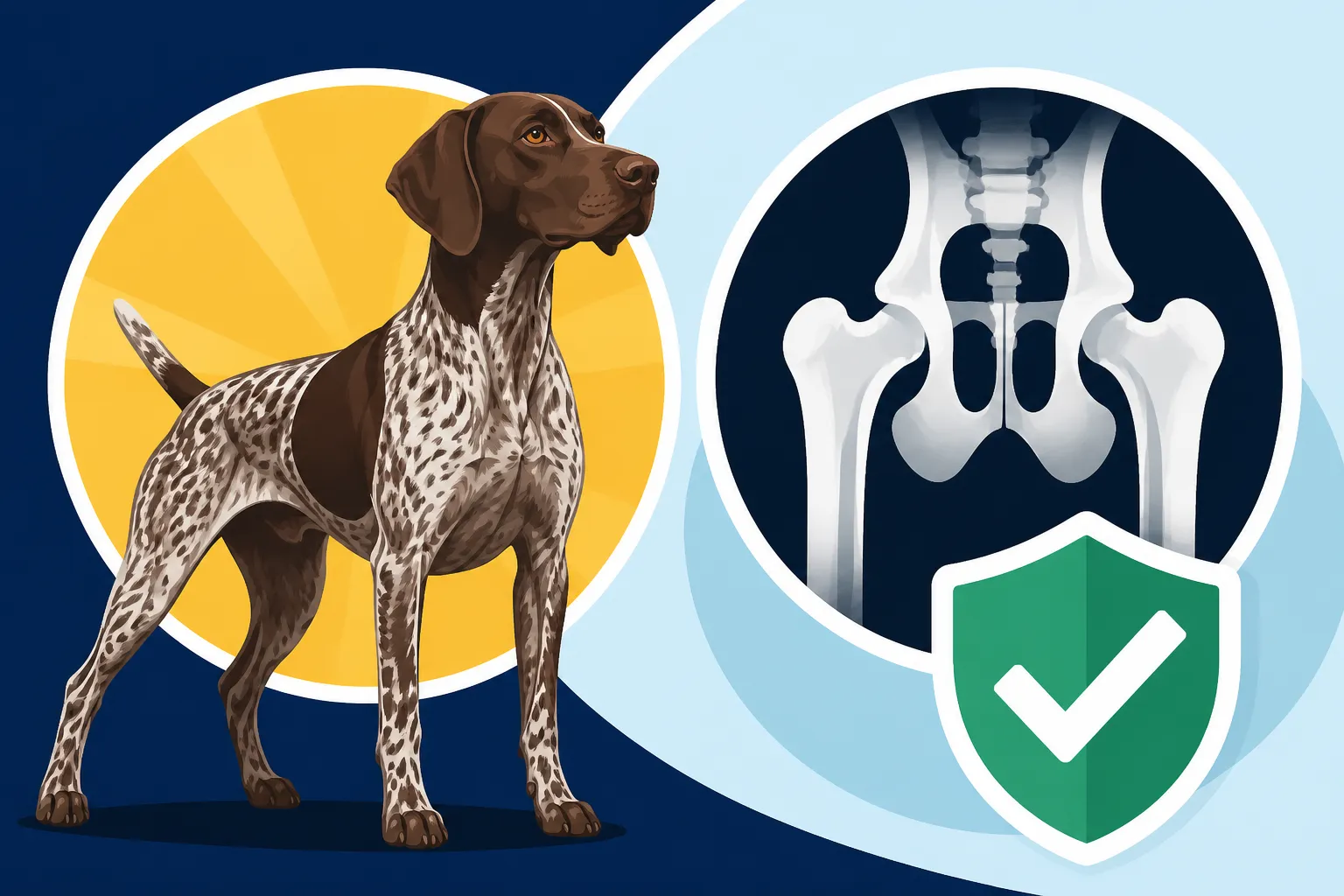
So, let's get right to the heart of the matter: when can you get that definitive OFA hip certification for your German Shorthaired Pointer? The Orthopedic Foundation for Animals (OFA) requires that dogs be at least 24 months old (two years of age) for a final, permanent hip certification. This isn't just an arbitrary number; it's a scientifically determined age based on the typical skeletal maturity of most dog breeds. Before two years, a dog's growth plates may still be open, and the hip joints haven't fully solidified into their adult configuration. Submitting X-rays before this age can lead to inaccurate assessments because the hips are still developing. The goal of OFA certification is to provide a reliable, objective assessment of a dog's hip conformation once they are fully mature, giving breeders the best possible information to make responsible breeding decisions and giving owners peace of mind.
Preliminary Hip Evaluations Before Two Years Old
While the final OFA certification requires your Shorthair to be two years old, that doesn't mean you have to wait in the dark until then. The OFA does offer preliminary hip evaluations for dogs as young as four months of age. These preliminary evaluations can be incredibly useful for breeders who want an early indication of a puppy's potential hip quality or for owners who are concerned about their young dog's gait or activity levels. They provide an early snapshot, often graded as "Excellent," "Good," "Fair," or "Dysplastic."
However, it's crucial to understand that these preliminary results are not considered final. They are just that: preliminary. While a preliminary "Excellent" score often translates to a good final score, and a preliminary "Dysplastic" score is a strong indicator of future problems, there can be changes as the dog grows. The accuracy of these preliminary evaluations is quite high, particularly for predicting dogs without dysplasia, but they are not a substitute for the definitive two-year-old certification. If you're considering a breeding prospect, or if you're just very proactive about your dog's health, a preliminary evaluation can offer valuable insights, but remember to always follow up with the official 24-month submission.
The OFA Hip Certification Process for Your Shorthair
Navigating the OFA hip certification process can seem a bit daunting at first, but it's a straightforward procedure designed to give you the most accurate assessment of your German Shorthaired Pointer's hip health. Understanding each step can help you feel more prepared and ensure the best possible outcome. This is a critical investment in your dog's future, especially if they are going to lead an active life in the field or become part of a breeding program.
Preparing for the X-rays
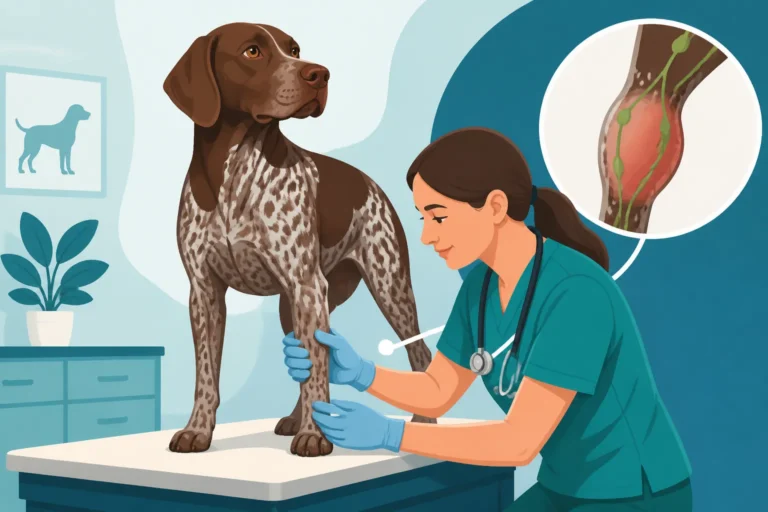
Proper preparation is absolutely key to getting clear, certifiable X-rays for OFA. The most important aspect is ensuring your German Shorthaired Pointer is completely relaxed and properly positioned during the radiograph. This almost always requires sedation or light anesthesia. Trying to get an awake, wiggly GSP into the precise position needed for OFA X-rays is nearly impossible and can result in images being rejected, meaning you'd have to go through the process all over again.
Before your appointment, talk to your veterinarian about the sedation protocol. They will likely recommend fasting your dog for several hours prior to the procedure to prevent complications from anesthesia. You should also ensure your dog is clean and free of any debris that could show up on the X-rays. It’s also a good idea to seek out a veterinary clinic that has experience with OFA submissions. Vets who regularly perform these procedures are skilled at positioning dogs correctly, which makes a huge difference in the quality and acceptance of the images. Make sure your dog is calm and comfortable before heading into the clinic, as this can contribute to a smoother sedation process.
Submitting the X-rays and Understanding the Grades
Once your veterinarian has taken the X-rays, they will submit them, along with the necessary paperwork and fees, directly to the OFA. The OFA has a panel of three independent, board-certified veterinary radiologists who review each set of X-rays. They meticulously evaluate various aspects of the hip joint, including the femoral head, acetabulum, and joint laxity.
The OFA uses a standardized seven-point grading scale to assess hip conformation. These grades are:
| OFA Hip Grade | Description | Implications for Breeding/Activity |
|---|---|---|
| Excellent | Superior hip conformation; virtually no signs of hip dysplasia. | Ideal for breeding; no restrictions on activity. |
| Good | Well-formed hips with good congruity; slightly less than Excellent. | Considered normal and acceptable for breeding; no restrictions on activity. |
| Fair | Hips are clearly "normal" but with minor irregularities, often slight joint laxity. | Still considered normal and acceptable for breeding, but many breeders aim higher; no restrictions on activity. |
| Borderline | Conformation is ambiguous; features prevent a "normal" grade but aren't dysplastic. | OFA recommends re-x-raying in 6-8 months; generally not recommended for breeding. |
| Mild | Evidence of hip dysplasia, usually with some joint laxity and minor changes. | Not recommended for breeding; activity may be limited or require management to prevent pain. |
| Moderate | Significant evidence of hip dysplasia with clearly abnormal changes. | Not recommended for breeding; likely to experience pain and lameness; activity severely restricted without intervention. |
| Severe | Marked evidence of hip dysplasia, often with significant secondary arthritic changes. | Not recommended for breeding; will experience significant pain and lameness, requiring extensive medical management or surgical intervention. |
Only the "Excellent," "Good," and "Fair" grades are considered "passing" or normal for breeding purposes. If your German Shorthaired Pointer receives a grade of "Borderline" or worse, they will not receive an OFA certification number for their hips, and it's strongly advised not to breed them. This systematic grading helps maintain the integrity of breeding programs and reduces the incidence of hip dysplasia in future generations. You can even check a dog's status on the OFA public database once the results are posted, offering transparency to prospective puppy buyers.
Reading a German Shorthaired Pointer's OFA Results
When those OFA results come back, it's natural to feel a mix of anticipation and perhaps a little anxiety. Understanding what your Shorthair's specific grade means for them is important. If your dog receives an "Excellent," "Good," or "Fair" rating, congratulations! Your German Shorthaired Pointer has passed, and you'll receive an OFA certification number. These ratings indicate that your dog's hips are within the normal range for the breed, making them suitable for breeding if all other health clearances are met. Many breeders strive for "Good" or "Excellent" to continuously improve their lines.
However, even a "Fair" score, while passing, might warrant a deeper look at the other clearances within something like the "The Five Tests Behind a German Shorthaired Pointer CHIC Number" program, which looks at broader health. A "Borderline" result is a tough one; it means the radiologists couldn't definitively say normal or dysplastic. In such cases, the OFA suggests re-X-raying in 6-8 months, as development might still be occurring, or perhaps a different positioning might yield a clearer picture. For "Mild," "Moderate," or "Severe" dysplasia, the news is difficult, but it's vital information. It means your dog is affected, and breeding them would likely perpetuate the condition.
Beyond breeding considerations, these results are crucial for your dog's long-term care. A dog with dysplastic hips will need a different approach to exercise and management to minimize pain and maximize comfort throughout its life. This might include dietary management, joint supplements, or physical therapy. Even if your Shorthair's hips are perfectly sound, it’s worth familiarizing yourself with other hip evaluation methods like "PennHIP Numbers on a German Shorthaired Pointer" which can offer a different perspective on joint laxity.
Beyond Certification: Maintaining Hip Health in a GSP
Getting an OFA certification is a fantastic step in ensuring your German Shorthaired Pointer's hip health, especially if you're a responsible breeder. But for every GSP owner, whether their dog is destined for the field or the couch, maintaining those precious joints throughout their life is an ongoing commitment. A certificate is a snapshot; daily care is the continuous journey.
Exercise and Nutrition Considerations
One of the biggest factors in a German Shorthaired Pointer's joint health, even with good genetics, is how they are managed through their developmental years and throughout their life. It's a common concern: "Whether running a Shorthair puppy damages its joints". The answer is complex, but generally, high-impact, repetitive activities like long-distance running or jumping off high objects should be limited during puppyhood when their growth plates are still open and vulnerable. Instead, focus on controlled exercise like leash walks, swimming, and free play in soft, safe areas. As they mature, you can gradually increase intensity, keeping in mind guides like "The Age a German Shorthaired Pointer Can Start Roadwork".
Nutrition also plays a monumental role. Keeping your German Shorthaired Pointer at a lean, healthy weight is perhaps the single most impactful thing you can do to protect their joints. Every extra pound puts additional stress on their hips and other joints. Work with your vet to determine the ideal body condition score for your GSP. For highly active or aging dogs, your vet might recommend "Joint Supplements for a Hunting German Shorthaired Pointer" containing ingredients like glucosamine, chondroitin, and omega-3 fatty acids, which can support cartilage health and reduce inflammation. Providers like Healthy Paws often cover prescribed medications and therapies for conditions like arthritis, making these preventative and management strategies more accessible.
Signs of Hip Issues and Early Intervention
German Shorthaired Pointers are stoic dogs; they often push through pain, especially when there's a job to do. This can make "Signs a Shorthair's Hips Are Going in the Field" particularly hard to spot. You might notice subtle changes initially: a slight reluctance to jump into the car, difficulty getting up after resting, a decreased desire to play, or a shift in their gait, sometimes described as a "bunny hop" when running. They might also show stiffness after exercise or upon waking. In extreme cases, you might observe obvious lameness or a decrease in muscle mass in their hindquarters.
Don't wait if you notice these signs. Early intervention is crucial. A prompt visit to your veterinarian can lead to a diagnosis and a management plan that might include pain medication, anti-inflammatory drugs, physical therapy, or even surgical options in severe cases. Being proactive can significantly improve your dog's quality of life and potentially slow the progression of conditions like "Arthritis in a German Shorthaired Pointer at Eight". Remember, just because a GSP has excellent OFA scores doesn't mean they are immune to injury or age-related changes, so constant vigilance is key.
The Role of Genetics and Responsible Breeding
While good care is vital, the foundation of strong hips truly lies in genetics. This is where OFA certification comes full circle. Responsible breeders are meticulous about screening their breeding stock, only breeding dogs with passing OFA hip scores (and other clearances like those found in the "Hips and the CHIC Panel a German Shorthaired Pointer Needs"). They understand that hip dysplasia has a significant genetic component, and by selecting parents with excellent hip conformation, they are doing their utmost to produce healthy puppies. When looking for a German Shorthaired Pointer puppy, always ask to see the OFA certificates for both parents. Don't be afraid to dig deep into the pedigree; a history of good hips throughout the lineage is a strong indicator of future health. This commitment to genetic health helps ensure that the "The Twelve to Fourteen Years a German Shorthaired Pointer Gets" are as comfortable and active as possible. Insurance providers like Healthy Paws also support responsible pet ownership by often requiring certain health screenings for specific breeds to cover genetic conditions, further emphasizing the importance of informed breeding practices. While some issues like "How Hip Dysplasia Hides in a Shorthair That Never Quits" can make it challenging, consistent screening remains the best defense.
Disclaimer
This guide is intended for informational purposes only and does not constitute veterinary advice. Always consult with a qualified veterinarian for any health concerns or before making decisions about your German Shorthaired Pointer's care, treatment, or breeding.