Signs a Shorthair’s Hips Are Going in the Field
There's nothing quite like watching a German Shorthaired Pointer move through the field, a symphony of power, grace, and tireless drive. But for all their athleticism and boundless energy, these incredible dogs aren't immune to the silent, often devastating impact of hip issues. It's heartbreaking to see your dedicated hunting partner slow down, especially when they still have the heart for the hunt. This guide is here to help you understand what hip dysplasia looks like in a working Shorthair and how to catch those subtle signs before they steal too many seasons from your best friend.
Understanding Hip Dysplasia in the German Shorthaired Pointer
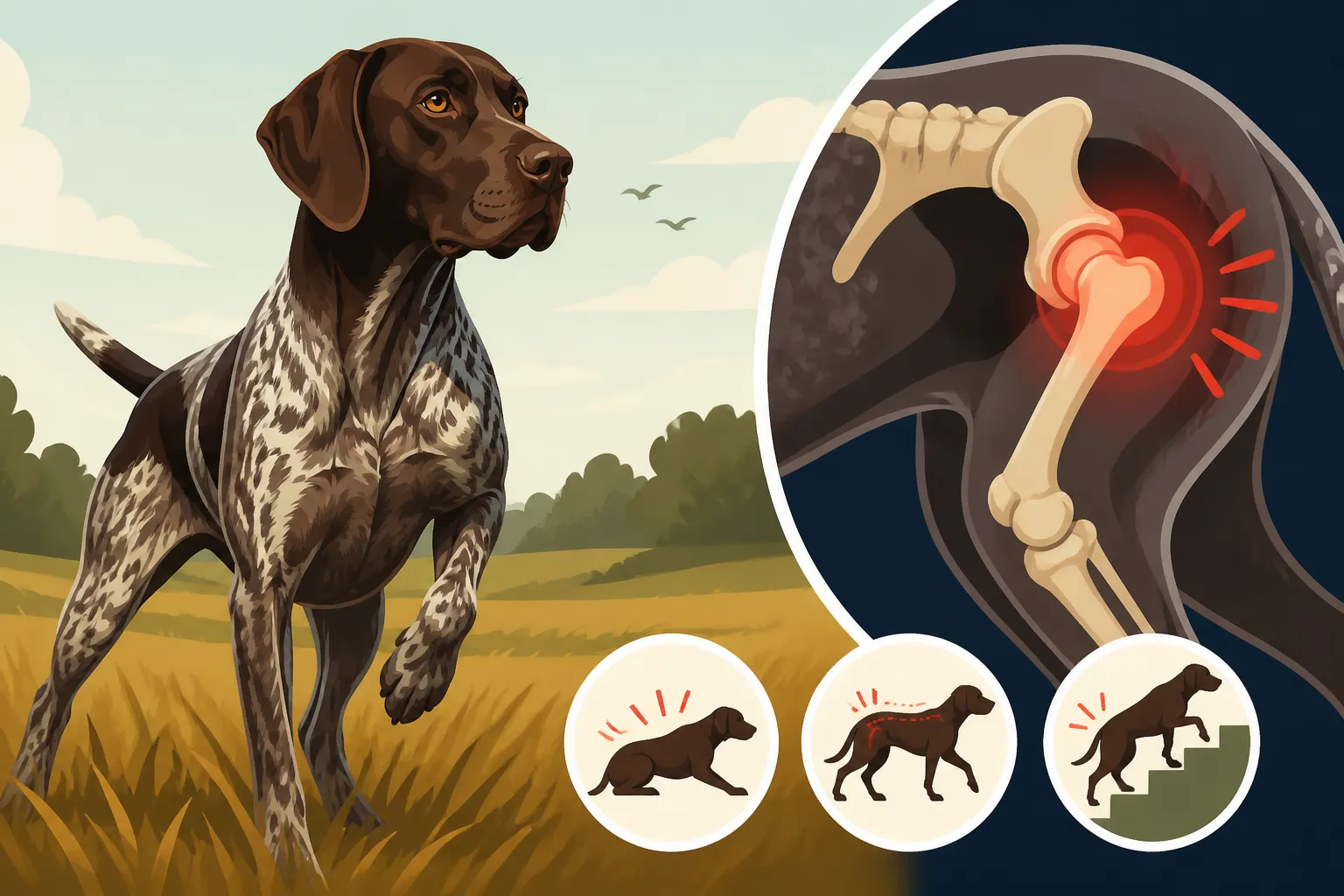
Hip dysplasia is a condition that haunts many large, active breeds, and our beloved German Shorthaired Pointers are, unfortunately, no exception. It’s a developmental issue where the ball and socket of the hip joint don’t fit together properly. Instead of smoothly gliding, the joint components grind and rub, leading to painful wear and tear, inflammation, and eventually, degenerative joint disease or arthritis. It's a progressive condition, meaning it often gets worse over time, especially with the intense physical demands we place on our field dogs.
The Silent Threat in an Active Breed
The insidious nature of hip dysplasia in a GSP is how well they hide pain. These dogs are famously stoic, driven by an almost obsessive desire to please and hunt. They'll often push through discomfort, running on sheer will and adrenaline, making it incredibly difficult for even the most observant owner to notice early signs. You might attribute a slight limp or a bit of stiffness to just a long day in heavy cover or a minor strain. We expect them to be sore after a grueling hunt, right? This inherent toughness, while admirable, can be a major hurdle in early detection. Many a dedicated hunter has been caught off guard, suddenly realizing their dog's subtle changes weren't just "getting older" but rather the escalating pain of deteriorating hips. The genetic predisposition in German Shorthaired Pointers, coupled with the high impact of their active lifestyles, makes them particularly vulnerable. It's a frustrating reality for owners who provide excellent care but can't change their dog's inherent genetic blueprint.
Early Indicators That Can Be Missed
Before the obvious limping or reluctance to work sets in, there are often subtle, fleeting signs that can easily be dismissed. Think about your puppy during its growth stages. Have you ever noticed what seems like a momentary awkwardness, a slight "bunny hop" when they run, or a preference for sitting with one leg splayed out rather than tucked neatly? These tiny quirks can be red flags. Young Shorthairs, even those only six months old, might display what's often referred to as "The Shifting Lameness in a Six Month Shorthair" – a lameness that appears in one leg, then another, or seems to resolve only to reappear later. This inconsistency makes it hard to pinpoint a problem, leading many owners to believe it’s just a growth spurt or a minor puppy bump. Early intervention is key, but catching these faint signals requires a keen eye and an understanding that even a young, seemingly healthy GSP can be experiencing the onset of hip dysplasia. Pay attention during playful bursts; a pup might suddenly cut a corner differently or hesitate before a jump it usually tackles without thought.
Recognizing the Red Flags During Field Work
When your German Shorthaired Pointer is doing what it loves most—working the field—the signs of hip dysplasia become more pronounced, though they can still be masked by their incredible drive. This is where you, as their hunting partner, become their most important advocate, watching not just for birds, but for their well-being.
Changes in Gait and Performance
This is often the most noticeable area where hip issues reveal themselves. A Shorthair with hip pain might display a distinct "bunny hopping" gait, especially when running at a faster pace or going uphill. Instead of moving their hind legs independently, they’ll move them together, almost like a rabbit, to minimize the painful extension of their hips. You might notice they take shorter strides with their hind legs, or their powerful, driving gait seems to diminish. They might be reluctant to jump into the truck or over fences, hesitating where they once bounded effortlessly.
When working cover, watch if they struggle with uneven terrain, or if they seem to favor one leg when planting for a point. A once fluid turn might become stiff or wide. Their drive might still be there, but their endurance might visibly wane. They might slow down quicker than usual, needing more breaks, or their retrieves become less enthusiastic, perhaps even dropping birds short of hand. You might even notice they're pointing for shorter durations, breaking point earlier, or struggling to hold that solid, statuesque stance they're known for. This is often how "How Hip Dysplasia Hides in a Shorthair That Never Quits" truly manifests—their mental toughness overrides their physical pain for a time, but the subtle changes are there if you know to look. They may be slower to get out of the truck and hit the ground running, preferring a slower, more deliberate entry into the field.
Behavioral Shifts and Physical Manifestations
Beyond the changes in movement, pay close attention to shifts in behavior and the physical state of your dog. One of the classic signs of joint pain is increased stiffness, particularly after periods of rest. After a long drive home from the hunting grounds, does your Shorthair struggle to get up from the truck bed? Do they seem stiff and sore for the first few minutes after waking up from a nap, especially on colder mornings? This "morning stiffness" or post-rest stiffness is a hallmark of arthritis, which is often a direct consequence of hip dysplasia. You might notice a reluctance to go up or down stairs, or they might take them one step at a time, rather than bounding.
Pain can also lead to vocalizations. Your normally quiet companion might whine or yelp when stretching, getting up, or being touched around the hip area. Some dogs will constantly lick or chew at their hips or hindquarters, trying to alleviate the discomfort. Over time, you may even notice a visible loss of muscle mass in their hindquarters, as they stop using those muscles as effectively due to pain. Conversely, their shoulders might become more heavily muscled as they shift weight forward to compensate. Gently palpate their hips and hind legs; do you notice any swelling, tenderness, or does your dog react negatively to your touch? These are crucial clues. If your German Shorthaired Pointer is past their prime, these signs can easily be mistaken for natural aging, but they're often indicators of advancing joint disease, similar to how "Arthritis in a German Shorthaired Pointer at Eight" can manifest.
What to Do When You Suspect Hip Issues
Discovering that your hard-working German Shorthaired Pointer might be struggling with hip issues can be unsettling, even devastating. But knowing what steps to take next can make all the difference in their comfort and quality of life.
Immediate Steps and Veterinary Consultation
The absolute first thing you should do when you suspect hip problems is to reduce strenuous activity. This doesn't mean stopping all exercise, as maintaining muscle mass is important, but it means no more marathon hunts or high-impact training sessions until you have a clear picture of what's going on. Observe your dog even more closely—jot down specific instances of lameness, stiffness, or pain. When do they occur? How long do they last? This information will be invaluable for your veterinarian.
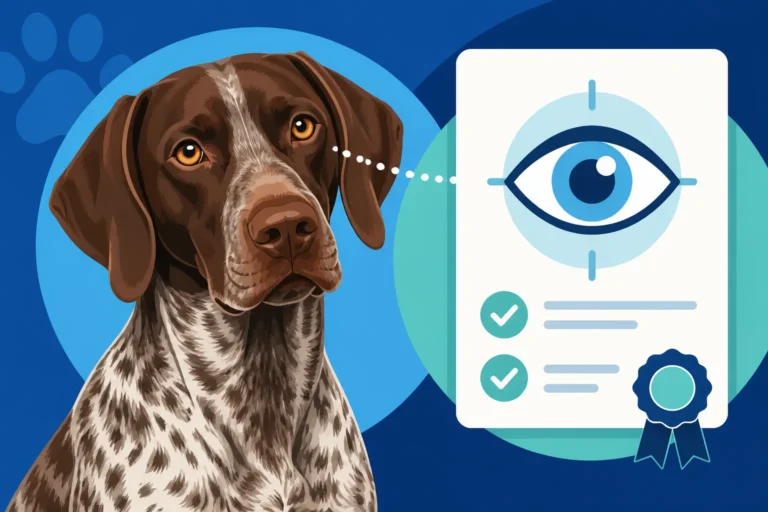
Next, schedule a comprehensive veterinary appointment right away. Don't wait. Your vet will perform a thorough physical examination, checking range of motion, listening for tell-tale "clicks" or "pops" in the joint, and assessing for pain response. The definitive diagnostic tool, however, is X-rays. Your vet will likely recommend radiographs of the hips to evaluate the joint structure. These can be done in several ways, often involving specific positioning to get the most accurate images. You might hear terms like OFA (Orthopedic Foundation for Animals) or PennHIP. Both are methods for evaluating hip joint laxity and conformation, though they differ in their techniques and how early in a dog's life they can provide meaningful results. For instance, understanding "The Age OFA Will Certify a Shorthair's Hips" or interpreting "PennHIP Numbers on a German Shorthaired Pointer" can be crucial for diagnosis and even for understanding genetic predispositions. An accurate diagnosis is the cornerstone of effective treatment, so be prepared for these diagnostic steps.
Management and Treatment Options
Once a diagnosis of hip dysplasia and/or secondary arthritis is confirmed, your vet will work with you to develop a management plan. This plan is often multi-faceted, focusing on pain relief, improving joint function, and slowing the progression of the disease.
For many dogs, conservative management is the first approach. This includes:
- Pain Management: Non-steroidal anti-inflammatory drugs (NSAIDs) are commonly prescribed to reduce pain and inflammation. Other medications, like gabapentin or amantadine, might be used for neuropathic pain or as adjuncts.
- Joint Supplements: Supplements containing glucosamine, chondroitin, MSM, and omega-3 fatty acids can support joint health, reduce inflammation, and help maintain cartilage. Many owners find success incorporating "Joint Supplements for a Hunting German Shorthaired Pointer" into their dog's daily routine.
- Weight Management: Keeping your Shorthair at an ideal lean weight is paramount. Every extra pound puts additional stress on already compromised joints. This is so critical for their overall health, as discussed in "Keeping a German Shorthaired Pointer Lean and Hard."
- Controlled Exercise: While high-impact activities are out, regular, low-impact exercise is essential to maintain muscle mass and joint flexibility. Swimming, leash walks, and underwater treadmill therapy are excellent options.
- Physical Therapy: Techniques like massage, stretching, cold laser therapy, and acupuncture can significantly improve comfort and mobility.
For more severe cases, or when conservative management is no longer sufficient, surgical options may be considered. These can range from a Femoral Head Ostectomy (FHO), where the head of the femur is removed, to a Total Hip Replacement (THR), which is a more complex but often highly successful procedure. These surgeries can be costly, and it’s during these times that many owners are grateful for comprehensive pet insurance. Providers like Healthy Paws have helped countless families manage the significant financial burden of such advanced veterinary care, ensuring their beloved companions get the best possible treatment without breaking the bank.
Proactive Care and Long-Term Well-being for Field Shorthairs
Managing hip dysplasia is a lifelong commitment, but there's a lot you can do proactively to support your German Shorthaired Pointer's joint health, especially if they are a working dog.
Nutrition and Supplementation for Joint Health
A high-quality diet forms the foundation of overall health, including joint health. For an active German Shorthaired Pointer, ensuring they receive a balanced diet rich in essential nutrients is critical. Look for dog foods with appropriate protein and fat levels to support their energy needs without causing excessive weight gain. Many premium brands offer formulations specifically designed for active or large breed dogs, which often include ingredients beneficial for joints.
Beyond the baseline diet, targeted supplementation can play a significant role. As mentioned earlier, glucosamine, chondroitin, and MSM are popular choices for their cartilage-protecting and anti-inflammatory properties. Omega-3 fatty acids, particularly EPA and DHA found in fish oil, are powerful natural anti-inflammatories that can significantly reduce joint pain and stiffness. Some owners also explore natural anti-inflammatory ingredients like turmeric or green-lipped mussel, always after consulting their vet.
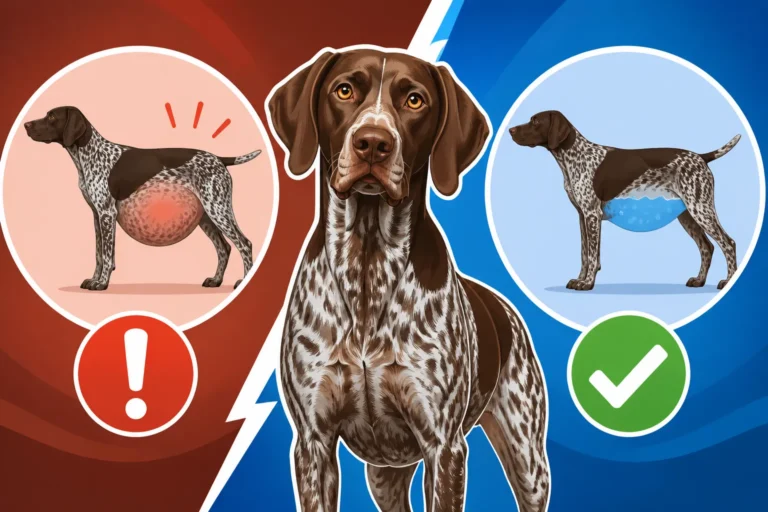
Perhaps the most crucial nutritional aspect, however, is maintaining an ideal body weight. It cannot be overstated: excess weight is incredibly detrimental to hip health, accelerating the progression of arthritis and increasing pain. Regularly assessing "The Body Condition a Field Shorthair Should Carry" is more important than just the number on the scale. You should be able to easily feel your dog's ribs, but not see them prominently. Their waist should be evident when viewed from above, and their belly should tuck up when viewed from the side. If your dog carries too much weight, work with your vet to implement a safe and effective weight loss plan. This seemingly simple step can have a profound impact on their comfort and longevity in the field.
Responsible Breeding and Puppy Care
For those considering bringing a new German Shorthaired Pointer into their home, especially with the intention of field work, responsible breeding practices are paramount. This is your first line of defense against hip dysplasia. Reputable breeders will rigorously screen their breeding stock for genetic health conditions, including hip and elbow dysplasia, often utilizing certifications from organizations like OFA or PennHIP. Always ask to see the health clearances for both parents. Understanding "Hips and the CHIC Panel a German Shorthaired Pointer Needs" can give you confidence in a breeder's commitment to producing healthy puppies. Avoid breeders who make excuses or don't perform these tests.
Once you bring your GSP puppy home, proper care during their rapid growth phase is vital for setting the stage for healthy joints. While their boundless energy makes you want to let them run free, it's crucial to understand "Whether Running a Shorthair Puppy Damages Its Joints." Excessive, high-impact exercise during puppyhood, especially on hard surfaces, can stress developing joints. Instead, opt for controlled play, shorter walks, and mental stimulation. Avoid forced running or repetitive jumping until their growth plates have closed, typically around 12-18 months of age.
Gradual conditioning is key as they mature. Slowly introduce them to the demands of field work, building stamina and muscle strength progressively. This long-term approach helps strengthen the muscles supporting the hip joints, providing better stability. Remember, investing in their health from day one, from careful breeder selection to thoughtful puppy care, is the best way to ensure your GSP enjoys a long, active, and comfortable life in the field. And don't forget to look into pet insurance early, before any pre-existing conditions arise. Many pet parents find that services like Healthy Paws are a lifesaver when unexpected medical issues, or even routine "The Vet Bills a Hunting German Shorthaired Pointer Earns," inevitably crop up. Being prepared financially allows you to make decisions based on your dog's needs, not your wallet. Also, consider discussing "Whether Neutering Timing Changes a Shorthair's Joints" with your vet, as recent studies suggest there might be an optimal age to neuter large breeds to minimize joint disease risk.
Summary of Hip Dysplasia Signs in the Field
Here's a quick reference table to help you identify potential hip issues in your active German Shorthaired Pointer:
| Category | Early/Subtle Signs | Advanced/More Obvious Signs |
|---|---|---|
| Gait/Movement | Occasional "bunny hop" when running | Consistent "bunny hopping," favoring one hind leg |
| Slight hesitation before jumps | Reluctance or inability to jump, struggles with stairs/truck | |
| Shorter strides, particularly uphill | Noticeably shorter, stiffer strides, especially in hindquarters | |
| Less fluid turns, awkwardness on uneven ground | Stumbles, struggles on rough terrain, falls more easily | |
| Minor stiffness after intense activity | Significant stiffness after rest, lameness worsens with exercise | |
| Performance | Slightly reduced endurance, needs more breaks | Significant decrease in stamina, tires quickly |
| Less enthusiastic retrieves, might drop bird short | Reluctance to retrieve, avoids carrying heavy birds | |
| Shorter pointing duration, breaks point early | Struggles to hold a solid point, shifts weight constantly | |
| Slower to get started in the field | Appears reluctant to begin hunting, hangs back | |
| Behavior/Physical | Licking at hips occasionally | Constant licking/chewing at hip or hindquarters |
| Mild discomfort when handled around hips | Vocalizing (whining, yelping) when touched, stretching, or standing | |
| Subtle muscle loss in hindquarters over time | Visible atrophy of hindquarter muscles, compensatory muscle in front | |
| Prefers sitting with one leg out to the side | Difficulty getting up from a lying position, struggles to balance |
Disclaimer
The information provided in this article is for general informational purposes only and is not a substitute for professional veterinary advice. Always consult with a qualified veterinarian for any health concerns or before making any decisions related to your German Shorthaired Pointer's health and treatment.