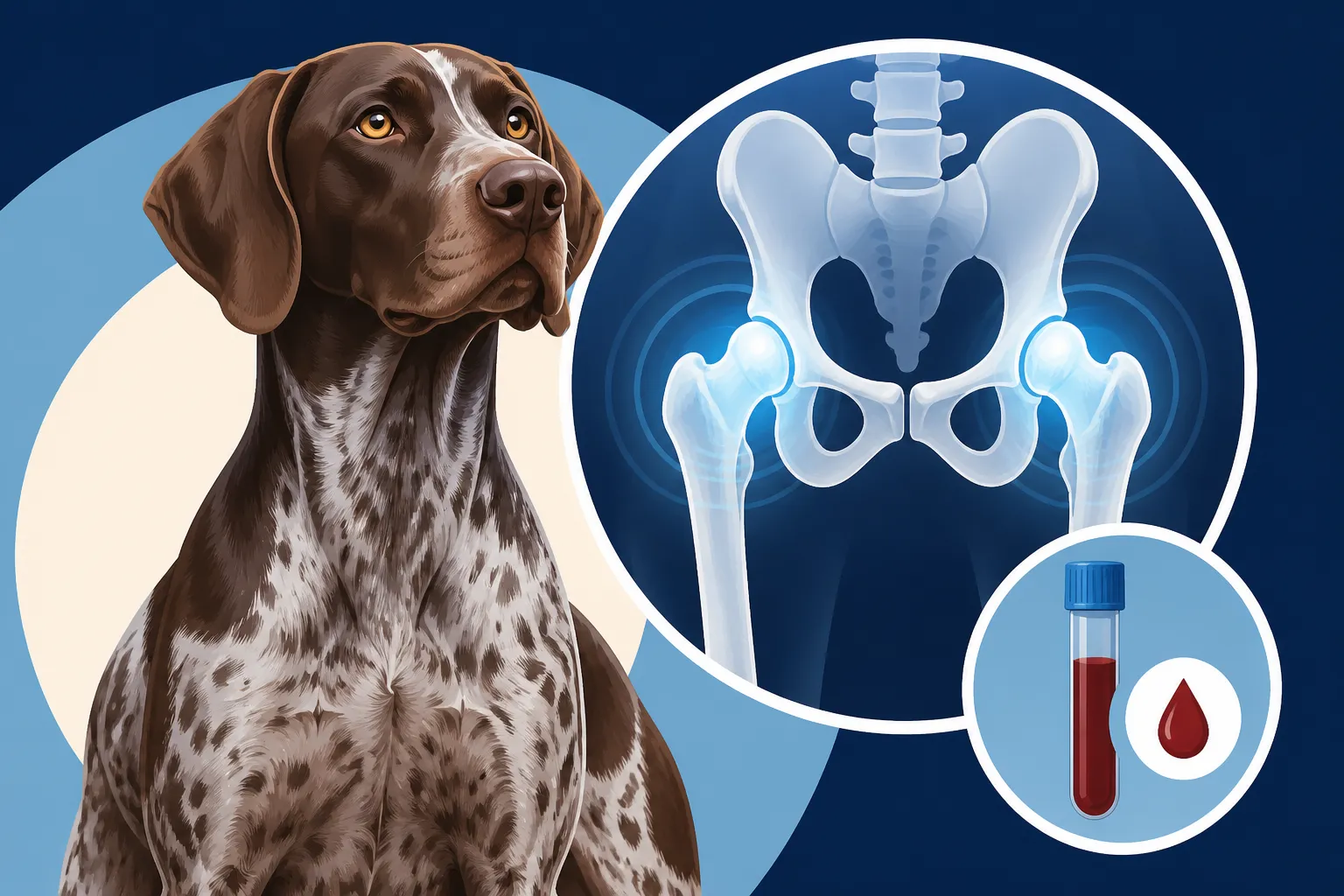
Hips and the CHIC Panel a German Shorthaired Pointer Needs
As a German Shorthaired Pointer owner, there's a unique knot of anxiety that forms in your stomach when you think about their joints. These are magnificent, powerful athletes, built for endless miles in the field, but that incredible drive and physical prowess often comes with a vulnerability: their hips. It's a frustrating reality to face, knowing the very activities that make them so happy can also contribute to lifelong orthopedic struggles. This guide is here to walk you through everything you need to know about hip health in German Shorthaired Pointers, from understanding the basics of hip dysplasia to navigating the crucial CHIC health panel, and most importantly, how to give your GSP the best chance at a sound, comfortable life.
Understanding Canine Hip Dysplasia in German Shorthaired Pointers
Hip dysplasia is a term that strikes fear into the heart of any GSP owner or prospective owner. It’s not just a fancy vet word; it represents a painful, progressive condition that can severely impact your dog's quality of life and their ability to do what they love most – run, jump, and hunt. For a breed so defined by its athleticism, hip health is paramount, and understanding this condition is the first step in protecting your canine companion.
What is Hip Dysplasia and Why is it Common in GSPs?
At its core, hip dysplasia is a genetic condition where the ball (femoral head) and socket (acetabulum) of the hip joint don't fit together properly. Instead of a smooth, congruent fit that allows for fluid motion, the joint is loose, or "lax." Over time, this laxity causes the bones to rub and grind against each other, leading to degeneration, pain, and the development of debilitating arthritis. Imagine a poorly fitted gear grinding away inside a machine – that's essentially what happens in a dysplastic hip.
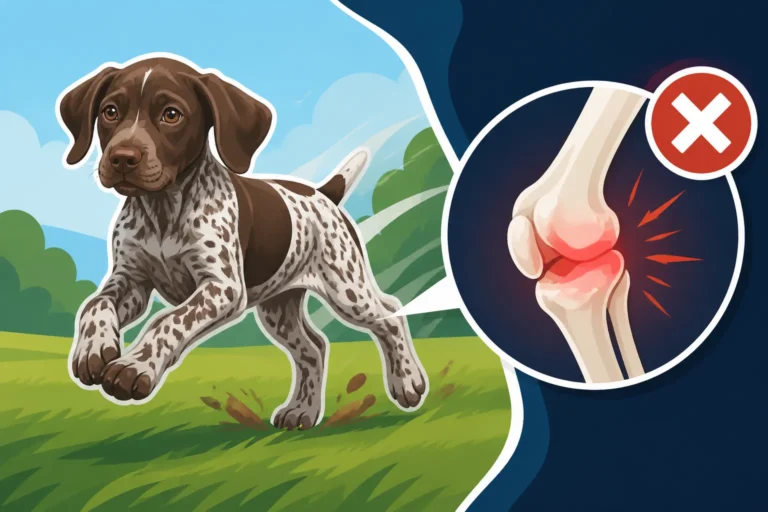
German Shorthaired Pointers are, unfortunately, among the breeds genetically predisposed to hip dysplasia. Their rapid growth rate, combined with their eventual large size and incredible athleticism, places immense stress on developing joints. While genetics are the primary culprit, environmental factors can exacerbate the condition. Things like excessive, high-impact exercise during puppyhood, rapid weight gain, or an imbalanced diet can all contribute to the severity of the dysplasia in a genetically predisposed dog. It's a cruel twist that the very drive that makes a GSP so captivating – their boundless energy and desire to work – also makes them particularly vulnerable to a condition that can sideline them. It’s heartbreaking to see a dog bred for such purpose struggle with the foundations of its movement.
Recognizing the Early Signs of Hip Issues
One of the challenges with German Shorthaired Pointers is their famously stoic nature and high pain tolerance. Many GSPs will push through discomfort, especially if there's a bird to find or a ball to chase, which can make early detection of hip issues tricky. However, there are subtle signs that, if you're vigilant, can clue you into a problem before it becomes severe.
Keep a close eye on their gait. Do they "bunny hop" when they run, moving both back legs together like a rabbit, rather than independently? Do they seem reluctant to jump into the car, onto the couch, or climb stairs, perhaps showing hesitation where they once bounded effortlessly? You might notice a subtle lameness, especially after exercise, or a general stiffness in their hindquarters, particularly when they first wake up in the morning or after a nap. Some GSPs might shift their weight forward to alleviate pressure on their hips, leading to an exaggerated "pacing" gait. If you gently palpate their hips, they might wince or show signs of pain. Over time, you might even observe muscle atrophy in their hind legs as they use them less, or a compensatory increase in muscle in their shoulders and chest as they try to bear more weight on their front end. It's crucial to distinguish these signs from normal puppy clumsiness or post-exercise fatigue. When you're dealing with a breed as athletic as a GSP, knowing their normal movement patterns is key to spotting when something isn't quite right.
The Long-Term Impact of Untreated Hip Dysplasia
Ignoring or missing the early signs of hip dysplasia in your German Shorthaired Pointer can lead to a much harder road down the line. Left untreated or unmanaged, hip dysplasia is a progressive disease. The constant friction and abnormal movement within the joint inevitably lead to degenerative joint disease, or osteoarthritis. This isn't just a fancy term for stiff joints; it means the cartilage cushioning the joint wears away, bone spurs develop, and the joint capsule thickens. The result is chronic, debilitating pain that can severely diminish your dog's quality of life.
A GSP with advanced, untreated hip dysplasia will often experience significant lameness, struggle with everyday activities like walking, standing, or lying down comfortably. Their ability to exercise, which is so vital to their mental and physical well-being, will be severely curtailed. This can lead to frustration, anxiety, and even secondary behavioral issues. Beyond the profound impact on their comfort and happiness, the financial burden of managing advanced hip dysplasia can be staggering. What might have been manageable with early intervention can become a cycle of expensive medications, physical therapy, and potentially multiple surgeries. For a working GSP, untreated hip dysplasia can mean the end of their career, a devastating outcome for both dog and handler. Proactive steps, from careful breeding choices to thoughtful puppy management, are truly investments in your GSP's future.
The Orthopedic Foundation for Animals (OFA) Certification
When you're looking at a German Shorthaired Pointer puppy, or thinking about breeding your own, the Orthopedic Foundation for Animals (OFA) is a name you'll hear often. It's the gold standard for evaluating hip health in many breeds, including GSPs. For decades, OFA has been a cornerstone for responsible breeders trying to reduce the incidence of hip and elbow dysplasia, and understanding their process is vital for making informed decisions.
The OFA Evaluation Process for Hips
Getting an OFA hip certification for your German Shorthaired Pointer involves a standardized radiological procedure designed to provide a consistent and objective assessment of hip joint conformation. It's not just a quick X-ray at your regular vet; there's a specific protocol involved to ensure the best possible images are obtained. Your dog will need to be positioned very precisely, often under sedation or anesthesia, to ensure muscle relaxation and proper alignment. This typically involves lying on their back with their hind legs extended and rotated inward, a position that would be impossible for an awake, uncooperative dog.
Once the X-rays are taken, they are submitted to the OFA. Here's where the "panel" comes in: three independent, board-certified veterinary radiologists review the images. They assess various aspects of the hip joint, including the depth of the acetabulum (socket), the fit of the femoral head (ball), the presence of any degenerative changes, and the overall joint congruence. Each radiologist assigns a grade, and if all three agree, that's the final grade. If there's disagreement, a fourth radiologist is consulted. This rigorous, multi-expert review is what gives OFA its credibility. It's worth noting that for final hip certification, a dog must be at least The Age OFA Will Certify a Shorthair's Hips – typically 24 months old – to ensure their growth plates have closed and their hip conformation is mature. Preliminary evaluations can be done earlier, but they aren't considered final for breeding purposes.
Deciphering OFA Hip Ratings and Their Meaning
Once your GSP's X-rays have been reviewed by the OFA, they'll receive one of seven hip ratings. Understanding what each of these means is crucial, especially if you're evaluating a potential breeding dog or assessing your own dog's health status.
The ratings, from best to worst, are:
- Excellent: Superior hip conformation. The femoral head fits very snugly into a well-formed socket.
- Good: Well-formed hip joint with a good fit, showing minimal joint laxity.
- Fair: Passable hip conformation, but with minor irregularities that are still within the normal range.
- Borderline: These hips are not clearly dysplastic, but there are some conformational changes that prevent them from being rated as "Fair" or better. OFA often recommends re-evaluating these dogs in 6-12 months, as the condition could improve or worsen.
- Mild Dysplasia: Evidence of hip dysplasia, usually characterized by mild subluxation (partial dislocation) of the femoral head and minor degenerative changes.
- Moderate Dysplasia: Significant subluxation, shallow acetabula, and more prominent degenerative changes.
- Severe Dysplasia: Marked evidence of hip dysplasia, including pronounced subluxation, severe degenerative changes, and often a flattened femoral head or shallow acetabula.
For a German Shorthaired Pointer to be considered eligible for responsible breeding, their hips must receive an OFA rating of "Excellent," "Good," or "Fair." Any rating of "Borderline" or worse means the dog should not be bred, as they are likely to pass on genes for hip dysplasia. Reputable breeders will always be transparent about these ratings and should be able to provide the OFA certification number for both parents of a litter. This information is vital for a prospective puppy owner, allowing them to verify the health claims. You should always be able to confidently check Reading a Shorthair's OFA and Eye Results Before Paying.
Beyond X-rays: The Importance of a Full Orthopedic Exam
While OFA X-rays are an incredibly powerful tool for assessing hip conformation and are a cornerstone of responsible breeding, they don't tell the entire story of a dog's orthopedic health. A comprehensive evaluation of your German Shorthaired Pointer's joints should always include a thorough physical orthopedic exam by a qualified veterinarian. This hands-on assessment provides critical information that X-rays alone might miss, or it can help interpret the radiological findings in the context of the dog's overall physical condition.
During a physical exam, your vet will observe your GSP's gait, looking for any subtle lameness, stiffness, or asymmetry in their movement. They'll palpate (feel) the hip joints, assessing for pain, swelling, or crepitus (a grinding sensation). They'll also evaluate the range of motion in the hips, gently extending and flexing the legs to see if there's any restriction or discomfort. Sometimes, a dog might have X-rays that look "fair" or "good" but still show clinical signs of discomfort or lameness due to soft tissue injuries or other issues not visible on X-rays. Conversely, a dog with mild radiographic changes might be completely asymptomatic due to strong muscle development compensating for minor laxity. For an active breed like the GSP, a physical exam can also uncover other common issues, such as Elbow Scores on a German Shorthaired Pointer or shoulder issues, which are equally important for their athletic performance and long-term health. A truly holistic approach to orthopedic health always combines advanced imaging with the skilled touch and observation of an experienced veterinarian.
Introducing the CHIC Program for German Shorthaired Pointers
Beyond individual health tests, the Canine Health Information Center (CHIC) program offers a more comprehensive approach to health screening. For German Shorthaired Pointer enthusiasts and breeders, understanding and utilizing the CHIC program is a testament to a commitment to the breed's long-term health and vitality. It moves beyond checking off a single box and encourages a broader perspective on inherited diseases.
What is a CHIC Number and Why is it Important?
A CHIC number isn't just another certification; it's a badge of honor for responsible GSP breeders. CHIC, or the Canine Health Information Center, is a centralized database cooperatively sponsored by the Orthopedic Foundation for Animals (OFA) and the AKC Canine Health Foundation (CHF). Its primary goal is to provide a standardized set of health screening recommendations for each breed, as determined by the parent club – in our case, the German Shorthaired Pointer Club of America (GSPCA).
When a German Shorthaired Pointer receives a CHIC number, it means that dog has undergone all the recommended health screenings for the breed and that the results of those tests, whether normal or abnormal, have been publicly registered in the OFA database. This transparency is key. A CHIC number isn't a guarantee that a dog is free of all genetic conditions; rather, it signifies that the breeder has been diligent enough to perform the recommended tests and openly share the results. It's a "stamp of approval" for comprehensive health testing, allowing potential puppy buyers to easily access a dog's full health history and make informed decisions. For a breed known for its vitality and working ability, ensuring a robust genetic future is paramount, and the CHIC program is designed to facilitate just that.
The Mandatory Health Tests for a GSP CHIC Number
To earn that coveted CHIC number, a German Shorthaired Pointer must undergo a specific panel of health screenings recommended by the German Shorthaired Pointer Club of America. These tests are carefully chosen to target the genetic conditions most prevalent and impactful within the breed, ensuring that breeders are actively working to reduce their incidence.
For German Shorthaired Pointers, the mandatory CHIC health tests typically include:
- Hip Dysplasia: This is assessed via OFA hip evaluations (as discussed earlier) or PennHIP evaluations. The goal is to identify dogs with good hip conformation to reduce the risk of passing on hip dysplasia.
- Elbow Dysplasia: Evaluated by OFA elbow X-rays, which screen for abnormalities in the elbow joint. Healthy elbows are crucial for a GSP's active lifestyle. You can learn more about this crucial assessment in Elbow Scores on a German Shorthaired Pointer.
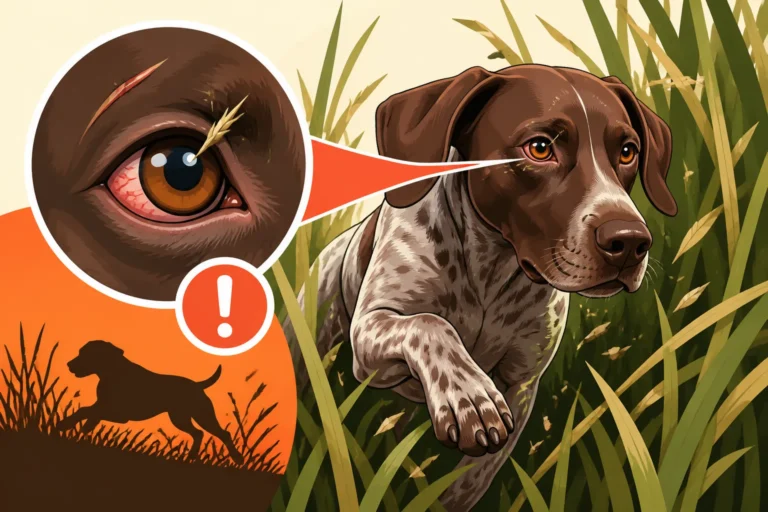
- OFA Eye Certification (CAER – Companion Animal Eye Registry): This involves an annual eye examination by a board-certified veterinary ophthalmologist to screen for inherited eye diseases. This isn't a one-time test but typically requires annual re-examination to maintain current certification.
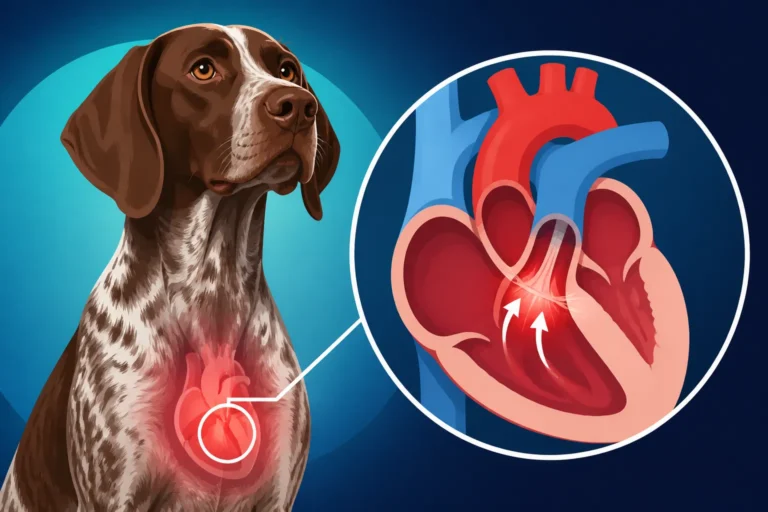
- Cardiac Evaluation: An OFA cardiac exam screens for inherited heart conditions. This can be done via a board-certified veterinary cardiologist (preferred) or a general practitioner using auscultation. Early detection of heart murmurs or other issues is vital.
It's important to remember that these are the minimum requirements. Some dedicated breeders may choose to perform additional tests, such as genetic screening for Cone Degeneration (CD) or Von Willebrand Disease, if those conditions are known to be present in their lines. The complete list of required tests can be found by looking up The Five Tests Behind a German Shorthaired Pointer CHIC Number and consulting the OFA website or the GSPCA. This comprehensive approach ensures that multiple aspects of a GSP's health are considered before they are deemed suitable for breeding, promoting healthier generations.
How the CHIC Program Benefits the Breed and Owners
The CHIC program offers profound benefits that extend far beyond individual breeders, touching the entire German Shorthaired Pointer breed and, most importantly, the families who welcome these incredible dogs into their homes. It's a long-term investment in the health of the breed, built on transparency and scientific screening.
Firstly, the most significant benefit is the reduction in the incidence of inherited diseases. By encouraging and tracking comprehensive health testing, CHIC helps breeders make more informed decisions, slowly but surely weeding out genetic predispositions to debilitating conditions like hip and elbow dysplasia, eye diseases, and certain cardiac issues. This proactive approach means future generations of GSPs are statistically less likely to suffer from these inherited problems, leading to fewer heartbreaking diagnoses and expensive veterinary interventions down the line.
Secondly, for prospective puppy buyers, the CHIC program provides invaluable peace of mind and transparency. When a breeder can provide CHIC numbers for their breeding dogs, it demonstrates a commitment to health that goes beyond simply saying "our dogs are healthy." You can go to the OFA website, input the CHIC number, and see all the test results for that specific dog. This level of transparency empowers buyers to ask educated questions and feel confident they are choosing a puppy from a truly responsible source. It helps them avoid the heartbreak and financial strain of unexpected health issues that could have been screened for. Finally, by fostering a culture of open health disclosure, CHIC strengthens the breed as a whole. It encourages collaboration among breeders and provides a vital repository of data for researchers working to understand and eliminate genetic diseases. Ultimately, it contributes to a healthier, more robust, and longer lifespan for the German Shorthaired Pointer, allowing these energetic companions to live their lives to the fullest. For pet parents, having an insurance plan like Healthy Paws that covers a wide range of congenital and hereditary conditions can also offer significant peace of mind when investing in a well-bred GSP, knowing you're prepared for the unexpected.
PennHIP: An Alternative Hip Evaluation Method
While OFA is widely recognized, another robust method for evaluating hip health, particularly in active breeds like the German Shorthaired Pointer, is PennHIP. Developed at the University of Pennsylvania School of Veterinary Medicine, PennHIP offers a different perspective on hip laxity, and many breeders find it an invaluable tool, sometimes even using it in conjunction with OFA.
How PennHIP Differs from OFA
PennHIP takes a fundamentally different approach to assessing hip health compared to the OFA method. Instead of relying on a subjective panel review of a single X-ray position (the extended view), PennHIP provides a quantitative measurement of hip joint laxity. This means it measures how loose the hip joint is, which is a direct indicator of a dog's susceptibility to developing hip dysplasia.
The PennHIP procedure requires three distinct X-ray views:
- Distraction View: This is the most unique and critical view. A specialized device (a distractor) is used to gently push the femoral heads out of the acetabula, allowing for a precise measurement of maximum hip laxity.
- Compression View: This view positions the hips firmly in the socket to assess the "goodness of fit" and joint congruence.
- Hip Extended View: This view is similar to the standard OFA view and is used to evaluate for the presence of degenerative joint disease.
A major difference is that PennHIP requires specific training and certification for veterinarians to perform the radiographs. Not every vet clinic is equipped or certified for PennHIP, unlike OFA X-rays which can be taken by any licensed veterinarian before submission. Furthermore, PennHIP can be performed on puppies as young as 16 weeks, offering a much earlier assessment of hip laxity than the OFA's 24-month minimum for final certification. This early detection is a significant advantage for breeders who want to make informed decisions before investing heavily in a potential breeding prospect.
Understanding PennHIP Scores and What They Mean
The core of the PennHIP evaluation is the Distraction Index (DI), which is derived from the distraction view. The DI is a numerical value that ranges from 0 to 1, with 0 indicating no hip laxity (a perfectly tight joint) and 1 indicating maximum laxity (the femoral head is almost completely out of the socket).
Here's how to interpret PennHIP scores:
- Lower DI = Tighter Hips: A DI closer to 0 means the hips are tighter and less prone to developing hip dysplasia.
- Higher DI = Looser Hips: A DI closer to 1 means the hips are very loose and at a much higher risk for hip dysplasia.
For German Shorthaired Pointers, the breed-specific DI average is calculated and provided on the PennHIP report. Breeders aim for dogs with a DI score significantly lower than the breed average, often striving for a DI of 0.30 or less. The PennHIP report will also tell you where your dog's DI ranks compared to all GSPs in the PennHIP database. For example, a dog in the 90th percentile means its hips are tighter than 90% of the GSPs previously evaluated. This percentile ranking is a powerful tool for selection.
Unlike OFA's subjective "Excellent," "Good," and "Fair" categories, the PennHIP DI is an objective, quantitative measurement. It directly measures the degree of hip laxity, which research has shown to be a reliable predictor of whether a dog will develop degenerative joint disease (arthritis) later in life. This makes PennHIP a powerful tool for breeders who are serious about reducing hip dysplasia in their lines.
Advantages and Disadvantages of PennHIP for GSPs
Choosing between OFA and PennHIP, or even utilizing both, for your German Shorthaired Pointer's hip evaluation comes with a unique set of pros and cons. Each method has its strengths, and understanding them helps you make the best decision for your dog and breeding program.
Advantages of PennHIP:
- Early Detection: This is arguably the biggest advantage. PennHIP can be performed as early as 16 weeks of age, allowing breeders to assess a puppy's hip laxity long before the 24-month OFA requirement. This means earlier, more informed decisions about potential breeding stock, saving time and resources.
- More Objective Measurement: The Distraction Index provides a quantitative, numerical measurement of hip laxity, making it less subject to interpretation than OFA's subjective grading system.
- Predictive Power: Research indicates that the DI is a strong predictor of future hip osteoarthritis, identifying dogs at risk even if their hips might look "good" on a traditional extended view X-ray. This is crucial for hard-running dogs like GSPs, where even subtle laxity can become an issue over time. Hip Dysplasia in a Hard Running German Shorthaired Pointer is a good example of why predictive power matters.
Disadvantages of PennHIP:
- Higher Cost: Generally, PennHIP evaluations are more expensive than OFA evaluations due to the specialized equipment and veterinarian training required.
- Fewer Certified Veterinarians: Not all veterinary clinics are PennHIP certified, which might mean traveling further to find a qualified veterinarian.
- Deeper Sedation Often Required: The positioning for the distraction view can be uncomfortable, so deeper sedation or even anesthesia is often necessary, which carries its own set of risks, albeit minimal for healthy dogs.
Many German Shorthaired Pointer breeders choose to use PennHIP for early screening and then may follow up with OFA at 24 months for completeness, especially if they also need other OFA certifications for CHIC. Other breeders find PennHIP sufficient due to its predictive power. Ultimately, the choice depends on a breeder's philosophy, budget, and access to certified veterinarians, but PennHIP undeniably offers a powerful, objective tool for assessing hip health in our active GSPs.
| Feature | OFA (Orthopedic Foundation for Animals) | PennHIP (University of Pennsylvania Hip Improvement Program) |
|---|---|---|
| Minimum Age | 24 months for final certification (prelims possible earlier) | 16 weeks |
| Methodology | Subjective evaluation of extended-hip radiograph by 3 radiologists | Quantitative measurement of hip laxity (Distraction Index) using 3 radiographs |
| Primary Goal | Assess hip joint conformation; detect existing degenerative changes | Measure hip laxity, predict risk of hip dysplasia (osteoarthritis) |
| Output | Ratings: Excellent, Good, Fair, Borderline, Mild, Moderate, Severe | Distraction Index (0-1), percentiles against breed average |
| Training | Any licensed vet can take X-rays, submitted to OFA panel | Vets must be specially trained and certified by PennHIP |
| Cost | Generally lower | Generally higher |
| Transparency | All results publicly accessible if owner grants permission (CHIC) | All results publicly accessible (within PennHIP database) |
| Predictive Power | Good for severe cases, less so for subtle laxity at young age | Strong predictor of future osteoarthritis, even in young dogs |
Managing and Preventing Hip Problems in GSPs
The thought of your athletic German Shorthaired Pointer facing hip issues is daunting, but the good news is that there's a lot you can do to manage and even prevent the most severe forms of hip dysplasia. It starts with informed choices before a puppy even comes home and continues with dedicated care throughout their life. It's a journey of proactive measures, balancing their boundless energy with sensible preservation strategies.
Responsible Breeding Practices to Reduce Risk
The single most impactful step in preventing hip dysplasia in German Shorthaired Pointers happens long before a puppy is born: through responsible breeding practices. Understanding the genetics behind hip dysplasia is crucial, and ethical breeders dedicate significant time and resources to minimize the risk in their litters.
Responsible breeders meticulously select their breeding stock, ensuring that both parents have excellent hip scores. This typically means an OFA rating of "Good" or "Excellent," or a very low PennHIP Distraction Index, well below the breed average. They will never breed a dog that has been diagnosed with hip dysplasia (Mild, Moderate, or Severe) or even those with "Borderline" ratings, as these dogs still carry a higher genetic risk. Beyond the immediate parents, a truly responsible breeder will delve deep into the pedigree, researching the hip health of grandparents, great-grandparents, and siblings to get a comprehensive picture of the genetic predisposition. They understand that hip dysplasia is polygenic, meaning multiple genes contribute to its expression, and environmental factors can also play a role. Therefore, simply clearing the parents isn't always enough.
Furthermore, responsible breeders prioritize health over fleeting trends or superficial traits. They will also be transparent about all health testing, providing verifiable OFA or PennHIP numbers. They should be able to discuss not only hip health but also other crucial health screenings like those for Elbow Scores on a German Shorthaired Pointer or eye certifications. This commitment often translates into a longer wait for a puppy, as these breeders prioritize quality and genetic soundness over quickly producing litters. If a breeder is rushing you, or cannot provide full verifiable health clearances, it's a major red flag that should prompt you to walk away.
Nutritional Support for Joint Health
Beyond genetics, nutrition plays a surprisingly significant role in managing and potentially preventing hip problems in a German Shorthaired Pointer. What and how you feed your GSP, especially during their critical growth phases, can have a profound impact on their joint development and long-term health.
For GSP puppies, controlled growth is paramount. Avoid puppy foods with excessively high protein or calorie levels that encourage rapid growth, as this can put undue stress on developing joints and exacerbate any genetic predisposition to hip dysplasia. Look for large breed puppy formulas that support slower, steady growth. Once your GSP matures, maintaining a lean body weight is critical. Every extra pound your dog carries adds stress to their joints, accelerating wear and tear.
For adult and senior GSPs, incorporating joint-supportive nutrients into their diet can be highly beneficial. Omega-3 fatty acids, found in fish oil, have natural anti-inflammatory properties that can help reduce joint pain and stiffness. Glucosamine and chondroitin sulfate are popular supplements known to support cartilage health and joint lubrication. MSM (Methylsulfonylmethane) is another ingredient often found in joint supplements that can help reduce inflammation and pain. Many high-quality performance dog foods formulated for active breeds will include some of these ingredients. For hunting German Shorthaired Pointers, adding specific Joint Supplements for a Hunting German Shorthaired Pointer can be a proactive measure. You can find these supplements at most pet stores or through your veterinarian. Before adding any new supplement to your GSP's diet, always consult with your vet to ensure it's appropriate for their specific needs and doesn't interfere with other medications. If ever your GSP needs advanced nutritional support or prescription diets for joint issues, a robust pet insurance plan like Healthy Paws can often help cover these ongoing costs, which can really add up over time.
Exercise and Lifestyle Adjustments for Hip Preservation
German Shorthaired Pointers are built for speed and endurance, and they need exercise. However, the type and intensity of exercise, particularly during their growth phases, can make a huge difference in their long-term hip health. It’s a delicate balance between fulfilling their innate drive and protecting their developing joints.
For GSP puppies, the adage "too much too soon" truly applies. While free play in a yard is wonderful, avoid forced, repetitive, high-impact activities like long runs on pavement, intensive agility training, or excessive jumping until their growth plates have fully closed, usually around 12-18 months of age. There's a lot of discussion about Whether Running a Shorthair Puppy Damages Its Joints, and the consensus is that controlled, moderate exercise is key. Instead, focus on shorter, frequent walks, soft-surface play, and swimming, which is an excellent low-impact activity for muscle development without stressing joints. When considering when your GSP can start more rigorous activities, understanding The Age a German Shorthaired Pointer Can Start Roadwork is a good benchmark.
As your GSP matures, continue to prioritize maintaining a lean body weight, as discussed, to minimize joint stress. Incorporate a variety of exercise types into their routine. While they excel at running, balance it with swimming, hiking on varied terrain, and even mental games that tire them out without constant pounding. If your GSP is particularly prone to hip issues, consulting with a veterinary physical therapist can provide tailored exercise plans to build supporting muscle around the hips without causing undue stress. Even for senior GSPs, exercise remains vital, though modified to suit their comfort level; gentle walks and short swims can help maintain muscle mass and flexibility.
What to Do if Your GSP is Diagnosed with Hip Dysplasia
Receiving a diagnosis of hip dysplasia for your beloved German Shorthaired Pointer can be devastating. It's natural to feel a mix of sadness, worry, and even guilt. However, it's crucial to remember that a diagnosis is not a death sentence. While there's no "cure" in the traditional sense, there are many effective strategies, both non-surgical and surgical, to manage the condition, alleviate pain, and ensure your GSP can still lead a full and happy life.
Non-Surgical Management Options
For many German Shorthaired Pointers diagnosed with hip dysplasia, especially mild to moderate cases, non-surgical (conservative) management is the first line of treatment. The goal is to control pain, reduce inflammation, slow the progression of arthritis, and maintain as much mobility and muscle mass as possible. This approach often involves a multi-modal strategy tailored to your dog's specific needs and the severity of their condition.
One of the most critical aspects is weight management. Keeping your GSP lean is paramount, as even a few extra pounds can significantly increase stress on already compromised joints. Your vet will help you determine an ideal body weight and a feeding plan to achieve it. Pain medication and anti-inflammatory drugs are often prescribed. Non-steroidal anti-inflammatory drugs (NSAIDs) like Rimadyl, Galliprant, or Deramaxx are commonly used to reduce pain and inflammation, allowing your dog to move more comfortably. Other medications might include Gabapentin for neuropathic pain or Amantadine to help with chronic pain pathways.
Joint supplements containing glucosamine, chondroitin, MSM, and omega-3 fatty acids can support cartilage health and provide anti-inflammatory benefits. While they won't reverse dysplasia, they can help improve joint function and comfort over time. Physical therapy is incredibly beneficial. This can include hydrotherapy (underwater treadmill or swimming), therapeutic exercises to build supporting muscle without joint impact, massage, and stretching. Acupuncture and cold laser therapy are also options that many owners find effective for pain relief and improved mobility. These therapies can be vital for Helping a Stiff Old German Shorthaired Pointer Get Up and maintaining their comfort. Consistent, low-impact exercise, tailored to your dog's comfort level, is encouraged to maintain muscle tone and joint flexibility. The key is regular communication with your veterinarian to adjust the management plan as your GSP's needs change.
Surgical Interventions for Hip Dysplasia
When conservative management isn't enough to control pain and maintain a good quality of life, or for certain types of hip dysplasia, surgical intervention becomes a necessary consideration for German Shorthaired Pointers. The choice of surgery depends on several factors: the dog's age, the severity of the dysplasia, the presence of arthritis, and the owner's financial capabilities.
Here are some common surgical options:
- Juvenile Pubic Symphysiodesis (JPS): This procedure is for very young puppies (typically 14-20 weeks old) with evidence of hip laxity. It involves fusing a small portion of the pelvis, which encourages the remaining pelvis to grow in a way that improves hip socket coverage. It's a preventative surgery aimed at correcting future problems.
- Triple Pelvic Osteotomy (TPO) / Double Pelvic Osteotomy (DPO): These surgeries are for younger dogs (usually under 10-12 months) with hip laxity but no significant arthritis. They involve cutting the pelvic bone in multiple places, rotating the acetabulum (socket) to improve coverage of the femoral head, and then re-plating the bone. The goal is to create a more stable, congruent joint.
- Femoral Head Ostectomy (FHO): This is a "salvage" procedure, meaning it's often used when other options aren't feasible due to severe arthritis or financial constraints. The femoral head (the "ball" of the joint) is removed, and the muscles around the hip create a "false joint." While it doesn't create a normal joint, it eliminates bone-on-bone pain, and many dogs, especially smaller and lean, muscular dogs like GSPs, can adapt well with good post-operative physical therapy.
- Total Hip Replacement (THR): This is considered the most effective surgical solution for eliminating hip pain and restoring normal hip function, especially in adult dogs with severe arthritis. It involves replacing both the femoral head and the acetabulum with prosthetic implants. THR has a high success rate, but it is also the most invasive and expensive procedure.
The cost of these surgeries can be substantial, ranging from a few thousand to over ten thousand dollars per hip, especially for procedures like Total Hip Replacement. This is where a comprehensive pet insurance plan, such as Healthy Paws, can be an absolute lifesaver. Many owners find that their insurance coverage dramatically reduces the financial burden, making these advanced, pain-relieving surgeries a realistic option for their beloved GSPs. Your veterinarian will guide you through the options, helping you weigh the pros, cons, and recovery commitments for each.
Living with a GSP with Hip Dysplasia: Quality of Life
A diagnosis of hip dysplasia changes how you approach caring for your German Shorthaired Pointer, but it absolutely doesn't mean the end of a joyful life together. It simply shifts the focus to thoughtful management and ensuring their ongoing comfort and mental well-being. The goal is always to maximize their quality of life, even if it looks a little different than you initially imagined.
One of the most important aspects of living with a GSP with hip dysplasia is adapting their environment. Simple changes around the house can make a huge difference:
- Non-slip rugs: Place these on slick floors (hardwood, tile) to provide traction and prevent slips that can exacerbate pain or cause injury.
- Ramps or steps: Use these for access to elevated surfaces like beds, couches, or vehicles, eliminating the need for painful jumping.
- Orthopedic beds: Provide a comfortable, supportive bed that cushions their joints and helps them get up more easily after rest.
Regular veterinary check-ups are essential to monitor their condition and adjust pain management strategies as needed. Their needs will evolve, and what works today might need tweaking tomorrow. Be vigilant about giving prescribed medications and supplements consistently. Continue with controlled, low-impact exercise like swimming or gentle walks, focusing on maintaining muscle strength without overstressing their hips. Mental stimulation is equally crucial; if physical activity is limited, engage them with puzzle toys, scent work, or short training sessions to keep their intelligent minds sharp. Many GSPs, even with moderate hip dysplasia, can still enjoy a modified version of their favorite activities. Perhaps shorter, less intense hunts, or focus on obedience and tracking sports. The key is to be attuned to their comfort levels and know their limits. It can be challenging to determine How Hip Dysplasia Hides in a Shorthair That Never Quits, but observing closely for any subtle changes in demeanor or movement is important. With dedication and adaptive care, your GSP can continue to thrive and enrich your life for many years to come.
The Broader Picture: Other Joint Issues in GSPs and Prevention
While hip dysplasia often dominates conversations about GSP orthopedic health, it's just one piece of a larger puzzle. German Shorthaired Pointers, given their athletic demands, can be susceptible to a range of other joint issues. Responsible ownership and breeding require a holistic understanding of their musculoskeletal system, ensuring we address all potential vulnerabilities to maintain their incredible soundness and agility.
Elbow Dysplasia: Another Key Concern
Just as with hips, elbow dysplasia is another significant orthopedic concern for German Shorthaired Pointers, and it's another condition that the CHIC panel wisely includes for mandatory screening. Elbow dysplasia is a complex condition involving multiple developmental abnormalities of the elbow joint, rather than a single disease. These abnormalities can include:
- Fragmented Coronoid Process (FCP): A piece of bone from the ulna breaks off.
- Ununited Anconeal Process (UAP): A growth plate in the ulna fails to fuse.
- Osteochondrosis Dissecans (OCD): A flap of cartilage separates from the bone.
- Elbow Incongruity: The bones forming the joint don't fit together properly.
All of these conditions lead to pain, lameness, and ultimately, degenerative joint disease (arthritis) in the elbow. GSPs, being an active, medium-to-large breed, are unfortunately prone to these issues.
The diagnosis of elbow dysplasia is typically made through X-rays, often performed at the same time as hip X-rays. The Orthopedic Foundation for Animals (OFA) also provides an elbow certification. OFA elbow ratings are simpler than hips, typically categorized as:
- Normal (Grade 0): No evidence of elbow dysplasia.
- Grade I (Mild ED): Minor bone changes.
- Grade II (Moderate ED): Moderate bone changes.
- Grade III (Severe ED): Severe bone changes.
For breeding purposes, only dogs with "Normal" elbow ratings should be considered. Understanding Elbow Scores on a German Shorthaired Pointer is just as vital as hip scores for ensuring a sound, athletic GSP. Early detection and management, which can involve weight control, activity modification, supplements, or in some cases, surgery, are crucial for minimizing discomfort and preserving elbow function.
Patellar Luxation and Other Orthopedic Conditions
Beyond hips and elbows, German Shorthaired Pointers can, like many active breeds, encounter other orthopedic challenges. Being aware of these less common but still impactful conditions allows for earlier detection and intervention, which is always better for your dog.
Patellar Luxation, commonly known as a "slipping kneecap," is one such condition. It occurs when the patella (kneecap) dislocates or slips out of its groove on the femur (thigh bone). This can be a congenital condition, meaning a dog is born with a predisposition due to abnormal bone formation. It can manifest intermittently, with your GSP perhaps skipping a step, holding a leg up for a moment, and then carrying on as if nothing happened. Over time, it can lead to pain, lameness, and the development of arthritis in the knee joint. Diagnosis is usually through physical examination, where a vet can manually manipulate the kneecap to feel if it luxates. Severity is graded from 1 (mild) to 4 (severe). Surgical correction is an option for more severe or painful cases.
While less common, conditions like Osteochondritis Dissecans (OCD) can also affect GSPs. OCD is a developmental orthopedic disease where a flap of cartilage, usually in the shoulder, elbow, or stifle (knee), fails to properly ossify (turn to bone) and detaches. This can cause pain, swelling, and lameness. Growth plate injuries, especially during a GSP's active puppyhood, are also a risk. Overuse or trauma can lead to fractures or damage to these critical growth areas, potentially affecting limb development. And of course, acute injuries from their field work, such as torn ligaments like the cranial cruciate ligament (CCL) in the knee, are unfortunately common for hard-working GSPs. Being proactive with care, observing your dog for any changes in gait or behavior, and maintaining a regular The Vet Schedule a Working Shorthair Should Keep are your best defenses against these and other orthopedic issues.
The Role of Early Screening and Regular Veterinary Care
The importance of early screening and consistent, proactive veterinary care cannot be overstated when it comes to the orthopedic health of German Shorthaired Pointers. These incredible athletes are masters at masking discomfort, and by the time obvious lameness appears, a condition may be significantly advanced.
For responsible breeders, early screening through methods like PennHIP (as early as 16 weeks) allows for a predictive assessment of hip laxity, enabling them to make informed decisions about their breeding program long before a dog is mature. For puppy buyers, insisting on verifiable health clearances, including OFA or PennHIP for hips and elbows, and current eye and cardiac certifications (all part of the CHIC panel), is paramount. This foundational screening provides the best possible start for your GSP.
Once you bring your GSP home, regular veterinary check-ups are key. Your vet will not only administer routine vaccinations and preventive care but will also perform physical orthopedic examinations. They'll assess gait, joint flexibility, and muscle development, potentially catching subtle signs of developing issues that you might miss. Early detection of any orthopedic problem, whether it's hip dysplasia, elbow dysplasia, or patellar luxation, can lead to much better outcomes. Intervening early allows for less invasive treatments, more effective conservative management strategies, and can significantly slow the progression of degenerative joint disease. Furthermore, regular vet visits ensure that weight management plans are on track and that any necessary joint supplements or medications are being used appropriately. For long-term health management, knowing that you have robust pet insurance, like Healthy Paws, covering potential orthopedic issues can be incredibly comforting, allowing you to focus on the best care for your GSP without financial stress. Being vigilant and working closely with your vet is the most effective way to help your GSP maintain their athletic prowess and live a comfortable, active life for as long as possible.
Disclaimer
Please note that this guide provides general information and should not be considered a substitute for professional veterinary advice. Every German Shorthaired Pointer is an individual, and specific health concerns or conditions should always be diagnosed and treated by a qualified veterinarian. Always consult your vet for personalized advice regarding your dog's health, diet, exercise, and treatment options.