Night Vision Loss in an Older Shorthair
It's a sinking feeling when you notice your beloved German Shorthaired Pointer, who used to navigate the darkest corners of the yard with ease, suddenly hesitates in dim light or bumps into familiar objects after sunset. Our energetic, loyal companions, often so robust and sure-footed, can develop challenges with their vision as they age, with night vision loss being a particularly heartbreaking and sometimes baffling one for owners. This guide will help you understand the common causes behind night vision decline in older Shorthairs, how veterinarians diagnose these conditions, and most importantly, how you can adapt your home and routine to ensure your senior GSP maintains a happy, safe, and fulfilling life.
Recognizing the Signs of Night Vision Challenges in Your Older Shorthair
Our German Shorthaired Pointers are masters of disguise when it comes to discomfort or subtle changes. Their incredible drive and desire to please can make it difficult to spot the early signs of vision impairment, especially when it begins with something as specific as night vision. You might initially chalk it up to them "slowing down" or being "stubborn," but once you know what to look for, the pieces often fall into place.
Subtle Changes in Behavior at Dusk and Dawn
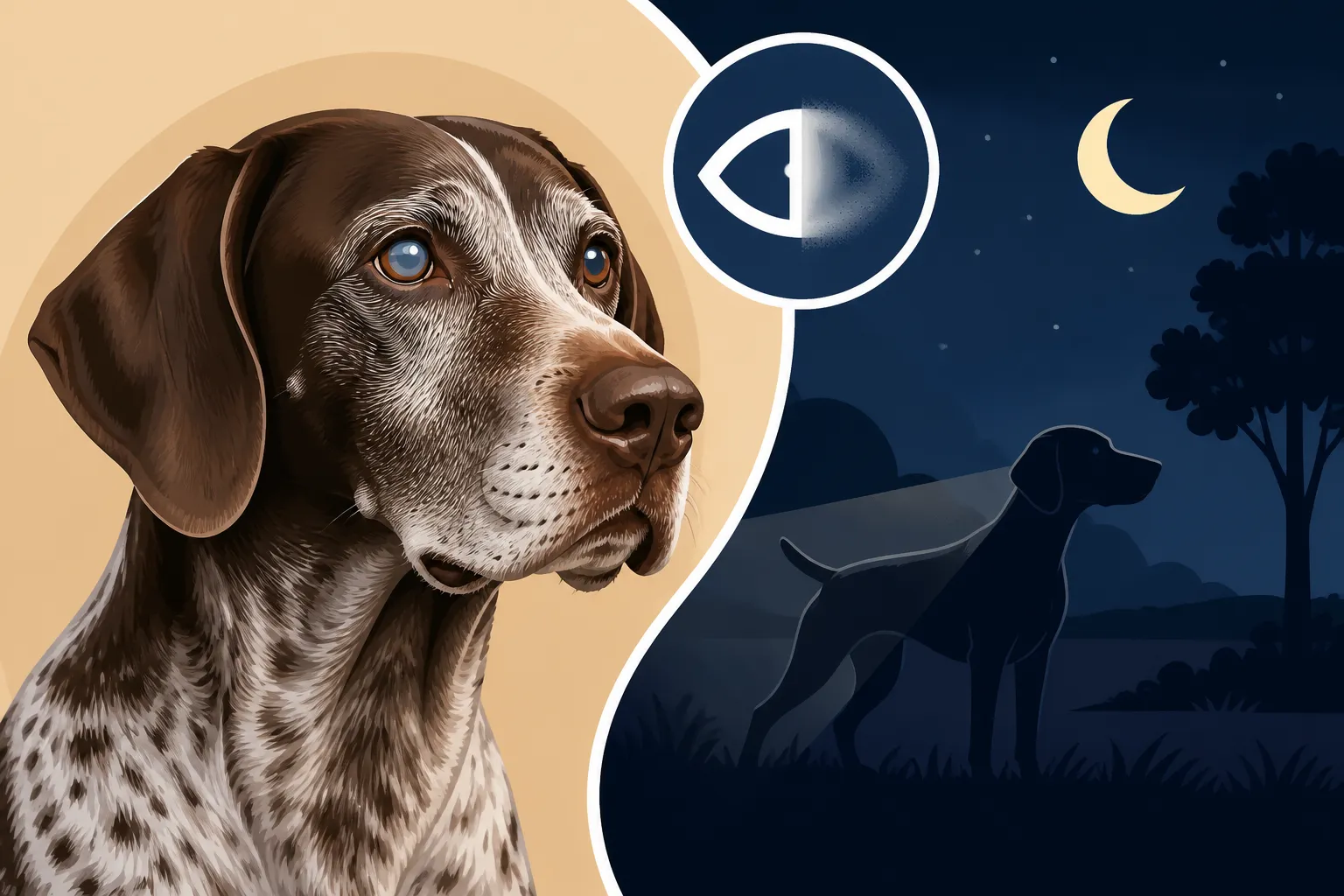
The period of twilight, both in the evening and early morning, is often when you'll first notice something is amiss. Your Shorthair, who once bounded out the door without a second thought, might now pause on the threshold, sniffing the air more intensely, or taking a moment to assess their surroundings before moving into the yard. They might seem more reliant on your presence, sticking closer to your legs as you move from a brightly lit room into a dimmer hallway. Familiar paths that they used to race along might now be walked with a slower, more deliberate gait, their head held lower, perhaps bumping into the usual rose bush or garden gnome that they've ignored for years. This isn't just an aging dog, it's a dog trying to compensate for a world that's becoming increasingly blurred in low light.
You might observe that their enthusiasm for evening walks has waned, or they appear more startled by sudden movements from shadows. These are highly intelligent and sensitive dogs, and the loss of a key sense like vision, even partially, can lead to anxiety. They might start barking at things they can’t quite make out or seem jumpier than usual. Pay close attention to these subtle shifts, as they are often the earliest indicators that their world is becoming less clear when the sun goes down.
Navigating Indoors and Outdoors in Low Light
Beyond the threshold, these vision challenges become even more pronounced. Inside the house, your Shorthair might start hesitating at the top or bottom of a flight of stairs in dimmer lighting, or even outright refuse to use them. Moving from a well-lit kitchen to a dark living room might see them suddenly bumping into furniture they’ve navigated thousands of times, or circling a piece of décor with uncharacteristic caution. Finding their favorite toy under the coffee table, which was once an effortless retrieve, might now require more sniffing and a clumsy bump or two. It's not that they've forgotten where things are, but rather that the visual cues they rely on to confirm those locations are failing them.
Outdoors, the implications can be even more serious. A securely fenced yard that was once their personal playground becomes a maze of potential hazards when night falls. They might struggle to find their way back to the door, or shy away from the darker corners of the yard where they used to do their business. If you take them out on a leash in low light, you might find them pulling more tentatively, or even stopping altogether, signaling that they are uncertain of their footing or what lies ahead. Remember, these dogs thrive on activity and exploration, and anything that hinders that can be deeply frustrating for them. Understanding Signs a German Shorthaired Pointer's Day Vision Is Failing can also help differentiate these low-light issues from more general vision decline.
Common Causes of Night Vision Loss in Senior German Shorthaired Pointers
Night vision loss in German Shorthaired Pointers isn't usually a standalone mystery; it's often linked to specific ocular conditions or the natural aging process of the eye. While the symptoms might appear similar from the outside, the underlying causes are distinct and require different approaches to diagnosis and management. It's crucial to understand these potential culprits to best advocate for your dog's health.
Progressive Retinal Atrophy PRA
Progressive Retinal Atrophy, or PRA, is a group of inherited degenerative diseases affecting the retina, the light-sensitive tissue at the back of the eye. In simpler terms, the photoreceptor cells in the retina – the rods and cones – gradually waste away. The rods are responsible for vision in low light (night vision), while cones handle bright light and color vision. Many forms of PRA begin with the degeneration of rods, meaning night blindness is often the very first symptom an owner notices. This is particularly relevant for GSPs, where certain forms of PRA, like rod-cone degeneration, can manifest.
As PRA progresses, the cones also begin to degenerate, eventually leading to complete blindness, even in daylight. The rate of progression can vary widely between individual dogs, and while there's currently no cure, understanding the genetic basis is vital for responsible breeding and future prevention. If you're concerned about PRA, discussing a specific DNA test with your vet could be a good step, especially if you have a younger dog or are considering breeding. For more information on related conditions, you can look into Cone Degeneration and the Shorthair DNA Test for It.
Cataracts and Other Ocular Conditions
While often associated with old age, cataracts can also severely impact a German Shorthaired Pointer's night vision, and sometimes even day vision. A cataract is essentially a clouding of the lens inside the eye, which should normally be crystal clear. Think of looking through a frosted window; the light is scattered and obstructed, making everything appear hazy and dim. In early stages, small cataracts might only cause problems in low light, as less ambient light can penetrate the clouded lens. As they grow and become denser, they can lead to significant vision loss.
Beyond cataracts, other conditions can contribute to poor night vision. Glaucoma, characterized by increased pressure within the eye, can damage the optic nerve and retina, leading to vision loss that can initially affect low-light perception. Lens luxation, where the lens shifts from its normal position, can also interfere with light entering the eye. These conditions often present with other symptoms like redness, pain, or a cloudy appearance to the eye, but their impact on vision, especially at night, can be profound. Regular veterinary check-ups, including an The ACVO Eye Exam a Shorthair Needs Each Year, are vital for catching these issues early.
Age-Related Changes to the Eye Structure
It’s not just specific diseases that can affect an older Shorthair's night vision; the natural process of aging brings its own set of changes to the eyes. One very common age-related change is called nuclear sclerosis. This appears as a bluish-grey haziness in the pupil, often mistaken by owners for cataracts. However, unlike cataracts, nuclear sclerosis is a hardening of the lens fibers, and while it does slightly reduce the amount of light reaching the retina, it rarely causes significant vision impairment on its own. It’s more akin to presbyopia in humans, making it harder to focus on close objects, but generally not impacting distant or night vision severely.
However, when combined with other age-related factors, nuclear sclerosis can contribute to overall reduced visual acuity, particularly in dim light. Older dogs also tend to have pupils that don't dilate as widely or as quickly in low light as they did when they were younger. This means less light enters the eye, naturally diminishing their ability to see in the dark. The retina itself may also experience subtle changes over time, becoming less efficient at converting light into electrical signals. While these changes might not cause complete night blindness, they certainly make navigating a dark environment much more challenging for a senior German Shorthaired Pointer. Understanding The Age a German Shorthaired Pointer Is Called Senior can help set expectations for these age-related changes.
The Diagnostic Journey: What to Expect at the Vet
When you first notice your older German Shorthaired Pointer struggling with night vision, it’s natural to feel a mix of worry and urgency. A prompt visit to your veterinarian is the best course of action. They will guide you through a diagnostic process designed to pinpoint the exact cause of the vision loss, which is crucial for determining the most effective management strategy. Don't hesitate; early intervention can often make a significant difference.
Initial Ocular Exam and History Taking
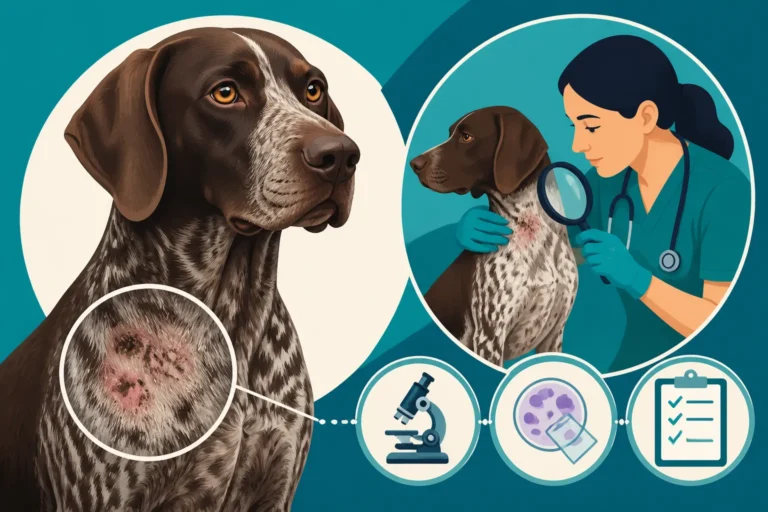
Your vet visit will start with a comprehensive discussion about your Shorthair's symptoms. Be prepared to share details: when you first noticed the problem, how it has progressed, if it's worse in certain conditions, and any other changes in behavior or overall health. Your vet will ask about your dog's breed history, as many eye conditions have a genetic component. This initial conversation is incredibly important for gathering clues. Following the discussion, your vet will perform a thorough general physical exam and then focus on the eyes. This will typically involve using an ophthalmoscope to examine the internal structures of the eye, checking pupillary light reflexes (how their pupils respond to light), and assessing the overall health of the eye's surface. They'll look for signs of inflammation, injury, or any visible abnormalities of the lens or cornea. This initial assessment helps to rule out more obvious issues and provides a baseline for further investigation.
Sometimes, just a careful initial exam can reveal conditions like advanced cataracts or obvious signs of glaucoma. Your vet might also use a Schirmer tear test to check for dry eye or fluorescein stain to detect corneal ulcers. These basic yet essential tests are the first steps in narrowing down the possibilities and ensuring your GSP isn't suffering from something easily treatable. Remember, your detailed observations are a critical part of this diagnostic puzzle, so don't hold back any information, however minor it may seem.
Advanced Diagnostics for Eye Conditions
If the initial exam doesn't provide a clear diagnosis, or if a more complex condition like PRA is suspected, your veterinarian may recommend advanced diagnostic tests, often performed by a veterinary ophthalmologist. One of the most important tools for diagnosing retinal diseases like PRA is Electroretinography (ERG). This non-invasive test measures the electrical responses of the cells in the retina to light stimulation. It can detect retinal degeneration even before clinical signs of vision loss are obvious, making it invaluable for diagnosing PRA.
Other advanced diagnostics might include tonometry, which measures the pressure inside the eye to diagnose glaucoma, and gonioscopy to examine the drainage angle of the eye. Ocular ultrasound can be used to visualize structures behind a dense cataract or if there's bleeding in the eye. Blood tests might also be recommended to rule out systemic diseases that could be affecting eye health, such as diabetes, which can lead to cataracts. These specialized tests can be costly, but they are often necessary for an accurate diagnosis and appropriate treatment plan. This is where having pet insurance, such as a policy from Healthy Paws, can be incredibly helpful in alleviating the financial burden of these essential and specialized procedures, allowing you to focus on your Shorthair's care.
Differentiating Between Various Causes
The reason for such a thorough diagnostic process is that different causes of night vision loss require different management strategies. Differentiating between Progressive Retinal Atrophy (PRA), cataracts, and age-related nuclear sclerosis is paramount. For instance, while both PRA and cataracts can cause night blindness, PRA is a retinal degeneration with no surgical cure, whereas certain types of cataracts can be surgically removed, restoring vision. It would be a disservice to your GSP to assume cataracts without confirming it, only to find out later that the problem lies deeper in the retina.
Your veterinary ophthalmologist will meticulously analyze all the diagnostic findings – from the ERG results to the appearance of the lens and retina – to arrive at a precise diagnosis. They will explain whether the condition is progressive, if it affects day vision as well, and what the long-term prognosis is. This clear understanding allows you and your vet to make informed decisions about treatment, ongoing care, and how best to support your German Shorthaired Pointer's changing needs. For ongoing general health, ensure you maintain The Vet Schedule a Working Shorthair Should Keep.
Managing and Supporting Your GSP with Night Vision Impairment
Discovering that your German Shorthaired Pointer is losing their night vision can be disheartening, but it doesn't mean their quality of life needs to diminish. With understanding, patience, and some thoughtful adaptations, you can help your beloved companion navigate their changing world with confidence and comfort. While some conditions have medical or surgical interventions, many require a focus on environmental support and routine adjustments.
Environmental Adaptations at Home
One of the most immediate and impactful things you can do for a GSP with night vision loss is to make their home environment safer and more predictable. Start by ensuring furniture layout remains consistent; avoid rearranging rooms, as your dog relies on their memory and other senses to navigate familiar spaces. Strategic use of night lights, especially in hallways, near water bowls, and around steps, can provide just enough illumination to make a significant difference in their ability to move around after dark.
Consider adding reflective tape or brightly colored stickers to the edges of stairs, furniture, or doorways that they frequently bump into. This helps them catch any available light, even minimal, to guide their path. Outdoors, ensure your yard is well-lit if your dog needs to go out at night. Clear away any tripping hazards like garden hoses or toys that might be left out. A securely fenced yard is even more important now, as a disoriented dog in the dark could easily become lost or injured. If you need to carry your dog up or down stairs, ensure you do so safely and consistently. These small changes can dramatically reduce anxiety and the risk of injury for your dog.
Nutritional Support and Supplements
When it comes to managing vision impairment, many owners wonder about the role of diet and supplements. While there's no magic bullet to reverse conditions like PRA, certain nutrients can support overall eye health and potentially slow down the progression of some degenerative conditions, or at least support the remaining healthy tissue. Antioxidants like Vitamins C and E, lutein, zeaxanthin, and omega-3 fatty acids (DHA and EPA) are often recommended. These compounds can help protect the eye from oxidative stress, which is a factor in many age-related diseases.
However, it's critical to remember that supplements are not a cure, and their effectiveness can vary depending on the underlying cause of the vision loss. Always consult your veterinarian or a veterinary nutritionist before adding any supplements to your German Shorthaired Pointer's diet. They can advise on appropriate dosages and ensure there are no contraindications with other medications or health conditions your dog may have. Feeding a balanced, high-quality diet specifically formulated for active, aging dogs is always a good foundation. You might also explore specific Joint Supplements for a Hunting German Shorthaired Pointer if they are also experiencing mobility issues alongside vision loss.
When Medical or Surgical Intervention is an Option
For some causes of night vision loss, medical or surgical interventions can be viable options. If cataracts are significantly impairing your GSP's vision, surgery to remove the clouded lens and replace it with an artificial one can often restore remarkable clarity. This is a specialized procedure performed by a veterinary ophthalmologist, and not all dogs are candidates. Factors like overall health, the presence of other eye diseases (like PRA or glaucoma), and the owner's commitment to post-operative care all play a role in the decision. The costs associated with such advanced surgery can be substantial, making it another situation where pet insurance, like a policy from Healthy Paws, can be invaluable for many families.
For conditions like glaucoma, ongoing medical management with eye drops to reduce intraocular pressure is often necessary to preserve remaining vision and alleviate pain. In some cases, surgical procedures may be considered for glaucoma as well. Unfortunately, for conditions like Progressive Retinal Atrophy, there is currently no cure or surgical intervention that can restore the degenerated retinal cells. Management focuses on supporting the dog's adaptation to vision loss and maintaining their overall well-being. Your vet will provide a realistic prognosis and discuss all available options, helping you make the best choices for your senior Shorthair.
Maintaining Quality of Life and Emotional Well-being
A German Shorthaired Pointer is a dog full of life, energy, and an incredible spirit. Losing their night vision, or eventually more extensive vision, can be a profound change, not just physically but emotionally. Their confidence might waver, and their natural exuberance could be replaced by hesitation. However, with thoughtful strategies and a whole lot of love, you can ensure your senior GSP continues to enjoy a high quality of life.
Establishing Predictable Routines and Safety
Consistency is key for a vision-impaired dog. Establishing predictable daily routines provides a sense of security and reduces anxiety. Try to feed them at the same times and in the same spot, take them out for potty breaks on a consistent schedule, and keep playtime structured. Familiarity becomes their anchor in a world that is becoming less visually defined. Always approach your GSP with a verbal cue first (e.g., "Buddy, it's me!") to avoid startling them, especially if they are sleeping or in a dimly lit area.
When outside, always keep your dog on a leash, even in familiar areas, to prevent them from wandering into unseen dangers. A long lead in a secure, familiar, and cleared yard can still allow for some supervised exploration. Using consistent verbal commands and teaching new ones (like "step up" for a curb or "watch out" for an obstacle) can empower them to navigate with more confidence. For a hunting breed that is used to ranging, this shift to structured walks might feel challenging, but it’s essential for their safety.
Continued Engagement and Mental Stimulation
Just because your GSP's eyes are failing doesn't mean their mind or their zest for life is gone. German Shorthaired Pointers are highly intelligent and need mental stimulation. Engage their other senses! Scent work, where you hide treats or favorite toys for them to sniff out, is an excellent way to tap into their powerful nose and provide mental enrichment. Puzzle feeders can make mealtime a stimulating challenge. Toys that make noise, like squeaky balls or crinkly plush toys, can also bring immense joy and encourage play.
Short, familiar walks in quiet, safe areas can still be enjoyable. Let them take their time, sniffing and exploring with their nose and ears. Gentle grooming and massage can strengthen your bond and provide comfort. Remember, your GSP still loves to be with you and interact; they just need you to adapt how you engage with them. Keeping their mind active helps prevent boredom, reduces anxiety, and reinforces their confidence, helping them thrive despite their vision challenges. If you're managing Feeding a Senior Shorthair That Has Slowed Down, remember their mental stimulation needs are still high.
The Role of the Caregiver in Adaptation
As an owner, your role becomes even more profound when your German Shorthaired Pointer experiences night vision loss. You essentially become their eyes, their guide, and their advocate. Your patience, understanding, and consistent reassurance are paramount. It can be frustrating when your dog bumps into things or seems disoriented, but remember they are not doing it on purpose. Your calm demeanor will transmit to them, helping them feel secure.
Learning to anticipate their needs and proactively creating a safe and predictable environment is a continuous effort. Talk to them frequently; your voice can be a comforting beacon. Maintain physical contact, allowing them to feel your presence. Be their voice at the vet, clearly articulating their symptoms and asking questions about their care. If you're exploring options for ongoing veterinary care or unexpected medical needs, remember that pet insurance can offer a safety net, and a provider like Healthy Paws can help manage expenses for treatments, medications, or even the eventual costs associated with managing related health issues that might arise. Your commitment and love will enable your senior Shorthair to continue living a joyful and integrated life, proving that even with diminished sight, their spirit shines brightly.
| Condition | Primary Impact on Vision | Progression | Common Symptoms (Night Vision Focus) | Prognosis / Treatment |
|---|---|---|---|---|
| Progressive Retinal Atrophy (PRA) | Initially night vision, then total blindness | Gradual, irreversible | Hesitation in dim light, bumping into objects at night, dilated pupils | No cure; supportive care, genetic testing for breeding |
| Cataracts | Hazy, blurry vision (night and day) | Varies (slow to rapid) | Difficulty seeing in low light, cloudy pupil, reduced depth perception | Surgical removal often restores vision (if no other issues) |
| Nuclear Sclerosis | Minor impact, mainly focus | Age-related, very slow | Bluish haze in pupil, typically little to no impact on night vision | Normal aging change; no treatment usually needed |
| Glaucoma | Peripheral vision loss, then total | Can be rapid if acute | Disorientation, red painful eye, dilated pupil, vision loss | Medical management (drops), potential surgery to save eye |
Disclaimer
The information provided in this article is for general informational purposes only and does not constitute veterinary advice. Always consult with a qualified veterinarian for any health concerns or before making any decisions related to your German Shorthaired Pointer's care, diet, or treatment. Each dog is an individual, and medical conditions can vary.