How Lupoid Dermatosis Is Diagnosed in a Shorthair
It’s truly disheartening when your energetic German Shorthaired Pointer, a dog typically brimming with vitality, starts showing signs of skin trouble. You might first notice some flaky patches, a bit of hair loss, or perhaps your shorthair just isn't quite himself, itching more than usual. These symptoms can be incredibly vague, making it tough to figure out what's going on, and the worry about something serious like lupoid dermatosis can be overwhelming. This guide is here to walk you through the often-frustrating journey of how lupoid dermatosis is diagnosed in a shorthair, helping you understand each step your vet might take.
Understanding Lupoid Dermatosis in German Shorthaired Pointers
When you see your vibrant GSP start to develop skin issues, it’s natural to feel a knot of anxiety. German Shorthaired Pointers are known for their sleek, short coats, and when that changes, it's a clear signal that something isn't right. Lupoid dermatosis isn't just a simple rash; it's a serious autoimmune skin condition that can be quite challenging to pinpoint. Many owners first notice The Scaling Skin That Starts on a Shorthair's Back, or perhaps some thinning hair around the eyes and ears, and the initial thought might be something minor, but it can quickly become much more persistent.
What Exactly is Lupoid Dermatosis?
In simple terms, lupoid dermatosis (also known as sterile granulomatous sebaceous adenitis) is an inflammatory disease that specifically targets and destroys the sebaceous glands in the skin. These glands are responsible for producing sebum, the oily substance that keeps your dog's skin and coat healthy, moisturized, and protected. When these glands are damaged or disappear, the skin becomes dry, scaly, and prone to secondary infections. It's an autoimmune condition, meaning your GSP's own immune system mistakenly attacks these healthy cells. While it can affect any breed, German Shorthaired Pointers are, unfortunately, genetically predisposed to it, and it often presents itself quite early in their lives. You might find yourself grappling with The Skin Disease That Hits a German Shorthaired Pointer Before One.
It's a really complex condition because it's not caused by an external parasite or a common allergen. Instead, it's an internal malfunction, an immune system gone rogue. This makes it particularly tricky to treat and even more frustrating to diagnose definitively. Imagine having a skin problem that doesn't respond to typical antibiotics or allergy medications—it's a truly baffling situation for both you and your vet. The signs can wax and wane, making you think it's getting better, only for it to flare up again, adding to the confusion and concern.
Why It's Easily Mistaken for Other Skin Conditions
The initial symptoms of lupoid dermatosis are, frankly, pretty generic when it comes to dog skin problems. You’re likely seeing scaling, crusting, hair loss (alopecia), and sometimes a dull, greasy coat. These signs overlap significantly with a whole host of other, more common conditions, making differential diagnosis a real puzzle. Vets often start by ruling out the usual suspects, and for good reason – those are far more prevalent and often easier to treat.
For instance, your vet might first consider Environmental Allergies in a Shorthair That Works Cover. Dogs with allergies often present with itching, redness, and secondary Skin Infections Under a Shorthair's Short Coat, which can produce similar scaling and crusting. Or maybe it’s a parasitic infection like demodectic mange, which causes hair loss and skin irritation. Fungal infections, like ringworm, can also cause patchy hair loss and flaky skin. Even hypothyroidism, a thyroid issue where your dog doesn't produce enough thyroid hormone, can lead to dry, flaky skin and hair loss, making it another condition on the vet's long list of possibilities. It’s a bit like having a cold when all you really need is an allergy pill, but in this case, the stakes are much higher and the true culprit is far more elusive. The frustrating part for many GSP owners is the string of treatments for other conditions that just don't seem to work, or only offer temporary relief, leaving you wondering if you'll ever get to the bottom of it.
The Initial Vet Visit and Physical Examination
When you first bring your German Shorthaired Pointer to the vet because of these troubling skin changes, it's the start of what can be a methodical, sometimes lengthy, diagnostic process. You're bringing in a dog that's clearly uncomfortable, perhaps itchy, definitely looking different, and you're desperate for answers. Your vet understands this urgency and will approach the situation systematically.
Your Description of Symptoms and History
The first and arguably most crucial step is your detailed account of what you've observed. Your vet relies heavily on this "history" to narrow down the possibilities. Don't hold back any details, no matter how small or insignificant they might seem. Think about:
- When did you first notice the skin changes? Was it sudden or gradual?
- What did it look like initially? Was it just a small patch of dryness, or did the hair start falling out immediately?
- Where on the body did it start? Did it appear on The Scaling Skin That Starts on a Shorthair's Back, or perhaps the head and face, or even the ear flaps?
- Is your dog itchy? How often? Does anything seem to make it better or worse?
- Have you noticed any other changes? Lethargy, changes in appetite, weight loss or gain, increased thirst, or unusual smells?
- What treatments have you tried already? Over-the-counter creams, special shampoos, dietary changes, flea/tick medications? Did any of them provide any relief?
- Does anyone else in the household (human or animal) have similar symptoms? This helps rule out contagious issues.
- What is your dog's normal routine? Diet, exercise, exposure to other animals, travel history, time spent outdoors.
The more comprehensive your information, the better your vet can formulate a diagnostic plan. They're trying to piece together a puzzle, and you hold many of the critical pieces. This initial conversation is vital for ruling out environmental factors or simple allergic reactions, which can often be the first line of investigation.
What the Veterinarian Looks For
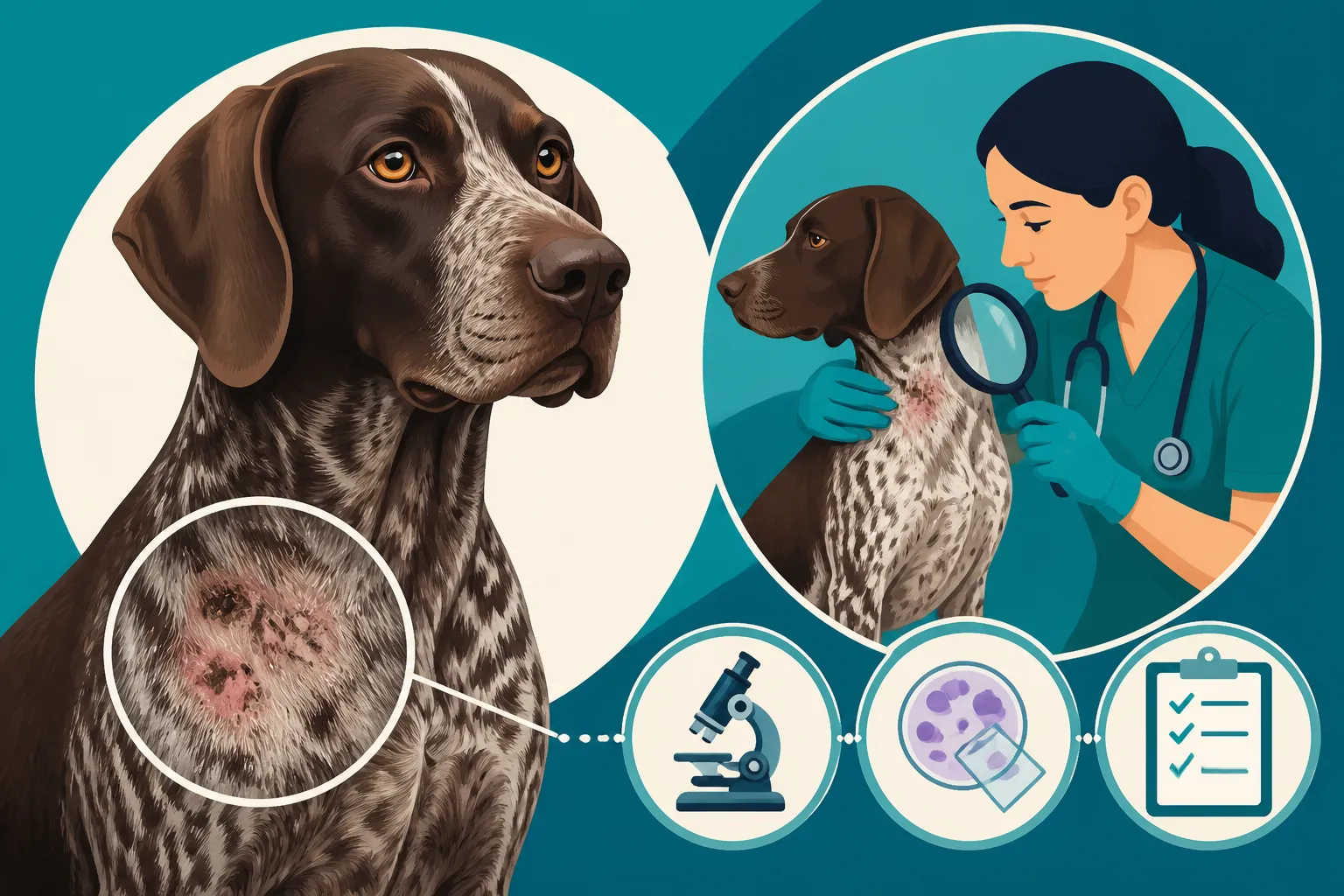
Following your detailed history, your veterinarian will perform a thorough physical examination, paying particular attention to the skin and coat. This isn't just a quick glance; it's a meticulous inspection. They'll systematically examine your GSP from nose to tail, checking for:
- Distribution of lesions: Are the affected areas symmetrical? Are they localized or generalized? Lupoid dermatosis often starts with symmetrical lesions on the head, back, and ears.
- Types of lesions: Are they scales, crusts, pustules, papules, erosions, or ulcers? In lupoid dermatosis, scales and crusts are prominent, sometimes accompanied by follicular casts (wax-like debris clinging to hair shafts).
- Hair loss (alopecia): Is it patchy, diffuse, or completely bald? Is the hair easily pulled out?
- Skin texture: Is the skin dry, greasy, thickened, or hyperpigmented (darkened)?
- Evidence of itching or self-trauma: Are there scratch marks, raw spots, or evidence of excessive licking?
- Overall health: Your vet will also check lymph nodes for enlargement, listen to the heart and lungs, and palpate the abdomen to get a general picture of your dog's systemic health, as some skin conditions can be linked to internal problems, such as Thyroid Failure in a Middle Aged German Shorthaired Pointer.
During this exam, your vet might also use a Wood's lamp, which emits ultraviolet light, to check for certain fungal infections like ringworm, which can fluoresce under the light. This initial hands-on assessment helps your vet to form a list of possible differential diagnoses before moving on to more invasive tests.
Diagnostic Tests: Beyond the Surface
Once the initial physical exam is done, your vet will likely recommend a series of diagnostic tests. These tests are critical for systematically ruling out common causes of skin problems and eventually homing in on the more elusive conditions like lupoid dermatosis. It’s an investment in your GSP’s health, and it helps ensure you're not just guessing at a treatment plan.
Skin Scrapes and Cytology: Ruling Out the Obvious
The first line of defense against many common skin ailments involves simple, non-invasive tests like skin scrapes and cytology. These are often performed right there in the clinic:
- Skin Scrapes: Your vet will use a dull scalpel blade to gently scrape the surface of the skin, often in an area of hair loss or scaling, to collect superficial skin cells, hair follicles, and any mites that might be present. The collected material is then placed on a microscope slide with a drop of mineral oil and examined. This is the primary way to diagnose parasitic infestations like Demodex or Sarcoptes mites, which can cause significant hair loss and itching, mimicking some aspects of lupoid dermatosis. If your GSP has intense itching, especially if it seems to be driving them crazy, this is a crucial step.
- Cytology: This involves taking a direct impression of the skin (using a glass slide pressed directly onto the affected area) or using a sterile cotton swab to collect discharge from pustules or under crusts. The sample is then stained and examined under a microscope. Cytology helps identify the presence of bacteria, yeast (like Malassezia), and inflammatory cells. Secondary bacterial or yeast infections are incredibly common with any skin irritation, including lupoid dermatosis, and while treating them won't cure the underlying autoimmune issue, it can bring some relief and help clarify the primary problem.
These initial tests are relatively inexpensive and can quickly rule out a large percentage of common skin issues. If these come back negative, and symptoms persist, then your vet knows they need to dig deeper. Many pet insurance plans, such as those from Healthy Paws, often cover diagnostic tests like these, which can be a huge relief when facing mounting vet bills.
Fungal Culture: Checking for Ringworm
Ringworm, despite its name, isn't a worm at all; it's a fungal infection that can cause patchy hair loss, scaling, and redness. It's highly contagious to other animals and even to humans, so it's essential to rule it out early.
- How it's done: Your vet will collect hair and skin scales from the periphery of a lesion using a sterile toothbrush or forceps. These samples are then placed on a special fungal culture medium (Dermatophyte Test Medium or DTM). The culture is incubated at room temperature and observed for several days to weeks for fungal growth and characteristic color changes in the medium.
- Why it's important: Because ringworm lesions can look very similar to the early stages of lupoid dermatosis or other localized skin issues, a fungal culture is a standard part of the diagnostic workup for persistent scaling and hair loss. Ruling out this common, treatable condition guides the vet towards more complex diagnoses if the culture is negative.
It takes a little patience for fungal cultures, as results aren't immediate, but it's a vital step in the process of elimination.
Blood Work: A Look at the Internal Picture
While skin conditions are often visible on the surface, sometimes the root cause lies deeper within the body. Routine blood work can provide valuable insights into your GSP's overall health and can help rule out systemic diseases that manifest with skin symptoms.
- Complete Blood Count (CBC): This evaluates red blood cells, white blood cells, and platelets. An elevated white blood cell count might indicate inflammation or infection, though it’s not specific to skin issues.
- Chemistry Panel: This assesses organ function (kidneys, liver), blood glucose, and electrolytes. Abnormalities here could point to metabolic diseases. For instance, sometimes skin issues are secondary to organ dysfunction.
- Thyroid Testing: As mentioned earlier, hypothyroidism can cause dry, flaky skin, hair loss, and a dull coat, symptoms that can easily be confused with lupoid dermatosis. A full thyroid panel will measure the levels of thyroid hormones (T4, free T4, TSH) to determine if your GSP has an underactive thyroid. If your dog shows signs like weight gain, lethargy, or cold intolerance in addition to skin problems, thyroid testing becomes a high priority. Medicating a Hypothyroid German Shorthaired Pointer can often resolve these skin symptoms if this is the underlying issue.
While blood work alone usually can't diagnose lupoid dermatosis, it plays a crucial role in ruling out other significant systemic diseases that present similarly and ensuring your GSP is healthy enough for further diagnostics or treatments. It’s about building a complete picture of your dog’s health.
Skin Biopsy: The Definitive Step
When all the common culprits have been ruled out, and symptoms persist or worsen, the next logical and often definitive step is a skin biopsy. This is where your veterinarian takes small tissue samples directly from the affected skin for a pathologist to examine under a microscope. This is generally the most reliable way How Lupoid Dermatosis Is Diagnosed in a Shorthair.
- The Procedure: A skin biopsy is a minor surgical procedure that requires sedation or general anesthesia. Your vet will select several representative areas of affected skin, sometimes including areas that are still somewhat healthy but show early changes. They'll clean the area, numb it, and use a special tool called a "punch biopsy" to take small, circular pieces of skin. These samples are then carefully preserved in a special solution (formalin) and sent to a veterinary dermatopathologist. The small wounds are typically closed with a stitch or two.
- Why it's crucial: A dermatopathologist is a specialist in skin diseases, and they look for very specific changes in the tissue that are characteristic of lupoid dermatosis. They'll be looking for inflammation centered around the sebaceous glands, destruction or absence of these glands, and other specific cellular patterns. No other test can provide this level of detail. It’s the gold standard for confirming this particular autoimmune condition, differentiating it from other autoimmune diseases, and ruling out lingering doubts about less common infections or even certain types of The Skin Tumors Shorthairs Get Younger Than Most that might appear similar.
Waiting for biopsy results can feel agonizing, usually taking a week or two, but the clarity it brings is invaluable for properly addressing your GSP's condition. The cost of a biopsy, including anesthesia and pathology fees, can be significant, but many pet insurance providers like Healthy Paws do offer coverage for such diagnostic procedures, helping to ease the financial burden.
Interpreting the Biopsy Results
Once your GSP has undergone a skin biopsy, the wait for the pathology report can feel like an eternity. But when those results finally come in, they provide the crucial insights needed to confirm or rule out lupoid dermatosis. This report is usually a highly technical document, and your vet will walk you through what it all means.
Microscopic Findings Specific to Lupoid Dermatosis
The dermatopathologist examining your GSP's skin samples under the microscope will be looking for a very specific set of changes that are the hallmark of lupoid dermatosis. It’s not just about what is there, but also about what isn't:
- Absence or destruction of sebaceous glands: This is often the most striking and diagnostic feature. The sebaceous glands, which should be abundant in healthy skin, will be either severely inflamed and degenerating, or completely gone.
- Granulomatous inflammation: The pathologist will note a particular type of inflammation characterized by macrophages (a type of white blood cell) and sometimes other inflammatory cells, forming clusters around where the sebaceous glands used to be. This "granulomatous" pattern is distinctive.
- Follicular hyperkeratosis: This refers to an excessive accumulation of keratin (a protein found in skin and hair) within the hair follicles. This often manifests as the flaky, scaly, and sometimes greasy "follicular casts" you might have observed on your dog's coat, especially around the base of the hair shafts.
- Perifollicular inflammation: There might be inflammation around the hair follicles themselves, even if the primary attack is on the sebaceous glands.
When these specific findings are present, especially the destruction of sebaceous glands with granulomatous inflammation, it provides a strong and definitive diagnosis of lupoid dermatosis. This specific pattern distinguishes it from other autoimmune skin conditions that might look similar clinically. For GSP owners, finally getting this concrete answer, though perhaps daunting, is a significant step forward after weeks or months of uncertainty.
Differentiating It From Other Autoimmune Conditions
The pathologist's job isn't just to identify lupoid dermatosis; it's also to differentiate it from other, less common, or similar-looking autoimmune skin diseases. There are other conditions where the immune system attacks different components of the skin, leading to different microscopic patterns:
- Pemphigus Complex: This is a group of autoimmune diseases where the immune system attacks the connections between skin cells, leading to pustules, crusts, and erosions. The biopsy findings would show acantholysis (loss of cohesion between keratinocytes) rather than sebaceous gland destruction.
- Discoid Lupus Erythematosus (DLE): Often affecting the nose, DLE causes depigmentation, crusting, and erosions. Biopsies typically show a "lichenoid" interface dermatitis, where inflammatory cells accumulate at the junction of the epidermis and dermis, but again, without the specific sebaceous gland destruction of lupoid dermatosis.
- Hypothyroidism-induced dermatopathy: While blood tests rule out hypothyroidism, if it were suspected even after biopsy, the skin changes on a biopsy would be less inflammatory and might show hair follicle atrophy (shrinking) without the specific sebaceous gland pathology.
The expertise of a veterinary dermatopathologist is invaluable here. They are trained to recognize these subtle differences, ensuring that your German Shorthaired Pointer receives the most accurate diagnosis possible. This precision is essential because the treatment for each autoimmune condition can vary significantly, and an incorrect diagnosis could lead to ineffective or even harmful therapies. With a clear diagnosis, you and your vet can move forward with a targeted and hopeful treatment plan.
Next Steps After Diagnosis
Receiving a definitive diagnosis of lupoid dermatosis can be a mix of relief and apprehension. Relief, because you finally have an answer to your GSP's persistent skin issues. Apprehension, because you know it's a serious, long-term condition. But getting to this point means you can now move forward with a focused plan to help your beloved companion.
Consultation with a Veterinary Dermatologist
While your primary care veterinarian is excellent and has been instrumental in the diagnostic journey, a confirmed diagnosis of lupoid dermatosis often warrants a consultation with a board-certified veterinary dermatologist. These specialists have advanced training and experience specifically in skin diseases, especially complex autoimmune conditions like this one.
- Specialized Expertise: A dermatologist has a deeper understanding of the nuances of lupoid dermatosis, including the latest research on treatment protocols, potential side effects of medications, and strategies for managing flare-ups. They might recommend specific therapies that a general practitioner might not be as familiar with.
- Tailored Treatment Plans: They can develop a highly individualized treatment plan for your GSP, often combining several approaches. This might include topical therapies, oral medications (such as cyclosporine or corticosteroids), essential fatty acid supplements, and specific shampoos. They'll also monitor your dog closely for response to treatment and adjust as needed.
- Long-term Management: Lupoid dermatosis is generally a lifelong condition, meaning there's no "cure," but rather management to keep symptoms under control. A dermatologist will help you understand the long game, what to expect, and how to maintain your GSP's quality of life. This includes managing issues like Managing a German Shorthaired Pointer's Lifelong Skin Disease.
Seeking a specialist's opinion is about ensuring your German Shorthaired Pointer gets the best possible care for this challenging condition. They often work in conjunction with your regular vet, creating a collaborative approach to your dog's health.
Long-Term Management Considerations
Once diagnosed, the focus shifts to effectively managing lupoid dermatosis to minimize discomfort and prevent secondary issues. This commitment requires patience, consistency, and a proactive approach.
- Medication and Supplements: Treatment often involves medications to modulate the immune system and control inflammation. These can include oral medications like cyclosporine (Atopica) or corticosteroids, which need careful monitoring due to potential side effects. Supplements such as omega-3 fatty acids can also help improve skin barrier function and reduce inflammation.
- Topical Therapies: Medicated shampoos and conditioners are essential to manage scaling, reduce dryness, and treat any secondary bacterial or yeast infections. Regular bathing, often several times a week, becomes a vital part of your GSP's routine. Humectants and emollients can also be applied to moisturize the dry skin.
- Moisture and Skin Barrier Support: Because the sebaceous glands are damaged, replacing the lost moisture and supporting the skin barrier is crucial. This means using moisturizing sprays, lotions, and ensuring your dog's environment isn't excessively dry.
- Monitoring and Adjustments: Regular follow-up appointments with your veterinarian or dermatologist will be necessary. They'll assess your GSP's response to treatment, monitor for side effects, and make adjustments to the protocol as needed. This might involve blood tests to check medication levels or organ function.
- Financial Planning: Managing a chronic condition like lupoid dermatosis can be costly over your dog's The Twelve to Fourteen Years a German Shorthaired Pointer Gets. Medications, specialized shampoos, and regular vet visits add up. This is where pet insurance, like a policy from Healthy Paws, can be incredibly beneficial, helping to cover a significant portion of these ongoing expenses. Being proactive about understanding potential costs and exploring insurance options early on can ease the burden.
- Breeding Considerations: If your GSP is still intact, it's generally advised not to breed them if they have been diagnosed with lupoid dermatosis, as there is a strong genetic component to the condition. You might want to consider Whether an Affected Shorthair Should Be Bred From.
While managing lupoid dermatosis requires dedication, with the right diagnostic approach and a committed treatment plan, many German Shorthaired Pointers can lead comfortable and happy lives, free from the worst of the symptoms. The journey to diagnosis may be challenging, but it ultimately leads to a path of informed care.
Key Diagnostic Steps for Lupoid Dermatosis
Here's a quick overview of the journey to diagnose lupoid dermatosis in your German Shorthaired Pointer, highlighting the progression from initial observations to definitive answers.
| Step | What It Involves | What It Helps Rule Out/Involve | Outcome |
|---|---|---|---|
| Owner History & Physical Exam | Detailed symptom description, onset, location, duration, general health check, visual inspection of skin. | Allergic reactions, general infections, parasitic infestations, other systemic diseases. | Narrows down potential causes, identifies areas for further investigation. |
| Skin Scrapes & Cytology | Gentle scraping of skin, swabbing lesions; microscopic exam. | Mites (Demodex, Sarcoptes), bacterial infections, yeast infections. | Rules out common parasitic/microbial issues; may show secondary infections. |
| Fungal Culture | Hair and skin samples placed on special growth medium. | Ringworm (dermatophytosis). | Confirms or rules out fungal infection, which mimics other skin issues. |
| Blood Work (CBC, Chemistry, Thyroid Panel) | Blood sample analyzed for systemic health markers. | Hypothyroidism, organ dysfunction, systemic inflammation. | Rules out internal diseases causing skin symptoms; assesses overall health. |
| Skin Biopsy (Gold Standard) | Small tissue samples surgically removed, sent to a dermatopathologist. | Definitive diagnosis of lupoid dermatosis by identifying specific sebaceous gland destruction. | Confirms lupoid dermatosis and differentiates from other autoimmune conditions. |
Disclaimer
The information provided in this article is for educational purposes only and is not intended to be a substitute for professional veterinary advice, diagnosis, or treatment. Always seek the advice of your veterinarian or other qualified animal health provider with any questions you may have regarding a medical condition. Never disregard professional veterinary advice or delay in seeking it because of something you have read here.