Thyroid Failure in a Middle Aged German Shorthaired Pointer
It’s truly disheartening to see your normally high-energy German Shorthaired Pointer start to lose their spark, gain a little extra weight, or develop a lackluster coat, often leaving you to wonder if it’s simply the natural slowing down that comes with age. However, these subtle shifts can actually be indicators of a surprisingly common condition in middle-aged GSPs: thyroid failure, also known as hypothyroidism. This comprehensive guide will walk you through what to look for, how it’s diagnosed, and how to effectively manage this condition to help your athletic companion thrive.
Understanding Thyroid Failure in German Shorthaired Pointers
Thyroid failure, or hypothyroidism, occurs when your dog's thyroid gland doesn't produce enough thyroid hormones. These hormones are absolutely critical, affecting almost every cell in the body, regulating metabolism, energy levels, and even coat health. For an active breed like the German Shorthaired Pointer, any disruption in these hormones can have a profound impact on their overall well-being and their ability to live life to the fullest.
The Thyroid Gland's Crucial Role
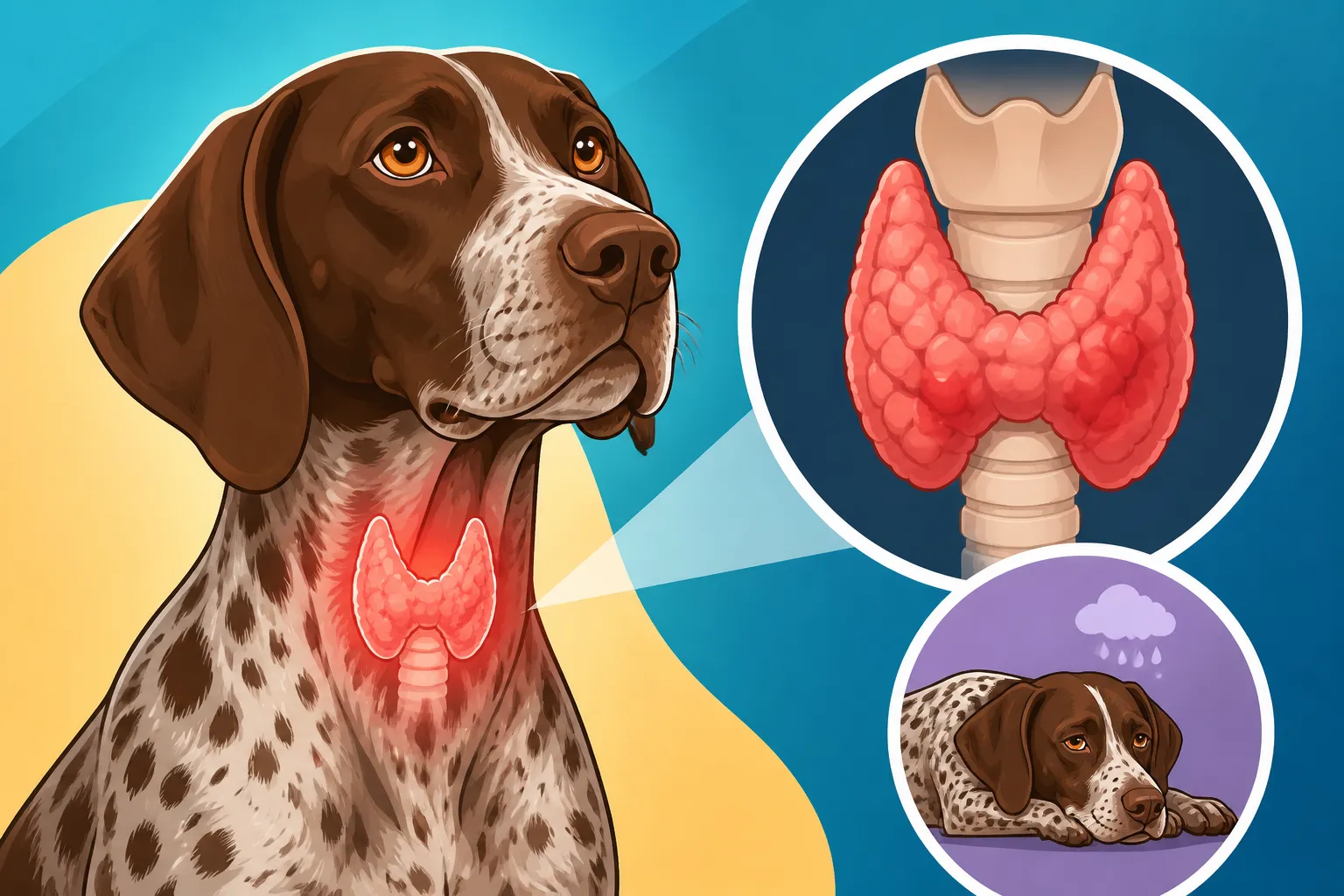
Imagine your dog's thyroid gland as the body's metabolic control center, a tiny butterfly-shaped gland located in the neck. Its primary job is to produce two key hormones: thyroxine (T4) and triiodothyronine (T3). These hormones are responsible for regulating metabolism, which is the process by which the body converts food into energy. When the thyroid isn't functioning correctly, every bodily system can be affected, from maintaining body temperature and heart rate to growing a healthy coat and sustaining muscle mass. This is why when things go awry, the symptoms can be so varied and sometimes confusing, mimicking a host of other health issues, which can be a real source of frustration for concerned owners.
Why Middle-Aged GSPs Are Susceptible
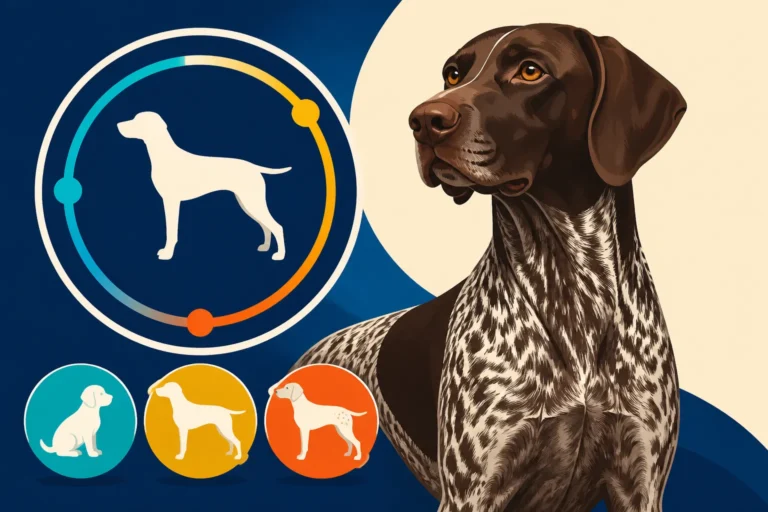
While hypothyroidism can affect dogs of any age, it is most commonly diagnosed in middle-aged dogs, typically between four and ten years old. German Shorthaired Pointers, unfortunately, are among the breeds identified as being more predisposed to developing this condition. The exact reasons for this breed-specific susceptibility aren't fully understood, but it's believed to have a genetic component. This genetic predisposition means that even well-bred GSPs from otherwise healthy lines can develop thyroid issues, making vigilance even more important as your energetic companion enters their prime. It's not uncommon for an otherwise robust dog to start showing subtle signs around the time you might notice The Age a German Shorthaired Pointer Is Called Senior.
Primary Versus Secondary Hypothyroidism
When we talk about thyroid failure in dogs, we are almost always referring to primary hypothyroidism. This means the problem lies directly within the thyroid gland itself. The vast majority of cases in German Shorthaired Pointers, around 95%, fall into this category, often due to an autoimmune condition where the dog's own immune system attacks and destroys the thyroid tissue. This can take years to develop, slowly eroding the gland's ability to produce hormones until clinical signs become apparent. Far less common is secondary hypothyroidism, where the thyroid gland is healthy but isn't receiving the proper signals from the pituitary gland in the brain. This distinction is important because the diagnostic process will focus on confirming primary hypothyroidism first, given its prevalence in breeds like the GSP.
Recognizing the Signs of Thyroid Failure in Your German Shorthaired Pointer
One of the biggest challenges with hypothyroidism is that its signs can be incredibly subtle at first and often mimic other conditions or simply "aging." This can be frustrating for owners who know their dog isn't quite right but can't pinpoint why. Being aware of the specific changes, both physical and behavioral, can help you advocate for your dog and seek veterinary attention sooner.
Subtle Early Indicators
Initially, the changes might be so mild you might dismiss them. Your German Shorthaired Pointer, a breed renowned for its boundless energy, might seem just a little less enthusiastic about their morning run or playtime. They might sleep more, or simply seem generally lethargic. You might also notice a slight Weight Gain That Points at a Shorthair's Thyroid, even if their diet and exercise haven't changed. Perhaps they're a bit more intolerant of cold weather, shivering easily when they never used to. These aren't dramatic shifts, but for a keen owner who knows their GSP’s normal baseline, they can raise a quiet alarm. It's often during these early stages that you might attribute it to them getting older, or just having an "off day."
Classic Physical Changes
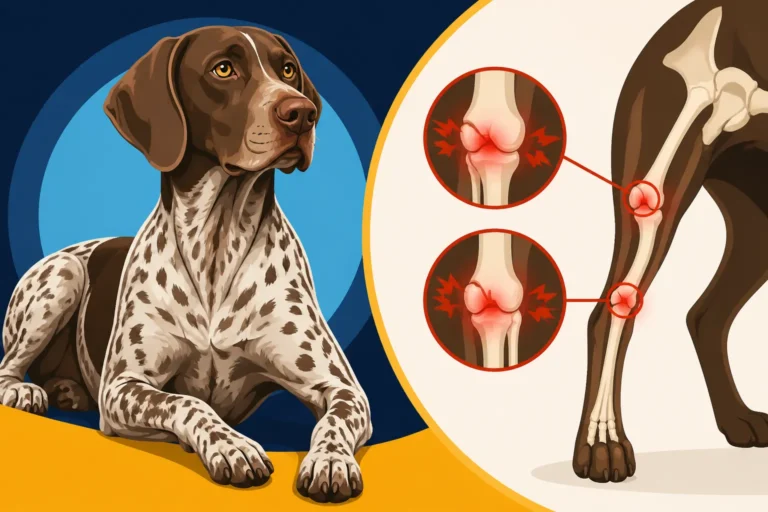
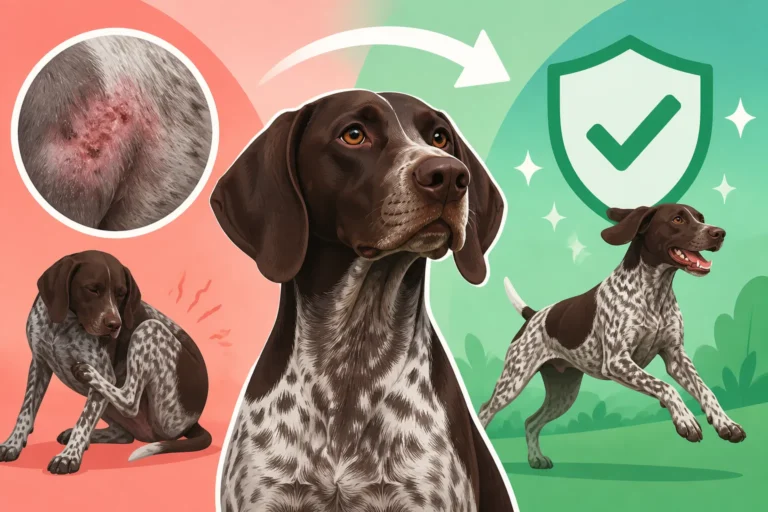
As the condition progresses, more noticeable physical symptoms tend to emerge. One of the most common and recognizable signs is a dull, dry, and thinning coat, often accompanied by excessive shedding or even bald patches, particularly on the flanks, tail, and bridge of the nose. This is often described as Coat Changes From Hypothyroidism in a Shorthair. Their skin might also become flaky, greasy, or develop secondary infections due to a compromised immune system. Some dogs develop a thickened, puffy appearance to their face, sometimes called a "tragic" facial expression. They may also develop a slow heart rate or show signs of joint stiffness, making it harder for them to move, which can be misconstrued as typical arthritis in a middle-aged dog.
Behavioral and Performance Shifts
Beyond the physical, hypothyroidism can significantly impact a GSP's behavior and performance, which can be particularly concerning for owners of working dogs. That energetic, eager-to-please nature might give way to a dog that seems subdued, irritable, or even displays uncharacteristic aggression or fear. Their memory and learning ability might decline, making training more challenging. For hunting GSPs, you might notice A German Shorthaired Pointer That Has Stopped Wanting to Run with the same vigor, losing stamina quickly, or showing a decreased desire to retrieve. This decline in performance isn't just a sign of age; it’s a symptom that demands investigation, as it directly impacts the quality of life and the bond you share with your working companion.
Diagnosing Hypothyroidism in German Shorthaired Pointers
Getting an accurate diagnosis for hypothyroidism in German Shorthaired Pointers requires careful veterinary evaluation, as the symptoms can be so varied. It's not always a straightforward process, and sometimes it can take a few steps to rule out other possibilities and confirm thyroid dysfunction. Don't be discouraged if it takes a little back-and-forth with your vet – it's all part of ensuring your GSP gets the right treatment.
Initial Veterinary Examination and Bloodwork
Your veterinarian will start with a thorough physical examination, looking for many of the classic signs we've discussed: coat quality, skin health, weight, and general demeanor. They'll also run routine bloodwork, including a complete blood count (CBC) and a biochemistry panel. While these initial tests might not directly diagnose hypothyroidism, they can reveal secondary issues often associated with it, such as mild anemia or elevated cholesterol levels. These findings, combined with your observations of your GSP’s symptoms, will help your vet decide if further, more specific thyroid testing is warranted. It’s a good idea to discuss Bloodwork Worth Running on an Older Shorthair with your vet, especially if your dog is entering its middle years.
Comprehensive Thyroid Panels
To specifically diagnose hypothyroidism, your vet will need to run a thyroid panel. The most common and reliable test measures serum total T4 (thyroxine) levels. However, a single low T4 level isn't always definitive because certain non-thyroidal illnesses or medications (like steroids) can artificially lower T4 levels, a phenomenon known as "euthyroid sick syndrome." Therefore, a more comprehensive panel, including free T4 (fT4) by equilibrium dialysis (fT4ED) and canine thyroid-stimulating hormone (cTSH), is often recommended.
- Total T4 (TT4): This measures the total amount of thyroxine in the blood. A low TT4 is a common indicator but needs further confirmation.
- Free T4 (fT4ED): This measures the unbound, biologically active form of T4. It's considered more accurate as it's less affected by non-thyroidal illnesses or medications.
- Canine TSH (cTSH): TSH is produced by the pituitary gland and signals the thyroid to make more hormones. In primary hypothyroidism, the thyroid isn't responding, so the pituitary tries harder, leading to high TSH levels.
A dog with primary hypothyroidism typically presents with a low fT4 and a high cTSH. Sometimes, additional tests like autoantibody testing (TgAA) are performed to check for autoimmune thyroiditis, which is the leading cause of primary hypothyroidism in dogs. These comprehensive tests provide a much clearer picture and help confirm the diagnosis, avoiding unnecessary medication.
Ruling Out Other Conditions
Because many symptoms of hypothyroidism, such as lethargy, weight gain, and coat changes, can overlap with other health issues, your veterinarian will carefully work to rule out other potential problems. For example, joint stiffness could be simple arthritis, and Helping a Stiff Old German Shorthaired Pointer Get Up might seem age-related rather than hormonal. Skin issues could be allergies or infections. A thorough diagnostic process is crucial to ensure that you're treating the correct problem. This might involve additional blood tests, imaging, or specialized consultations. This thoroughness is vital, as misdiagnosis could lead to treating the wrong condition, delaying effective care for your GSP.
Treatment and Management of Thyroid Failure
Once a diagnosis of hypothyroidism is confirmed in your German Shorthaired Pointer, the good news is that it's a very manageable condition. Treatment is generally straightforward and involves lifelong medication, but with consistent care, most GSPs can return to their vibrant, energetic selves.
Medication and Dosing
The cornerstone of treating hypothyroidism in dogs is daily oral thyroid hormone replacement therapy, typically with levothyroxine (synthetic T4). This medication is incredibly effective and replaces the hormones your dog's thyroid gland is no longer producing. Your veterinarian will determine the initial dosage based on your GSP's weight and the severity of their condition. It's crucial to administer the medication consistently, usually once or twice a day, exactly as prescribed. Missing doses or administering them irregularly can lead to inconsistent hormone levels and a slower, less effective recovery. For a more detailed look at the specifics, you might find information on Medicating a Hypothyroid German Shorthaired Pointer useful.
Monitoring and Adjustments
Treating hypothyroidism isn't a "set it and forget it" situation. Regular monitoring is essential to ensure your GSP is receiving the correct dose. After starting medication, your vet will recommend follow-up blood tests, usually around 4-8 weeks later, to check thyroid hormone levels (T4) and adjust the dosage if necessary. The goal is to get the T4 levels into the normal range. Once a stable dose is achieved and your dog is showing clinical improvement, monitoring typically shifts to every 6-12 months. However, if symptoms recur or new ones appear, immediate re-evaluation of thyroid levels is important. Consistency with The Vet Schedule a Working Shorthair Should Keep is paramount for managing this lifelong condition.
Dietary Considerations
While medication is the primary treatment, diet can play a supportive role in managing a hypothyroid German Shorthaired Pointer. The main concern with hypothyroidism is often weight gain, so choosing a high-quality, balanced dog food that helps maintain a healthy weight is important. Your vet might recommend a diet lower in calories or fat if your GSP has gained significant weight. Avoid foods marketed as "grain-free" without a clear veterinary recommendation, as some studies have linked certain grain-free diets to dilated cardiomyopathy in some breeds, though this is a complex and evolving area of research. Focus on a diet that provides adequate protein for muscle maintenance and is easily digestible. Remember, the key is to manage the symptoms, and that means paying attention to their overall nutrition, especially if you need to consider Feeding a Senior Shorthair That Has Slowed Down due to their altered metabolism.
Living with a Hypothyroid German Shorthaired Pointer
Living with a German Shorthaired Pointer diagnosed with hypothyroidism means committing to lifelong management, but it doesn't mean a diminished quality of life for your dog. With proper care, they can continue to be the active, joyful companions they're meant to be. It simply requires a little more attention and understanding from you.
Adjusting Exercise Routines
One of the first things you might notice as your GSP recovers is a renewed surge of energy. While this is wonderful, it's important to adjust their exercise routine thoughtfully, especially if they were previously very lethargic or had gained a lot of weight. Start with shorter, more frequent walks and gradually increase the intensity and duration as their stamina improves and they shed any excess weight. Over-exertion in the early stages of treatment could put undue strain on their recovering body. Always listen to your dog and allow them to set the pace. As they get back to their old self, they'll likely be ready to tackle their usual vigorous activities, whether that's long runs, field work, or energetic games of fetch.
Managing Weight and Coat Changes
Weight management is a continuous effort for hypothyroid GSPs, even with medication. Because their metabolism was slowed, they might have a tendency to regain weight if their food intake isn't carefully monitored. Work with your vet to establish a target weight and appropriate daily calorie intake. Regular weigh-ins at home can help you stay on track. Similarly, expect coat changes to take some time. It can take several months for a new, healthy coat to grow in, replacing the dull, thinning, or bald patches. Continue with good grooming practices, ensuring regular brushing to stimulate circulation and remove loose hair. Be patient; the transformation will come, and you'll see that shiny, dense Shorthair coat return.
Financial Considerations and Support
While levothyroxine medication is generally affordable, the cost of lifelong treatment, including regular vet visits and follow-up bloodwork, can add up. It's a realistic concern for any pet owner. The Yearly Bloodwork Costs on a Shorthair for monitoring, in particular, can be a recurring expense. This is where pet insurance can be a real game-changer for many families. Companies like Healthy Paws offer comprehensive plans that often cover chronic conditions like hypothyroidism once the waiting period is met, helping to offset the costs of medication and diagnostic tests. It's worth exploring different pet insurance options to find one that fits your budget and provides peace of mind. For example, considering Monthly Premiums for a Two Year Old Shorthair when they're healthy might seem like an extra cost, but it can be invaluable later if a chronic condition like thyroid failure develops. Healthy Paws, or similar providers, can help ensure you can afford the best care for your furry family member without financial strain.
Prognosis and Long-Term Outlook
Receiving a diagnosis of thyroid failure for your German Shorthaired Pointer can feel daunting, but the long-term outlook for dogs with this condition is overwhelmingly positive. With consistent treatment and dedicated care, most GSPs go on to lead full, healthy, and happy lives, regaining their characteristic energy and zest for life.
Expectations for Recovery
Once your German Shorthaired Pointer starts on levothyroxine, you should begin to see improvements within a few weeks. The first changes you might notice are often an increase in energy levels and a more alert demeanor. They might start showing more interest in activities they previously avoided, like going for walks or playing. Coat and skin improvements, however, take longer, sometimes several months, as the body needs time to grow new hair and heal skin issues. Weight loss will also be gradual and depends on diet and exercise adjustments. It’s important to manage your expectations and understand that while medication is effective, it’s not an instant fix for every symptom. Patience and consistency are your best tools during this recovery period.
Lifelong Management
Hypothyroidism is a lifelong condition, meaning your German Shorthaired Pointer will need to take thyroid medication for the rest of their life. There is no cure for primary hypothyroidism, only effective management. This commitment means consistent daily medication administration and regular veterinary check-ups for blood monitoring and overall health assessments. Think of it much like a person managing a chronic condition like diabetes or a heart issue; it becomes a part of their routine care. Adhering to this routine ensures that hormone levels remain stable, preventing a relapse of symptoms and allowing your GSP to maintain optimal health. Companies like Healthy Paws, which cover chronic conditions, understand this lifelong commitment and can be a valuable partner in managing the ongoing costs.
What to Look Out For
Even with consistent treatment, it's wise to remain observant. If you notice a return of any original symptoms—such as lethargy, weight gain, coat changes, or a general decline in energy—it's important to contact your veterinarian. This could indicate that your GSP's medication dosage needs adjustment, or it might signal the development of another health issue. Your vet will likely recommend checking thyroid hormone levels again to ensure they are still within the therapeutic range. Early detection of any new changes or a dip in thyroid levels is key to maintaining your German Shorthaired Pointer's health and vitality throughout their golden years.
Disclaimer
This article is intended for informational purposes only and does not constitute veterinary medical advice. Always consult with a qualified veterinarian for any health concerns or before making any decisions about your German Shorthaired Pointer's care or treatment.