Coat Changes From Hypothyroidism in a Shorthair
It’s disheartening when your usually sleek and energetic German Shorthaired Pointer starts showing signs of being "off," and sometimes the first noticeable change isn't even their behavior, but their coat. That lustrous, short, dense fur that usually epitomizes their athletic build can become dull, brittle, or start thinning in odd places, leaving you scratching your head about what's going on beneath the surface. This comprehensive guide will walk you through understanding why your beloved shorthair's coat might be changing, specifically focusing on hypothyroidism, how to spot the other subtle clues, and what steps you can take to get them back to their vibrant selves.
Understanding Hypothyroidism in German Shorthaired Pointers
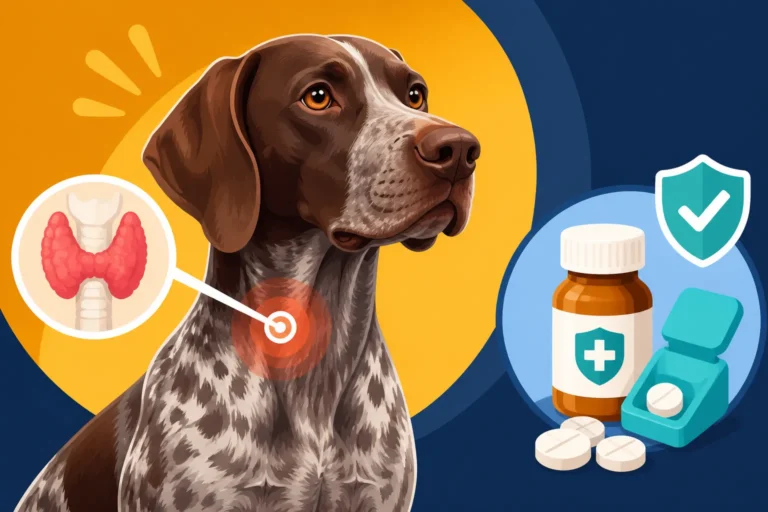
Hypothyroidism is a condition that, while not as dramatic as a sudden injury, can slowly chip away at your German Shorthaired Pointer's quality of life. It’s caused by an underactive thyroid gland, located in the neck, which is responsible for producing hormones that regulate metabolism. When these hormones aren't produced in sufficient amounts, every system in your dog's body can be affected, leading to a wide array of symptoms that often start subtly and can be easily missed or attributed to aging.
Imagine your GSP's body as a finely tuned engine. The thyroid hormones are like the precise amount of fuel needed to keep everything running smoothly and efficiently. If there's not enough fuel, the engine sputters, slows down, and components start to wear out prematurely or simply don't function at their best. This metabolic slowdown impacts everything from energy levels to body temperature regulation, and yes, even the health and growth of their skin and coat. It’s a frustrating condition because the onset is gradual, often making it hard for owners to pinpoint when things started to go awry.
Beyond the Coat: Other Subtle Signs
While coat changes are a significant indicator, hypothyroidism doesn't just manifest on the outside. Many other signs can accompany a struggling thyroid, often appearing before the hair loss becomes truly noticeable. Owners often report a general "slowing down" of their otherwise tireless companions. Your GSP might seem more lethargic, less enthusiastic about their usual rigorous runs or training sessions, or more content to lounge around the house. This can sometimes be dismissed as simply "A German Shorthaired Pointer That Has Stopped Wanting to Run" or getting older, but it's often more.
You might notice a gradual weight gain, even if their diet and exercise haven't changed. This is directly related to the slowed metabolism – their body isn't burning calories as efficiently as it once did. They might also seem unusually sensitive to cold, seeking out warm spots more frequently or shivering even in mild temperatures, especially if their coat is thinning. Some GSPs develop a slower heart rate, though this is something a vet would typically detect. Occasionally, owners report a dullness in their dog's mental state, making them seem less sharp or responsive. Keep an eye out for these concurrent symptoms, as they can paint a clearer picture for your veterinarian.
Why German Shorthaired Pointers and Thyroid Issues?
German Shorthaired Pointers, like many purebred dogs, can be predisposed to certain health conditions, and hypothyroidism is one that pops up more frequently in some lines. While it can occur in any breed, and even in mixed breeds, some genetic factors can increase a GSP's likelihood of developing the condition. It’s primarily an autoimmune disease in dogs, where the immune system mistakenly attacks and destroys the thyroid gland itself. This destruction is progressive, meaning the gland's ability to produce hormones diminishes over time.
For breeders, understanding family history and doing appropriate health screenings is paramount. While there isn't a specific "hypothyroid gene" test like there is for some other conditions, ethical breeders will track health in their lines and aim to produce healthy puppies. If you've got a GSP, knowing that this condition is a possibility within the breed can help you be more vigilant about early detection. The good news is that once diagnosed, hypothyroidism is very manageable, allowing your GSP to return to a full, active life.
The Distinctive Coat Changes of a Hypothyroid Shorthair
The sleek, short coat of a German Shorthaired Pointer is one of their defining characteristics – practical for covering ground and easy to maintain, right? So, when you start noticing significant changes, it’s a big red flag. These aren't just seasonal sheds or a little bit of dryness. The coat changes associated with hypothyroidism are quite specific and often follow a particular pattern.
The underlying mechanism for these changes is the slowed metabolism affecting the hair follicles. Hair growth cycles become stagnant, leading to less hair production and poor quality hair. It's not just about losing hair; it's about the hair that remains being unhealthy and the skin itself suffering. Recognizing these signs early can prompt a trip to the vet, potentially catching the condition before it progresses too far.
Thinning Hair and Dullness
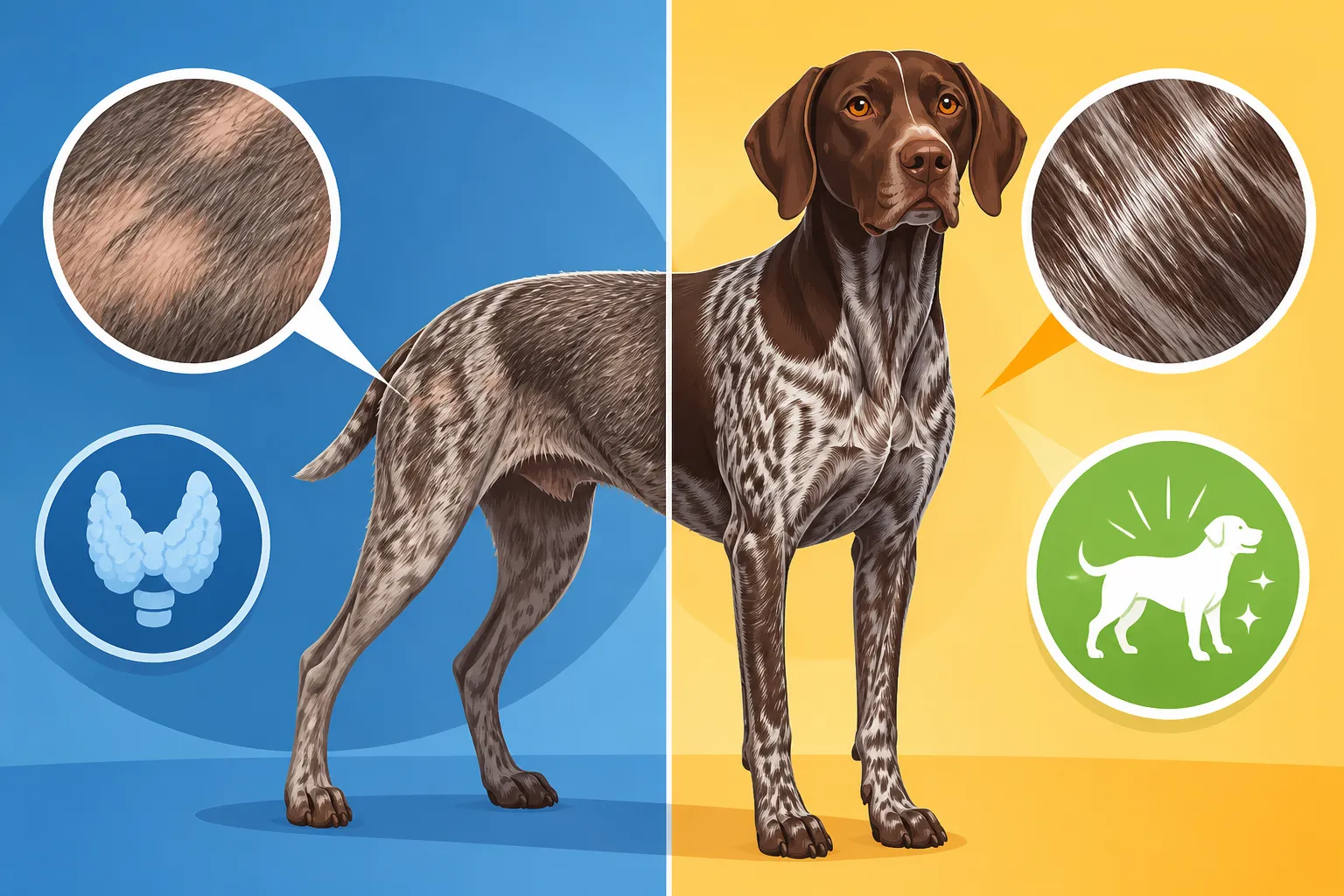
One of the most classic signs of hypothyroidism in a GSP is a thinning coat, particularly on the trunk of the body, flanks, and sometimes extending to the neck and chest. This isn't usually patchy hair loss like with allergies or hot spots, but a more generalized, symmetrical thinning. You might even notice a classic "rat tail" or "bald tail," where the hair on the tail becomes sparse, leaving the skin underneath exposed. The short, dense hair that usually protects them begins to feel sparse to the touch, and you can see more of their skin through it.
Beyond the loss, the texture of the remaining hair dramatically changes. Instead of that healthy, somewhat coarse, water-resistant quality, it becomes dull, dry, and brittle. It might feel coarse or even somewhat woolly, especially in areas where it hasn't fallen out. This dullness is often accompanied by a lack of the natural sheen that's so characteristic of a healthy GSP coat. You might also notice that any new hair growth is extremely slow or seems to stop altogether, with clipped hair taking an unusually long time to grow back.
Secondary Skin Issues
Because the thyroid hormones play such a crucial role in overall skin health, a hypothyroid GSP's skin often suffers alongside its coat. You might notice the skin becoming flaky, dry, or even scaly, similar to conditions like "Lupoid Dermatosis and a Shorthair's Scaling Skin." This dryness can lead to increased itching, even in the absence of fleas or other parasites. It’s a vicious cycle: the dry, compromised skin is less able to protect itself, making it more susceptible to external irritants and infections.
Furthermore, some GSPs will develop hyperpigmentation, where the skin in affected areas darkens, often appearing almost black or grey. This is particularly noticeable in areas of chronic inflammation or hair loss. The skin can also become thickened or greasy to the touch, a condition called seborrhea. This creates a perfect breeding ground for bacterial or yeast infections, leading to red, inflamed patches, pustules, or a distinct, sometimes unpleasant, odor. If you're managing any kind of "Skin Infections Under a Shorthair's Short Coat", it's always wise to consider underlying health conditions like hypothyroidism as a contributing factor.
Diagnosing and Managing Hypothyroidism
It's natural to feel worried when you see these changes in your dog, especially if they're also showing other subtle signs of not feeling their best. The good news is that hypothyroidism is one of the more straightforward endocrine disorders to diagnose and treat. Your proactive observation and communication with your veterinarian are key in this process.
Don't hesitate to bring up all your concerns, even if they seem minor or unrelated. A thorough history from you, combined with a physical exam from the vet, will guide the diagnostic process. Remember, catching this early can prevent more significant health issues down the line and dramatically improve your GSP’s quality of life.
The Diagnostic Journey
The first step in diagnosing hypothyroidism typically involves a comprehensive physical examination by your veterinarian. They’ll be looking for classic signs like a dull coat, dry or flaky skin, areas of hair loss, and potentially subtle signs of lethargy or weight gain. They’ll also check your GSP's heart rate, which might be slower than normal, and feel their thyroid glands, though an enlarged or atrophied thyroid might not always be palpable.
The definitive diagnosis, however, comes from blood tests. Your vet will likely recommend a thyroid panel, which measures various thyroid hormone levels. The key tests typically include:
- Total T4 (TT4): This measures the total amount of thyroxine in the blood. Low levels can indicate hypothyroidism, but can also be affected by other illnesses or medications, so it's often not enough on its own.
- Free T4 (fT4): This measures the unbound, biologically active thyroxine. It's often considered a more accurate indicator than TT4 because it's less influenced by non-thyroidal factors.
- Thyroid-Stimulating Hormone (TSH): Produced by the pituitary gland, TSH stimulates the thyroid to produce hormones. In primary hypothyroidism, the thyroid isn't responding, so the pituitary tries harder, leading to elevated TSH levels.
Sometimes, a full panel including autoantibodies (TgAA) is performed to look for autoimmune thyroiditis, which is the most common cause of hypothyroidism in dogs. It’s important to remember that these results need to be interpreted by your vet in conjunction with your dog's clinical signs, as some dogs can have "sick euthyroid syndrome," where illness temporarily lowers thyroid levels without true hypothyroidism. The frustration for owners often comes from the initial uncertainty and the need for careful interpretation, but rest assured, a definitive answer is usually within reach.
Treatment Protocol and Expectations
Once hypothyroidism is definitively diagnosed, the treatment is relatively straightforward: daily thyroid hormone replacement medication. The most common medication is levothyroxine, which is a synthetic form of T4. Your vet will prescribe a specific dosage, typically given once or twice a day, and it's absolutely crucial to follow these instructions precisely. Consistency is key for managing this condition effectively.
It's common for owners to see a significant improvement in their GSP's energy levels and demeanor within a few weeks of starting medication. The coat and skin improvements, however, often take longer – sometimes several months – as hair growth cycles are slow. Be patient and understand that true healing takes time. After starting medication, your vet will recommend follow-up blood tests, usually around 4-8 weeks later, to ensure the dosage is correct. These are often called "recheck" or "Yearly Bloodwork Costs on a Shorthair" appointments and are essential to fine-tune the treatment. The aim is to get your GSP's thyroid hormone levels back into the normal range.
Medicating a hypothyroid German Shorthaired Pointer is typically a lifelong commitment. There's no cure for the condition, but it is highly manageable with medication. Missing doses or stopping medication can lead to a return of symptoms and potentially more serious health complications. This ongoing need for medication and regular vet visits is where having pet insurance like Healthy Paws can really make a difference, helping to cover the recurring costs of treatment and monitoring, which can add up over your GSP’s life.
Living with a Hypothyroid Shorthair
Receiving a diagnosis of hypothyroidism for your German Shorthaired Pointer might feel daunting, but it’s truly not the end of the world. In fact, it's often a relief for owners to finally have an answer for why their dog hasn't been themselves. With consistent management, a hypothyroid GSP can lead a completely normal, active, and fulfilling life. The key is understanding that this is a marathon, not a sprint, and requires ongoing partnership with your veterinarian.
Your GSP can still enjoy all the things they love – chasing birds, long hikes, and being your constant companion. The goal is to keep them feeling good, looking good, and functioning optimally, so they can continue to live out "The Twelve to Fourteen Years a German Shorthaired Pointer Gets" in comfort and joy.
Monitoring and Adjustments
Once your German Shorthaired Pointer is on thyroid medication, regular monitoring becomes a part of your routine. Initially, blood tests will be more frequent to ensure the dosage is dialed in correctly. Once stable, your vet will likely recommend "The Vet Schedule a Working Shorthair Should Keep", which includes blood tests once or twice a year to ensure hormone levels remain therapeutic. These tests help confirm the medication is still effective and that the dosage doesn't need to be adjusted as your dog ages or if their other health parameters change.
Beyond blood tests, you'll become the primary monitor of your GSP's clinical signs. Pay attention to their energy levels, weight, appetite, skin, and coat condition. Are they as active as they should be? Is their coat regaining its luster and density? Are they still comfortable in cooler temperatures? Any recurrence or new onset of symptoms should prompt a conversation with your vet. It's not uncommon for dosages to need slight adjustments over time, and your observations are invaluable in this process. Maintaining a healthy weight is also crucial, so continue to monitor their body condition carefully, aiming for that lean, athletic build that's characteristic of the breed.
Supporting Skin and Coat Health
Even with proper thyroid medication, supporting your GSP's skin and coat health can help accelerate recovery and maintain its condition. Remember, the skin barrier was compromised, and it will take time to fully rejuvenate.
Consider incorporating high-quality omega-3 fatty acid supplements into their diet. Fish oil, specifically, can do wonders for skin hydration, reducing inflammation, and promoting a healthy, shiny coat. You can learn more about "Fish Oil for a German Shorthaired Pointer's Skin" for detailed guidance. Many owners find that a good quality fish oil, given consistently, greatly aids in the return of their GSP's coat to its former glory.
Your vet might also recommend specific medicated shampoos or topical treatments if your GSP developed secondary skin infections or excessive scaling during their hypothyroid state. These can help soothe the skin, control bacterial or yeast overgrowth, and promote healing. For GSPs prone to skin issues, even beyond hypothyroidism, this extra care can be vital. Keeping their skin clean and well-maintained helps prevent future problems. Regular, gentle brushing with a soft bristle brush or grooming mitt can also help stimulate circulation and distribute natural oils, further promoting coat health as they recover. Some owners even choose to consult with a veterinary dermatologist for advanced "Managing a German Shorthaired Pointer's Lifelong Skin Disease", if complex skin conditions persist.
It’s about nurturing your dog back to health from the inside out. With consistent medication, attentive monitoring, and supportive care, your German Shorthaired Pointer will soon be back to their energetic, shiny-coated self, ready for whatever adventure comes next.
| Symptom Category | Common Hypothyroid Signs in GSPs |
|---|---|
| Coat & Skin | Dull, dry, brittle coat; symmetrical hair loss (especially flanks, tail); slow hair regrowth |
| "Rat tail" or "bald tail"; flaky, scaly, thickened, or greasy skin (seborrhea) | |
| Hyperpigmentation (darkened skin); increased susceptibility to skin infections | |
| Energy & Behavior | Lethargy, decreased activity, reduced stamina; less enthusiastic about walks/play |
| Increased sleeping; dullness in mental alertness or responsiveness | |
| Metabolic | Unexplained weight gain (despite no change in diet/exercise); cold intolerance, seeking warmth |
| Slow heart rate (bradycardia, often detected by vet); potential constipation | |
| Other | Dry eyes (rarely); ear infections (recurrent, due to compromised immunity) |
Disclaimer
This article is intended for informational purposes only and does not constitute veterinary advice. Always consult with a qualified veterinarian for any health concerns or before making any decisions about your pet's medical care.