Rolled In Lids on a German Shorthaired Pointer
It’s truly upsetting when you notice your beloved German Shorthaired Pointer squinting, tearing up, or constantly rubbing their eyes. This often points to a painful condition known as entropion, where the eyelids roll inward, causing eyelashes and fur to rub against the delicate surface of the eye. This guide aims to shed light on this common issue in our active Shorthairs, helping you understand what to look for, why it happens, and how best to manage it so your dog can live comfortably and see clearly.
Understanding Rolled-In Lids (Entropion) in German Shorthaired Pointers
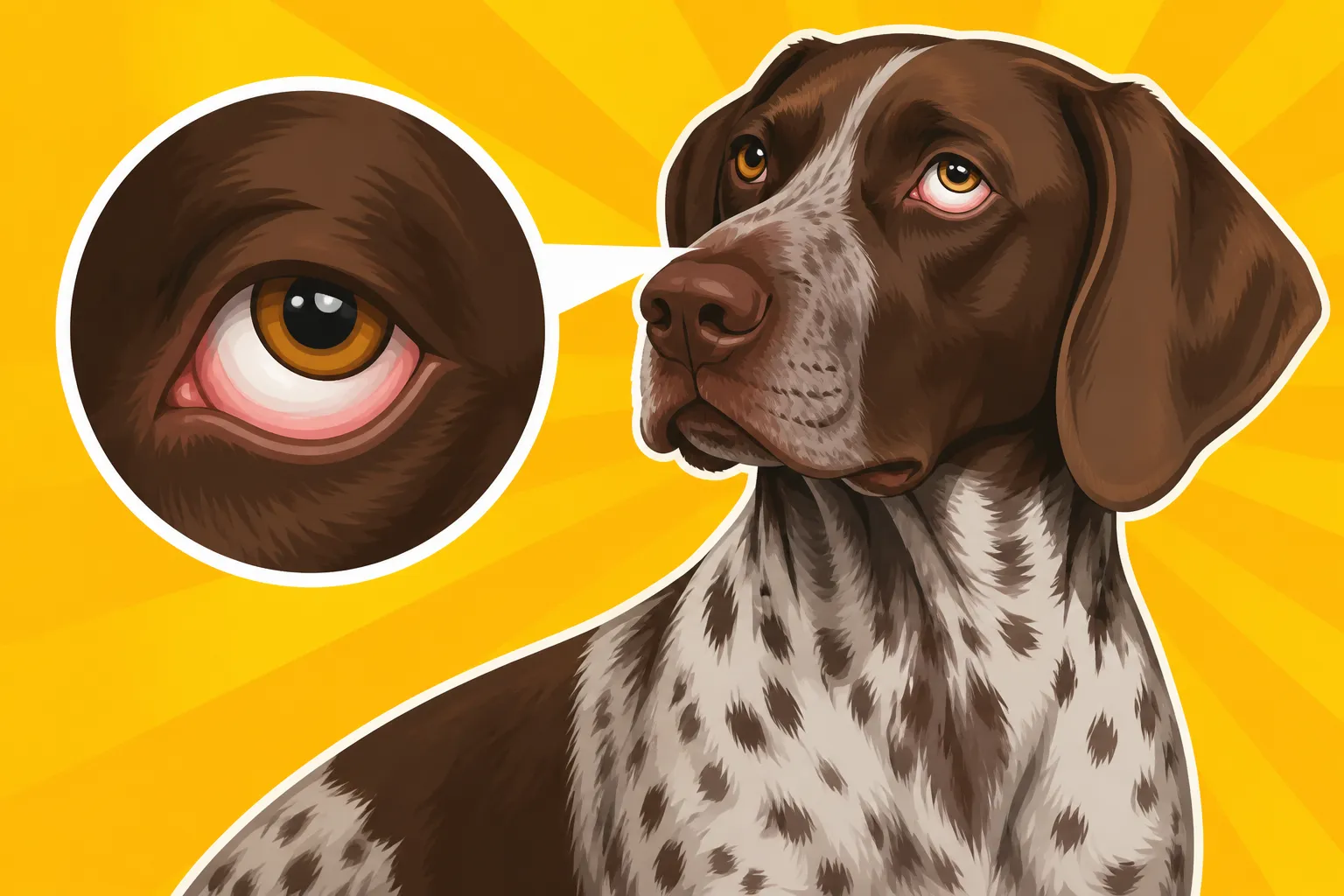
Entropion is a condition that, while not exclusive to German Shorthaired Pointers, can certainly impact them significantly, particularly given their active lifestyles and breed characteristics. Simply put, it's when a portion of the eyelid, usually the lower one, folds inward towards the eye itself. This isn't just a cosmetic issue; it's a constant source of irritation and potential damage to the cornea, which is the clear outer layer of the eye. Imagine having an eyelash constantly scratching your eye – that's what your GSP might be experiencing, day in and day out.
What Entropion Really Means for Your Dog's Eyes
When the eyelid rolls inward, the hairs on the lid rub against the surface of the eye. This constant friction acts like sandpaper, causing chronic irritation. Initially, you might just see your dog squinting more or tearing up excessively. Over time, however, this irritation can lead to more serious problems. The cornea can become inflamed, develop ulcers, and even scar, which can permanently impair vision. For a breed as dependent on their eyesight for hunting, navigating varied terrain, and general enjoyment of life, this is a very serious concern. It impacts their ability to track birds, avoid obstacles in dense cover, and even play fetch in the backyard.
Why German Shorthaired Pointers are Predisposed to This Condition
While entropion can affect any dog breed, certain breeds, including German Shorthaired Pointers, are genetically predisposed. This predisposition often comes down to their unique facial structure and the way their eyelids are formed. Some lines might have slightly looser skin around the eyes, or a specific shape to their eye socket that encourages the lid to roll inward. It’s not about poor breeding, necessarily, but rather a genetic trait that can surface. If you're looking into a GSP puppy, it's always wise to ask the breeder about the history of entropion in their lines, as well as if they've had the parents undergo proper The ACVO Eye Exam a Shorthair Needs Each Year. Understanding these genetic links is crucial, as the condition often appears early in life, sometimes even before a puppy is fully grown.
Recognizing the Signs and Symptoms of Entropion
Catching entropion early can make a world of difference in your GSP's comfort and long-term eye health. It’s not always immediately obvious, especially if the irritation is mild at first, but keeping a close eye on your dog's behavior and physical signs around their eyes can help you spot the problem before it becomes severe. Our Shorthairs are tough, often stoic, and might not outwardly show extreme pain until the condition is quite advanced, so vigilance is key.
Visual and Behavioral Clues to Look For
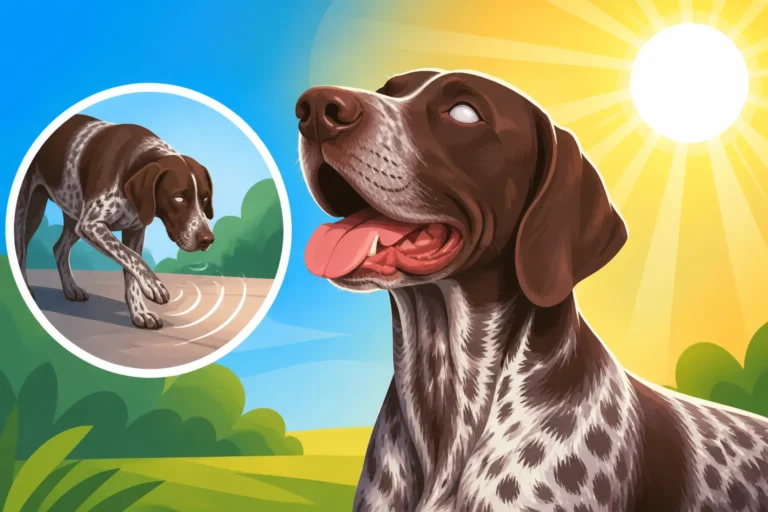
One of the most common early signs is excessive tearing, also known as epiphora. You might notice constant wetness or tear stains in the corner of their eyes, or even streaks down their muzzle. This is the eye’s natural response to irritation, trying to flush out the foreign material. Another major clue is squinting, especially in bright light or when they're trying to focus. Your dog might also be rubbing their eyes with their paws, or even trying to rub their face against furniture or the ground to relieve the itch or discomfort.
Beyond these, observe their general demeanor. Is your normally energetic GSP a bit more withdrawn? Are they hesitant to engage in activities that require keen eyesight, like chasing a ball or navigating unfamiliar spaces? These subtle behavioral changes can indicate that something is wrong, and entropion could be the culprit. It's not uncommon for owners to first notice these symptoms after a long day in the field, when dust and debris might exacerbate an already irritated eye.
Specific Eye Symptoms Indicating Entropion
When you take a closer look at your GSP's eyes, you might observe several tell-tale signs. Redness and inflammation of the conjunctiva (the pink tissue lining the eyelids) are common. The eyelashes might visibly point inwards, rather than outwards. You might also see a thick, mucousy, or even pus-like discharge, especially if a secondary bacterial infection has set in due to the constant irritation and damage to the corneal surface.
In more advanced or severe cases, the cornea itself will show signs of damage. It might appear cloudy or bluish, indicating edema or swelling. If an ulcer has formed, you might see a dull, opaque spot on the clear surface of the eye. These ulcers are incredibly painful and can lead to permanent scarring or even rupture if left untreated. If you suspect any of these severe symptoms, it’s imperative to seek veterinary attention immediately. Prompt action can literally save your GSP’s vision.
Causes and Predisposing Factors for GSP Entropion
While we've touched upon the genetic component, it's important to understand the different ways entropion can develop. Knowing the root cause helps your veterinarian determine the most effective course of treatment and allows you, as an owner, to be more informed about prevention and management, especially if you're considering breeding your German Shorthaired Pointer.
The Role of Genetics and Breed-Specific Traits
For German Shorthaired Pointers, congenital entropion – meaning it's present at birth or develops within the first few months of life – is the most common form. This is largely due to genetics, where the puppy inherits a particular eyelid structure that leads to the inward rolling. It's often seen in puppies as young as six months old, and sometimes even earlier. The precise genes responsible aren't always clear-cut, but selective breeding practices over generations for specific head shapes or eye characteristics can inadvertently increase the prevalence of such conditions within a breed.
It's a challenging situation for breeders, who strive to produce healthy dogs. Responsible breeders will often screen their breeding stock for hereditary eye conditions, including entropion. This is why getting a Reading a German Shorthaired Pointer's Eye Certificate for parent dogs can provide valuable insight into the health history of a litter. While it's a natural condition, it definitely doesn't make it any less frustrating or painful for our dogs or their owners.
Other Contributing Factors and Types of Entropion
Beyond the congenital form, there are a few other types of entropion that can affect GSPs:
- Spastic Entropion: This type isn't genetic in its primary cause but is a secondary response to eye pain. If a GSP experiences severe pain from an injury (perhaps an Eye Injuries a Shorthair Gets Running Heavy Cover after a rough day in the field) or another eye condition, the eyelid muscles might spasm and pull the lid inward, creating a temporary entropion. This can sometimes lead to chronic entropion if the underlying pain isn't addressed quickly.
- Acquired Entropion: This can develop later in a dog's life due to scarring or severe weight loss. If a dog suffers a deep laceration to the eyelid that heals with scar tissue, that scarring can pull the lid inward. Similarly, extreme weight loss can cause the fat pads around the eye to shrink, leading to a looser, inward-rolling lid. While less common in our robust GSPs, these are still possibilities to consider.
Understanding these distinctions helps your vet narrow down the cause and recommend the right intervention. For instance, spastic entropion might resolve once the initial pain is managed, whereas congenital entropion almost always requires a more direct solution.
Diagnosis and Treatment Options for Rolled-In Lids
If you suspect your GSP has entropion, the first and most crucial step is a visit to your veterinarian. They can accurately diagnose the condition and recommend the appropriate course of action to alleviate your dog's discomfort and protect their vision. Don't try to guess or self-diagnose; eye issues can quickly escalate.
The Veterinary Examination and Diagnostic Steps
During a vet visit, your veterinarian will perform a thorough ophthalmic examination. This usually involves inspecting the eyelids, checking for the inward roll, and assessing the general health of the eye. They'll also typically use a fluorescein stain, which is a harmless orange dye, to check for corneal ulcers. If the dye sticks to the eye's surface, it indicates a break in the protective outer layer, which is a clear sign of corneal damage caused by the rubbing eyelashes.
Sometimes, especially if the case is complex or if they suspect underlying issues, your vet might refer you to a veterinary ophthalmologist. These specialists have advanced training and equipment to perform more detailed examinations, such as measuring tear production or examining the internal structures of the eye. It might seem like an extra step, but for delicate eye health, getting an expert opinion can be invaluable.
Temporary and Permanent Treatment Solutions
The treatment approach for entropion depends on several factors: the dog's age, the severity of the condition, and whether it’s primarily congenital or acquired.
For Puppies (Temporary Solutions)
In young puppies where the head and facial structure are still developing, a temporary procedure called eyelid tacking (or everting sutures) might be recommended. This involves placing a few sutures in the outer skin of the eyelid to gently pull it outward, preventing the hair from rubbing the eye. As the puppy grows, their facial structure often changes, and sometimes this temporary fix is enough for the eyelid to eventually sit correctly. These sutures are usually left in for a few weeks and then removed. This approach minimizes invasiveness during a critical growth period.
Alongside tacking, your vet might prescribe lubricating eye drops or ointments to protect the cornea and reduce discomfort. If there's an infection, antibiotic eye drops will also be necessary. It’s important to remember that these are often stop-gap measures, designed to protect the eye while awaiting a more permanent solution or hoping the puppy outgrows the issue.
For Older Dogs (Permanent Surgical Correction)
For most adult GSPs with chronic entropion, especially if it's causing significant irritation or corneal damage, surgical correction is the definitive treatment. This procedure, known as blepharoplasty, involves removing a small, crescent-shaped strip of skin and underlying muscle from the affected eyelid. When the incision is closed, it tightens the skin and pulls the eyelid margin outward, correcting the inward roll. The goal is to evert the eyelid just enough so the hairs no longer rub the cornea, while still maintaining a natural appearance.
The surgery is typically performed under general anesthesia. It's a precise procedure, and your vet or veterinary ophthalmologist will take great care to ensure the correct amount of tissue is removed. In some cases, a second, minor surgery might be needed if the initial correction isn't quite perfect, or if the entropion was particularly severe. After surgery, your GSP will likely need to wear an Elizabethan collar (e-collar) to prevent them from rubbing or scratching the surgical site. Pain medication and antibiotic eye drops will also be prescribed to aid healing and prevent infection. Recovery typically takes a few weeks, with sutures removed around 10-14 days post-op.
Managing Costs and Post-Operative Care
Understanding the financial implications of entropion treatment is important. Surgical correction can be costly, depending on your location and whether a specialist is involved. For example, a single eye surgery could range from $1,000 to $3,000 or more. This is where pet insurance, like a plan from Healthy Paws, can be an absolute lifesaver. Having a policy in place before any symptoms appear can help cover a significant portion of these unexpected veterinary bills, allowing you to focus on your GSP's recovery rather than financial stress.
Typical Costs Associated with Entropion Management
| Item | Estimated Cost Range (USD) | Notes |
|---|---|---|
| Initial Vet Exam & Diagnosis | $50 – $150 | Includes consultation and basic eye exam. |
| Fluorescein Stain Test | $20 – $50 | To check for corneal ulcers. |
| Eyelid Tacking (Puppies) | $200 – $600 | Temporary solution, often performed under sedation. |
| Surgical Correction (Blepharoplasty) | $1,000 – $3,000+ per eye | Requires general anesthesia; cost varies by vet/specialist. |
| Post-Operative Medications | $50 – $150 | Pain relief, antibiotics, anti-inflammatory eye drops. |
| E-Collar (Recovery Cone) | $15 – $40 | Essential for preventing self-trauma during healing. |
| Follow-up Exams | $50 – $100 per visit | To monitor healing and remove sutures. |
| Specialist Referral (Ophthalmologist) | $150 – $300 (initial consult) | Additional costs for specialized diagnostics or surgery. |
Post-operative care is crucial for a successful outcome. Keeping the incision clean and dry, administering medications as prescribed, and ensuring your GSP wears their e-collar are non-negotiable. Watch for any signs of swelling, redness, discharge, or if your dog is trying to rub the eye, and contact your vet immediately if you have concerns. While the initial healing phase can be a bit challenging, the long-term relief and improved quality of life for your GSP are well worth the effort. It's also a good idea to consider the overall The First Year Bills on a German Shorthaired Pointer and how a comprehensive insurance plan from providers like Healthy Paws can mitigate unforeseen health costs throughout their life. Many GSP owners find that having insurance helps them make the best choices for their pet without financial worry, especially with a breed prone to being active and potentially facing Field Injuries a Hunting German Shorthaired Pointer Comes Home With.
Disclaimer
The information provided in this guide is intended for general informational purposes only and does not constitute veterinary advice. Always consult with a qualified veterinarian for any health concerns or before making any decisions about your pet's medical care. Individual circumstances may vary, and only a professional can provide an accurate diagnosis and treatment plan for your German Shorthaired Pointer.