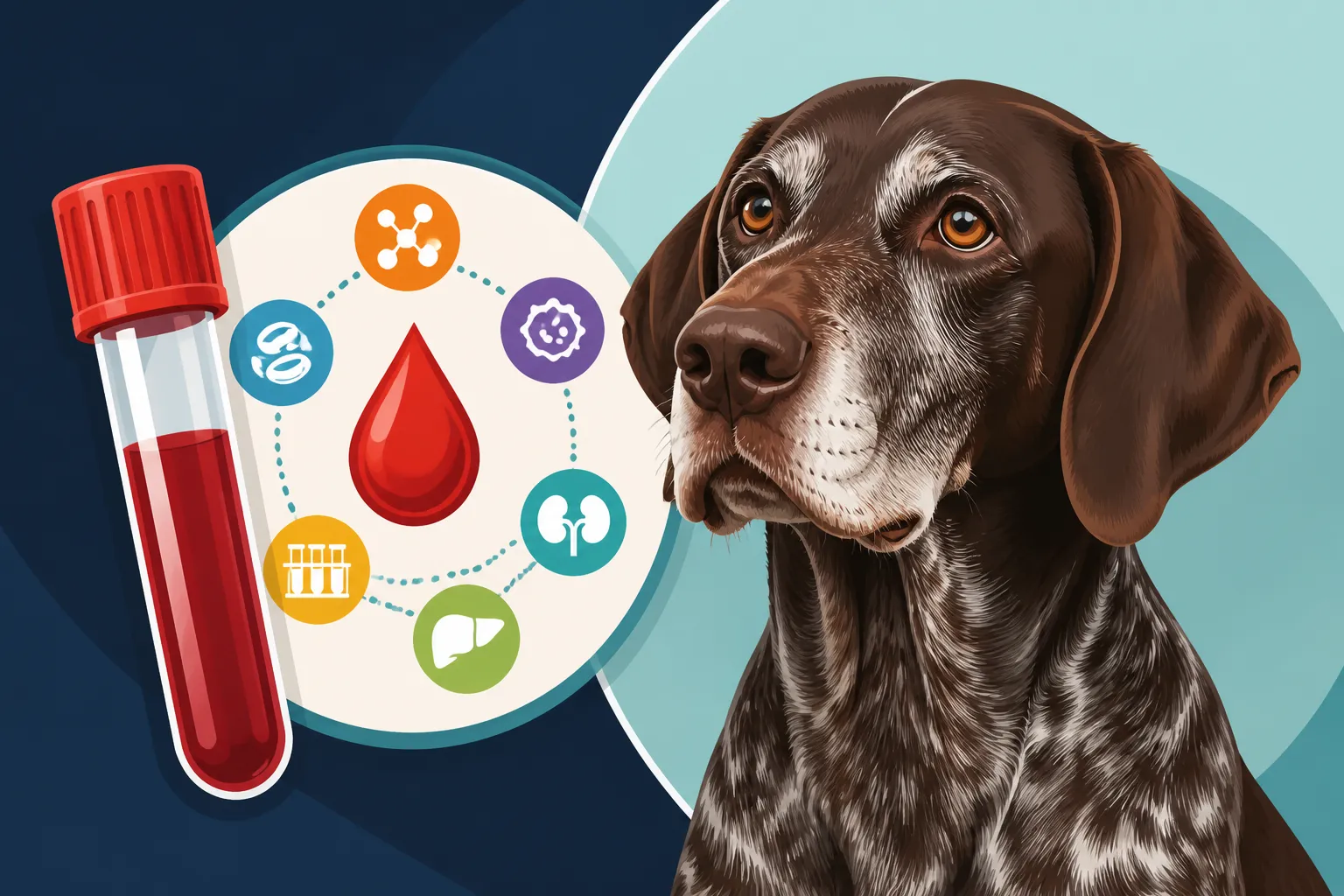
Bloodwork Worth Running on an Older Shorthair
It’s a tough truth that our beloved German Shorthaired Pointers, with all their boundless energy and zest for life, eventually start to show the subtle signs of aging. One of the biggest worries for any Shorthair owner is knowing if their dog is truly okay behind that brave face, especially when silent illnesses can creep up. This guide is all about demystifying the bloodwork that becomes absolutely essential for older German Shorthaired Pointers, helping you stay ahead of potential health challenges and ensuring their golden years are as comfortable as possible.
Why Regular Bloodwork Becomes Critical for Senior Shorthairs
As our GSPs transition into their senior years – typically around age 7 or 8 – their bodies, like ours, start to change. Things just don't work with the same efficiency they once did, and underlying health issues can begin to develop without any obvious external symptoms. This is where routine bloodwork shifts from a general check-up item to a truly vital tool in proactive health management.
Catching Silent Killers Early
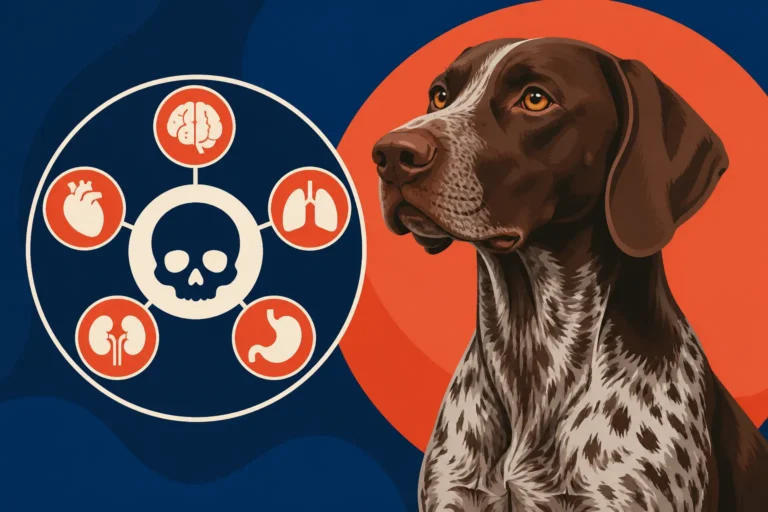
One of the most frustrating and heartbreaking realities of canine health is that many serious conditions, such as kidney disease, liver issues, and even certain types of cancer, can progress significantly before your dog shows any outward signs of discomfort or illness. Shorthairs are notoriously stoic, often pushing through pain or discomfort because of their strong drive and desire to please. They might still greet you at the door, still try to chase a squirrel, even when their internal systems are struggling. Blood tests can catch these changes in organ function or cell counts long before your dog starts showing symptoms like lethargy, loss of appetite, or noticeable weight changes. Early detection means earlier intervention, which can significantly improve prognosis, extend their lifespan, and maintain their quality of life. Without this window into their internal health, you might only discover a problem when it's already advanced and much harder to treat.
Establishing a Baseline for Consistent Monitoring
Think of your GSP's regular bloodwork as creating a personal health journal, a detailed record of what's "normal" for them. Every dog is an individual, and what might be a slightly elevated liver enzyme for one dog could be perfectly typical for another. When you start running annual or bi-annual blood panels as your Shorthair ages, your veterinarian gets to know their individual physiological baseline. This becomes incredibly powerful. If results shift even slightly from that established baseline in subsequent tests, it flags a potential concern immediately, even if the numbers are still technically within the "normal" range for the general canine population. It allows your vet to spot trends, rather than just isolated numbers, guiding them in recommending further diagnostics or preventive measures. This proactive approach is far more effective than waiting for obvious symptoms to appear, which can often mean a disease has already taken hold.
Key Blood Tests and What They Reveal
When your veterinarian recommends "bloodwork" for your aging German Shorthaired Pointer, they're typically referring to a combination of tests that provide a broad overview of your dog's internal health. Understanding what each component measures can help you have a more informed conversation with your vet.
Complete Blood Count CBC
The Complete Blood Count, or CBC, is a foundational test that provides a detailed look at the cells circulating in your dog's blood. It's like taking a snapshot of their cellular health.
- Red Blood Cells: This part of the CBC measures red blood cell count, hemoglobin (the protein that carries oxygen), and hematocrit (the percentage of red blood cells in the blood). Low numbers can indicate A German Shorthaired Pointer That Bleeds Too Long, chronic illness, or conditions like anemia, which might make your Shorthair appear lethargic or weak. High numbers can sometimes point to dehydration.
- White Blood Cells: The CBC also evaluates the different types of white blood cells (neutrophils, lymphocytes, monocytes, eosinophils, basophils). These cells are critical for the immune system. Abnormalities here can signal infection, inflammation, stress, or even certain types of cancer, such as lymphoma, which unfortunately can turn up early in Shorthairs. Elevated white blood cells might indicate a hidden infection, perhaps an abscess or an internal inflammatory process that isn't yet obvious.
- Platelets: These tiny cells are essential for blood clotting. A low platelet count can indicate a bleeding disorder or an issue with bone marrow production, potentially increasing the risk of abnormal bleeding during surgery or from minor injuries. For a breed that loves to run and can get Field Injuries a Hunting German Shorthaired Pointer Comes Home With, knowing their clotting ability is crucial.
Chemistry Panel Biochemistry Profile
The chemistry panel, often called a biochemistry profile, is a comprehensive array of tests that assesses organ function, electrolyte balance, blood sugar levels, and protein levels. This panel gives your vet a detailed picture of how your GSP's internal organs are performing.
- Kidney Function: Key indicators like Blood Urea Nitrogen (BUN) and creatinine are measured. Elevated levels can suggest that the kidneys aren't filtering waste products from the blood as efficiently as they should, indicating early kidney disease. As Shorthairs age, kidney function can naturally decline, so tracking these values over time is vital.
- Liver Function: Enzymes like ALT (alanine aminotransferase), ALP (alkaline phosphatase), and bilirubin provide insight into liver health. High levels can indicate liver damage, inflammation, or other underlying conditions. The liver is a powerhouse organ, involved in digestion, detoxification, and protein production, so its health is paramount.
- Pancreatic Function: Enzymes like amylase and lipase can indicate pancreatitis, an inflammation of the pancreas that can be very painful and impact digestion.
- Glucose: Blood glucose levels are crucial for detecting diabetes, a condition where the body can't properly regulate blood sugar. Early detection means managing it before it leads to more severe complications.
- Electrolytes: Sodium, potassium, and chloride levels help assess hydration, kidney function, and adrenal gland function. Imbalances can be indicative of serious health issues.
- Proteins: Total protein, albumin, and globulin levels provide information about hydration, liver function, kidney function, and inflammation. For instance, low albumin might signal liver disease or protein-losing conditions.
This panel is particularly insightful when you're looking for signs of conditions like Thyroid Failure in a Middle Aged German Shorthaired Pointer, where thyroid hormone levels can impact overall metabolic function and show up in related chemistry values, even if a dedicated thyroid panel isn't run initially.
Urinalysis
While not strictly bloodwork, a urinalysis is almost always recommended alongside blood tests for older dogs because it provides complementary information, especially regarding kidney and bladder health.
- Kidney Function: The concentration of the urine (specific gravity) indicates how well the kidneys are able to concentrate waste products. Dilute urine can be an early sign of kidney problems.
- Bladder Health: A urinalysis can detect urinary tract infections (UTIs), which are common in older dogs, especially females. It also checks for the presence of blood, protein, glucose, or crystals, which could indicate stones, infection, or other diseases. For instance, glucose in the urine combined with high blood glucose would confirm diabetes, while protein in the urine could signal protein-losing nephropathy, a serious kidney condition. It's a non-invasive way to gather crucial information about a system that often shows no outward signs of trouble until discomfort sets in.
Specific Concerns for Aging German Shorthaired Pointers
As a GSP ages, certain health concerns become more prevalent. Regular bloodwork, combined with a watchful eye, can provide invaluable early warnings.
Thyroid Function
Hypothyroidism, or an underactive thyroid gland, is a surprisingly common condition in middle-aged and older dogs, and German Shorthaired Pointers are certainly not immune. The thyroid gland produces hormones that regulate metabolism, so when it's not working correctly, it can lead to a whole host of symptoms that can easily be mistaken for "just getting old."
You might notice subtle changes like a dry, dull coat, thinning hair, or even Weight Gain That Points at a Shorthair's Thyroid, despite no change in diet or exercise. Your once energetic GSP might become lethargic, less enthusiastic about walks, or simply seem to have lost their spark. They might feel the cold more intensely. These symptoms develop slowly, making them hard to pinpoint. A specific thyroid panel in the bloodwork measures T4, free T4, and TSH levels. If these values indicate hypothyroidism, it's a condition that is typically very manageable with daily medication. Early diagnosis through bloodwork can prevent more severe symptoms and help your Shorthair regain their energy and comfort.
Kidney and Liver Health
The kidneys and liver are vital organs that work tirelessly to filter toxins, process nutrients, and maintain overall body balance. Unfortunately, they are also often among the first organs to show wear and tear with age.
- Kidney Disease: Chronic kidney disease (CKD) is progressive and irreversible, but its progression can often be slowed down significantly with early intervention. Elevated BUN and creatinine in the blood, along with dilute urine, are red flags. Your vet might also recommend checking SDMA (symmetric dimethylarginine), a newer, more sensitive marker that can detect kidney disease even earlier than BUN and creatinine, sometimes when as little as 25% of kidney function is lost. Symptoms like increased thirst and urination only become obvious when kidney damage is extensive, so bloodwork is essential for catching it early.
- Liver Disease: The liver can be affected by age, toxins, or other underlying conditions. Elevated liver enzymes in the chemistry panel indicate that the liver cells are damaged or inflamed. While these elevations don't always pinpoint the exact cause, they signal that further investigation, such as ultrasound or specialized liver function tests, might be needed. Early detection can mean dietary changes, supplements, or medication can support liver function and improve your Shorthair's prognosis. Without bloodwork, liver issues can progress until your dog develops jaundice, vomiting, or significant lethargy, which are signs of advanced disease.
Cancer Markers and Detection
German Shorthaired Pointers, sadly, are a breed known to have a higher incidence of certain cancers, and the risk naturally increases with age. While no single blood test can definitively diagnose all cancers, bloodwork can sometimes provide clues or support the diagnosis of specific types.
- General Indicators: A persistent unexplained anemia, unusually high or low white blood cell counts, or elevated calcium levels (hypercalcemia) can sometimes be indicators of underlying malignancy. For example, some types of lymphoma or anal gland tumors can cause hypercalcemia.
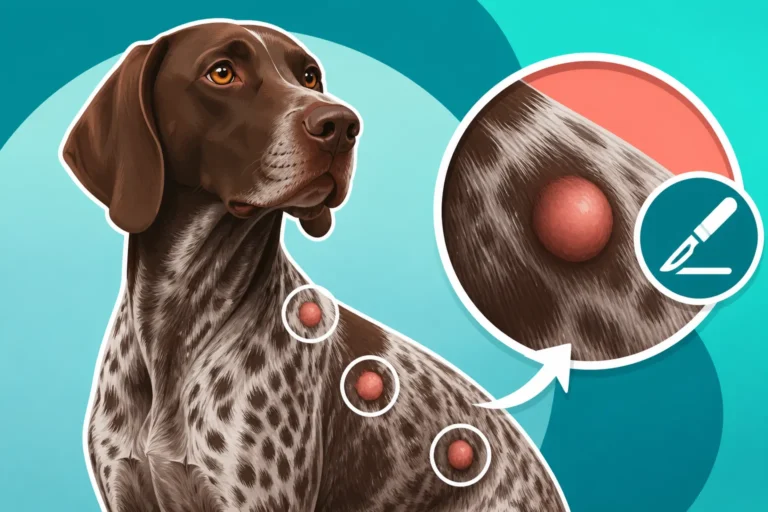
- Specific Markers: While not routine, some vets might suggest specific blood tests for certain cancer types if there's a strong suspicion. For instance, specific markers for hemangiosarcoma or lymphoma are becoming more available. However, for most cancers, bloodwork helps narrow down possibilities or assess overall health prior to more invasive diagnostics. It's important to remember that bloodwork often points the way, but definitive cancer diagnoses usually require biopsies or imaging. Still, catching subtle changes can prompt you to investigate Lumps Worth Removing on a German Shorthaired Pointer sooner, potentially catching cancer at a more treatable stage. Knowing about The Cancers That Turn Up Most in German Shorthaired Pointers in the breed can help your vet decide which tests might be most prudent.
Anemia and Bleeding Disorders
Anemia, a reduction in red blood cells or hemoglobin, can occur for various reasons in older dogs. It can be a symptom of chronic kidney disease, an underlying inflammatory condition, or even internal bleeding. For an active breed like the GSP, a significant drop in red blood cell count can seriously impact their energy and ability to recover from exercise.
Beyond simple anemia, some GSPs can be predisposed to certain bleeding disorders. For instance, Von Willebrand Disease is a genetic clotting disorder seen in various breeds, though Type 2 is specifically noted in GSPs. While a definitive diagnosis often requires specialized testing, general bloodwork like a CBC can flag a prolonged bleeding time or low platelet count, prompting further investigation. If your Shorthair seems to bruise easily, has unexplained nosebleeds, or A German Shorthaired Pointer That Bleeds Too Long after a minor cut, bloodwork will be the first step in understanding why. This knowledge is especially critical if your senior GSP needs surgery, as it helps the vet plan for potential complications and ensure their safety under anesthesia.
Planning Your Senior Shorthair's Vet Schedule and Budget
Caring for an aging German Shorthaired Pointer involves a commitment not just of love and time, but also a realistic understanding of veterinary care needs and associated costs. Planning ahead can make a significant difference.
Recommended Frequency of Bloodwork
For healthy adult German Shorthaired Pointers, an annual wellness exam that includes basic bloodwork (CBC, chemistry panel, and urinalysis) is generally recommended. However, once your Shorthair hits those senior years—typically around 7 or 8 years old—most veterinarians will advise increasing the frequency of these comprehensive health checks.
For senior GSPs, a wellness check, including bloodwork, every six months is often the gold standard. This allows for earlier detection of changes, as diseases can progress much more quickly in older animals. Imagine if you only checked your car's oil once a year, but it started burning oil faster as it aged; you'd want to check it more often to prevent engine damage. It's the same principle for your dog. A six-month interval provides a tighter window for catching those subtle shifts in organ function or blood cell counts before they become significant problems. This proactive schedule ties directly into maintaining their overall health as outlined in topics like The Vet Schedule a Working Shorthair Should Keep.
Preparing for the Costs
Let's be real: veterinary care, especially diagnostic testing, can be expensive. A complete blood panel, chemistry profile, and urinalysis can range from $150 to $300 or more, depending on your location and veterinary clinic. Add to that the cost of the physical exam, and any subsequent specialized tests like thyroid panels, ultrasound, or X-rays if the initial bloodwork raises concerns, and the bills can quickly add up.
This is where planning truly comes into play. Many owners find that pet insurance can be a lifesaver in managing these costs. Providers like Healthy Paws offer comprehensive plans that can cover a significant portion of unexpected illness and accident bills, which become more common as dogs age. While most policies won't cover pre-existing conditions, enrolling your Shorthair while they are still relatively young and healthy can ensure that future age-related illnesses are covered. Reviewing your options for Monthly Insurance Premiums on a German Shorthaired Pointer can provide peace of mind and help you make health decisions based on your dog's needs, not just your wallet. Even without insurance, setting aside a dedicated "pet emergency fund" each month can help cushion the financial blow of necessary diagnostics and treatments.
Communicating with Your Vet
You know your German Shorthaired Pointer best. You see their daily habits, their quirks, and the subtle changes that a vet might miss during a brief exam. Effective communication with your veterinarian is paramount, especially as your Shorthair ages.
Before your vet visits, take some time to observe your dog. Have you noticed any changes in appetite or thirst? Are they moving slower, perhaps struggling to get up, a common sign that might lead to discussions about Helping a Stiff Old German Shorthaired Pointer Get Up? Have there been any changes in their bathroom habits, energy levels, or temperament? Even something as seemingly minor as What a German Shorthaired Pointer Has Stopped Wanting to Run could be an early indicator of an underlying health problem. Write down these observations, no matter how small they seem, and share them openly with your vet. Discussing your concerns allows your vet to tailor the bloodwork and examination to your dog's specific needs, ensuring they're looking at the right things. Don't be afraid to ask questions about the results, what they mean for your GSP, and what the next steps might be. Being an informed and proactive advocate for your senior Shorthair is one of the greatest gifts you can give them.
Common Blood Tests for Senior German Shorthaired Pointers
| Test Component | What it Measures | Common Indications of Abnormalities in Seniors |
|---|---|---|
| Complete Blood Count (CBC) | Red Blood Cells, White Blood Cells, Platelets | Anemia, Infection, Inflammation, Bleeding Disorders, some Cancers |
| Chemistry Panel (Biochemistry Profile) | Organ function (Kidney, Liver, Pancreas), Glucose, Electrolytes, Proteins | Kidney Disease, Liver Disease, Diabetes, Pancreatitis, Dehydration, Thyroid issues (indirectly) |
| Thyroid Panel (T4, fT4, TSH) | Thyroid hormone levels | Hypothyroidism (underactive thyroid) |
| Urinalysis | Urine concentration, pH, presence of cells/crystals | Kidney function, Urinary Tract Infections, Diabetes, Bladder stones |
Disclaimer
The information provided in this article is for general informational purposes only and is not intended as a substitute for professional veterinary advice, diagnosis, or treatment. Always seek the advice of your veterinarian or other qualified health provider with any questions you may have regarding a medical condition. Never disregard professional veterinary advice or delay in seeking it because of something you have read in this article.