The Cancers That Turn Up Most in German Shorthaired Pointers
It's absolutely heartbreaking to even think about, but unfortunately, cancer is a real and significant concern for many German Shorthaired Pointer owners. When you bring one of these energetic, loving dogs into your life, the last thing you want to imagine is them facing a serious illness. This guide aims to shed light on the most common types of cancer seen in our beloved GSPs, helping you understand the risks, recognize the signs, and know what steps you can take to give your companion the best possible chance.
Understanding Why Cancer Can Affect German Shorthaired Pointers
The bond we share with our GSPs is incredibly special, and knowing they might face serious health challenges like cancer can be truly daunting. It's a sad reality that some breeds, including our lean, athletic Shorthairs, appear to have a higher predisposition to certain types of cancer compared to the general dog population. This isn't to say every GSP will get cancer, but understanding the underlying reasons can help us be more vigilant.
Genetic Predisposition in the Breed
Just like people, dogs inherit traits from their parents, and sometimes, those traits can include a genetic susceptibility to certain diseases. For German Shorthaired Pointers, there's a growing body of evidence suggesting that specific genetic factors might play a role in their increased risk for certain cancers, particularly lymphomas and hemangiosarcomas. It's not a single "cancer gene" usually, but rather a complex interplay of multiple genes that, when combined, can create a more fertile ground for cancerous cells to develop. This genetic component is often why you might hear about "cancer lines" within a breed, which highlights the importance of researching a puppy's pedigree and the health history of its parents and grandparents.
When considering a GSP puppy, a responsible breeder will be transparent about the health of their breeding stock and the longevity of their dogs, including any history of cancer in the lines. While there aren't always specific genetic tests available for every type of cancer, being aware of the general health trends within a pedigree can offer valuable insight. This isn't about blaming breeders, but acknowledging the complex genetic lottery every dog plays.
Environmental and Lifestyle Factors
While genetics lay the groundwork, environmental and lifestyle factors can act as triggers or accelerators for cancer development. Think of it like this: genetics might hand you a deck of cards, but how you play them (and the environment you play in) can significantly impact the outcome. For our active German Shorthaired Pointers, who often spend a lot of time outdoors, exposure to certain chemicals or toxins can't be entirely ruled out as contributing factors. This could include pesticides used on lawns, herbicides in fields they hunt, or even pollutants in the water they swim in.
Diet also plays a crucial role. A diet rich in high-quality, whole ingredients can support a strong immune system, which is vital for fighting off disease. Conversely, highly processed foods with artificial additives or fillers might not provide optimal nutritional support. Ensuring your GSP maintains a lean, healthy weight is another key factor. Obesity is linked to various health issues, including an increased risk of certain cancers. Regular exercise, which is usually no problem for a GSP, is also fundamental for overall health, improving circulation and keeping the immune system robust. It’s about creating the most favorable internal and external environment for your dog to thrive.
The Most Common Cancers in German Shorthaired Pointers
It's a tough truth, but recognizing the common culprits is the first step toward early detection and effective management. When we talk about Why Shorthairs Get Cancer Younger Than Other Breeds, it often comes down to these specific types that seem to target our GSPs more frequently than other breeds. Being armed with this knowledge, as difficult as it might be, allows us to be proactive guardians for our companions.
Lymphoma
Lymphoma is one of the more frequently diagnosed cancers in German Shorthaired Pointers, and it's particularly insidious because it can affect various parts of the body. This cancer originates from lymphocytes, a type of white blood cell, and can manifest in the lymph nodes, spleen, liver, bone marrow, or even the gastrointestinal tract. What makes it so challenging is its widespread nature; it's a systemic disease, meaning it can literally pop up anywhere these cells are found.
Typically, the most common presentation we see in GSPs is multicentric lymphoma, where the lymph nodes become visibly enlarged. You might feel swollen nodes under their jaw, in their armpits, or behind their knees. Other signs can be vague, like a general decrease in energy, loss of appetite, or unexplained weight loss. It can be easy to dismiss these early symptoms as just a "bad day" or a temporary bug, which is why vigilance is so critical. Early diagnosis is key, and while lymphoma is rarely "cured," it can often be managed with chemotherapy, providing a good quality of life for an extended period. Don't be afraid to talk to your vet about any suspicious lumps or changes, even if they seem minor.
Hemangiosarcoma
Hemangiosarcoma is another devastating cancer that German Shorthaired Pointers, unfortunately, seem to have a higher incidence of. This is a highly aggressive tumor of the cells that line blood vessels, meaning it can appear anywhere in the body. However, it most commonly arises in the spleen, heart, or skin. The challenge with internal hemangiosarcomas is that they often grow silently, showing no symptoms until they've become quite large or, more tragically, rupture.
When a tumor ruptures, it leads to internal bleeding, which can be life-threatening. Owners might notice sudden weakness, pale gums, a distended abdomen (due to blood accumulation), or even collapse. If it affects the heart, signs can include lethargy, difficulty breathing, or coughing. For skin hemangiosarcomas, you might find a dark, blood-filled lump on or just under the skin. Because of its aggressive nature and tendency to metastasize (spread) quickly, the prognosis for hemangiosarcoma is often guarded. However, surgical removal, especially if caught early and it hasn't spread, can offer some dogs more time, sometimes followed by chemotherapy. It's a cruel disease that often strikes without warning, making regular vet check-ups even more important. Learning about Hemangiosarcoma in an Older German Shorthaired Pointer can provide more specific insights.
Mast Cell Tumors
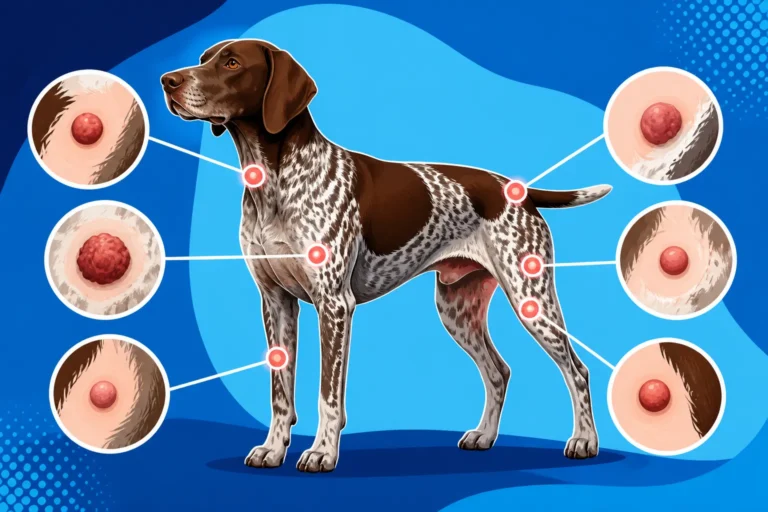
Mast cell tumors are a notoriously tricky cancer, and they are quite prevalent in German Shorthaired Pointers. These tumors originate from mast cells, which are part of the immune system and are found throughout the body, particularly in the skin. This means mast cell tumors can appear on or under the skin, but they can also develop internally in organs like the spleen, lymph nodes, or bone marrow. Their presentation can be highly variable, earning them the nickname "the great imitator" among veterinary oncologists.
A mast cell tumor on the skin might look like a benign wart, a fatty lump (lipoma), or an irritated bug bite. It can change in size, sometimes appearing to shrink, only to grow back larger. This fluctuation, often called Darier's sign, is due to the release of histamine and other chemicals from the mast cells. Because of their unpredictable appearance and potential for aggression, any new lump or bump on your GSP should be examined by a vet. A simple needle aspirate (FNA) can often provide a diagnosis, which is crucial for determining the best course of action. Treatment usually involves surgical removal with wide margins, and sometimes radiation or chemotherapy, depending on the tumor's grade and location. If you find yourself in this situation, understanding Removing a Mast Cell Tumor From a German Shorthaired Pointer might be helpful.
Osteosarcoma
While perhaps not as common as lymphoma or mast cell tumors, osteosarcoma, a type of aggressive bone cancer, does appear in German Shorthaired Pointers, particularly in their legs. This is a very painful cancer that typically affects large and giant breeds, though GSPs can certainly be affected due to their active lifestyle and bone structure. It usually arises in the long bones of the limbs, near joints like the shoulder, knee, or wrist.
The hallmark sign of osteosarcoma is lameness or limping that doesn't improve with rest or pain medication. Initially, it might be mistaken for an injury, arthritis, or a sprain, but as the tumor grows, the pain intensifies, and a visible swelling might develop over the affected bone. This lameness is often due to the weakening of the bone by the tumor, making it prone to pathological fractures. The disease is aggressive and tends to metastasize rapidly to other organs, especially the lungs. Diagnosis usually involves X-rays, followed by a biopsy for confirmation. Treatment often includes amputation of the affected limb combined with chemotherapy to combat spread, aiming to reduce pain and extend life. For more on this, check out Bone Cancer in a German Shorthaired Pointer's Leg.
Recognizing the Early Warning Signs
The biggest challenge with cancer in dogs is that our stoic GSPs often hide their discomfort until a disease is quite advanced. This is why being hyper-aware of subtle changes in their behavior, appetite, or physical condition is so incredibly important. Early detection can literally mean the difference between life and death, or at least significantly improve the prognosis and quality of life.
Subtle Behavioral Shifts
Your German Shorthaired Pointer is a creature of habit, and any deviation from their normal routine or personality should raise a red flag. These shifts can be incredibly subtle at first, easily dismissed as just an "off day" or a natural part of aging. For example, has your usually exuberant GSP been a little less enthusiastic about their morning run or a game of fetch? Are they reluctant to jump into the car or onto the couch when they normally would? This decreased activity level, or even a slight change in gait, can sometimes be an early indicator of pain or systemic illness.
Beyond physical activity, watch for changes in their demeanor. A normally outgoing GSP might become withdrawn, seeking solitude more often. Or, conversely, a dog that usually enjoys quiet time might become clingier. Are they less interested in toys, treats, or interactions they once loved? Subtle changes in sleeping patterns, like sleeping more than usual or restless sleep, can also be telling. Don't underestimate your intuition; if something just feels "off" about your dog, it's worth exploring with your vet.
Physical Manifestations and Urgent Red Flags
While behavioral changes can be vague, physical signs often become more apparent as a disease progresses. The most obvious, of course, are lumps or bumps. As we discussed with mast cell tumors, not all lumps are cancerous, but any new growth, especially one that changes in size, shape, or texture, warrants immediate veterinary attention. Don't play the "wait and see" game with a new lump on your GSP. Catching something like Mast Cell Tumors and Where They Appear on a Shorthair early is crucial.
Beyond visible lumps, other red flags include:
- Unexplained Weight Loss: If your GSP is losing weight without a change in diet or exercise, it's a significant concern.
- Changes in Appetite or Thirst: A sudden decrease in appetite or, less commonly, a ravenous hunger, or a noticeable increase in water consumption can signal various health issues, including cancer.
- Persistent Vomiting or Diarrhea: While occasional tummy upset is normal, ongoing gastrointestinal issues are not.
- Difficulty Breathing, Coughing, or Excessive Panting: These can be signs of lung involvement or other systemic issues.
- Changes in Urination or Defecation: Straining, increased frequency, or blood in urine or stool should prompt a vet visit.
- Sores that Don't Heal: Any wound or lesion that lingers for weeks could be a concern.
- Bleeding or Discharge from Any Body Opening: Unexplained bleeding from the nose, mouth, rectum, or vagina is always an emergency.
- Swelling in the Abdomen: A distended belly, especially if accompanied by weakness or pale gums, could indicate internal bleeding, as seen with hemangiosarcoma.
A common phrase in veterinary oncology is "a lump is a lump until proven otherwise." This means any new growth should be evaluated promptly. If you're concerned about When a Lump on a Shorthair Needs a Needle Aspirate, your vet can guide you.
Diagnostic and Treatment Paths for GSP Cancers
Discovering that your German Shorthaired Pointer might have cancer is terrifying. It's a moment when your world can feel like it's spinning out of control. But it's also a moment to remember that there are dedicated professionals and advanced options available. The journey through diagnosis and treatment can feel overwhelming, but understanding the steps can help you navigate it with more confidence and clarity.
The Diagnostic Journey
When you bring your GSP to the vet with a concern, their first step will likely be a thorough physical examination, feeling for enlarged lymph nodes, listening to the heart and lungs, and examining any visible lumps. From there, a series of diagnostic tests will be recommended to try and pinpoint the problem.
- Bloodwork and Urinalysis: These routine tests can provide a general overview of your dog's organ function and blood cell counts, which can sometimes indicate inflammation, infection, or even the presence of certain cancers. For example, anemia can be a sign of internal bleeding from a tumor like hemangiosarcoma.
- Fine Needle Aspirate (FNA): For visible lumps, an FNA is often the first, least invasive step. This involves using a small needle to collect cells from the mass, which are then examined under a microscope by a pathologist. It can often differentiate between benign and malignant growths, like a fatty tumor versus a mast cell tumor, but isn't always definitive.
- Biopsy: If an FNA is inconclusive or if the vet suspects a more aggressive cancer, a biopsy may be necessary. This involves surgically removing a small piece of the tumor (incisional biopsy) or the entire tumor (excisional biopsy) for detailed analysis. This provides a definitive diagnosis and often gives a "grade" of the tumor, which helps predict its behavior.
- Imaging: X-rays (radiographs) of the chest and abdomen are crucial for checking for spread (metastasis) of cancer to the lungs or other organs. Ultrasounds are excellent for visualizing soft tissues and internal organs like the spleen, liver, and lymph nodes, which is particularly useful for detecting conditions like Lymphoma Turning Up Early in a Shorthair. Advanced imaging like CT scans or MRIs might be used for more detailed views, especially for bone tumors or tumors in complex areas.
The diagnostic process can be an emotional rollercoaster, with each test bringing new information. It's important to ask questions and ensure you understand what each test is for and what the results might mean for your GSP.
Navigating Treatment Options and Palliative Care
Once a diagnosis is confirmed, your veterinary team, often in consultation with a veterinary oncologist, will discuss the available treatment options. These can vary widely depending on the type of cancer, its stage, and your dog's overall health and your personal circumstances.
- Surgery: For many solid tumors, especially those that haven't spread, surgical removal is often the primary and most effective treatment. This can be curative for some cancers if caught early enough and removed completely. For aggressive tumors like osteosarcoma, amputation might be recommended to remove the painful primary tumor and improve quality of life.
- Chemotherapy: Often used for systemic cancers like lymphoma, or as an adjunctive therapy after surgery to kill any remaining cancer cells or slow the spread of aggressive tumors like hemangiosarcoma. Veterinary chemotherapy is generally much better tolerated by dogs than by humans, with fewer severe side effects, as the goal is quality of life rather than a complete cure at all costs.
- Radiation Therapy: This uses high-energy radiation to shrink or destroy cancer cells. It can be used alone or in combination with surgery or chemotherapy, particularly for tumors that are difficult to remove surgically or for painful bone lesions.
- Palliative Care: Sometimes, a cure isn't possible, or the treatments are too aggressive for an older or frail GSP. In these cases, palliative care focuses on managing pain, maintaining comfort, and ensuring the best possible quality of life for as long as possible. This might include pain medications, anti-inflammatories, nutritional support, and other comfort measures.
Making decisions about treatment can be incredibly difficult, both emotionally and financially. This is where having pet insurance, such as a plan from Healthy Paws, can be an absolute lifesaver. Knowing that a significant portion of expensive diagnostics, surgeries, or chemotherapy might be covered can remove a huge burden and allow you to focus on what's best for your GSP, rather than on the astronomical costs. Your vet will walk you through all the options, explaining the pros and cons of each, helping you make the most informed decision for your beloved companion.
Prevention, Support, and Living with a German Shorthaired Pointer with Cancer
While we can't completely prevent cancer, there's a lot we can do to minimize risks, improve early detection, and ensure our GSPs live their best lives, even if they receive a cancer diagnosis. Being proactive is always better than being reactive.
Proactive Measures and Routine Care
One of the most powerful tools in our arsenal against cancer is regular veterinary check-ups. Our GSPs are masters of masking discomfort, especially when they're still keen to hunt or play. An annual (or even semi-annual for older dogs) comprehensive exam with your veterinarian can catch subtle changes or abnormalities that you might miss. During these visits, your vet will palpate lymph nodes, listen to the heart and lungs, and perform a general body condition assessment. This provides a baseline, making it easier to detect changes later on.
Beyond vet visits, there are daily habits that contribute to overall health:
- Optimal Nutrition: Feed a high-quality, balanced diet appropriate for your GSP's age and activity level. Look for foods with whole ingredients and minimal fillers.
- Maintain a Healthy Weight: Keep your GSP lean. Excess weight puts strain on their bodies and is linked to increased cancer risk. You should be able to easily feel their ribs, but not see them prominently. For tips, consider reading about Keeping a German Shorthaired Pointer Lean and Hard.
- Regular Exercise: This is usually a given for a GSP, but consistent, appropriate exercise keeps their immune system strong, body healthy, and mind engaged.
- Limit Toxin Exposure: Be mindful of pesticides and herbicides in your yard or hunting areas. Rinse paws after walks in treated areas. Store household chemicals safely out of reach.
- Sun Protection: For GSPs with large white patches or pink noses, sun exposure can increase the risk of skin cancers. Consider dog-specific sunscreens or limiting sun exposure during peak hours, especially on sensitive areas.
- At-Home Checks: Get into the habit of doing a weekly "lump and bump" check. Run your hands over your GSP's entire body, feeling for any new growths, changes in skin texture, or areas of tenderness. Also, pay attention to their mouth, ears, and paw pads.
By taking these proactive steps, you're not just hoping for the best; you're actively contributing to your GSP's long-term health and increasing the chances of catching any potential issues as early as possible.
Supporting Your GSP and Yourself Through a Diagnosis
Receiving a cancer diagnosis for your German Shorthaired Pointer is devastating, and it's absolutely okay to feel overwhelmed, sad, angry, or confused. It's a huge emotional burden, and remember, you don't have to go through it alone.
- Educate Yourself: Learn as much as you can about your GSP's specific cancer type, prognosis, and treatment options. Ask your vet for reliable resources. Understanding the disease can help you feel more in control.
- Seek Second Opinions: It's perfectly acceptable, and often recommended, to seek a second opinion from a veterinary oncologist, especially for complex cases. They have specialized knowledge and access to the latest treatments.
- Focus on Quality of Life: This is paramount. Work with your vet to create a treatment plan that prioritizes your GSP's comfort and happiness. Sometimes, this means choosing less aggressive treatments or focusing solely on palliative care.
- Financial Planning: Cancer treatment can be expensive. If you have pet insurance, like Healthy Paws, it can significantly alleviate this stress. If not, discuss payment plans with your vet, look into veterinary specific credit lines like CareCredit, or explore charities that might offer financial assistance for pet cancer treatment. Don't let financial concerns prevent you from exploring options for your dog.
- Emotional Support: Connect with other pet owners who have gone through similar experiences. Online forums, local support groups, or even just friends and family who understand can provide invaluable emotional support. Remember, taking care of yourself allows you to better care for your GSP.
- Cherish Every Moment: Regardless of the prognosis, focus on making every day count. Continue to provide love, comfort, and as much normalcy as possible. These moments of joy and companionship are what truly matter.
Living with a German Shorthaired Pointer who has cancer is a journey filled with ups and downs. But with vigilance, proactive care, and a strong support system, you can ensure your beloved companion receives the best possible care and continues to bring joy into your life for as long as possible.
| Cancer Type | Common Location(s) | Common Signs | General Prognosis |
|---|---|---|---|
| Lymphoma | Lymph nodes (neck, armpits, groin), spleen, liver | Enlarged lymph nodes, lethargy, loss of appetite, weight loss, vomiting | Variable; often manageable with chemotherapy for months to years, rarely cured. |
| Hemangiosarcoma | Spleen, heart, skin | Sudden weakness, pale gums, distended abdomen, collapse, skin lumps | Poor; highly aggressive with high metastatic rate, early detection critical for survival. |
| Mast Cell Tumors | Skin, spleen, lymph nodes, bone marrow | Varied skin lumps (can change size), redness, itching, internal organ dysfunction | Variable; good with early, wide surgical removal for low-grade tumors; guarded for high-grade or internal. |
| Osteosarcoma | Long bones of limbs (shoulder, knee, wrist) | Persistent lameness, swelling, pain in affected limb | Poor; very aggressive, high metastatic rate, treatment aims to extend comfortable life. |
Disclaimer
The information provided in this article is for general informational purposes only and is not a substitute for professional veterinary advice. Always consult with a qualified veterinarian for any health concerns or before making any decisions related to your pet's health and treatment.