The Gastropexy Decision on a Hunting Shorthair
The chilling reality for any German Shorthaired Pointer owner, especially those with active hunting companions, is the sudden, catastrophic onset of bloat, medically known as Gastric Dilatation-Volvulus (GDV). It's a terrifying, often fatal emergency that strikes with little warning, leaving us scrambling for answers and facing agonizing decisions. This comprehensive guide is here to walk you through everything you need to know about gastropexy – a proactive surgery that can literally save your hunting shorthair's life from this devastating condition.
Understanding Gastric Dilatation-Volvulus The Silent Threat
For us GSP owners, the word "bloat" carries a unique dread. It's not just an upset stomach; it's a critical, life-threatening condition that can turn a healthy, vibrant hunting dog into a canine emergency in mere hours, sometimes even minutes. We've all heard the stories, or perhaps even lived through one ourselves, of a dog that was perfectly fine one moment and then suddenly distressed, panting, and with a rapidly expanding abdomen.
The Mechanics of Bloat and Torsion
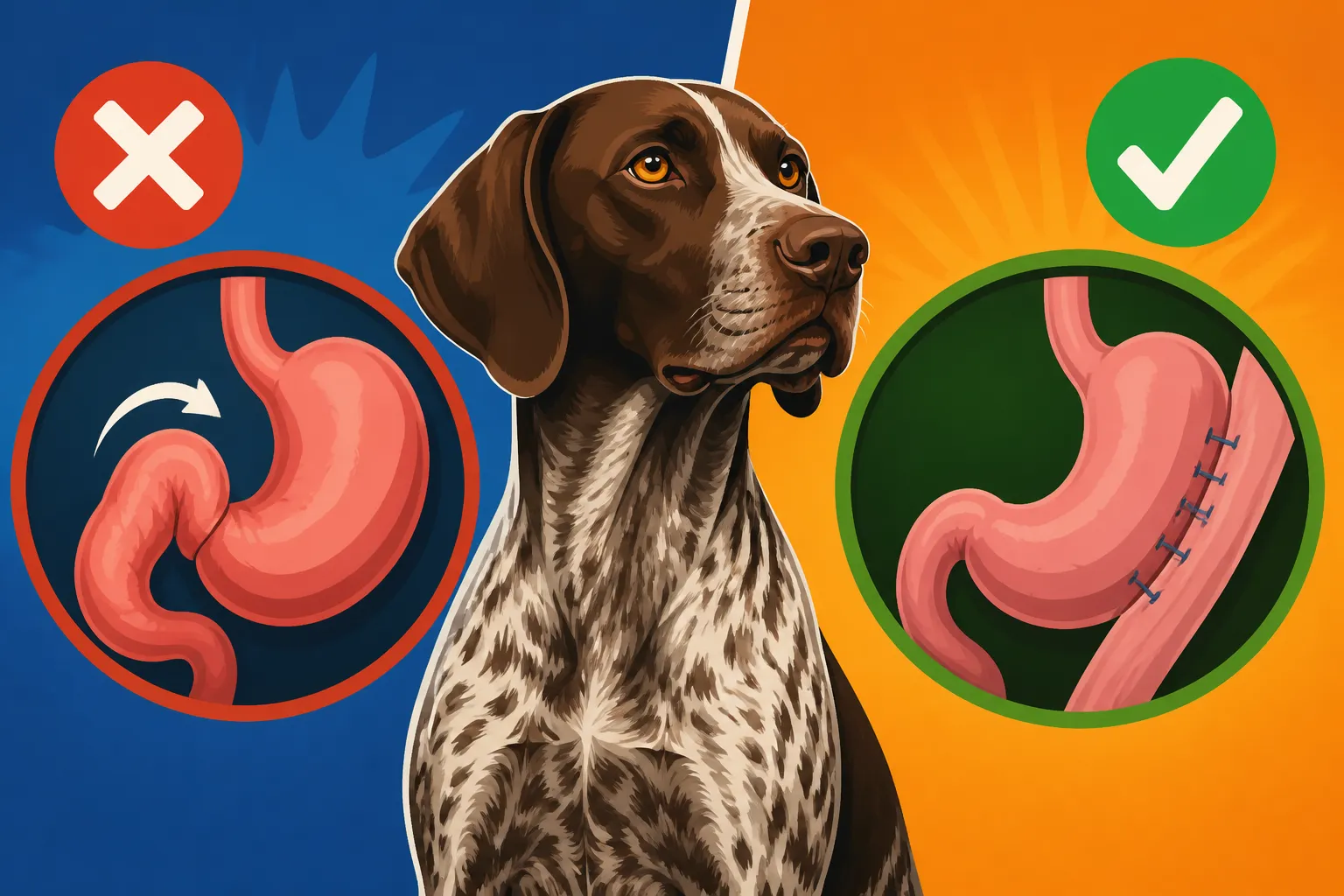
At its core, Gastric Dilatation-Volvulus begins when a dog's stomach fills rapidly with gas, food, or fluid, causing it to distend, or "dilate." This alone is painful and serious. However, the real danger, and what makes GDV so lethal, is the "volvulus" part – the stomach then twists on its axis, cutting off both the entrance and exit. Think of it like a balloon full of air that's been knotted shut. Once twisted, the gas and fluid are trapped, causing immense pressure.
This twisting also compromises blood flow to the stomach and often the spleen, leading to tissue death, shock, and a cascade of systemic issues. Toxins build up, and without immediate intervention, organ failure quickly ensues. The timeline is frighteningly short; veterinary experts often state that dogs have only a few hours once the torsion occurs before permanent damage or death becomes almost inevitable. It's why recognizing the signs, and understanding prevention, is paramount. You might read about Catching Bloat in a German Shorthaired Pointer After a Hunt and realize just how quickly it can escalate.
Why German Shorthaired Pointers Are at Higher Risk
It feels unfair, doesn't it? To have such an athletic, high-energy, and dedicated hunting partner, only to know they carry this inherent risk. Unfortunately, German Shorthaired Pointers fall squarely into the category of breeds predisposed to bloat. Their deep chests and large body size are significant anatomical risk factors. The deeper the chest-to-width ratio, the more "room" the stomach has to twist.
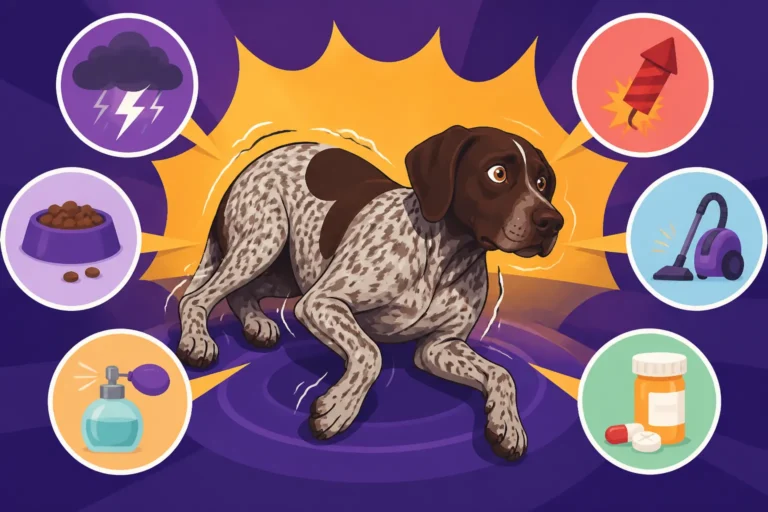
Beyond anatomy, the lifestyle of a hunting GSP can amplify this risk. High-intensity exercise, especially around meal times, can be a trigger. Imagine your shorthair, after a long, exhilarating morning chasing pheasants, gulping down water and food, then perhaps getting excited and running around again. Rapid eating, excessive drinking, stress, and vigorous activity after meals are all contributing factors that are practically woven into the daily routine of a working dog. Even factors like diet, temperament, and family history can play a role. It's a heavy burden of knowledge, especially when considering The Bloat Risk a Shorthair Carries Into Every Season.
What is a Gastropexy and How Does It Work
Given the terrifying nature of bloat, many GSP owners seek preventative measures. This is where gastropexy comes in. It's a surgical procedure that, while not preventing the stomach from distending with gas (bloat), does prevent it from twisting (volvulus). It essentially tacks the stomach to the abdominal wall, making it impossible for it to rotate.
Traditional Versus Laparoscopic Gastropexy
When considering a gastropexy for your beloved shorthair, you generally have two main surgical avenues: traditional open surgery or a minimally invasive laparoscopic approach. Both aim to achieve the same life-saving outcome, but they differ significantly in technique, recovery, and cost.
A traditional gastropexy involves a larger incision in the abdomen, allowing the veterinary surgeon direct access to the stomach. They then physically attach a section of the stomach wall to the inner abdominal wall, typically using sutures. This method is highly effective and has been the gold standard for many years. It's often performed during other abdominal surgeries, like spaying, because the abdomen is already open. While effective, the larger incision means a longer recovery time, more post-operative pain, and a higher risk of complications like infection compared to laparoscopic methods.
Laparoscopic gastropexy, on the other hand, is a marvel of modern veterinary medicine. It uses small incisions, often just two or three, through which a tiny camera (laparoscope) and specialized instruments are inserted. The surgeon views the internal organs on a monitor and uses the instruments to perform the tacking procedure. Some clinics even offer single-incision laparoscopic gastropexies. The advantages are numerous: significantly less pain, much faster recovery times, and a lower risk of post-surgical complications. Your GSP might be back to light activity in days rather than weeks. However, it typically requires specialized equipment and training, meaning it might not be available at all veterinary clinics and can sometimes be more expensive upfront. For a hunting shorthair, where getting back to peak condition is crucial, the quicker recovery of a laparoscopic procedure is often a huge draw.
| Feature | Traditional (Open) Gastropexy | Laparoscopic Gastropexy |
|---|---|---|
| Incision Size | Large (several inches) | Small (1-3 tiny incisions) |
| Recovery Time | Longer (2-4 weeks restricted activity) | Shorter (7-10 days restricted activity) |
| Pain Level | Moderate to High | Low to Moderate |
| Hospital Stay | Often 24-48 hours | Often same-day discharge or overnight |
| Cost | Typically lower than laparoscopic alone, but depends on facility | Can be higher, due to specialized equipment and expertise |
| Availability | Widely available at most veterinary clinics | Less widely available, requires specialized equipment/training |
| Visibility | Direct visualization of organs | Indirect visualization via camera |
| Concurrently with Spay/Neuter | Very common and often recommended | Possible, but may extend anesthetic time slightly |
The Preventative Power of a Gastropexy
It's important to clarify what a gastropexy does and doesn't do. It does not prevent bloat itself. Your German Shorthaired Pointer can still experience gastric dilatation – meaning their stomach can still fill with gas, expand, and cause discomfort. This can still be a serious issue, causing pain and requiring veterinary attention. However, and this is the critical part, a properly performed gastropexy prevents the stomach from twisting.
This means that while the bloat symptoms might still occur, the catastrophic, rapidly fatal twisting component, the volvulus, is averted. This buys you precious time to get your dog to the vet for treatment of the bloat itself, without the added, immediate threat of organ damage and circulatory collapse from the torsion. It transforms a dire, often frantic, race against time into a serious, but manageable, medical emergency. For a dog that spends its life actively working and eating in varied environments, having this preventative safeguard in place provides an incredible peace of mind. Without it, the fear of The Bill When a Shorthair Torsions Mid Season is always lurking.
Timing and Considerations for a Hunting Shorthair
Deciding when to perform a gastropexy on your hunting GSP involves careful thought and discussion with your veterinarian. There are optimal times and unique considerations that apply specifically to active, working dogs.
When to Consider the Procedure
For most owners, the ideal time to consider a gastropexy is when their German Shorthaired Pointer is already undergoing another abdominal surgery, such as a spay or neuter. This is often done between 6 months and 1.5 years of age. By combining procedures, your dog only goes under anesthesia once, streamlining recovery and often reducing overall costs. For a young GSP puppy, discussing neutering and gastropexy simultaneously with your vet as part of their initial care is a smart move.
However, if your shorthair is already spayed or neutered, or is older, a standalone gastropexy can still be performed. It's a decision often made by owners of active dogs who are reaching maturity or are already in their prime hunting years, after thoroughly assessing the risks and benefits. Some breeders might even recommend considering it earlier, especially if there's a history of bloat in their lines. It's a procedure that can be done at various ages, but generally, doing it earlier in life, before potential issues arise, is preferred. Remember that even a young dog can face a severe medical emergency, and thinking ahead is always best. You should certainly consult with your vet about The Vet Schedule a Working Shorthair Should Keep to ensure all preventative measures are in place.
Weighing the Risks and Benefits for an Active Dog
For a hunting shorthair, the decision to undergo gastropexy is a serious one, balancing the inherent risks of any surgery against the potentially life-saving benefits. The primary benefit is undeniable: significantly reducing the risk of a fatal GDV episode. For a dog that spends its life pushing its physical limits in the field, often far from immediate veterinary care, this prevention can mean the difference between life and death. It offers an incredible layer of protection against one of the most feared conditions in the breed.
However, like all surgeries, there are risks. Anesthesia, while generally safe, always carries a small risk, especially for a lean and active breed. You'll want to discuss Anesthesia Risk in a Lean German Shorthaired Pointer with your vet. There's also the potential for post-surgical complications such as infection, dehiscence (the incision opening), or discomfort. For a hunting dog, the recovery period means restricted activity, which can be challenging for high-drive GSPs. This interruption to training and conditioning needs to be factored into your season planning.
Ultimately, for many GSP owners, the peace of mind knowing their dog is protected from the most dangerous aspect of bloat far outweighs the surgical risks and recovery inconvenience. It's about proactive care for a dog that gives its all in the field, ensuring they have the best chance at a long, healthy, and active life.
The Recovery Process and Post-Op Care
Once the gastropexy is done, the journey isn't over. Proper post-operative care is crucial for ensuring a smooth recovery and the long-term success of the procedure, especially for a dog eager to get back to running and hunting.
Immediate Post-Operative Care
Immediately after surgery, your GSP will likely spend some time at the veterinary clinic for monitoring. Depending on the type of gastropexy (traditional vs. laparoscopic) and how your dog recovers from anesthesia, this might be an overnight stay or even a couple of days. The veterinary team will manage pain with medication, monitor vital signs, and ensure there are no immediate complications. Your dog might have an IV drip for fluids and antibiotics.
When you bring your shorthair home, their primary focus needs to be rest. This means a quiet, comfortable space away from household commotion, especially other energetic pets. They will likely be groggy from anesthesia and pain medication, and their appetite might be a bit suppressed. Follow your vet's instructions precisely regarding medication administration, especially pain relief. Restricting activity is paramount during these first few days – no jumping, no running, no stairs. Leash walks for potty breaks only, and those should be short and controlled. An Elizabethan collar (e-collar or "cone of shame") will be a must to prevent them from licking or chewing at the incision site, which could lead to infection or opening of the sutures. This initial phase is about gentle healing and allowing the stomach to properly adhere to the abdominal wall.
Long-Term Management and Resuming Activity
The hardest part for any GSP owner during recovery is managing their dog's boundless energy. As the initial post-operative pain subsides, your shorthair will likely start feeling much better and want to resume their usual antics. This is where your discipline comes in. Full recovery and proper adhesion of the stomach to the abdominal wall typically take about 2 to 4 weeks for traditional surgery, and 1 to 2 weeks for laparoscopic. During this time, activity must remain strictly limited. No off-leash running, no intense play, no hunting. Gradual increases in controlled leash activity are usually permitted after the first week, but always under your vet's guidance.
Once cleared by your veterinarian, you can slowly begin to reintroduce more vigorous exercise. Think about a gradual conditioning program, similar to how you would prepare for the hunting season. Begin with longer, brisk walks, then introduce short bursts of controlled running, slowly building up stamina and strength. Watch for any signs of discomfort or swelling around the incision site. Patience is key here; rushing the recovery can compromise the surgical repair and lead to complications that put your shorthair back on the sidelines. Remember that a gastropexy prevents twisting, but it doesn't mean your dog can't still experience discomfort from bloat, so continue practicing safe feeding habits like avoiding vigorous exercise immediately after meals and using slow feeder bowls. Just as you'd carefully plan for Rehabbing a Shorthair After Cruciate Surgery, a gastropexy recovery requires the same dedication to ensure a full and safe return to activity.
Cost, Insurance, and Making an Informed Decision
Financial considerations are, naturally, a big part of any significant veterinary procedure. While the cost of a gastropexy can seem substantial, it’s often a fraction of the expense involved in emergency bloat treatment.
Understanding the Costs Involved
The cost of a gastropexy can vary widely depending on several factors: your geographic location (a clinic in a major city like Portland, Oregon, might have different rates than one in rural Iowa), the type of procedure (traditional vs. laparoscopic), the veterinarian's experience, and whether it's performed as a standalone surgery or concurrently with a spay/neuter. Generally, you can expect a traditional gastropexy to range from $400 to $1,000 when combined with a spay/neuter, or $800 to $2,000 as a standalone procedure. A laparoscopic gastropexy, due to the specialized equipment and training, might push those figures higher, often ranging from $1,500 to $3,000 or more, especially in regions where What a Shorthair Puppy Costs on the West Coast already reflects a higher cost of living.
These figures typically include the surgery itself, anesthesia, pain medication, and a short hospital stay. However, remember to factor in pre-surgical bloodwork (which is essential to ensure your GSP is healthy enough for anesthesia) and any post-operative follow-up appointments or medications. It's always best to get a detailed estimate from your veterinary clinic, outlining all potential costs.
Pet Insurance and Gastropexy Coverage
Pet insurance can be a game-changer when it comes to managing veterinary expenses, and a gastropexy is an excellent example of where it can provide significant financial relief. Most comprehensive pet insurance plans, like those offered by Healthy Paws, will cover a gastropexy, especially if it's considered a preventative measure for a breed at high risk for bloat.
However, there are crucial details to check in your policy. First, ensure the procedure isn't considered "elective" in a way that limits coverage – although for GSPs, it's widely recognized as medically prudent prevention. Second, be aware of waiting periods; most insurance companies have a waiting period (often 14-30 days) before new conditions are covered. It's wise to enroll your shorthair in a plan well before you anticipate any procedures. Third, understand your deductible and reimbursement percentage. Even with insurance, you'll still be responsible for a portion of the bill, but it can make a $2,000 bill feel much more manageable. Some plans, including those from Healthy Paws, may even cover a portion of the associated diagnostic tests or follow-up care. Reviewing your Monthly Insurance Premiums on a German Shorthaired Pointer and understanding what it covers is vital.
It’s definitely worth contacting your pet insurance provider directly to confirm coverage specifics for a gastropexy. Proactive prevention with pet insurance like Healthy Paws can save you thousands if an emergency situation were to occur down the road, and it’s especially important for active hunting dogs prone to injuries and breed-specific conditions. For many, a dedicated emergency fund or a credit line arranged for unexpected vet bills is also a good idea. You might even want to look into The Credit Line a Shorthair Owner Should Arrange as a financial safety net.
Talking to Your Vet and Breeder
The decision to proceed with a gastropexy should never be made in a vacuum. Your veterinarian is your most important resource. They can assess your individual German Shorthaired Pointer's health, discuss the specific risks and benefits based on their age and activity level, and recommend the best surgical approach. Don't hesitate to ask detailed questions: "What is your experience with gastropexies in GSPs?" "What are the potential complications?" "What is the expected recovery timeline for my dog, given their drive?" They can also provide a detailed cost estimate and explain what's included.
Your GSP's breeder can also offer invaluable insights. They know the breed inside and out, and may have experience with gastropexies in their lines or with previous puppy owners. They might be able to tell you if bloat has appeared in your dog's lineage, which could factor into your decision. A reputable breeder will prioritize the health and longevity of their dogs, and should be a supportive resource for these kinds of discussions. Gather all the information, weigh your options, and make the choice that feels right for you and your cherished hunting partner. Understanding The Five Tests Behind a German Shorthaired Pointer CHIC Number with your breeder can also give you a broader picture of genetic health considerations.
Disclaimer
The information provided in this guide is for informational purposes only and does not constitute veterinary advice. Always consult with a qualified veterinarian for any health concerns or before making any decisions about your pet's care.