Lupoid Dermatosis and a Shorthair’s Scaling Skin
It’s incredibly disheartening to watch your energetic German Shorthaired Pointer develop patches of scaling skin and frustrating hair loss, especially when you’re doing everything right. This guide is here to walk you through understanding, identifying, and managing Lupoid Dermatosis, a challenging skin condition that unfortunately affects our beloved GSPs, offering insights into what it is, how it’s diagnosed, and the long-term care involved.
What Exactly is Lupoid Dermatosis?
Lupoid dermatosis, specifically sterile nodular panniculitis or granulomatous sebaceous adenitis, is a rare but serious autoimmune skin disease that primarily targets the hair follicles and sebaceous glands in certain dog breeds, and German Shorthaired Pointers are, sadly, one of them. It's not an infection, nor is it contagious, which can be a relief to know, but it's a chronic condition stemming from an internal imbalance within the dog's immune system.
Understanding the Immune System's Role
At its core, lupoid dermatosis is an autoimmune disorder. This means your GSP's own immune system, which is supposed to protect against foreign invaders like bacteria and viruses, mistakenly attacks healthy cells within the skin. Specifically, it targets the sebaceous glands, which are tiny glands responsible for producing sebum, the oily substance that lubricates the skin and hair, keeping it supple and healthy. When these glands are damaged or destroyed, the skin loses its natural protective barrier, leading to dryness, scaling, and inflammation. It's a cruel twist of nature when the very system designed for defense turns against the body.
The Specific Impact on Hair Follicles and Sebaceous Glands
Imagine your GSP's coat as a lush field, each blade of grass a healthy hair. The sebaceous glands are like tiny sprinkler systems, keeping each blade hydrated. In lupoid dermatosis, these sprinkler systems get attacked, becoming inflamed and eventually disappearing. Without sebum, the hair follicles become brittle, the hair breaks easily, and eventually, new hair growth is stunted or stops altogether. This results in the characteristic scaling and hair loss you'll see. The skin itself becomes dry, flaky, and can appear thickened or crusty, which not only looks uncomfortable but truly is uncomfortable for your dog.
Why Shorthairs Are Prone and at What Age
While relatively rare, German Shorthaired Pointers are disproportionately represented among breeds affected by sebaceous adenitis. This strong breed predisposition points directly to a genetic component. It's believed that GSPs carry specific genes that make them more susceptible to this immune system malfunction. The Age Lupoid Dermatosis Appears in a Shorthair can vary, but it often surfaces in young to middle-aged dogs, typically between one and five years old. However, it’s not unheard of for symptoms to manifest earlier or later in life. It's a heartbreaking reality that many owners face, seeing their vibrant young dog start to develop this condition.
Recognizing the Signs of Scaling Skin and Hair Loss
Spotting the early signs of lupoid dermatosis can be tricky because many skin conditions present similarly. However, there are some patterns and progressions that are highly indicative of this particular autoimmune disease in your German Shorthaired Pointer. It often starts subtly, making it easy to overlook or misattribute to something less serious at first.
Early Warning Signals: The First Patches
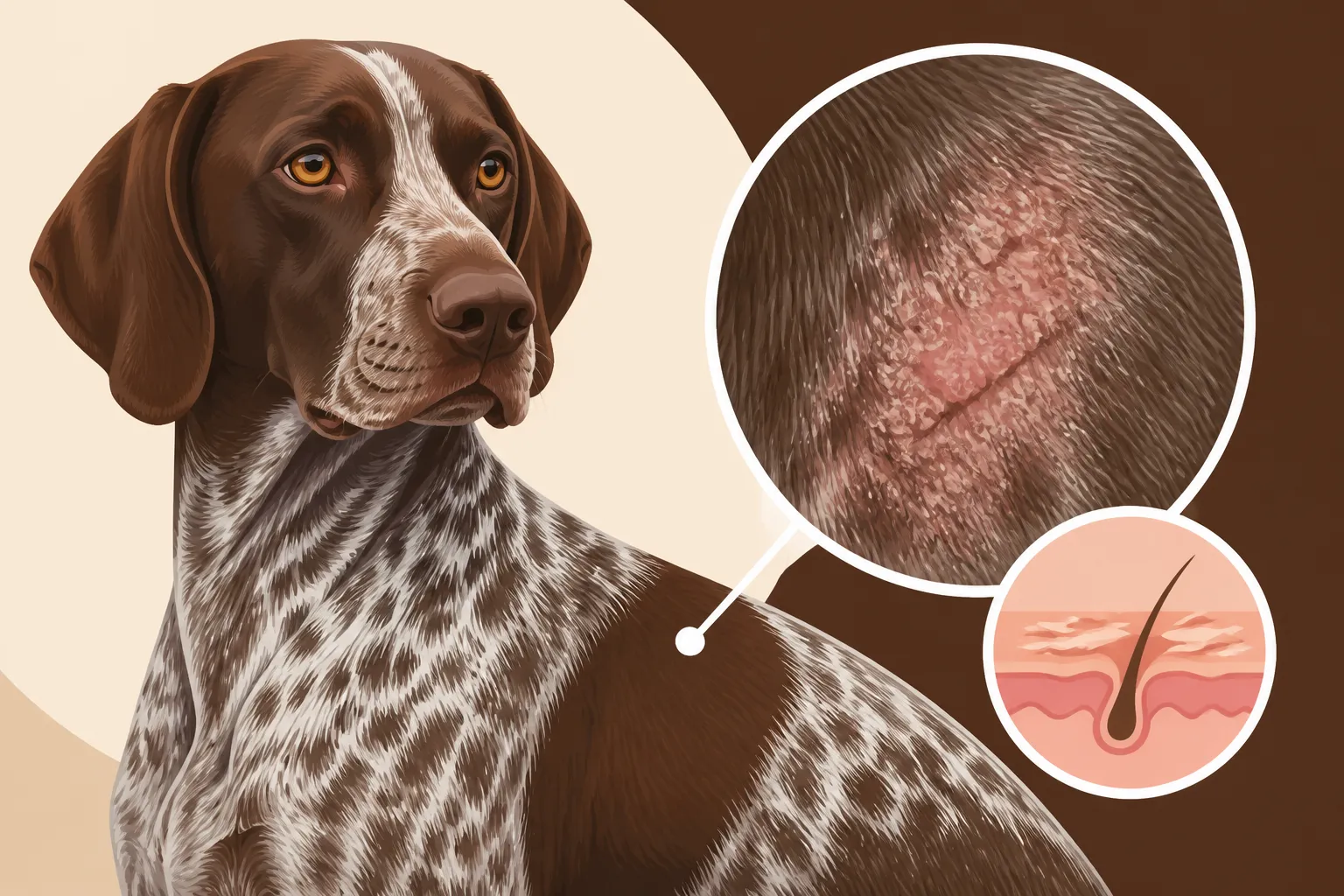
Typically, the initial signs of lupoid dermatosis often appear as patches of dull, dry, and brittle hair, along with fine scaling or dandruff on the skin. These patches might first show up on the dog's back, particularly along the spine, over the top of the head, and around the ears. You might also notice Hair Loss on a German Shorthaired Pointer's Flanks or on the tail. The coat might lose its characteristic shine and become greasy or matted in these areas due to abnormal sebum production or accumulation of dead skin cells. Some owners report a peculiar "moth-eaten" appearance to the coat. At this stage, it might just seem like dry skin or seasonal shedding, but pay close attention to the persistent nature of these changes.
Progression of Skin Changes
As the disease progresses, these initial patches can enlarge and become more pronounced. The scaling becomes coarser, forming thick, adherent crusts or plaques that can be quite noticeable and even painful for your dog. The hair loss often becomes more significant, leading to completely bald areas (alopecia). The skin underneath these crusts might be inflamed, reddened, or even hyperpigmented (darkened) due to chronic irritation. Some GSPs might develop raised, firm nodules on their skin, particularly when the inflammation is more severe. It's not just a cosmetic issue; the skin barrier is compromised, making your dog uncomfortable and itchy, leading to more scratching and self-trauma, further exacerbating the condition.
Secondary Infections and Complications
The compromised skin barrier caused by lupoid dermatosis makes your German Shorthaired Pointer highly susceptible to secondary bacterial or yeast infections. When the skin's natural defenses are down, opportunistic microorganisms can easily take hold. You might notice an unpleasant odor emanating from your dog's skin, increased redness, pustules, or even oozing sores. These secondary infections add another layer of discomfort and can make diagnosis more challenging, as their symptoms can overshadow the underlying autoimmune condition. It's a vicious cycle where the primary disease weakens the skin, allowing infections to flourish, which then further damages the skin. This is a common pain point for owners, as they deal with both the original issue and the complications.
Diagnosing Lupoid Dermatosis: Beyond the Visual
When your German Shorthaired Pointer presents with persistent scaling and hair loss, your veterinarian will likely consider several possibilities. Accurately diagnosing lupoid dermatosis isn't always straightforward, as its symptoms can mimic other more common skin conditions. It requires a thorough investigation, going beyond what's visible on the surface.
The Importance of a Skin Biopsy
The definitive way to diagnose lupoid dermatosis is through a skin biopsy. This involves taking small tissue samples from the affected areas of your dog's skin under local or general anesthesia. These samples are then sent to a veterinary pathologist who specializes in dermatopathology. The pathologist will examine the tissue under a microscope, looking for the characteristic changes associated with lupoid dermatosis – namely, inflammation and destruction of the sebaceous glands, and sometimes the hair follicles themselves. Without this biopsy, it's very difficult to confirm the diagnosis definitively. This procedure, while sounding invasive, is crucial and typically well-tolerated. The initial diagnostic process, especially a biopsy, can be costly. This is where pet insurance, like a plan from Healthy Paws, can really make a difference in helping you manage the financial aspect of such specialized care.
Ruling Out Other Conditions
Before a biopsy, or sometimes in conjunction with it, your vet will perform other diagnostic tests to rule out other common skin problems that share similar symptoms. This might include skin scrapes to check for mites (like demodex), fungal cultures to rule out ringworm, and blood tests to check for underlying systemic conditions such as hypothyroidism. For example, hypothyroidism can cause dry skin and hair loss, so checking thyroid hormone levels is a standard part of the diagnostic workup. Differentiating between these conditions is vital because the treatments are vastly different. How Lupoid Dermatosis Is Diagnosed in a Shorthair involves a systematic approach to eliminate other possibilities until the true culprit is identified.
What a Vet Looks For
During the initial examination, your veterinarian will not only look at the visible skin lesions but also take a detailed history of your dog's symptoms, including when they started, how they've progressed, and any previous treatments. They'll assess the pattern of hair loss and scaling, feel the texture of the skin, and check for any secondary infections. They might use a Wood's lamp to check for certain fungal infections. When they review the biopsy results, the pathologist will specifically be looking for a decrease or complete absence of sebaceous glands, often surrounded by inflammatory cells (lymphocytes, plasma cells, and histiocytes). This specific microscopic appearance is the hallmark of sebaceous adenitis or lupoid dermatosis.
Managing Life with Lupoid Dermatosis
Receiving a diagnosis of lupoid dermatosis for your German Shorthaired Pointer can be overwhelming, especially when you learn there's no outright cure. However, it's not a death sentence, and with diligent management, many GSPs can live comfortable lives. The key is consistent, multifaceted treatment aimed at reducing inflammation, restoring skin health, and preventing secondary infections.
Topical and Oral Medications
Treatment for lupoid dermatosis often involves a combination of topical and oral medications. Oral medications typically include immunosuppressants, such as cyclosporine (e.g., Atopica), which work by modulating the immune system to stop it from attacking the sebaceous glands. These medications can significantly reduce inflammation and help with hair regrowth in some cases. Your vet might also prescribe corticosteroids during flare-ups to quickly bring inflammation under control. Topically, medicated shampoos and conditioners containing ingredients like salicylic acid, benzoyl peroxide, or sulfur can help to remove scales and reduce greasiness. Regular bathing with these products, sometimes several times a week, is crucial for maintaining skin hygiene and comfort.
Supportive Care and Environmental Management
Beyond medication, supportive care plays a huge role in managing this condition. Regular bathing, as mentioned, is paramount. Follow your vet's instructions carefully regarding specific shampoos and frequency. Moisturizing rinses or conditioners can help hydrate the dry, flaky skin. Some owners find success with humectants or emollients applied directly to the skin. Keeping your dog's environment clean can also minimize secondary infections. For GSPs that spend a lot of time outdoors, especially in varied climates, ensuring they have appropriate shelter to protect their delicate skin from harsh sun or cold can prevent further irritation. Protecting their skin is an ongoing task. Managing a German Shorthaired Pointer's Lifelong Skin Disease requires a commitment to a consistent routine.
Dietary Adjustments and Supplements
While diet isn't a cure, certain dietary adjustments and supplements can support skin health and potentially reduce inflammation in GSPs with lupoid dermatosis. High-quality dog foods rich in essential fatty acids, particularly omega-3s, can be beneficial. These fatty acids have anti-inflammatory properties and can help improve the skin barrier and coat quality. Your vet might recommend supplements like fish oil (omega-3 fatty acids), vitamin A, or vitamin E. It's always best to discuss any dietary changes or supplements with your veterinarian, as they can recommend the appropriate dosages and ensure they won't interfere with other medications. A balanced approach that includes nutrition can contribute significantly to your dog's overall well-being.
Breeding Considerations and Genetics
Understanding the genetic component of lupoid dermatosis is paramount for responsible German Shorthaired Pointer breeders and owners alike. Because of the strong breed predisposition, the disease is believed to be inherited, although the exact mode of inheritance can be complex.
Genetic Predisposition and Inheritance
The fact that lupoid dermatosis is seen much more frequently in certain breeds, including the German Shorthaired Pointer, strongly suggests a genetic link. While the specific genes and inheritance pattern (e.g., recessive, polygenic) aren't fully understood, it's widely accepted that affected dogs carry genetic markers that increase their risk. This means that if a GSP develops the condition, it's highly likely to have inherited a predisposition from its parents. This isn't to say every carrier will develop the disease, or that every puppy from an affected line will be affected, but the risk is significantly elevated compared to breeds without this predisposition.
Testing and Responsible Breeding Practices
Currently, there isn't a specific DNA test available to identify carriers or predict the likelihood of a GSP developing lupoid dermatosis. This makes responsible breeding particularly challenging. However, ethical breeders will be transparent about the health history of their lines, especially regarding skin conditions. If a dog has been diagnosed with lupoid dermatosis, or if it produces affected offspring, it absolutely should not be bred. The focus should be on eliminating affected individuals from the breeding pool to reduce the prevalence of this devastating disease within the breed. This practice of careful selection is the best tool we currently have. Whether an Affected Shorthair Should Be Bred From is a clear 'no' if we want to protect the breed's future health.
Impact on Future Generations
The goal of responsible breeding is to improve the health and longevity of future generations of German Shorthaired Pointers. By making informed breeding decisions based on known health issues like lupoid dermatosis, breeders can work towards reducing the incidence of the disease. While eliminating it entirely might be a long and arduous process without a direct genetic test, being vigilant and removing affected dogs from breeding programs is a critical step. This ensures that prospective owners have a better chance of bringing home a healthy puppy with a lower risk of developing such a challenging chronic condition. It’s a commitment to the breed's long-term welfare.
Differentiating from Other Skin Issues
One of the greatest challenges in dealing with skin conditions in German Shorthaired Pointers is that many issues can look similar on the surface. Distinguishing lupoid dermatosis from other common skin problems is crucial for ensuring your dog receives the correct and most effective treatment. A misdiagnosis can lead to prolonged discomfort and ineffective therapies.
Lupoid Dermatosis Versus Environmental Allergies
Environmental allergies, also known as atopy, are incredibly common in dogs and can cause chronic itching, redness, and hair loss, often mimicking some aspects of lupoid dermatosis. However, there are key differences. Allergies typically involve intense itching, leading to self-trauma like scratching, licking, and chewing, often manifesting as red, inflamed skin or recurrent ear infections. While lupoid dermatosis can cause some itching due to dry, irritated skin or secondary infections, the primary issue is the sebaceous gland destruction, leading to scaling and dry hair loss first. Environmental Allergies in a Shorthair That Works Cover are often seasonal or triggered by specific allergens, whereas lupoid dermatosis tends to be a persistent, progressive condition. A skin biopsy is the most reliable way to differentiate these two, as allergic skin will show different microscopic changes.
Lupoid Dermatosis Versus Hypothyroidism
Hypothyroidism, a condition where the thyroid gland doesn't produce enough hormones, is another common culprit for skin and coat changes in dogs, including German Shorthaired Pointers. Dogs with hypothyroidism often exhibit a dull, dry, brittle coat, thinning hair, and sometimes symmetrical hair loss, particularly on the flanks and tail, similar to lupoid dermatosis. They might also have thickened, scaly skin and be prone to secondary infections. However, hypothyroid dogs typically show other systemic signs like lethargy, weight gain, cold intolerance, and a slow heart rate. A blood test to measure thyroid hormone levels can easily diagnose hypothyroidism, whereas lupoid dermatosis requires a biopsy. The treatments are also entirely different: thyroid hormone replacement for hypothyroidism versus immunosuppressants for lupoid dermatosis. It’s a good example of why comprehensive diagnostic testing is so important.
Lupoid Dermatosis Versus Bacterial or Fungal Infections
Skin Infections Under a Shorthair's Short Coat, whether bacterial (pyoderma) or fungal (like ringworm or yeast infections), can also cause redness, scaling, hair loss, and crusting. These are often secondary to other underlying problems, including lupoid dermatosis itself. The crucial distinction is that primary bacterial or fungal infections are caused by external pathogens, not an autoimmune response. They are typically diagnosed with skin scrapes, cultures, or cytology (examining cells from the skin under a microscope). Treatment involves antibiotics or antifungals, which usually resolve the issue quickly if it's a primary infection. With lupoid dermatosis, while these infections can occur, the core problem of sebaceous gland destruction remains even after the infection is cleared. If your GSP has persistent skin issues that don't respond to standard antibiotic or antifungal treatments, or if the problem keeps recurring once medication stops, it's a strong indicator that an underlying condition like lupoid dermatosis needs to be investigated.
Comparing Common GSP Skin Conditions
To help you visualize the differences between these often-confused skin issues in German Shorthaired Pointers, here's a quick comparison of their key characteristics and diagnostic approaches:
| Feature | Lupoid Dermatosis (Sebaceous Adenitis) | Environmental Allergies (Atopy) | Hypothyroidism | Bacterial/Fungal Infections (Primary) |
|---|---|---|---|---|
| Primary Cause | Autoimmune destruction of sebaceous glands | Immune reaction to environmental allergens | Insufficient thyroid hormone production | External pathogens (bacteria, yeast, fungi) |
| Key Symptoms | Dry, flaky scales; hair loss (moth-eaten); dull coat; can have secondary infections | Intense itching; redness; recurrent ear infections; paw licking; hair loss from scratching | Symmetrical hair loss; dry/brittle coat; lethargy; weight gain; cold intolerance | Redness; pustules; crusting; foul odor; itching; often localized |
| Typical Onset | Young to middle-aged (1-5 years) | Often young (6 months – 3 years); can be seasonal | Middle-aged to older (2-8 years) | Any age, often secondary to other issues |
| Primary Areas | Dorsal (back, head, ears, tail, flanks) | Paws, ears, belly, armpits, groin | Flanks, tail, neck, symmetrical | Variable, can be anywhere |
| Definitive Diagnosis | Skin Biopsy | Intradermal skin test or blood allergy test (IgE) | Blood test (thyroid levels) | Skin cytology, culture, skin scrape |
| Main Treatment | Immunosuppressants (e.g., cyclosporine); topical therapy | Allergen avoidance; antihistamines; steroids; immunotherapy; Apoquel/Cytopoint | Thyroid hormone replacement | Antibiotics; antifungals (topical/oral) |
Disclaimer
The information provided in this article is for educational purposes only and is not a substitute for professional veterinary advice. Always consult with a qualified veterinarian for any health concerns or before making any decisions related to your German Shorthaired Pointer's care.