Foxtails and Grass Awns in a Hunting Shorthair
There’s almost nothing more frustrating for a German Shorthaired Pointer owner than seeing your tireless hunting companion suddenly favoring a paw, shaking an ear, or coughing inexplicably after a day in the field. Often, the culprit is hidden, insidious, and tiny: foxtails or grass awns. These seemingly innocuous plant seeds can wreak absolute havoc, turning a simple outdoor adventure into a veterinary emergency. This guide is here to help you understand these hidden dangers, how to spot them, and what to do if your beloved shorthair becomes a victim.
What Exactly Are Foxtails and Grass Awns?
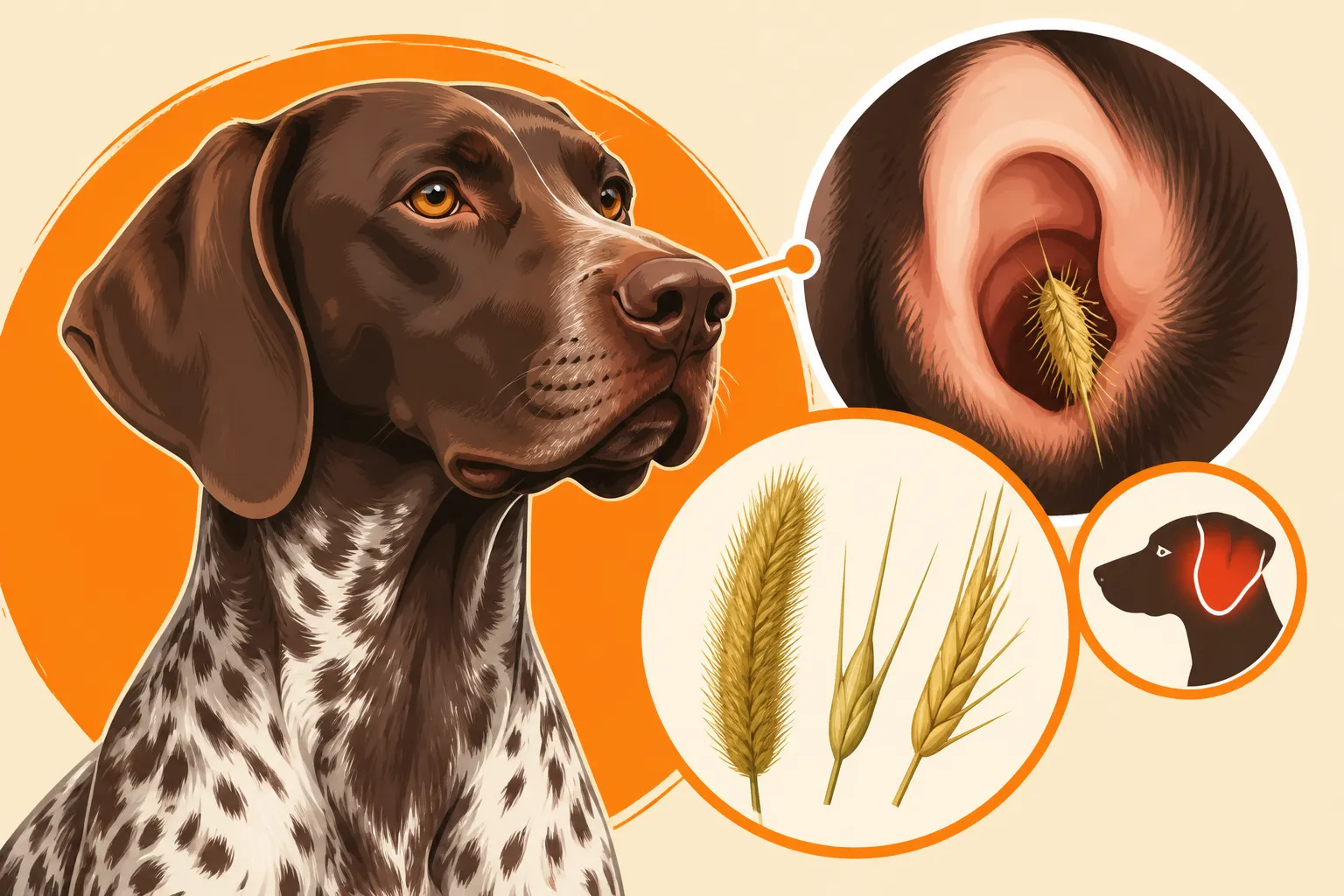
Foxtails and grass awns are essentially the seed heads of various types of grasses. They aren't just generic "seeds"; they possess a unique, barbed structure that makes them incredibly dangerous for animals, especially our active German Shorthaired Pointers who dive headfirst into dense cover. Think of them as nature's tiny, one-way arrowheads.
The Anatomy of a Menace
These grass seeds, often from common weeds like foxtail barley, cheatgrass, or wild oats, are designed for dispersal. What makes them so problematic is their shape: they're typically elongated with microscopic, backward-pointing barbs. Once they penetrate skin, an ear canal, or even a nostril, these barbs prevent the awn from backing out. Every movement the dog makes, every muscle contraction, only drives the awn further inward. It's a cruel design, ensuring the seed travels deeper into the tissue, sometimes migrating far from its initial entry point. They essentially act like miniature harpoons, relentlessly moving forward.
Where These Dangers Lurk
You'll find these treacherous plants most commonly in dry, grassy areas. This includes open fields, pastures, hiking trails, roadsides, and even neglected areas of your own yard. For a German Shorthaired Pointer, whose very essence is to hunt and range through such environments, these plants are an unavoidable part of their world. They’re prevalent in many parts of the United States, particularly in the West and Midwest, where dry summers allow these grasses to mature and release their awns. Areas with disturbed soil, like construction sites or recently mowed fields where the seeds are scattered, can be particularly hazardous. The worst time for exposure is typically late spring through fall when these grasses dry out and become brittle, making their seed heads easily detachable and ready to hitch a ride.
Common Entry Points and Early Signs
German Shorthaired Pointers are built for the field, but their very design, combined with their relentless drive, makes them highly susceptible to foxtail and grass awn intrusions. These sharp little seeds don't discriminate, but there are certain areas where they're most commonly found. Catching these problems early is crucial, so knowing what to look for is your best defense.
Paws and Between the Toes
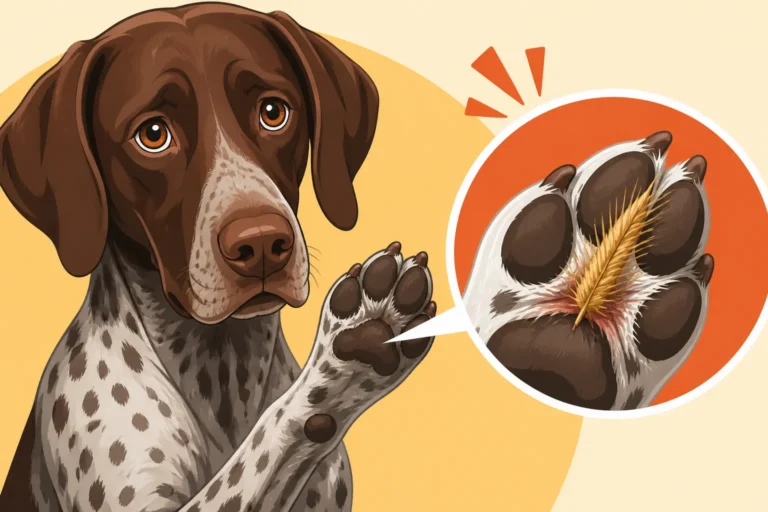
This is arguably the most common entry point for foxtails, especially for a dog that covers as much ground as a GSP. Their webbed feet, while excellent for water retrieves, also create perfect little pockets between their toes for seeds to lodge. As they run through tall grass and stubble, these awns can easily work their way into the paw pads or slip right between the digits. Once embedded, the barbs prevent them from falling out.
You might notice your shorthair suddenly limping, constantly licking or chewing at their paw, or even holding the paw up. The area might look swollen, red, or have a small, weeping puncture wound. If left untreated, an infection will almost certainly develop, turning into an abscess that is incredibly painful. Always make sure to perform a thorough check of your dog's paws after every outing, paying close attention to the spaces between the pads. Even a tiny black speck could be the tip of a much larger problem.
Ears, Eyes, and Nose
The GSP's distinctive, pendulous ears are wonderful for keeping out some debris, but they also create a warm, dark, enclosed space where a grass awn can easily get trapped and burrow. A dog with an ear full of foxtail will often shake their head violently, paw at their ear, tilt their head, or show signs of extreme discomfort. You might even see them rubbing their ear against furniture or the ground, desperate for relief. This can escalate quickly into a painful ear infection if the awn perforates the eardrum or causes significant irritation.
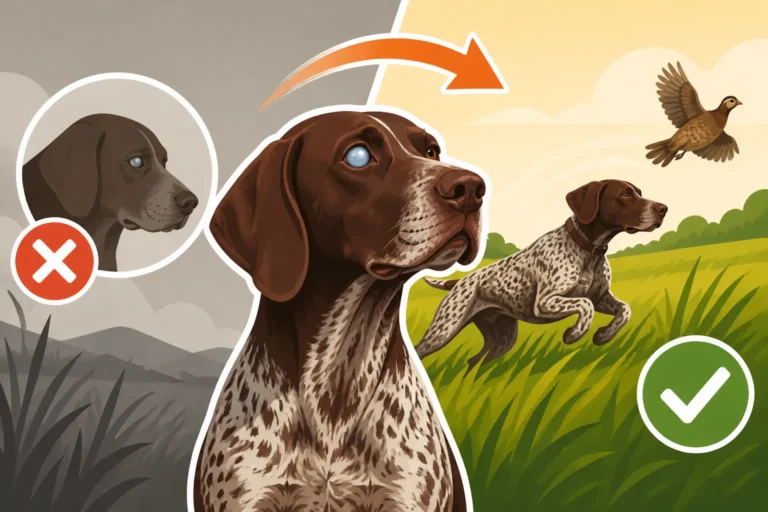
Eyes are another vulnerable spot. A foxtail can get lodged under the eyelid, causing severe irritation, redness, excessive tearing, and squinting. It feels like a persistent piece of grit, constantly scratching the delicate surface of the eye. If not removed promptly, it can cause corneal abrasions, ulcers, and potentially permanent damage. The moment you see your shorthair excessively blinking or rubbing their face, especially after a run through brush, check their eyes carefully.
Perhaps one of the most terrifying entry points is the nose. A GSP, with their incredible scenting ability, spends a lot of time with their nose to the ground, sniffing out game. It's incredibly easy for a dry grass awn to be inhaled up a nostril. The immediate signs are usually dramatic: violent sneezing fits that seem to go on forever, pawing at the nose, and sometimes even a bloody discharge from the affected nostril. The danger here is that the awn can migrate further into the nasal passages, sinuses, or even down into the trachea and lungs. If you suspect Grass Awns in a German Shorthaired Pointer's Nose, prompt veterinary attention is critical.
The Insidious Skin and Other Uncommon Sites
Foxtails can pierce the skin almost anywhere on a GSP's body. Their short, dense coat offers some protection, but it's not foolproof. The chest, armpits, and flanks are common targets as the dog pushes through thick cover. You might notice a small bump, a red inflamed area, or a draining lesion that just won't heal. Dogs often lick these areas incessantly, which only helps to drive the awn deeper and introduces more bacteria, leading to a secondary infection.
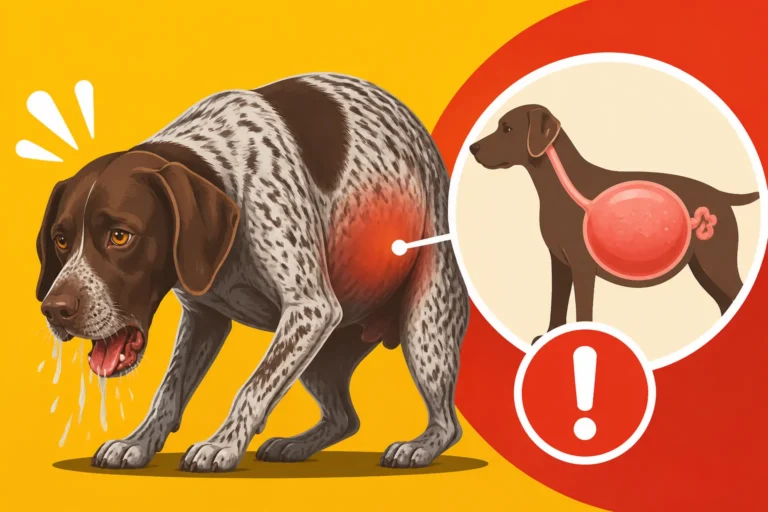
Less common, but far more dangerous, are instances where foxtails enter through the mouth or even the urethra. A dog might accidentally ingest an awn while grooming or drinking, and it can then embed in the throat, tonsils, or even travel down the esophagus. Urinary tract entry, while rare, can happen if a dog lays down in a patch of dry grass, leading to painful urination, frequent attempts to urinate, or blood in the urine. The bottom line is, if your GSP develops any unexplained lameness, licking, head shaking, coughing, or any sign of discomfort after being in areas known for foxtails, always consider an embedded awn until proven otherwise.
The Insidious Internal Journey: Migration and Complications
The real danger of foxtails and grass awns lies in their ability to migrate deep within a German Shorthaired Pointer's body. Their barbed structure means they act like tiny, relentless travelers, pushing further and further, often creating a trail of destruction and infection in their wake. What might start as a minor skin puncture can escalate into a life-threatening internal emergency.
Tracking a Treacherous Path
Once an awn enters the body, whether through the skin, nose, or ear, it rarely stays put. The body's natural movements – walking, breathing, muscle contractions, even the beating of the heart – can serve to propel these barbed seeds onward. From a paw, a foxtail can migrate up a leg, causing painful inflammation and abscesses along its path. I've heard too many stories of a foxtail entering a paw and ending up near the shoulder weeks later. From the nose, they can enter the sinuses, the brain cavity (though thankfully rare), or even travel down the windpipe into the lungs. This is particularly concerning, as a migrating awn in the lungs can cause severe pneumonia, lung abscesses, or even pneumothorax (collapsed lung).
In some truly alarming cases, foxtails have been known to migrate into body cavities, like the abdomen or chest. If an awn punctures the chest wall, it can cause debilitating pain, breathing difficulties, and widespread infection. An abdominal entry can lead to peritonitis, liver abscesses, or even damage to the spleen or intestines. These internal migrations are incredibly difficult to diagnose without advanced imaging and can be life-threatening if not identified and treated quickly. The insidious nature of these migrations is why initial symptoms can be vague and appear far removed from the actual entry point.
Infections, Abscesses, and Chronic Issues
The most common complication of a migrating foxtail or grass awn is infection. These seeds carry bacteria from the environment deep into sterile body tissues. As the awn travels, it creates a tunnel, which then fills with pus, forming an abscess. These abscesses can be incredibly painful, causing localized swelling, heat, and a draining tract. If the abscess ruptures internally, it can spread infection throughout the body.
Beyond acute infections, some GSPs can suffer from chronic issues if an awn isn't fully removed. A persistent cough, recurrent lameness, or unexplained fevers could all point to a retained foreign body. The body may try to wall off the foreign object, creating granulomas (masses of inflammatory tissue) that can be mistaken for tumors. Diagnosing these chronic cases can be a nightmare for vets, often requiring multiple imaging studies, exploratory surgery, and specialized expertise. It's a testament to why The Vet Bills a Hunting German Shorthaired Pointer Earns can escalate so quickly when dealing with these microscopic invaders.
Emergency Protocol: What to Do When You Suspect an Awn
Finding a foxtail or grass awn embedded in your German Shorthaired Pointer can be alarming, but knowing how to react quickly and effectively can make a significant difference in the outcome. Hesitation can lead to deeper migration and more severe complications, so a swift, informed response is paramount.
Immediate Actions and When to See the Vet
If you spot a foxtail or grass awn on the surface of your GSP's coat or just barely embedded in the outer layer of skin, you might be able to remove it yourself with a pair of tweezers. However, this is only advisable if the awn is clearly visible and has not penetrated deeply. If it has even slightly burrowed beneath the skin, or if you suspect it's entered an ear canal, nostril, or eye, do not attempt to remove it yourself. You risk breaking the awn, leaving barbs behind, or pushing it further in.
In any scenario where the awn is more than superficially embedded, or if you see any of the symptoms discussed earlier (violent sneezing, head shaking, persistent licking, limping, eye discharge), your immediate action should be to contact your veterinarian. This isn't a "wait and see" situation. Explain your suspicions clearly and request an emergency appointment. The sooner a professional can intervene, the better the chances of a straightforward removal and preventing severe migration or infection. Remember, your GSP is likely in significant pain or discomfort, even if they're stoic about it.
Diagnostic Tests and Removal Procedures
Once at the veterinary clinic, your vet will perform a thorough examination, focusing on the suspected entry point. For a paw, they might sedate your dog to meticulously probe the area between the toes or shave the fur around a suspected lesion to get a better look. For ear awns, a specialized otoscope will be used to visualize the ear canal and eardrum. If an awn is suspected in the nose, your vet may use an endoscope (a tiny camera) to navigate the nasal passages.
When an internal migration is suspected, the diagnostic process becomes more complex. X-rays are often the first step, though foxtails are radiolucent (meaning they don't show up well on X-rays) unless they've caused a significant abscess or inflammation around them. More advanced imaging like ultrasound, CT scans, or MRI might be necessary to pinpoint the exact location of the awn, especially if it's in the chest or abdomen. These procedures are costly and emphasize the financial importance of having pet insurance from companies like Healthy Paws, which can help cover these unexpected and often expensive emergencies.
Removal procedures vary greatly depending on the location and depth of the awn. Superficial awns might be removed with forceps under light sedation. Ear canal awns often require sedation or general anesthesia to allow for proper visualization and extraction. If the awn has migrated deeper, especially into the lungs, chest cavity, or abdomen, surgical intervention is almost always required. This can range from a minimally invasive endoscopic procedure to full exploratory surgery. Post-removal, your GSP will likely be prescribed antibiotics to combat infection and pain medication to manage discomfort during recovery.
Prevention is Key: Protecting Your Shorthair in the Field
When you own a German Shorthaired Pointer, being proactive about foxtails and grass awns isn't just a good idea—it's absolutely essential. Their high drive and boundless energy mean they'll always be plunging into the very places these dangers lurk. A robust prevention strategy can save you and your dog a world of pain, worry, and expense.
Gear and Environmental Management
One of the most effective ways to prevent foxtail entry is through protective gear. For a GSP running through heavy cover, investing in dog boots can offer excellent protection for their paws. While some dogs initially resist wearing them, with patience and positive reinforcement, most learn to tolerate them. Look for durable, well-fitting boots like those from Ruffwear or Kurgo, designed to stay on during rigorous activity. They won't just protect against foxtails; they'll also guard against cuts, scrapes, and extreme temperatures, offering comprehensive paw protection. Beyond boots, a protective vest, especially for dogs working through dense, thorny brush, can help shield their chest and belly from both physical trauma and potential awn penetration.
Environmental management is another crucial component. If you have a yard, regularly mow and remove any foxtail-prone grasses before they go to seed. Be vigilant about areas where your GSP plays. When out in the field, learn to identify common foxtail and cheatgrass species. While you can't avoid all of them, being aware of their presence can help you choose safer routes or exercise extra caution. Avoid letting your shorthair run through overgrown, dry fields where these grasses are prevalent, especially during late summer and fall. If an area is dense with known foxtail species, it might be worth finding an alternative training or hunting spot for that season.
The Critical Post-Hunt Check
This is perhaps the single most important preventative measure for any German Shorthaired Pointer owner. After every single outing, whether it's a long hunt or just a quick romp in a grassy park, you need to perform a thorough, head-to-tail inspection of your dog. This isn't a quick glance; it's a meticulous physical examination.
Start with their paws. Lift each paw, spread the toes wide, and carefully inspect the webbing and pads for any embedded seeds, redness, or punctures. Use your fingers to gently separate the hair and feel for lumps or foreign objects. For dogs with thick paw hair, consider Trimming the Hair Between a Shorthair's Pads to reduce hiding spots and make inspections easier. Next, move to the ears. Check inside the ear flaps and down into the canal as much as you can see. Look for any redness, discharge, or visible seeds.
Don't forget the eyes and nose. Gently open the eyelids and look for any debris. Wipe around the nostrils and observe if there's any discharge or signs of irritation. Then, systematically run your hands over their entire body, paying close attention to the chest, armpits, flanks, and groin area. These are prime spots for awns to embed. A fine-toothed comb can help dislodge any seeds clinging to the coat before they have a chance to burrow. It might seem tedious, but this routine can literally be a lifesaver, as discussed in Checking a German Shorthaired Pointer Over After a Hunt. If you find anything suspicious, refer back to the immediate action steps and contact your vet.
Recovery and Long-Term Management
Dealing with foxtails can be a stressful and often painful experience for both you and your German Shorthaired Pointer. However, with prompt and thorough veterinary care, most GSPs make a full recovery. The journey doesn't end with removal; there are important steps to ensure complete healing and prevent recurrence.
Post-Removal Care and Healing
After a foxtail or grass awn has been removed, your GSP will need careful attention to ensure proper healing. If the removal involved surgery, you'll need to follow your veterinarian's instructions precisely for wound care, medication administration (antibiotics, pain relievers, anti-inflammatories), and activity restriction. This often means kennel rest or limited leash walks to prevent sutures from tearing and allow the surgical site to heal properly. An Elizabethan collar (e-collar) might be necessary to prevent your dog from licking or chewing at the wound, which can introduce infection or cause the wound to reopen.
For non-surgical removals, such as those from an ear or nose, medication might still be prescribed to address inflammation or infection. Continue to monitor the affected area closely for any signs of worsening redness, swelling, discharge, or renewed discomfort. A lingering cough, a return of head shaking, or persistent lameness could indicate that not all of the awn was removed, or that secondary complications are developing. Don't hesitate to contact your vet if you have any concerns; it's always better to be safe than sorry, especially given how these awns can migrate.
Addressing Recurring Issues and Financial Preparedness
Unfortunately, some German Shorthaired Pointers are repeat offenders when it comes to foxtails, either due to their intense drive, the environments they frequent, or simply bad luck. If your GSP seems to be constantly finding these troublesome seeds, it's a clear sign that you need to re-evaluate and enhance your preventative measures. This might mean stricter adherence to boots when out in the field, choosing different hunting locations, or even being more aggressive about managing grassy areas around your home. For example, if your GSP keeps getting A Foxtail Lodged in a Shorthair's Paw, then boots are a definite must-have accessory for every outing.
The financial aspect of foxtail removal and treatment cannot be overstated. What starts as a seemingly minor issue can quickly escalate into hundreds or even thousands of dollars in vet bills, especially if surgery or extensive diagnostic imaging like CT scans or MRIs are required. This is where a robust pet insurance policy can be an absolute lifesaver. Companies like Healthy Paws offer comprehensive accident and illness plans that can cover a significant portion of these unexpected veterinary expenses. Knowing you have that safety net allows you to make the best medical decisions for your GSP without financial stress. It’s always wise to research and compare policies to ensure you have coverage that fits your needs and your GSP’s active lifestyle. Consider discussing pet insurance options with your vet, who can offer insights based on common issues they see.
Here's a quick reference table for common foxtail entry points and initial actions:
| Entry Point | Common Symptoms | Immediate Action | Potential Complications |
|---|---|---|---|
| Paws/Between Toes | Limping, licking, chewing, swelling, redness | Vet visit if embedded; remove superficially if visible and easy. | Abscesses, deep tissue infection, lameness |
| Ears | Violent head shaking, pawing, head tilt, pain | Vet visit (emergency); do NOT attempt removal yourself. | Ear infection, eardrum perforation, neurological issues (rare) |
| Nose | Violent sneezing, pawing at nose, bloody discharge | Vet visit (emergency); do NOT attempt removal yourself. | Sinus infection, lung abscess, pneumonia (from inhalation) |
| Eyes | Squinting, excessive tearing, redness, pawing | Vet visit (emergency); do NOT attempt removal yourself. | Corneal abrasion, ulcer, blindness (if severe and untreated) |
| Skin/Coat | Licking, draining wound, lump, tenderness | Vet visit if embedded; remove superficially with tweezers if visible. | Abscesses, cellulitis, deep migration, granuloma formation |
It’s crucial for owners of active breeds like the German Shorthaired Pointer to integrate these awareness and prevention strategies into their routine. This includes maintaining a consistent The Vet Schedule a Working Shorthair Should Keep and always performing thorough checks after every outdoor adventure. While we can’t eliminate all risks, we can certainly minimize them, allowing our incredible GSPs to enjoy the fields and cover they were born to explore.
Disclaimer
This article is intended for informational purposes only and does not constitute veterinary advice. Always consult with a qualified veterinarian for any health concerns or before making any decisions about your German Shorthaired Pointer's care.