Dilated Cardiomyopathy and a Shorthair’s Diet
It's a gut punch when your energetic German Shorthaired Pointer starts showing signs of slowing down, especially when those signs point to something as serious as heart disease. The worry is immense, and navigating the complexities of canine health, particularly conditions like Dilated Cardiomyopathy (DCM) and its potential link to diet, can feel incredibly overwhelming. This guide aims to demystify DCM in GSPs, exploring what it is, the latest research connecting it to certain diets, and how you can take proactive steps to protect your beloved hunting companion.
Understanding Dilated Cardiomyopathy in German Shorthaired Pointers
Dilated Cardiomyopathy, or DCM, is a severe heart condition that unfortunately affects many dog breeds, including our beloved German Shorthaired Pointers. It's a progressive disease, meaning it gets worse over time, and it directly impacts the heart's ability to pump blood effectively throughout the body. For a breed known for its boundless energy and working prowess, a compromised heart can be devastating.
How DCM Affects the Shorthair's Heart
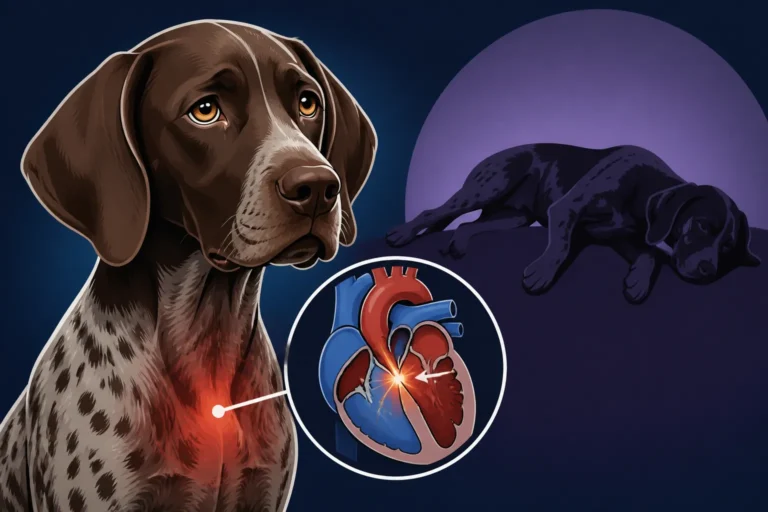
Imagine your GSP's heart as a powerful, tireless engine, constantly pushing blood to muscles that work hard in the field. In a dog with DCM, the walls of the heart's main pumping chamber, the left ventricle, become thin and stretched out. This enlargement, or dilation, means the heart muscle itself becomes weak and flabby, losing its ability to contract forcefully. Instead of a strong, efficient pump, you end up with a dilated, weaker pump that can't move enough blood with each beat.
This reduced pumping efficiency has a cascade of effects. Blood starts to back up in the lungs, leading to fluid accumulation, which we call pulmonary edema, or more broadly, congestive heart failure. The body, deprived of sufficient oxygen and nutrients, begins to suffer. For an active GSP, this means a dramatic decrease in stamina, difficulty breathing, and eventually, if left untreated, it can be fatal. It’s not like a simple heart murmur a German Shorthaired Pointer puppy can carry; DCM is a much more serious and insidious threat to their overall well-being and lifespan.
Genetic Predisposition Versus Acquired Factors
For a long time, DCM was primarily thought of as a genetic condition, particularly prevalent in large and giant breeds like Doberman Pinschers, Boxers, and Great Danes. We know that certain lines of GSPs can also be genetically predisposed, meaning some dogs inherit genes that make them more susceptible to developing the disease. If you're considering a puppy, it's always wise to ask about the cardiac health history of the parents and their ancestors, and reputable breeders will be transparent about this.
However, in recent years, the conversation has broadened to include acquired factors, specifically diet. This has been a huge source of anxiety and confusion for many GSP owners, as it suggests that something as fundamental as what we feed our dogs could be contributing to such a serious health issue. It throws into question many long-held beliefs about "healthy" dog foods and has prompted a lot of veterinarians, researchers, and owners to re-evaluate what goes into our dogs' bowls. This shift means that even if your GSP doesn't come from a line with known cardiac issues, dietary choices might still play a role in their heart health, which is a lot for any dedicated owner to process.
The Diet-Heart Connection: What We Know So Far
The link between diet and DCM in dogs, particularly in breeds not typically associated with genetic DCM, has become a hot topic and a major concern for pet owners. The Food and Drug Administration (FDA) launched an investigation into this potential link, highlighting what are often referred to as "boutique," "exotic ingredient," and "grain-free" (BEG) diets. It’s a nuanced issue, and the science is still evolving, but understanding the current hypotheses can help you make informed decisions for your GSP.
The Role of Taurine and Other Nutrients
One of the primary theories revolves around taurine, an amino acid crucial for normal heart function. Dogs can typically synthesize taurine from other amino acids like methionine and cysteine. However, in some cases, dogs fed certain diets, particularly certain BEG diets, have shown lower blood taurine levels, leading to taurine-deficient DCM. When taurine levels are insufficient, the heart muscle weakens and dilates, mirroring the effects of genetic DCM.
It’s not just about taurine deficiency, though. Researchers are also exploring other potential nutritional imbalances. Some diets might contain ingredients that interfere with taurine absorption or metabolism. Other theories suggest deficiencies in other essential nutrients, or even the presence of certain anti-nutrients in high concentrations, could be contributing factors. It’s a complex puzzle, and experts are still working to put all the pieces together. Getting your GSP's taurine levels in German Shorthaired Pointers checked might be a wise step if you're concerned about their diet.
Grain-Free Diets and the FDA Investigation
The FDA's investigation, which began in 2018, focused on a noticeable increase in DCM cases in breeds not traditionally prone to the condition, specifically those being fed grain-free diets or those containing high proportions of peas, lentils, other legume seeds, and potatoes as main ingredients. These ingredients often replace grains like corn, rice, and wheat in grain-free formulations.
The exact mechanism behind the suspected link is still being researched. Some theories suggest these ingredients might:
- Interfere with Taurine Metabolism: High levels of certain fibers or plant proteins could bind to taurine precursors or taurine itself, making them unavailable for absorption or synthesis.
- Nutrient Displacement: By replacing nutrient-rich grains, these diets might lead to deficiencies in other vital micronutrients essential for cardiac health.
- Specific Anti-Nutrients: Some legumes contain compounds that could negatively impact nutrient absorption or cardiac function.
It’s important to remember that not all grain-free diets are implicated, and not all dogs on these diets will develop DCM. However, the correlation has been strong enough to warrant serious concern and caution. This situation has left many owners feeling frustrated and confused, having been told for years that grain-free was a healthier, more "natural" option for their dogs. Understanding "Grain Free Food and a Shorthair's Heart" is crucial for making informed decisions.
Evaluating Your GSP's Current Diet
Given the ongoing concerns, taking a critical look at your GSP's diet is a sensible step. This isn't about panicking or making drastic changes overnight, but rather about informed evaluation and consultation with your veterinary team.
Here’s how to approach it:
- Review Ingredients: Check the ingredient list of your dog’s current food. Are peas, lentils, chickpeas, or potatoes among the first few ingredients? If so, your GSP might be on a diet of concern. Look beyond just "grain-free" labels; some diets that do contain grains might still have high levels of legumes.
- Research Brands: Some dog food brands have been more frequently implicated in DCM cases reported to the FDA. While no definitive "bad list" has been published, discussion among veterinary cardiologists and pet nutritionists often highlights certain brands. Websites like the Ohio State University's College of Veterinary Medicine have excellent resources on this topic.
- Consult Your Vet: This is perhaps the most crucial step. Your regular veterinarian can help you assess your GSP’s current diet, discuss the risks, and recommend appropriate changes. They might suggest switching to a diet from a brand that employs veterinary nutritionists, conducts feeding trials, and adheres to WSAVA (World Small Animal Veterinary Association) guidelines. These brands often have a longer history of safety and extensive research behind their formulations.
- Consider a Cardiac Exam: If your GSP has been on a BEG diet for an extended period, especially if you notice any subtle changes in their energy or breathing, your vet might recommend a cardiac workup. This could involve an echocardiogram or blood tests, including the cardiologist exam a breeding Shorthair needs or even a specialized test for taurine levels.
This table provides a generalized overview of diet types and their perceived association with DCM risk based on current ongoing research and veterinary recommendations.
| Diet Type | Typical Primary Carbohydrate Sources | Perceived DCM Risk (Current Research) | Key Considerations for GSP Owners |
|---|---|---|---|
| Traditional Grain-Inclusive Diets | Corn, wheat, rice, barley | Low (when formulated by reputable brands) | Choose brands with scientific research and veterinary nutritionist oversight. |
| Boutique/Exotic Ingredient Grain-Free Diets | Peas, lentils, chickpeas, potatoes | Elevated (under FDA investigation) | Often lack extensive feeding trials. Discuss with vet, especially if legumes are primary ingredients. |
| Limited Ingredient Diets (LID) | Various, often novel proteins/carbs | Variable (depends on ingredients) | Useful for allergies, but ensure nutritional completeness and taurine support. |
| Raw/Home-Cooked Diets | Meat, bones, organs, vegetables | Variable (risk of nutritional imbalance) | Requires careful formulation by a veterinary nutritionist to be complete and balanced. |
Always remember that this is a developing area of science, and blanket statements are hard to make. The best approach is always a personalized one, in consultation with your trusted veterinarian.
Recognizing the Signs and What to Do
One of the most frustrating aspects of DCM is that the early signs can be incredibly subtle, easily mistaken for general aging or just an "off day." For an active breed like the German Shorthaired Pointer, whose energy levels are usually through the roof, noticing these changes can be particularly challenging. Their strong will to please and their innate drive to work might also mask symptoms until the disease has progressed significantly.
Subtle Early Symptoms to Watch For
It's natural to miss the initial whispers of a serious health issue, but being vigilant can make a world of difference. Here are some of the subtle signs that might indicate a developing heart problem in your GSP:
- Decreased Stamina or Exercise Intolerance: Your GSP, who usually chases pheasants for hours or keeps up on a long run, might start tiring more quickly. They might lag behind, refuse to continue an activity they once loved, or just seem generally less enthusiastic about exercise. This isn't just "slowing down"; it's a noticeable drop in their usual endurance. It might even affect how long a working German Shorthaired Pointer stays sound in the field.
- Changes in Breathing: You might notice slightly heavier breathing after moderate exercise, or your dog might take longer to recover their breath. A persistent, soft cough, especially when resting or at night, could also be a red flag, as it can indicate fluid buildup in the lungs.
- Lethargy or Reduced Playfulness: While GSPs have their quiet moments, a consistent lack of interest in play, a general sluggishness, or spending more time sleeping than usual warrants attention. They might just not seem "themselves."
- Loss of Appetite or Weight Loss: A GSP with heart issues might not have the robust appetite they once did. If they're skipping meals or you notice unexplained weight loss despite eating, it could be a symptom.
- Restlessness or Discomfort: Some dogs with early heart failure become restless, especially at night, as they struggle to get comfortable due to fluid in their lungs.
These symptoms, individually, might seem minor. But if you notice a combination of them, or if any one symptom persists or worsens, it's time to act. Don't dismiss them as just "getting old" without veterinary consultation.
When to Seek Veterinary Attention
If you observe any of the aforementioned signs, or if you simply have a nagging feeling that something isn't quite right with your GSP, don't hesitate. Schedule an appointment with your veterinarian promptly. Early diagnosis and intervention can significantly impact the prognosis and quality of life for a dog with DCM.
During your visit, be prepared to provide a detailed history of your dog's symptoms, including when they started, how frequently they occur, and any changes in appetite, activity level, or breathing. Your vet will conduct a thorough physical examination, which will likely include listening to your GSP's heart and lungs for abnormalities like murmurs or crackles. They might also check your dog's pulse and mucous membranes.
If heart disease is suspected, your vet will likely recommend further diagnostic tests. These could include:
- Chest X-rays: To look for an enlarged heart or fluid accumulation in the lungs.
- Echocardiogram: This is a specialized ultrasound of the heart that allows the vet to visualize the heart's chambers, measure their size, assess wall thickness, and evaluate blood flow and pumping function. This is often performed by a veterinary cardiologist and is the most definitive way to diagnose DCM.
- Electrocardiogram (ECG): To evaluate the heart's electrical activity and detect any arrhythmias.
- Blood Tests: Including a complete blood count (CBC) and biochemistry panel to assess overall health, organ function, and sometimes specific cardiac biomarkers like NT-proBNP, which can indicate heart stress. As mentioned earlier, your vet might also suggest checking taurine levels in German Shorthaired Pointers, especially if your dog is on a diet of concern.
These tests are crucial for getting an accurate diagnosis and determining the severity of the disease. While the thought of extensive vet bills can be daunting, remember that pet insurance, such as a plan from Healthy Paws, can be incredibly helpful in mitigating these unexpected costs, allowing you to prioritize your dog's health without added financial stress.
Proactive Measures and Management for GSP Heart Health
Hearing a diagnosis of DCM can be heartbreaking, but it's not the end of the road. With careful management, proactive steps, and a strong partnership with your veterinary team, many German Shorthaired Pointers can still enjoy a good quality of life. The key is consistent care and vigilance.
Working with Your Vet and a Veterinary Cardiologist
Once DCM is diagnosed, your general practitioner veterinarian will typically refer you to a board-certified veterinary cardiologist. These specialists have advanced training and equipment to manage complex heart conditions. They will work closely with you to develop a tailored treatment plan for your GSP. Don't be shy about asking questions and expressing your concerns; this is your dog, and you are their advocate.
Your cardiologist will establish a monitoring schedule, which might involve regular echocardiograms, chest X-rays, and blood work to track the progression of the disease and the effectiveness of medications. These ongoing assessments are vital. For some owners, the idea of these specialized appointments can be overwhelming, but organizations like the American College of Veterinary Internal Medicine (ACVIM) can help you locate a qualified cardiologist in your area. Remember, regular check-ups and specialized consultations can add up, but services like Healthy Paws pet insurance often help cover the costs of specialist visits and ongoing treatments for chronic conditions.
Dietary Adjustments and Supplementation
Dietary management is a cornerstone of DCM treatment and prevention, especially in cases where a nutritional link is suspected.
- Diet Change: If your GSP is currently on a grain-free diet or one high in legumes, your vet or cardiologist will almost certainly recommend switching to a diet from a reputable brand that adheres to WSAVA guidelines. These diets have undergone extensive feeding trials and are formulated with proven ingredients and nutrient profiles. Brands like Purina Pro Plan, Royal Canin, Hill's Science Diet, and Eukanuba are frequently recommended by veterinary cardiologists for their rigorous research and quality control.
- Taurine Supplementation: If taurine deficiency is confirmed or strongly suspected, your vet will prescribe taurine supplements. The dosage will be carefully determined based on your dog's size and the severity of the deficiency. This is not something to self-medicate; proper veterinary guidance is crucial. Other supplements like L-carnitine or Omega-3 fatty acids might also be considered, based on individual needs, as they can support overall cardiac function and reduce inflammation.
- Sodium Restriction: In some cases, particularly if your GSP is showing signs of congestive heart failure, a low-sodium diet might be recommended to help manage fluid retention. Your vet or cardiologist will advise if this is necessary.
It’s important to make dietary changes gradually to avoid digestive upset. Always introduce new food slowly over 7-10 days, mixing increasing amounts of the new food with decreasing amounts of the old. If your GSP is feeding a German Shorthaired Pointer that has stopped hunting due to heart issues, calorie intake might also need adjustment to maintain a healthy weight without overstressing the heart.
Regular Monitoring and Lifestyle Considerations
Managing DCM isn't just about medication and diet; it's about a holistic approach to your GSP's lifestyle.
- Medication Adherence: Your GSP will likely be prescribed multiple medications to manage heart function, reduce fluid buildup, and control arrhythmias. Administering these medications consistently and exactly as prescribed by your vet is paramount. Do not skip doses or alter dosages without consulting your vet, even if your dog seems to be doing better.
- Controlled Exercise: While strenuous activity is usually restricted for GSPs with DCM, complete inactivity isn't beneficial either. Your vet or cardiologist will provide guidelines on appropriate exercise levels. This might mean shorter, more frequent leashed walks instead of long, intense runs. The goal is to maintain muscle mass and mental well-being without overtaxing the heart. Knowing what a ten year old German Shorthaired Pointer can still do physically is important, but for a dog with DCM, those limits will be significantly altered.
- Weight Management: Keeping your GSP at a healthy, lean body weight is crucial. Excess weight puts additional strain on an already compromised heart.
- Stress Reduction: Try to minimize stress in your GSP's environment. A calm, consistent routine can be beneficial for overall health, including cardiovascular health.
- Home Monitoring: Learn to monitor your GSP's resting respiratory rate (breaths per minute while sleeping or resting calmly). An increase can be an early indicator of fluid accumulation in the lungs and should prompt a call to your vet. You can also monitor gum color and overall energy levels.
- Regular Vet Visits: Even if your GSP seems stable, adhering to the regular veterinary check-up schedule is vital. These appointments, along with annual bloodwork like "Yearly Bloodwork Costs on a Shorthair", help catch any changes early and adjust treatment as needed.
Dealing with DCM in your German Shorthaired Pointer is a journey, not a destination. It requires dedication, patience, and a close working relationship with your veterinary team. While it's an incredibly tough diagnosis, focusing on proactive care and making informed choices regarding diet and lifestyle can help your beloved GSP live their best possible life.
Disclaimer
Please remember that this article is for informational purposes only and is not a substitute for professional veterinary advice. If you suspect your German Shorthaired Pointer has Dilated Cardiomyopathy or any other health concern, please consult with your veterinarian immediately. Only a qualified veterinary professional can diagnose and recommend appropriate treatment plans for your individual dog.