Echocardiograms for a German Shorthaired Pointer
It's incredibly unsettling when your energetic German Shorthaired Pointer, who usually never stops, starts showing signs of slowing down, coughing, or just seems a bit off, and your vet mentions a possible heart issue. The immediate jump to fear is completely normal, and hearing terms like "heart murmur" or "enlarged heart" can feel overwhelming. This guide is here to walk you through what an echocardiogram is for your beloved GSP, why it might be recommended, what to expect, and how it can provide crucial answers and a path forward for managing their health.
What Exactly Is an Echocardiogram for Your GSP?
When your German Shorthaired Pointer's vet raises concerns about their heart, it's natural to feel a knot in your stomach. We all want our GSPs to be the picture of boundless energy, chasing pheasants or tearing across the dog park, and any hint of a health issue, especially one involving the heart, can be truly frightening. An echocardiogram might sound intimidating, but it's actually a very common, non-invasive diagnostic tool that gives veterinarians an incredibly detailed look at your dog's most vital organ.
Beyond the Basic Vet Check-Up
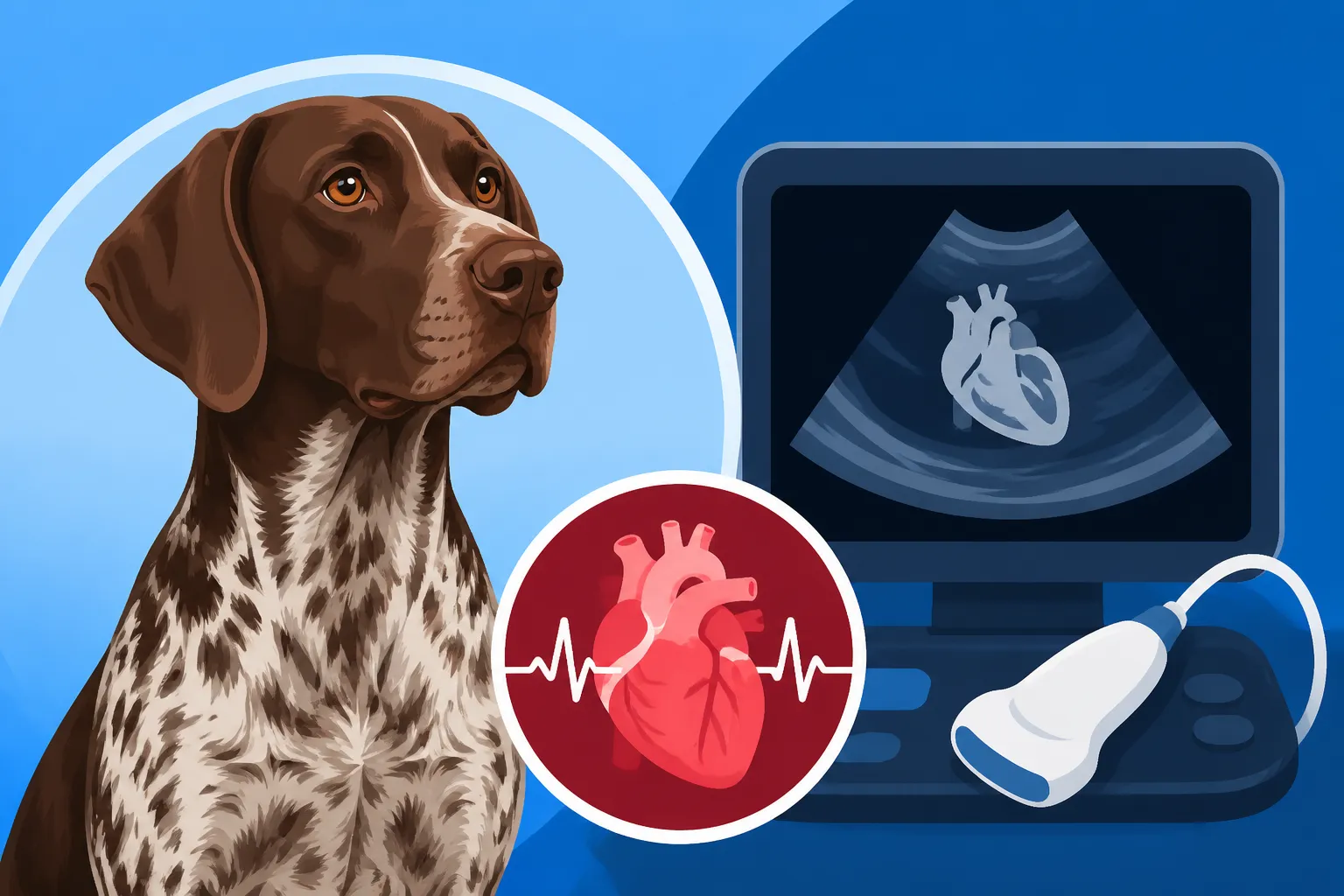
Think of an echocardiogram as a specialized ultrasound for the heart. Unlike an X-ray, which gives a static image of the heart's size and shape, or an electrocardiogram (ECG) which measures electrical activity, an echo provides real-time, moving images of the heart's structures. It uses sound waves to create a dynamic picture of the heart chambers, valves, and surrounding vessels as they contract and relax. This means the veterinary cardiologist can see exactly how the blood is flowing, whether the valves are opening and closing properly, if there are any abnormalities in the heart muscle itself, and even measure the thickness of the heart walls. It's truly remarkable technology that gives a living, breathing view of what's happening inside.
Why Your Vet Might Recommend One
Your regular veterinarian has a lot of tools at their disposal, starting with that trusty stethoscope. They might pick up on a heart murmur during a routine physical exam, or perhaps they've noticed an irregular heartbeat. Sometimes, you, the owner, might report symptoms that concern them, such as coughing, decreased exercise tolerance, or even fainting spells. For a breed like the German Shorthaired Pointer, which can be prone to certain cardiac conditions, an echocardiogram isn't just a shot in the dark; it's often the gold standard for diagnosis. It allows the vet to pinpoint the exact nature and severity of any heart problem, helping them differentiate between an innocent murmur and a significant structural issue. It's also a vital part of responsible breeding, ensuring that potential breeding dogs aren't passing on inherited heart defects to future generations.
When and Why Your GSP Might Need This Heart Scan
It’s one thing to hear your vet say "heart murmur" during a puppy visit or a routine check-up, and quite another to understand the full implications for your active German Shorthaired Pointer. The decision to pursue an echocardiogram isn't taken lightly, and it's usually recommended for very specific reasons that require a deeper dive into your dog's cardiac health.
Investigating Heart Murmurs and Irregularities
A heart murmur is essentially an abnormal sound heard through a stethoscope, caused by turbulent blood flow. While some murmurs, especially in young puppies, can be benign and disappear as they mature, others are indicative of serious underlying heart disease. Your vet might grade the murmur from 1 to 6, with higher numbers usually indicating more significant turbulence. An echocardiogram helps identify the exact cause of this turbulence. For German Shorthaired Pointers, a condition called subaortic stenosis (SAS) is a significant concern. This is a narrowing of the outflow tract from the left ventricle, making the heart work harder to pump blood. Subaortic Stenosis in a Young German Shorthaired Pointer can be subtle initially, but an echo can precisely measure the degree of narrowing and the velocity of blood flow, which is crucial for diagnosis and prognosis. Without an echocardiogram, it’s impossible to know if that murmur is just a harmless flow sound or a red flag for a condition that could impact your GSP's lifespan and quality of life. The detailed images from the echo can also reveal other irregularities, such as valve malformations, holes in the heart walls (septal defects), or abnormal chamber sizes that might not be detected by other means.
Pre-Breeding Screening and Inherited Conditions
For German Shorthaired Pointer breeders who are committed to producing healthy puppies, an echocardiogram is not just a recommendation; it's a fundamental part of a comprehensive health screening protocol. Many cardiac conditions, including SAS, have a genetic component, meaning they can be passed down from parents to offspring. Therefore, a thorough The Cardiologist Exam a Breeding Shorthair Needs typically includes an echocardiogram performed by a board-certified veterinary cardiologist. This screening aims to identify affected dogs before they are bred, preventing the propagation of these genetic diseases. Imaging helps ensure that only GSPs with sound hearts are part of the breeding program, safeguarding the health of the entire breed. It's a testament to responsible breeding practices and a key factor in reducing the incidence of inherited heart disease. It's a huge financial and emotional commitment for breeders, but one that is absolutely vital for the future of our beloved GSPs.
Monitoring Known Heart Conditions
If your German Shorthaired Pointer has already been diagnosed with a heart condition, an echocardiogram becomes an indispensable tool for ongoing management. Think of it like a regular check-up for the heart. It allows the veterinary cardiologist to monitor the progression of the disease, assess the effectiveness of medication, and make necessary adjustments to the treatment plan. For example, if your GSP is on medication for dilated cardiomyopathy or a similar issue, repeat echocardiograms can show if the heart chambers are reducing in size, if the contractility is improving, or if the disease is progressing despite treatment. These scans provide objective data that helps guide decisions about dosage, introduction of new medications, or even discussions about quality of life. It offers peace of mind knowing that you and your vet are doing everything possible to keep your GSP comfortable and healthy for as long as possible.
The Process of an Echocardiogram and What to Expect
The thought of your German Shorthaired Pointer undergoing any medical procedure can be nerve-wracking, especially when it involves their heart. But understanding the steps of an echocardiogram can help alleviate some of that anxiety and prepare you for what's to come. It's generally a very safe and stress-free experience for most dogs, designed to be as comfortable as possible for them.
Before, During, and After the Scan
- Before the Scan: Typically, very little preparation is needed on your part. Your GSP usually doesn't need to fast, and you can generally feed them normally unless your vet specifically advises otherwise. The biggest "prep" involves ensuring your dog is relatively calm. Many clinics prefer to keep dogs awake for the procedure, as sedatives can sometimes affect heart function, potentially skewing results. However, if your GSP is particularly anxious or prone to being uncooperative, your vet might recommend a very mild sedative, so discuss this openly with them. When you arrive at the veterinary cardiology clinic, a technician or vet will usually shave a small patch of fur on your GSP's chest, usually on the right side. This allows for better contact between the ultrasound probe and the skin, ensuring clear images. Don't worry, the hair grows back quickly!
- During the Scan: Your GSP will typically be laid on their side, often on a special table with a cut-out or a foam cushion to allow the probe to be placed directly against their chest. A special ultrasound gel, similar to what's used in human ultrasounds, will be applied to the shaved area. The cardiologist or technician will then use a handheld transducer (the probe) to capture images of the heart from various angles. They'll be looking at all four chambers, the valves, the major blood vessels, and the overall pumping action. The procedure itself is painless; your dog might just feel a bit of pressure from the probe and the cool sensation of the gel. Most GSPs tolerate it well, often just lying there patiently, perhaps wondering what all the fuss is about. The entire scan usually takes between 30 to 60 minutes, depending on the dog's cooperation and the complexity of the findings.
- After the Scan: Once the images are captured, the gel will be wiped off, and your GSP can get up. If a sedative was used, they might be a little groggy, so you'll receive instructions on post-sedation care. If no sedative was given, they'll be ready to go almost immediately. The cardiologist will review the images and generate a report, often discussing preliminary findings with you right away. A detailed report will usually follow, sometimes sent directly to your primary veterinarian to integrate into your GSP's overall health plan.
Understanding the Results
When the cardiologist reviews your GSP's echocardiogram, they are meticulously examining several key aspects of the heart's function and structure. They'll be looking at things like:
- Chamber Size and Wall Thickness: Are the heart's pumping chambers (ventricles and atria) of normal size? Are the walls of the ventricles too thick or too thin? Abnormalities here can indicate conditions like dilated cardiomyopathy or hypertrophic cardiomyopathy, though the latter is less common in GSPs.
- Valve Function: Are the heart valves opening fully and closing completely? Leaky or stiff valves can lead to inefficient blood flow and murmurs.
- Blood Flow Velocity and Direction: Using Doppler ultrasound, the cardiologist can visualize and measure the speed and direction of blood flow. This is critical for detecting conditions like subaortic stenosis, where blood flow through a narrowed area is much faster. It can also detect shunts or other abnormal flow patterns.
- Pericardial Effusion: This refers to fluid accumulation around the heart, which can impair its ability to pump effectively.
- Overall Contractility: How strongly is the heart muscle contracting? This indicates the heart's pumping efficiency.
The results will typically include measurements of various heart structures and flow velocities, often compared to normal reference ranges for German Shorthaired Pointers and dogs of similar size. The cardiologist will then interpret these findings, explaining what they mean for your individual GSP, whether it's a benign finding, a mild condition requiring monitoring, or a more serious issue needing immediate treatment. This detailed information is vital for creating an effective treatment plan.
Costs and Financial Planning
Let's be realistic: specialized veterinary care, particularly from a board-certified cardiologist, isn't inexpensive. The cost of an echocardiogram for a German Shorthaired Pointer can vary significantly based on your location, the specific veterinary cardiology clinic, and whether a sedation is required. Generally, you can expect the cost to range from a few hundred dollars to upwards of a thousand dollars. This usually includes the cardiologist's consultation, the scan itself, and the interpretation of the results.
This is where pet insurance can truly be a lifesaver. Companies like Healthy Paws offer comprehensive plans that, once your deductible is met, can cover a significant portion of these diagnostic costs, making specialized care much more accessible. It's a proactive step many GSP owners take, especially knowing the breed's potential predispositions. Without insurance, it's wise to discuss all potential costs upfront with the veterinary clinic. Don't hesitate to ask for a detailed estimate before proceeding, so you can make informed financial decisions. Having an emergency fund or exploring options like veterinary credit lines, such as CareCredit, can also provide a safety net when unexpected cardiac issues arise for your active companion. Planning ahead, even if it's just setting aside some savings monthly, can alleviate a lot of stress should your GSP ever need this kind of specialized care.
Here’s a quick overview of common heart diagnostic tools:
| Diagnostic Tool | What It Assesses | Invasive? | Information Provided | Common Cost Range (Approx.) |
|---|---|---|---|---|
| Stethoscope Exam | Presence of murmurs, arrhythmias, heart rate | No | Initial detection of abnormal heart sounds or rhythms | Part of regular vet visit |
| Electrocardiogram (ECG) | Electrical activity of the heart | No | Detects arrhythmias, heart rate, conduction abnormalities | $50 – $200 |
| X-ray (Radiographs) | Heart size, shape, position; fluid in lungs/chest | No | General overview of heart enlargement, pulmonary edema | $150 – $400 |
| Echocardiogram | Real-time heart structure, function, blood flow | No | Detailed valve function, chamber size, muscle thickness, blood flow | $400 – $1,000+ |
| Blood Tests | Cardiac biomarkers (e.g., proBNP), general health | Minimal | Indication of heart stress/damage, rule out other conditions | $100 – $300 |
Living with a German Shorthaired Pointer Heart Condition
Receiving a diagnosis of a heart condition for your German Shorthaired Pointer can feel devastating. Your mind immediately races to all the things they love to do – running in the fields, fetching for hours, swimming in the lake – and you worry about how this will impact their vibrant life. It's a heavy burden, but with proper management and a dedicated team, many GSPs can continue to live fulfilling lives.
Management and Lifestyle Adjustments
Once an echocardiogram has provided a clear diagnosis, your veterinary cardiologist will work with you to develop a tailored management plan. This often involves medication, which could range from diuretics to control fluid buildup, to drugs that improve heart contractility or regulate rhythm. Administering medication to a GSP can sometimes be a challenge due to their intelligence and tendency to spit out pills, but creative solutions like pill pockets or wrapping them in their favorite cheese can often work wonders.
Lifestyle adjustments are also crucial. For some conditions, like significant subaortic stenosis, strenuous exercise may need to be limited to prevent exacerbation or sudden collapse. Whether a Shorthair With SAS Should Be Exercised is a critical discussion to have with your vet, as maintaining appropriate activity levels is still important for their mental and physical well-being. For others, diet modifications might be recommended, such as a low-sodium diet to reduce fluid retention. Regular monitoring, including follow-up echocardiograms and blood tests, will become part of your routine to ensure the treatment plan remains effective. It's all about finding that balance between managing the condition and allowing your GSP to enjoy life as much as possible.
The Emotional Toll on Owners
It's absolutely okay to feel a profound emotional impact when your GSP is diagnosed with a heart condition. These dogs aren't just pets; they're family, hunting partners, and loyal companions. The worry about their future, the financial strain of ongoing care, and the fear of losing them can be immense. The Murmur Grade That Worries a Shorthair Breeder is a specific example of the kind of anxiety that can permeate the community. You might find yourself constantly watching them for signs of distress, second-guessing every cough or moment of lethargy. This stress is real, and it's important to acknowledge it.
Lean on your support network, whether that's your family, friends, fellow GSP enthusiasts, or even online communities dedicated to dogs with heart conditions. Sharing your concerns and experiences can be incredibly cathartic. Your veterinary team is also a vital resource, not just for medical advice but for emotional support. Don't hesitate to ask them questions, no matter how small, and express your concerns. Remember, you're not alone in this journey, and prioritizing your own well-being is important so you can continue to be the best advocate for your GSP.
The Importance of Regular Follow-Ups
Living with a German Shorthaired Pointer with a heart condition isn't a one-and-done diagnosis; it's an ongoing journey that requires vigilance and consistent care. Regular follow-up appointments with your veterinary cardiologist are absolutely paramount. These appointments aren't just about refilling prescriptions; they're opportunities to reassess your GSP's condition, track progression or improvement, and make necessary adjustments to their treatment plan. The heart is a dynamic organ, and its function can change over time, even with medication.
During follow-ups, the cardiologist might perform another echocardiogram, repeat blood tests (like proBNP to monitor heart stress), and review your dog's current symptoms and activity levels. These visits allow for proactive adjustments, ensuring that the medication dosage is still appropriate, or that new therapies are considered if the disease is progressing. Diligent adherence to this schedule is key to maximizing your GSP's comfort and extending their lifespan. Companies like Healthy Paws can often help with the costs of these recurring diagnostic tests and medications, making long-term management more manageable and less of a financial burden. Your commitment to these follow-ups is one of the greatest gifts you can give your GSP, allowing them to continue living their best life, full of joy and adventure, despite their heart condition.
Disclaimer
This article is intended for informational purposes only and does not constitute medical advice. Always consult with a qualified veterinarian or veterinary specialist for any health concerns or before making any decisions about your German Shorthaired Pointer's care.