Blue Green Algae and a Swimming Shorthair
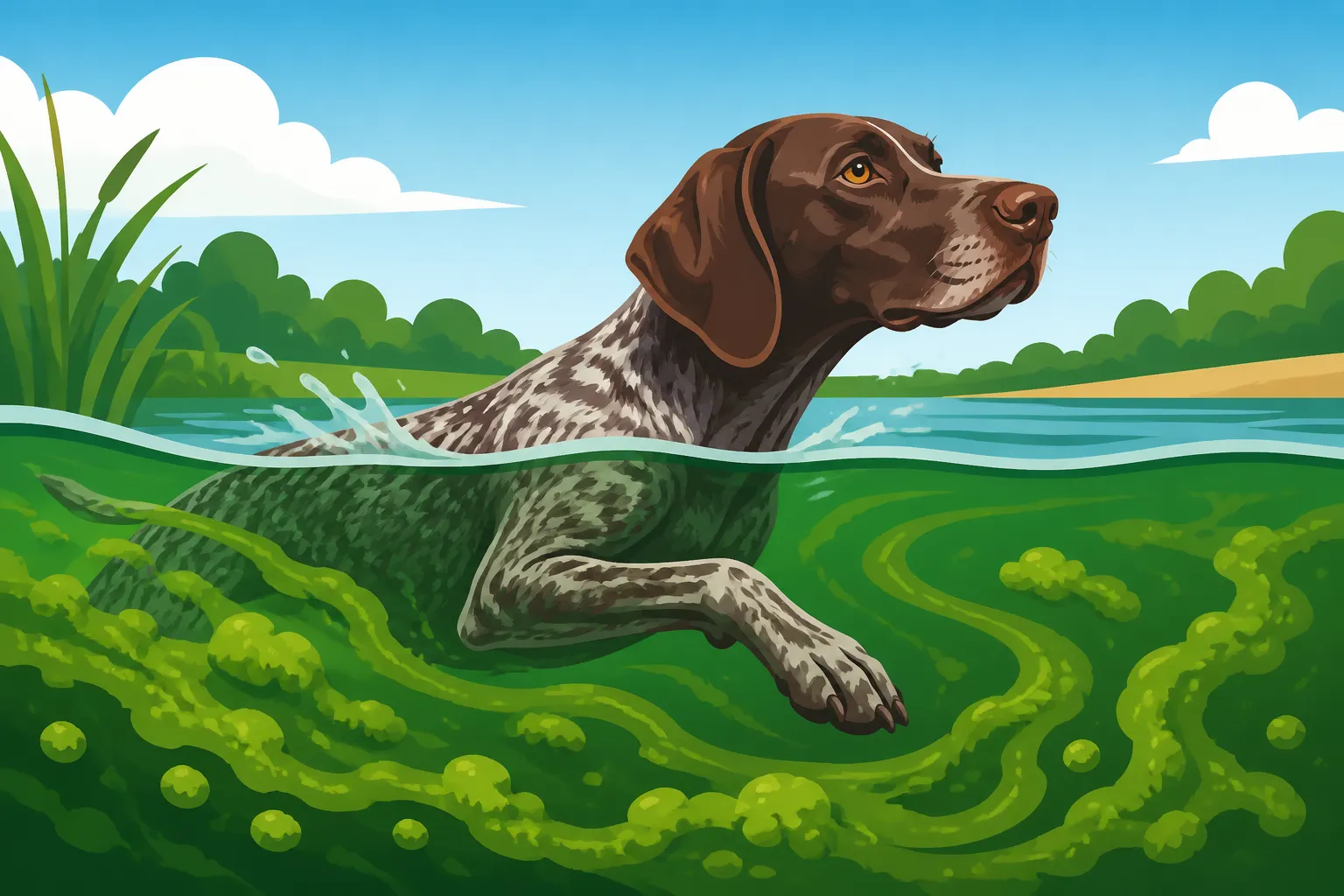
Oh, the joy of a German Shorthaired Pointer hitting the water! There's almost nothing like watching them launch themselves into a pond, a lake, or even a muddy puddle, tails blurring with excitement. But that natural exuberance around water can sometimes lead to a silent, incredibly dangerous threat: blue-green algae. This guide is all about understanding what this insidious problem is, how to spot it, what to do if you suspect exposure, and most importantly, how to keep your beloved swimming companion safe from its deadly grip.
Understanding Blue-Green Algae and Its Dangers
When we talk about "blue-green algae," we're actually referring to something called cyanobacteria. These microscopic organisms are naturally present in fresh, brackish, and marine water, but under certain conditions, they can multiply rapidly, forming visible blooms. These blooms are more than just unsightly; they can produce potent toxins that pose a severe health risk to dogs, wildlife, and even humans. The danger isn't just theoretical; countless heartbreaking stories emerge every year about dogs succumbing to these toxins after a seemingly innocent swim.
The Science Behind the Scum
Cyanobacteria thrive in warm, stagnant, nutrient-rich water. Think slow-moving creeks, shallow edges of lakes, or even garden ponds, especially during late summer and early fall after heavy rain runoff has introduced excess nutrients like nitrogen and phosphorus. These nutrients, often from agricultural runoff, lawn fertilizers, or leaky septic systems, act like a superfood for cyanobacteria, allowing them to explode into dense mats or scums that float on or just below the water's surface.
What makes these blooms so dangerous is that some species of cyanobacteria produce toxins called cyanotoxins. These aren't just harmless byproducts; they are powerful biological compounds that can target specific organ systems. The two main types we worry about with our dogs are neurotoxins and hepatotoxins. Neurotoxins, as the name suggests, attack the nervous system, leading to rapid onset of symptoms and often death. Hepatotoxins target the liver, causing severe damage that can lead to liver failure. The truly terrifying part is that you can't tell by looking at a bloom whether it's toxic or not. A perfectly innocent-looking green film might be deadly, while a vibrant green one could be harmless.
Why German Shorthaired Pointers Are Especially Vulnerable
Our German Shorthaired Pointers are, by their very nature, predisposed to blue-green algae poisoning. They are enthusiastic water dogs, bred to retrieve fallen game from lakes and rivers, and they absolutely adore a good swim. This innate drive means they're often the first ones to plunge into any inviting body of water, sometimes even before we've had a chance to assess its safety.
Their hunting instincts also play a role. They might be attracted to the smell or texture of the algae itself, or they might ingest toxic water while retrieving a bumper or a bird. Since they're typically such hardy, driven dogs, they might not show subtle signs of distress right away, giving the toxins more time to take hold. Furthermore, once they exit the water, they'll inevitably lick their fur to groom themselves, ingesting any algae that has clung to their coat. A GSP's short, dense coat can hold a surprising amount of water and residue, increasing the risk of exposure during post-swim grooming.
Identifying the Silent Threat: How to Spot Blue-Green Algae
The biggest challenge with blue-green algae is that it can be hard to identify, and it changes its appearance. It's not always a vibrant, unmistakable green carpet. Knowing what to look for and, more importantly, understanding when to simply avoid certain water sources, is critical for protecting your German Shorthaired Pointer.
Visual Clues and Environmental Conditions
Blue-green algae can manifest in many forms. Sometimes it looks like pea soup, other times like spilled green or blue-green paint on the surface of the water. It can also appear as greenish blobs, scum, or streaks. The color can range from bright green, olive green, to even reddish-brown. If the bloom is particularly dense, it might look like a thick, slimy mat. Often, you'll notice it collecting along the shoreline, pushed there by wind and currents.
Another key indicator is the smell. While some blooms might have a faint earthy odor, others can emit a strong, foul, or fishy smell. This odor can sometimes be appealing to curious dogs, drawing them closer to the danger. Always be wary of water that looks cloudy, discolored, or has any visible film, scum, or floating debris that isn't clearly natural vegetation.
Key things to look for:
- Color: Bright green, blue-green, olive green, even reddish-brown.
- Texture: Pea soup, spilled paint, thick mats, slimy film, or small blobs.
- Location: Often concentrated along the shoreline or in stagnant areas.
- Odor: Foul, musty, or fishy smell.
It's also important to consider the environmental conditions. Blue-green algae blooms are most common during warm summer months and into the early fall, especially after periods of hot weather and minimal rainfall that allow water to become stagnant and warm. Lakes, ponds, and slow-moving rivers are the most common culprits. Keep an eye on local news, social media groups, and park advisories, as many areas now issue warnings when blooms are detected.
The Golden Rule: When In Doubt, Stay Out!
This rule cannot be stressed enough. If you are even slightly unsure about the water quality, especially if it looks stagnant, discolored, or has any unusual film on its surface, do not let your German Shorthaired Pointer enter it. It is simply not worth the risk. Many of us have felt that pang of guilt seeing our GSP stare longingly at the water, but their safety is paramount.
Consider carrying a portable water bowl and plenty of fresh water with you on walks or hunts. This way, your Shorthair can quench their thirst without being tempted by questionable natural water sources. Also, be mindful of how easily dogs can get into trouble. A quick dip or a few laps can be all it takes for a fatal exposure. It's not just about active swimming; even just drinking from the edge of an affected pond can be dangerous.
Remember, clear water doesn't automatically mean safe water. Toxins can sometimes be present even without a visible bloom, though this is less common for severe exposures. Always prioritize caution. When assessing a potential swimming spot, think about how much you know about the water source. Is it a well-maintained swimming hole, or an unknown pond on private land? Trust your gut, and when in doubt, choose a different path.
Signs Your Shorthair Has Been Exposed and What to Do
The frightening thing about blue-green algae poisoning is how quickly symptoms can appear and progress. Because the toxins are so potent and often fast-acting, immediate recognition and emergency veterinary care are absolutely critical for any chance of survival.
Recognizing the Symptoms of Poisoning
Symptoms can vary depending on the type of toxin ingested (neurotoxin vs. hepatotoxin) and the amount. However, regardless of the specific toxin, the onset is often rapid, usually within minutes to a few hours of exposure.
Signs of Neurotoxin Poisoning (often more acute and rapid):
- Weakness or stumbling: Your dog might seem disoriented or lose coordination.
- Excessive drooling and tearing: A clear sign of neurological distress.
- Difficulty breathing: Labored breathing, gasping, or panting excessively.
- Muscle tremors or rigidity: Shaking, twitching, or stiff limbs.
- Seizures or convulsions: Uncontrolled muscle activity, loss of consciousness.
- Paralysis: In severe cases, the dog might become unable to move.
- Death: Can occur very rapidly, sometimes within 15-30 minutes of ingesting a lethal dose.
Signs of Hepatotoxin Poisoning (may develop over a few hours to a day):
- Vomiting and diarrhea: Often severe, sometimes with blood.
- Lethargy and weakness: Your dog will appear unusually tired and listless.
- Pale mucous membranes: Gums may appear pale or even yellowish (jaundice) in later stages due to liver damage.
- Dark urine: Another indicator of liver distress.
- Lack of appetite: Refusal to eat or drink.
- Disorientation: Confusion or unsteady gait.
- Collapse or shock: In advanced cases.
If your German Shorthaired Pointer exhibits any of these signs after swimming in or being near questionable water, consider it a dire emergency. Do not wait to see if symptoms improve.
Immediate Action and Emergency Veterinary Care
This is not a drill: If you suspect blue-green algae poisoning, this is what you need to do, and you need to do it FAST.
- Prevent Further Exposure: Immediately remove your dog from the water and prevent them from licking their fur.
- Rinse Thoroughly: If possible, rinse your dog thoroughly with clean, fresh water while wearing gloves. Pay close attention to their mouth, eyes, ears, and paws. This is to remove any residual algae that could still be ingested.
- Contact Your Veterinarian IMMEDIATELY: Call your vet or the nearest emergency veterinary clinic while you are on your way. Do not hesitate. Tell them you suspect blue-green algae poisoning so they can prepare for your arrival. Time is of the essence. The quicker treatment is initiated, the better the prognosis, although outcomes can still be grim due to the rapid action of the toxins.
- Do NOT Induce Vomiting Unless Instructed: Only induce vomiting if specifically advised by a veterinarian, as some toxins can cause further complications if vomited.
- Gather Information: If you can, take a picture of the water where your dog was swimming. This might help local authorities assess the danger to others.
Upon arrival at the vet, treatment will be aggressive and supportive. There is no specific antidote for blue-green algae toxins. Treatment focuses on decontamination (gastric lavage if recent ingestion), managing symptoms, and supporting organ function. This might include IV fluids, medications to control seizures or tremors, liver protectants, and monitoring vital signs. The cost of such emergency care can be substantial, emphasizing the importance of planning for the unexpected. Having pet insurance like Healthy Paws can be a real lifesaver in these critical moments, helping to cover the often enormous costs of emergency treatment for unexpected toxic ingestions. When we talk about Emergency Fees for a Shorthair Cut Open in the Field, these algae emergencies can quickly escalate into similar, if not higher, bills.
Preventing Blue-Green Algae Exposure for Your Swimming Companion
Prevention is by far the most effective and least heartbreaking strategy when it comes to blue-green algae. Knowing what to avoid and implementing some simple habits can keep your German Shorthaired Pointer enjoying water safely for years to come.
Safe Swimming Practices and Water Monitoring
The best way to prevent exposure is to simply avoid any water that looks suspicious. This means taking an active role in scouting potential swimming locations for your GSP.
- "When in doubt, stay out": This is your ultimate mantra. If the water has any unusual color, film, scum, or odor, keep your dog on a leash and away from it.
- Check local advisories: Many state and local health departments, as well as park services, monitor water bodies for harmful algal blooms. Before heading out to a popular swimming spot, check their websites or social media for current advisories. For example, in Minnesota, the Pollution Control Agency often issues warnings, and many state parks post signs.
- Observe the water's edge: Algae often accumulates along shorelines due to wind and currents. This is precisely where curious dogs are likely to investigate or drink.
- Avoid stagnant water: Ponds or sections of rivers with little flow, especially after heavy rains and during hot spells, are prime breeding grounds.
- Bring your own water: Always carry plenty of fresh drinking water for your German Shorthaired Pointer, even if you plan to swim. This reduces the likelihood that they'll be tempted to drink from the natural water source.
It's also a good idea to chat with other dog owners in your area. Local knowledge can be invaluable for identifying spots prone to blooms or finding safe alternatives. Remember that blooms can appear and disappear quickly, so just because a spot was safe last week doesn't mean it's safe today. Consistent vigilance is key.
Post-Swim Care and General Vigilance
Even if the water looks perfectly clear, a good post-swim routine can add an extra layer of protection. This is especially true if you let your GSP swim in any natural body of water where you haven't explicitly checked for blue-green algae advisories.
- Rinse Immediately: After any swim in a natural body of water, rinse your German Shorthaired Pointer thoroughly with clean, fresh water. Use a hose or buckets to wash off any potential toxins or unseen algae that might have clung to their coat. This also helps with other irritants, but for blue-green algae, it's about preventing ingestion.
- Towel Dry and Inspect: After rinsing, towel dry your dog and give them a quick once-over. This is a good habit to prevent other issues, like checking for ticks or burrs. While you're at it, pay attention to their eyes and mouth.
- Monitor for Symptoms: For the next 12-24 hours after a swim, keep a close eye on your GSP for any of the symptoms mentioned earlier. This proactive monitoring is part of the overall care you provide. This is similar to how you would perform a thorough Checking a German Shorthaired Pointer Over After a Hunt for cuts, scrapes, or other injuries.
- Educate Yourself and Others: Share this knowledge with other GSP owners, friends, and family. The more people who are aware of the dangers of blue-green algae, the more dogs can be kept safe.
Protecting our adventurous German Shorthaired Pointers from blue-green algae requires constant awareness and a commitment to safe practices. While we can't control every aspect of the environment, we can control where and when we allow our dogs to swim, and how quickly we react if something goes wrong. Ensuring your dog's health with a comprehensive pet insurance plan from providers like Healthy Paws can offer significant peace of mind, knowing that if the worst happens, you're better prepared for the financial burden of emergency care. This proactive approach, combining vigilance with good preparation, allows our beloved GSPs to continue enjoying their natural love for the water, but safely.
| Symptom Category | Specific Symptoms | Immediate Action |
|---|---|---|
| Neurological | Weakness, stumbling, tremors, seizures, paralysis, difficulty breathing, excessive drooling | EMERGENCY VET IMMEDIATELY. Rinse dog, prevent licking. Call vet on the way. |
| Gastrointestinal/Liver | Vomiting, diarrhea (possibly bloody), lethargy, pale gums, dark urine, lack of appetite, disorientation, jaundice | EMERGENCY VET IMMEDIATELY. Rinse dog, prevent licking. Call vet on the way. |
| Unusual Water Appearance | Pea soup texture, spilled paint look, green/blue/reddish scum or mats, foul odor | AVOID WATER ENTIRELY. Do not let dog approach or drink. |
Disclaimer
The information provided in this article is for educational purposes only and is not intended to be a substitute for professional veterinary advice, diagnosis, or treatment. Always seek the advice of your veterinarian or other qualified animal health provider with any questions you may have regarding a medical condition. Never disregard professional veterinary advice or delay in seeking it because of something you have read in this article.