Skin Infections Under a Shorthair’s Short Coat
It's incredibly frustrating when you notice your German Shorthaired Pointer, with their seemingly low-maintenance coat, start itching, developing bumps, or exhibiting that distinct, unpleasant skin odor. Many GSP owners feel caught off guard, wondering how a dog with such short hair can suffer from persistent skin infections. This guide will walk you through the common reasons behind these issues, how to spot them, and what practical steps you can take to keep your shorthair's skin healthy and comfortable.
Understanding the GSP's Unique Skin and Coat
When you think of a German Shorthaired Pointer, you probably picture that sleek, dense, liver or black coat that gleams in the sun. It looks so low-maintenance, right? Just a quick brush, maybe a bath here and there, and you're good. But beneath that beautiful, functional exterior lies skin that can be surprisingly prone to issues, often leading to frustrating infections.
The Double-Edged Sword of a Short, Dense Coat
That short, dense coat, so perfect for shedding water and protecting them from brambles in the field, can actually become a breeding ground for problems if not managed correctly. Unlike long-haired breeds where issues might be visible on the surface, skin problems on a GSP often fester under that thick, short hair before they become obvious. The density of the coat, while offering great protection, can also trap moisture, dirt, allergens, and dead skin cells right against the skin.
Imagine your GSP, fresh from a swim in a pond or after a long hunt through dewy grass. If that coat isn't dried thoroughly, especially in the armpits, groin, or around their neck where collars sit, moisture gets trapped. This creates a warm, humid environment – an absolute paradise for bacteria and yeast to multiply. Then there's the shed fur. Even though their hair is short, GSPs do shed, and if that undercoat isn't regularly brushed out, it can contribute to a buildup that irritates the skin and prevents air circulation. It’s a subtle thing, but it can make all the difference.
Genetic Predispositions and Allergies
German Shorthaired Pointers, like many purebred dogs, can inherit certain predispositions that make them more susceptible to skin problems. While not every GSP will face these, knowing the potential pitfalls helps you be proactive. For instance, some lines might have more sensitive skin or be genetically inclined towards conditions that compromise the skin barrier.
Beyond genetics, allergies are a massive culprit for skin infections in GSPs. We often categorize these into environmental allergies (atopy) and food allergies.
- Environmental Allergies (Atopy): These are extremely common. Just like people can be allergic to pollen or dust, GSPs can react to environmental triggers like grass, trees, weeds, dust mites, or mold spores. Their immune system overreacts, leading to itchy skin. The constant scratching, licking, and chewing breaks down the skin's protective barrier, allowing opportunistic bacteria and yeast to move in and set up shop. You might notice your dog scratching their ears, licking their paws, or rubbing their face against furniture. If left unchecked, these irritated areas quickly become infected.
- Food Allergies: While less common than environmental allergies, food allergies can also manifest as skin issues. Certain proteins (like chicken, beef, dairy, or soy) can trigger an allergic response, leading to chronic itching, ear infections, and secondary skin infections. Identifying food allergies can be a bit of a detective mission, often requiring a strict elimination diet under veterinary guidance. Without identifying and removing the offending ingredient, you'll be constantly battling recurring skin infections. It's a tough road, but worth it for your dog's comfort.
Identifying Common Skin Infections in German Shorthaired Pointers
Knowing what to look for can help you catch skin infections early, before they become major, uncomfortable problems for your GSP. They might start subtly, but without intervention, they can quickly escalate.
Bacterial Skin Infections Pyoderma
Pyoderma is fancy vet talk for a bacterial skin infection, and it’s probably one of the most common reasons a GSP owner will visit the veterinarian for skin issues. These infections usually pop up when the skin’s natural defenses are compromised, often due to allergies, fleas, or excessive moisture.
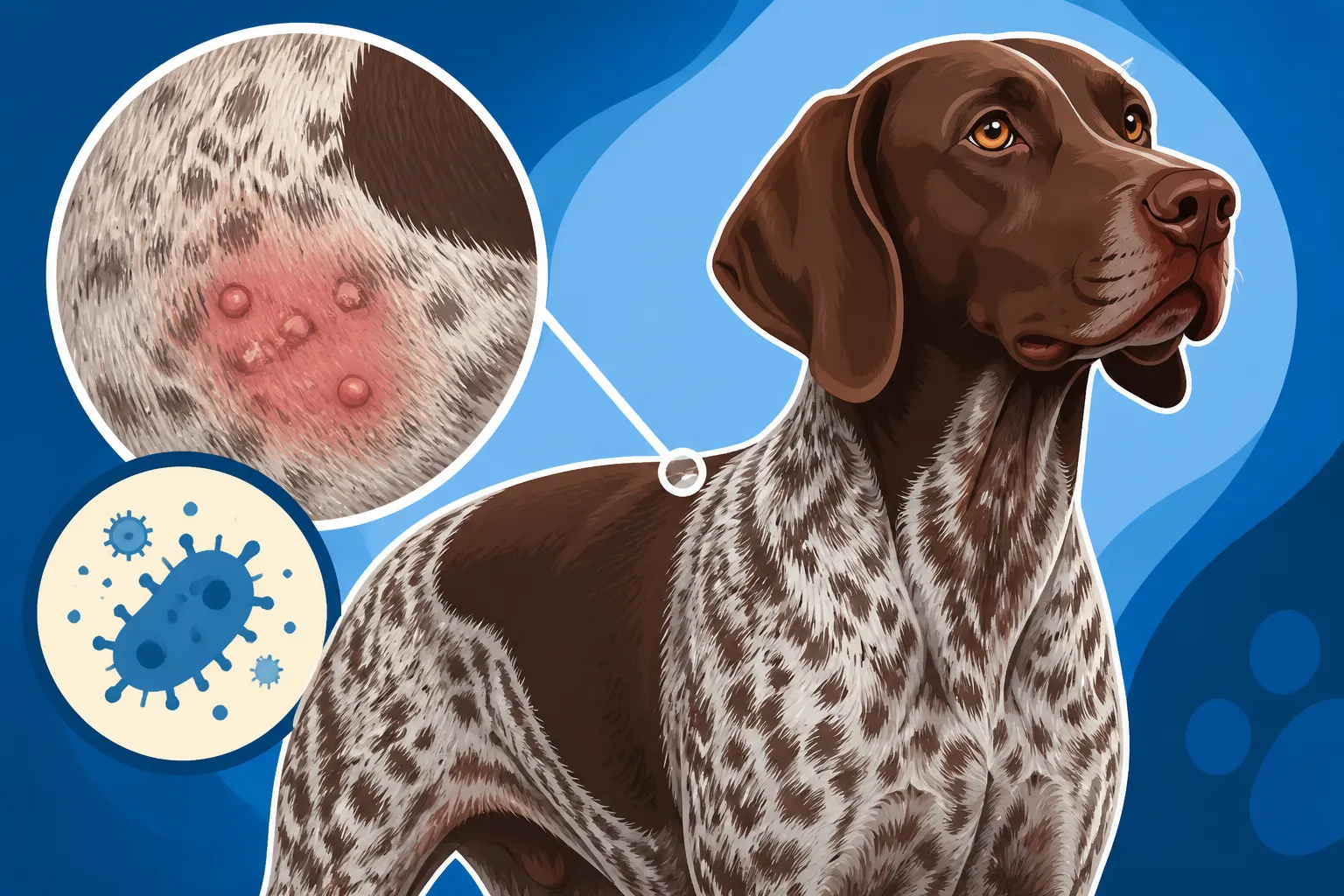
- Superficial Pyoderma: This is the most common type and affects the upper layers of the skin and hair follicles. You might see red bumps (papules), small pus-filled pustules, crusts, or circular areas of hair loss, often with a "collarette" of scaling skin around the edge where a pustule has ruptured. These lesions can be very itchy. Hot spots, or acute moist dermatitis, are a particularly aggressive form of superficial pyoderma. They appear very suddenly as raw, red, oozing lesions that your dog can make much worse in a short amount of time with intense licking and chewing. The skin underneath a GSP's short coat can become incredibly inflamed and painful very quickly.
- Deep Pyoderma: This is a more serious infection that extends deeper into the hair follicles and underlying skin layers. It’s less common but can be very painful and cause more significant damage. You might see large, draining lesions, ulcers, swelling, and severe hair loss. Dogs with deep pyoderma are often visibly unwell, lethargic, and may have a fever. These infections often require more aggressive, long-term treatment with oral antibiotics, sometimes for several weeks or even months, to truly clear them up and prevent recurrence. The bacteria most commonly involved in both superficial and deep pyoderma is Staphylococcus pseudintermedius, which is a normal resident on dog skin but becomes problematic when the skin barrier is damaged.
Yeast Infections Malassezia Dermatitis
While bacteria are frequent offenders, yeast can also cause significant skin issues for German Shorthaired Pointers. The most common culprit is Malassezia pachydermatis, a yeast that naturally lives on your dog’s skin in small numbers. However, when conditions are right – warm, moist, and often accompanied by an underlying allergy or immune system imbalance – this yeast can overgrow and lead to a very uncomfortable infection.
Yeast infections often present as greasy, red, and intensely itchy skin. A hallmark sign is a distinct, somewhat sweet and musty odor, often described as smelling like corn chips or stale bread. You might notice thick, dark, discolored skin (hyperpigmentation) in affected areas, which often include the ears, paws (especially between the toes), armpits, groin, and skin folds. The skin can also become thickened and elephant-like over time due to chronic inflammation. GSPs who love to swim are particularly prone to yeast infections in their ears if they aren't dried thoroughly after each water session.
Fungal Infections Ringworm
Despite its name, ringworm isn't actually a worm at all, but a fungal infection of the skin, hair, and nails. Scientifically, it's called dermatophytosis. It's highly contagious to other animals and even humans, so identifying and treating it quickly is crucial.
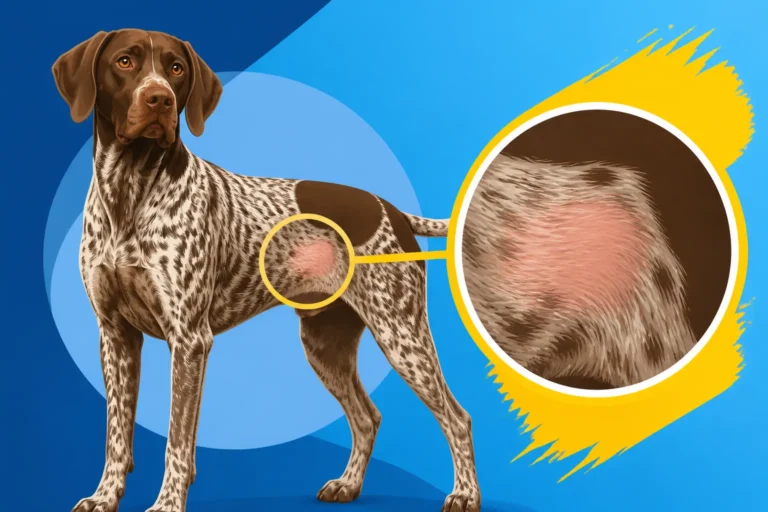
Ringworm typically appears as circular patches of hair loss, often with redness, scaling, and crusting around the edges. The center of the lesion might look somewhat normal, giving it a ring-like appearance, though it doesn't always strictly adhere to this classic pattern, especially on a GSP's short coat. Sometimes, it might just look like an area of patchy hair loss or a few scabs. Puppies and immunocompromised dogs are often more susceptible. Because it's a fungus, it thrives in warm, humid environments, and can be picked up from contaminated soil, bedding, or direct contact with an infected animal. It can be tricky to diagnose, as it often mimics other skin conditions, but a vet can confirm it with a fungal culture or Wood's lamp examination.
Recognizing the Signs and Symptoms
Catching a skin infection early is key to preventing it from becoming a major ordeal. As a GSP owner, you're their first line of defense, and knowing what subtle (and not-so-subtle) signs to look for will make all the difference.
Visual Cues of Trouble
Your eyes are your most important tool when it comes to checking your shorthair's skin. Take the time for a thorough once-over, especially after they've been out exploring or swimming.
- Redness and Inflammation: This is often the first sign. Part their short coat and look at the skin underneath. Does it look pinker or redder than usual? Are there specific patches that appear inflamed? This can indicate irritation, which is the precursor to an infection.
- Bumps, Pimples, or Pustules: Feel along their body. Do you detect small bumps or raised areas? These could be papules (red bumps) or pustules (small, pus-filled pimples) characteristic of bacterial infections. Sometimes, these might feel like tiny scabs or crusts as they rupture and dry.
- Scaling and Flakiness: Is their skin flaky, like severe dandruff? This can be a sign of dry skin, allergies, or a yeast infection. In some cases, like with a condition called Lupoid Dermatosis and a Shorthair's Scaling Skin, scaling can be a primary symptom, and distinguishing it from infection is important.
- Hair Loss or Thinning Coat: Patches of hair loss, or a noticeable thinning of the coat, can indicate a persistent problem. This loss often occurs in areas they’re scratching or licking excessively, or directly where the infection is attacking hair follicles. For example, Hair Loss on a German Shorthaired Pointer's Flanks could point to hormonal issues, but generalized thinning might be allergy-related.
- Greasy or Oily Skin: If their skin feels unusually oily or greasy, particularly in the armpits or groin, it could be a sign of a yeast overgrowth. This greasiness often accompanies that distinct, yeasty odor.
- Darkened or Thickened Skin (Hyperpigmentation/Lichenification): In chronic cases, where an infection or allergy has been present for a long time, the skin can become discolored, turning dark gray or black. It can also thicken and become leathery, a process called lichenification. This is a clear indicator of a long-standing issue that needs serious attention.
Behavioral Changes and Odor
Sometimes, your GSP's behavior will tell you something is wrong before you even see it. And then there's that smell…
- Excessive Itching, Licking, or Chewing: This is the most obvious behavioral sign. If your shorthair is constantly scratching their ears, licking their paws, chewing at their flanks, or rubbing themselves against furniture or the ground, their skin is definitely bothering them. Pay attention to where they are focusing their attention, as this often pinpoints the problem area.
- Restlessness or Discomfort: A dog battling a skin infection isn't going to be a happy camper. They might be restless, unable to settle, or generally seem agitated because of the persistent itch. You might notice they are irritable or less tolerant of being touched in certain areas.
- Offensive Odor: This is a big one. A healthy GSP should smell like a dog – maybe a little dusty after a field trip, but not foul. A strong, unpleasant odor, often described as sweet, yeasty, or rancid, is a classic sign of bacterial or yeast overgrowth. The smell can emanate from a specific area, like an ear, or be generalized across their body. Don't ignore it; it's your dog's way of telling you something is seriously wrong.
- Head Shaking or Ear Rubbing: If the infection is in their ears, your GSP will likely shake their head, paw at their ears, or rub them against surfaces. This could indicate anything from a simple ear infection to a deeper skin issue. You might also notice discharge or redness inside the ear canal. For more insights on ear health, check out A Shorthair's Ear Infection That Returns Every Duck Season.
Diagnosis and Treatment Options
Once you've noticed suspicious signs on your German Shorthaired Pointer's skin, the next crucial step is a trip to the vet. Self-diagnosing and treating skin infections can often lead to frustration and prolonged discomfort for your dog because you might be treating the symptom and not the underlying cause.
The Vet Visit What to Expect
When you bring your GSP in for a skin issue, your veterinarian will likely start with a thorough physical examination, paying close attention to the affected areas. They’ll ask you a lot of questions about when the problem started, what you’ve observed, your dog’s diet, and any other symptoms.
To get to the bottom of it, they’ll usually perform some diagnostic tests right there in the clinic:
- Skin Scrapes: This involves gently scraping a small sample of the skin's surface with a blade to look for mites, like Demodex or Sarcoptes, under a microscope. It’s a common test, especially if itching is severe.
- Cytology: This is perhaps one of the most common and valuable tests for skin infections. The vet will use a piece of tape or a cotton swab to collect cells, yeast, and bacteria from the skin surface, then stain and examine them under a microscope. This helps differentiate between bacterial and yeast infections, or if both are present, and gives an idea of the severity.
- Fungal Culture: If ringworm is suspected, a hair and skin sample will be sent to a lab to be cultured for fungal growth. This can take a week or two for results.
- Allergy Testing: If recurrent infections are linked to allergies, your vet might discuss allergy testing. This could involve blood tests (serum IgE testing) or intradermal skin testing (where small amounts of allergens are injected under the skin to see a reaction). This helps identify specific environmental allergens. For food allergies, an elimination diet trial is the gold standard.
Based on these diagnostics, your vet will formulate a treatment plan tailored to your GSP's specific infection and any underlying causes. It’s important to remember that treating a secondary infection is only part of the battle; addressing the primary cause (like allergies) is essential for long-term success.
Topical and Oral Medications
Treatment for skin infections in GSPs often involves a multi-pronged approach combining topical and systemic medications.
- Medicated Shampoos and Wipes: These are often the first line of defense for superficial infections and are fantastic for managing itch and reducing bacterial or yeast populations on the skin. Your vet might prescribe a chlorhexidine-based shampoo for bacterial infections, an miconazole-based shampoo for yeast, or a combination product. The key is proper application: lather, leave on for 10-15 minutes, and rinse thoroughly. This contact time is crucial for the medication to work. For areas that are hard to shampoo daily, medicated wipes can be very effective.
- Topical Creams, Ointments, or Sprays: For localized lesions or hot spots, topical treatments containing antibiotics, antifungals, or corticosteroids can provide targeted relief and treatment. Your vet might prescribe something like a triple antibiotic ointment or a hydrocortisone spray to reduce inflammation and itching.
- Oral Antibiotics: For more widespread or deep bacterial infections, oral antibiotics are usually necessary. These are typically given for a minimum of 3-4 weeks, and sometimes much longer, to ensure the infection is completely cleared. It's vital to follow your vet's instructions precisely and finish the entire course, even if your dog seems better, to prevent antibiotic resistance.
- Oral Antifungals: If a widespread yeast infection or ringworm is diagnosed, oral antifungal medications might be prescribed. These also require a specific duration of treatment, and regular monitoring might be needed, especially with some medications that can affect the liver.
- Antihistamines and Steroids: For the underlying itch and inflammation, especially if allergies are suspected, your vet might prescribe antihistamines (like diphenhydramine) or corticosteroids (like prednisone). While steroids can offer quick relief, they have potential side effects with long-term use, so your vet will aim for the lowest effective dose or explore other long-term allergy management options.
- Immunosuppressants and Novel Therapies: For chronic allergic dermatitis, newer medications like Apoquel or Cytopoint injections can be very effective at controlling the itch and inflammation without the broad side effects of steroids. These therapies are often a game-changer for GSPs suffering from severe environmental allergies.
The cost of diagnosis and treatment, especially for chronic conditions or deep infections, can add up quickly. This is where pet insurance providers like Healthy Paws can be a real lifeline. They can help cover a significant portion of the vet bills, including diagnostic tests, medications, and specialty consultations, ensuring you can provide the best care for your GSP without financial stress.
Prevention and Long-Term Management
Preventing skin infections or managing recurrent ones is a marathon, not a sprint. It requires dedication, consistency, and a keen eye, especially with an active breed like the German Shorthaired Pointer.
Regular Grooming and Skin Checks
Your GSP's short coat might seem low-maintenance, but it still needs your attention to keep their skin healthy.
- Daily Once-Over: This is probably the most critical preventative measure. After every outing, especially if they’ve been in tall grass, swimming, or dense cover, give your GSP a thorough visual and tactile check. Part their coat and look for redness, bumps, or foreign objects like foxtails or burrs. Pay close attention to their ears, paws (between the toes!), armpits, groin, and under their collar. Catching a small irritation early can prevent a full-blown infection. For more on post-hunt checks, see Checking a German Shorthaired Pointer Over After a Hunt.
- Thorough Drying: If your GSP loves to swim, or gets caught in the rain, ensure they are completely dry, especially in areas where moisture can get trapped. A good towel drying, or even a low-setting hairdryer (if your dog tolerates it), can make a huge difference. Moisture trapped against the skin is an open invitation for yeast and bacteria. Don't forget their ears; Drying a Shorthair's Ears After Every Swim is crucial for preventing ear infections which are often linked to skin issues.
- Regular Brushing: Even a short coat benefits from regular brushing, ideally a few times a week with a rubber curry brush or a shedding blade. This helps remove loose hair, dead skin cells, and any trapped dirt, improving air circulation and distributing natural skin oils. It also acts as another opportunity to check their skin without it feeling like a chore.
- Appropriate Bathing: While GSPs don't need frequent bathing, when they do, use a dog-specific shampoo. If your dog has a history of skin issues, your vet might recommend a specific medicated shampoo for routine maintenance. Avoid human shampoos, as they can strip your dog's skin of its natural oils and disrupt its pH balance. Ensure thorough rinsing to avoid leaving any shampoo residue, which can be irritating. For more about bathing frequency, refer to How Rarely a Shorthair Actually Needs a Bath.
Dietary Management and Environmental Controls
Managing a GSP's skin health often involves looking at what goes into their body and what they’re exposed to in their environment.
- High-Quality Diet: A balanced, high-quality diet is fundamental for overall health, including skin health. Ensure your GSP is getting appropriate nutrition. Some dogs with sensitive skin benefit from diets rich in omega-3 fatty acids, which can help reduce inflammation. You might discuss specific "sensitive skin" formulas with your vet. For dogs with diagnosed food allergies, strict adherence to a hypoallergenic or limited-ingredient diet is paramount. Even small cheats can trigger a flare-up.
- Supplements: Your vet might recommend supplements like fish oil (omega-3 fatty acids) to support skin barrier function and reduce inflammation. Probiotics can also be helpful for gut health, which is increasingly linked to skin health and immune function. However, always discuss supplements with your vet before introducing them. For more on supplements, check out Joint Supplements Worth Giving a Working Shorthair, as some supplements benefit both joints and skin.
- Flea and Tick Control: Flea bite dermatitis is a common cause of intense itching and secondary skin infections. Even if you don't see fleas, just one bite can trigger a massive allergic reaction in sensitive dogs. Consistent, year-round flea and tick prevention is absolutely essential for all GSPs, especially those that spend time outdoors.
- Environmental Allergen Reduction: If your GSP has environmental allergies, try to minimize their exposure to known triggers. This might mean keeping them indoors during peak pollen seasons, using air purifiers, vacuuming frequently, and washing their bedding regularly. Wiping down their paws and belly with a damp cloth after outdoor excursions can also help remove pollen and other allergens before they get absorbed into the skin. Consider also Environmental Allergies in a Shorthair That Works Cover for more targeted advice.
By combining proactive care with prompt veterinary attention, you can significantly reduce the incidence of skin infections and keep your German Shorthaired Pointer comfortable, healthy, and ready for whatever adventures come their way.
| Infection Type | Common Symptoms | Appearance on GSP Skin | Typical Treatment Approaches |
|---|---|---|---|
| Bacterial (Pyoderma) | Redness, bumps (papules), pus-filled pimples (pustules), scabs, crusts, itchiness, localized hair loss. | Red, inflamed patches, circular lesions with crusts, "hot spots" (acute moist dermatitis). | Oral antibiotics, medicated antibacterial shampoos/wipes, topical antibiotic creams. |
| Yeast (Malassezia) | Intense itching, greasiness, musty/sweet odor (corn chip smell), redness, ear infections. | Greasy, red, thickened skin (especially armpits, groin, paws), darkened (hyperpigmented) skin. | Oral antifungals, medicated antifungal shampoos/wipes, ear cleansers for ear involvement. |
| Fungal (Ringworm) | Circular patches of hair loss, redness, scaling, crusting, mild to moderate itchiness. | Ring-like lesions, patchy hair loss, scabby areas. Can be subtle under short coat. | Oral antifungals, medicated antifungal shampoos, topical antifungal creams, environmental decontamination. |
Disclaimer
Please remember that this article provides general information and is not a substitute for professional veterinary advice. If your German Shorthaired Pointer is showing signs of skin irritation or infection, it's crucial to consult with your veterinarian for an accurate diagnosis and personalized treatment plan.