Joint Supplements Worth Giving a Working Shorthair
For those of us with German Shorthaired Pointers, the sheer joy and drive they exhibit in the field are undeniable. But this incredible athleticism, this relentless passion for the hunt, also puts immense strain on their bodies, especially their joints. It’s a constant worry for many owners: how do we keep these magnificent dogs sound and comfortable for as many seasons as possible? This guide is dedicated to exploring the world of joint supplements for your working Shorthair, helping you understand which ingredients truly matter and how to incorporate them into your dog's health regimen to support their active life.
Why Joint Health is Such a Big Deal for Your Working Shorthair
Let's be honest, a German Shorthaired Pointer isn't built for a leisurely stroll around the block. These dogs are athletes, designed for high-impact, full-throttle work across varied terrain. They point, they retrieve, they swim, they leap through cover – all activities that demand peak joint performance and resilience. It's not just about comfort; it's about their ability to do what they were bred to do.
The Impact of a High-Performance Lifestyle on Joints
Imagine the daily grind your Shorthair puts their body through during hunting season. Bursting through thick brambles, jumping over downed logs, crashing into icy water for a retrieve, then hitting the brakes hard on a point – each of these actions puts tremendous stress on their cartilage, ligaments, and bones. Over time, this repetitive stress can lead to wear and tear that goes beyond what their natural regenerative processes can keep up with. Think of it like a finely tuned machine; if you run it hard every day without proper maintenance and fuel, parts are eventually going to start squeaking and grinding. For our dogs, that means conditions like arthritis, hip and elbow dysplasia, and other orthopedic issues can begin to manifest, sometimes much earlier than we'd expect in such a robust breed. Early intervention and preventative care are key to extending How Long a Working German Shorthaired Pointer Stays Sound.
Common Joint Issues in Active GSPs
German Shorthaired Pointers, like many large and active breeds, are predisposed to certain joint conditions. Hip and elbow dysplasia are significant concerns, with many dedicated breeders performing extensive health clearances to minimize these risks in their lines. Even with impeccable genetics, the demands of field work can exacerbate underlying predispositions or simply accelerate the onset of age-related changes. Hip Dysplasia in a Hard Running German Shorthaired Pointer is a common worry, and watching a dog you love slow down due to pain is heartbreaking. Other issues might include cruciate ligament tears, which are common in dogs that make sudden stops and turns, or general arthritis that can set in as early as eight years old, causing stiffness and discomfort, as explored in Arthritis in a German Shorthaired Pointer at Eight. Recognizing these risks means we can be proactive, not just reactive, in supporting our Shorthairs' joint health.
Understanding the Building Blocks of Effective Joint Supplements
When you start looking into joint supplements, it can feel like stepping into a dense forest of complex names and scientific claims. It's easy to get overwhelmed by all the options out there, but breaking down the most common and effective ingredients can help you make an informed choice for your dog.
Glucosamine and Chondroitin: The Dynamic Duo
These two ingredients are often found together, and for good reason. They are the most well-known and widely used components in canine joint supplements.
- Glucosamine: This is a natural compound found in healthy cartilage, playing a crucial role in forming and repairing joint cartilage. It acts as a building block for new cartilage and can help reduce the breakdown of existing cartilage. For a working Shorthair, this means it supports the resilience of their joint surfaces, helping them withstand the constant impact of running and jumping. Think of it as supplying the raw materials needed for ongoing maintenance and repair in their hardworking joints.
- Chondroitin Sulfate: Often paired with glucosamine, chondroitin helps maintain the elasticity and hydration of cartilage. It's thought to inhibit enzymes that destroy cartilage and to stimulate the production of new cartilage. Essentially, it helps the cartilage act like a sponge, absorbing shock and maintaining flexibility. This is incredibly important for a Shorthair making quick turns or landing hard after a jump – it helps their joints stay supple and cushioned.
MSM: Supporting Comfort and Mobility
Methylsulfonylmethane, or MSM, is another popular ingredient often included in joint supplements. It's an organic sulfur compound that is recognized for its potential anti-inflammatory properties and its role in promoting overall joint health.
- Anti-inflammatory Support: For a dog that's constantly using its joints, inflammation can become a chronic issue, leading to pain and stiffness. MSM is thought to help reduce inflammation and pain by inhibiting certain enzymes and improving cell wall permeability. This can translate to less discomfort after a long day in the field and improved overall mobility.
- Collagen Production: MSM is also a source of dietary sulfur, which is vital for the formation of connective tissues like cartilage, tendons, and ligaments. It supports the production of collagen, a protein essential for the strength and integrity of these structures. This means it's not just about reducing inflammation, but also about supporting the structural components that keep their joints stable and strong.
Omega-3 Fatty Acids: More Than Just a Shiny Coat
You might know Omega-3s for their benefits to skin and coat, but their role in joint health is equally significant, especially for active dogs.
- Powerful Anti-inflammatory: EPA (eicosapentaenoic acid) and DHA (docosahexaenoic acid), the two primary Omega-3s found in fish oil, are potent natural anti-inflammatories. They work by modifying the body's inflammatory response, which can significantly reduce the pain and stiffness associated with joint issues. Regular supplementation can mean less overall inflammation in the joints, helping your Shorthair recover faster and feel better between hunts.
- Overall Well-being: Beyond joints, Omega-3s contribute to heart health, brain function, and immune system support, making them a fantastic all-around supplement for your hard-working companion. You might already be giving them fish oil for their beautiful coat, but know you're doing double duty for their joints, too.
Key Ingredients to Look For in Joint Supplements
Beyond the well-known staples, several other ingredients can enhance the efficacy of a joint supplement, offering comprehensive support for your German Shorthaired Pointer's active life. When you're browsing options, whether on Chewy or at your local pet supply store, keep an eye out for these.
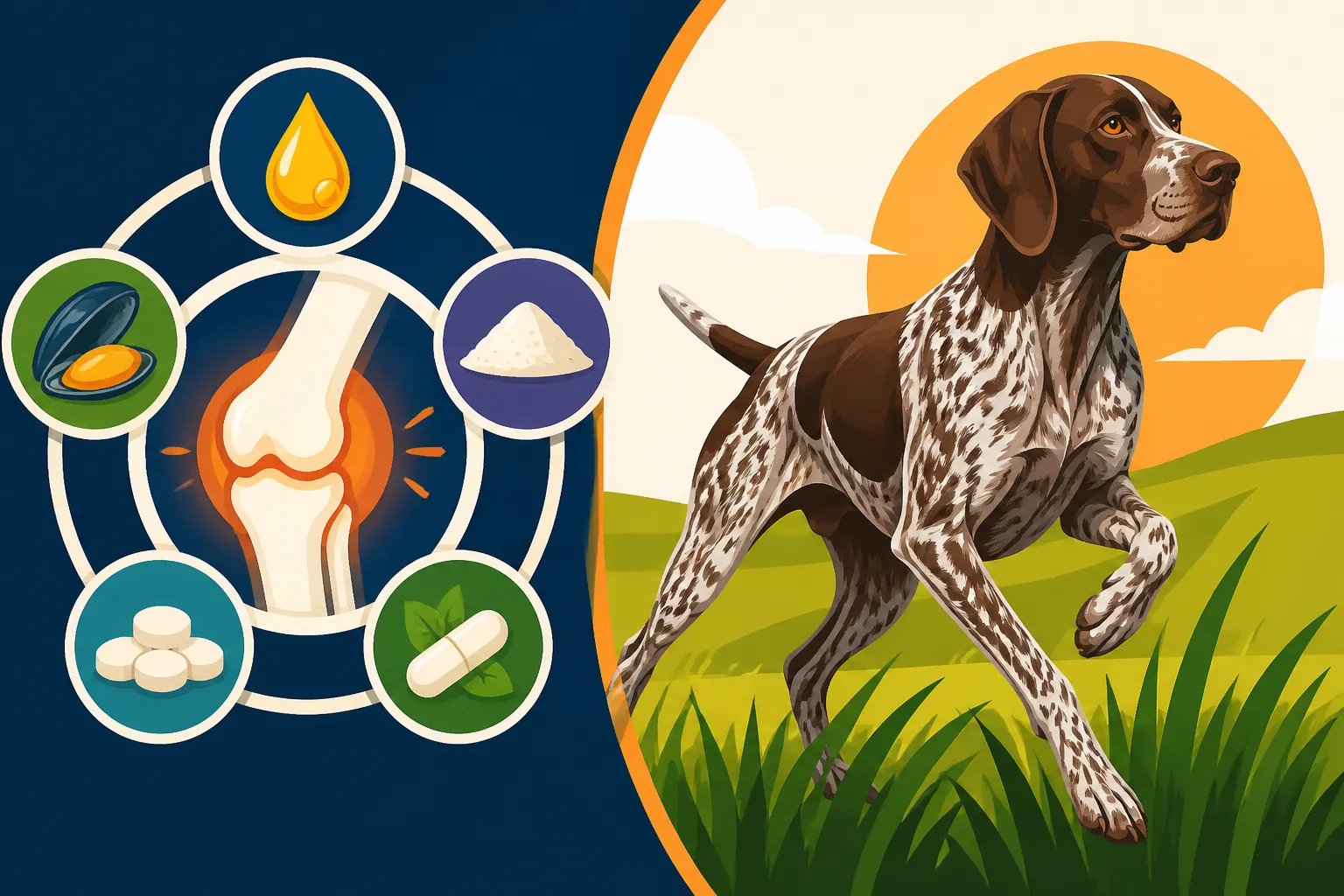
Green-Lipped Mussel: A Natural Powerhouse
Hailing from New Zealand, Green-Lipped Mussel (GLM) is gaining popularity for its broad spectrum of joint-supporting nutrients.
- Chondroprotective Properties: GLM contains a rich blend of Omega-3 fatty acids, glucosamine, chondroitin, and other amino acids, enzymes, and minerals. This natural cocktail provides comprehensive support for cartilage health and reduces inflammation. It's like a complete joint health package in one ingredient.
- Comprehensive Nutritional Support: Unlike isolated compounds, GLM offers a synergistic effect, meaning its various components work together to provide more profound benefits than they might individually. This makes it an excellent choice for a hard-working dog who needs all the support they can get.
Hyaluronic Acid: The Joint Lubricant
Hyaluronic acid (HA) is a naturally occurring substance found in the body's connective tissues, particularly in the synovial fluid that lubricates joints.
- Improved Joint Lubrication: HA acts like a shock absorber and lubricant within the joint, ensuring smooth movement and reducing friction between cartilage surfaces. For a Shorthair that's constantly moving and flexing, optimal joint lubrication is crucial to prevent wear and tear. It helps keep those joints gliding effortlessly, which is essential for sustained performance.
- Cartilage Support: Beyond lubrication, HA also contributes to the health of cartilage itself, helping to maintain its structure and resilience. Supplements containing HA can help replenish the natural HA levels in the joint fluid, which can decline with age or heavy activity.
Turmeric/Curcumin: Nature's Anti-inflammatory
Turmeric, specifically its active compound curcumin, has been used for centuries in traditional medicine and is now recognized for its powerful anti-inflammatory and antioxidant properties.
- Natural Anti-inflammatory: Curcumin works by targeting multiple pathways involved in inflammation, helping to reduce pain and swelling in the joints. For dogs with chronic discomfort or those needing extra support after intense activity, this can be a significant benefit.
- Antioxidant Protection: Beyond inflammation, curcumin's antioxidant properties help protect joint cells from damage caused by free radicals, which are byproducts of normal metabolism and stress. This dual action helps support long-term joint health.
It's worth noting that curcumin can have poor bioavailability, so look for formulations that include piperine (from black pepper) or are otherwise enhanced for absorption.
Other Beneficial Ingredients
| Ingredient | Primary Benefit for GSP Joints | How it Helps a Working Dog |
|---|---|---|
| Vitamin C | Collagen synthesis, antioxidant | Supports cartilage repair, protects against cellular damage from intense exercise |
| Manganese | Essential for cartilage and bone formation | Crucial cofactor for enzymes involved in maintaining joint structure |
| **Eggshell Membrane | Natural source of collagen, glucosamine, chondroitin, HA | Provides comprehensive building blocks and anti-inflammatory support |
| Avocado/Soybean Unsaponifiables (ASU) | May reduce cartilage breakdown, promote repair | Helps preserve existing cartilage, particularly helpful for degenerative conditions |
When selecting a supplement, consider the synergy of these ingredients. A well-formulated product will combine several of these to provide multi-faceted support. Many owners find great selections on platforms like Amazon, offering a wide variety of brands and formulations to compare.
Integrating Supplements into Your Shorthair's Routine (and What Else Helps)
Giving your working German Shorthaired Pointer joint supplements isn't just about tossing a pill in their food. It's part of a larger, holistic approach to their well-being, ensuring they remain robust and ready for the field.
When to Start and How to Administer
The "right" time to start joint supplements can vary. For highly active, working Shorthairs, many owners and vets advocate for starting preventative supplementation early, often around two to three years of age, or even younger if they're engaged in intensive training. This proactive approach aims to support their joints before significant wear and tear sets in. If your dog is showing early signs of stiffness, lameness, or slowing down, then it's definitely time to discuss supplementation with your vet.
Administering supplements is usually straightforward. Many come as chewable tablets or powders that can be mixed directly into their food. Some dogs will happily take them like a treat, while others might need a bit of coaxing in a dollop of peanut butter or mixed into a meal. Consistency is absolutely key; these aren't medications that work instantly, but rather nutritional support that builds up over time. Stick to the recommended dosages, and don't expect overnight miracles. The goal is long-term health and comfort.
The Role of Quality Food and Weight Management
Supplements are just that – supplements. They enhance a good foundation, they don't replace it. A high-quality diet specifically formulated for active dogs, like those often discussed when talking about Feeding a German Shorthaired Pointer That Runs All Day, is paramount. Look for foods with good quality protein sources, appropriate fat content, and a balanced nutritional profile. Some newer fresh food companies, like Ollie, even incorporate ingredients known for their joint benefits into their recipes, which can be a convenient way to add some extra support.
Equally important is maintaining a healthy weight. Extra pounds put immense stress on already hardworking joints. Even a slight increase in weight can significantly impact their comfort and mobility, especially in a breed that requires a lean, athletic build for optimal performance. Regularly assessing your dog's body condition and adjusting their food intake as needed, particularly during off-season versus hunting season, is crucial. If your Shorthair is carrying too much weight, talk to your vet about a safe and effective weight loss plan. You want to be able to easily feel their ribs without seeing them, and they should have a distinct waist.
Beyond Supplements: Exercise, Environment, and Veterinary Care
While supplements play a vital role, they are one piece of a much larger puzzle.
- Appropriate Exercise: Ensure your Shorthair gets consistent, appropriate exercise year-round. While they need intense activity, it should also be varied to work different muscle groups without overstressing any one joint. Conditioning a Shorthair Before Opening Day is essential, building up their stamina and muscle mass gradually to support their joints.
- Comfortable Environment: Provide comfortable, supportive bedding to reduce pressure on their joints during rest. Ramps or steps can help older or stiffer dogs get onto furniture or into vehicles without jumping, which can put a jarring impact on their hips and knees.
- Regular Veterinary Check-ups: Your veterinarian is your best partner in managing your Shorthair's joint health. Regular check-ups, especially as they age, allow for early detection of issues and personalized advice. They can help you determine the most appropriate supplements and dosages, and discuss other interventions like pain management, anti-inflammatory medications, or even physical therapy, especially after an injury like a torn cruciate, as detailed in Rehabbing a Shorthair After Cruciate Surgery. They can also help you interpret complex health clearances like The Five Tests Behind a German Shorthaired Pointer CHIC Number that provide insights into their genetic joint health.
Taking a comprehensive approach to your German Shorthaired Pointer's joint health will not only help them stay comfortable but will also allow them to enjoy their energetic, field-driven lives for many happy years to come. It’s an investment in their happiness and your shared adventures.
Disclaimer
This article is for general informational purposes only and does not constitute professional advice. Laws, prices and regulations vary by location and change over time. Consult a qualified professional for guidance on your specific situation.