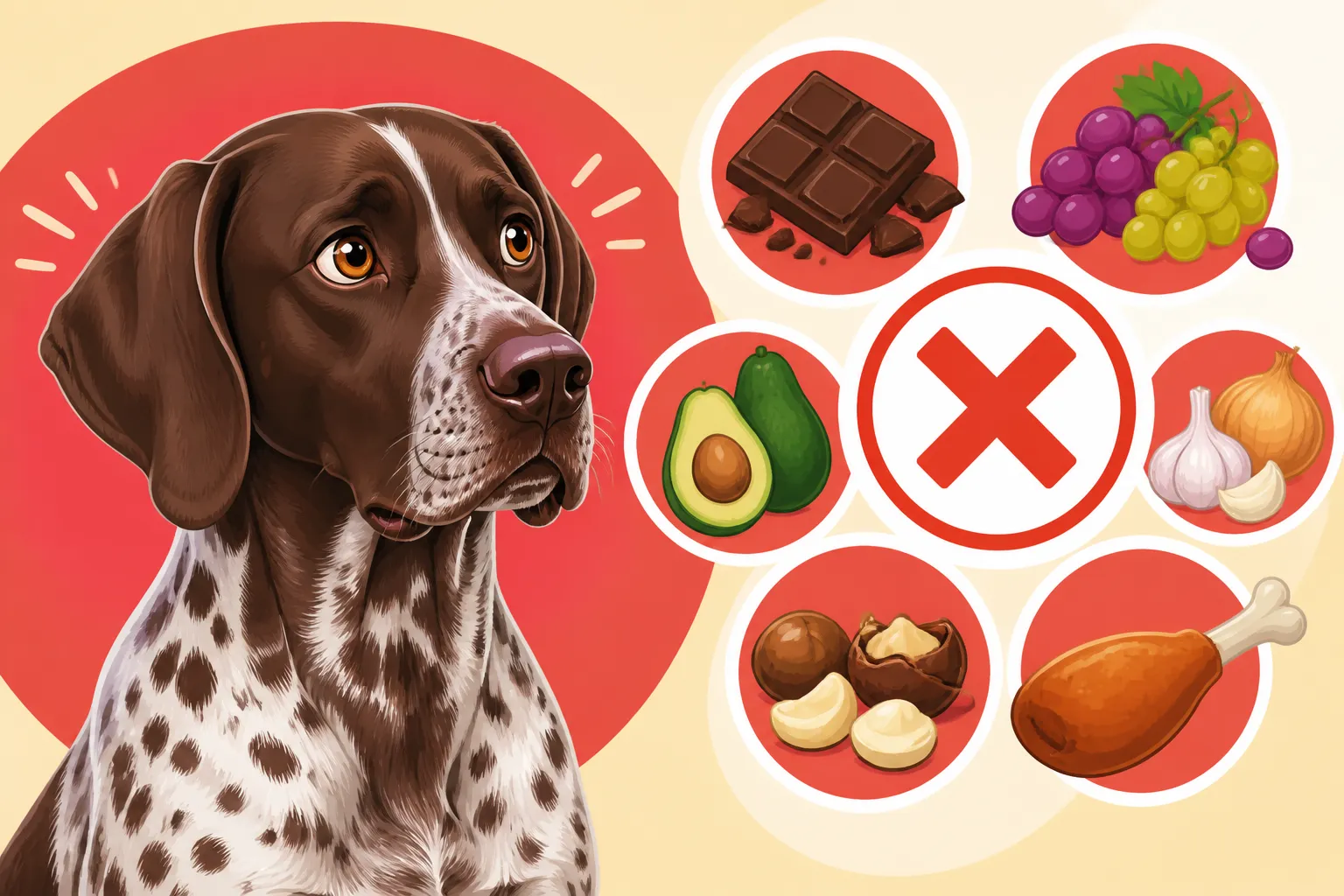
Foods That Upset a German Shorthaired Pointer
It's an awful feeling when your beloved German Shorthaired Pointer isn't feeling well, especially when you suspect it might be something they ate. Their boundless energy and enthusiastic approach to life means they often eat first and ask questions later, leading to upset stomachs, digestive issues, or worse. This guide will walk you through the common culprits that can cause problems for your GSP, from mild tummy troubles to truly dangerous ingestions, helping you keep your high-energy companion happy and healthy.
Understanding Your GSP's Sensitive Stomach
German Shorthaired Pointers are built for performance. They're lean, muscular athletes with incredibly efficient metabolisms. While this is fantastic for their field work, it can sometimes mean their digestive systems are a bit more finely tuned, and thus, more susceptible to disruption from certain foods. It's not uncommon for a GSP to have a tummy that rebels against something another dog might tolerate without a blink.
Why Some Foods Are Trouble for Active Dogs
Think about it: your GSP burns through calories like a furnace. Their digestive system is optimized to process a consistent, high-quality diet that fuels that energy. When something outside of their usual, carefully balanced nutrition enters the picture, it can throw everything off. Even a subtle change in ingredients, or a sudden influx of rich, fatty foods, can send their gut into a tailspin. Their high drive also means they're often opportunistic eaters, snagging dropped food or investigating questionable items in the yard, which only increases their exposure to potential irritants. It's not just about what's bad for them, but what's different from their regular, performance-oriented diet.
Common Symptoms of Food Intolerance
When a food doesn't agree with your German Shorthaired Pointer, the signs can range from mild to severely concerning. You might notice soft stools or outright diarrhea, which can become quite urgent and frequent. Vomiting is another common symptom, sometimes happening shortly after eating the offending food, other times hours later. Beyond the obvious digestive upset, food intolerances can manifest in other ways. Your GSP might become lethargic, lose their appetite, or seem generally uncomfortable, perhaps pacing or trying to eat grass excessively.
Sometimes, skin issues can even point to a dietary problem. Persistent itching, redness, ear infections, or a dull coat might all be subtle clues that something in their diet isn't quite right. Keep a close eye on their eliminations; changes in color, consistency, or the presence of mucus or blood are definite red flags. If your active dog suddenly seems less enthusiastic about their morning run or appears generally subdued, it's worth considering what they might have eaten. Observing these patterns carefully is your first step in becoming a detective for your dog's health.
The Usual Suspects: Foods to Approach with Caution
While there's a long list of foods that are outright toxic, many everyday human foods, or even certain ingredients in commercial dog foods, can cause significant digestive upset in your German Shorthaired Pointer. These aren't necessarily poisons, but they can certainly make your dog feel miserable and potentially lead to more serious health issues.
Rich, Fatty, or Greasy Foods
This category is probably the most common culprit behind a GSP's upset stomach, and it's almost always due to well-meaning owners sharing table scraps. Think about that greasy burger patty, bacon drippings, fried chicken skin, or even a dollop of butter from your toast. While it might seem like a tasty treat, these rich, fatty foods are a huge shock to your GSP's system. Their bodies aren't designed to handle such concentrated fats.
The biggest concern here, beyond just plain diarrhea and vomiting, is the risk of pancreatitis. The pancreas is a delicate organ responsible for producing digestive enzymes and hormones. When it's suddenly overloaded with fat, it can become inflamed, leading to a condition known as pancreatitis. This is incredibly painful for your dog and can range from mild to severe, even life-threatening. Symptoms include severe abdominal pain (your GSP might hunch their back or refuse to be touched), repeated vomiting, diarrhea, loss of appetite, and lethargy. It's a serious medical emergency that often requires veterinary intervention. So, while your GSP's pleading eyes might be hard to resist, remember that sharing your fatty meals is not a kindness in the long run. If your GSP is suddenly slowing down and you suspect a rich meal, consider reading up on A German Shorthaired Pointer That Has Stopped Wanting to Run.
Certain Grains and Legumes
The world of dog food is full of discussions about grains, and for good reason. While many dogs tolerate grains just fine, some German Shorthaired Pointers can develop sensitivities to common grains like corn, wheat, or soy. These sensitivities aren't necessarily allergies, but rather intolerances that can cause digestive upset, itchy skin, or chronic ear problems. If you notice your GSP constantly scratching, developing skin rashes, or having recurring soft stools, a grain sensitivity could be at play.
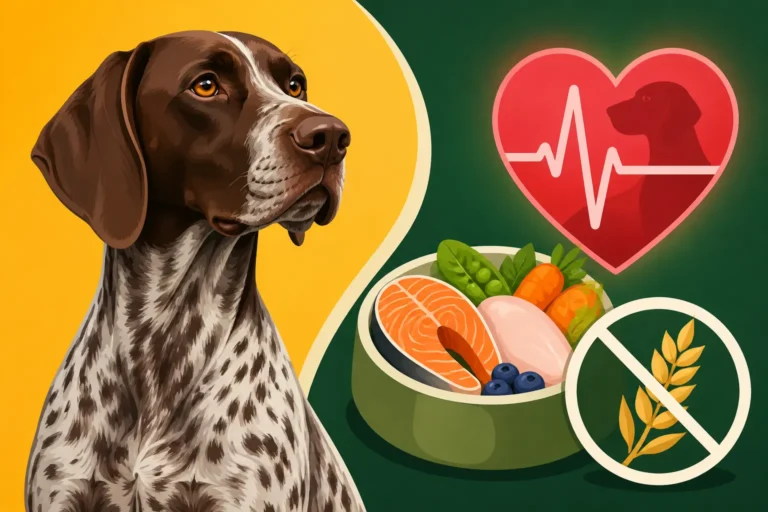
Beyond traditional grains, there's been a lot of recent conversation around legumes—peas, lentils, and other pulse ingredients—in dog foods, especially those labeled "grain-free." While not inherently bad for all dogs, some research has indicated a potential link between diets high in certain legumes and potatoes (used as grain alternatives) and a heart condition called Dilated Cardiomyopathy (DCM) in some breeds, including those not typically predisposed to it. This is a complex and evolving topic, and it's essential to discuss your GSP's diet with your veterinarian, especially if you're considering a grain-free option. It's worth researching Grain Free Food and a Shorthair's Heart to understand the nuances of this issue. For now, if you're feeding a diet high in legumes, keep a close eye on your dog's health and consult your vet for guidance.
Dairy Products
Just like many humans, a good number of dogs are lactose intolerant. Milk, cheese, ice cream, and other dairy products contain lactose, a sugar that many adult dogs struggle to digest because they lack sufficient lactase enzymes in their gut. When undigested lactose reaches the large intestine, it ferments, leading to gas, bloating, stomach cramps, and diarrhea.
A small lick of ice cream or a tiny piece of cheese might not cause an issue for every GSP, but larger quantities, or even small amounts in particularly sensitive individuals, can certainly lead to a messy situation. Puppies, surprisingly, can often tolerate milk better than adult dogs because they still produce lactase, but this ability typically wanes as they mature. If you've been sharing your yogurt or giving milk as a treat and notice a pattern of digestive upset, dairy is a very likely culprit.
Truly Toxic Foods: Absolute No-Gos for Your GSP
Beyond foods that simply cause an upset stomach, there's a critical category of items that are genuinely poisonous to dogs. Ingesting even small amounts of these can lead to severe illness, organ damage, or even death. It's crucial for every German Shorthaired Pointer owner to know these absolute no-gos and ensure they are kept far out of paw's reach.
Chocolate, Coffee, and Caffeine
This is probably the most well-known toxic food for dogs, and for good reason. Chocolate contains theobromine, a stimulant similar to caffeine, which dogs metabolize much more slowly than humans. This means it stays in their system longer and can build up to toxic levels. Caffeine itself is also dangerous.
The severity of the reaction depends on the type of chocolate and the amount ingested relative to your GSP's body weight. Darker chocolates, baking chocolate, and cocoa powder contain much higher concentrations of theobromine than milk chocolate. White chocolate has very little. Symptoms can appear within a few hours and include vomiting, diarrhea, increased thirst, restlessness, hyperactivity, tremors, elevated heart rate, and even seizures or death in severe cases. Always err on the side of caution; if your GSP gets into chocolate, call your vet immediately.
Onions, Garlic, Chives, and Leeks
These common kitchen staples, all part of the Allium family, are incredibly toxic to dogs. They contain compounds that can damage a dog's red blood cells, leading to a condition called hemolytic anemia. This means their body can't carry enough oxygen, leading to weakness and organ damage.
The toxic effects can be delayed, sometimes not appearing for several days after ingestion, which makes diagnosis tricky if you don't recall the exposure. Symptoms include lethargy, weakness, pale gums, increased heart rate, rapid breathing, vomiting, diarrhea, and dark, reddish urine. All forms of these foods are dangerous—raw, cooked, dehydrated, or powdered. This includes onion powder in many seasonings and even garlic in some human baby food if you're ever tempted to share.
Grapes and Raisins
While the exact toxic compound in grapes and raisins remains a mystery, their ability to cause acute kidney failure in dogs is a well-established and frightening fact. Even a small number of grapes or raisins can be enough to cause severe kidney damage in some dogs, while others might tolerate a slightly larger amount. There's no safe dose, and sensitivity varies wildly among individual dogs.
Symptoms of grape or raisin toxicity often begin with vomiting and hyperactivity, followed by lethargy, dehydration, decreased appetite, and abdominal pain. Reduced urine production or complete anuria (no urine production) can indicate severe kidney damage. Because the mechanism of toxicity isn't fully understood, immediate veterinary attention is paramount if you suspect your GSP has eaten any amount of grapes or raisins. This is not something to "wait and see" about. Prompt action could be the difference between life and death. For other emergency situations, understand Emergency Care for a Bloating German Shorthaired Pointer.
Xylitol (Birch Sugar)
Xylitol is a sugar alcohol used as a sweetener in many sugar-free human products. It's becoming increasingly common and is extremely toxic to dogs, even in small amounts. For dogs, xylitol causes a rapid and profound release of insulin, leading to a dangerous drop in blood sugar (hypoglycemia). It can also cause severe liver damage in higher doses.
You'll find xylitol in sugar-free gum, candies, breath mints, certain peanut butters, toothpaste, sugar-free baked goods, and even some vitamins or medications. Symptoms of hypoglycemia can appear rapidly (within 15-30 minutes) and include vomiting, lethargy, weakness, incoordination, collapse, and seizures. If you ever use a sugar-free product, always check the ingredient list for xylitol and keep it locked away from your curious GSP.
Avocado
Avocado contains a fungicidal toxin called persin. While persin is generally more problematic for birds and some other animals, it can cause gastrointestinal upset (vomiting and diarrhea) in dogs if ingested in large quantities. The pit and skin contain the highest concentrations, but the flesh can also cause issues. The biggest concern with the pit, however, is not just the persin, but its size and shape, which pose a choking hazard or can cause an intestinal obstruction if swallowed by an enthusiastic chewer.
Macadamia Nuts
Macadamia nuts can cause a temporary but often alarming set of neurological symptoms in dogs. While usually not fatal, ingestion can lead to weakness, especially in the hind legs, tremors, vomiting, fever, and depression. Symptoms typically appear within 12 hours and usually resolve on their own within 24 to 48 hours. However, it's always best to contact your vet if your GSP has eaten them, especially if they are combined with chocolate (a common pairing in human treats), which would compound the danger.
Alcohol and Yeast Dough
Alcohol, in any form, is toxic to dogs. Just like in humans, it depresses the central nervous system, but dogs are much more sensitive to its effects. Even small amounts can cause vomiting, diarrhea, incoordination, tremors, difficulty breathing, and potentially lead to coma or death. Keep alcoholic beverages, food cooked with alcohol, and even raw yeast dough away from your GSP.
Raw yeast dough is a double threat. First, the yeast can ferment in your dog's warm stomach, producing alcohol and leading to alcohol poisoning. Second, as the yeast rises, the dough expands in their stomach, which can cause severe bloating, pain, and potentially lead to a life-threatening condition known as gastric dilatation-volvulus (GDV) or bloat, a condition German Shorthaired Pointers are already predisposed to. This is a true emergency.
Bones (Cooked) and Large Amounts of Raw Bones
While dogs are often associated with bones, not all bones are created equal, and some can be very dangerous. Cooked bones become brittle and can splinter easily, posing a significant risk. These sharp fragments can cause choking, get lodged in your GSP's esophagus or intestines, or puncture internal organs. Never give your dog cooked chicken, turkey, pork, or beef bones.
Even raw bones, while generally safer than cooked ones, come with their own risks. Too many raw bones, especially weight-bearing bones from large animals, can lead to constipation, rectal bleeding, or damaged teeth. Smaller raw bones from poultry are usually fine for chewing, but supervise your GSP to ensure they're not gulping large pieces. If you're considering raw bones, it's important to understand Whether Bones Suit a German Shorthaired Pointer and discuss it with your vet to ensure it's appropriate for your individual dog.
Identifying and Managing Food Sensitivities
It can be incredibly frustrating to see your energetic German Shorthaired Pointer suffering from digestive issues or skin problems, especially when you can't pinpoint the cause. The good news is that with a little patience and a systematic approach, you can often identify and manage food sensitivities effectively.
The Elimination Diet: Your Best Detective Tool
If you suspect your GSP has a food sensitivity or allergy, the gold standard for diagnosis is an elimination diet. This isn't a quick fix, but it's the most reliable way to figure out what's causing the trouble. The basic principle is to strip everything back to basics and then slowly reintroduce ingredients.
Here's how it generally works:
- Select a Novel Protein and Carbohydrate: This means choosing a protein source (like duck, venison, or rabbit) and a carbohydrate source (like potato or sweet potato) that your GSP has never eaten before. The idea is to use ingredients their immune system has never been exposed to and therefore won't react to. You might need to buy a specialized veterinary hydrolyzed protein diet, which breaks down proteins into such tiny components that the body doesn't recognize them as allergens. Brands available on platforms like Chewy or Amazon often carry these prescription diets.
- Strict Feeding for 8-12 Weeks: For this entire period, your GSP eats only the chosen novel diet. No treats, no table scraps, no flavored medications, no flavored toys, and absolutely no other food. This requires serious dedication, as even a crumb can skew results. Every family member needs to be on board.
- Monitor Symptoms: Keep a detailed journal of your GSP's symptoms. Note any changes in stool quality, itching, ear health, or energy levels. The goal is to see a complete resolution of symptoms.
- Reintroduction Phase: Once symptoms have completely resolved for several weeks, you begin slowly reintroducing single ingredients from their previous diet, one at a time, for about a week. For example, you might offer a small amount of chicken for a week and monitor for symptoms. If symptoms return, you've likely identified an offending ingredient. If not, move on to the next ingredient. This methodical process helps you pinpoint the exact triggers.
This process takes time and consistency, but it's the most accurate way to understand your GSP's unique dietary needs. Remember, patience is key. During this time, it might be beneficial to introduce a quality probiotic to support gut health; consider exploring Whether a Shorthair Needs a Probiotic.
Choosing the Right Food: What to Look For
Once you have an idea of what ingredients might be problematic, or even if you just want to provide the best possible diet for a healthy GSP, choosing the right food is crucial.
- Limited Ingredient Diets (LID): These diets simplify the ingredient list, often focusing on a single protein source and a single carbohydrate source. They're excellent for dogs with known sensitivities, making it easier to avoid specific triggers.
- High-Quality Protein Sources: Look for dog foods where a named meat source (e.g., "chicken meal," "deboned lamb") is the first ingredient. Avoid vague terms like "meat meal" or "animal digest." German Shorthaired Pointers thrive on high-quality protein to maintain their muscle mass and energy levels. Consider the Protein and Fat Ratios for a Hunting German Shorthaired Pointer to ensure it aligns with their activity.
- Avoid Common Allergens (if identified): If your elimination diet points to chicken or corn, actively seek out foods that exclude these ingredients.
- Consider Fresh or Gently Cooked Options: Some owners find that fresh or gently cooked diets work wonders for sensitive stomachs. Brands like Ollie offer human-grade, fresh food options with transparent ingredient lists that can be a great choice for GSPs with sensitivities, allowing you to control exactly what goes into their bowl. These can also be found through specialized pet food retailers on Amazon or Chewy.
- Balanced Nutrition: Always ensure the food is complete and balanced for your dog's life stage (puppy, adult, senior) according to AAFCO guidelines.
When to Seek Veterinary Advice
While you can do a lot to manage your GSP's diet at home, there are times when immediate veterinary intervention is absolutely necessary. Never hesitate to contact your vet if you observe any of the following:
- Severe or Persistent Vomiting: Especially if your GSP can't keep water down, or if the vomit contains blood.
- Severe Diarrhea: Particularly if it's watery, contains blood, is black and tarry (melena), or is accompanied by signs of dehydration or weakness.
- Signs of Abdominal Pain: Such as hunching, whining, reluctance to move, or a distended, hard belly (especially concerning for bloat in GSPs).
- Lethargy and Weakness: If your normally energetic GSP is unusually subdued, struggling to get up, or unresponsive.
- Collapse or Seizures: These are critical emergencies.
- Known Ingestion of a Toxic Substance: Don't wait for symptoms. Call your vet or an emergency animal hospital immediately if you know your GSP has eaten something dangerous like chocolate, grapes, or xylitol.
- Any Worsening or Unexplained Symptoms: If you've been managing a mild issue and it suddenly gets worse, or if new, alarming symptoms appear, it's time for professional help.
- Puppies or Senior Dogs: These age groups are often more vulnerable to severe dehydration and other complications from digestive upset.
Always remember that your veterinarian is your best resource for your GSP's health. They can provide an accurate diagnosis, recommend appropriate treatment, and guide you through complex dietary changes. Regular check-ups are also crucial; keep up with The Vet Schedule a Working Shorthair Should Keep to catch potential issues early.
Common Problematic Foods and Their Effects
To help you keep track, here's a quick reference table of common foods that can upset your German Shorthaired Pointer's stomach, ranging from mild irritants to life-threatening toxins.
| Food Category | Specific Examples | Potential Effects | Severity |
|---|---|---|---|
| High Fat/Greasy | Bacon, gravies, fried foods | Vomiting, diarrhea, pancreatitis (severe abdominal pain) | Moderate-High |
| Dairy | Milk, cheese, ice cream | Vomiting, diarrhea, gas, bloating (lactose intolerance) | Mild-Moderate |
| Certain Grains | Corn, wheat, soy | Vomiting, diarrhea, itching, chronic ear infections (sensitivities) | Mild-Moderate |
| Chocolate/Caffeine | Dark chocolate, coffee, energy drinks | Vomiting, diarrhea, tremors, hyperactivity, seizures, death | High-Life Threatening |
| Onions/Garlic | Raw, cooked, powdered forms | Hemolytic anemia (pale gums, weakness, dark urine) | High-Life Threatening |
| Grapes/Raisins | All forms | Acute kidney failure (vomiting, lethargy, reduced urination) | High-Life Threatening |
| Xylitol | Sugar-free gum, peanut butter | Rapid drop in blood sugar, liver failure, seizures, death | High-Life Threatening |
| Alcohol/Yeast Dough | Alcoholic beverages, raw bread dough | Vomiting, incoordination, tremors, bloat, death | High-Life Threatening |
| Macadamia Nuts | Macadamia nuts | Weakness (especially hind legs), tremors, vomiting, fever | Moderate |
| Avocado | Large amounts, especially pit/skin | Vomiting, diarrhea, choking/obstruction (pit) | Mild-Moderate |
| Cooked Bones | Chicken, pork, beef bones | Choking, splintering, internal punctures, obstruction | High |
Remember, this table is a guide, and individual dog sensitivities can vary. When in doubt, it's always safest to avoid sharing human foods that aren't specifically formulated for dogs.
Keeping your German Shorthaired Pointer fueled and healthy is one of the biggest responsibilities we have as their companions. While their enthusiastic appetites can sometimes lead them astray, understanding which foods are likely to cause upset, or worse, be toxic, empowers you to make smarter choices. From avoiding those tempting table scraps to carefully selecting their daily kibble, a watchful eye and a consistent, appropriate diet will go a long way in ensuring your GSP lives a long, active, and happy life free from preventable tummy troubles.
Disclaimer
This article is for general informational purposes only and does not constitute professional advice. Laws, prices and regulations vary by location and change over time. Consult a qualified professional for guidance on your specific situation.