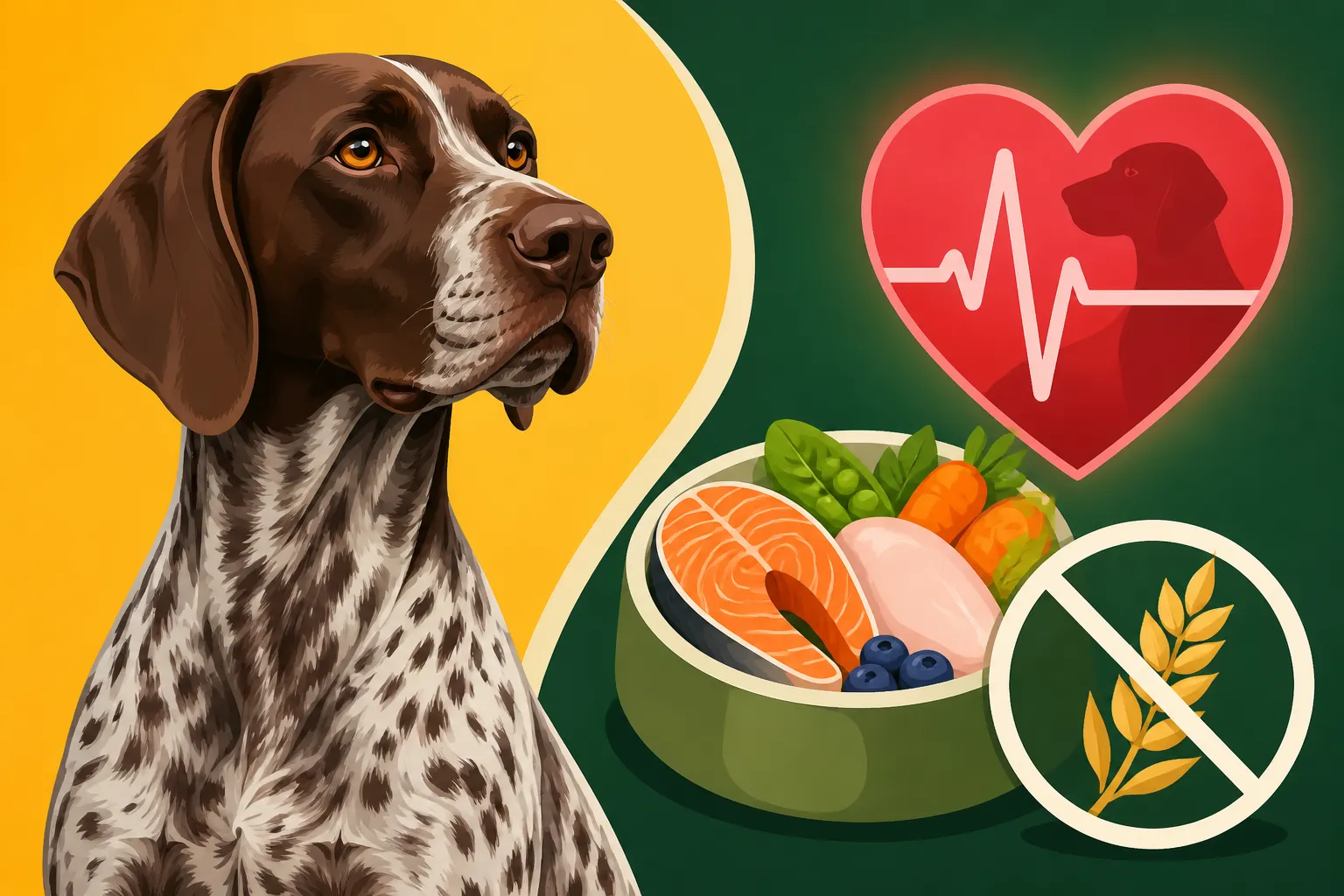
Grain Free Food and a Shorthair’s Heart
It’s truly a worrying time when you hear whispers, or even loud shouts, about something as fundamental as your dog’s food potentially causing heart problems. For us German Shorthaired Pointer owners, who rely so much on our dogs' athletic hearts for their active lives, the concern about grain-free diets and their link to Dilated Cardiomyopathy (DCM) has been particularly unsettling. This guide aims to unpack the issue, clarify the current understanding, and help you make informed decisions about feeding your beloved Shorthair.
The Grain-Free DCM Scare: What Happened and Why It Mattered to Shorthair Owners
Cast your mind back a few years, and you might recall a significant buzz—and a fair bit of panic—in the dog owning community. Suddenly, many of us who had opted for grain-free diets, believing them to be a healthier, more "natural" choice, were confronted with news that these very foods might be linked to a serious heart condition: Dilated Cardiomyopathy, or DCM.
For a German Shorthaired Pointer, whose very essence is boundless energy and sustained effort, a healthy heart isn't just a nice-to-have; it's absolutely crucial. Our dogs are bred to run, point, and retrieve all day, often in demanding conditions. The idea that the food we were meticulously choosing to fuel their incredible engines could be inadvertently damaging their most vital organ was, understandably, terrifying.
The concern first started gaining traction when veterinary cardiologists began noticing an uptick in atypical DCM cases, particularly in breeds not traditionally prone to the condition. Breeds like Golden Retrievers, for example, were suddenly presenting with DCM, and a common thread among many of these affected dogs was their diet: specifically, commercially available grain-free or "boutique" pet foods, often containing exotic ingredients or legumes as primary carbohydrate sources. This wasn't just a casual observation; it became a significant red flag that sparked widespread investigation by veterinary nutritionists and regulatory bodies.
What is Dilated Cardiomyopathy (DCM)?
Dilated Cardiomyopathy is a progressive disease of the heart muscle. In dogs with DCM, the heart's chambers, particularly the left ventricle, become enlarged and the muscle walls thin. This thinning and enlargement reduce the heart's ability to pump blood effectively, leading to a host of debilitating symptoms like weakness, exercise intolerance, coughing, and eventually, congestive heart failure.
In some breeds, like Doberman Pinschers and Boxers, DCM has a known genetic component. These breeds are predisposed to the condition regardless of diet. However, what made the grain-free link so alarming was the emergence of DCM in breeds where it wasn't typically seen, or in dogs without a familial history of the disease. This "atypical" presentation pointed strongly towards an environmental factor, and diet quickly became the prime suspect. For a German Shorthaired Pointer, being so naturally robust and active, a diagnosis of DCM would be absolutely devastating, not just for the dog's future in the field, but for its very quality of life. The Heart Murmur a German Shorthaired Pointer Puppy Can Carry might be something you're already monitoring, but diet-related DCM was a new, unexpected worry for many.
Why Grain-Free Diets Became the Focus
The hypothesis quickly formed that something in the formulation of these particular diets—often characterized by being "grain-free" or relying heavily on ingredients like peas, lentils, chickpeas, and potatoes—was either causing a nutrient deficiency or containing compounds that interfered with normal heart function. The primary nutrient of concern that emerged was taurine.
Taurine is an amino acid essential for many bodily functions, including proper heart muscle contraction. While some breeds, like Cocker Spaniels, are known to have a genetic predisposition to taurine deficiency, this new wave of DCM cases affected dogs across many breeds, some of which should naturally synthesize enough taurine or get it from their diet. The thinking was that the ingredients used as substitutes for grains in these foods (especially legumes) might either be low in taurine themselves, or more insidiously, might somehow block the absorption or synthesis of taurine within the dog's body. It was a complex puzzle, and the initial lack of clear answers fueled the anxiety for responsible pet owners.
Understanding the Research: What We Know (And Don't Know) About Diet and Heart Health
The link between specific diets and DCM in dogs isn't as simple as "grain-free equals bad heart." The scientific community, including veterinarians, nutritionists, and pet food companies, has been intensely studying this issue, and the picture is more nuanced than initial headlines suggested.
The term "BEG diets" emerged, referring to "Boutique, Exotic ingredient, and Grain-free" pet foods. These were the categories most commonly associated with the atypical DCM cases. Boutique brands often have limited distribution or are less established. Exotic ingredients refer to novel proteins like kangaroo or duck, or alternative carbohydrate sources like tapioca. And, of course, grain-free referred to the absence of traditional grains like corn, wheat, or rice.
The Role of Taurine
While not all grain-free diets were linked to DCM, and not all dogs on these diets developed DCM, a significant portion of affected dogs showed improvements after a diet change and/or taurine supplementation. This pointed a strong finger at taurine deficiency. However, it wasn't always straightforward. Some dogs with diet-associated DCM had normal blood taurine levels, suggesting that the issue might be more complex than a simple deficiency. Taurine Levels in German Shorthaired Pointers are a key factor to discuss with your vet if you have concerns.
It's believed that the ingredients replacing grains, particularly high amounts of legumes (peas, lentils, chickpeas) and potatoes, might be the culprits. These ingredients are not inherently bad; in moderation, they can be good sources of fiber and protein. However, when they form the bulk of a diet, they might:
- Disrupt taurine metabolism: Some studies suggest that certain compounds in legumes might interfere with the body's ability to process or absorb taurine.
- Contain antinutrients: These are natural compounds that can interfere with the absorption of other nutrients.
- Affect gut microbiome: Changes in gut bacteria due to high-fiber diets might alter bile acid metabolism, which in turn can impact taurine levels.
- Simply be displacing taurine-rich ingredients: If the overall protein sources in the food are not rich in taurine (e.g., certain plant proteins), and no synthetic taurine is added, the dog might simply not be getting enough.
This isn't to say that all foods with these ingredients are problematic, or that all grain-free foods are dangerous. It highlights the complexity of canine nutrition and the need for rigorous research and proper formulation.
Current Veterinary Recommendations
The prevailing advice from veterinary cardiologists and nutritionists is to choose dog foods from companies that employ a team of board-certified veterinary nutritionists, conduct feeding trials, and have a long track record of scientific research and quality control. These companies often produce diets that may or may not contain grains, but are formulated based on established nutritional science rather than trending marketing claims.
The concern isn't solely about grains (or lack thereof), but about the overall formulation, the ingredients used to replace grains, and the scientific rigor behind the product. Many grain-inclusive foods are perfectly healthy, and some grain-free foods might be well-formulated. The issue lies in particular patterns of ingredients and formulations within the "BEG" category.
When you're looking at food, consider the following:
- Company reputation and research: Do they employ veterinary nutritionists? Do they conduct feeding trials?
- Ingredient list: While not a definitive guide, be wary of foods where legumes (peas, lentils, potatoes) are among the first few ingredients, especially if your GSP is on a grain-free diet.
- Vet consultation: Always, always, always talk to your veterinarian. They are your best resource for tailored advice for your dog. For specific heart concerns, a referral to a veterinary cardiologist might be warranted, especially for an Echocardiograms for a German Shorthaired Pointer.
Here’s a simple table to help you distinguish between diets based on the current understanding:
| Diet Type | Key Characteristics | Associated Concerns (BEG) | General Recommendation |
|---|---|---|---|
| Grain-Inclusive | Contains common grains (corn, wheat, rice, barley, oats). | Generally not associated with diet-related DCM. | Often recommended due to extensive research and safe formulation by reputable brands. |
| Grain-Free | No common grains. Often uses legumes, potatoes, tapioca. | If "BEG" (Boutique, Exotic, Grain-Free), higher association with diet-related DCM. | Choose reputable brands with nutritional expertise; monitor taurine levels, consult vet. |
| Limited Ingredient (LID) | Fewer ingredients, often novel protein/carb sources. | Can overlap with "BEG" if grain-free or exotic proteins used. | Useful for allergies, but ensure complete nutrition and professional formulation. |
| Fresh/Raw Diets | Unprocessed or minimally processed. | Variable risk; some may be nutritionally incomplete if not professionally formulated. | Ensure balanced and complete formulation by a veterinary nutritionist; consult vet before feeding. Often contain appropriate grains or other carb sources. |
Navigating Food Choices for Your German Shorthaired Pointer
Choosing the right food for your German Shorthaired Pointer isn't just about avoiding potential problems; it's about providing optimal nutrition for a dog that demands a lot from its body. Their energy levels and athleticism mean their dietary needs are higher than many other breeds.
It’s easy to get caught up in marketing buzzwords like "natural," "holistic," or "ancestral." While these sound appealing, they don't always equate to scientifically sound nutrition. What truly matters is a balanced diet that meets all of your GSP’s needs, supports their high metabolism, and keeps their heart healthy for all those miles in the field. Feeding a German Shorthaired Pointer That Runs All Day requires careful consideration.
Prioritizing Reputable Brands
When I'm looking for dog food, I always start by asking about the company's research and development. Do they have veterinary nutritionists on staff? Do they perform feeding trials? These are crucial indicators of a brand's commitment to animal health and scientific formulation, not just marketing. These companies often adhere to guidelines set by organizations that ensure nutritional adequacy, like AAFCO in the United States.
Many established brands, whether you find them on a major retailer like Chewy or your local pet supply store, have spent decades perfecting their recipes, often including grains as a valuable, digestible source of carbohydrates and nutrients. These are generally the safest bets, as they have the resources and scientific backing to ensure their diets are complete and balanced. Don't be swayed by fear-mongering about corn or other grains; for most dogs, these are perfectly fine and, in fact, provide essential nutrients.
The Myth of the "Wolf Diet"
One of the driving forces behind the grain-free trend was the idea that dogs are essentially wolves and should eat a "canine ancestral diet" free of grains. While dogs share DNA with wolves, centuries of domestication and selective breeding have led to significant physiological changes, including their ability to digest carbohydrates much more efficiently than their wild ancestors. Their bodies have adapted to live alongside humans and thrive on a more varied diet.
A true "wolf diet" is also incredibly varied and includes organ meat, bones, stomach contents (which would contain partially digested plant matter), and whatever else a wolf could catch. It's not just a slab of meat. Trying to replicate this in a kibble without deep scientific understanding can lead to nutritional imbalances. Our German Shorthaired Pointers are far removed from their wolf ancestors in many ways, including their dietary needs for a sustained, high-energy lifestyle.
Considering Fresh and Custom Options
Beyond traditional kibble, there's a growing market for fresh food diets, like those offered by Ollie, or even preparing home-cooked meals. These can be excellent options, but again, the emphasis must be on nutritional completeness. If you're considering a fresh food option, ensure it's formulated by a board-certified veterinary nutritionist. These meals often include a mix of proteins, vegetables, and yes, sometimes grains or other carbohydrate sources, precisely to ensure a balanced profile and avoid deficiencies.
For home-cooked meals, it's absolutely critical to work with a vet or a veterinary nutritionist to ensure the diet is balanced. Just throwing together some chicken and rice isn't enough; dogs need a precise balance of vitamins, minerals, fats, and proteins, and getting that right without expert guidance is nearly impossible and can lead to serious health issues over time.
Making Informed Decisions: Talking to Your Vet and Reading Labels
When it comes to your German Shorthaired Pointer's health, particularly their heart, your veterinarian is your most valuable partner. They have the medical knowledge, access to the latest research, and an understanding of your individual dog's health history to guide your dietary choices.
It's easy to get overwhelmed by the sheer number of dog food brands and the conflicting advice found online. Take a deep breath. Your vet can cut through the noise and help you make choices based on science, not marketing. The Vet Schedule a Working Shorthair Should Keep should definitely include discussions about their diet.
Consulting Your Veterinarian
Before making any drastic changes to your GSP's diet, especially if they are currently on a grain-free food, sit down with your vet. Discuss your concerns about DCM and ask for their recommendations. They might suggest specific brands known for their rigorous testing and nutritional expertise.
Your vet may also recommend specific diagnostic tests if they have any concerns about your dog's heart, regardless of diet. For example, if your GSP has an irregular heartbeat or other symptoms, an echocardiogram might be in order. The Cardiologist Exam a Breeding Shorthair Needs is also vital for those planning to breed. Don't wait until there's a problem; proactive discussions are always best.
If your dog is currently on a grain-free diet and doing well, your vet might recommend a gradual transition to a grain-inclusive diet from a reputable brand as a precautionary measure. They can also advise on whether taurine supplementation is appropriate, though supplementing without professional guidance is generally not recommended, as it can mask underlying issues or create other imbalances.
Understanding Pet Food Labels
Reading a pet food label can feel like deciphering a foreign language, but a few key things can help.
- AAFCO Statement: Look for an AAFCO (Association of American Feed Control Officials) statement. This usually reads something like: "[Product Name] is formulated to meet the nutritional levels established by the AAFCO Dog Food Nutrient Profiles for [life stage]." This means the food is either formulated to meet nutritional standards or has been tested by feeding trials to ensure it provides complete and balanced nutrition for a specific life stage (e.g., puppy, adult, all life stages). Without this, you're playing a guessing game.
- Ingredient List: Ingredients are listed by weight, with the heaviest first. While a primary ingredient of meat is good, be wary if legumes (peas, lentils, chickpeas) or potatoes are among the first five ingredients in a grain-free formula. For grain-inclusive foods, whole grains are generally beneficial.
- Guaranteed Analysis: This section lists the minimum percentages of crude protein and crude fat, and maximum percentages of crude fiber and moisture. While helpful, it doesn't tell the whole story of nutrient availability or quality.
- Company Information: A reputable brand will have clear contact information and ideally, information about their manufacturing process, quality control, and scientific team on their website.
When you're comparing foods, whether you're shopping in person or browsing options on a platform like Amazon, remember that price isn't always an indicator of quality. Sometimes, higher prices reflect premium ingredients, but sometimes it just reflects marketing. Focus on the science-backed formulation.
Making a Diet Transition
If you decide to switch your German Shorthaired Pointer's food, do it gradually. A sudden change can upset their stomach, leading to diarrhea or vomiting. Over 7-10 days, slowly increase the amount of new food while decreasing the old food. This allows their digestive system to adjust smoothly.
For example, on day 1-2, feed 75% old food, 25% new food. On day 3-4, go to 50/50. Day 5-6, 25% old, 75% new. By day 7, they should be fully transitioned to the new food. Monitor their stool and overall demeanor during this period. If you notice any issues, slow down the transition. Switching a Shorthair Onto a New Food is an important process to get right. Remember, the goal is always the long-term health and vibrant energy of your incredible German Shorthaired Pointer.
Disclaimer
This article is for general informational purposes only and does not constitute professional advice. Laws, prices and regulations vary by location and change over time. Consult a qualified professional for guidance on your specific situation.