Keeping Muscle on an Aging German Shorthaired Pointer
It's incredibly tough to watch our once boundless German Shorthaired Pointers start to show their age. They're built for speed and endurance, and when you notice that lean, hard muscle beginning to soften or even diminish, it can be really disheartening. This guide is all about helping you understand why muscle loss happens in older GSPs and, more importantly, what practical steps you can take to keep them strong, active, and enjoying their golden years to the fullest.
Understanding Muscle Loss in Senior GSPs
One of the most common worries for owners of aging German Shorthaired Pointers is seeing their beloved companions lose that athletic physique they’ve always had. It’s not just about aesthetics; muscle mass is crucial for mobility, balance, and overall quality of life. When that starts to decline, it impacts everything from their ability to get up from a comfy dog bed to their confidence navigating stairs or even just walking through the yard. It's a natural process, yes, but one we can certainly work to mitigate.
The Natural Process of Sarcopenia
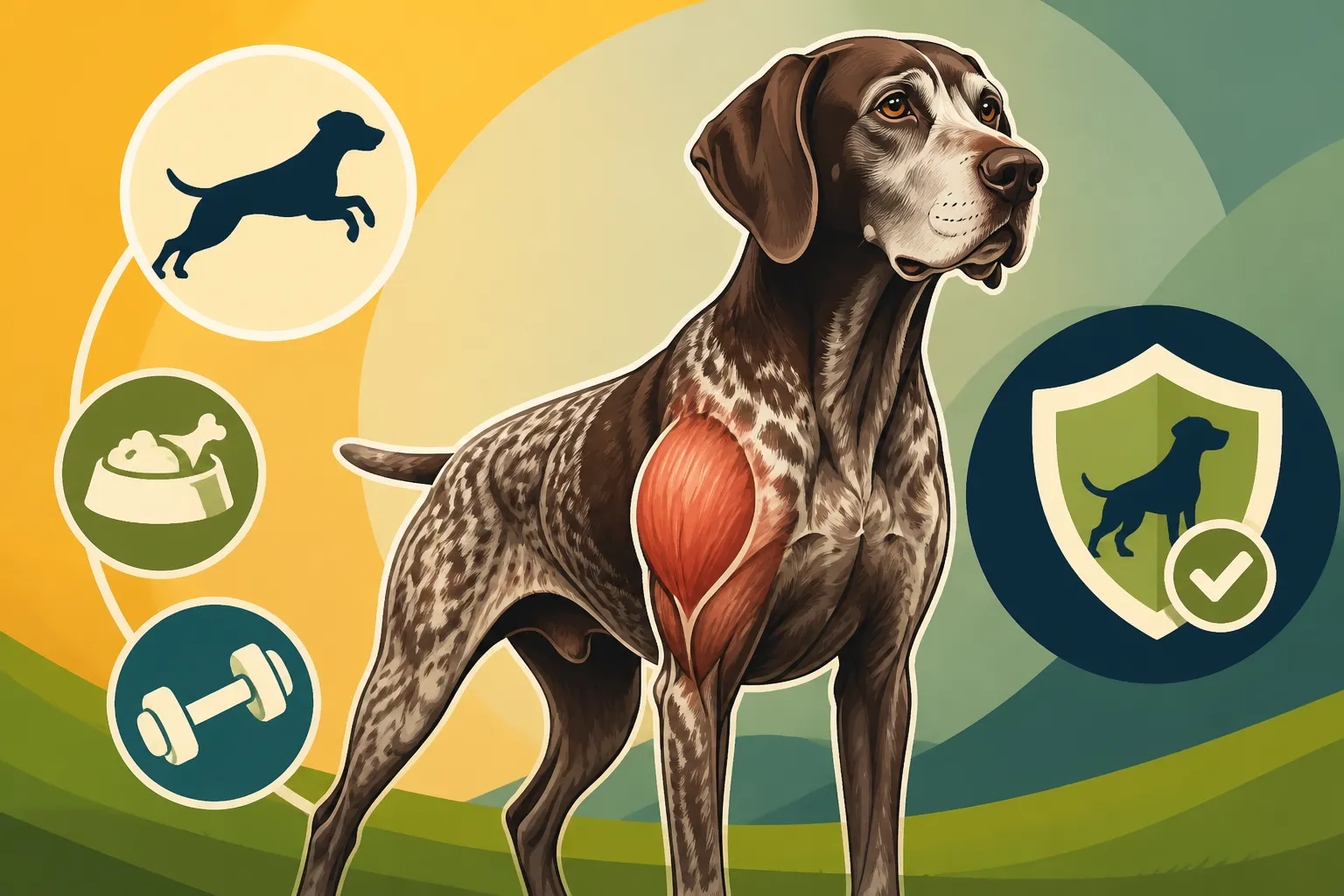
Just like in humans, dogs experience a condition called sarcopenia as they age. This is the involuntary loss of skeletal muscle mass and strength. For a German Shorthaired Pointer, a breed known for its power and lean build, sarcopenia can feel particularly pronounced. It's not just about a lack of exercise; even active senior dogs will experience some degree of muscle degradation because their bodies simply become less efficient at maintaining and building muscle tissue. Their metabolism shifts, protein synthesis can slow down, and their bodies might become more prone to inflammation, all of which contribute to muscle wasting. It's a sneaky thief, often taking hold slowly, so you might not even realize how much has been lost until it's quite significant. That's why being proactive is so key.
Recognizing the Early Signs
Catching muscle loss early is critical to slowing its progression. It's easy to dismiss a subtle change as "just getting old," but paying close attention can make a big difference. One of the first places you might notice it is over their hips and along their spine – that lean, defined look of their hindquarters might start to appear sunken or bony, even if their overall weight hasn't dropped dramatically. Their ribcage might become more prominent, or their shoulder blades might stand out more. You might also observe changes in their gait; perhaps they seem a bit stiffer when getting up, or their back legs might weave slightly when they walk. They might struggle with tasks that were once second nature, like jumping into the car or climbing onto the couch. Watch for a decrease in their enthusiasm for longer walks or play, or a general reluctance to engage in activities they once loved. The Age a German Shorthaired Pointer Is Called Senior often brings these changes into focus, so it's good to be prepared. Keep an eye out for less spring in their step or a harder time rising after a nap. These aren't always just signs of joint pain; they can signal muscle weakness.
Nutritional Strategies for Muscle Maintenance
When it comes to keeping an aging German Shorthaired Pointer's muscles strong, what goes into their bowl is just as important as how much they exercise. Their nutritional needs shift as they get older, and a diet that might have been perfect for their younger, more active selves might not be adequate for their senior years. We need to think about quality, digestibility, and targeted support. Feeding a Senior Shorthair That Has Slowed Down is a topic many owners grapple with, and diet plays a huge role in muscle retention.
Protein Power: Fueling Senior Muscles
Despite common misconceptions, older dogs often need more high-quality protein, not less, to combat sarcopenia. Protein is the building block of muscle, and as your GSP ages, their body becomes less efficient at utilizing it. This means we need to ensure they're getting enough, and that it's highly digestible. Look for dog foods where a named meat source (like chicken, beef, or lamb) is the first ingredient, and ideally, there are multiple high-quality protein sources listed.
Consider senior-specific formulas, which are often designed with a higher protein-to-calorie ratio. This helps them maintain muscle without packing on excess weight, which can be detrimental to aging joints. If your vet gives the green light, sometimes adding a lean protein supplement, like boiled chicken breast or a quality protein powder specifically for dogs, can give them an extra boost. Companies like Ollie, known for their fresh, human-grade ingredients, often have options that are rich in easily digestible proteins that can be highly beneficial for senior dogs. Just be sure to transition slowly and observe how your dog's digestive system handles any dietary changes.
Supplements That Support Strength
Beyond protein, certain supplements can be incredibly beneficial in supporting muscle health and overall well-being in senior German Shorthaired Pointers. These aren't magic bullets, but they can definitely provide an edge.
- Omega-3 Fatty Acids: These powerful anti-inflammatories can help reduce inflammation in muscles and joints, which can indirectly support muscle health by making exercise more comfortable. Look for fish oil supplements, which you can often find on platforms like Amazon or Chewy, making sure they are tested for purity.
- Glucosamine and Chondroitin: While primarily known for joint health, healthy joints enable your GSP to move more freely and therefore maintain muscle mass. If movement is painful, they'll move less, leading to faster muscle atrophy. Joint Supplements for a Hunting German Shorthaired Pointer are a common consideration for this active breed.
- L-Carnitine: This amino acid plays a role in energy metabolism and fat burning, helping to maintain lean muscle mass. It's often found in performance dog foods, but can also be supplemented under veterinary guidance.
- Creatine: Another amino acid that helps cells produce energy, creatine can support muscle strength and growth, particularly when combined with appropriate exercise. This is a supplement you'd definitely want to discuss with your vet first to ensure proper dosing and suitability for your individual dog.
It's always wise to discuss any new supplements with your veterinarian, especially with an aging dog who might have underlying health conditions or be on medications.
Here's a quick look at how dietary elements can be adjusted for a senior GSP:
| Dietary Component | Young Adult GSP (Active) | Senior GSP (Slowing Down) | Reasoning for Senior Adjustment |
|---|---|---|---|
| Protein | Moderate to High (25-30%) | High (28-35% or more) | Combat sarcopenia; reduced protein synthesis efficiency. |
| Fat | Moderate to High (15-20%) | Moderate (12-18%) | Maintain energy without excess weight gain on lower activity. |
| Carbohydrates | Moderate (30-40%) digestible complex carbs | Moderate (30-40%) digestible complex carbs | Energy source, fiber for digestion. |
| Calories | High (dependent on activity level) | Slightly reduced/maintained, higher density | Lower energy needs, but nutrient-dense to preserve muscle. |
| Fiber | Moderate | Slightly increased | Support digestive health, manage weight. |
| Supplements | Often minimal, focus on a balanced diet | Omega-3, Glucosamine/Chondroitin, L-Carnitine | Anti-inflammatory, joint support, muscle metabolism. |
| Meal Frequency | 2 meals a day | 2-3 smaller meals a day | Easier digestion, consistent nutrient supply. |
Tailored Exercise for the Aging Athlete
Our German Shorthaired Pointers are born athletes, and even as they age, that drive to move rarely disappears entirely. However, their bodies aren't what they used to be. High-impact, long-duration activities that were once their bread and butter can now be detrimental. The key is to adapt their exercise routine to maintain muscle without putting undue stress on their aging joints or cardiovascular system. It's about working smarter, not harder.
Low-Impact Activities for Joint Health
When you have a GSP who's perhaps starting to show signs of Arthritis in a German Shorthaired Pointer at Eight, you know that jarring impacts are out. Instead, focus on activities that keep their muscles engaged without the heavy pounding.
- Swimming: This is often the gold standard for senior dogs. Water provides buoyancy, supporting their joints while allowing them to use a full range of motion, building muscle without impact. Many GSPs love the water, and it's a fantastic way to keep them fit. If your dog enjoys it, consider if Whether an Old Shorthair Should Still Swim is a viable option for regular exercise. Supervised sessions in a pool or calm lake can be a game-changer.
- Leash Walks on Soft Surfaces: Ditch the pavement for grassy fields, dirt trails, or even sand, if available. Shorter, more frequent walks can be better than one long, exhausting trek. These walks should be at a comfortable pace for your GSP, allowing them to sniff and explore without feeling rushed.
- Controlled Incline Walking: Walking up a gentle incline, like a slight hill or even an elevated dog treadmill (if introduced carefully and positively), can help build hindquarter strength without excessive speed or impact. This activates different muscle groups than flat walking.
- Therapeutic Exercises: A veterinary physical therapist can provide a personalized program of gentle exercises to target specific muscle groups. These might include slow, controlled movements, balancing exercises on wobble boards, or even underwater treadmill sessions.
Remember, the goal is consistent, gentle movement. Overdoing it can lead to soreness, injury, and a reluctance to exercise in the future.
Maintaining Mobility and Core Strength
Beyond just moving, maintaining core strength and overall mobility is vital for an aging GSP. A strong core supports the spine, improves balance, and can help prevent injuries.
- Slow, Controlled Turns: Encourage your GSP to make slow, deliberate turns, both clockwise and counter-clockwise. You can use treats to lure them. This helps engage core muscles and maintains flexibility in the spine.
- Figure Eights: Setting up cones or objects and having your GSP walk slowly in a figure-eight pattern encourages them to shift their weight and use their core to stabilize. Again, keep the pace calm and controlled.
- Gentle Stretching: After exercise, once their muscles are warm, very gentle stretching can help maintain flexibility. This is something to learn from a vet or canine physical therapist to ensure you're not over-extending any joints.
- Balance Work: Standing on uneven surfaces, like a soft dog bed or a stack of towels, for short periods can challenge their balance and activate stabilizing muscles. Always supervise closely.
- Range of Motion Exercises: Gently flexing and extending each limb, especially after a nap or light walk, can help keep joints mobile and muscles supple. Your vet or a certified canine rehabilitation therapist can show you the correct techniques for your dog. Helping a Stiff Old German Shorthaired Pointer Get Up can be made easier with good range of motion.
The key is to make these exercises positive experiences, using praise and treats. Never force your GSP into a movement they resist or that causes pain. Keep sessions short and frequent rather than long and grueling. What a Ten Year Old German Shorthaired Pointer Can Still Do will vary greatly, but with consistent, mindful effort, they can remain surprisingly capable.
Creating a Supportive Environment
It's not just about what you feed your senior GSP or how you exercise them; their everyday living environment plays a massive role in their comfort, safety, and ability to maintain muscle mass. If moving around is difficult or painful at home, they'll inevitably move less, accelerating muscle loss.
Comfort and Accessibility in the Home
Think about your home from your German Shorthaired Pointer's perspective. What areas are challenging? How can you make life easier for them?
- Orthopedic Beds: A high-quality orthopedic bed is non-negotiable for an aging GSP. These beds provide superior support for aching joints and muscles, preventing pressure sores and ensuring they get truly restorative rest. Investing in a good one means they're more likely to feel comfortable enough to get up and move, rather than remaining stiff and inactive. You can find excellent options on Chewy or Amazon. Beds for a Shorthair With Worn Out Joints are a wise investment.
- Non-Slip Flooring: Smooth floors like hardwood or tile can be treacherous for a dog with reduced muscle strength and balance. Consider runners, area rugs, or anti-slip mats in high-traffic areas. Even special paw pads or grip socks can make a difference, preventing slips that could lead to injury and further inactivity. Flooring That Stops an Old Shorthair Slipping will give them confidence.
- Ramps and Steps: If your GSP loves the couch, their favorite human bed, or needs to get into the car, ramps or pet steps can protect their joints and prevent them from having to jump. Jumping is high-impact and can cause significant strain on weakening muscles and arthritic joints. Training them to use these tools calmly can extend their mobility for years.
- Warmth and Shelter: Whether an Old Shorthair Feels the Cold More is definitely something to consider. With their lean build and short coat, older GSPs can get chilled easily, especially if they have less muscle mass to generate heat. Provide warm blankets, sweaters in cold weather, and ensure their sleeping area is free from drafts. A comfortable, warm dog is more likely to be active.
Regular Vet Check-ups and Pain Management
No matter how well you manage their diet and exercise, regular veterinary care is paramount for an aging German Shorthaired Pointer. They are masters at hiding pain, especially the stoic hunting lines. Your vet is your best partner in identifying subtle issues before they become major problems.
- Bi-annual Exams: As your GSP enters their senior years, consider bi-annual (twice yearly) vet check-ups instead of just annual ones. This allows for earlier detection of age-related conditions like arthritis, organ dysfunction, or early signs of cancer. The Vet Schedule a Working Shorthair Should Keep should adjust as they age.
- Comprehensive Bloodwork: Regular Bloodwork Worth Running on an Older Shorthair can reveal underlying issues like thyroid imbalances (which can affect muscle mass and energy levels), kidney disease, or liver problems. Catching and managing these conditions early can significantly improve their quality of life and help preserve muscle.
- Pain Management Strategies: If your GSP is showing signs of arthritis or chronic pain, your vet can discuss various options. This might include non-steroidal anti-inflammatory drugs (NSAIDs), other pain medications, injectables like Librela or Adequan, or even alternative therapies like acupuncture or laser therapy. Effective pain management is crucial because if a dog is in pain, they won't want to move, and that leads directly to muscle atrophy.
- Physical Rehabilitation: A referral to a veterinary physical rehabilitation specialist can be incredibly beneficial. They can assess your GSP's gait, range of motion, and muscle strength, then develop a tailored program of exercises and therapies (like hydrotherapy or therapeutic massage) to specifically target muscle rebuilding and joint support. They can also offer advice on Keeping an Old Shorthair Comfortable at Grooming Time by showing you how to support their joints during brushing or bathing.
By taking a holistic approach—focusing on appropriate nutrition, tailored exercise, a supportive home environment, and vigilant veterinary care—you can do an incredible amount to help your aging German Shorthaired Pointer maintain their muscle mass, vitality, and that zest for life they've always had. It's a journey, and they're worth every bit of effort.
Disclaimer
This article is for general informational purposes only and does not constitute professional advice. Laws, prices and regulations vary by location and change over time. Consult a qualified professional for guidance on your specific situation.